🇨🇲 🇵🇸🇨🇩🇸🇩Abu Hanîfa ™
29.8K posts

🇨🇲 🇵🇸🇨🇩🇸🇩Abu Hanîfa ™
@BelloKohn
Senior CSP professional | Business Transformation Expert| #Innovation and #Change| Believe in Africa Youth| Patriote🇨🇲 | Co-Founder of Litahi Innovations Lab

Cameroon Katılım Haziran 2010
2.5K Takip Edilen2.3K Takipçiler
🇨🇲 🇵🇸🇨🇩🇸🇩Abu Hanîfa ™ retweetledi

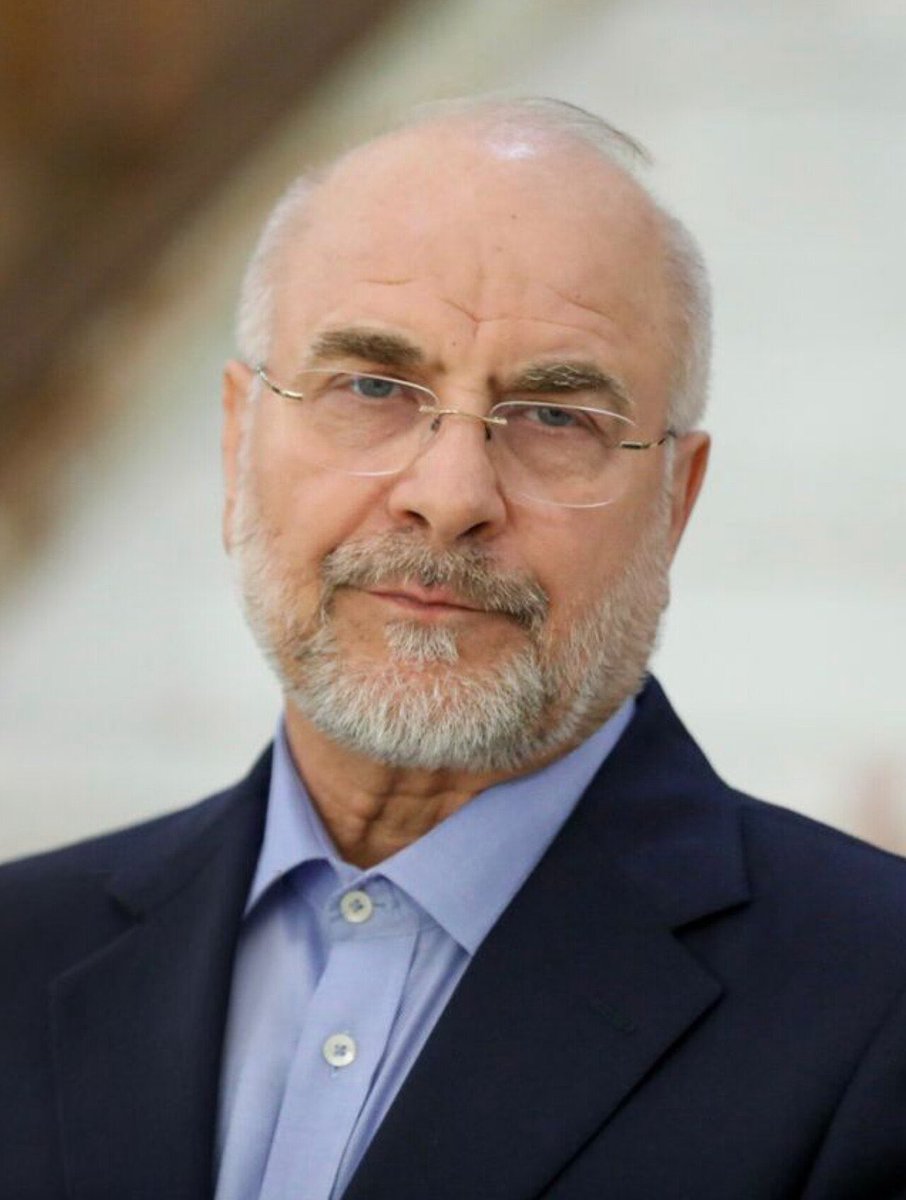
Iran’s delegation to the Islamabad Talks is made up of four men with doctorates:
- Dr. Ghalibaf (Speaker of Parliament)
- Dr. Araghchi (Foreign Minister)
- Dr. Ahmadian (Secretary of the Defense Council)
- Dr. Hemmati (Central Bank Governor)
The US delegation is made up JD Vance, a failed author, Steve Witkoff, Trump’s gold buddy and Jared Kushner, Trump’s son-in-law. None of them have the technical range to negotiate complex nuclear issues.


English
🇨🇲 🇵🇸🇨🇩🇸🇩Abu Hanîfa ™ retweetledi

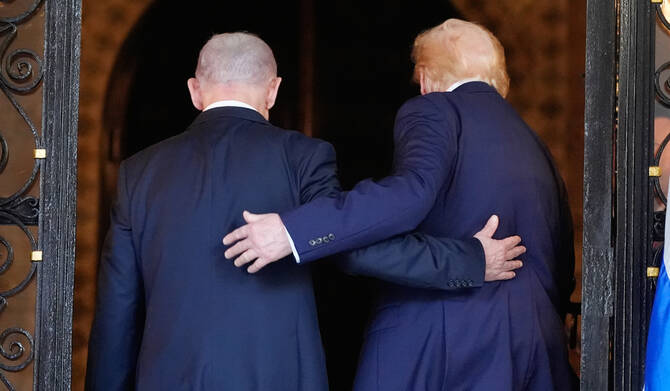
🔴 Trump rêvait d'un prix. Netanyahu en a créé un spécialement pour lui. Deux mois plus tard, les bombes tombaient sur Téhéran.
Le 29 décembre 2025, lors d'une rencontre à Mar-a-Lago, Netanyahu a annoncé à Trump qu'il recevrait le Prix d'Israël 2026, la plus haute distinction civile de l'État hébreu, pour "contribution extraordinaire au peuple juif". C'est la première fois en 72 ans d'histoire du prix qu'un chef d'État étranger en est lauréat, ce prix étant réservé aux citoyens israéliens. Pour rendre Trump éligible, Israël a dû modifier ses propres règles d'attribution.
La cérémonie est prévue le 22 avril à Jérusalem, jour de l'Indépendance d'Israël. Trump a répondu à l'invitation formelle et indiqué qu'il envisageait très sérieusement de s'y rendre en personne. Le prix aura la forme d'une sculpture unique créée par un designer israélien de 24 ans ayant effectué 600 jours de service militaire : une base en pierre du Mur des Lamentations surmontée d'une étoile de David dorée. Oui, dorée, bien-sûr !
Dans Le Pantin de la Maison Blanche, j'analyse comment les acteurs extérieurs, Netanyahu en tête, ont compris mieux que personne le mode de fonctionnement de Trump : son appétit de reconnaissance, sa sensibilité aux honneurs, sa quête de légitimité historique.
Pour mieux convaincre Trump d'entrer en guerre contre l'Iran lors de cette fameuse présentation à la Situation Room le 11 février, Netanyahu l'a préparé, voire conditionné depuis des mois et ce prix fait partie du dispositif.
📖 Le Pantin de la Maison Blanche → amazon.fr/dp/B0GPCCMS68/

Français
🇨🇲 🇵🇸🇨🇩🇸🇩Abu Hanîfa ™ retweetledi

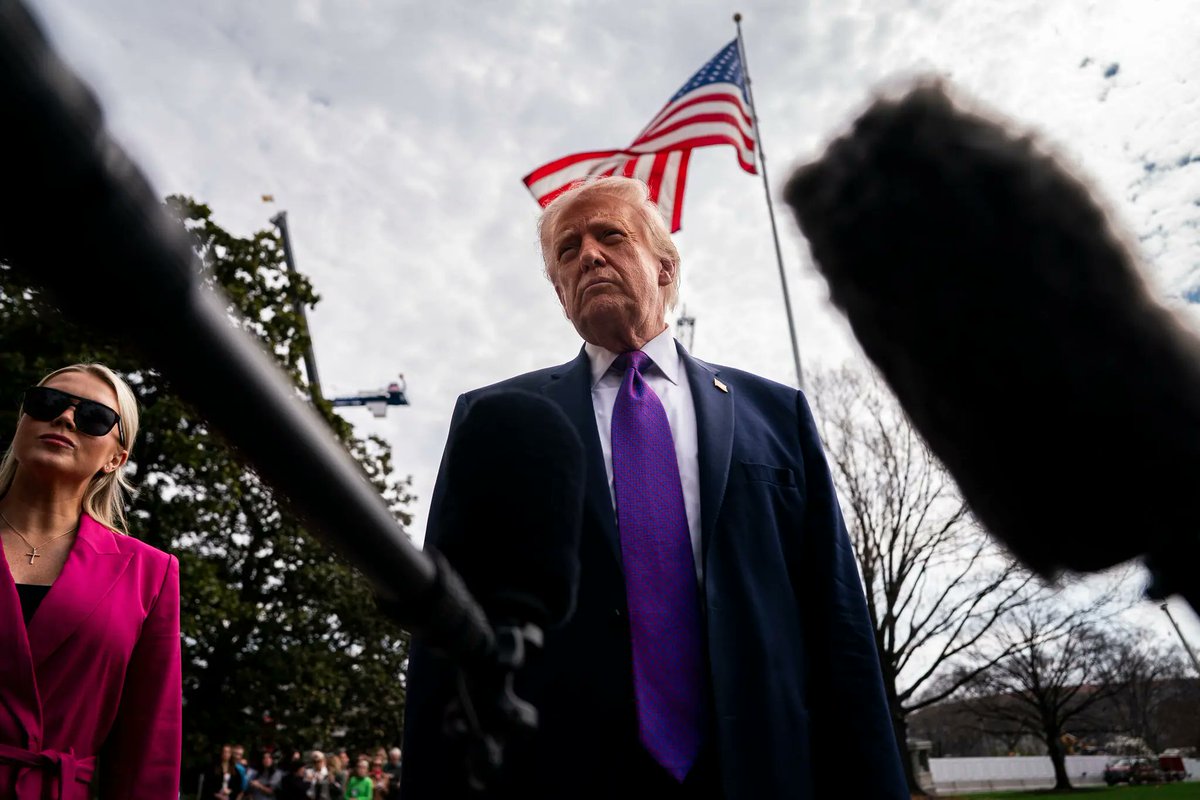
🔴 Le New York Times vient de publier le récit le plus accablant sur Trump depuis le début de la guerre. Et c'est une bombe.
Jonathan Swan et Maggie Haberman, deux journalistes de la Maison Blanche, révèlent comment Trump a pris la décision d'entrer en guerre contre l'Iran. Ce qu'ils décrivent est exactement ce que j'analyse dans Le Pantin de la Maison Blanche.
Voici les faits.
Netanyahu a vendu un rêve. Le 11 février, dans la Situation Room, le Premier ministre israélien a présenté un scénario en quatre actes : tuer le Guide Suprême, détruire l'armée iranienne, déclencher une révolution populaire, installer un nouveau régime. Il a même montré une vidéo de montage avec les "futurs dirigeants" de l'Iran. Trump a répondu : "Sounds good to me." En une phrase, il venait de sceller le destin de la région.
Le lendemain, la CIA a dit que c'était du vent. Les parties 3 et 4 du pitch de Netanyahu, la révolution populaire et le changement de régime, ont été qualifiées de "farce" par Ratcliffe lui-même. Rubio a traduit : "In other words, it's bullshit." Le général Caine a ajouté : "C'est la procédure standard des Israéliens. Ils survendent, et leurs plans ne sont pas toujours bien développés."
Trump a entendu. Et il a quand même dit oui.
Vance a tout vu. Le vice-président était le seul dans la pièce à s'opposer frontalement, avertissant que la guerre pourrait "détruire la coalition politique de Trump", que le Détroit d'Ormuz était le vrai point de vulnérabilité, que personne ne pouvait prédire les représailles iraniennes quand la survie d'un régime était en jeu. Il a dit : "Tu sais que je pense que c'est une mauvaise idée. Mais si tu veux le faire, je te soutiendrai."
Ce n'est pas du courage politique. C'est de la déférence.
Susie Wiles a regardé. La cheffe de cabinet, qui avait des inquiétudes, a estimé que ce n'était "pas son rôle" de s'exprimer sur une décision militaire devant les autres. Elle a "encouragé les conseillers à partager leurs vues." Elle s'est tue.
Le général Caine n'a jamais dit non. Il a exposé les risques : diminution des stocks de munitions, Détroit d'Ormuz, pas de voie claire vers la victoire. Puis il a dit : "Si vous ordonnez l'opération, l'armée exécutera."
Trump, lui, "entendait seulement ce qu'il voulait entendre."
Et Trump a signé à bord d'Air Force One, 22 minutes avant la deadline fixée par son propre général : "Operation Epic Fury is approved. No aborts. Good luck."
Voilà comment on entre en guerre au XXIe siècle. Pas avec une délibération solennelle. Pas avec un vote du Congrès. Pas avec une stratégie de sortie. Avec un slide show de Netanyahu, un "sounds good to me", et une note envoyée depuis un avion.
Dans Le Pantin de la Maison Blanche, j'écris que les vrais décideurs sont ceux qui préparent les présentations que Trump regarde. Netanyahu l'a compris mieux que quiconque. Il a mis en scène une heure de spectacle visuel dans la Situation Room avec Mossad en fond d'écran, des vidéos de "futurs dirigeants", une promesse de victoire rapide et propre.
Et Trump a dit oui. Pendant que Vance, Rubio, Wiles et Caine regardaient.
Voici l'article du New-York Times : nytimes.com/2026/04/07/us/…
📖 Le Pantin de la Maison Blanche → amazon.fr/dp/B0GPCCMS68/

Français

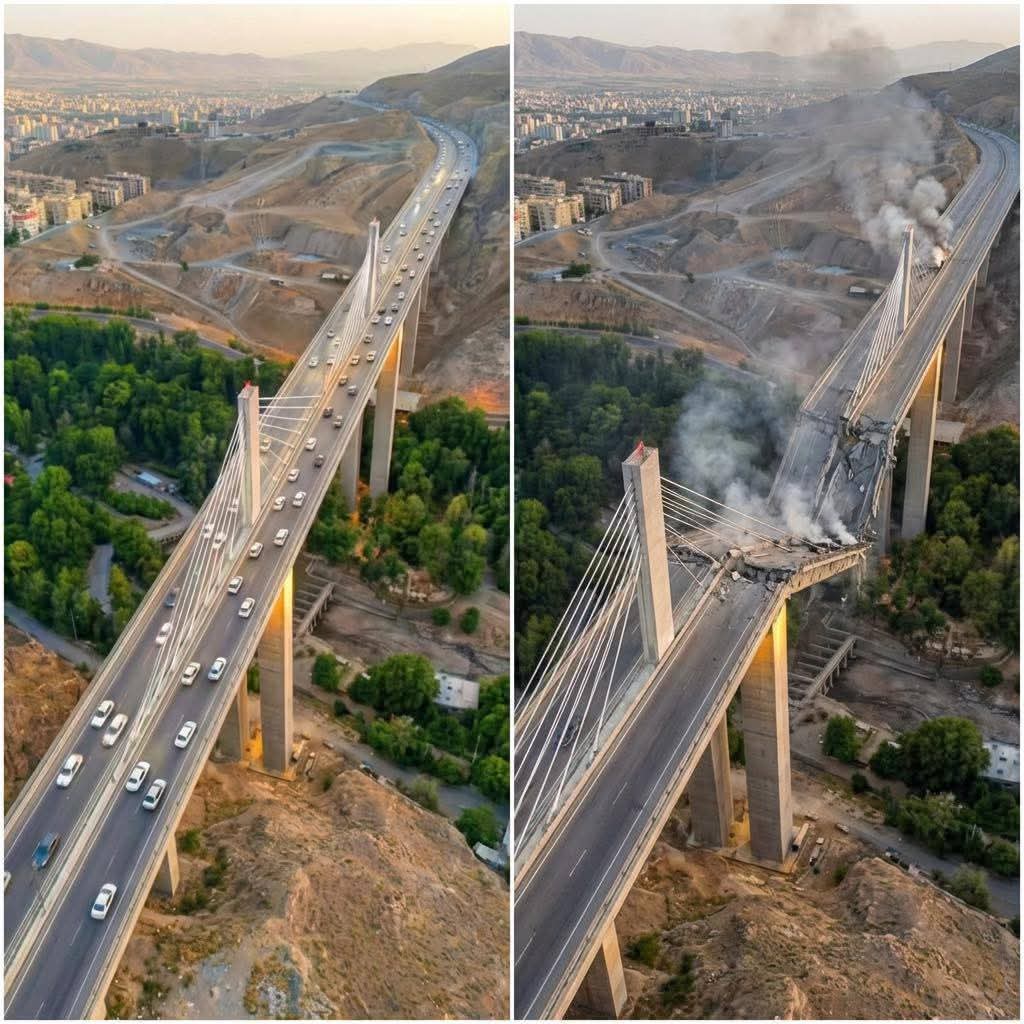
@grok Est ce que bombarder les ponts et les centrales électriques ne constituent pas un crime de querre
Français
🇨🇲 🇵🇸🇨🇩🇸🇩Abu Hanîfa ™ retweetledi

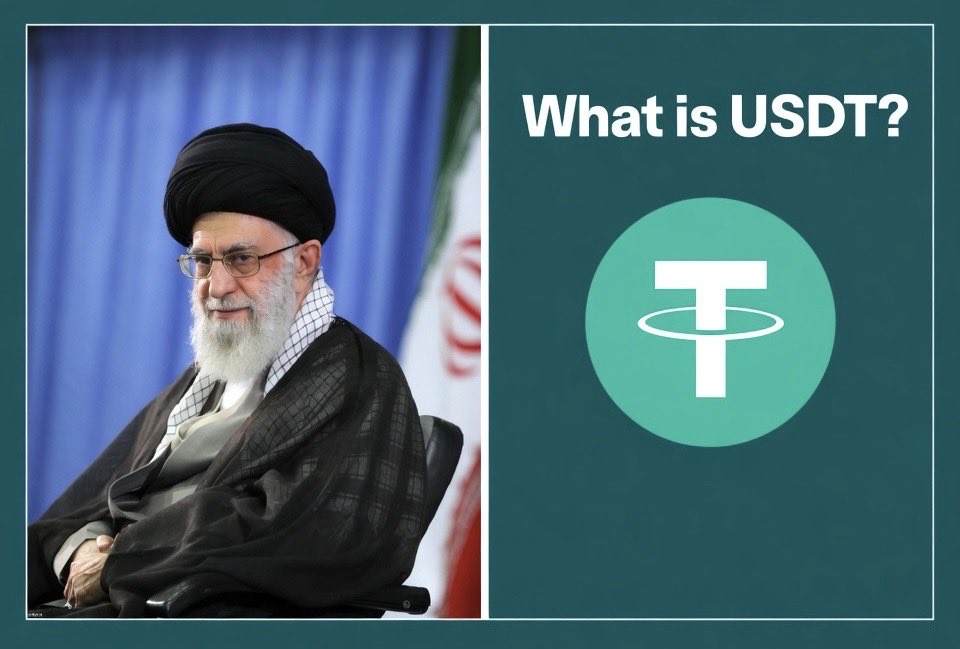
BREAKING: The Islamic Revolutionary Guard Corps is funding a war against the United States using a digital token called United States Dollar Tether. The token is pegged to the American dollar. It tracks the dollar. It references the dollar. But it moves on the Tron blockchain in three seconds flat, never touches an American bank, never clears through SWIFT, never passes through New York, and cannot be frozen by the Federal Reserve. The dollar’s name is on the weapon pointed at the dollar’s military. This is the first war in history where the enemy’s own currency funds both sides simultaneously.
Bloomberg reported on April 1 that the IRGC collects tolls from tankers transiting the Strait of Hormuz in Chinese yuan or stablecoins. The mechanism is now documented. An operator contacts an IRGC-linked intermediary. Submits vessel ownership, flag, cargo, crew list, and destination. The Hormozgan Provincial Command screens for ties to the United States or Israel using a one-to-five friendliness ranking. If cleared, the operator negotiates a toll starting at one dollar per barrel, up to two million per supertanker. Payment settles in yuan via CIPS or USDT via Tron. A VHF passcode is issued. An IRGC patrol boat escorts the vessel through the Larak corridor. The system is live. It is collecting revenue tonight.
The infrastructure was not improvised. The IRGC moved $3 billion through cryptocurrency in 2025 alone, according to Chainalysis. IRGC-linked addresses accounted for over 50 percent of all Iranian crypto by the fourth quarter of that year. The Central Bank of Iran accumulated $507 million in USDT, according to Elliptic. TRM Labs traced approximately $1 billion in IRGC flows through two UK-registered exchanges, Zedcex and Zedxion, “conducted almost entirely in USDT on the TRON blockchain.” TRM described this as “a sanctioned military organization operating exchange-branded crypto infrastructure offshore” and called it “infrastructure-level control.” OFAC designated both exchanges on January 30, 2026. Twenty-nine days later the bombs fell. The crypto war machine was built before the kinetic war began.
In January 2026, Iran’s Ministry of Defence began accepting cryptocurrency for arms exports. Drones. Missiles. Defence equipment. The same blockchain rails that settled weapons contracts before the war now settle passage rights during it. The toll booth at Hormuz did not need new technology. It needed a new application of technology that was already running at industrial scale, already embedded in global stablecoin markets, and already funded with half a billion dollars in a token denominated in the currency of the enemy.
The Treasury Department issues bonds to fund the war. Those bonds pay for aircraft carriers, interceptors, and the 2,400 sorties flown over Iran in five weeks. USDT, a token that says “USD” on its face, pays the tolls that fund the missiles those sorties are trying to destroy. The same three letters appear on both sides of the ledger. One moves through the Federal Reserve system. The other moves through a blockchain registered in the British Virgin Islands. Both settle in seconds. Both denominate in dollars. One funds the bombs. The other funds the toll that funds the missiles that the bombs exist to stop. The currency is fighting itself across two rails that will never intersect, and the IRGC is collecting the arbitrage.
The dollar is on both sides of this war. It always has been. What changed is that one side no longer needs American permission to use it.
open.substack.com/pub/shanakaans…

English
🇨🇲 🇵🇸🇨🇩🇸🇩Abu Hanîfa ™ retweetledi

BREAKING: On December 6 2025, an Iranian intelligence agent contacted a 26-year-old Israeli reservist on Telegram and offered him money for information. The reservist, Raz Cohen of Jerusalem, volunteered that he served in the Iron Dome air defence system. He said he worked in the battery’s control centre. He said he was responsible for replacing cases and arming the launcher. Three days later he sent 27 photographs and videos showing firing processes, rates of fire, backup launcher configurations, and arming procedures. The payment was $1,000 in cryptocurrency. The system he betrayed costs $50 million per battery.
Cohen was indicted on March 20th in the Jerusalem District Court on charges of assisting the enemy during wartime, transmitting information with the intention of harming state security, and transmitting information likely to assist the enemy. The Shin Bet and the Israel Police’s Lahav 433 major crimes unit conducted the joint investigation. He was arrested at the start of the war.
The information Cohen allegedly passed was not generic. According to the indictment, he provided precise GPS coordinates of seven Israeli Air Force bases where he had previously served in the Iron Dome system. He provided the locations of two specific Iron Dome batteries, one at Hatzerim and one at Palmachim. He provided details about the system’s armaments and interception procedures. He provided personal details and contact information for other Israelis, including a security guard at the President’s Residence and a relative serving as an air force pilot.
While Cohen was passing this data, Iran was preparing to fire missiles at the targets he was mapping. The current war began on February 28. Cohen was called up to reserve duty on January 18 to prepare for the conflict he had been helping Iran prosecute. He reported for duty in the same Iron Dome unit whose coordinates he had transmitted to the same country whose missiles the system was designed to intercept. The indictment states he served in the unit following the October 7 2023 Hamas invasion, during the 12-day war with Iran in June 2025, and in the current conflict, until he was arrested.
The recruitment method is the story as much as the betrayal. An Iranian agent messaged a reservist on Telegram. The reservist responded. The agent offered money. The reservist accepted. No honeytrap. No ideology. No sophisticated tradecraft. A direct message, a cryptocurrency wallet, and a willingness to sell classified information about the system that stands between Iranian warheads and Israeli cities. The entire transaction, from first contact to 27 classified images, took three days.
This is not an isolated case. The Jerusalem Post reported that Israeli authorities have filed over 35 indictments related to Iranian recruitment since October 7 2023, involving nearly 60 defendants. In January 2025, another Iron Dome reservist, Yuri Ilyaspov, 22, was indicted on similar charges. The pattern is consistent: Iranian agents contact Israelis through social media, offer modest payments, and extract whatever information the contact can access. The targets range from a 13-year-old boy in Tel Aviv to reservists inside classified military systems.
Iran’s Intelligence Ministry simultaneously announced the arrest of 97 individuals it described as Israel-recruited mercenaries inside Iran. Both sides are recruiting inside each other’s populations through the same platforms, the same payments, and the same exploitation of individuals who will sell access for amounts that would not cover a month’s rent in either Jerusalem or Tehran.
One thousand dollars. Twenty-seven photographs. Seven base locations. Two battery coordinates. One air defence system. The price of betrayal is not always proportional to the value of what is betrayed.
open.substack.com/pub/shanakaans…

English