Mario Bertsche retweetledi
Mario Bertsche
1.7K posts

Mario Bertsche
@BertscheMario
NFS & ATA
Innsbruck/Konstanz/Freiburg Katılım Aralık 2013
229 Takip Edilen34 Takipçiler
Mario Bertsche retweetledi

This is cool: If you divide 1 by 998,001, you get every three-digit number from 000 to 999 in sequence - except 998.
stevestewartwilliams.com/p/prenatal-tes…

English
Mario Bertsche retweetledi

A critically ill patient on prolonged prone ventilation in the ICU develops visual loss after extubation.
What explains this complication?
#MedTwitter #ophthalmology #neetpg
Image from google

English
Mario Bertsche retweetledi

New in the #BJA – a seven-step guide to facilitate the use of entrustment-supervision scales embedded within #SLEs
bjanaesthesia.org/article/S0007-…

English
Mario Bertsche retweetledi

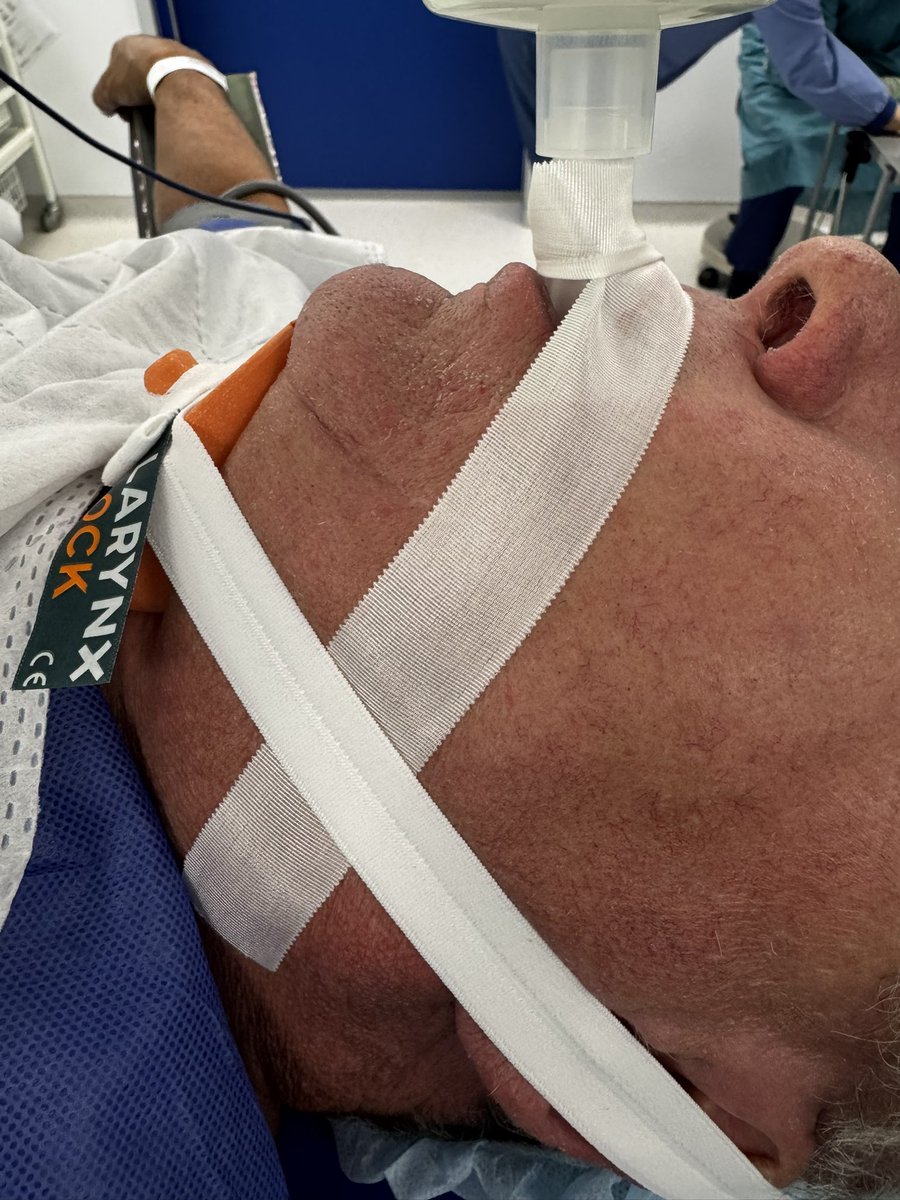
💡 Has anyone of you already used Larynxlock device to fix supraglottic airway device leakage?
I have used it now in 5 clinical patients with Intersurgical Igel or Comepa SAD with airway leakage 50 - 150 ml during short anaesthesia procedures (< 60 min) and it was succesfull in all. I opine that this device could be very useful in the prehospital setting as well during CPR 🚑 where teams are often shorthanded. It now has CE mark so it is available in Europe.
Larynxlock is made from potatoe 🥔 starch so it seems a smart green solution as well. Made in 🇳🇱 the Netherlands. It can prevent tracheal intubation or the need for replacement with another model or size SAD. Studies are needed to find out how effective this is.
It looks very promising and simple.
@jducanto @Asiritrauma1 @maffygirl @ProtectedAirway @airwayGladiator @cliffreid @emcrit @elboghdadly @ProfEllenO @NaveenEipe @NicholasChrimes @dasairway @AirwayHub @doctimcook @DaveOlvera1
#larynxlock #airwayleakage


English
Mario Bertsche retweetledi

Introducing the percutaneous aorto-coronary bypass graft. The VECTOR procedure revascularizes the left main coronary artery using retrograde and antegrade steps: a retrograde wire exits the left main (distal graft), an electrosurgical wire exits the aortic root (proximal graft), a guidewire rail is created, and a stent graft is delivered from the aorta to the left main. What could possibly go wrong?
ahajournals.org/doi/10.1161/CI…

English
Mario Bertsche retweetledi

It's that wonderful time of the year when CME funds are use 'em or lose 'em. To help ya'll make the best of it, I made a list of my favorite critical care books.
It's broken down by topic (physiology, POCUS, CCM, CV, neuro, surgery, ID, nephro, etc) & each is assigned a "trail rating"
🟢 for beginners (e.g. people new to the ICU)
🟦 for intermediates
◆ for more advanced learners
onepagericu.com/blog/icu-readi…
🧵

English
Mario Bertsche retweetledi

These guys administered rocuronium, then sugammadex, then the patient developed severe anaphylaxis unresponsive to usual therapies, was in extremis, so they treated the patient with another dose of rocuronium.
onlinelibrary.wiley.com/doi/epdf/10.11…

English
Mario Bertsche retweetledi

Interactive Holistic Four-Interface Shock Model based on the work of @ThinkingCC and friends thanks to @GeminiApp gemini.google.com/share/cc7e2c0f…
English
Mario Bertsche retweetledi

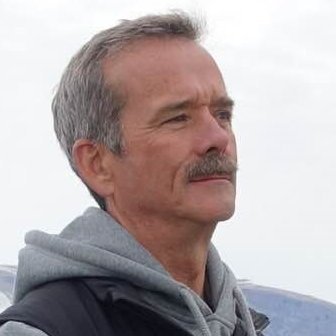
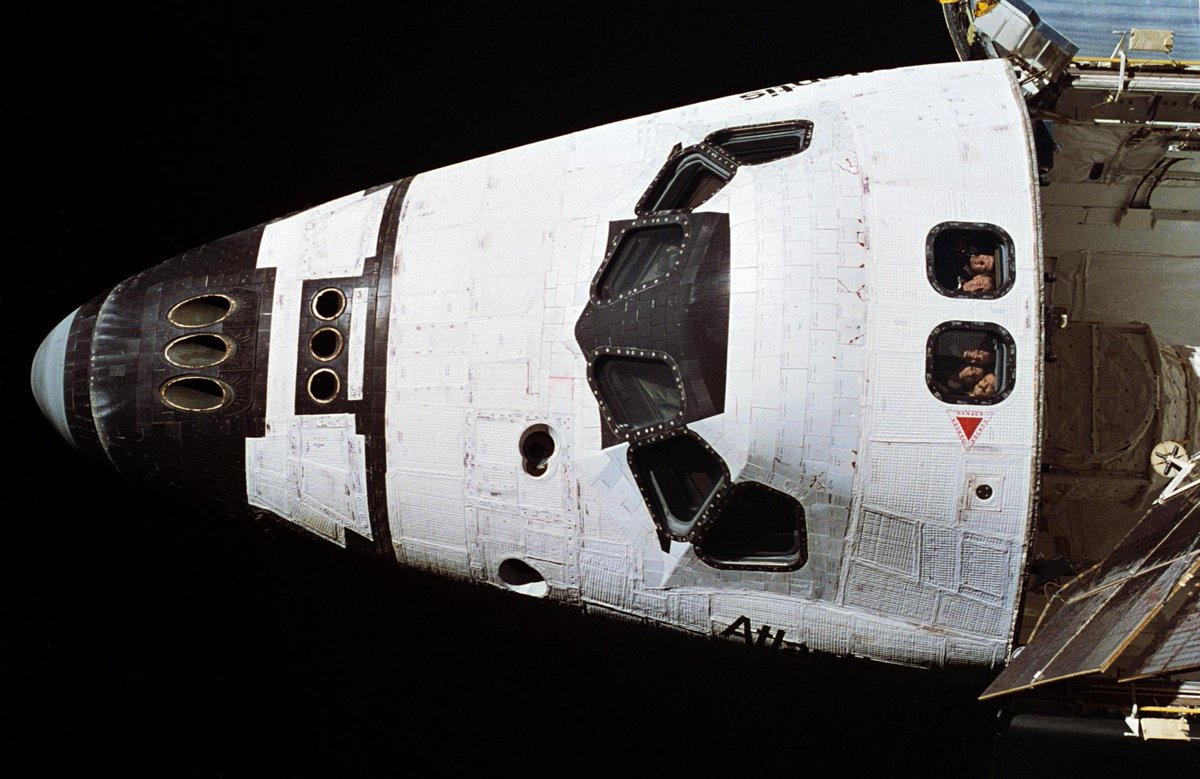
This was such a fun photo to set up, to get the right lighting angle as we circled Earth, and to make time during the frenzied docked schedule. It was taken on a film camera by cosmonaut Thomas Reiter through Sergei Avdeev's sleep station window on the Mir space station. The sun was so bright in our eyes we (the Atlantis crew) were all squinting like crazy, waiting until Thomas confirmed he'd got the shot. But I love how it shows the texture of the Shuttle's rough, protective hide, and the glimpse of humanity (and my moustache) against the eternal blackness of the universe.

NASA History Office@NASAhistory
30 years ago today, five STS-74 astronauts said farewell to the crew aboard the Mir space station after delivering a new docking module, solar arrays, and supplies. More on the Shuttle-Mir Program: go.nasa.gov/48reLV1
English
Mario Bertsche retweetledi

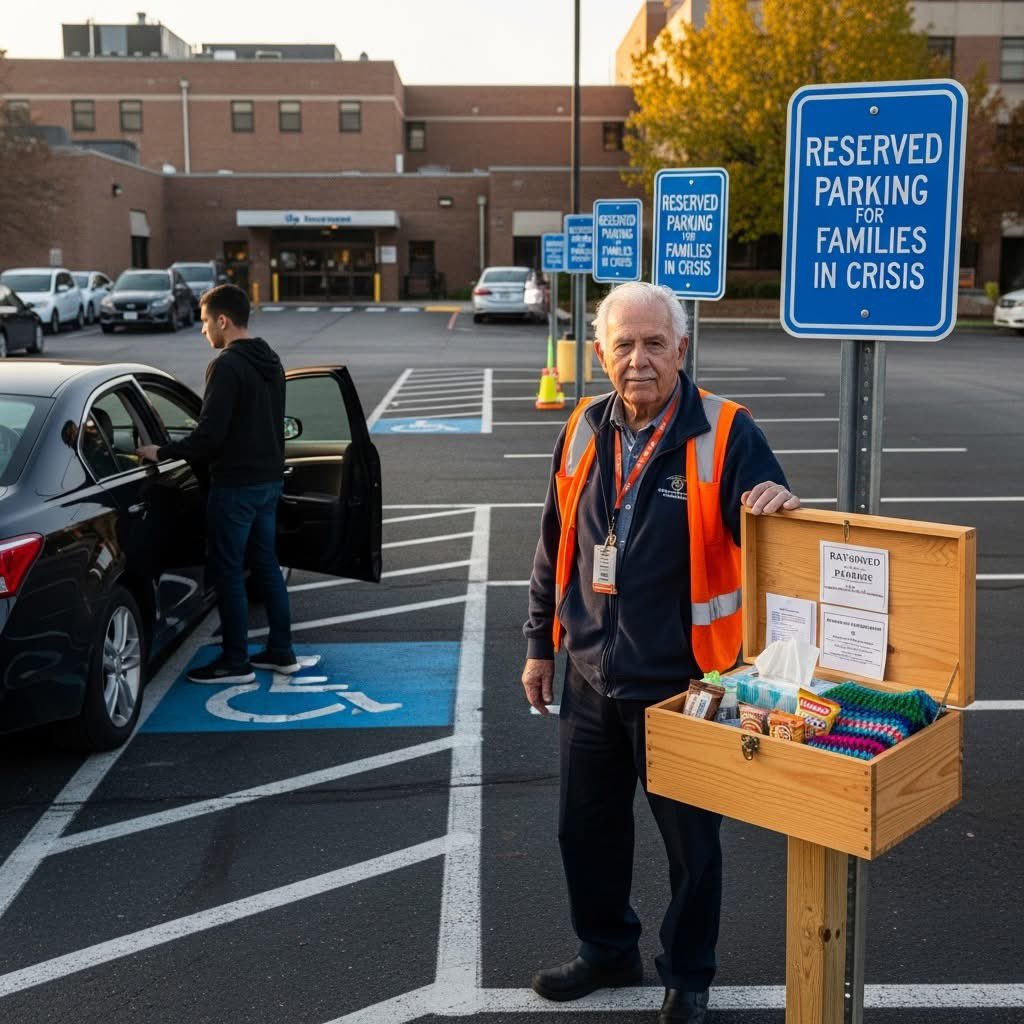
"My name's Raymond. I'm 73. I work the parking lot at St. Joseph's Hospital. Minimum wage, orange vest, a whistle I barely use. Most people don't even look at me. I'm just the old man waving cars into spaces.
But I see everything.
Like the black sedan that circled the lot every morning at 6 a.m. for three weeks. Young man driving, grandmother in the passenger seat. Chemotherapy, I figured. He'd drop her at the entrance, then spend 20 minutes hunting for parking, missing her appointments.
One morning, I stopped him. "What time tomorrow?"
"6:15," he said, confused.
"Space A-7 will be empty. I'll save it."
He blinked. "You... you can do that?"
"I can now," I said.
Next morning, I stood in A-7, holding my ground as cars circled angrily. When his sedan pulled up, I moved. He rolled down his window, speechless. "Why?"
"Because she needs you in there with her," I said. "Not out here stressing."
He cried. Right there in the parking lot.
Word spread quietly. A father with a sick baby asked if I could help. A woman visiting her dying husband. I started arriving at 5 a.m., notebook in hand, tracking who needed what. Saved spots became sacred. People stopped honking. They waited. Because they knew someone else was fighting something bigger than traffic.
But here's what changed everything, A businessman in a Mercedes screamed at me one morning. "I'm not sick! I need that spot for a meeting!"
"Then walk," I said calmly. "That space is for someone whose hands are shaking too hard to grip a steering wheel."
He sped off, furious. But a woman behind him got out of her car and hugged me. "My son has leukemia," she sobbed. "Thank you for seeing us."
The hospital tried to stop me. "Liability issues," they said. But then families started writing letters. Dozens. "Raymond made the worst days bearable." "He gave us one less thing to break over."
Last month, they made it official. "Reserved Parking for Families in Crisis." Ten spots, marked with blue signs. And they asked me to manage it.
But the best part? A man I'd helped two years ago, his mother survived, came back. He's a carpenter. Built a small wooden box, mounted it by the reserved spaces. Inside? Prayer cards, tissues, breath mints, and a note,
"Take what you need. You're not alone. -Raymond & Friends"
People leave things now. Granola bars. Phone chargers. Yesterday, someone left a hand-knitted blanket.
I'm 73. I direct traffic in a hospital parking lot. But I've learned this: Healing doesn't just happen in operating rooms. Sometimes it starts in a parking space. When someone says, "I see your crisis. Let me carry this one small piece."
So pay attention. At the grocery checkout, the coffee line, wherever you are. Someone's drowning in the little things while fighting the big ones.
Hold a door. Save a spot. Carry the weight no one else sees.
It's not glamorous. But it's everything."
Let this story reach more hearts....
Credit: Mary Nelson

English
Mario Bertsche retweetledi

Forearm support to reduce dental contact during direct laryngoscopy: a randomized crossover trial - Canadian Journal of Anesthesia/Journal canadien d'anesthésie buff.ly/ub1LH7Y

English
Mario Bertsche retweetledi

200 school pupils given phenobarbitone as a dewormer instead of albendazole, 100 are unconscious
#GrossMedicalError

English
Mario Bertsche retweetledi

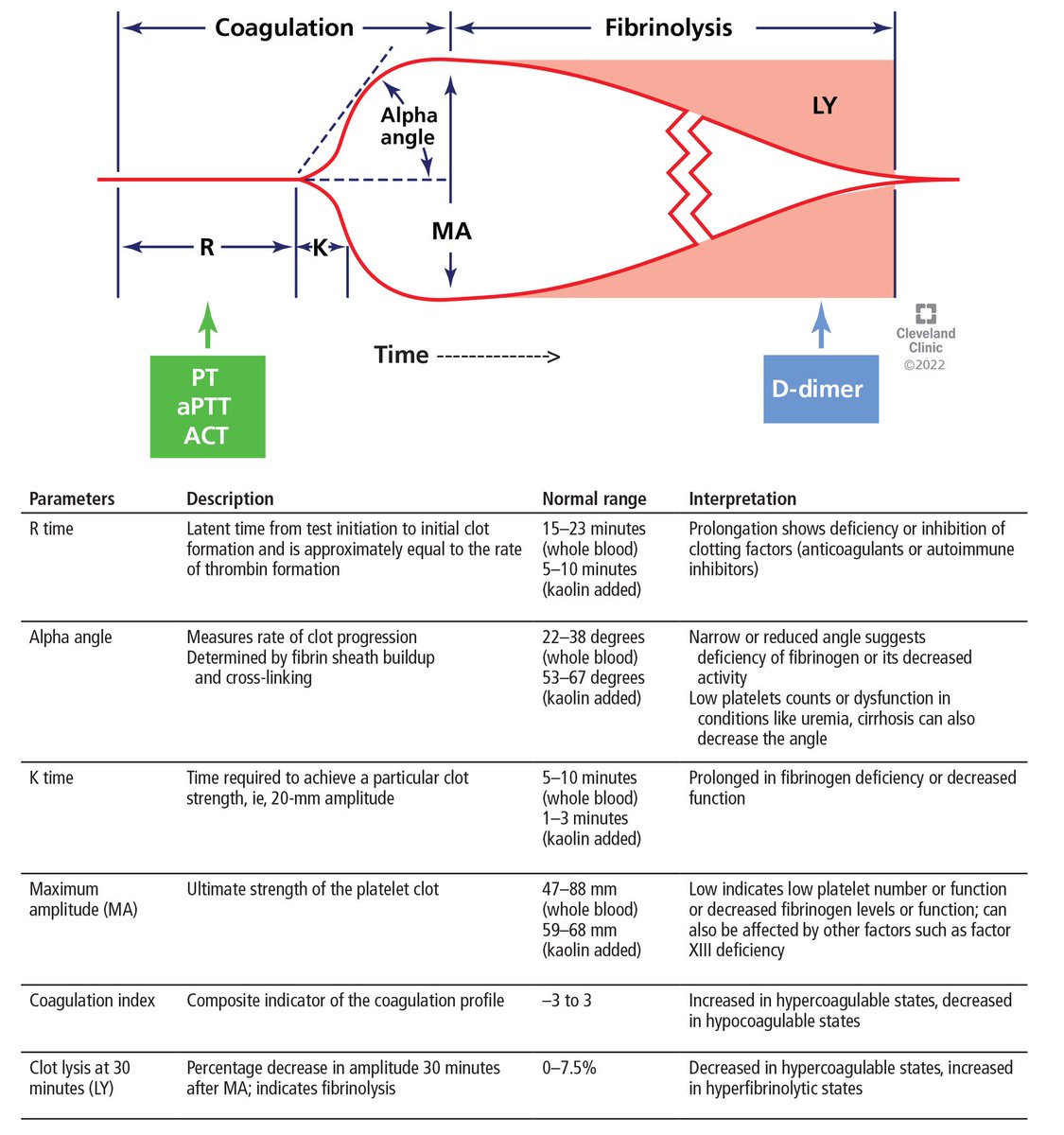
Thromboelastography is a promising test of coagulation.
The horizontal axis represents time, the vertical axis represents deflection of the thromboelastography probe.
The R time is also assessed by tests such as the prothrombin time (PT), the activated partial thromboplastin time (aPTT), and the activated clotting time (ACT).
D-dimer is used to assess fibrinolysis.
ccjm.org/content/89/9/5…

English
Mario Bertsche retweetledi

Welcome to Cardiovascular Physiology Concepts cvphysiology.com
Excellent resource for learners of any level.
English
Mario Bertsche retweetledi

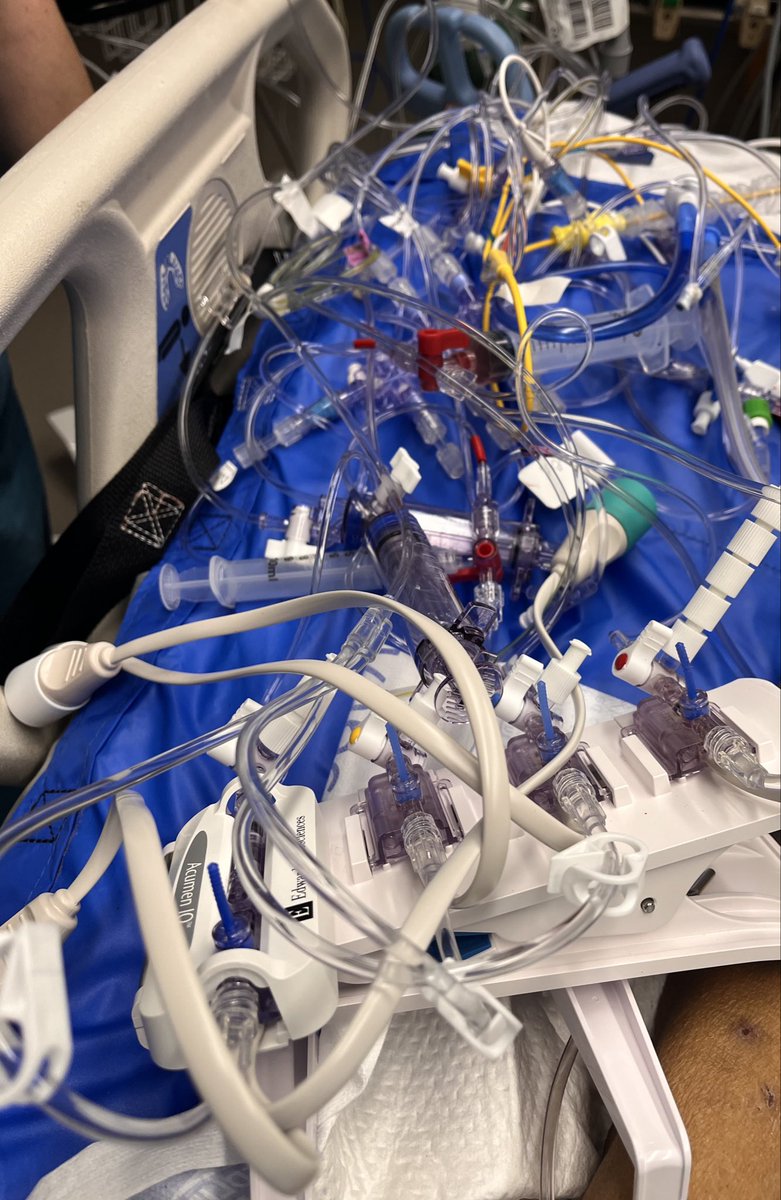
Anatomy of a Swan-Ganz catheter, also known as a pulmonary artery catheter.
The catheter includes a continuous oximetry cable and thermistor connectors for measurements like cardiac output (CO) and cardiac index (CI).
instagram.com/p/DPoJGvWEWE7

English
Mario Bertsche retweetledi