Big Ideas in Literacy

2.9K posts

Big Ideas in Literacy banner
Big Ideas in Literacy

Big Ideas in Literacy

@Bigideasinlit

Researcher & Lecturer in Language, Reading Intervention, & Ed Psych | Author & Consultant | Teacher 20+ years | Doctoral Student Psychology @APHDatOISE

Katılım Aralık 2020
671 Takip Edilen879 Takipçiler
Big Ideas in Literacy
Big Ideas in Literacy@Bigideasinlit·
@C_Hendrick I think about this much differently. I like to frame this idea with questions - who & how do we bridge the vastly different worlds of those with PhDs versus those who teach in the classrooms each day? How do both worlds come together successfully for better student outcomes?
English
0
0
2
165
Carl Hendrick
Carl Hendrick@C_Hendrick·
Having a PhD in education doesn't make you an expert in teaching. In fact, in many cases it's the opposite.

English
94
87
1.1K
147.2K
Big Ideas in Literacy
Big Ideas in Literacy@Bigideasinlit·
Improving Decision Making in School Psychology: Making a Difference in the Lives of Students, Not Just a Prediction About Their Lives #abstract" target="_blank" rel="nofollow noopener">tandfonline.com/doi/full/10.17… @amandavande1 @burnsmk1
English
0
1
6
503
Big Ideas in Literacy
Big Ideas in Literacy@Bigideasinlit·
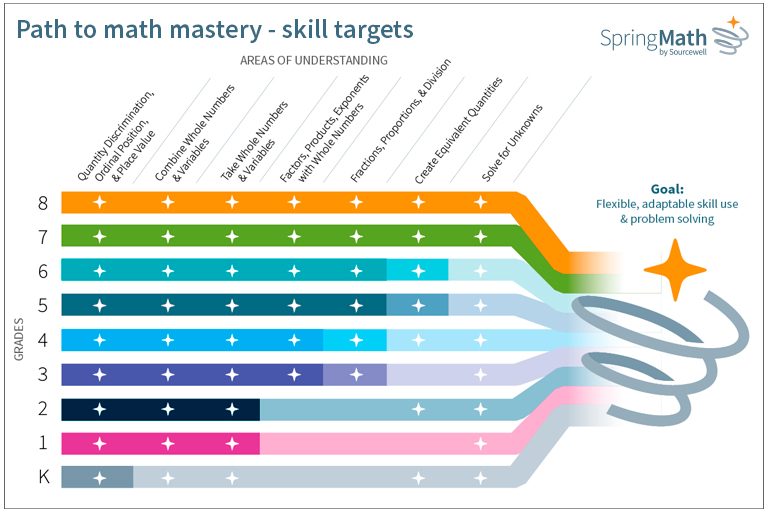
How the Taxonomy can be used to systematize the process by which special educators (a) set up the intensive intervention process and (b) monitor the student's response and systematically improve the program to match the target student's individual needs. eric.ed.gov/?id=EJ1160167
Big Ideas in Literacy tweet media
English
0
1
0
153
Carl Hendrick
Carl Hendrick@C_Hendrick·
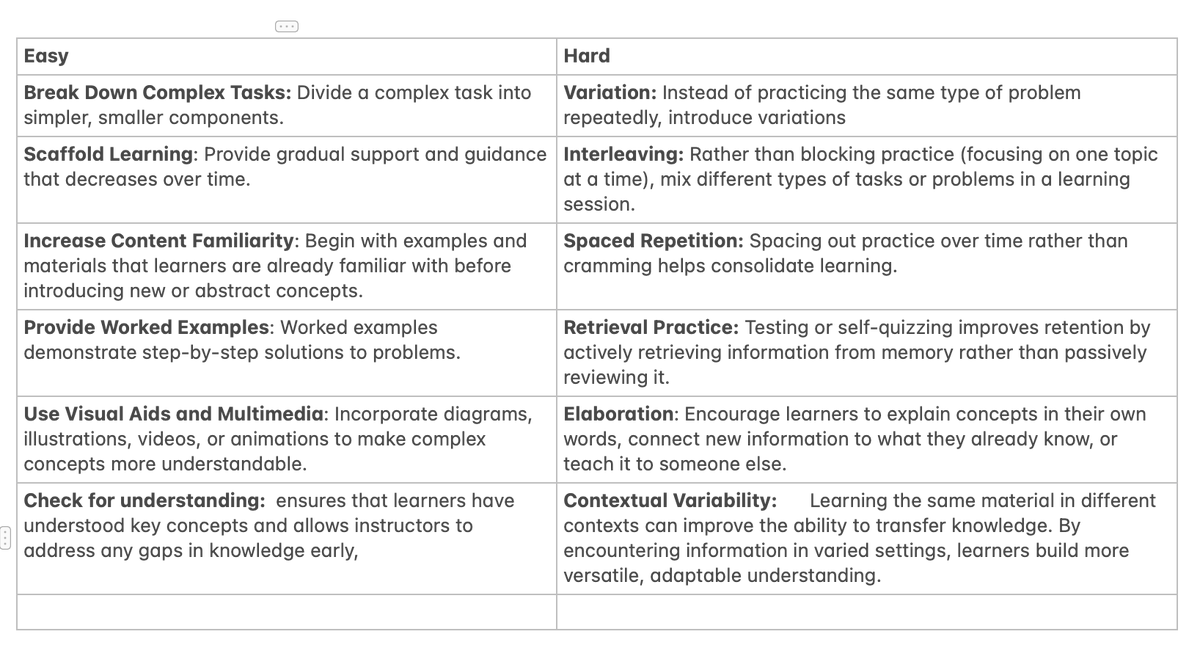
So to learn anything effectively, the process needs to be paradoxically both easy and hard. Like everything else, Shakespeare had a handle on this hundreds of years before everyone else. As Duke Senior says in As You Like It: "Sweet are the uses of adversity."
Carl Hendrick tweet media
English
2
7
27
2K
Carl Hendrick
Carl Hendrick@C_Hendrick·
Possibly the most difficult challenge teachers face in instructional design is the “transfer paradox” otherwise known as the deceptive trade-off between immediate performance vs. long-term transfer. A short 🧵⬇️
Carl Hendrick tweet media
English
3
34
104
21.5K
Big Ideas in Literacy
Big Ideas in Literacy@Bigideasinlit·
@Jason_To I think about this. I wonder if the practice is evidence-based, or if it just aligns w research? And then I wonder if a T practice be considered evidence-based if it applies research-based principles in real time, even if specific implementation hasn’t been directly studied.
English
0
0
0
33
Jason To is chillin’ on BlueSky (@mrjasonto.com)
Question: If a principle of instruction is research-based (e.g. presenting new material in small steps), and a teaching practice follows that principle, does that make that practice research-based? I guess I'm wondering how much latitude a teacher has for following a principle.
English
3
0
4
1K
Cathy Marks Krpan
Cathy Marks Krpan@CathyMarksKrpan·
We need to recognize that some of the most powerful, meaningful research in education is not facilitated by academics, but by teachers, EVERY DAY in their classrooms. Sometimes, this fact gets overlooked in the world of PD, publications etc.
English
2
9
36
2.8K
Jason To is chillin’ on BlueSky (@mrjasonto.com)
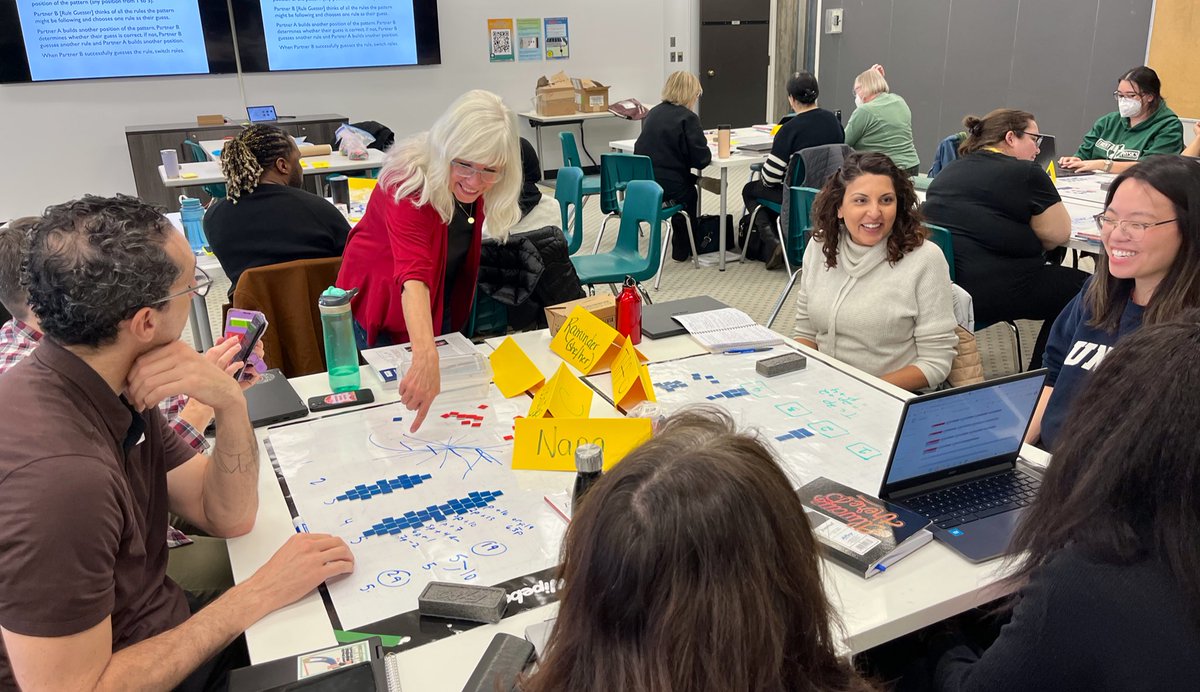
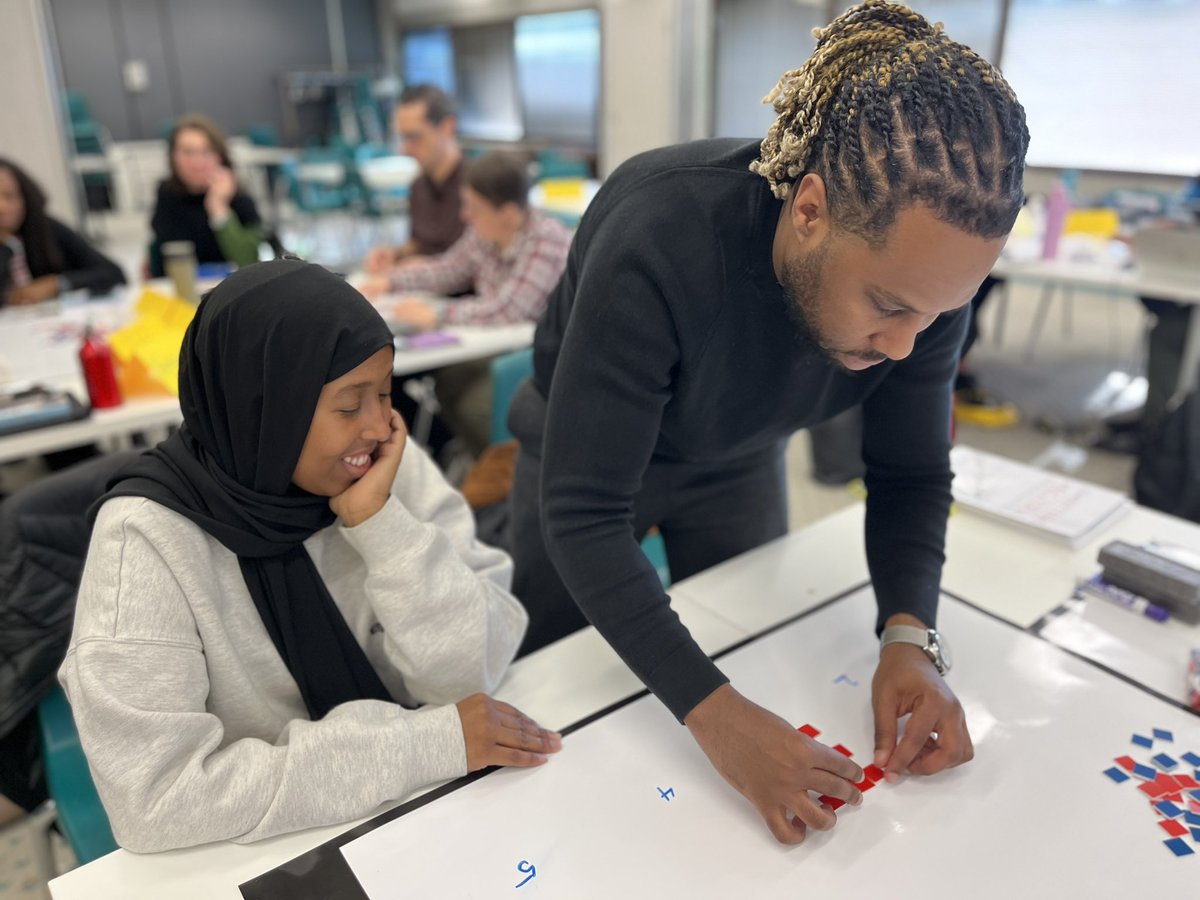
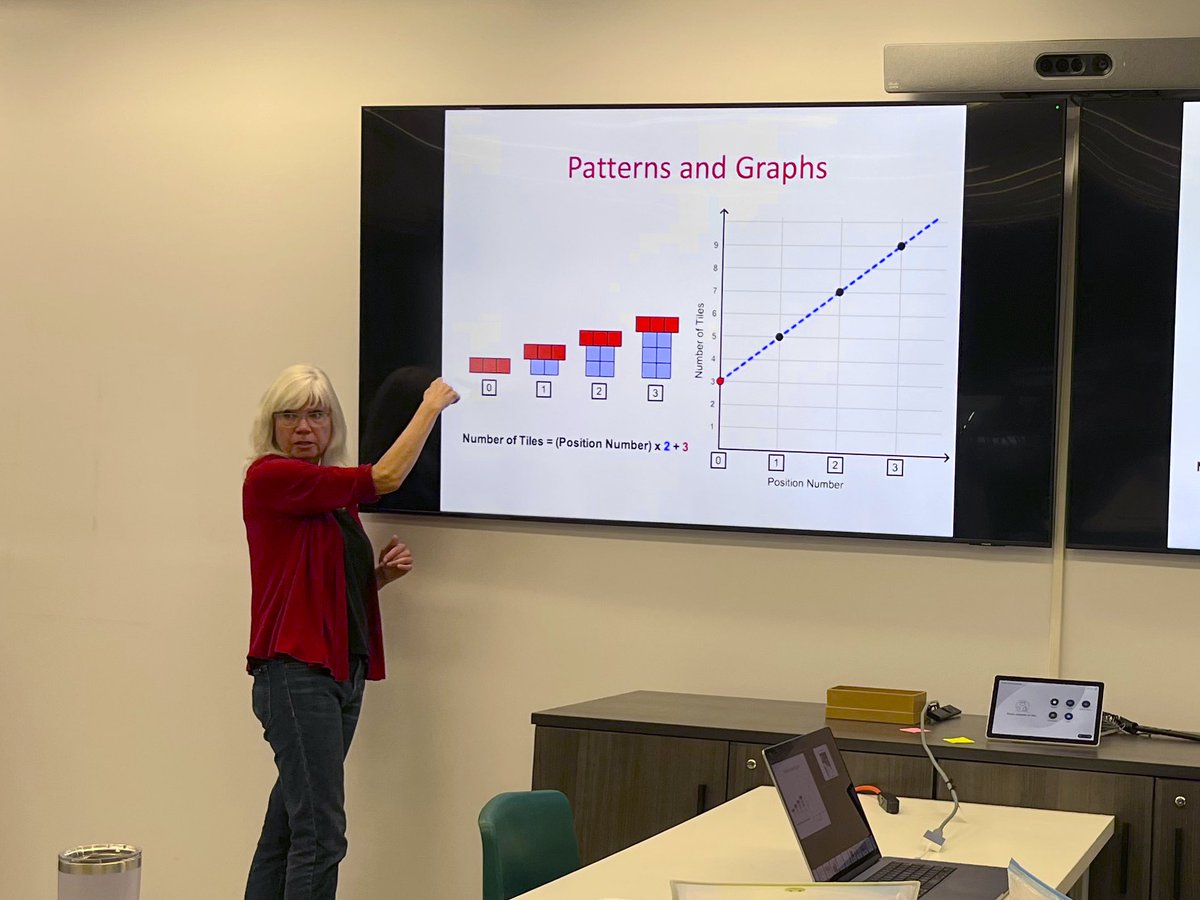
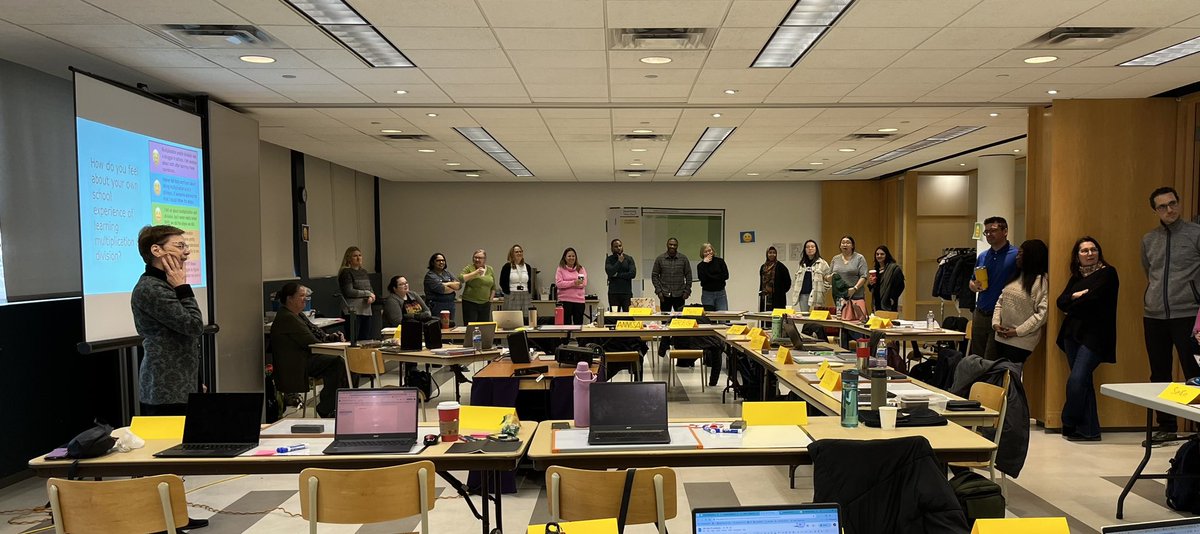
Math Learning Partners from @TDSBmath begin their journey from patterns to algebra with the amazing @ruthbeatty11. A main takeaway from day 1: describing a pattern rule like “start with 3 & add 2 each time” does not promote algebraic or multiplicative thinking in students. Instead, focus on the relationship between the number of items and the position number to support generalization of the pattern (e.g. position #1 has 1 group of 2 and 3 more, position #2 has 2 groups of 2 and 3 more…position #n has n groups of 2 and 3 more).
Jason To is chillin’ on BlueSky (@mrjasonto.com) tweet mediaJason To is chillin’ on BlueSky (@mrjasonto.com) tweet mediaJason To is chillin’ on BlueSky (@mrjasonto.com) tweet mediaJason To is chillin’ on BlueSky (@mrjasonto.com) tweet media
English
3
10
43
2.8K
Jason To is chillin’ on BlueSky (@mrjasonto.com)
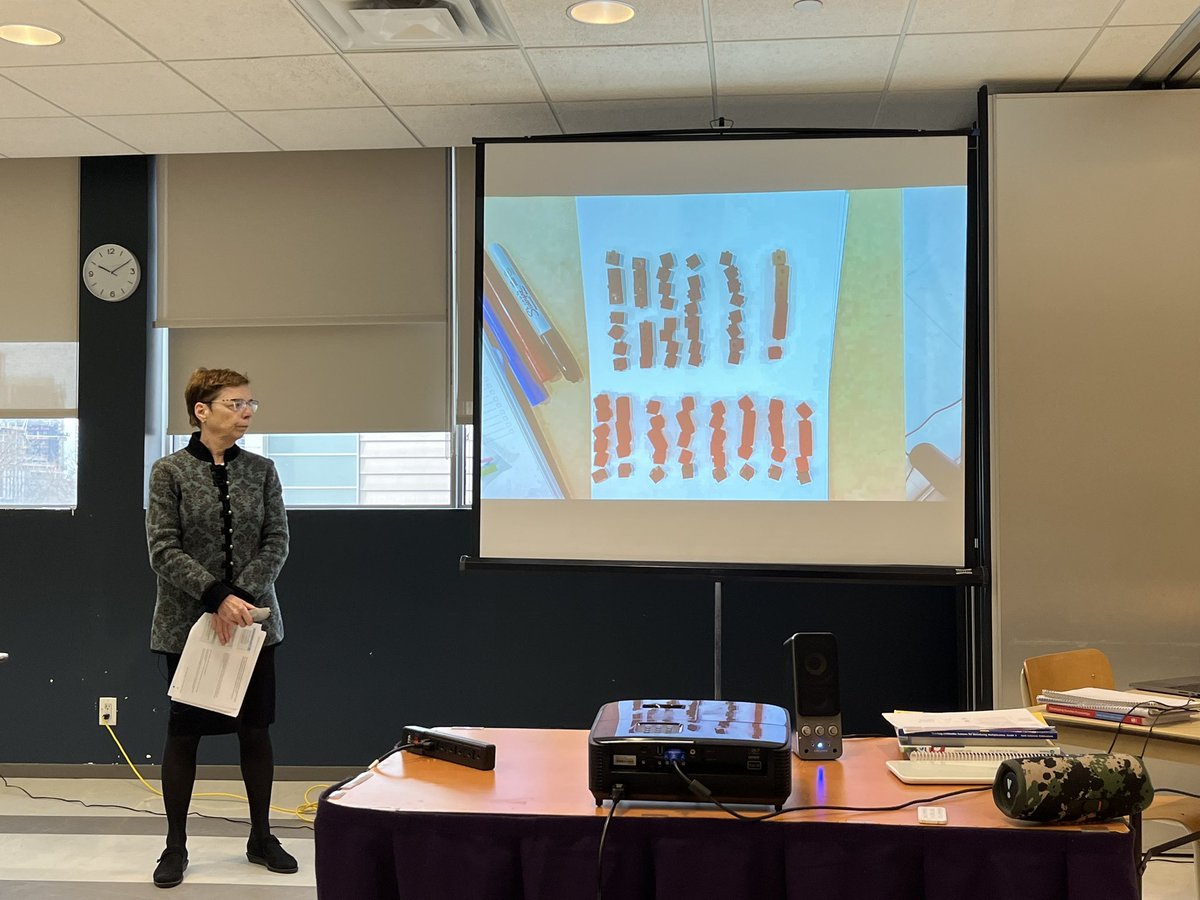
Last week, Math Learning Partners from @tdsbmath took in some amazing learning w/ Dr. Alex Lawson & Heather Wark on their latest research into multiplicative reasoning. Thinking multiplicatively is so crucial for children. Without progressing from additive thinking, students are ill-prepared for ratios, rates, algebra, and other more complex math ideas.
Jason To is chillin’ on BlueSky (@mrjasonto.com) tweet mediaJason To is chillin’ on BlueSky (@mrjasonto.com) tweet mediaJason To is chillin’ on BlueSky (@mrjasonto.com) tweet media
English
2
6
35
1.5K
Sean Morrisey
Sean Morrisey@smorrisey·
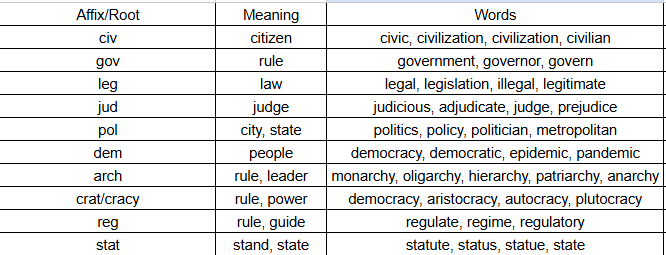
When thinking about morphology, we should think about the most important affixes and roots for each topic area. Let's take civics for example. These are roots that should be an area of focus during a civics unit.
Sean Morrisey tweet media
English
4
18
80
9.7K
Anna Stokke
Anna Stokke@rastokke·
If you listened to @ehanford's podcast Sold a Story and would like to know what's going on in math, please check out my podcast! A good episode to start with is this one, which explores parallels between reading and math with Matt Burns @burnsmk1. open.spotify.com/episode/277F6u…
English
9
49
128
8.1K
Kate Winn
Kate Winn@thismomloves·
Diagnostic assessments in reading aren’t just to inform remedial instruction. I completed the CORE Phonics assessment with an advanced student to see just how high we can start! (I thought you’d be proud of me @ANLiteracy!)
GIF
English
5
6
57
4.4K
Amanda VanDerHeyden
Amanda VanDerHeyden@amandavande1·
I debated someone last week at the Educational Writers Association meeting on conceptual v procedural math instruction. Kids need both everyday following the science of learning. Here's a short clip on the Instructional Hierarchy. How do people still not know about this?
English
13
32
128
18.1K