

Bill
6.3K posts

@jeffreytucker Yes the vaccines don’t block transmission but they kept our hospitals from being overwhelmed. By not getting mediccinated Novak was simultaneously the healthiest person in the world but also a healthcare burden.

English

Just imagine how great he would be if he had gotten vaccinated. wsj.com/sports/tennis/…
English
@d_demelis See what mean? Wild!🤣
The Spectator Index@spectatorindex
B-2 Spirit stealth strategic bomber flying over Miami beach.
English
@d_demelis From what I can tell is America is number #1 with the best and brightest from an innovation perspective.
English

I remember when the @BlueJays were a great organization, sadly those days are long gone as they are pro groomer agenda pushers now. Hope you get the budlight treatment #boycottthebluejays
English
@nationalpost Back room, Singh made it happen but only after the budget passed. That was the deal from a mile
Away
English

Johnston's resignation leaves Trudeau with few options but a full public inquiry into foreign interference trib.al/uCOCUDU
English
@FinEconGlobal Ya man, I’m already having FOMO. Already dialed in for next summer. We want to try another island, but it’s got to have a direct flight to Rhodes. (Fam of 5 traveling)
English

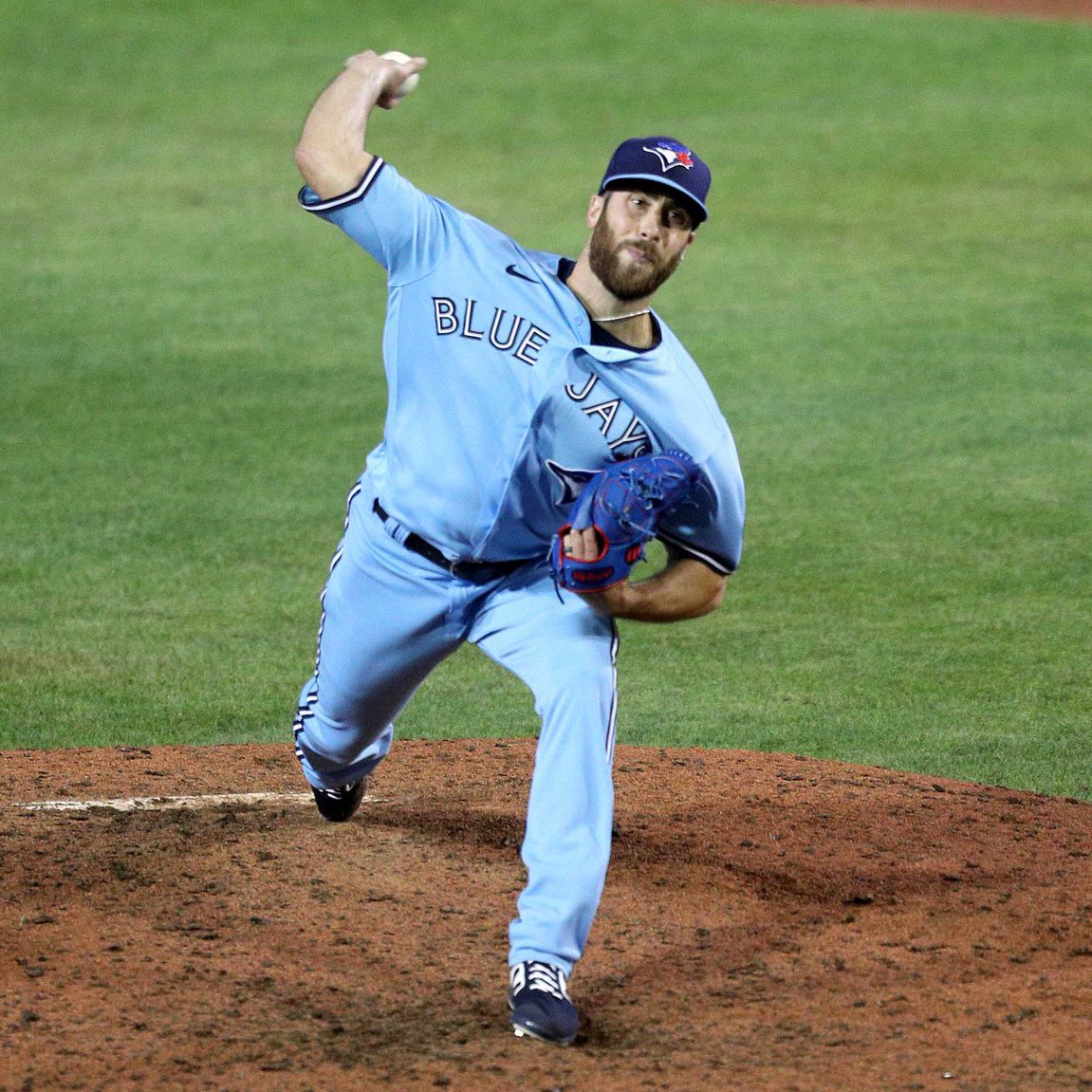
ROSTER MOVES:
🔹 RHP Mitch White has been reinstated from the 60-day IL and will be active for tonight’s game
🔹 RHP Anthony Bass has been designated for assignment

English
@BlueJays @TD_Canada I’m tuning out. Go Woke Go Broke! “The minority can never control the Majority” Bob Marley
GIF
English
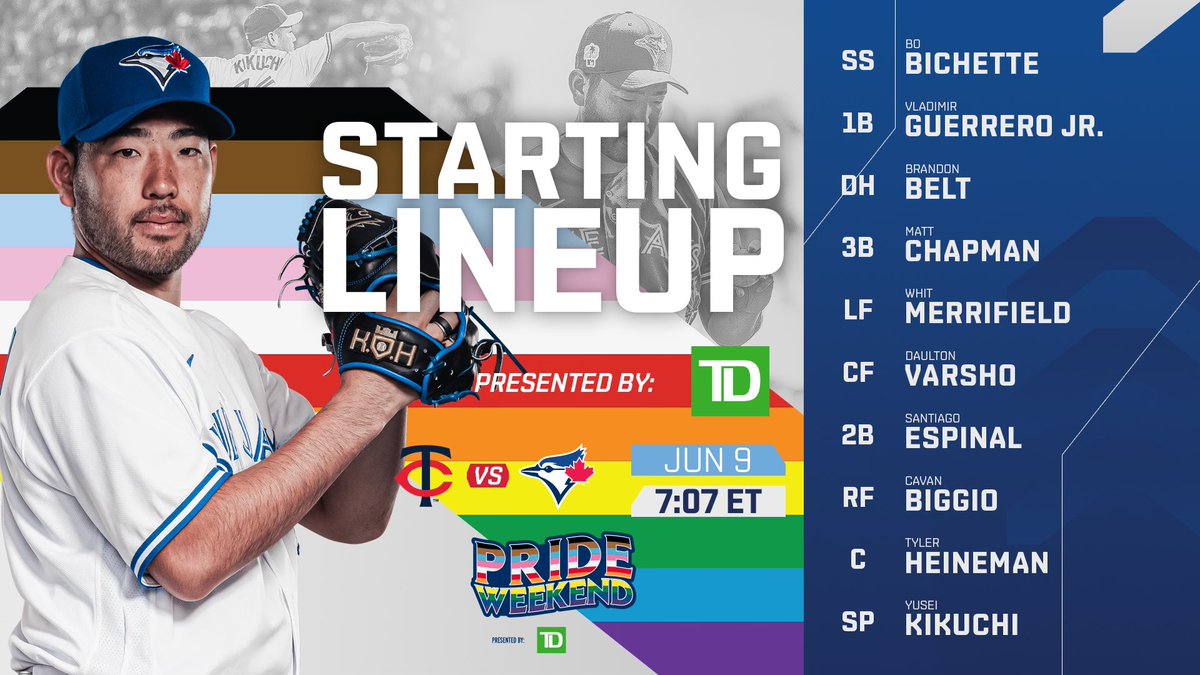

@covid_parent He was unable/unwilling to reconsider viewpoints that were made public, which contributed to an unsafe environment - not to mention at odds with major sponsors. Organizations and people have values and his were at odds with the organization.
Not to mention, he sucks this year!
English

The Toronto Blue Jays just released Anthony Bass for wrong-think.

English

More than 20 fires lit in less than 5 hours on a clear day all across the province.
How is that possible?🛸🛰️
English
@donaldb2986 @TalkinBaseball_ @KeeganMatheson I stopped watching baseball after they went woke 2 weeks back. I'm done watching games and they have lost me for now. When they behave @BlueJays and stop ramming pride down our throats @MLB maybe this long tenured fan will return.Let them survive off the 2% population they earned
English

@TalkinBaseball_ @KeeganMatheson Makes sense. He’s become a total catcher after all of this.
English
Bill retweetledi

It’s time to move on from these inflationary measures….scrap the carbon tax.
Dan Knight@DanKnightMMA
#BREAKING Good afternoon my fellow Canadians, it's time we look at the financial crisis currently affecting Canadians. On June 7, 2023, in a startling move that contradicts previous predictions, the Bank of Canada raised interest rates by a quarter point. This move, a direct contradiction to their earlier claims of steady rates, has sent ripples through the Canadian economy. Notably, the first carbon tax, a policy brought into effect by the Trudeau administration, has been cited by the Bank of Canada as a contributing factor to the rising inflation. This tax, introduced under the guise of fighting climate change, has proven to be a burden for many Canadian households. The tax, which is essentially a government fee levied for policy reasons, has been particularly hard on lower-income households, who spend a larger proportion of their income on transportation and other energy-intensive goods and services. But it doesn't end there. A second carbon tax, the Clean Fuel Regulations, is set to further intensify the financial strain on Canadians. Lower-income households will be hit much harder by this second tax, and by 2030, they will be paying an extra $230 per year, or 0.62% of their disposable income, due to the new tax. On top of that, the tax will add 17 cents per litre for gasoline and 16 cents for diesel. This tax has no rebates for the increased costs it imposes, leading to a significant increase in the costs of home heating and groceries. In a world where the Trudeau administration sings praises of its record low unemployment rates and boasts about the prosperity of Canadians under their guidance, the reality for many Canadians paints a starkly different picture. Despite their claims, a report shows a 134% growth of food program dependency in 2022 and an anticipated 60% increase in demand for food banks in 2023. It's clear that the administration is out of touch with the struggles Canadians are facing. In the face of rising grocery prices, which are expected to increase up to 7% more in 2023, and the high cost of housing and gas contributing to the inflation storm, the average Canadian family is expected to spend more than $16,000 annually on food alone. The fact that food bank usage is climbing across the country stands in sharp contrast to the Trudeau administration's narrative of prosperity. The current financial climate in Canada is challenging, to say the least. Canadians are grappling with increased costs and financial burdens brought on by policies that seem more focused on political agendas than the well-being of the people. It's clear that the Trudeau administration's attempts to reduce greenhouse gas emissions by putting people into poverty is not a noble endeavor. It's a strategy that is pushing Canadians to their financial limits and putting them in a position where they're struggling to afford basic necessities. In the end, it's the everyday Canadians who are paying the price for these policies - not the politicians who enact them. #cdnpoli
English
@thehazelmae @ShiDavidi Lost all respect since your little woke intrusion during the game last week. It doesn't belong. It's all nonsense. Fail!
English

.@ShiDavidi: Anthony Bass meets head of Pride Toronto.
“I have my personal beliefs, but I understand that everyone's free to feel and think the way they want and in being accepting, welcoming and making people feel comfortable to make a decision.” sportsnet.ca/mlb/article/bl…
English
@VinceGaetano Liberal voters LOVE high taxes. When they are walking to their 2nd job's to pay the bills & buy groceries they can smile knowing the carbon tax made a difference to stop forest fires in Canada. They can take comfort knowing that $42Billion interest payments are Liberal owned. End
English
Remember that the Canadian taxpayer will be on the hook for this mess.
English