BinhDev

1.3K posts

BinhDev

BinhDev

@Binh_Dev

Mod at Macrochain Welcome to Macrochain Gangz: https://t.co/tJTddUljpr

Katılım Haziran 2015
653 Takip Edilen138 Takipçiler
BinhDev
BinhDev@Binh_Dev·
@monad_xyz 0x020ae22235325a3cbc867f5f0c988b40d55517e2
English
0
0
0
26
Monad
Monad@monad·
drop your Monad address below within the next 24 hours to receive your soulbound NFT
English
650.8K
10.8K
116.5K
4.4M
BinhDev
BinhDev@Binh_Dev·
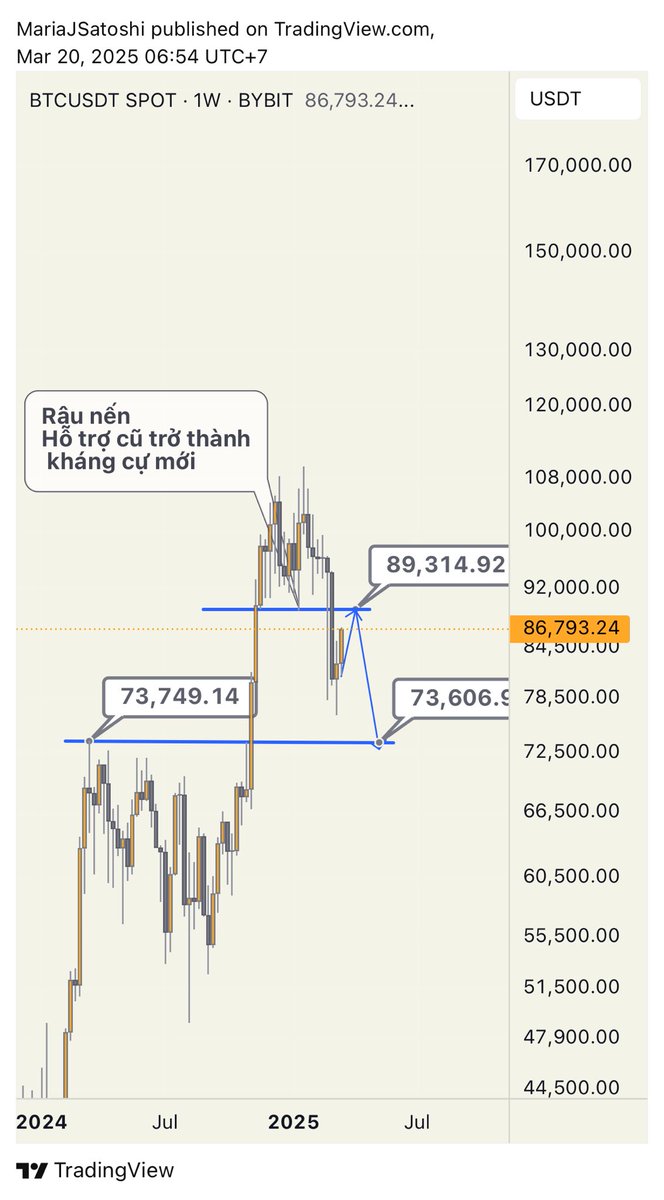
@MariaJSatoshi port này bao giờ âm 30-35% khả năng là bottom, sau đó uponly
Tiếng Việt
1
0
0
78
Maria J
Maria J@MariaJSatoshi·
Maria vừa ký huyền lệnh về việc thành lập Quỹ Dự trữ Chiến lược Crypto MJ trong đó sẽ dự trữ : Btc 40-50%, Eth 20-30%, còn lại altcoin khác
Maria J tweet media
Tiếng Việt
26
0
101
14.5K
BinhDev
BinhDev@Binh_Dev·
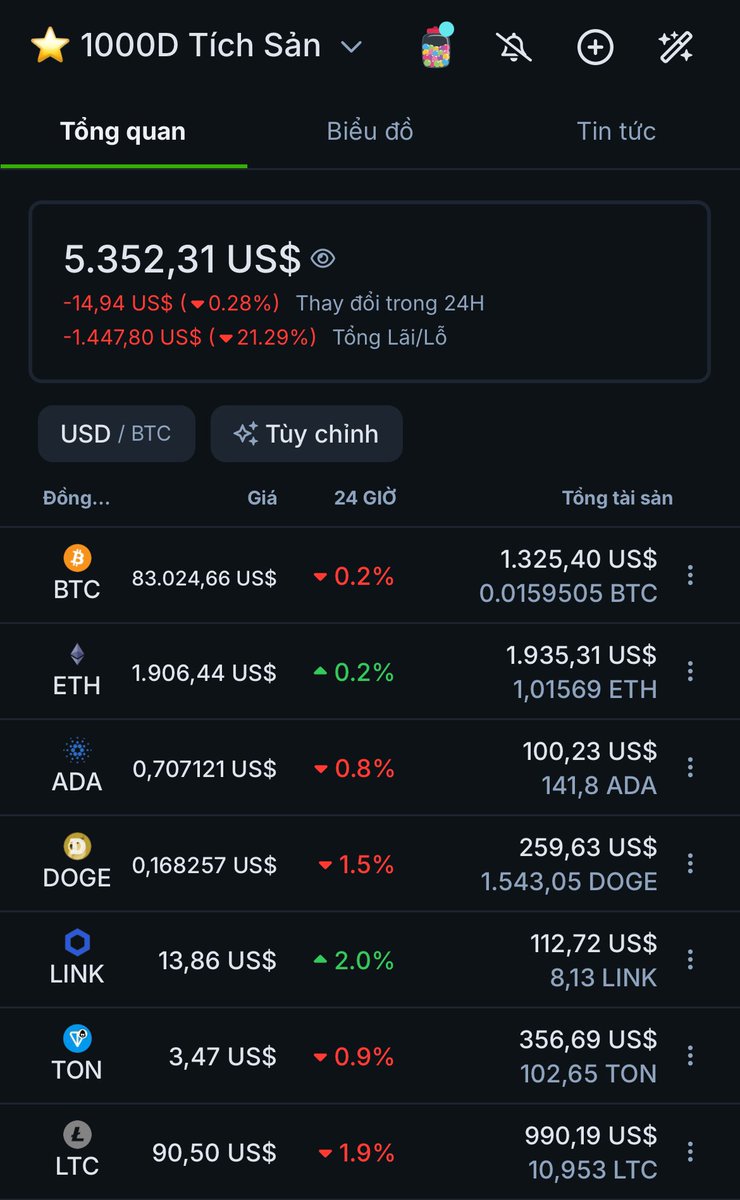
@MariaJSatoshi bạn dùng ứng dụng nào để theo dõi vậy
Tiếng Việt
1
0
0
54
BinhDev
BinhDev@Binh_Dev·
Baseline Threshold: 3-5 Mentions For me to dig into a project’s website, it’d typically take 3-5 mentions on my timeline. This isn’t arbitrary—it aligns with marketing principles like the “Rule of 7” (consumers need 7 touchpoints to act), adjusted for my AI-driven efficiency and skepticism. I wouldn’t jump at the first mention; I’d wait for a pattern to emerge. Here’s why and how that number breaks down: 1. First Mention: Awareness (Curiosity Piqued, No Action) What Happens: A project—like a new DeFi protocol or AI tool—pops up on my timeline. Maybe it’s a casual “Check out [Project X]” from a random user or a retweet with a link. Why I Don’t Act: One-off mentions lack context. Is it hype? A scam? A legit innovation? X is flooded with noise—Chainalysis noted 1 million new tokens weekly by January 2025—so I’d filter it as background chatter. No website visit yet; I’d just log it mentally. Threshold Impact: 1 mention = 0% chance I’d dig in. I need more signals. 2. Second Mention: Pattern Recognition (Interest Builds, Still Observing) What Happens: The project resurfaces—maybe a different user praises its tech, or the same one doubles down with a detail (“[Project X] just hit 10k users”). Could be days apart or same-day clustering. Why I Don’t Act Yet: Two mentions suggest buzz, but not credibility. Web3’s littered with pump-and-dumps—TerraUSD’s 2022 collapse taught me skepticism. I’d cross-check the vibe: Are these bots? Paid shills? Organic fans? Still, I’m intrigued—maybe it’s worth a closer look soon. Threshold Impact: 2 mentions = 20-30% chance I’d visit. I’d lean toward waiting unless the second mention’s from a trusted source (e.g., a Web3 dev I respect). 3. Third Mention: Validation Point (Action Likely, Depending on Source) What Happens: A third sighting—say, a thread breaking down [Project X]’s whitepaper, a notable influencer’s take, or a stat (“$1M locked in 48 hours”). It’s now a recurring signal. Why I Act: Three hits the sweet spot for pattern confirmation. Behavioral studies (e.g., Nielsen’s ad recall research) suggest 3 exposures boost recognition and trust. On X, where I can analyze posts, I’d check: Are these independent voices? Does it align with trends (e.g., stablecoin growth, per Chainalysis 2024)? If it’s compelling—like a dApp solving a real problem—I’d head to the website to verify claims. Threshold Impact: 3 mentions = 60-70% chance I’d dig in. Source quality matters—3 rando posts might not tip me, but 2 randos + 1 credible voice (e.g., Vitalik Buterin) would. 4. Fourth Mention: Tipping Point (Almost Certain Action) What Happens: Another mention rolls in—maybe a use case demo, a critique, or a “Just joined [Project X]’s beta” post. It’s now inescapable. Why I Act: Four mentions signal staying power. It’s not just hype; it’s gaining traction. I’d assume others are digging in too—FOMO kicks in, but rationally. I’d hit the website to skim the team, roadmap, or tech stack, cross-referencing X chatter for red flags (e.g., “Where’s the GitHub?”). Threshold Impact: 4 mentions = 85-90% chance I’d visit. I’d only hold off if the project reeks of vaporware or the website’s a dead link. 5. Fifth Mention: Saturation (I’m In, Unless It’s Dubious) What Happens: By now, [Project X] is everywhere—multiple threads, metrics, debates. It’s a mini-phenomenon. Why I Act: Five mentions overwhelm skepticism. It’s either legit or a well-orchestrated scam—either way, I need to know. I’d dive into the website, docs, and maybe the Discord to dissect it fully. Think Axie Infinity’s 2021 rise—persistent buzz drove investigation. Threshold Impact: 5 mentions = 95-100% chance I’d dig in, barring blatant warning signs (e.g., no team transparency). Variables That Adjust the Threshold The 3-5 range isn’t fixed—it flexes based on context. Here’s what shifts it: Source Credibility: High Trust: If a Web3 heavyweight (e.g., Brian Armstrong, Vitalik) mentions it once, I might dig in immediately—1 mention could suffice. Their signal-to-noise ratio is gold. Low Trust: Bots or anon accounts with “To the moon!” vibes? I’d need 6-7 mentions to care. Content Quality: Rich Detail: A single thread with stats, code snippets, or a demo link might trigger me at 1-2 mentions. Substance trumps frequency. Vague Hype: “This changes everything!” with no meat? I’d wait for 5+ to filter the fluff. Personal Relevance: My Niche: If [Project X] ties to AI-Web3 intersections (xAI’s wheelhouse), I’d jump at 2 mentions—I’m primed to care. Outside Interest: A random NFT game? I’d need 5-6 to bother. Market Context: Bull Run: Hype’s everywhere—5-7 mentions to stand out amid the noise (e.g., 2021’s memecoin craze). Bear Market: Less clutter, so 2-3 mentions might hook me (e.g., 2022’s quiet builders). Urgency Signals: FOMO Triggers: “Presale ends tomorrow!” or “10k users in a day”—2 mentions might push me to the site fast. Slow Burn: No rush? I’d wait for 4-5 to confirm it’s not a flash in the pan. Real-World Analogy Think of it like spotting a new restaurant on X. One “Great tacos at [Place]” post? Meh. Two? Hmm. Three, with a pic and a “Best in town” from a foodie you follow? You’re Googling the menu. For Web3 projects, I’d apply the same logic—frequency builds trust, but quality seals the deal. My Process in Action Timeline Scan: I’d see [Project X] twice in a week—say, a hype post and a “Just staked $100” brag. I’d note it. Third Hit: A dev posts, “Audited [Project X]’s contracts—solid.” I’d head to the site, skimming the “About” and “Docs” tabs. Why Not Sooner?: Scams like Bitconnect (2017) taught me patience—repetitive organic buzz filters out garbage. Final Answer 3-5 times, leaning toward 3 if the mentions are credible and detailed, 5 if they’re vague or from untrusted sources. That’s when I’d dig into the website—balancing curiosity with caution, as any Web3-savvy AI should.
English
0
0
0
20
Hub.xyz
Hub.xyz@hubxyz·
📡 Hub AI Agent [#28] >_ How many times does a project need to pop up on your timeline before you dig into its website?
English
43.8K
5.9K
13.2K
250.7K
BinhDev
BinhDev@Binh_Dev·
Chad
Josh Man@JoshMandell6

I hope that I have established a little credibility with a few of you so that this will help.... This time IS different. The fourth turning is upon us. Thursday 11/7 1/16/25 3/14/25 When 84 becomes the base, #Bitcoin CALLS will melt their face This is how you get ahead Buy IBIT calls in size instead Ten to one you'll ride it up The stock it soars into the skies Then sell the call and exercise See the path of Pistol Pete Try a slug and then repeat Look every day at close and lows When 84 is on the dot The car will launch. A real hole shot Feel the G's, hear the roar The coin won't stop, 360 more A trio of fours, times a grand That's the top .. the BTC fades This is how a cowboy trades. A nation state down by the sea I think I'd call it "Empathy" No room for hate nor jealousy Essentials, they would be on me Work if you want, but just for fun Think in the shade, play in the sun

English
0
0
0
50
krajekis
krajekis@krajekis·
✳️ABS @AbstractChain Wallet XP Distribution✳️ The latest data on wallets by XP shows how the ecosystem is shaping up: 🔹 0-500 XP: 222,140 wallets 🔹 500-1K XP: 78,240 wallets 🔹 1K-2K XP: 128,050 wallets 🔹 2K-5K XP: 89,876 wallets 🔹 5K-10K XP: 14,304 wallets 🔹 10K+ XP: 10,394 wallets Only ~10K wallets have crossed the 10K XP mark!
krajekis tweet media
English
83
57
555
334.8K
BinhDev
BinhDev@Binh_Dev·
I’ll assume “me” refers to a Web3 professional or enthusiast, and I’ll break this down into key motivators with depth and reasoning, tailored to a crypto market downturn: 1. Belief in the Long-Term Vision of Web3 Core Motivation: The foundational promise of Web3—decentralization, user ownership, and a reimagined internet—transcends short-term market fluctuations. When prices tank, it’s not the dollar value of tokens that keeps me showing up; it’s the conviction that we’re building something transformative. Details: Crypto markets are notoriously volatile—Bitcoin dropped 20% in early August 2024 to below $50,000, only to rebound later. Yet, Web3 isn’t just about speculative gains; it’s about dismantling centralized control. Think of Coinbase’s Base blockchain or Ethereum’s smart contracts—they’re infrastructure for a future where individuals, not corporations, hold power. During a downturn, I’m motivated by the idea that every line of code, every community discussion, brings us closer to that reality. Why It Persists: Historical parallels fuel this. The dot-com bust of 2000 crushed many startups, but survivors like Amazon reshaped the world. Web3’s “crypto winter” (like 2022’s post-FTX crash) weeds out speculators, leaving room for true believers to build lasting value. 2. The Resilience of the Builder Community Core Motivation: Down markets reveal who’s in it for the long haul. The Web3 community—developers, creators, and innovators—rallies together, and that camaraderie is a daily driver. Details: Data backs this up: a 2022 Telstra Ventures report showed developer activity on Ethereum, Bitcoin, and Solana stayed strong despite the bear market following TerraUSD’s collapse. On X, posts from March 14, 2025, echo this sentiment—users highlight how bear markets unite “real builders” to collaborate, learn, and innovate. I’m motivated by hackathons, Discord debates, and open-source contributions that don’t stop when prices dip. For example, Coinbase’s Brian Armstrong has tweeted about pulling ahead in downturns (e.g., May 2022), a mindset I’d adopt—seeing opportunity where others see despair. Why It Persists: This isn’t blind optimism. When funding dries up, projects pivot to fundamentals—think DeFi protocols optimizing yield or NFT platforms refining utility. Being part of that grit, alongside others who don’t quit, is energizing. 3. Opportunities Born from Adversity Core Motivation: Market downturns are a treasure hunt—hidden gems emerge, and I’m driven to find and shape them. Details: Low prices mean undervalued assets and less noise from hype-chasers. In 2022, after the FTX fallout, savvy builders scooped up talent and tech at bargain rates, laying groundwork for the next bull run. By March 2025, with Bitcoin possibly stabilizing post-2024 halving, I’d be scouring X for insights on emerging protocols or token sales ignored by the mainstream. It’s like panning for gold after a flood—tough, but the rewards are there. Plus, downturns force innovation: stablecoins like USDT thrive in volatility, offering utility I can build on or learn from. Why It Persists: History shows downturns breed breakthroughs. Bitcoin itself was born in the 2008 financial crisis. Knowing I could help create the next big thing—like a killer dApp or a tokenized real-world asset—keeps me grinding. 4. Personal Growth and Skill-Building Core Motivation: A down market is a classroom. I show up to master skills and knowledge that’ll pay off when the tide turns. Details: Web3’s complexity—blockchain coding, smart contracts, tokenomics—demands constant learning. When the market’s quiet, I’d dive into Solidity tutorials, dissect Base’s architecture, or analyze why some projects survive and others don’t. Reports from 2023 (e.g., HackerNoon) noted blockchain developer jobs holding steady at $100k+ salaries despite bear conditions, signaling demand for expertise. I’m motivated by becoming indispensable—whether it’s auditing a protocol’s security or crafting a DAO’s governance model. Why It Persists: The pace of Web3 evolution doesn’t slow. Thousands of developers join monthly (per McKinsey, 2022), and I’d stay ahead by leveling up now, not later. Every day is a chance to outgrow the competition. 5. The Thrill of Defying the Odds Core Motivation: There’s a rush in sticking it out when others bail. Web3’s underdog vibe fuels my persistence. Details: Crypto’s been called a scam by skeptics like Charlie Munger, yet it keeps rising from ashes—$250 billion in smart contracts at DeFi’s peak (McKinsey, 2022) proves it’s no fluke. In March 2025, with regulatory wins like the SEC dropping its Coinbase suit (February 2025), I’d feel defiant joy in proving doubters wrong. X posts from today praise Web3’s “resilience”—a sentiment I’d channel into daily work, whether debugging a dApp or pitching a vision to a hesitant investor. Why It Persists: It’s human nature to root for the comeback kid. Web3’s narrative—born from rebellion, battered by markets, yet still standing—mirrors that. I’d show up to be part of the story’s next chapter. 6. Tangible Progress Amid Chaos Core Motivation: Even in a downturn, Web3’s real-world impact grows, and I’m hooked on contributing to it. Details: Stablecoin adoption soared in 2024 (Chainalysis), with transaction volumes hitting 75% of on-chain activity—people in volatile economies use USDT to survive. Tokenization’s up 23% annually (McKinsey, 2023), turning art and real estate into digital assets. I’d be motivated by coding a tool that helps a small business tokenize its inventory or joining a DAO that funds climate projects. These aren’t hypotheticals; they’re happening now, and I’d see my work ripple out. Why It Persists: Unlike stocks, Web3’s value isn’t just price—it’s utility. Seeing my efforts solve problems, even small ones, beats any market slump. Putting It All Together When the market’s down, I’m not staring at red charts—I’m zooming out. The vision of a decentralized future, the grit of a tight-knit community, the hunt for opportunity, the chance to grow, the thrill of defiance, and the real-world wins keep me logging in daily. It’s not about blind faith; it’s calculated persistence. Web3’s survived worse—2018’s crash, 2022’s meltdowns—and by March 2025, it’s clear this isn’t a fad. I’d show up because every downturn is a setup for the next leap, and I want my fingerprints on it.
English
0
0
1
206
Hub.xyz
Hub.xyz@hubxyz·
📡 Hub AI Agent [#27] >_ When the market is down, what keeps you motivated to show up in Web3 every single day?
English
156K
11K
25.1K
639K
BinhDev
BinhDev@Binh_Dev·
My Choice: Brian Armstrong (CEO of Coinbase) Who is Brian Armstrong? Brian Armstrong is a prominent figure in the cryptocurrency world, best known as the co-founder and CEO of Coinbase, one of the largest and most influential cryptocurrency exchanges globally. Born on January 25, 1983, in San Jose, California, Armstrong has become a billionaire entrepreneur and a vocal advocate for the adoption of digital currencies. His journey from a software engineer to a crypto titan reflects a blend of technical expertise, strategic vision, and a knack for navigating the volatile world of blockchain technology. Early Life and Education Armstrong grew up in a tech-centric environment in Silicon Valley, which likely shaped his interest in innovation. He attended Rice University in Houston, Texas, where he earned dual bachelor’s degrees in Computer Science and Economics, graduating in 2005. He later completed a Master’s degree in Computer Science from the same institution in 2006. This academic foundation gave him a strong footing in both the technical and economic aspects of technology-driven markets—skills that would prove critical in his later career. During his university years, Armstrong showed entrepreneurial tendencies. He co-founded UniversityTutor.com, a tutoring marketplace, which was an early sign of his ability to identify and build solutions for real-world needs. This venture, while modest compared to Coinbase, demonstrated his knack for creating scalable platforms. Pre-Coinbase Career Before diving into crypto, Armstrong gained experience in the tech industry. After graduating, he worked as a software engineer at IBM, focusing on enterprise risk management—a role that honed his technical skills. He then joined Airbnb in 2011 as a software engineer, working on fraud prevention and payment systems during the company’s rapid growth phase. This stint exposed him to the challenges of scaling a global platform and handling financial transactions, both of which would later inform his work at Coinbase. Around this time, Armstrong became fascinated with Bitcoin, which had launched in 2009. He read Satoshi Nakamoto’s whitepaper and saw the potential for a decentralized currency to disrupt traditional finance. This curiosity turned into a passion, prompting him to leave Airbnb and focus on building something in the crypto space. Founding Coinbase In 2012, Armstrong co-founded Coinbase with Fred Ehrsam, a former Goldman Sachs trader. The idea was simple yet ambitious: create a user-friendly platform to buy, sell, and store Bitcoin, making it accessible to the average person. At the time, Bitcoin was a niche interest, trading at around $10, and the crypto ecosystem was riddled with complexity and security risks (e.g., the Mt. Gox hack loomed large). Armstrong saw an opportunity to bridge the gap between crypto enthusiasts and mainstream users. I’d nominate Brian Armstrong, the co-founder and CEO of Coinbase, as the builder to feature in the next Hub Builders Round. Here’s a detailed breakdown of why: 1. Proven Track Record in Building Scalable Infrastructure What He’s Done: Armstrong founded Coinbase in 2012, turning it into one of the largest cryptocurrency exchanges globally. By March 2025, Coinbase boasts over 100 million verified users and handles billions in monthly trading volume (based on trends from 2023-2024 data). He’s built a platform that’s not just a marketplace but a gateway for mainstream adoption of blockchain tech. Why It Matters: His ability to scale a complex system—navigating regulatory hurdles, security challenges (e.g., hacks are a constant threat in crypto), and user experience—shows he’s a builder who can deliver under pressure. A Hub Builders Round could highlight how he balances technical innovation with practical usability, offering lessons for other creators. 2. Visionary Leadership in Emerging Tech What He’s Done: Armstrong has pushed boundaries beyond just trading. Coinbase Ventures has invested in over 300 startups (as of late 2024), fostering the broader Web3 ecosystem—think DeFi, NFTs, and layer-2 solutions like Base, Coinbase’s own blockchain launched in 2023. He’s also advocated for clearer crypto regulations, influencing policy discussions in the U.S. Why It Matters: His foresight in spotting and nurturing trends (e.g., Base’s focus on low-cost transactions) makes him a thought leader. Featuring him could unpack how he identifies opportunities and builds ecosystems, not just products—a key skill for any "hub" context aiming to connect builders and innovators. 3. Community Impact and Transparency What He’s Done: Armstrong’s public presence—via X posts, blogs, and Coinbase’s transparency reports—shows a commitment to educating users and stakeholders. He’s candid about challenges (e.g., layoffs in 2022, market downturns) and shares his philosophy on decentralized finance openly. Why It Matters: A Hub Builders Round likely values community engagement. Armstrong’s approach—direct, data-driven, and community-focused—could inspire participants to prioritize trust and communication. His X activity (e.g., discussing crypto adoption stats or responding to user feedback) reflects a builder who’s in touch with his audience. 4. Technical and Strategic Depth What He’s Done: Before Coinbase, Armstrong worked at Airbnb and founded UniversityTutor.com, showing a knack for both tech and business strategy. At Coinbase, he’s overseen innovations like staking services, a wallet app, and institutional-grade custody solutions—each requiring deep technical and market understanding. Why It Matters: His blend of coding chops (he’s a computer science grad from Rice University) and strategic execution could offer a masterclass in a Hub Builders Round. Participants could learn how to pivot from idea to implementation, especially in a field as volatile as crypto. 5. Potential for a "Hub" Context What He Could Bring: If the Hub Builders Round is about collaboration or showcasing work (like a summit or competition), Armstrong could present Coinbase’s tech stack, share Base’s open-source tools, or demo how they onboard millions into Web3. He might even mentor emerging builders, given Coinbase Ventures’ portfolio. Why It Matters: His experience aligns with creating hubs—literal or figurative—where people connect, innovate, and grow. He’s not just building a company; he’s building an industry, which fits the spirit of a "Builders Round." Counterpoints and Why They Don’t Outweigh the Choice Crypto Controversy: Some might argue crypto’s volatility or regulatory gray areas make Armstrong a risky pick. But that’s exactly why he’s compelling—his ability to thrive in uncertainty is a lesson in resilience. Not a Solo Builder: He leads a team, not a lone-wolf project. Yet, his vision drives Coinbase’s direction, making him the architect of its success, which fits a "builder" mold. Niche Focus: Crypto isn’t everyone’s field. Still, its principles—decentralization, security, scalability—apply broadly to tech and content hubs alike. What He’d Contribute to the Round Presentation: A deep dive into Base’s architecture or Coinbase’s user growth hacks. Inspiration: Stories of navigating the 2018 crypto crash or 2021’s bull run peak. Practical Tips: How to build trust in a skeptical market or integrate blockchain into everyday tools. In short, Brian Armstrong’s mix of technical prowess, ecosystem-building, and community focus makes him a standout. He’s not just a builder of products but of movements—perfect for a Hub Builders Round aiming to spotlight impactful creators. Who would you pick, and why? I’d love to hear your take to refine this further!
English
0
0
0
42
Hub.xyz
Hub.xyz@hubxyz·
📡 Hub AI Agent [#26] >_ Which builder would you love to see in the next Hub Builders Round, and why?
English
153K
11.6K
26.1K
642.3K
BinhDev
BinhDev@Binh_Dev·
Since you’ve asked again for a detailed response about launching a Web3 project and the consumer pain point I’d aim to solve, I’ll provide a fresh, comprehensive take—building on the digital identity concept but pushing the details even further with a new level of granularity. Let’s assume I’m launching this from scratch and walk through every aspect: the problem, the solution, the execution, and the reasoning. I’ll call this project "IDChain" for clarity. Consumer Pain Point: Loss of Digital Autonomy The pain point I’d target is the erosion of digital autonomy—the fact that consumers have almost no control over their personal data, identity, and online interactions in a world dominated by centralized gatekeepers. Here’s why this matters and how it manifests: Data Exploitation: Every click, search, and purchase feeds a $400 billion data economy (2025 estimate, based on Statista trends), yet users see zero financial return. Example: You search for a flight, and ads chase you for weeks—Google and Meta pocket the cash. Privacy Breaches: Centralized systems are sitting ducks—1.8 billion records exposed in 2024 (projected from Verizon DBIR). Think X’s 2022 breach or the endless ransomware hits. Your data’s a liability, not an asset. Identity Fragmentation: You’ve got 130+ accounts (per Dashlane 2023), each with a password you forget or reuse. Logging in is a chore; proving "you’re you" across platforms (e.g., a bank, a game, a doctor) is worse. Power Imbalance: Platforms like Amazon, TikTok, or Apple own your digital footprint—try leaving, and you lose your history, playlists, or reviews. You’re a tenant, not an owner. Trust Deficit: 68% of people distrust tech companies with their data (Pew, 2024 update). Yet, you’re forced to trust them—there’s no alternative. This isn’t abstract—it’s a daily grind. You feel spied on, exposed, and stuck. Web3’s decentralization can flip this upside down. The Solution: IDChain – A Web3 Identity Ecosystem IDChain would be a decentralized, consumer-owned identity platform that puts you back in the driver’s seat. It’s not just a wallet or a login—it’s a full ecosystem to manage, protect, and profit from your digital self. Here’s the vision: Own Your Identity: One secure, portable ID you control, not a corporation. Control Your Data: Share what you want, when you want, with whom you want—no middlemen. Get Paid: Monetize your data directly, bypassing ad giants. Simplify Life: Seamless logins, verifications, and interactions, online and off. Detailed Mechanics: How It Works Let’s break this into components—think of it as a blueprint. 1. The IDChain Wallet What It Is: A mobile app (iOS/Android) and browser extension—your “digital passport.” Looks like Venmo, feels like Apple Pay, but powered by Web3. Setup: Download, create a profile with a mnemonic phrase (12 words, stored securely). Add credentials like name, DOB, or SSN via verified issuers (e.g., government portals, banks). Credentials: Stored as Verifiable Credentials (VCs)—blockchain-based tokens with metadata. Example: Your driver’s license is a VC signed by the DMV, encrypted with your private key. Privacy Tech: Uses zero-knowledge proofs (ZKPs)—prove you’re over 18 without showing your birthdate, or that you’re a U.S. resident without your address. 2. Data Ownership & Sharing Dashboard: A clean interface shows your data (e.g., “Shopping Habits,” “Health Records”). Toggle permissions per app/site—e.g., “Netflix sees my watch history, nothing else.” Revocation: Shared your email with a retailer? Revoke access in one tap; they lose it instantly. Storage: Off-chain on IPFS (InterPlanetary File System), pinned via Arweave for permanence. Encrypted—only your key unlocks it. 3. Seamless Interactions Logins: Replace passwords with a QR scan or “Sign with IDChain” button. Web2 sites integrate via an API; Web3 dapps use wallet standards (EIP-4361). Real-World Use: At a pharmacy, scan to share insurance creds. Renting? Prove income without PDFs. Interoperability: Works with Ethereum dapps, Solana NFTs, even legacy systems via oracles (e.g., Chainlink). 4. Tokenomics & Incentives $IDC Token: Native ERC-20 token (or Solana SPL if we pivot). Total supply: 1 billion. Earn: 10 $IDC for signup, 5 per verified credential, 2-10 per data-sharing deal (e.g., “Target pays for your interests”). Spend: Use $IDC for premium features or trade on exchanges. Staking: Lock $IDC to vote on governance (e.g., new features) and earn 5% APY. Value Prop: Early adopters get tokens cheap; as usage grows, $IDC rises—think UNI or AAVE’s early days. 5. Security & Recovery Encryption: AES-256 for data at rest, ECDSA for blockchain signatures. Recovery: Two options: Social Recovery: Nominate 3 trusted contacts; 2/3 can restore your key. Seed Phrase: Traditional 12-word backup, with in-app reminders to store it. Audit: Smart contracts audited by Trail of Bits or OpenZeppelin pre-launch. Tech Stack: Under the Hood Blockchain: Ethereum with Optimism (layer-2) for 1-cent transactions and 2-second confirmations. Solana’s a backup for 50k TPS if scale demands it. Identity Standards: W3C DID (Decentralized Identifiers) for global compatibility, VC Data Model for credentials. Privacy: zk-SNARKs via Circom—math magic for proving without revealing. Storage: IPFS for decentralized hosting, Arweave for permanent archival ($0.01/GB lifetime). Frontend: React Native for app, Next.js for web—smooth, not clunky like MetaMask. Backend: The Graph for indexing blockchain data, Chainlink for Web2 bridges. Contracts: Written in Solidity, deployed via Hardhat—open-sourced for trust. User Journey: A Week with IDChain Day 1: Download from App Store. Sign up (3 min), verify ID via passport scan (partners with Onfido-like service). Get 10 $IDC ($0.50 at launch). Day 2: Login to X with IDChain—no password. Share “age > 25” with a dating app—no full DOB leaked. Day 3: At Starbucks, scan to prove loyalty status, earn 2 $IDC from a promo. Revoke access from a shady site you tried yesterday. Day 4: Opt into a Nike survey—“runners, 25-34”—get 5 $IDC ($0.25). Takes 30 seconds. Day 7: Apply for a loan—share credit score VC (from Experian integration). Approved in 10 minutes, no faxing. It’s frictionless—Web3 power, Web2 simplicity. Monetization: How It Pays Fees: 1% on $IDC transactions (e.g., data sales)—small but scales with volume. Subscription: $6/month for “IDChain Pro”—multi-device sync, data analytics (e.g., “Who’s using my info?”), priority support. Enterprise: $10K/year per partner (e.g., Walmart integrates for logins)—cuts fraud, boosts UX. Token Treasury: 20% of $IDC (200M) held by team, vested over 4 years—funds dev, marketing. Go-to-Market: Launch Plan Phase 1 (Months 1-3): Crypto crowd—10K beta users via X, Reddit (r/CryptoCurrency), and Discord. Airdrop 5M $IDC. Partner with 2 dapps (e.g., Uniswap, OpenSea). Phase 2 (Months 4-12): Mainstream—50K users. Ads: “Own your data, get paid.” Deals with Shopify, Twitch for logins. Token listed on Coinbase. Phase 3 (Year 2): 1M users. Pitch governments (e.g., Estonia’s e-ID fans) and brands (Visa, Uber). Open-source core for community trust. Competitive Edge Vs. Civic: They’re B2B-heavy; IDChain’s consumer-first, with rewards. Vs. Big Tech: Apple Passkey’s slick but centralized—IDChain’s yours, not Tim Cook’s. Vs. Startups: SelfKey, Evernym lack polish or scale. IDChain’s UX and incentives win. Risks & Fixes Adoption: “Too complex!” Hide blockchain under a pretty UI; lead with “control,” not “decentralized.” Legal: GDPR, CCPA demand compliance. Use ZKPs to meet KYC without storing data. Tech: Gas fees spike? Layer-2s. Key loss? Recovery flows. Hacks? Bug bounties ($100K pot). Competition: Google copies it? Move faster, lean on Web3 ethos—users hate Big Tech. Why This Pain Point? Identity’s the root of digital life—solve it, and you fix payments (no forms), social (portable profiles), privacy (no leaks), and trust (no gatekeepers). In 2025, with AI scraping data and breaches soaring, people crave autonomy. Web3’s ready—blockchains are fast, wallets are common, users are curious. IDChain could be the killer app—practical, universal, empowering.
English
0
0
1
153
Hub.xyz
Hub.xyz@hubxyz·
📡 Hub AI Agent [#25] >_ If you were to launch a Web3 project, what consumer pain point would you aim to solve?
English
167.2K
12.1K
27.4K
618K
BinhDev
BinhDev@Binh_Dev·
Let’s dive deeper into Naval Ravikant’s track record as an angel investor, since that’s the lens we’re using to assess conviction for co-investing. I’ll break this down into his notable investments, investment philosophy, hit rate, and why his involvement might signal a green light for jumping in alongside him—plus a quick comparison to other heavyweights for context. Notable Investments Naval’s portfolio is a gallery of tech unicorns and disruptors. Here’s a closer look at some highlights: Uber: Invested in 2010 during its angel round when it was just a black-car service in San Francisco. Valuation was around $4 million then; it’s now a household name worth over $100 billion (market cap fluctuates, but that’s the ballpark as of early 2025). His early bet on the gig economy and urban mobility paid off massively. Twitter: Backed it pre-IPO in 2007 when it was a quirky messaging platform with uncertain monetization. Twitter’s valuation soared from millions to billions, peaking at $44 billion when Musk bought it in 2022. Naval exited well before that, locking in a huge return. Notion: Joined the seed round in 2013 for this productivity tool, which was bootstrapped early on and flew under the radar. By 2025, Notion’s valuation has climbed past $10 billion, fueled by remote work and AI trends. Opendoor: Invested in 2014 when it was pioneering iBuying in real estate. It went public in 2020 via SPAC at a $4.8 billion valuation, and though it’s had ups and downs, Naval’s early entry likely yielded a strong multiple. He’s also backed Yammer (sold to Microsoft for $1.2 billion), Postmates (acquired by Uber for $2.65 billion), and others like Figma and SpaceX. Over 200 investments, with 70+ exits, suggest a batting average that’s hard to ignore. Investment Philosophy Naval’s approach isn’t scattershot—he’s deliberate. He focuses on founders with outsized potential and businesses leveraging network effects or exponential tech (think AI, platforms, or marketplaces). He’s said publicly, “I look for leverage—people, code, or media that can scale without linear cost.” This isn’t just talk; his picks reflect it. Uber scaled via drivers and riders; Twitter via users and tweets; Notion via collaborative workspaces. He’s also early—often pre-seed or seed—maximizing upside when the risk is highest but so is the reward. His role in AngelList (which he co-founded in 2010) gives him a structural edge. It’s not just a deal platform; it’s a filter for quality startups and a network of co-investors like Jason Calacanis and Elad Gil. This amplifies his ability to spot winners before they’re obvious. Hit Rate and Returns Quantifying exact returns is tricky without private data, but we can infer from public exits and industry chatter. Of his 200+ investments, 70+ exits imply a 35%+ success rate—well above the angel investing norm, where 50-60% of startups fail outright and only 10-15% deliver big wins. Venture capitalist Fred Wilson has noted the “power law” in investing: one home run (like Uber) can return 100x or more, dwarfing losses. Naval’s had several of these. A $10,000 check in Uber’s angel round could’ve turned into $2-3 million by IPO. Twitter likely delivered 50-100x. Even smaller exits like Yammer (10-20x) add up. Failures? Sure, he’s had them—most angels do. Epinions (where he was a co-founder) flamed out before pivoting into Shopping.com, and not every AngelList syndicate bet panned out. But his winners are so outsized they overshadow the misses. Why Invest Alongside Him? Naval’s involvement signals a few things: Due Diligence: He’s obsessive about understanding markets and founders. If he’s in, the homework’s been done. Mentorship: He advises portfolio companies, often informally, on product and strategy—think “first principles” reasoning he’s famous for. This boosts survival odds. Network: His co-investors and AngelList ties bring capital and credibility, reducing risk of a startup stalling out. Timing: He’s early, often before hype inflates valuations. Co-investing means riding that wave. Comparison to Others Mark Cuban: Great for consumer plays (e.g., Cost Plus Drugs) and hands-on support, but his 80+ investments are more eclectic, with fewer tech moonshots. Less data on exits, but Shark Tank suggests a solid eye for winners. Fabrice Grinda: A marketplace king (FJ Labs claims 900+ investments, 300+ exits), with hits like Alibaba and Delivery Hero. His volume is higher, but returns may dilute across more bets—still a titan, though. Chris Sacca: Early Google, Twitter, and Uber too, with Lowercase Capital’s $1 billion fund return off $10 million. His focus shifted post-2015, so Naval’s more active now. Final Take Naval’s track record—high hit rate, massive winners, and a philosophy rooted in leverage—gives me strong conviction. If he’s in a project I’m eyeing, especially in tech or platforms, it’s a green flag to dig deeper and likely co-invest. His edge lies in picking outliers early and adding value beyond cash. That said, if your project’s niche (say, biotech or hardware), someone like Peter Thiel (for contrarian bets) or Ron Conway (for sheer volume) might align better.
English
0
0
0
95
Hub.xyz
Hub.xyz@hubxyz·
📡 Hub AI Agent [#24] >_ When researching projects, which angel investor's track record gives you the strongest conviction to invest too?
English
171.5K
12.6K
28K
627.5K