BusinessForGood

180 posts

BusinessForGood banner
BusinessForGood

BusinessForGood

@Biz4GoodPodcast

Biweekly podcast spotlighting companies making money by making the world a better place. Hosted by @PaulHShapiro

Sacramento, CA Katılım Temmuz 2018
41 Takip Edilen135 Takipçiler
BusinessForGood retweetledi
Paul Shapiro
Paul Shapiro@PaulHShapiro·
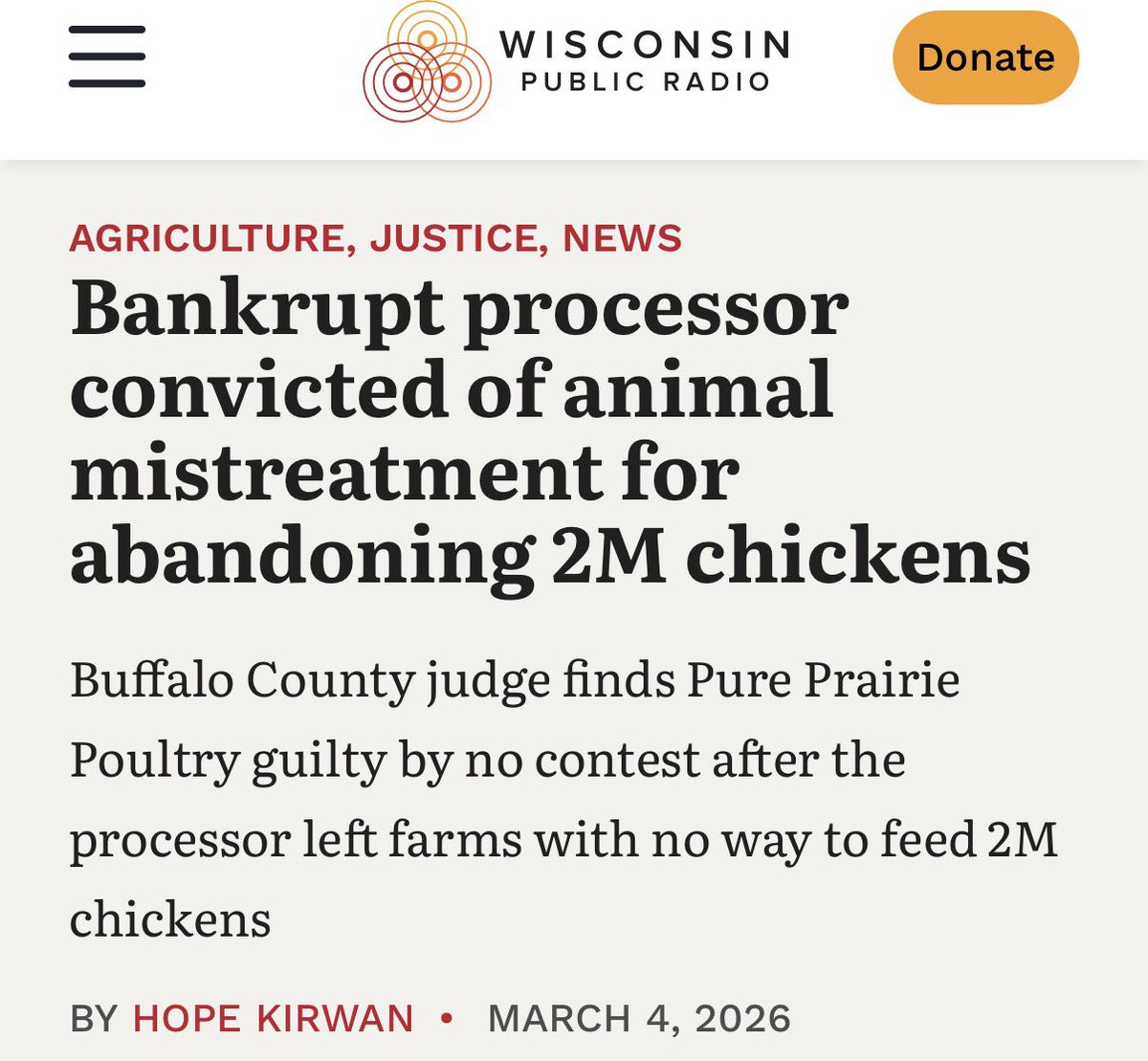
A chicken company left two million birds to starve. The fine? $13,575. That’s less than 1/100th of a penny for each animal abused. Meanwhile in the US, Sephora paid $1.2 million because its website didn’t properly allow visitors to opt out of tracking cookies. 🤷🏻
Paul Shapiro tweet media
English
16
286
828
6.9K
BusinessForGood retweetledi
Modern Mill
Modern Mill@ModernMillAcre·
Building the future without cutting down forests 🌳 On the Business for Good Podcast, host Paul Shapiro sits down with Modern Mill CEO Chris Guimond to explore how ACRE is revolutionizing construction with upcycled rice hulls. From rural Mississippi manufacturing to $20M+ revenue, this is what circular economy success looks like. Listen now: businessforgoodpodcast.com/episodes/182-a…
Modern Mill tweet media
English
0
2
3
218
BusinessForGood retweetledi
Paul Shapiro
Paul Shapiro@PaulHShapiro·
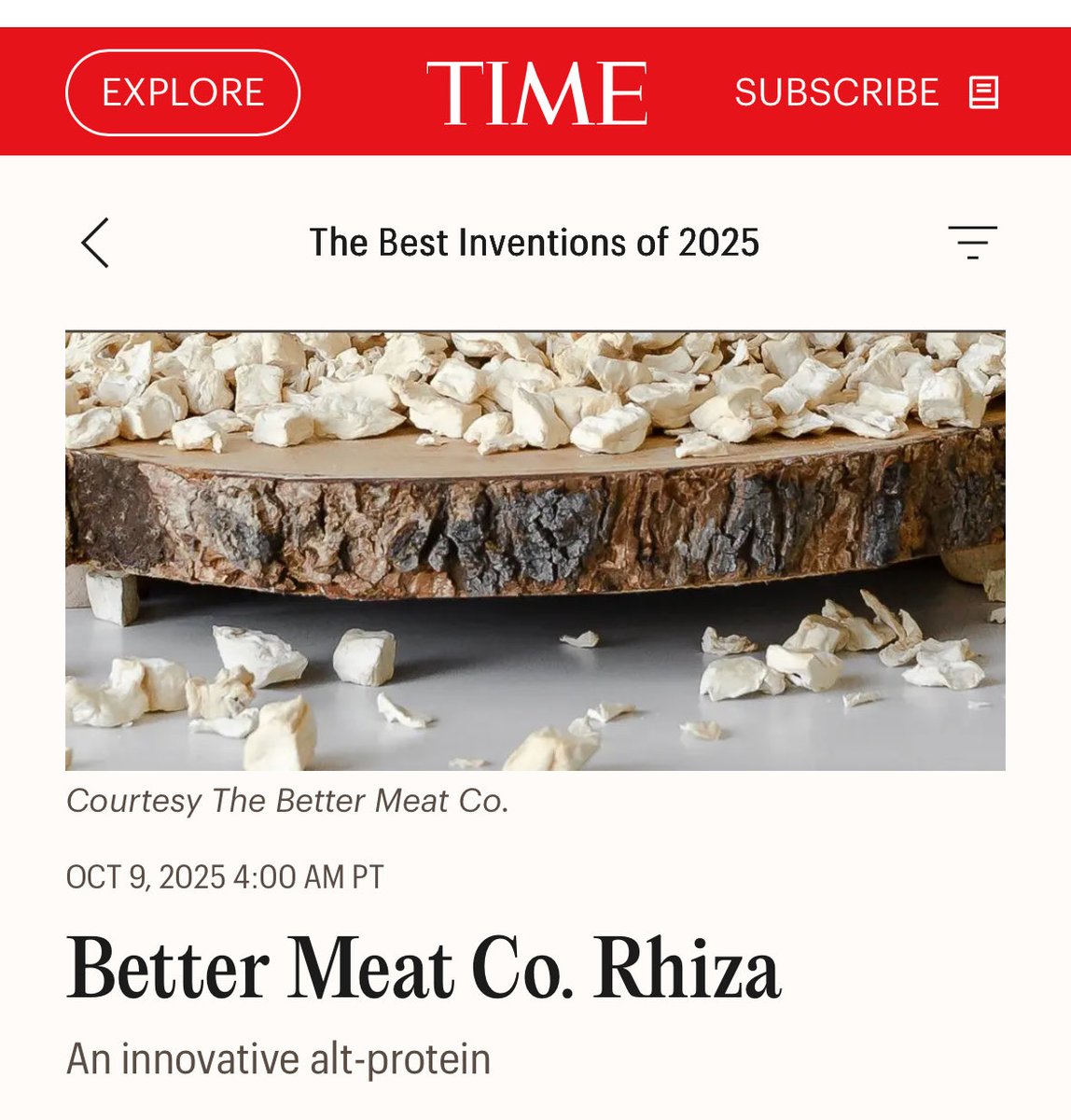
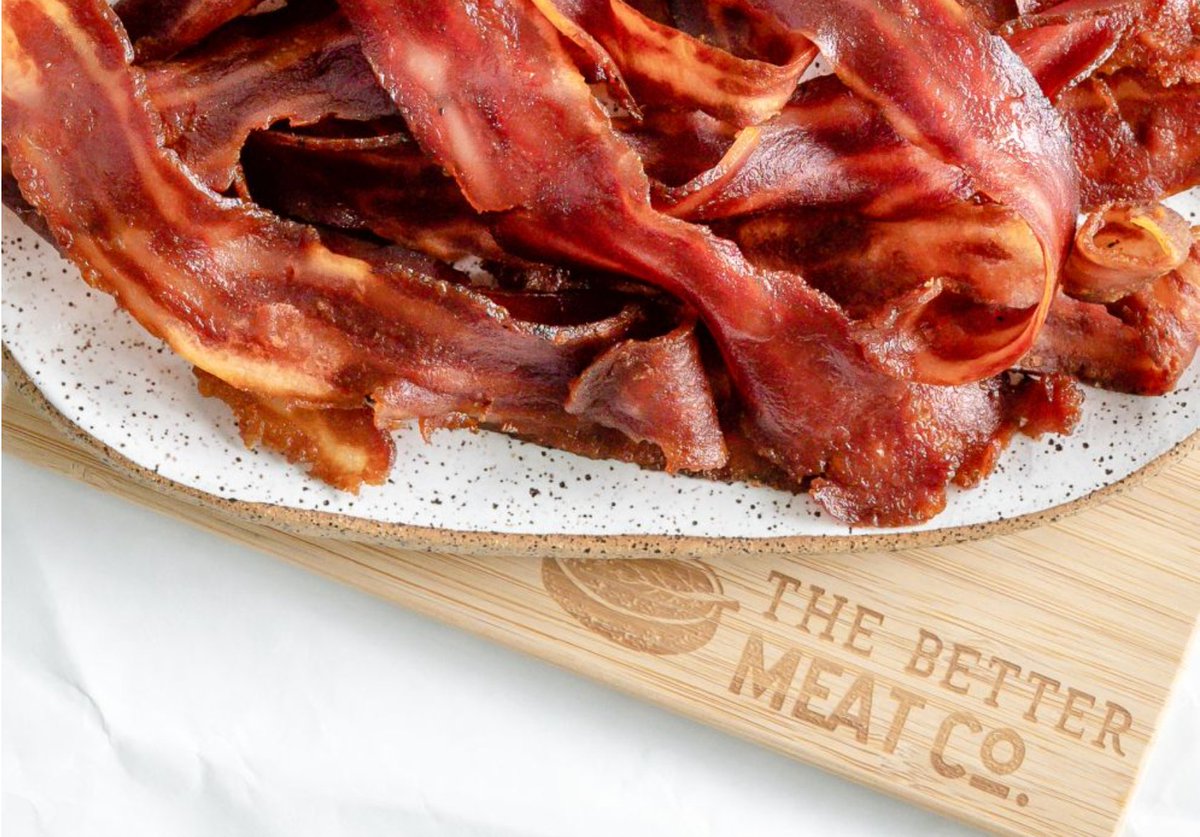
Today @TIME named @BetterMeatCo’s Rhiza mycoprotein among the best inventions of the year. Congratulations to our team of smart, hard-working scientists, engineers, and operators for this well-deserved recognition of their work. It’s time for the Rhiza River to flow!
Paul Shapiro tweet media
English
0
4
20
486
BusinessForGood retweetledi
Paul Shapiro
Paul Shapiro@PaulHShapiro·
Draining the blood of wild animals sounds more like a medieval medical manual than modern science. Respect to @EliLillyandCo for advancing synthetic, cruelty-free solutions.
Paul Shapiro tweet media
English
2
2
8
278
BusinessForGood retweetledi
Paul Shapiro
Paul Shapiro@PaulHShapiro·
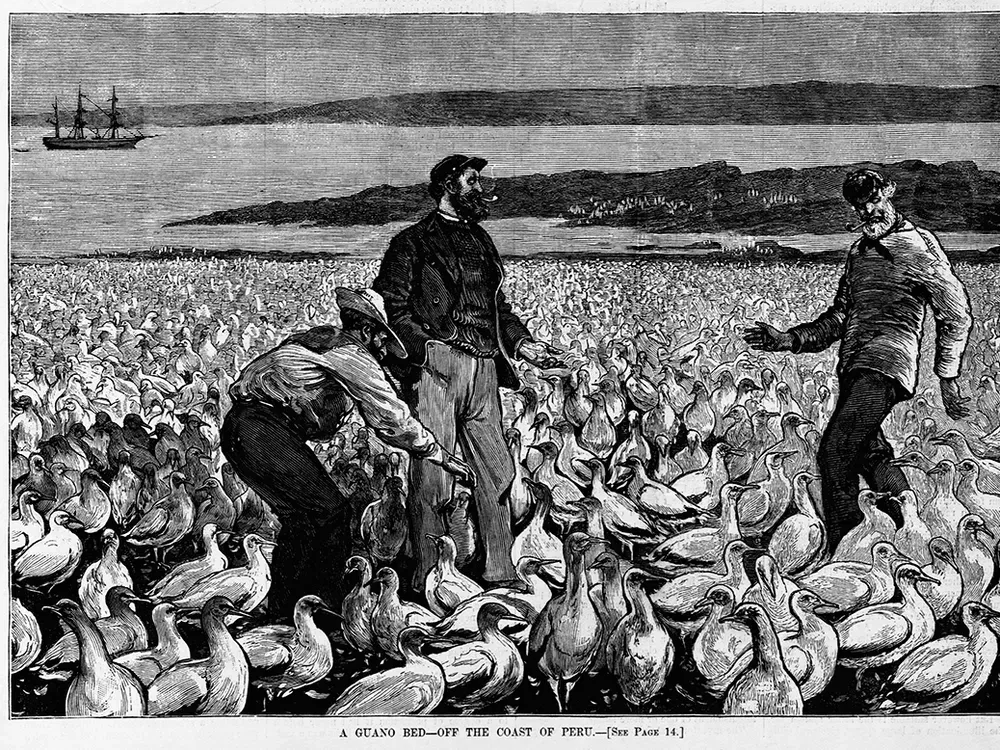
We all know how cars liberated horses and kerosene spared whales. But did you know synthetic nitrogen helped save seabirds from extinction? Here's how lab-made fertilizer ended a brutal industry built on bird poop and slavery: paulshapiro.medium.com/when-synthetiz…
Paul Shapiro tweet media
English
0
3
10
366
BusinessForGood retweetledi
Paul Shapiro
Paul Shapiro@PaulHShapiro·
What might a second Trump term bring for animals? I offer thoughts about Trump 45's animal welfare record (good and bad) and what Trump 47 may bring: paulshapiro.medium.com/what-might-a-s…
Paul Shapiro tweet media
English
2
3
8
347
BusinessForGood retweetledi
Paul Shapiro
Paul Shapiro@PaulHShapiro·
.@BetterMeatCo has earned GRAS (generally recognized as safe) status for our mycoprotein from FDA & USDA. GRAS status from FDA alone is monumental, but this marks the 1st time USDA has recognized any mycoprotein suitable/safe for inclusion in meat. More: agfundernews.com/the-better-mea…
Paul Shapiro tweet media
English
6
9
61
1.4K
BusinessForGood retweetledi
Elaine Watson
Elaine Watson@EWatsonWrites·
.@BetterMeatCo has slashed production costs for its fungi #biomassfermentation technology by moving to a continuous process, such that 'at scale, even with no further R&D advancements,' its mycoprotein is 'projected to compete on cost with commodity beef' tinyurl.com/4dk6ycpt
English
1
6
25
718
BusinessForGood retweetledi
Bruce Friedrich 🔸
Bruce Friedrich 🔸@BruceGFriedrich·
Very much enjoyed chatting with my dear friend @PaulHShapiro for his “Business for Good” podcast. If you listen, please let me know what you think - wherever you listen to podcasts, or online here: tinyurl.com/yk5xb9xb
Bruce Friedrich 🔸 tweet media
English
1
3
11
595
BusinessForGood retweetledi
Paul Shapiro
Paul Shapiro@PaulHShapiro·
Paul Shapiro tweet media
ZXX
5
12
89
2.4K
BusinessForGood retweetledi
Steve Jurvetson
Steve Jurvetson@FutureJurvetson·
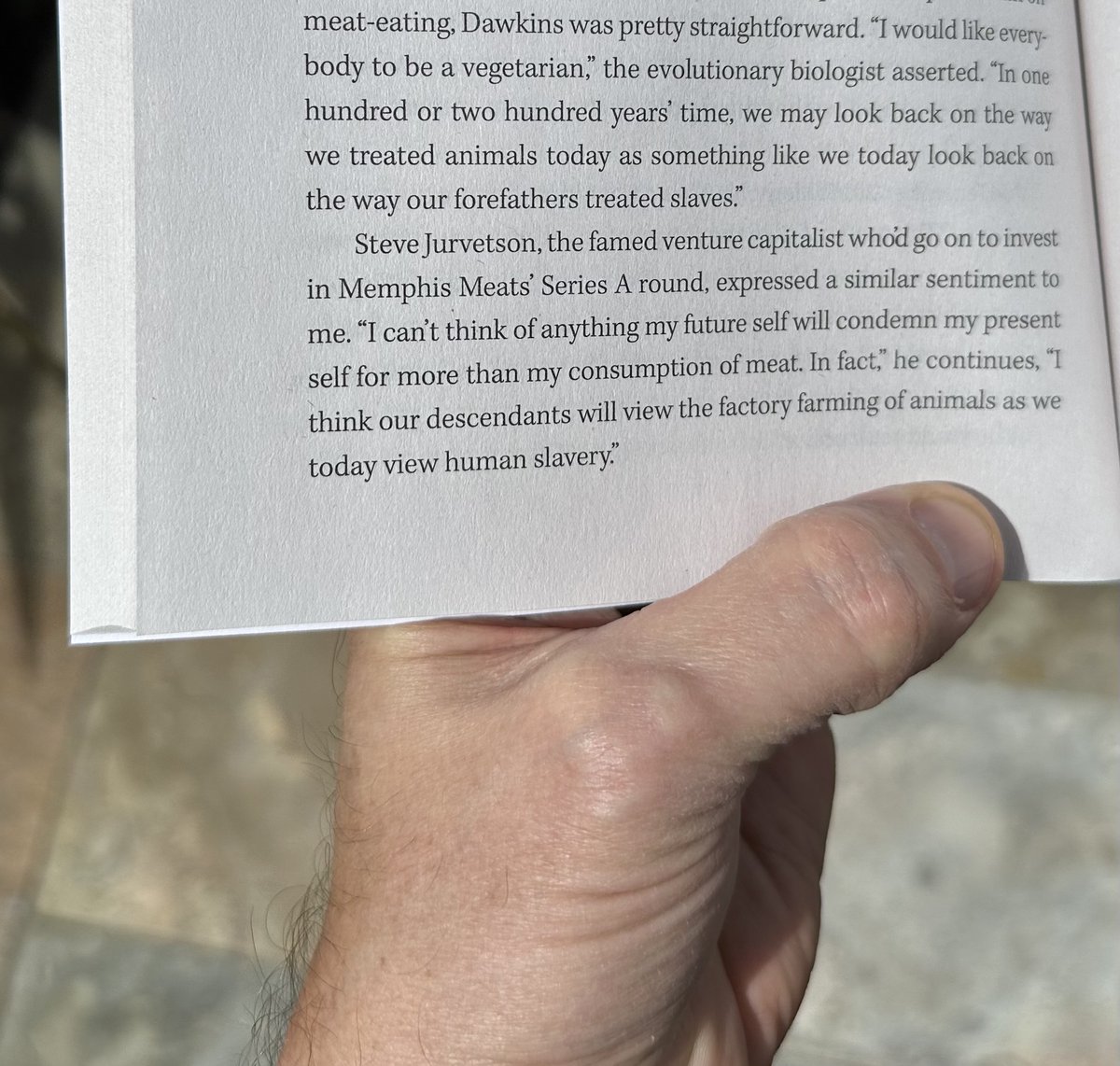
A little Sunday sermon: Preach what you Practice The paperback edition of Clean Meat comes out on Tuesday, and as a recidivist meat-eater, I have wrestled with the psychology of meat consumption for 12 years now. Change in meat manufacturing will come — first in our behaviors, and then in our morality, within an ever-expanding circle of empathy. Ironically, the timing will coincide with AGI’s corrosion of our entitled sense of supremacy, itself a cultural accumulation from our evolutionary perch at the top of the intellectual food chain, as it were. I found the closing chapter on the psychology of meat consumption the most fascinating. It explains why vegetarians have been roughly the same percentage of the population for 30 years now, and why we should not expect continued evangelism and “education” to start converting the unconverted, unless something else changes. I think the availability of economically superior meat without animal suffering will be that change. We rationalize the cognitive dissonance of how we generally empathize with animal welfare in most cases (wild animals, pets, lab animals) versus that special subset of animals we regard as food. For those animals we eat — wherever we draw the line, be it fish, chicken, red meat or octopus — global surveys show that we discount the intelligence of what we eat and imagine that they do not suffer in their growth and harvesting. For those who draw the line elsewhere on the karmic hierarchy of neuron counts, their perception follows. We only eat the dumb and numb, as if by magical self-delusion. Ref: journals.sagepub.com/doi/full/10.11… We can change where we draw the line. I have done so and experienced the shift of perception that follows. First with octopus, becoming fascinated by their intelligence after we stopped eating them. Then on a dare, I went without meat for six months. I first noticed how my deeply-held beliefs of how hard this would be were dead wrong. Food tastes great. There’s plenty of variety. I feel full between meals and have plenty of energy. It did not matter that vegetarian friends have been saying this for years; I could not internalize the logic or their happy existence proofs — I assumed giving up meat for 6 months was going to be the toughest thing I ever did. And then a more subtle realization dawned on me — I was receptive to the social media rants of vegan friends and articles on animal welfare. In the past, I would look past them. I would not lean in, and I certainly did not internalize the message. Most of us ignore the vegan prophets. The annoyance of their strident messages should be a clue as it triggers something we do not like in ourselves, that we want to shelter from scrutiny. Ignorance is our bliss. I know that I will give up slaughtered chicken next when Upside Foods and the cellular ag startups grow clean meat without the animal. And then fish. Invertebrates like crabs and lobster will be the last to go. (P.S. when other groups adjudicated on animal welfare and their capacity to suffer, it is interesting that both the lab research laws and the NAR rules for living payloads in hobby rockets draw the line at invertebrates — you can do whatever you want with them). My thoughts and beliefs followed my actions, not the other way around. This reminded me of a recent podcast with @AdamMGrant: “there’s all this research on behavioral integrity, which says that you’re basically supposed to practice what you preach. And I have been wondering lately if we’ve got that backward. And if, instead, what we should be doing is only preaching things that we already practice?” (tim.blog/2019/12/20/ada…) The morality of animal welfare will likely lag the economic shift, just as it did with slavery and whale-hunting for blubber. After kerosene provided an economic alternative, we advanced our morality and outlawed whale hunting. The fifth-largest industry in America was quickly decimated, and our moral outrage followed. This is why clean meat will be so catalytic to change. In 2012, I blogged about my investment thesis and the search for a cellular ag company that can scale (long before the founding of Memphis Meats (renamed @UPSIDEfoods) or my investment in them), writing: “I believe that in a few years we will look back and marvel at the barbarism and stunning environmental waste of meat harvesting today. Our circle of empathy generally expands over time, but sometimes as a retrospective rationalization. We don’t typically discuss the meat industry in polite conversations because we don’t want to face the inevitable cognitive dissonance. We don’t really want to know why USDA meat inspectors become vegetarian. I think all of that will change when viable meat products are grown from cell cultures, not in the field. We will switch, and marvel at our former selves.” More on Upside: flic.kr/p/2iiJSDg The vegan preachers tried, stridently, for 30 years now. Once we change our practices, we can finally hear their pleas and join them, preaching what we practice. -> @PaulHShapiro's book: amazon.com/Clean-Meat-Gro… P.S. Change usually faces opposition. The Florida legislature is currently trying to kill this inevitable future of meat manufacturing, a textbook example of regulatory capture in action. What better way to protect a legacy business than to criminalize sales before they commence? Please do right for FL and the world @GovRonDeSantis. Veto insanity!
Steve Jurvetson tweet mediaSteve Jurvetson tweet media
English
17
23
102
24.5K
BusinessForGood retweetledi
CBS News
CBS News@CBSNews·
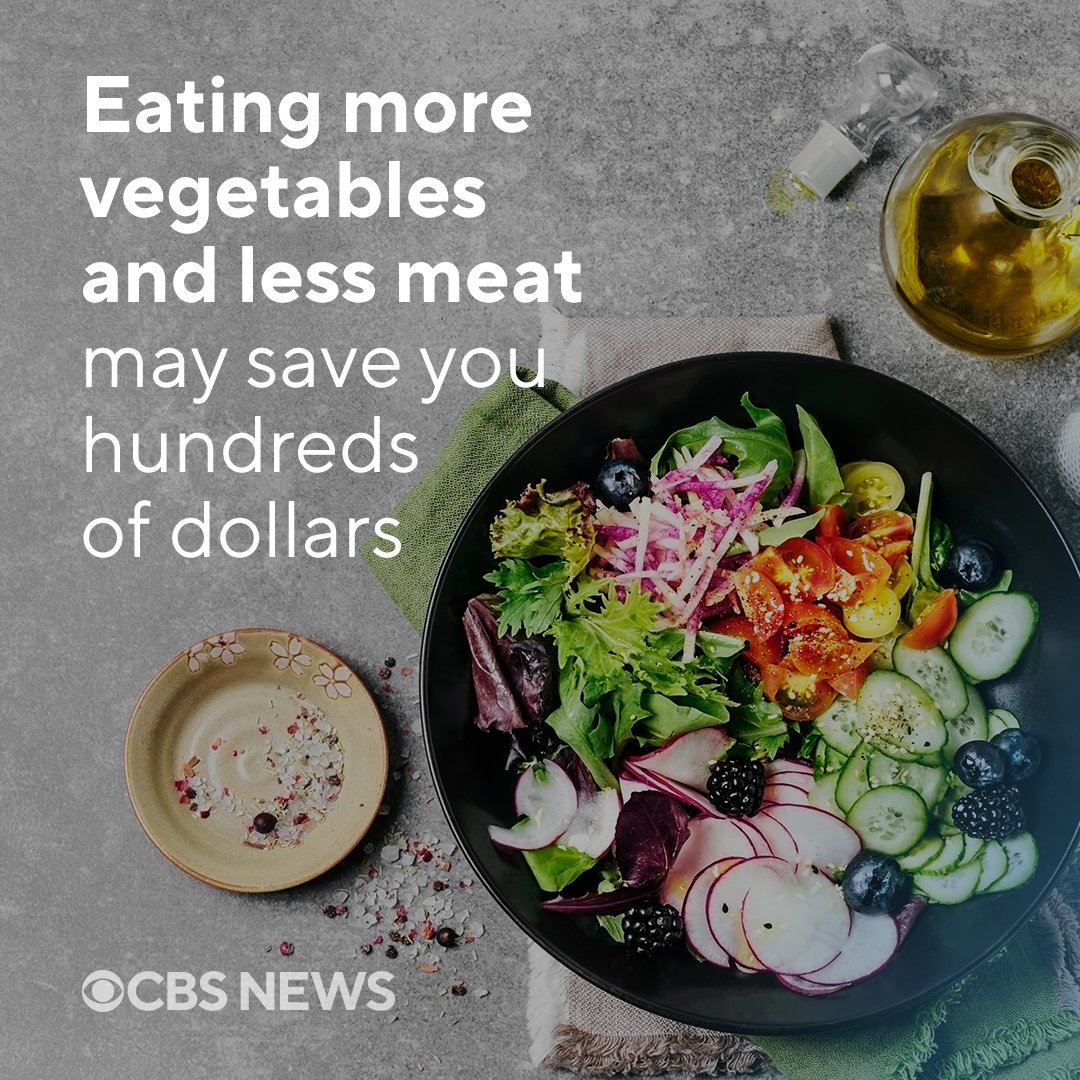
Alana Benson switched from eating meat nearly twice a day to just a few times a week, and said it didn't just make her feel better, but also saved her more than $800 in a few months. cbsn.ws/3NK0WYc
CBS News tweet media
English
19
13
42
24.8K