Don’t give your heart to someone who doesn’t care your love is precious, your soul is priceless. Value yourself enough to walk away from those who discard your worth, and trust that the right people will treasure your heart with respect and devotion.🌝💯📌📌
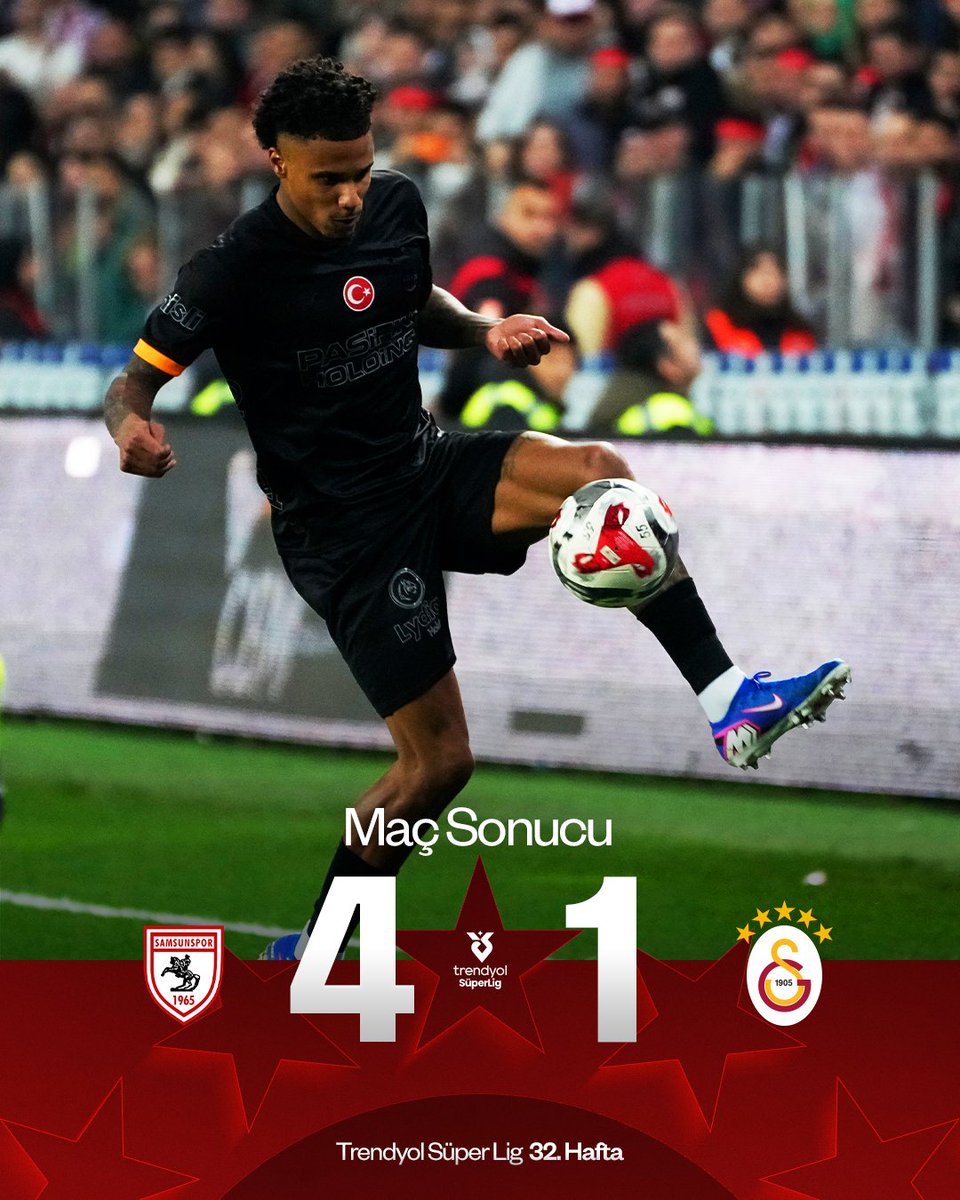
🚨 Mikel Arteta: “We talked about hunger yesterday, and showing that on the pitch, and we certainly did that”.
“You could see the team was enjoying and flowing, and our supporters responded really well to that”.
Let’s not pretend we don’t see what’s happening.
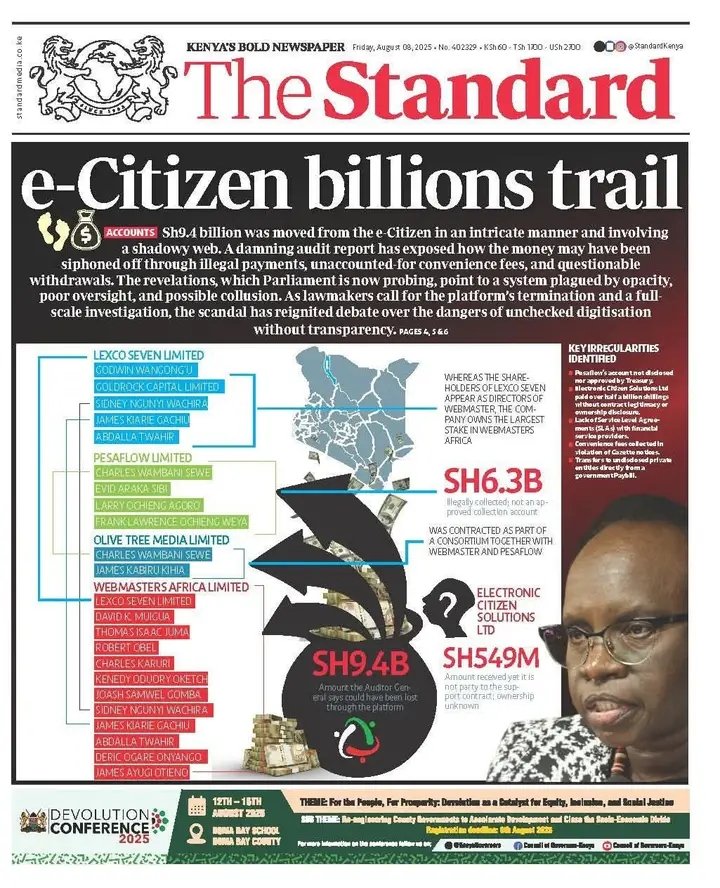
When William Ruto took power, one of the first major moves was forcing government payments into a single channel—the eCitizen paybill. Ministries, parastatals, universities, hospitals, NTSA—everyone pushed into one pot.
We were told it was about efficiency and sealing leakages.
But here’s the real question:
How do institutions survive when they no longer control the money they generate?
Because that’s the heart of it.
Public universities are struggling to stay afloat. Critical institutions like Kenyatta National Hospital have faced recurring shortages of basic supplies. These aren’t isolated failures—they point to a system where collection is centralized, but access is uncertain.
So where is the money, and who decides when institutions get it?
You cannot run hospitals, universities, or essential services on promises and delayed disbursements. You cannot centralize billions and expect zero accountability concerns.
And it gets worse.
The involvement of private players in the eCitizen system raises serious questions:
Who are they?
What is their cut?
Who is auditing the flow of public funds?
This isn’t reform—it’s opacity dressed up as efficiency.
This isn’t about tribe. It’s not about party.
It’s about whether public institutions can function when their financial lifeline is controlled elsewhere.
If institutions earn revenue but can’t access it predictably, collapse isn’t a theory—it’s a timeline.
This is not about tutam or Wantam. It's an accountability question,