Brainy Science

303 posts

Brainy Science banner
Brainy Science

Brainy Science

@BrainyScience

Mind-blowing science 🧠🚀 Space • Tech • Everyday Science • Follow for crazy facts and discoveries!

Galaxy of Bright Ideas Katılım Eylül 2022
2.5K Takip Edilen1.7K Takipçiler
Brainy Science retweetledi
Smart Science
Smart Science@SmartScience·
Ever wondered how rare your eye color is? From the most common brown eyes to the rare amber and gray, eye color distribution varies across the world based on genetics and geography. Each eye color tells a story, what’s yours?
Smart Science tweet media
English
1
3
3
80
Brainy Science retweetledi
Smart Science
Smart Science@SmartScience·
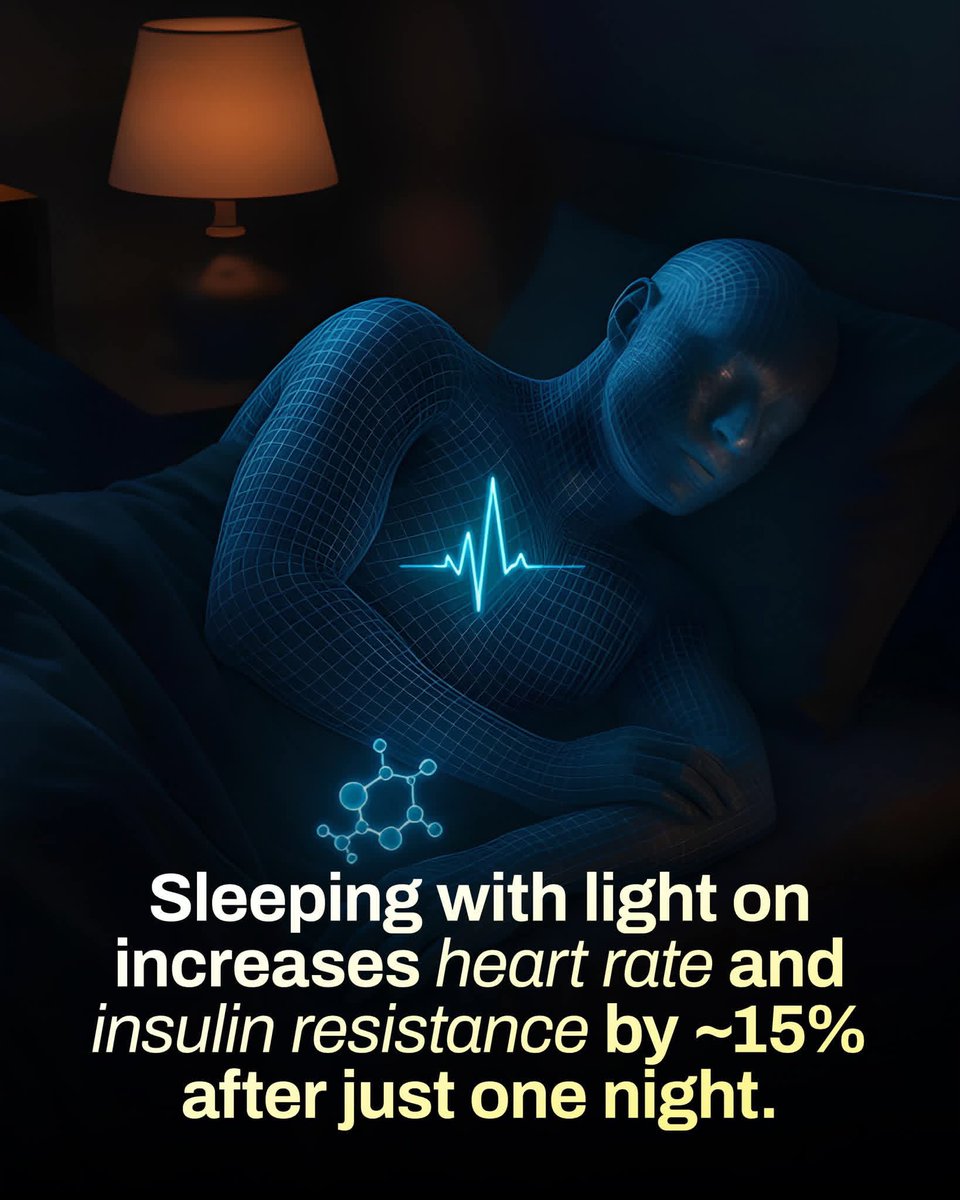
Sleeping with the light on can interfere with the body’s ability to fully relax, keeping the cardiovascular system more active than it should be during rest. This elevated activity can lead to a higher overnight heart rate, even when a person is not aware of it. Light exposure during sleep also disrupts glucose regulation, causing higher insulin resistance the following morning. Over time, these effects may contribute to increased risks of heart disease and diabetes. A study by Northwestern University Feinberg School of Medicine highlighted these metabolic and cardiovascular disruptions caused by even mild nighttime light exposure.
Smart Science tweet media
English
1
8
15
483
Brainy Science retweetledi
Smart Science
Smart Science@SmartScience·
Nothing kills you faster than your own mind. Literally. Constant worry about the uncontrollable doesn't just drain your mind—it's a direct threat to your cardiovascular and immune health. When we fixate on events beyond our control, the body's stress-response system remains in a state of high alert, triggering a persistent release of cortisol. This chronic activation is far more than a mental burden; it actively suppresses the immune system, leaving the body vulnerable to infections and long-term illness. Furthermore, the prolonged physiological strain can lead to hypertension and significantly increase the risk of serious cardiovascular disease. Beyond the heart and immune system, chronic anxiety manifests physically through persistent muscle tension, frequent headaches, and digestive disruptions. The mental exhaustion of focusing on external factors often leads to a dangerous cycle of unhealthy coping mechanisms, such as substance use or overeating, which further exacerbate physical decline. Fortunately, professional intervention is highly effective, and dedicated resources exist to help individuals manage stress and restore their physical well-being. source: American Psychological Association. (2023). Stress effects on the body. APA Psychology Topics.
Smart Science tweet media
English
0
8
33
910
Brainy Science retweetledi
Smart Science
Smart Science@SmartScience·
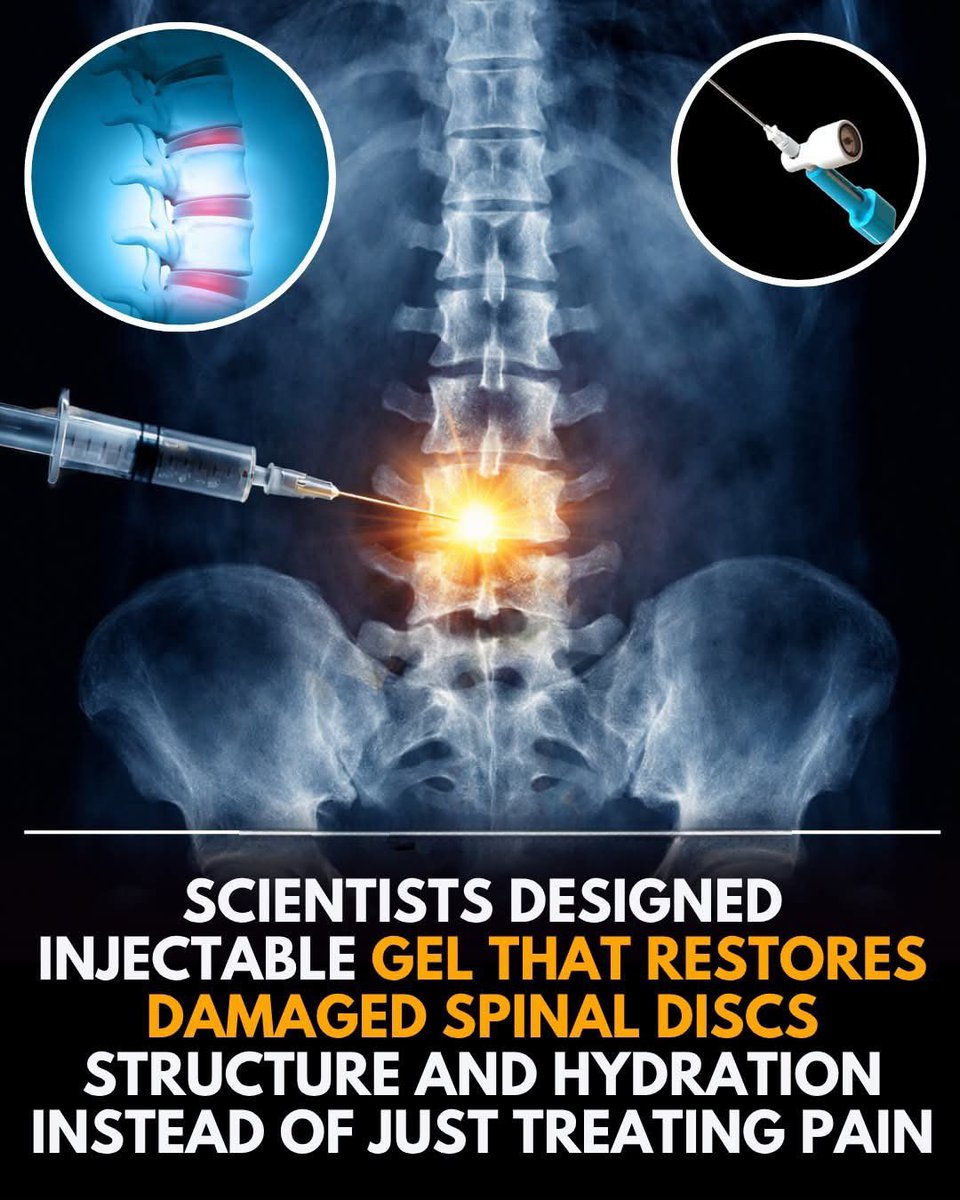
An innovative biomaterial hydrogel is fundamentally changing how medical professionals approach chronic back issues by physically rebuilding the spine from the inside out. Degenerative disc disease is a leading cause of severe lower back pain globally, impacting the majority of adults by the time they reach age 60. Until now, patients have largely been forced to rely on temporary steroid injections, heavy pain medications, or highly invasive spinal fusion surgeries that permanently restrict bodily movement. Administered during a quick, minimally invasive outpatient procedure, this advanced hydrogel is gently heated into a thick liquid and injected directly into the tears of a damaged disc. Once inside the body, it quickly cools and sets into a highly flexible matrix that perfectly mimics the biomechanical cushioning of a healthy, natural spine. Recent clinical trials have yielded incredibly promising results, with participants reporting a massive drop in their daily pain levels and a significant improvement in physical mobility within just one month. Because the material remains elastic and actively seals the disc annulus, it successfully restores the spine's natural load-bearing capabilities without limiting future range of motion. Having already secured a highly coveted "breakthrough device" designation from the FDA, this revolutionary treatment is currently being fast-tracked for wider medical application. It represents a monumental leap forward in modern orthopedics, offering a genuine, long-term lifeline to millions of people trapped by debilitating chronic pain.
Smart Science tweet media
English
3
20
43
1.3K
Brainy Science retweetledi
Smart Science
Smart Science@SmartScience·
Scientists may have a permanent cure for autoimmune conditions: genetically engineered immune cells. For decades, autoimmune conditions like lupus, multiple sclerosis, and type 1 diabetes have been managed rather than cured. However, a revolutionary shift is occurring as doctors repurpose CAR T-cell therapy—originally a high-stakes cancer treatment—to target and destroy the rogue immune cells responsible for these disorders. Unlike traditional treatments that merely suppress the immune system, this approach re-engineers a patient's own T-cells to seek out and eliminate the specific cells causing internal damage. Early clinical trials have yielded results described by researchers as "miraculous," with patients experiencing complete remission from diseases that were previously considered life-threatening or permanent. Surprisingly, the severe side effects often seen in cancer patients, such as brain inflammation, have been largely absent in autoimmune trials. Researchers believe this is because the body’s intact immune system eventually clears the engineered cells after they have finished their work, essentially "rebooting" the patient's natural defenses. While the high cost of custom-made treatments remains a barrier, the development of "off-the-shelf" and "in vivo" CAR T-cells promises to make these therapies more affordable and accessible. With dozens of trials currently underway, the first of these life-changing treatments could receive regulatory approval as early as next year, offering a definitive end to the struggle for millions affected by autoimmune disease. source: Le Page, M. (2026). We may finally have a cure for many different autoimmune conditions. New Scientist.
Smart Science tweet media
English
6
28
82
2.4K
Brainy Science retweetledi
Smart Science
Smart Science@SmartScience·
Skipping breakfast can feel like a “superpower” because fasting keeps the body in a more alert state, boosting norepinephrine and reducing the sluggishness that often follows a meal. Many people notice sharper focus, clearer thinking, and steadier energy in the morning without blood sugar swings. It’s also a common part of intermittent fasting, which can encourage the body to burn stored fat for fuel. Over time, this routine may improve insulin sensitivity, meaning the body handles glucose more efficiently. In longer fasting windows, it may also activate autophagy, a cellular cleanup process linked to renewal and repair, as supported by research from the University of Auckland.
Smart Science tweet media
English
7
21
86
3.6K
Brainy Science retweetledi
Smart Science
Smart Science@SmartScience·
Your tattoo is a permanent trigger that forces your immune system into a lifelong cycle of chronic inflammation. When ink is injected into the skin, the body immediately identifies the pigment as a foreign invader. Specialized immune cells known as macrophages rush to the site to engulf the particles in an attempt to clear them. However, because these cells cannot break down the ink, they eventually die and release the pigment back into the tissue, only for new macrophages to consume it again. This continuous cycle not only keeps the tattoo visible but also creates a state of persistent inflammation. Over time, these ink particles can migrate through the lymphatic system, permanently settling in the lymph nodes and placing constant stress on the body's natural defenses. The long-term health implications of this internal ink migration are becoming a focal point for medical researchers. Evidence suggests that pigment stored in the lymph nodes may disrupt the body’s ability to respond effectively to certain vaccines, including mRNA-based treatments. Furthermore, the presence of heavy metals like nickel and cobalt in some inks, combined with the systemic stress of chronic inflammation, has been linked to a slight increase in the risk of developing lymphoma and skin cancer. While tattoos are a popular form of self-expression, they represent a complex, lifelong interaction between foreign substances and the human immune system. source: Nielsen, C., Jerkeman, M., & Jöud, A. S. (2024). Tattoos as a risk factor for systemic lymphoma: A population-based case-control study. eClinicalMedicine.
Smart Science tweet media
English
6
22
44
2.6K
Brainy Science retweetledi
Smart Science
Smart Science@SmartScience·
A new nasal spray could reverse brain aging and restore lost memory by targeting chronic inflammation. A revolutionary therapeutic approach is showing promise in the fight against 'inflammaging,' the chronic, low-grade inflammation that drives cognitive decline. By utilizing a nasal spray delivery system, researchers are able to transport extracellular vesicles—specialized nanoparticles—directly to the brain, bypassing the blood-brain barrier. This targeted method suppresses specific inflammatory pathways, such as the NLRP3 inflammasome and cGAS-STING systems, which are known to trigger the brain fog and memory loss typically associated with aging. In recent laboratory trials, this non-invasive treatment successfully re-energized the brain's 'cellular power plants,' or mitochondria, leading to significant restoration of memory and cognitive function. While currently in the experimental stage, the ability to recharge aging brain cells offers a beacon of hope for future treatments targeting Alzheimer’s disease and general age-related decline. This breakthrough suggests that the neurobiological clock can be reset, potentially allowing for the maintenance of mental sharpness well into late adulthood. source: Shetty, A. K. Intranasal delivery of extracellular vesicles for reversing age-related neuroinflammation and memory loss. Aging Cell.
Smart Science tweet media
English
6
38
118
3.2K
Brainy Science retweetledi
Smart Science
Smart Science@SmartScience·
In a world-first medical breakthrough, scientists have successfully used a woman’s own stem cells to reverse her Type 1 diabetes, offering hope for millions living with this chronic condition. The treatment regenerates insulin-producing cells in the pancreas, restoring the body’s ability to regulate blood sugar naturally without lifelong insulin injections. This milestone highlights the incredible potential of stem cell therapy in treating autoimmune diseases. By using the patient’s own cells, researchers reduce the risk of rejection and complications, making the therapy safer and more effective. While still in the early stages, this achievement marks a turning point in diabetes research and could pave the way for accessible, life-changing treatments in the near future. It’s a powerful reminder that medical science continues to push the boundaries of what’s possible, transforming hope into reality for patients worldwide.
Smart Science tweet media
English
5
57
132
3.3K
Brainy Science retweetledi
Smart Science
Smart Science@SmartScience·
Children who grow up under constant criticism often develop a heightened stress-response system that keeps their bodies on alert even when no real danger is present. This chronic activation of the fight-or-flight state can make it difficult for them to feel safe, calm, or emotionally regulated. Over time, their brains may begin to interpret everyday situations as threats, shaping patterns of anxiety, hypervigilance, or withdrawal. Such children may also struggle with self-esteem and relationships because their nervous system has learned to expect judgment or harm. According to the Journal of Psychology & Human Behavior, these long-term effects highlight the deep impact that emotionally unsafe environments can have on a developing brain.
Smart Science tweet media
English
1
21
54
1.6K
Brainy Science retweetledi
Smart Science
Smart Science@SmartScience·
Revolutionary solar cells can capture nearly half of the sun's available energy! Researchers at the National Renewable Energy Laboratory (NREL) and the Fraunhofer Institute for Solar Energy Systems have set a staggering new record in solar energy conversion, achieving an efficiency rate of over 47%. Unlike standard silicon panels that typically convert only 15% to 25% of sunlight into electricity, these specialized multi-junction cells utilize a complex 'six-junction' architecture. This design allows the device to absorb a much broader spectrum of light by using lenses to concentrate solar intensity to over 140 times the strength of normal sunlight. While these high-performance cells are currently optimized for niche applications like satellite power and specialized concentrated photovoltaic (CPV) systems, they represent a significant leap in semiconductor engineering. By leveraging inverted metamorphic structures to capture high-energy photons, the technology generates a powerful electrical current far beyond traditional rooftop capabilities. As research continues to refine these high-cost systems, the breakthrough provides a vital roadmap for the future of high-intensity solar harvesting and next-generation energy infrastructure. source: Geisz, J. F., France, R. M., Schulte, K. L., Steiner, M. A., Norman, A. G., Guthrey, H. L., Young, M. S., Song, T., & Moriarty, T. (2020). Six-junction III-V solar cell with 47.1% conversion efficiency under 143 Suns concentration. Nature Energy.
Smart Science tweet media
English
3
29
93
7.4K
Brainy Science retweetledi
Smart Science
Smart Science@SmartScience·
A long-running study from the University of Helsinki found that women who regularly engage in traditional “grandma hobbies” such as knitting, sewing, crocheting, and gardening tend to live up to eight years longer on average. These activities help calm the nervous system by lowering stress and promoting a meditative, focused state through repetitive movement. They also build confidence by creating a sense of purpose, routine, and visible accomplishment. Mentally, such hobbies keep the brain active, supporting memory, attention, and cognitive flexibility as women age. Together, these effects show that simple, creative pastimes can be deeply therapeutic, emotionally grounding, and beneficial for long-term health.
Smart Science tweet media
English
7
48
139
2.4K
Brainy Science retweetledi
Smart Science
Smart Science@SmartScience·
AI-powered "smart bandages" use real-time imaging and machine learning to accelerate healing. Gone are the days of passive wound coverage. A groundbreaking new prototype, known as "Heal," integrates a tiny camera and artificial intelligence to actively monitor injuries. This "smart bandage" captures frequent images of a wound, feeding them into a machine learning model that assesses the healing process in real-time. By creating an automated feedback loop, the device can diagnose whether a site is recovering normally or requires immediate intervention, effectively removing the delay between diagnosis and treatment. The technology doesn't just watch; it acts. Based on its AI analysis, the bandage can deliver targeted electrical stimulation or release specific drugs to promote tissue regeneration. Initial testing on animal models demonstrated that wounds treated with this intelligent system developed new skin cells significantly faster than those using traditional dressings. This shift toward personalized, responsive therapy offers a lifeline for patients with chronic wounds, such as those caused by diabetes, promising faster recovery times and more effective home-based care. source: Caltech News. (2023). Smart Bandage Uses AI to Monitor and Treat Chronic Wounds. California Institute of Technology.
Smart Science tweet media
English
2
23
55
1.8K
Brainy Science retweetledi
Smart Science
Smart Science@SmartScience·
Scientists have reported that certain studies in PubMed suggest prolonged exposure to phone-emitted radiofrequency radiation may influence cellular activity in the brain. Some laboratory experiments indicate that under specific conditions, this radiation can stress or alter brain cells, with changes sometimes visible under a microscope. Researchers emphasize that these findings are often based on controlled experimental environments that do not perfectly represent everyday phone use. While the results raise important questions about long-term exposure, the broader scientific community maintains that current evidence does not confirm direct harm to human brain tissue. Ongoing research aims to clarify these effects and determine whether they hold significance for real-world mobile phone users.
Smart Science tweet media
English
7
19
48
1.3K
Brainy Science retweetledi
Smart Science
Smart Science@SmartScience·
The human mind holds incredible power over the body. Studies from the American Physiological Society reveal that simply imagining yourself lifting weights can increase muscle strength by over 13%. This remarkable effect shows that mental practice alone can activate the same neural pathways used during physical training. Visualization strengthens the connection between thought and movement, turning focused intention into measurable results. Truly, the mind doesn’t just guide the body — it empowers it.
Smart Science tweet media
English
2
26
111
2.1K
Brainy Science retweetledi
Shining Science
Shining Science@ShiningScience·
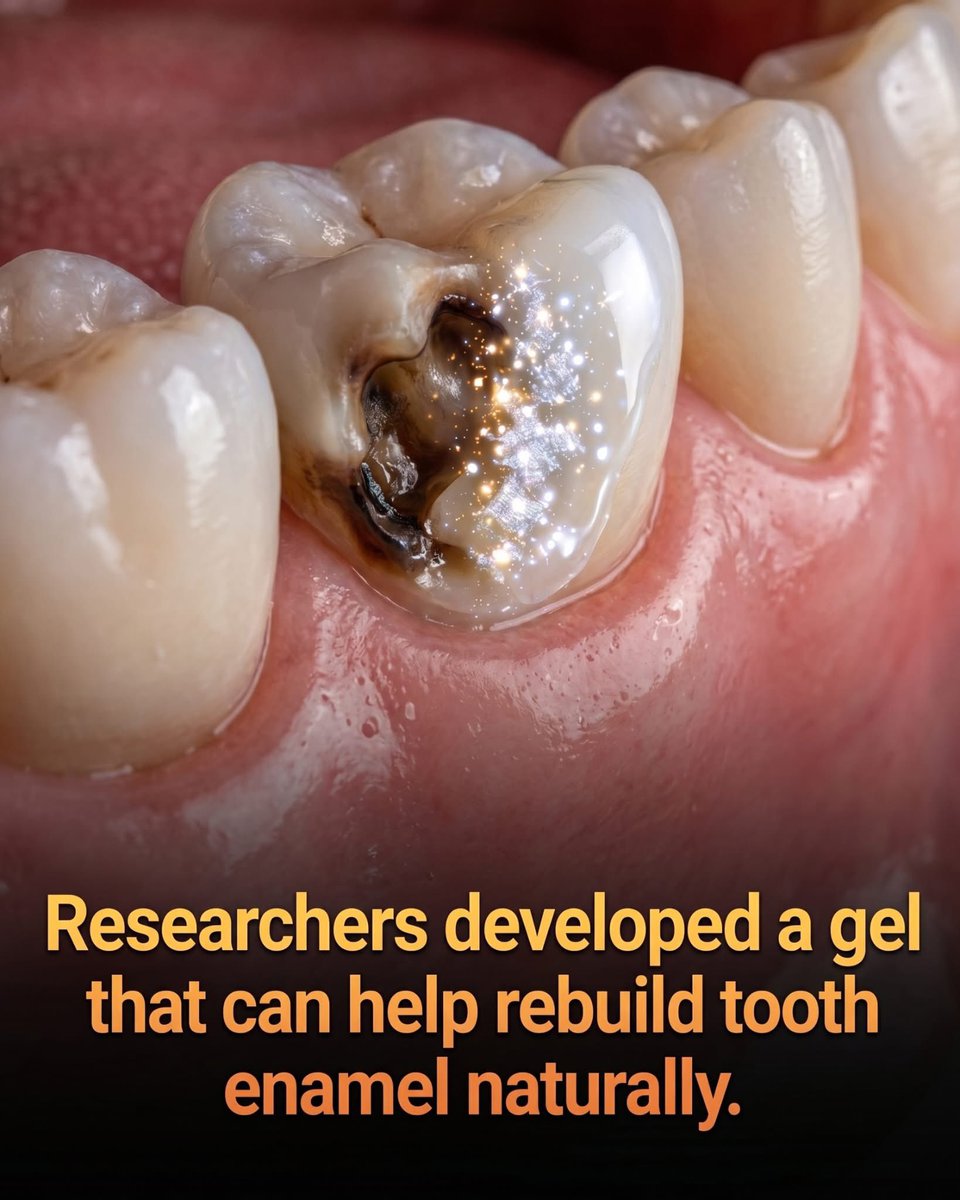
Scientists created a gel that regenerates tooth enamel. This could end permanent dental erosion. Human tooth enamel is the hardest tissue in the body, yet it famously lacks the ability to heal itself once eroded by acids, grinding, or physical wear. A new breakthrough in dental science aims to change this biological limitation through a protein-based gel that mimics the natural mineral-forming process. When applied to damaged teeth or exposed dentine, the gel acts as a microscopic scaffold, attracting calcium and phosphate ions from the user's saliva to build a new mineralized layer that fuses seamlessly with the existing tooth structure. In laboratory tests on extracted human teeth, the regenerated enamel achieved a hardness and structural integrity nearly identical to healthy natural enamel within just ten days. The treated surfaces successfully resisted simulated brushing and acid exposure, performing as well as or better than native tissue. While researchers note the new layers are currently thinner than original enamel and require further clinical testing for long-term durability, the technology marks a revolutionary shift from simply patching cavities to actively rebuilding the body's natural defenses. source: Dogan, S., Fong, H., Yucesoy, D. T., Gungormus, M., Karimizadehtouriz, M., & Sarikaya, M. Biomimetic Tooth Repair: Amelogenin-Derived Peptides Regrow Enamel and Dentin-Like Mineral. ACS Biomaterials Science & Engineering.
Shining Science tweet media
English
11
110
383
12.9K
Brainy Science retweetledi
Smart Science
Smart Science@SmartScience·
The first microscopic microplastics have been imaged embedded in human brain tissue. Researchers have achieved a scientific milestone by producing the first confirmed microscopic images of nanoplastics embedded directly within human brain tissue. Initially identified as unusual glassy deposits during routine examinations, these particles are so small—often smaller than many viruses—that they escaped detection by conventional diagnostic tools for years. Using advanced high-resolution imaging, scientists have now confirmed that these synthetic clusters are not merely chemical traces but physical contaminants lodged within the brain's delicate architecture. The study highlights a concerning trend in bioaccumulation, revealing that brain tissue contains higher levels of plastic than other vital organs like the liver or kidneys. Furthermore, plastic concentrations were markedly higher in more recent samples and in individuals who suffered from dementia compared to those without cognitive disease. While researchers emphasize that these findings prove presence rather than direct harm, the discovery raises urgent questions about how these particles breach biological barriers and what their long-term presence means for neurological health. source: Campen, M. J., Nihart, A., Garcia, M. A., & Liu, R. (2024). Bioaccumulation of Microplastics in Decedent Human Brains. University of New Mexico Health Sciences Center.
Smart Science tweet media
English
0
21
28
1.4K
Brainy Science retweetledi
Smart Science
Smart Science@SmartScience·
Sleeping with the light on can interfere with the body’s ability to fully relax, keeping the cardiovascular system more active than it should be during rest. This elevated activity can lead to a higher overnight heart rate, even when a person is not aware of it. Light exposure during sleep also disrupts glucose regulation, causing higher insulin resistance the following morning. Over time, these effects may contribute to increased risks of heart disease and diabetes. A study by Northwestern University Feinberg School of Medicine highlighted these metabolic and cardiovascular disruptions caused by even mild nighttime light exposure.
Smart Science tweet media
English
3
23
73
68.3K
Brainy Science retweetledi
Smart Science
Smart Science@SmartScience·
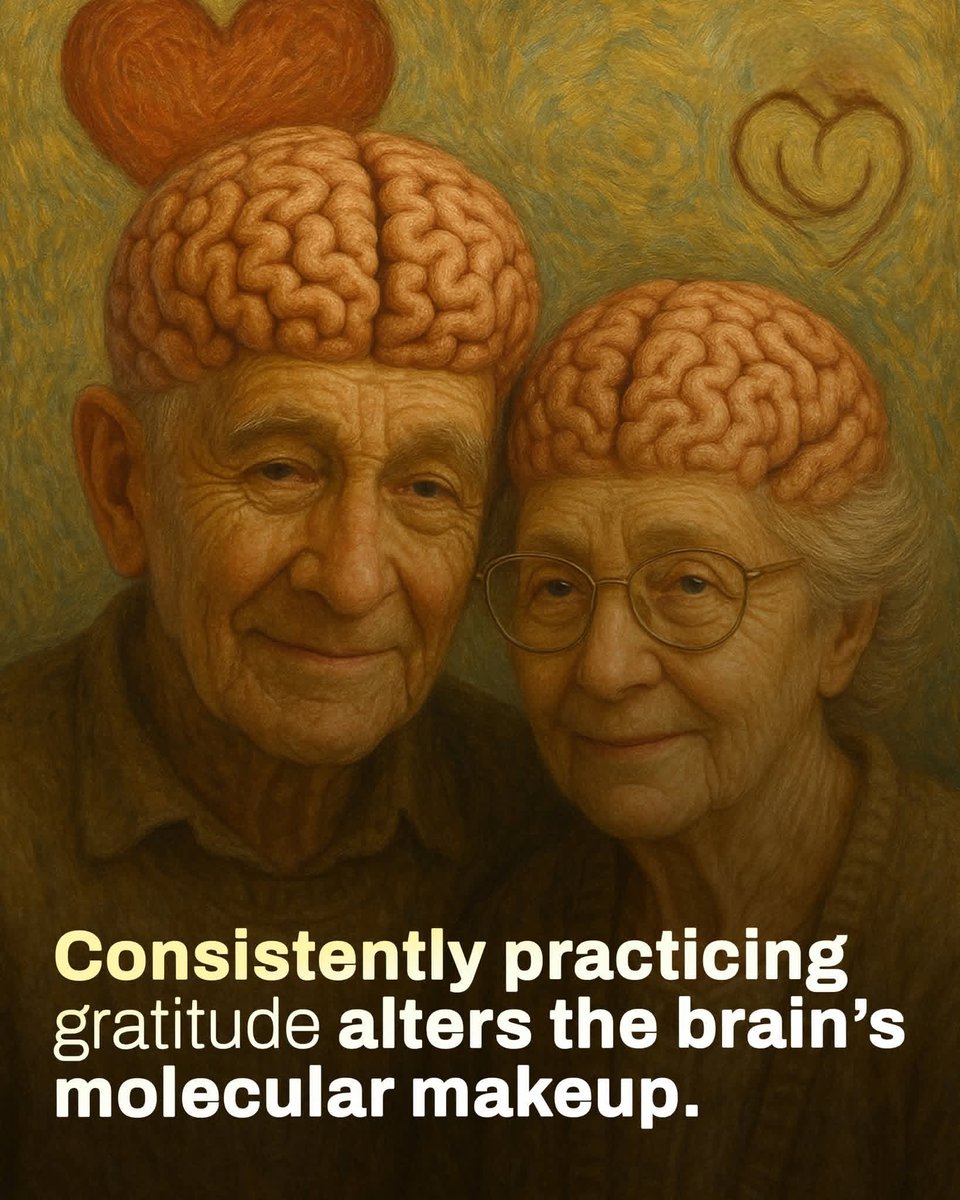
Gratitude, far from being a sentimental notion, has emerged as a scientifically supported force capable of transforming the human brain and improving overall mental health. Neuroscientific studies have shown that regularly practicing gratitude activates brain regions associated with moral cognition, emotional regulation, and reward, particularly the medial prefrontal cortex and anterior cingulate cortex (Zahn et al., 2009). Notably, Dr. Alex Korb, in his book The Upward Spiral, describes how gratitude stimulates the release of dopamine and serotonin—two neurotransmitters vital for mood stabilization and happiness—making it a powerful natural antidepressant. A growing body of evidence confirms that this effect is not fleeting: a study by the University of California, Berkeley, led by Joel Wong and Joshua Brown (2017), found that individuals who wrote gratitude letters showed significantly better mental health outcomes even 12 weeks after the exercise, regardless of whether the letters were sent. In parallel, Emmons and McCullough (2003) demonstrated that individuals who kept a gratitude journal for just 10 weeks reported increased optimism, better sleep, and more physical activity. Furthermore, gratitude has been shown to enhance the neural modulation of the prefrontal cortex, which reduces symptoms of depression and anxiety by strengthening pathways that suppress negative emotions. According to McCraty & Childre (2004), gratitude also reduces cortisol levels—the primary stress hormone—improving cardiovascular health and emotional resilience. At the structural level, researchers like Zahn et al. (2014) have found that individuals who frequently feel gratitude show increased gray matter volume in the right inferior temporal gyrus, which plays a key role in interpreting social signals and emotional meaning. As UCLA’s Mindfulness Awareness Research Center puts it, “Gratitude changes the neural structures of the brain,” reshaping how we perceive and engage with the world. Ultimately, gratitude doesn't just feel good—it rewires the brain toward greater emotional intelligence, social connection, and resilience, offering a neuropsychological foundation for a healthier and more fulfilling life.
Smart Science tweet media
English
2
52
130
2.5K
Brainy Science retweetledi
Smart Science
Smart Science@SmartScience·
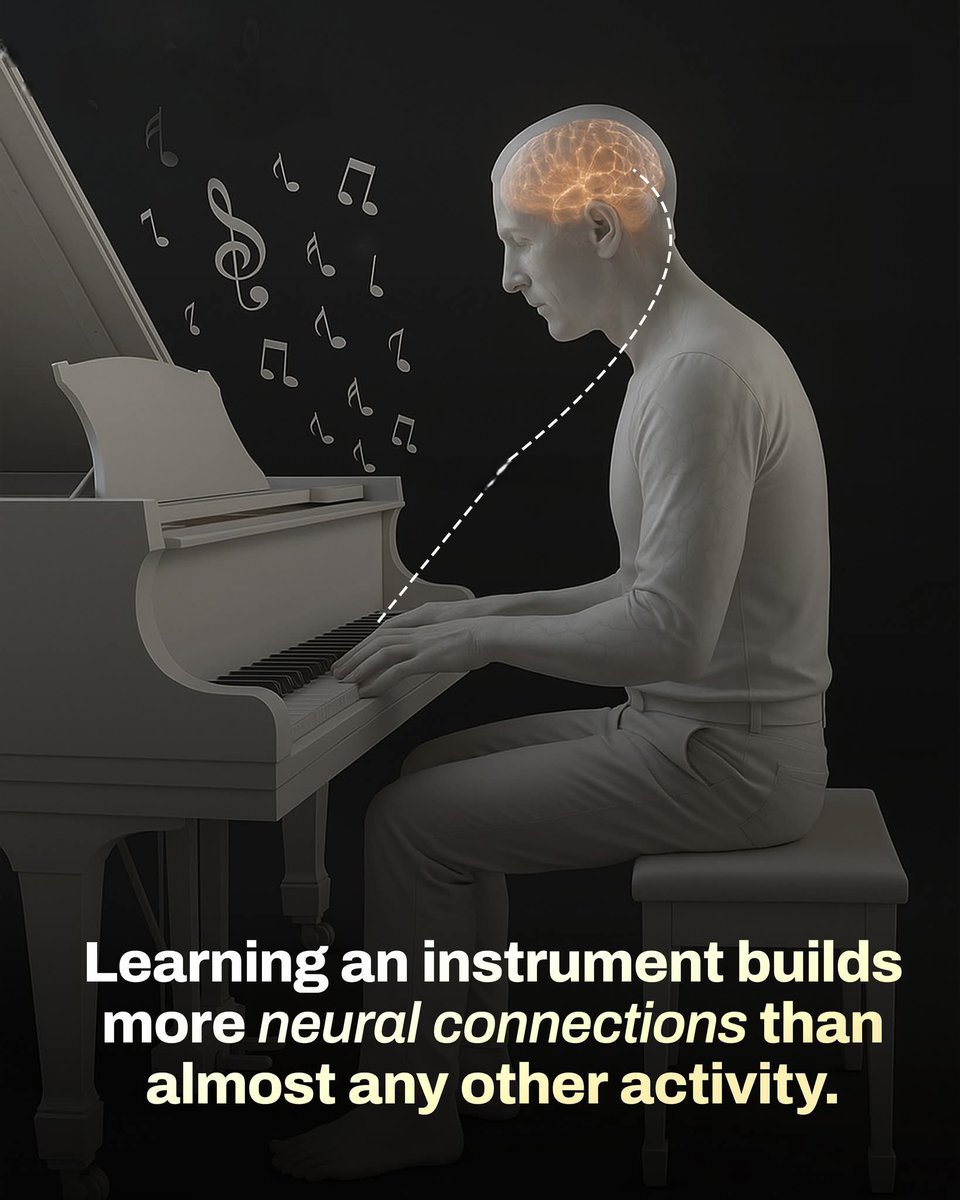
This coordinated activity strengthens communication between brain regions and supports long-term neuroplasticity. Research shows that musical training enhances executive functions, attention, and working memory across the lifespan. These changes occur because repeated practice builds dense networks of neural connections through structured mental scaffolding. As reported in Frontiers in Psychology, musical training is one of the most effective activities for shaping the human brain.
Smart Science tweet media
English
6
88
298
7.7K