Sabitlenmiş Tweet

The most honest man in crypto. He also launched PulseChain $PLS, PulseX $PLSX, and $HEX.
PulseChain.com
Richard Heart@RichardHeartWin
Hello PulseChain, PulseX, HEX, Bitcoin, Ethereum, and free speech, I won for us all!
English
bretep
3.4K posts

Hello PulseChain, PulseX, HEX, Bitcoin, Ethereum, and free speech, I won for us all!


LibertySwap has just built a component called Batched RPCs. It combines our private RPC with all publicly available PulseChain RPC endpoints. Every 5–10 minutes, we ping these RPCs and route orders through the most stable one. This should help our protocol orders achieve better execution going forward. Hopefully it improves the overall reliability for users.
#PulseChain is now the chain with the 2nd highest number of verified contracts on @SourcifyEth - whereas not long ago we weren't top 10 - all thanks to @RenatoPulse and myself. We aim to improve security, transparency and user experience on the block explorers. @RichardHeartWin


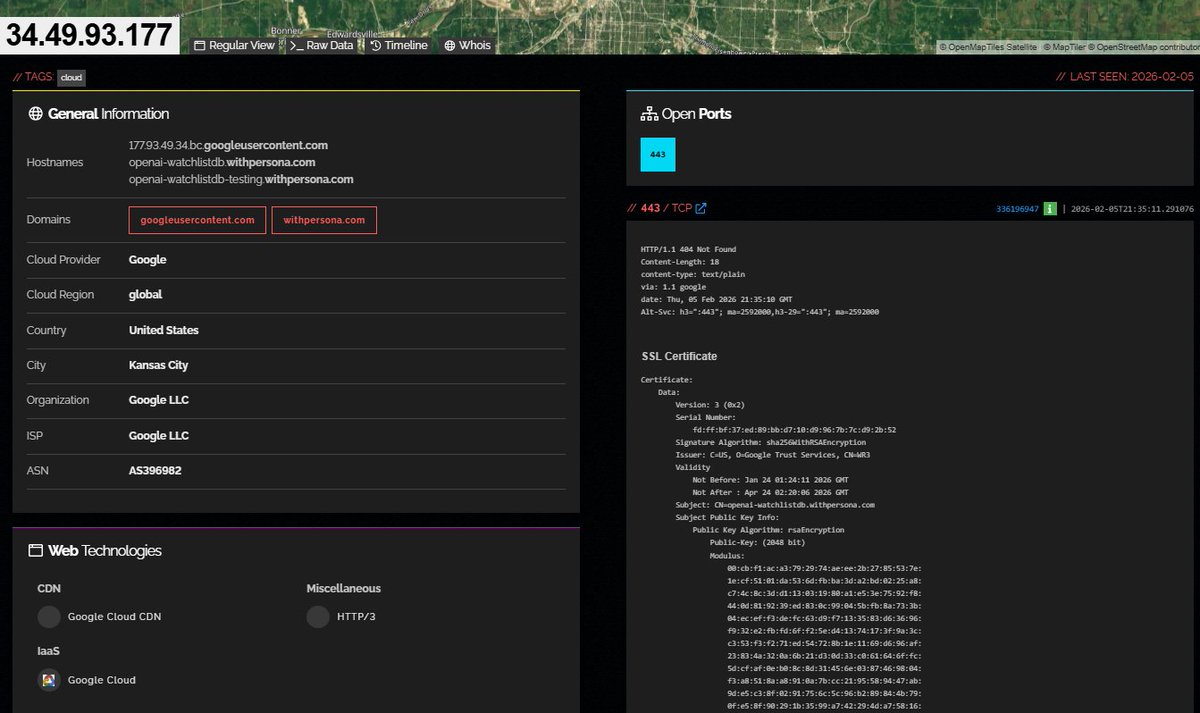
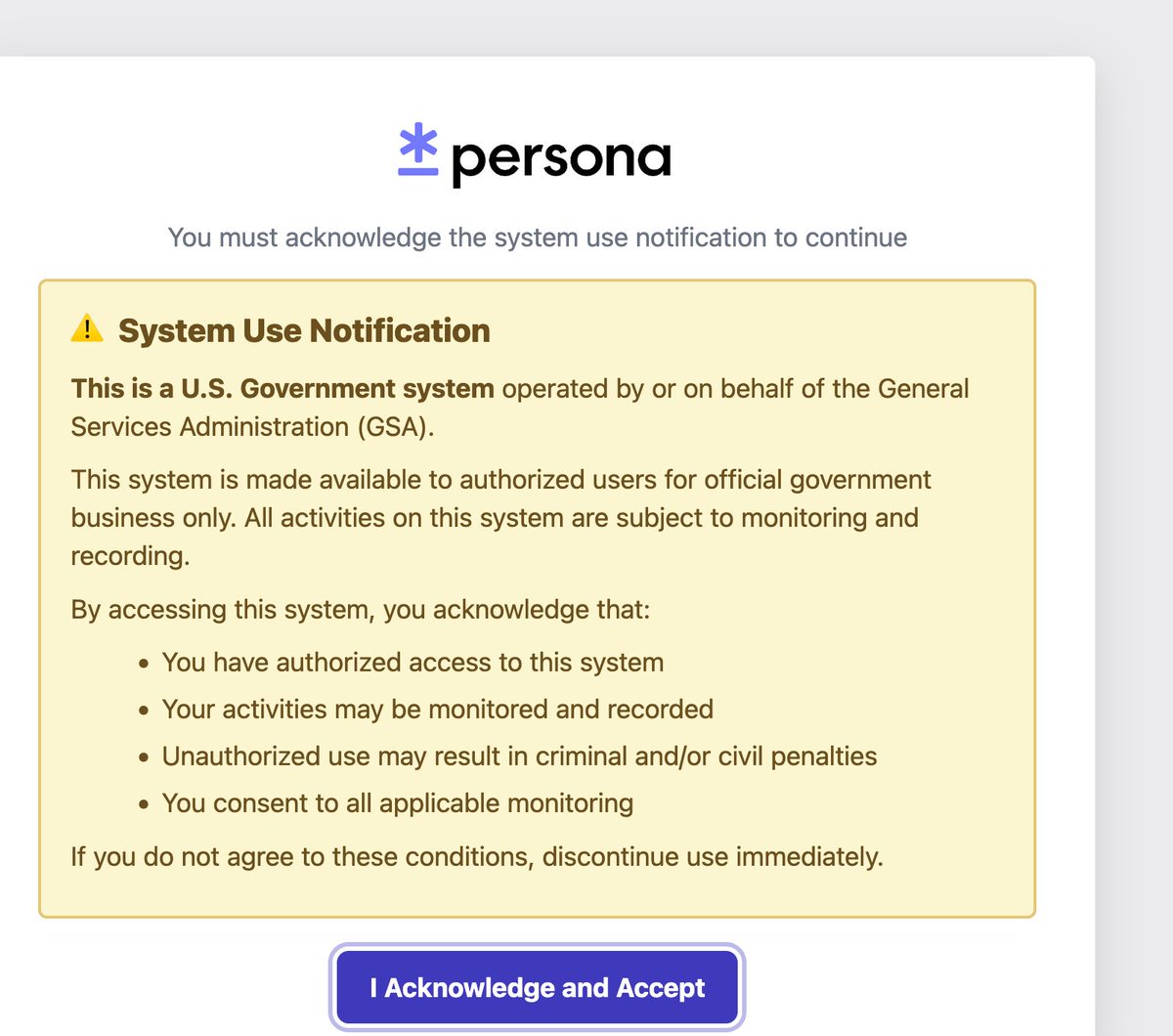

For the Nancy Guthrie case, an idea and maybe a crazy one but she had a pacemaker which often implantable devices use bluetooth such as Medtronic's. Couldn't you war-drive (drones even better) with a high gain antenna with amplifiers - get the MAC address from the provider, and comb the city and locations looking for that specific mac? I'm also sure if you had cooperation with the manufacturer they may provide the protocol, law enforcement could use a custom interrogator to "ping" the device and elicit a response. Pacemakers last months or years. It would continue to transmit even if (God forbid) someone was deceased. High gain + LNA + good SDR - 500+ ft possible with class 2 transmitters (normally in bluetooth pacemakers - common in implants, ~10 mW output) Parabolic + high sensitivity gear - 1000+ ft in ideal RF conditions Not saying this range is possible, with BLE + body interference + 2.4ghz being a heavily used spectrum = much lower range. Previous research has tested insulin pumps upward of 300+ ft in the past in BLE. Companies that use bluetooth in pacemakers: Medtronic Abbott Laboratories Boston Scientific Now in stating that - there's a bunch of limitations here - broadcast timing. They all use low power bluetooth, but if they have access to Nancy's phone and paired - would there be a way to take that pairing connection, amplify it and run it through? You could potentially extract pairing keys/secrets and emulate the phone's connection with an amplified setup (e.g., SDR spoofing the phone's BLE master role). A lot of "ifs" here just wondering if it's technically possible based on what I know these conditions would need to be true: The implant uses RF telemetry that can transmit without an external programmer actively interrogating it. The device is configured to advertise or beacon. The identifier is detectable passively. The identifier is not randomized. The device is currently transmitting. You are within viable range (which is likely very short). The RF environment is not swamping it. If solely using MICS frequencies this wouldn't work (402-405mhz): Very low power Designed for short-range use Often magnet-activated or programmer-initiated Session-based communication Encrypted/authenticated in modern systems The 2.4 GHz band is crowded; distinguishing one pacemaker from thousands of BLE devices in a city like Tucson would require a lot of noise reduction/filtering, but technically I think it's possible. Also note that law enforcement did state that the phone disconnected from the pacemaker - hinting at bluetooth was actually enabled. Papers used for analyzing this as a viable option: mdpi.com/1424-8220/20/1… mdpi.com/1424-8220/23/7… mdpi.com/1996-1073/13/4… pmc.ncbi.nlm.nih.gov/articles/PMC28… pmc.ncbi.nlm.nih.gov/articles/PMC10… digitalcommons.calpoly.edu/cgi/viewconten… secure-medicine.org/hubfs/Archimed… sciencedirect.com/science/articl… medtronic.com/en-us/e/produc… armis.com/research/bleed… thinkmind.org/articles/cyber…
The future of software isn’t code. It’s intent. As agentic AI matures, everything between “what you want” and “physical hardware doing it” becomes an optimization problem AI solves end-to-end. What disappears: → Programming languages (AI invents its own) → Compilers, as we know them → Operating systems as a human concern → ISAs designed for human-written code → “Software engineer” as a career What remains: → Humans defining what they want and why → Hardware fabrication — atoms still take time → Materials, energy, and physics → Trust and verification The engineer of the future isn’t writing code. They’re either articulating intent with precision or manufacturing the physical systems AI designs. The uncomfortable question: security. If AI designs every layer from spec to silicon, attackers will use AI too. The battlefield shifts from exploiting human-written bugs to adversarial AI trying to corrupt the spec-to-hardware pipeline itself. Poisoning training data. Manipulating specs. Injecting flaws at the fabrication level. Defense becomes AI-vs-AI verification — multiple independent systems auditing each other, grounded in mathematics simple enough for humans to still trust the foundation. The last human job in the stack isn’t writing. It isn’t coding. It’s deciding what matters — and verifying that what was built actually serves that purpose. The constraint was never intelligence. It was always atoms and energy.

Elon Musk predicts that AI will bypass coding entirely by the end of 2026 - just creates the binary directly AI can create a much more efficient binary than can be done by any compiler So just say, "Create optimized binary for this particular outcome," and you actually bypass even traditional coding Current: Code → Compiler → Binary → Execute Future: Prompt → AI-generated Binary → Execute Grok Code is going to be state-of-the-art in 2–3 months Software development is about to fundamentally change