

Mark - A.K.A. "MPatriot"
1.3K posts

Mark - A.K.A. "MPatriot"
@BringPeaceJoy
Michigan, USA Katılım December 2023
498 Takip Edilen721 Takipçiler
2026 Yıllık Özeti
@BringPeaceJoy hesabının Twitter yılını gör
@Deb_Veik @KJ_E0D_INF @redbeard172023 Yeah…one of my first friends on X
We both are PKs and love our American common law!
English

English

@redbeard172023 Huh?
Let me know when he speaks Truth?
English


English

@1776General_ @BringPeaceJoy @MarkTarver17 sciencefocus.com/space/the-anti…
this is the computer the general was talking about
English
@1776General_ @Tarboy1776 @MarkTarver17 @grok It’s sometimes more difficult to tell than others as all Khazars might not be Edomites / Canaanites. Hence some looking more “white” than others…
archive.org/details/1954-f…
English


English
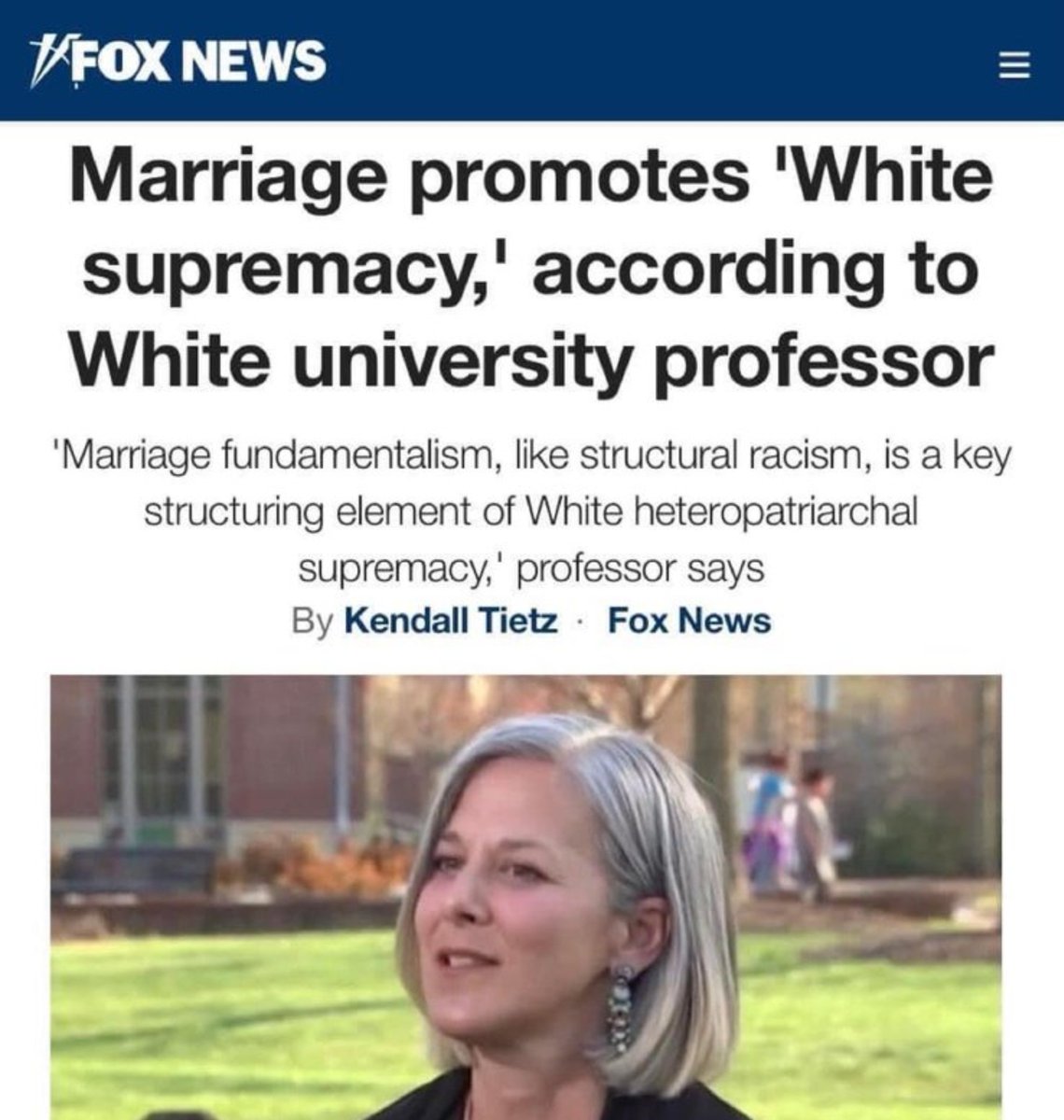
@1776General_ The more they equate God’s institutions to being racist the more they prove who the Celtic Anglo-Saxon Scandinavian and kindred people are‼️
English

@HusvarJerod Same here. I follow Jesus and love him. Maybe all of us could start an online church lol
English
Heads up: If you help people and post it on this app…. You will be judged by so called “Christian’s” and they will block you for being a good person. These kinds of “Christians” are why I do not attend church anymore.
English
Annual Death Rates.
US Gun Homicide deaths
Europe Heat deaths
India Diarrhea deaths

English
@GreatlakesladyM @PJQualityGuru To bad @aricnesbitt wants to tow the “Trump” line now that he is dropping out…
@aricnesbitt comes from a good family and should know better- think for himself!
English

Now you are just a piece of 💩
Perry Johnson is a good man and you are jealous we like him. @PJQualityGuru
John James War Room@JamesWarRoom
Perry Johnson, running for Governor: “If I were the driver we would all be dead.” Legend has it he learned to drive when the Model T was still cutting-edge. Now he wants the keys to the whole state. Hard pass on Perry. Vote for @JohnJamesMI!
English
@Micheleferrisfr Where they get you is most people think “include” means something along the lines of “also” when it’s actually specific to what is said to be included.
English


@Savage16May I am sure there are more than we know…women are harder to think of…
Mr T
Denzel Washington
Jim Cavziel
Are a few men I can think of that show who they are by their words and actions…especially as they got older💯
English



Building Babylon? This is a European Union poster, I reckon they used Brueghel's 1565 painting of the Tower of Babylon as inspiration.

English
@ouradamicrace To bad our kindred seem to have returned to their pagan worship of creation rather than the Creator.
English
I wonder why Jewish—American media never mentions our Adamic Race? They’ll talk day and night about community building…
English
@CrimeInTheD With 696 construction…
Some of still end up at that intersection everyday go from East side to West side or visa versa💯😁
English

@ThrillaRilla369 If our Celtic Anglo-Saxon, Scandinavian and kindred peoples who founded this country with Biblical laws and morals in the name of Jesus and the Lord God Almighty lived accordingly today the heathen would flee‼️💯
English

I find it funny how all these people coming here want us to assimilate to their culture but their homeland wouldn’t be accepting of ours
English
@Clint_Davey1 How’s this for a mix of all of them⁉️
If only our people would remember the Covenant nature of our foundations with the Lord God Almighty‼️


English

This post is interesting because the USA is civic nationalist but very clearly has a "founding stock".
In fact it has 4 main groups:
Cavaliers - High Anglicans and their indentured servants from South and West England who settled in Virginia.
Quakers: Pacifist and industrious folk from the Midlands who settled in Pennsylvania.
Puritans: Radical Protestants from East Anglia who established their religious utopia in New England.
Borderers: Tough frontier folk from the Scottish and Irish border regions who settled in Appalachia.
This is according to David Hackett Fischer and his book "Albion's Seed".
Without these people you don't really have America as we know it.
The English Remnant@Englishremnant
Most Americans who call themselves Irish aren’t talking about the same thing as the famine Irish of Boston and New York. A huge number are really Scots-Irish — English and Scottish border stock, Protestant frontier people whose ancestors came out of the borderlands, were planted in Ulster, then pushed into Appalachia, Tennessee, Kentucky and the South. Not Dublin. Not Cork. Not the tenements. A harder, older story of border clans, rifles, honour, feuds, distrust of authority and life on the edge of empire. The green beer version of Irish-American identity hides a lot. For millions, the real roots are English, Scottish, Ulster, frontier, Presbyterian, hill country and rebellion. Different people. Different history. Different temperament. 🏴🏴🇬🇧
English
@RealAlexJones Funny- I got my wife to watch Real Genius with me the other day…just a little ‘80s nostalgia🤪💯

English

"Nobody 25 Days Ago Was Talking About X-Ray Lasers On The Strait Of Hormuz— Now There's Articles About Trump's Secret Weapons!"
Alex Jones Breaks Down How Fast We Could Climb The Threat Escalation Ladder With Iran!
🔴WATCH/SHARE THE LIVE ALEX JONES SHOW NOW:
x.com/i/broadcasts/1…
English
Breaking Exclusive: The US Senate just subpoenaed me for ALL documents concerning Jack Smith’s illegal operation against me during operation Arctic Frost..
English
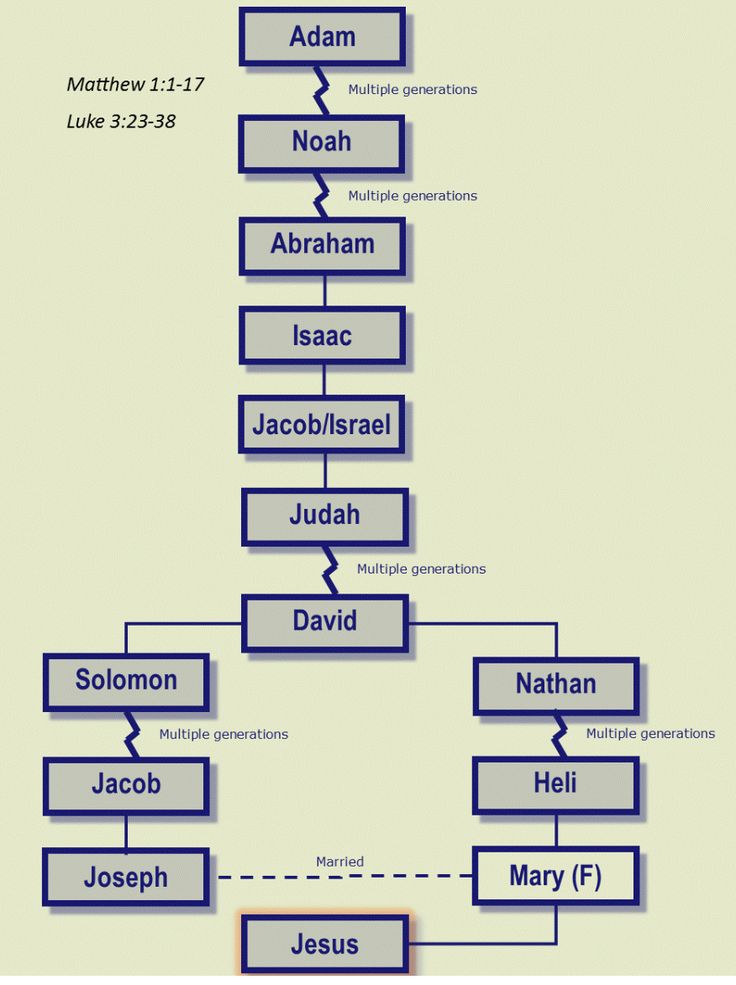
@Life_truthway For those who bother saying Jesus wasn’t Joseph’s son missed the point…
Jesus’ ancestry couldn’t be questioned legally or lawfully by unbelievers or didn’t know Joseph had adopted Jesus and the Bible called his parent.
English

@BringPeaceJoy karşılaştırmaları
@bringpeacejoy vs @deb_veik @bringpeacejoy vs @kj_e0d_inf @bringpeacejoy vs @redbeard172023 @bringpeacejoy vs @tarboy1776 @1776general_ vs @bringpeacejoy @bringpeacejoy vs @marktarver17
Kendi karşılaştırmanı oluştur 


