

Bruce Sizemore
97 posts


Who do you believe in?
A. JESUS
B. Allah
C. Buddha
D. KRISHNA
C. Nothing
English


Everyone’s answer will be different… but only one name gets mentioned the most 👀
Who would you pick🤔

English

🚨BREAKING: Mel Gibson pushes for an amendment to make Election Day a holiday, voting only by in-person paper ballots with ID for registered U.S. citizens.
Do you agree Mel Gibson?
A. YES
B. NO

English

Simple poll — be honest 👀
As of today, how much do you still trust this man?
A. 100% B. 75% C. 50%
D. 25% E. 0% F. 10%

English

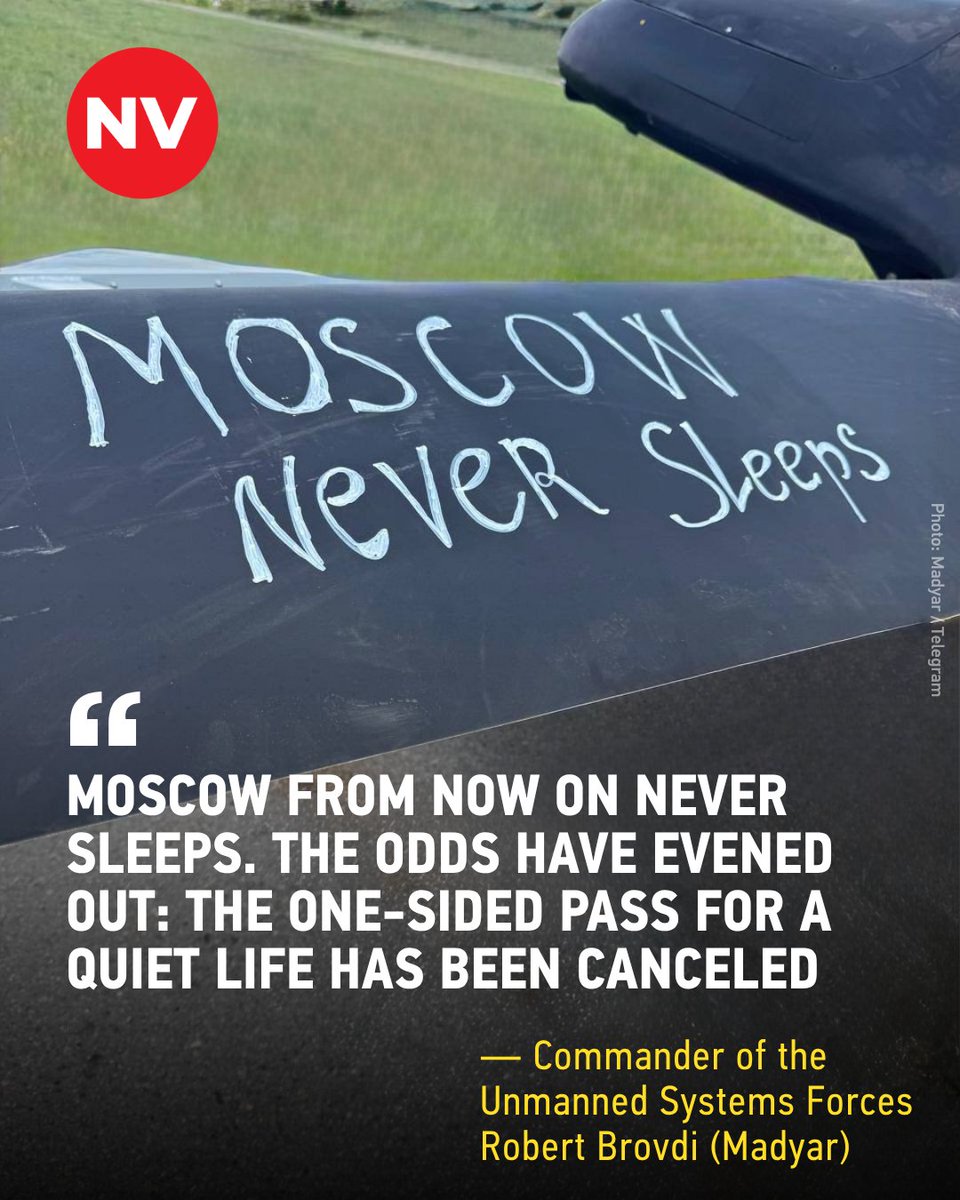
🇺🇦 The commander of Ukraine’s Unmanned Systems Forces, Robert “Magyar” Brovdi, said Moscow is not out of reach for Ukrainian drones, noting that the Russian capital has “lost its one-sided guarantee of calm.” He also shared an image of a UAV marked with the phrase “Moscow never sleeps.”
📸: Madyar / Telegram
English
@fasc1nate This country should never forgive her she a trader and should’ve been tried as one
English

Jane Fonda with bow and arrow, Malibu, 1965. Photo by Dennis Hopper.
More photos: bit.ly/3KLkHAa

English

A highway more than 1,700 miles long, stretching from Texas all the way to Montana, may soon be named after Donald Trump if this bill is passed. usatoday.com/story/news/pol…
English
@OKSANKA_UA_UK No way this man’s lies every time he opens his mouth
English

The Democracy is in Danger!
Due to the numerous bot attacks which are coming after interview of Tucker Carlson and spreading false information against our Brave Leader who not fled away - we are asking for your support!
Do you support Zelenskyy and Ukraine? 🇺🇦🇺🇦🇺🇦
Yes or No?

English
@yarotrof Ukraine is and has been the most corrupt country in the world it is shame what Zelensky has done to this country I can’t understand why the people can’t see this
English

Ukrainians are stunned by the court reading transcripts of texts between Andriy Yermak, until recently the country’s second most powerful man, and his fortune-teller “Veronica Feng-Shui,” in which she advises him to get rid of his enemies in the media and parliament before it’s too late, and while he still enjoys Zelensky’s protection.
English





If Alexandria Ocasio-Cortez runs in 2028, how likely are you to support her ?
A. 100%
B. 75%
C. 50%
D. 25%
E. 0%
Vote honestly

English
Do you agree that President Zelenskyy should lead Europe and Free World into bright and prosperous future? 🇺🇦🇺🇦🇺🇦
Yes or No?
English

Do you support Viktor Orban becoming President of the European Commission?
YES OR NO?

English

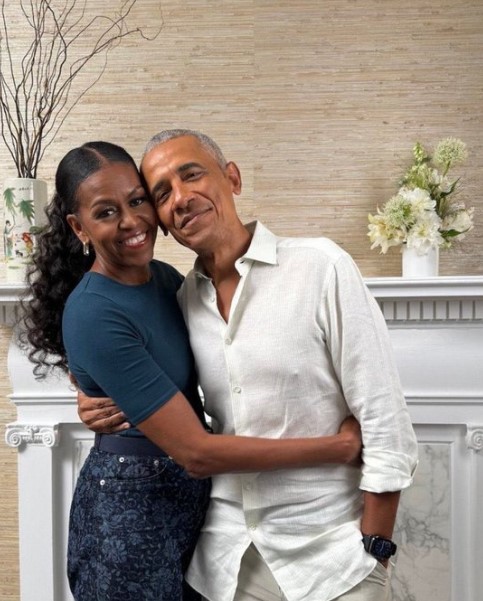
What are the chances you'd vote for Michelle Obama for President in 2028?
A. 100%
B. 50%
C. 25%
D. 0%
English
@archeohistories If he was born with dick and balls he’s a man don’t matter if his head was messed up
English

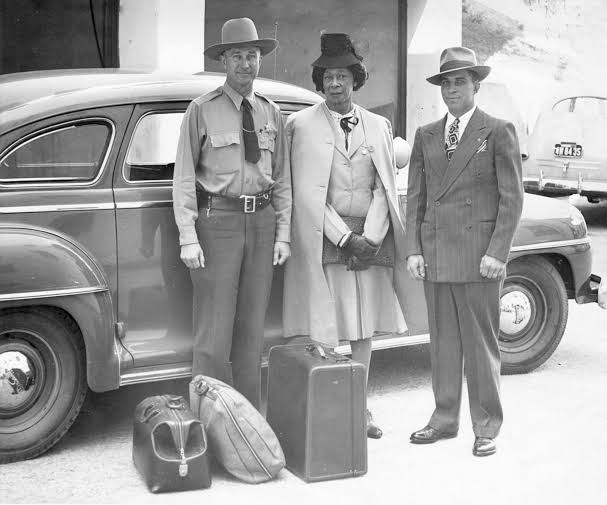
Lucy Hicks Anderson lived her life with a kind of certainty that most people—even today—struggle to claim. Born in 1886 in Kentucky, she was assigned male at birth, but from early childhood insisted she was a girl. At a time when even the language to describe her identity didn’t exist, her mother did something quietly radical: she listened. A doctor advised raising Lucy as a girl, and from that point on, she moved through the world exactly as she knew herself to be—without apology.
By the early 20th century, Lucy had built a life that many would have considered aspirational. She eventually settled in Oxnard, California, where she became known not just as a skilled chef, but as a successful entrepreneur and a well-connected social figure. She ran a boarding house and hosted gatherings that drew in members of the local community, including prominent white residents—no small feat in an era defined by both racial segregation and rigid gender norms. Lucy wasn’t hiding. She was visible, respected, and very much in control of her own narrative.
But visibility came with risk, and that risk caught up to her in the 1940s. When Lucy married a man named Reuben Anderson, their relationship drew the attention of authorities. At the time, same-sex marriage was illegal, and the state moved to prosecute them—not by acknowledging Lucy’s identity, but by trying to erase it. Officials charged her with perjury, arguing that she had falsely represented herself as a woman on her marriage license.
What happened next is what cements Lucy Hicks Anderson as such a powerful historical figure. In court, she didn’t retreat or soften her truth to protect herself. She stated plainly: “I am a woman.” It wasn’t a performance. It wasn’t defiance for its own sake. It was a simple declaration of reality, spoken in a world that had no intention of recognizing it.
The court, unsurprisingly for the time, ruled against her. Lucy and her husband were convicted and eventually forced out of Oxnard. But what’s striking isn’t just the injustice—it’s that even under legal threat, she refused to compromise her identity. She didn’t frame herself as confused or mistaken to gain sympathy. She didn’t try to fit into the narrative the court wanted. She held her ground.
Her story sits at the intersection of multiple struggles: race, gender identity, and the rigid social systems of early 20th-century America. And yet, it never reads as just a story of victimhood. Lucy Hicks Anderson lived boldly, built a life on her own terms, and demanded to be seen as she was—decades before there was any meaningful protection or recognition for people like her.
© Women In World History
#archaeohistories
English
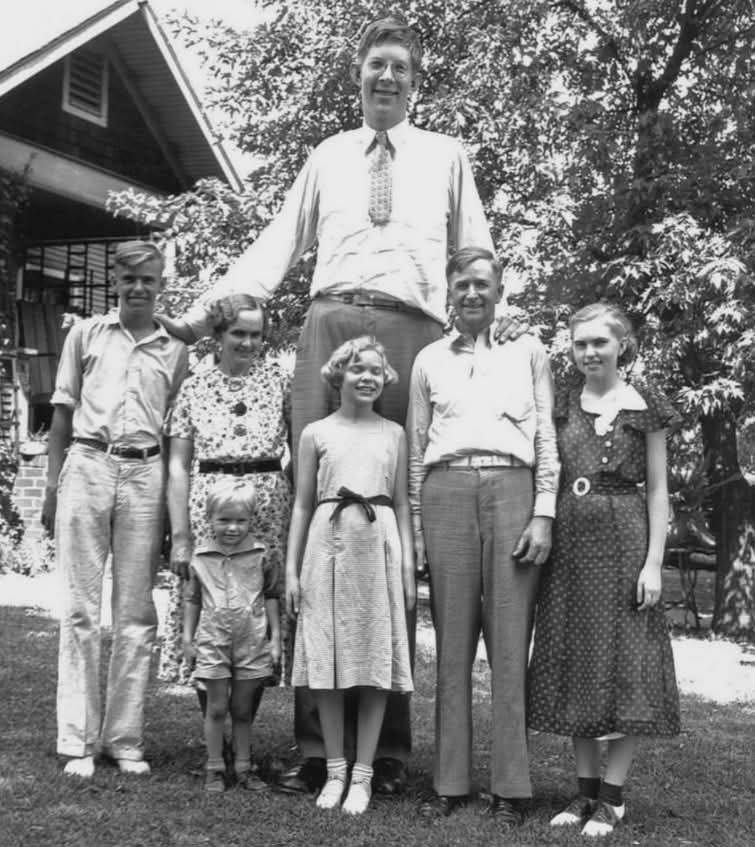
Robert Wadlow, the tallest human ever recorded next to is parents and siblings, 1935. (8 ft 11 in and died at age 22)...
Robert Wadlow remains the tallest human ever reliably recorded. By his early 20s, he stood an astonishing 8 feet 11 inches (2.72 m) tall—towering over his parents and siblings, who were all of average height. Born in Illinois in 1918, Robert’s extreme growth was caused by hyperplasia of the pituitary gland, which produced excessive human growth hormone throughout his life.
Despite his size, those who knew him described him as gentle, soft-spoken, and unfailingly polite. He needed custom-made clothing, furniture, and shoes—his shoes were size 37AA and often cost more than a family car at the time. He used leg braces and a cane to walk, but he never used a wheelchair.
Tragically, Robert died at just 22 years old in 1940 after an infection developed from a brace rubbing against his ankle—an injury he barely felt due to limited sensation in his legs.
At age 13, Robert was already 7 feet 4 inches tall, making him the tallest Boy Scout in history—and he required a specially made tent and uniform just to participate.
© History Pictures
#drthehistories
English

Ukrainian President Volodymyr Zelensky announced Monday that Ukraine will implement a ceasefire with Russia starting Wednesday. xhtxs.cn/bb3C

English