Rob Benson
2.1K posts

Rob Benson
@BuckhornCliffs
How to Prepare: Knowledge, supplies, and strategies for self-reliance. IG: 400k, TikTok: 120k, FB: 530k, YT 85k
Colorado, USA Katılım Ağustos 2023
97 Takip Edilen1.9K Takipçiler

Diversifying your food storage matters more than people realize. One source can fail, get damaged, or run out faster than expected.
MREs are one of the cheapest, easiest ways to add another layer.
A full MRE pack can run as low as $4 and includes a main meal, sides, snacks, drink mix, and a flameless heater. That's a hot meal in any location without fire or electricity.
A few things worth knowing:
MRE shelf life is heavily temperature dependent. Stored at 60 degrees they last 8 to 10 years. At 80 degrees, closer to 3 years. At 100 degrees (hot garage or car trunk), about 22 months. Keep them cool for max longevity.
The flameless heater works by adding a small amount of water to a magnesium iron pouch. The chemical reaction generates heat to warm your meal in about 10 minutes. Pretty incredible little piece of chemistry.
MREs are calorie dense by design (around 1,200 to 1,300 per pack) because they were built for soldiers burning serious energy. That makes them ideal for emergency calorie loading, not daily eating.
I order from MREs World. Money back guarantee and free shipping. These shouldn't be your primary food storage but they're great for backpacking, go bags, basement backup, and just keeping life interesting when you crack one open years from now.
One is none, two is one. Diversify and have a little fun doing it.
English

The surveillance state isn't built by machines. It's built by people!!!
People wearing Meta glasses and other camera-recording wearables in public spaces are contributing to that future. Not friends. Draw that line now.
Same goes for local governments deploying Flock cameras and promoting drones across police, fire, and county agencies. Not friends. Reserve the shame for them.
A few things worth knowing:
Flock cameras record every license plate that passes and store the data in searchable databases shared across jurisdictions. Once your plate is logged, your movement pattern is known.
Meta's smart glasses can record video and audio in public without a clear indicator that's being recorded.
Once surveillance infrastructure is built, it will likely never be dismantled. It only expands. Every camera installed today is a future capability someone else gets to use.
Know where you stand. Understand what it means. Oppose expanded surveillance from government and corporate power wherever you see it.
English

Salt belongs right next to water on the priority list. Cheap, indefinite shelf life, and your body genuinely needs it.
A few things worth knowing:
When you're sweating in the heat, you're losing sodium fast. Just drinking more water without replacing electrolytes can actually make hyponatremia (dangerously low sodium) worse, not better. Severe cases cause confusion, headaches, and in extreme cases, seizures.
Different salts have different uses. Plain table salt is fine for cooking. Pickling and canning salt has no iodine or anti-caking agents (those can discolor preserved foods). Curing salts contain nitrites and are specifically for preserving meat. Sea salt and Redmond Real Salt have trace minerals that table salt doesn't.
For long term storage, keep salt in a sealed container away from moisture. It absorbs water from the air and clumps, but that doesn't ruin it. Just break it up.
I keep an old supplement bottle of salt and another of Cardnl essential electrolytes in my kit. Cheap insurance you can hold in your hand.
English

Fat is one of the most overlooked categories in food storage. 9 calories per gram beats protein and carbs combined, and certain fats store for years if you pick the right ones.
Beef tallow. My personal preference. Freezer storage gets you 2+ years easy. Fridge gives you about 18 months. Low moisture and high saturated fat content makes it more stable than most liquid oils. Big enemies: heat, light, oxygen, and leftover meat solids from poor rendering.
Ghee. Fridge will hold it for 18 months or more. Shelf stable for shorter periods because the milk solids have been removed during clarification.
Coconut oil. Unopened, 5 years (sometimes longer). Opened, about 3 years. Frozen, you're in extended territory. The highest saturated fat content of the bunch makes it incredibly stable at room temp.
Lard. Solid choice. I prefer tallow but no judgment.
Pro tip most people miss: rancid fat is one of the harder spoilage signs to catch because it doesn't always smell obvious. Trust your nose. Sour, paint-like, soapy, or off-smelling fat means toss it. Mold or strange texture, same rule. Rancid oils are linked to oxidative stress in the body, so they're not worth saving.
Stock all three and you've got fat covered.
English

You can feed yourself for under a dollar a plate if you buy the right bulk items and store them correctly. Long shelf life food storage doesn't have to be expensive.
The list: white rice, dry beans, oats, peanut butter, oil (skip seed oils), canned beans, canned vegetables, and salt. If you've got the budget, add canned beef and sardines. Salt never expires.
A few tips most people skip:
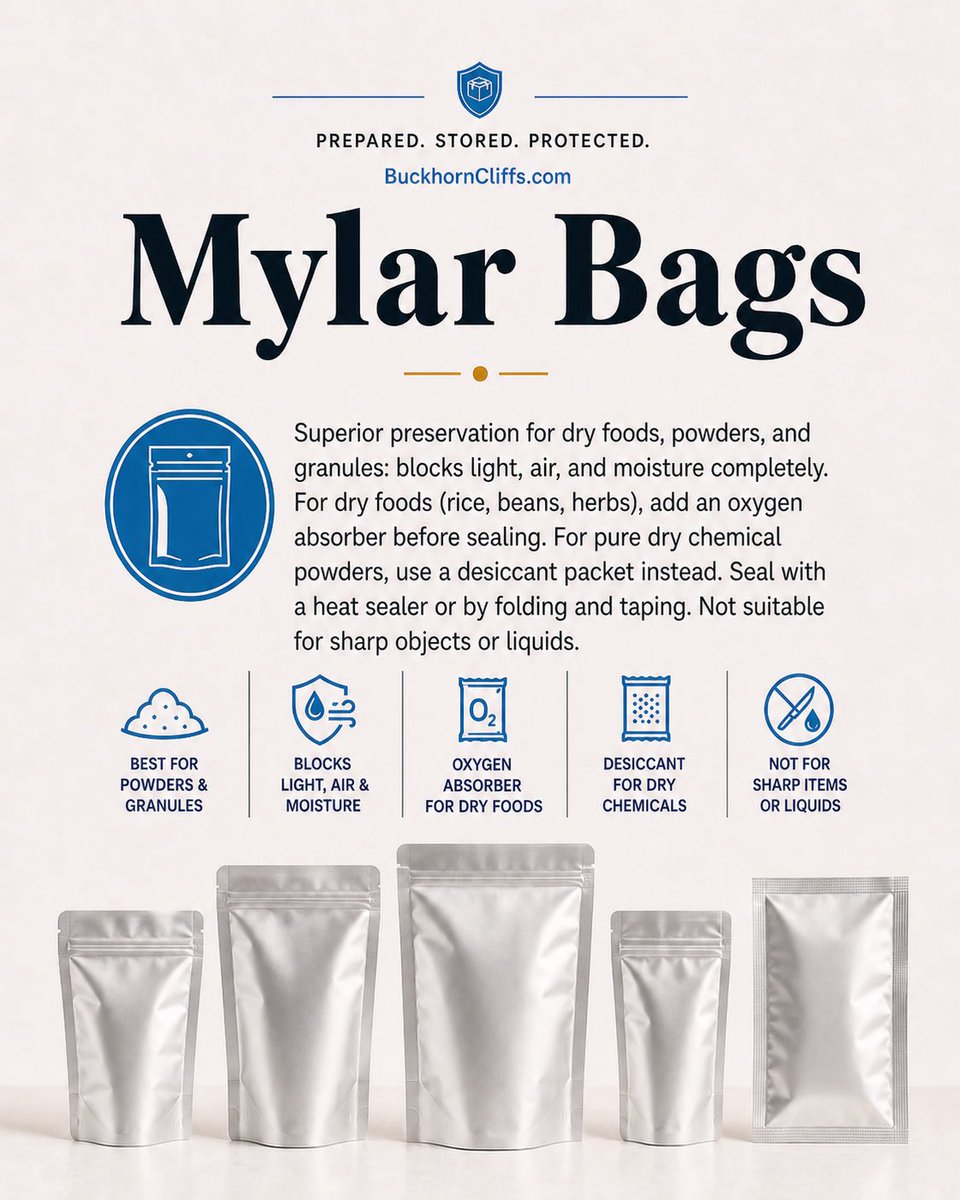
White rice in a sealed mylar bag with an oxygen absorber lasts 25+ years. Brown rice doesn't. It contains oils that go rancid in storage.
Dry beans get harder over time and after about 5 years take significantly longer to cook. Pressure cookers solve that problem fast.
Oats need oxygen absorbers in mylar to hit their full 25-year shelf life. In their original packaging, you're looking at 1 to 2 years.
A sample rice and beans plate is under 50 cents per serving.
Buy bulk, store it right, and you've got hundreds of meals waiting in the closet.
English

A homemade castor oil and cayenne pepper salve combined with DMSO might be the best one two punch for pain relief I've ever used.
The recipe: 1 cup castor oil, 1 tablespoon cayenne pepper powder. Heat in a double boiler for 5 to 10 minutes, stirring occasionally. The goal is to infuse the castor oil with capsaicin (the active compound in cayenne) without overheating it. Strain, cool, and store in a sealed jar.
A few things worth knowing:
Capsaicin works by binding to TRPV1 receptors and depleting Substance P, the chemical that signals pain to your brain. That's the science behind why it actually works, not just feels warm.
Castor oil is loaded with ricinoleic acid, which has its own anti-inflammatory effect and helps drive the cayenne deeper into tissue.
Layer DMSO on top after the salve absorbs and the relief reaches deeper. Just make sure your skin is clean first since DMSO carries whatever is on the surface into your body.
Store away from light and heat. Capsaicin breaks down with UV exposure.
buckhorncliffs.com/castor-oil-and…
English

DMSO is one of the most underrated compounds you can stock. A naturally occurring solvent that's been used in research and clinical settings since the 1960s.
The reason it gets attention: it's a transdermal carrier. When applied to the skin, it pulls dissolved compounds through with it. That's why a castor oil and cayenne pepper salve hits harder when DMSO is part of the mix. Pain relief reaches deeper tissue fast.
Quick tips most people miss:
Always apply it to clean skin. DMSO will carry whatever is on the surface (lotion, sunscreen, residue) straight into your bloodstream. Wash and dry the area first.
Start with a 70% concentration if you're new to it. The 99% strength can cause more skin irritation, especially on sensitive areas.
You may notice a garlic-like taste in your mouth shortly after applying. That's normal. It's the sulfur compound metabolizing.
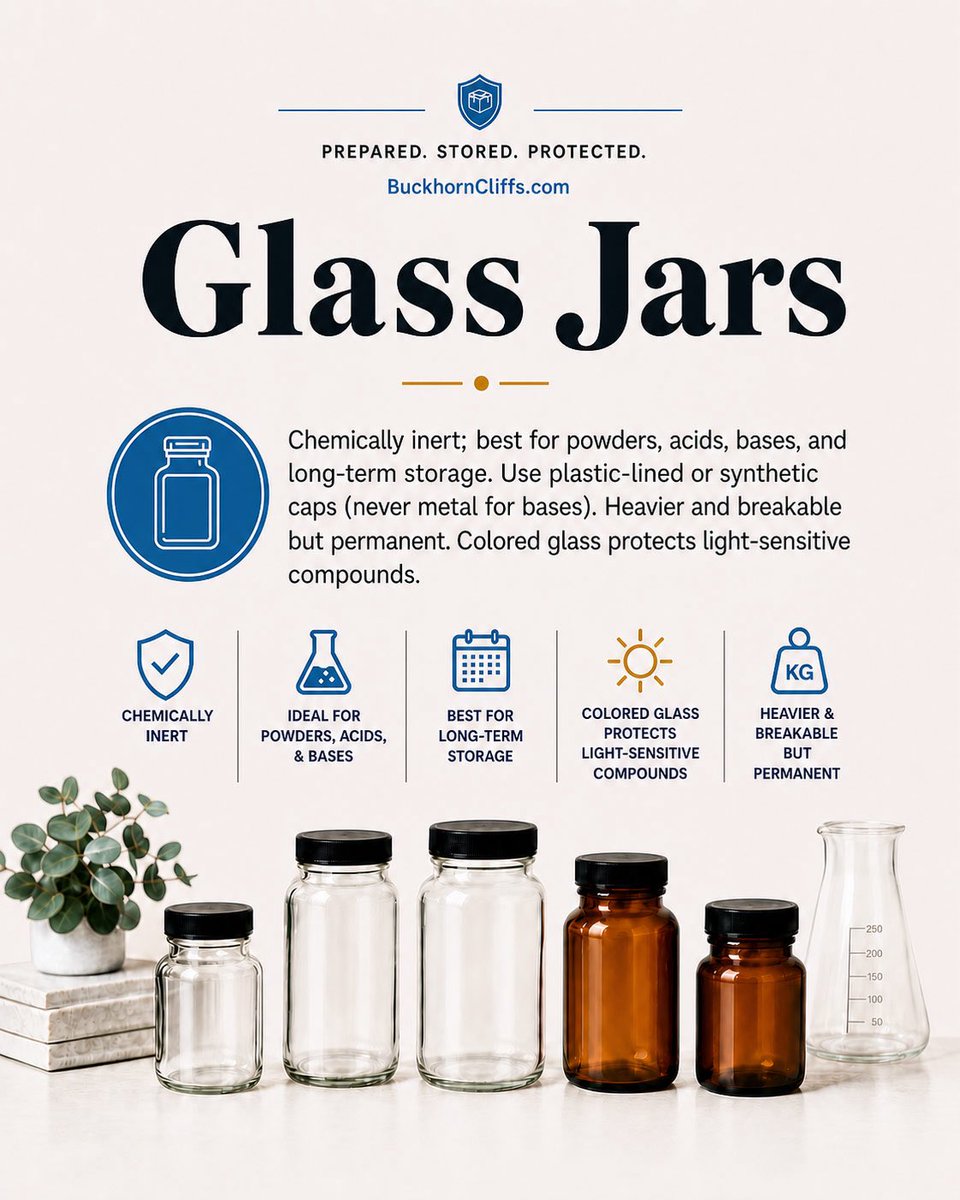
Store it in glass. DMSO breaks down most plastics and pulls those chemicals into solution.
What are you using DMSO for?
English
Rob Benson retweetledi

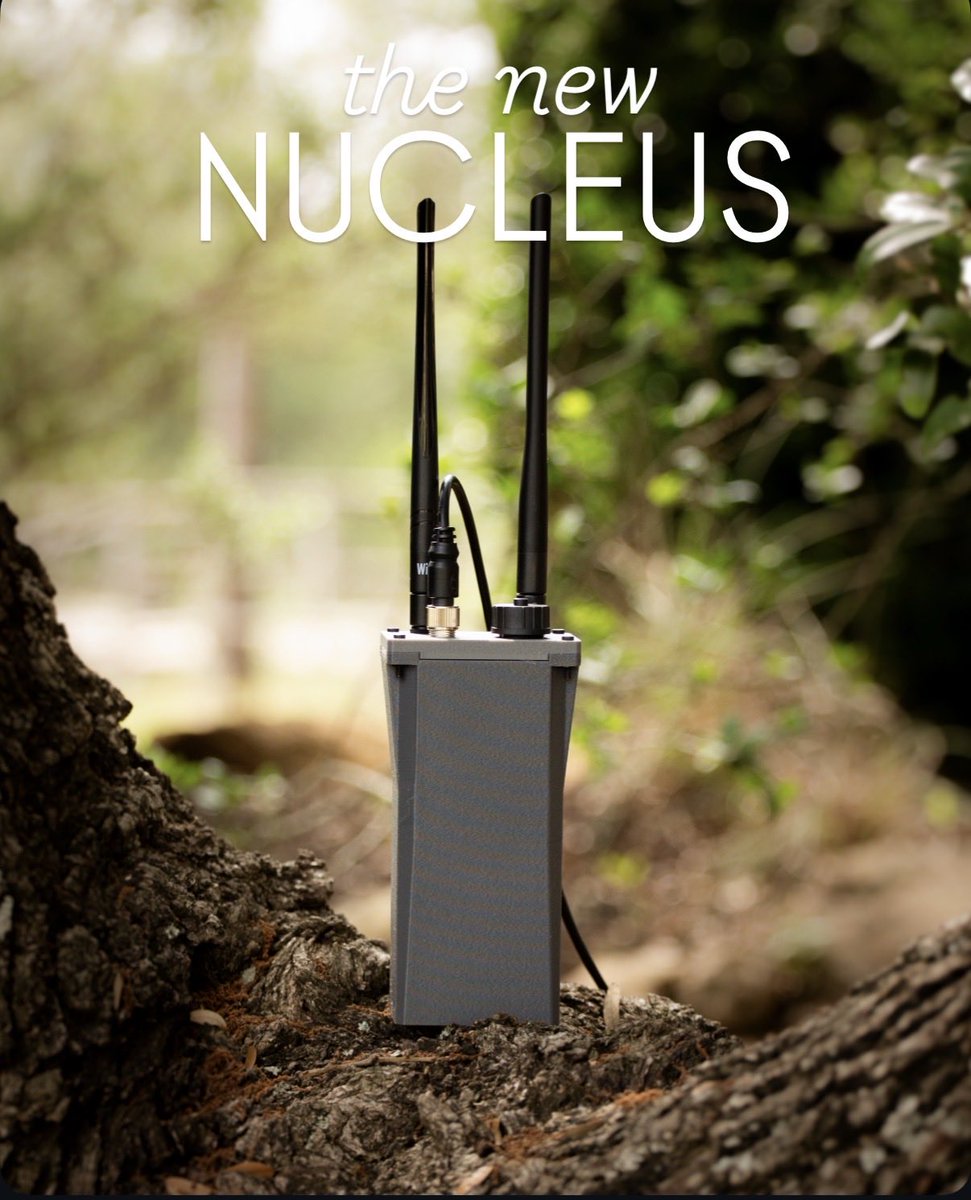
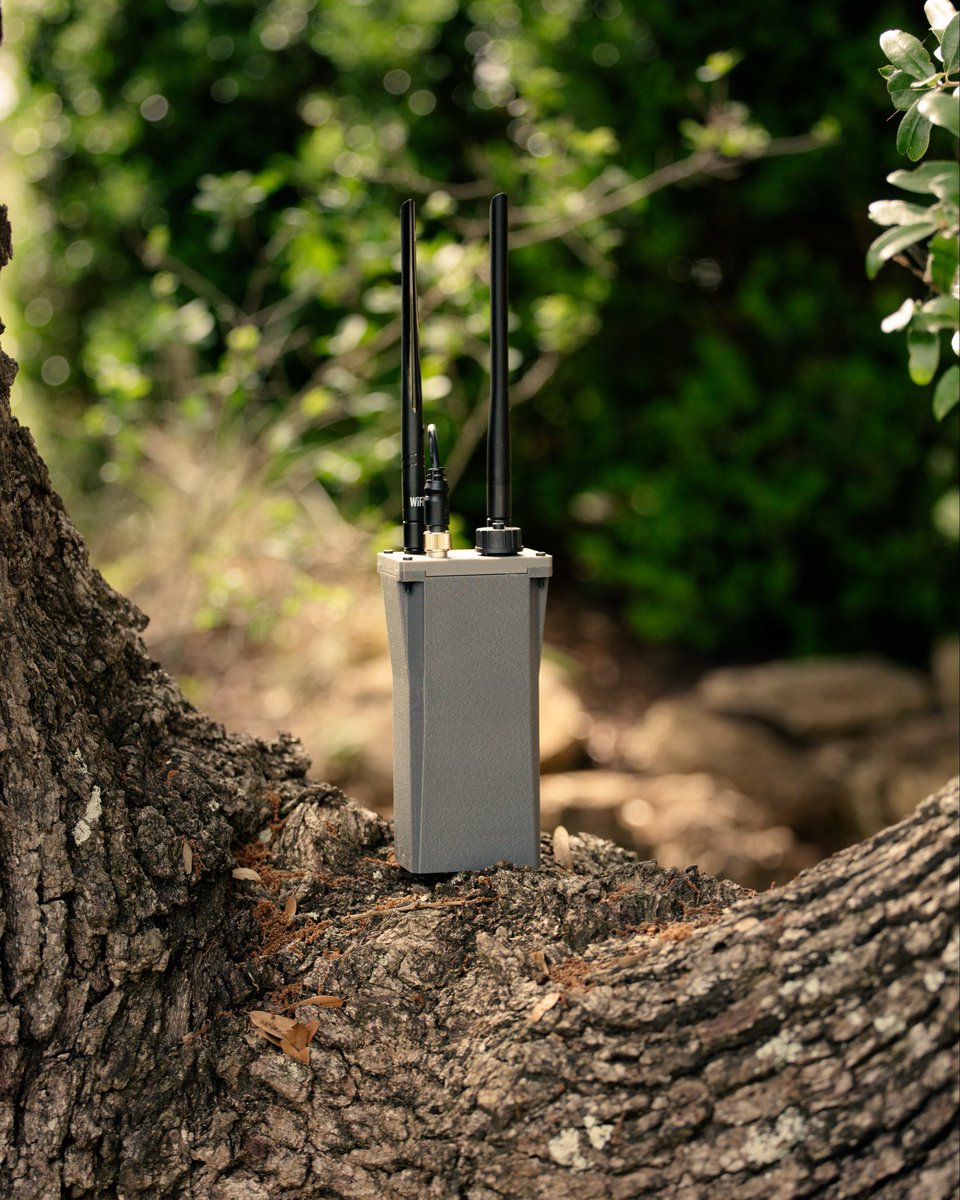
ATAK users — the Nucleus now ships with an onboard LoRa bridge. Connect to the node and both radios work automatically. The bridge manages the switch when distance or terrain calls for LoRa. No plugins or complicated setup required.
New case and antennas round out the hardware update. On the software side: You can stream voice and video on ATAK, or use Reticulum and Jami support for encrypted mesh networking and carrier-independent voice, text, and video — running entirely on hardware you own. New Tailscale integration means remote updates and troubleshooting without anyone on-site.
$600. TAK Server Configured is $650. Check comments to learn more!


English

In 1969, psychologist Philip Zimbardo parked two identical cars with no license plates and the hoods up. One in the Bronx. One in a quiet wealthy part of Palo Alto.
The Bronx car was attacked within minutes. Within a day everything valuable was gone and it was wrecked. The Palo Alto car sat untouched for over a week.
But the story isn't over. Zimbardo walked up to the Palo Alto car and smashed it with a sledgehammer. Then ordinary people started tearing it apart. Didn't take long.
The takeaway:
Right now people don't trust the government. Don't believe police are looking out for them. The food supply is fragile. Energy and fertilizer costs are climbing. People can't afford homes. Most everything is subscription based. Wealth is concentrating. Areas are visibly crumbling.
This is about how thin the layer of order really is, and how quickly behavior shifts once people sense no one is watching and no one is coming. Prep smart people.
English

Performance bleach. Useful, sure. HOWEVEr not an ideal prepper item.
The shelf life disqualifies it as a real prep chemical. After about 12 months from manufacture, sodium hypochlorite starts breaking down faster into salt and water. Beyond a year, you can't rely on it doing the job.
So what's the better option? Pool shock. Calcium hypochlorite.
Sealed dry powder lasts 10+ years. Mix a small amount with water when you need it and you've got a fresh bleach-like solution.
Disinfect water containers, surfaces, and even purify drinking water in an emergency.
This is one of the recipes in the upcoming chemical compounds book. I'll announce pre-orders as soon as I can.
English

The prep alcohol series. Three different alcohols, three different jobs, all worth stocking.
Vodka. Practical general purpose solvent. Make tinctures from herbs, flowers, leaves, and some roots. Cooking ingredient. Highly shelf stable. Indefinite.
91% isopropyl. Removes oils, grease, adhesive residue. General purpose cleaning and disinfection. First aid antiseptic for minor cuts. The label says 5 years but it'll last longer. The issue isn't spoiling, it's evaporation reducing effectiveness over time. Keep it sealed.
Denatured alcohol. Ethanol made undrinkable on purpose. Stove fuel, solvent, equipment cleaner. Don't use on skin. Stays good year after year if you keep it air tight.
What alcohol would you add and why?
English

Where to actually put your money right now:
If you don't have one yet, a pistol and a rifle. And ammunition.
A way to purify water and storage to hold it.
Food storage plus the ability to grow food. Garden, greenhouse, chickens, rabbits, whatever fits your space.
Off grid communication. I prefer GMRS for local. A repeater to extend range. And Starlink.
So much more on the website - quick guides, references, and recommendations.
buckhorncliffs.com/self-managed-i…
English

What are we doing to live for those we love?
Are we improving our health so we can be there for our children and grandchildren? Are we willing to eat better, move, lift, learn, and show up when we're needed?
With the world the way it is, this lesson feels more important than almost anything else.
Live for Those We Love
English

We are in the manufactured decline of society. It will accelerate. Technology and greed will overtake nearly every aspect of the human experience. You will be surveilled and many of your rights and freedoms will be stripped. Never before (in my life) has self sufficiency and land been more important.
No one is coming to save you. Build community and opt out of the systems of control. There is hope but you have to cultivate it, no one will do it for you. Stand strong and prep hard people.
English

You know baking soda (sodium bicarbonate). Meet its big brother: sodium carbonate.
Indefinite shelf life. Multi purpose. And much stronger and harsher than baking soda. Not for baking.
This one is a heavy duty cleaner that breaks down grease, oils, and serious grime.
The cool part: you can make it at home from baking soda. Arm and Hammer, Bob's Red Mill, whatever you've got. Preheat the oven to 400. Spread about a half inch layer of baking soda on a baking sheet. Bake for an hour. You just turned bicarbonate into carbonate.
Stock it, save money, and add another long shelf life compound to your prep arsenal.
English