For 250 years, Americans have come together to build things that last generations. Today, that spirit lives in the thousands of people building the U.S. Navy's submarines. This Fourth of July, we celebrate the Americans carrying that tradition forward.
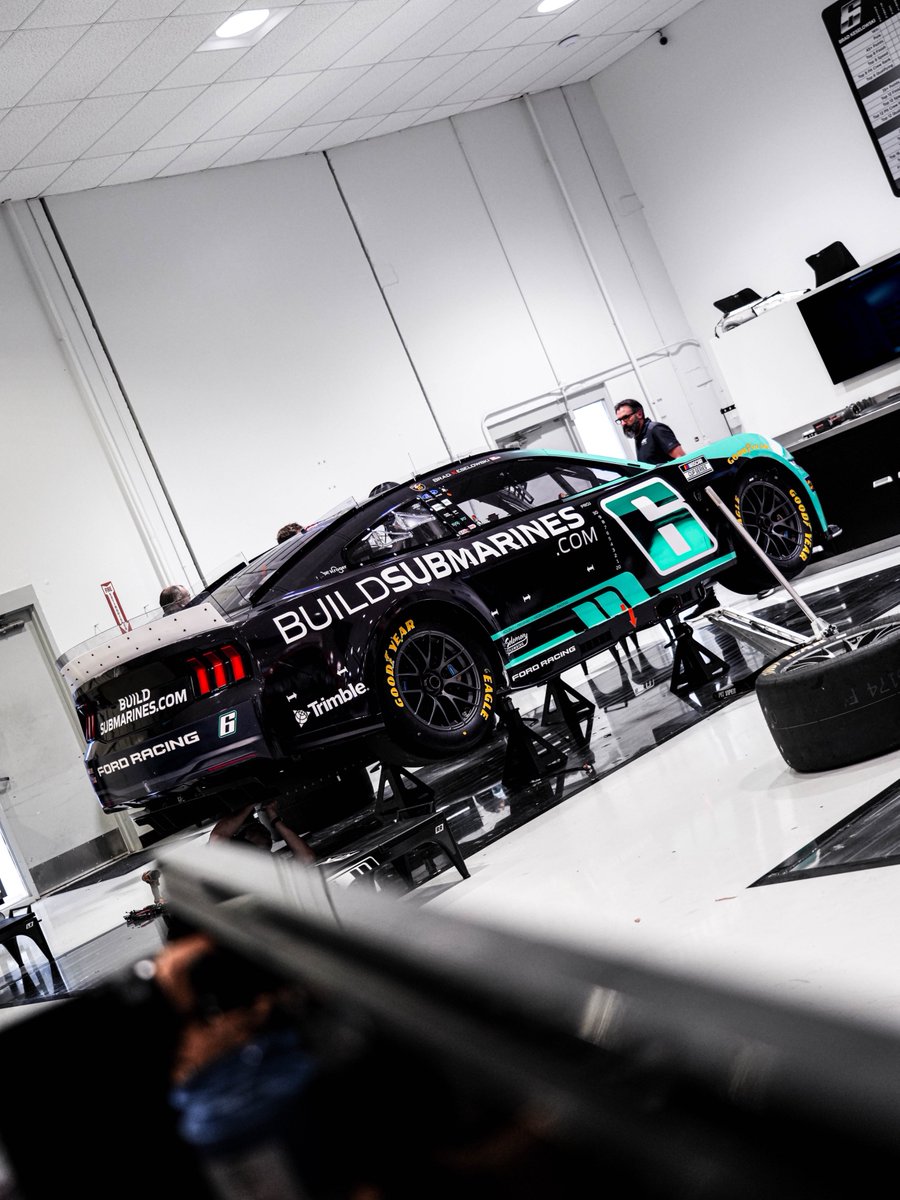
As the son of a U.S. Navy sailor, Richard Fecteau takes pride knowing his work as a composite machinist supports the brave Americans who serve our country. To honor his impact, his name was featured on the BuildSubmarines.com car. Explore open roles on BuildSubmarines.com
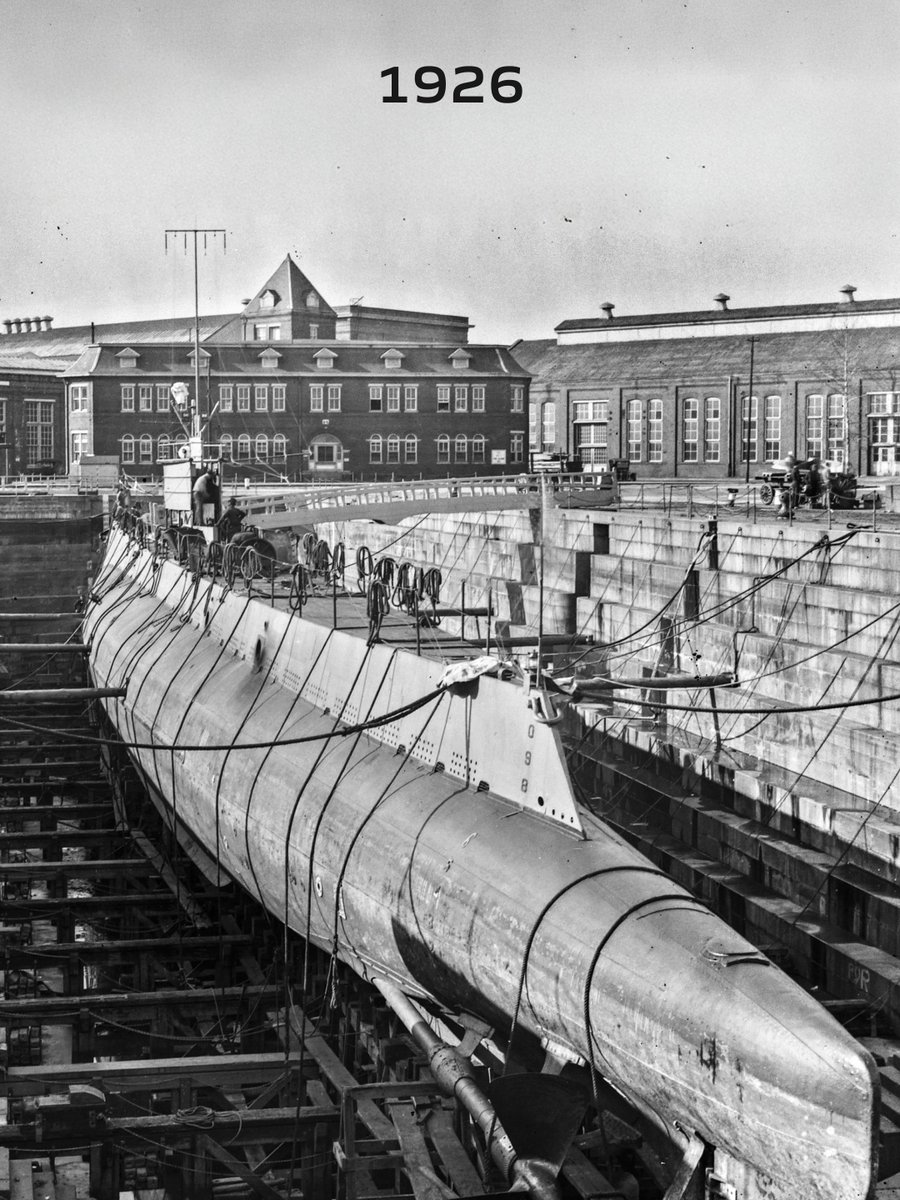
100 years. Two submarines. Same expectation: get the job done.
In 1926, an S-Class submarine sat in the dry dock at Norfolk Naval Shipyard. In 2026, the USS Colorado prepares for undocking at the Pearl Harbor Naval Shipyard and Intermediate Maintenance Facility.
Years into his career, Scott Dees discovered a new passion: helping students discover rewarding futures in the skilled trades. To recognize his impact, we featured his name on the BuildSubmarines.com car at Talladega. Learn more: BuildSubmarines.com
"So, what are you doing next?"
That question hits different when you have a great answer. You're learning how to build submarines. Getting paid while you learn it. Growing while you do it. That's the kind of first job that opens doors.
We surprised Accelerated Training in Defense Manufacturing student Brandon Raymond at the Martinsville race to celebrate his commitment to the trades. Feeling inspired? Explore training programs and open roles on BuildSubmarines.com.
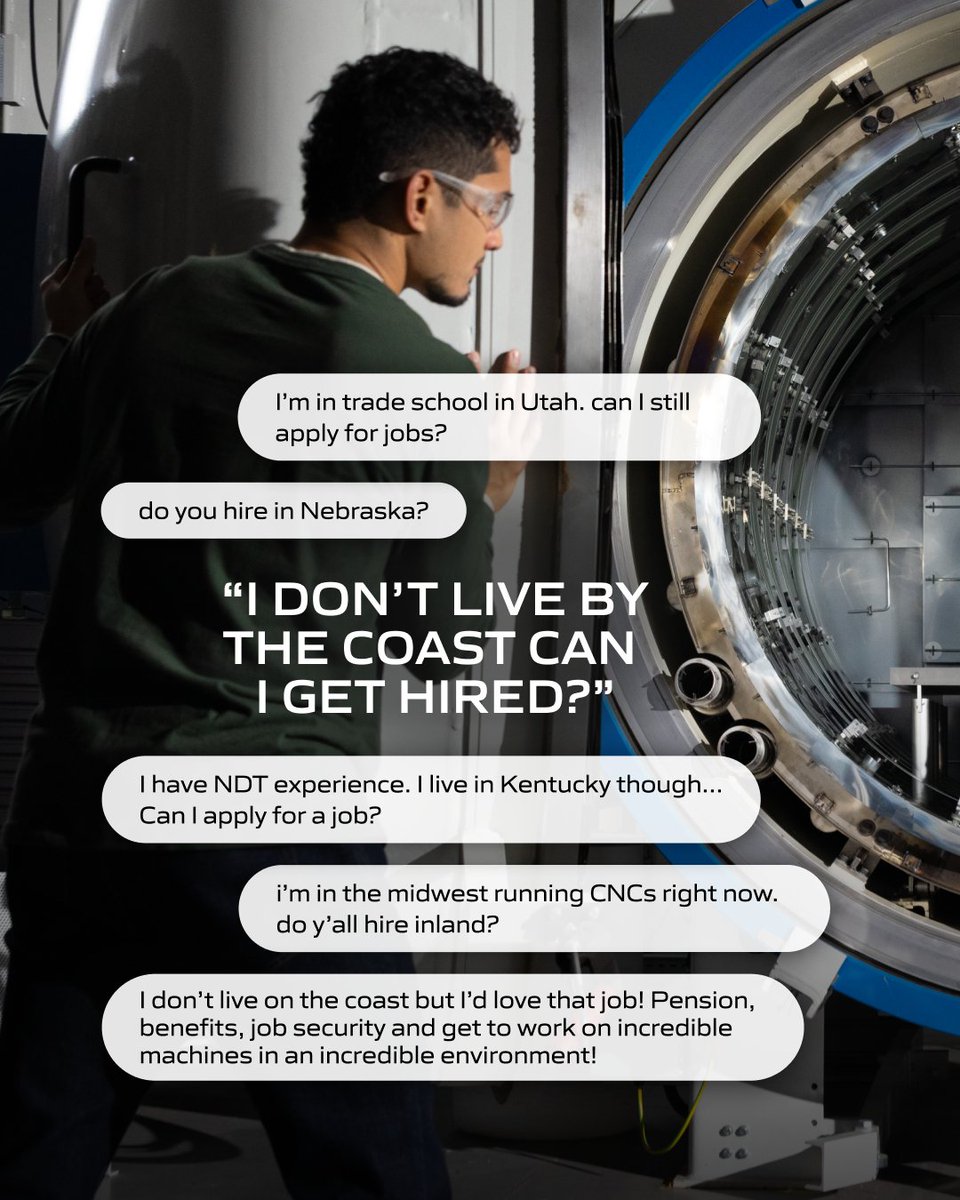
You don’t have to live on the coast to build submarines.
Right now, thousands of companies across the country are hiring for open roles building the U.S. Navy's submarines. Whether you're ready for your next challenge or starting a new career, there's a role for you.
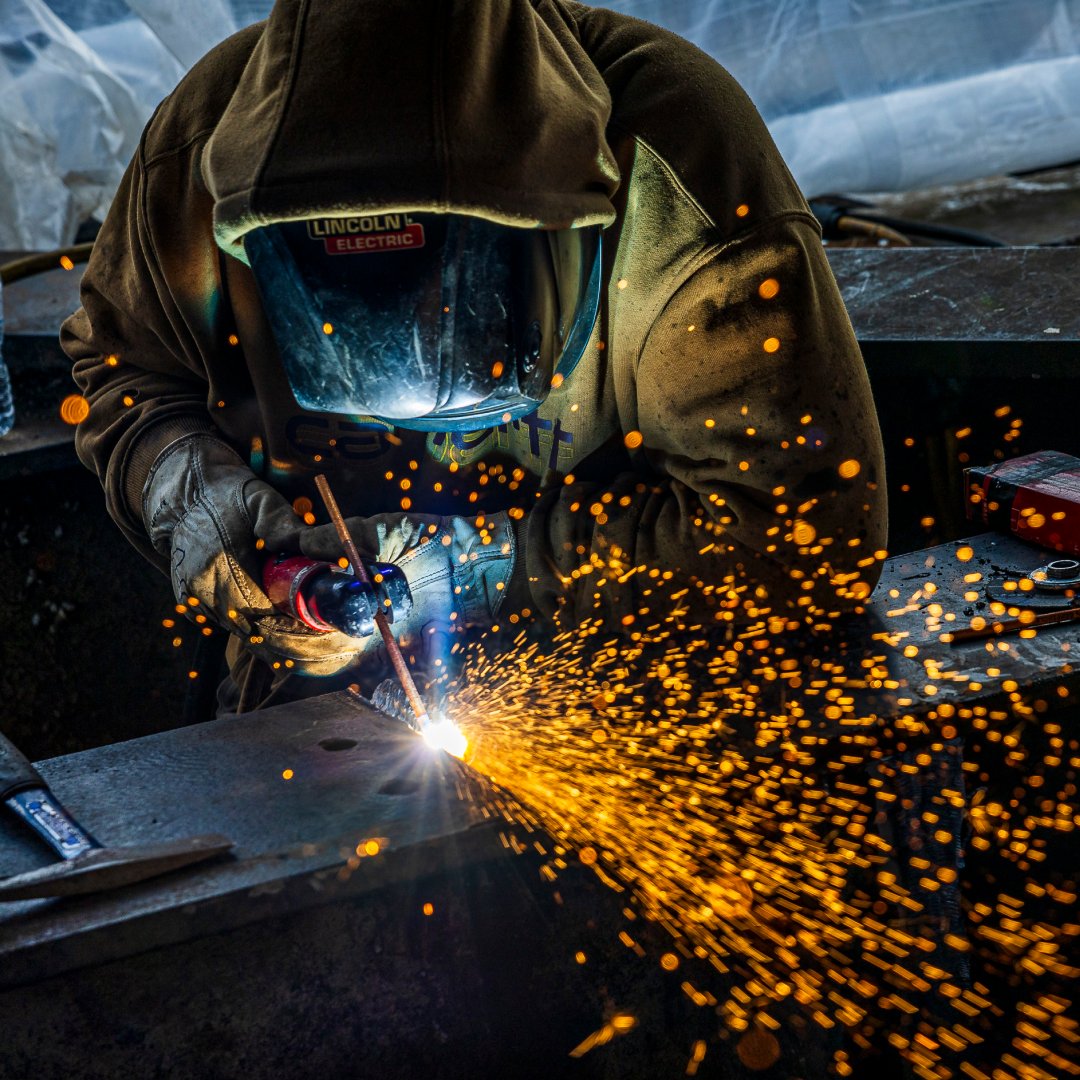
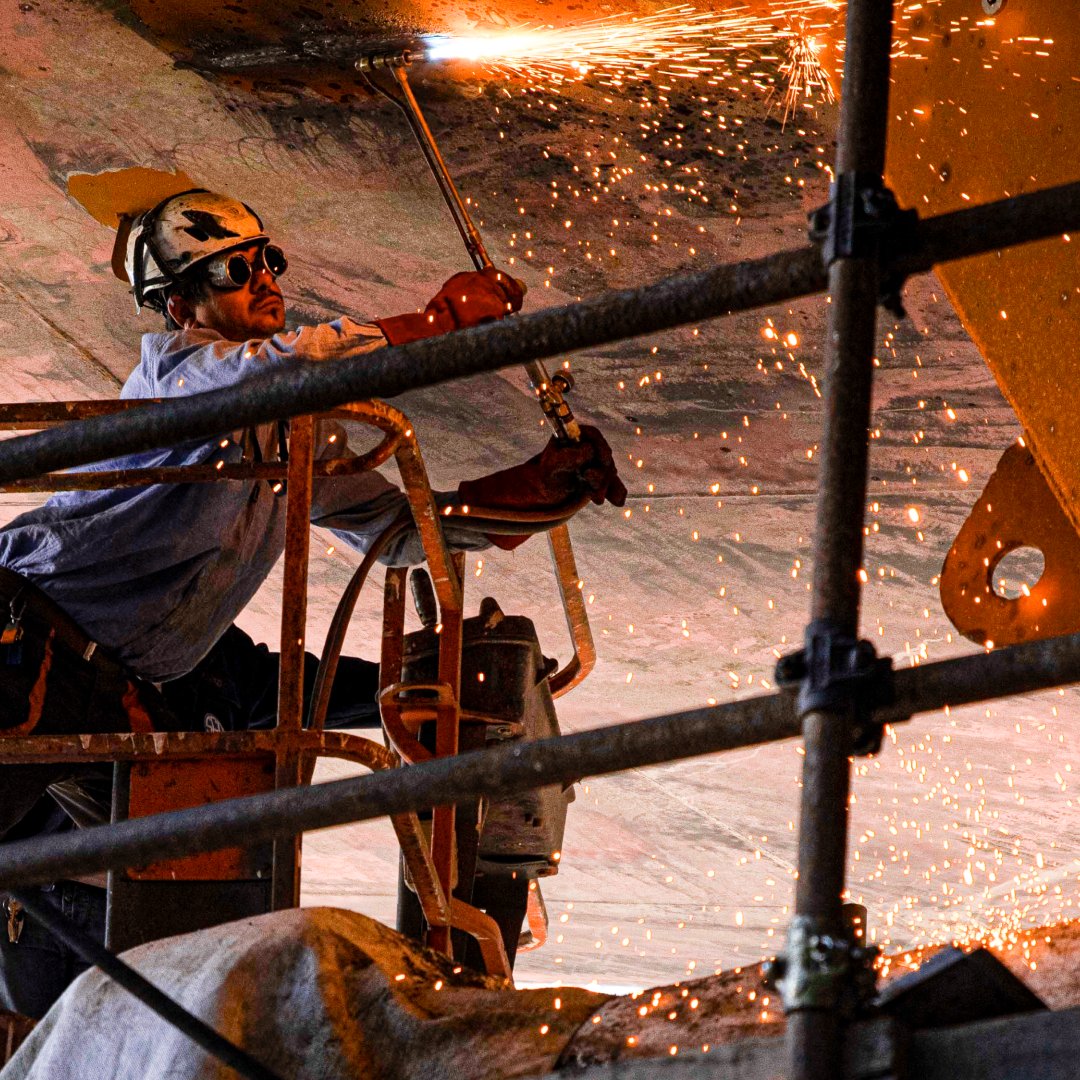
Think you can take the heat? You'll fit right in.
Submarine welders perform precise metalwork on submarines under high-stakes conditions. Their craftsmanship is critical as the vessel's integrity depends on airtight, pressure-resistant and structurally sound welds.
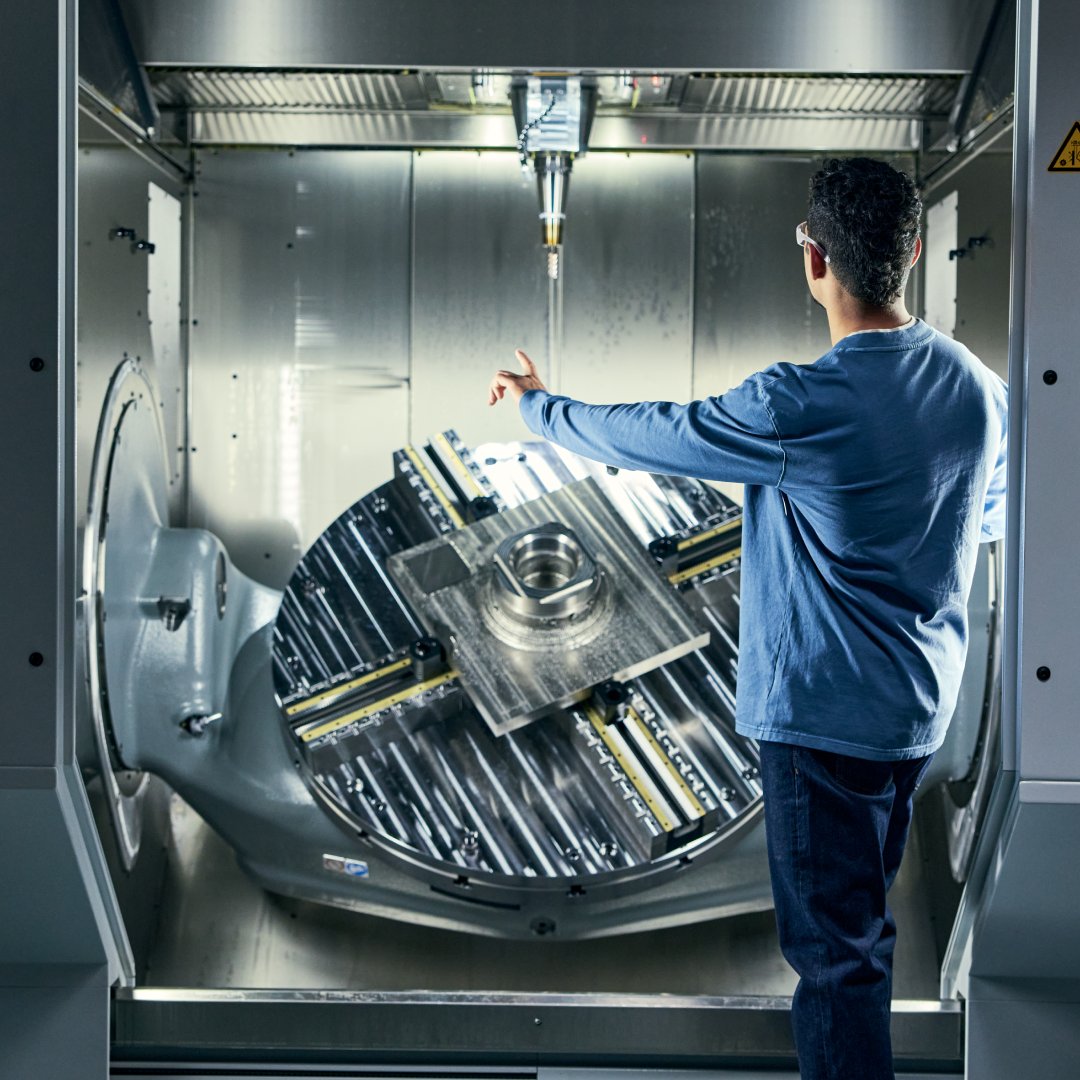
The machine is massive. The margins aren't.
Behind every submarine are thousands of moments like this: focus, precision and the discipline to get it right. Every time.
Shipbuilding careers are measured in decades.
The work doesn't stop when construction ends. Maintenance keeps submarines mission-ready, year after year.
A career working with lasers may not have been on your radar—but it could be.
Metrologists use high-precision 3D scanning systems to digitally capture the shape and dimensions of real parts, detecting the smallest deviations to ensure submarine components perform flawlessly.
And you thought parallel parking was hard?
When a submarine enters the dry dock for repairs, it's the thousands of builders who ensure the vessel returns to sea stronger than it arrived.
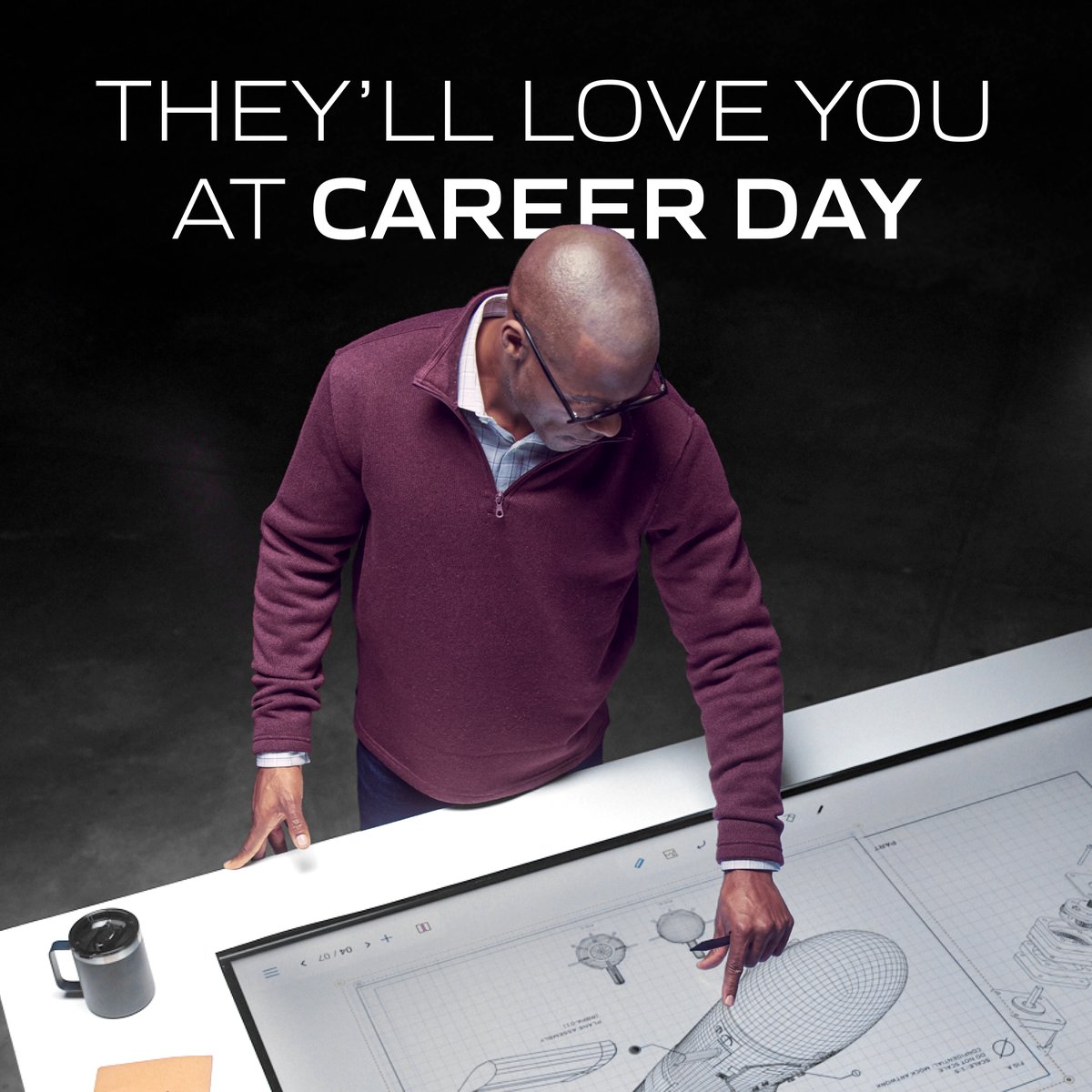
Imagine a vessel the length of a football field that needs to operate flawlessly underwater. Building something this complex requires skilled workers at every stage, from design to assembly.