Natali Bux retweetledi

Більшість із вас додасть в закладки і не приготує. Але мені всеодно буде приємно🫰🏻


Українська
Natali Bux
922 posts








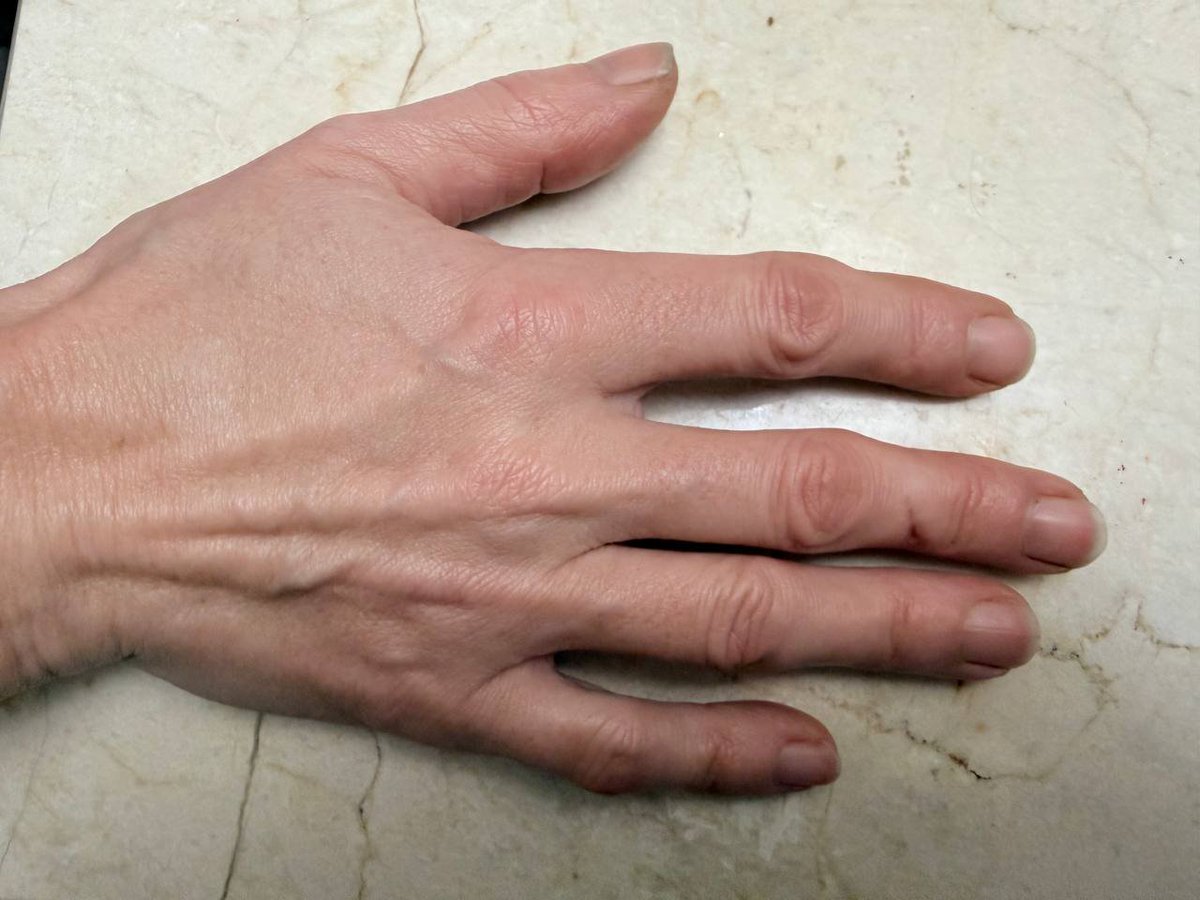
Scientists just made 50-year-old skin cells behave like they’re 20 again Scientists at the Babraham Institute in Cambridge have demonstrated a way to make older human skin cells act much younger, without turning them into stem cells. In laboratory experiments, researchers worked with fibroblasts, the cells that help form skin structure and repair tissue, taken from middle-aged donors. The team used a modified version of a well-known stem-cell technique that won the Nobel Prize in 2012. This method relies on a group of molecules called Yamanaka factors, which can reset adult cells back to a very early, stem-like state. Instead of completing the full reset, the scientists briefly exposed the skin cells to these factors and then stopped the process early, before the cells lost their skin-cell identity. After around 13 days, the treated cells showed far fewer molecular signs of aging. Measurements of chemical markers on DNA often called the epigenetic clock, indicated that the cells appeared biologically decades younger. Their gene activity patterns also more closely resembled those of much younger skin cells. The rejuvenated cells did not just look younger at a molecular level, they behaved younger too. The treated fibroblasts produced more collagen, a protein essential for skin strength and wound healing, and they moved faster to repair artificial wounds in lab tests. Researchers also observed younger patterns of activity in genes linked to age-related conditions such as Alzheimer’s disease and cataracts. The study was carried out entirely in the laboratory, and the researchers stress that this is early-stage research, not a medical treatment. The underlying biological mechanisms are still being explored, and much more work is needed before any clinical applications are possible. However, the findings suggest that it may one day be possible to partially refresh aging cells to improve tissue repair and slow some effects of aging, without fully resetting cells into stem cells. References Babraham Institute. (2022, April 8). Old skin cells reprogrammed to regain youthful function. ScienceDaily.