
Sabitlenmiş Tweet
Chris Morlock
42.3K posts


Chris Morlock
@CDMorlock
Der Staat ist die Wirklichkeit der konkreten Freiheit
San Francisco, CA Katılım Şubat 2022
3.9K Takip Edilen13.2K Takipçiler


Exchange value is intertwined with use value always, unless you think Chinese businesses are giving their manufacturing output away free.
In the first four months of 2026 Chinese exports of manufactured good reached ~24% of total manufacturing sales according to Gavekal Dragonomics — the highest since China's WTO accession in 2001.
English
What's hilarious is watching the boomer rentier economy pump itself up to insanity and then realize there is no one who is young and rich enough to buy it to realize gains.
"If a tree falls in a forrest and there is no one there to hear it does it make a sound?"
No it dosen't.
unusual_whales@unusual_whales
BREAKING: The average US home is now more unaffordable to the average American than at any point in history, per CBS
English
This is what all Marxist Leninists thought, that the newer iterations of Marxism are more developed and larger than Marx's original dialectic (even though there are dimensions of retro-causality). Only in the west is this ridiculous concept that the past was more advanced than the future.
This is just anti-developmental negative dialectics and regression of rentier economy and nihilism.
English
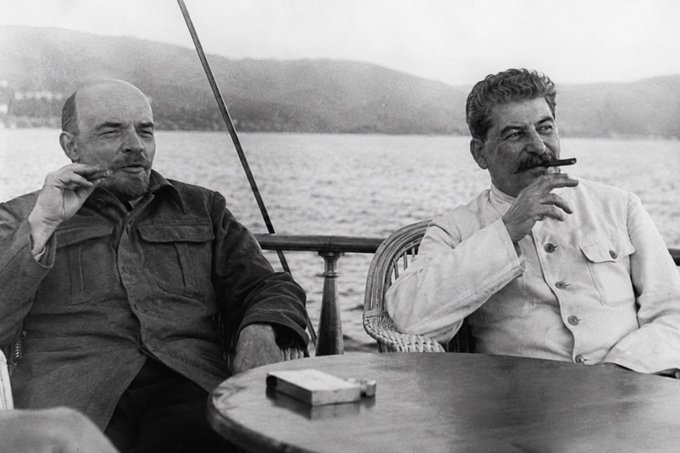
"Yacht Communism" is historical materialism.
Class Solidarity@classsolidarity
The Communist Party of China was founded on a yacht
English
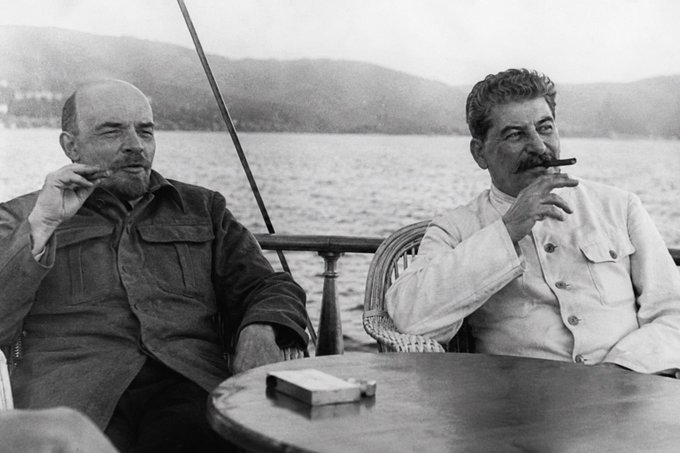

The Communist Party of China was founded on a yacht

Chris Morlock@CDMorlock
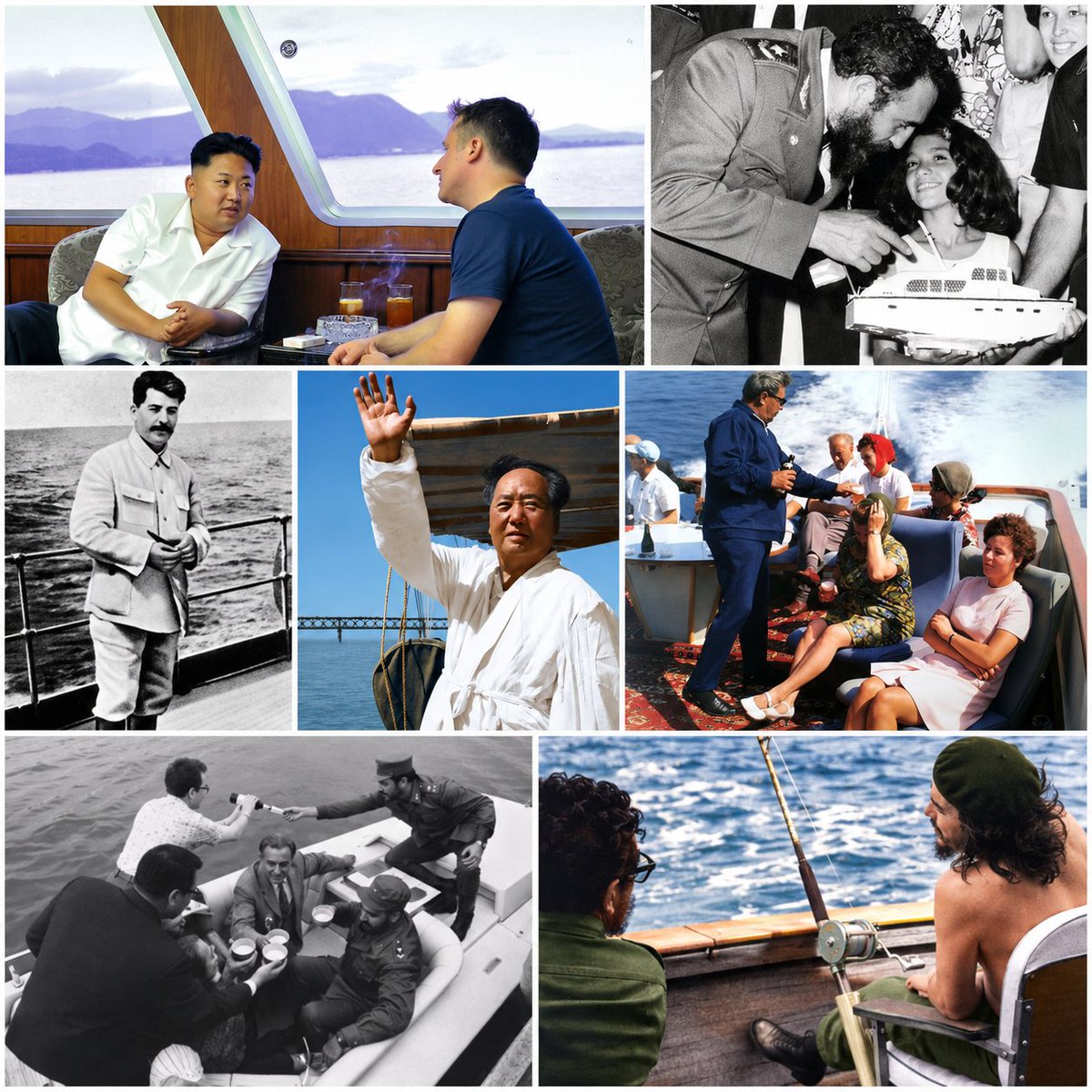
Marxist Leninist and yachts: a pictorial history. Obvious the western pan-left isn't interested - why would they be? Any visage of success associated with Communism is abhorrent to them. It's supposed to be austere and poor, just like the rightoids insist.
English
@perchanches All of his stuff on Hunter Biden was leading to this, the future of the DNC.
x.com/Logo_Daedalus/…
R.Сам 🦋🐏@Logo_Daedalus
Pretending Hunter Biden is a cool antihero in 2020 in order to suggest that Biden is better than Trump because Trump’s sons are milquetoast chuds who don’t even smoke crack is a synecdoche for the instrumental image-making roll the Dirtbag Left plays for the DNC as sheepdogs.
English

Wasn't this a Logo prediction like 2 years ago?
This makes Eddington look like Sesame Street.
Disclose.tv@disclosetv
NEW - Hunter Biden and Nick Fuentes sit down for a joint interview with the Chanel 5 podcast — TMZ
English
@bourne_les Exchange value is not the point of Chinese production.
English
@CDMorlock That is why I always have contended that "consumption" and "markets" are as equally important as "production" and "producers".
If China produces half the world's manufactures but there is no one there to buy them, does it contribute to humanity's advance? No it does not!
English

@Tall_Thomas_ Great work. Volume 4 is next, it's the most important one.
English

@Karol_venegas65 Correct. It's a higher mode of production. Communism is unlimited yachts if you want one.
English

Capitalismo es cuando tienes dos yates y socialismo cuando solo tienes una
Chris Morlock@CDMorlock
Marxist Leninist and yachts: a pictorial history. Obvious the western pan-left isn't interested - why would they be? Any visage of success associated with Communism is abhorrent to them. It's supposed to be austere and poor, just like the rightoids insist.
Zapopan, Jalisco 🇲🇽 Español
@bobby_jags Huh? I likley read most of Marx before you were born.
English

@CDMorlock You would know that if you’ve read Marx but you conspicuously have not. So probably not best to comment.
English
Hilarious we show you pictures of Fidel & Che smoking cigars on a fishing trip and the Marxoids say "but that wasn't a yacht!".
Yes it was you morons, Che and Fidel literally went out on Earnest Hemingways 40 foot yacht the "Pilar" for a fishing tournament in 1960.


Hasan 👁🗨@flackospalace
ACP members appealing to the working class struggling to make ends meet because of capitalism by… smoking cigars on a yacht lol ok
English
@felix_doubledog @redf0undation You mean the "Communism" you imagine floating around between your ears as a universal truth? That dosen't match up with anyone else in the west's concept?
English

@CDMorlock @redf0undation It is a scoreboard, and Dengist China's total refusal to provide even ideological support for other revolutionaries trying to overthrow their ruling classes gives them a fat fucking zero for a score.
But you fucking morons don't actually care about communism, of course.
English

Communism isn’t a scoreboard where legitimacy is earned by geopolitical success, longevity, or how much the US hated you. Those are historical facts worth explaining, but they don’t determine whether the underlying social relations were communist or moving toward communism.
Madeline Pendleton@JeanGreige
That’s how you end up with “socialists” repeating capitalist propaganda about socialist countries, believing in ideologies that have never led to successfully operating systems and are no threat to empire, saying the only okay socialists are the ones that have been neutralized.
English

@CDMorlock Only the acp says yacht owners are proletarian while laborer’s who are exploited for the yacht are actually the bourgeoisie x.com/saylordocs/sta…
Documenting Saylor@saylordocs
Mark Zuckerberg, an outspoken critic of "man-made climate change", shows off his new $300,000,000, 287-foot mega yacht, powered by four gigantic diesel engines. Yet another stark reminder that Net Zero is only for the peasants
English
The crazy response to seeing Communist party leaders traveling and celebrating life and having nornal lives has been another eye opening moment for the pan-left pantheon of pathology. Communist leaders traveled, experienced the world, and won. Even before the revolution.
It's precisely the petite bourgeois attitude to naysay and criticize this as some kind of violation of an asthetic principle. Communism is free time and without it no one can grow and learn. It's precisely the retort of petty people to insist that austerity is mandatory and required of Marxism.

The Ghost of Tom Joad 🚩📕@therealmvmnt
The petit-bourgeois party leaders can smoke cigars on yachts after we've achieved victory.
English

@CDMorlock You never did explain why Haz thought Hinkle could fund events.
English


Honestly think this is just repressed homosexual urges manifested through public humiliation fetish.
Haz even at his peak is just a mediocre opportunist, who isn’t remotely successful at it other than to these halfwits.
Chris Morlock@CDMorlock
The crazy response to seeing Communist party leaders traveling and celebrating life and having nornal lives has been another eye opening moment for the pan-left pantheon of pathology. Communist leaders traveled, experienced the world, and won. Even before the revolution. It's precisely the petite bourgeois attitude to naysay and criticize this as some kind of violation of an asthetic principle. Communism is free time and without it no one can grow and learn. It's precisely the retort of petty people to insist that austerity is mandatory and required of Marxism.
English
@RaptorJesus007 Maybe you are just not normal, has that ever crossed your mind? Seeing people enjoy life makes you angry.

English

Yachts and cigars is an interesting hill to defend. How long until they start comparing being on a yacht to working as a fisherman or something
Chris Morlock@CDMorlock
Marxist Leninist and yachts: a pictorial history. Obvious the western pan-left isn't interested - why would they be? Any visage of success associated with Communism is abhorrent to them. It's supposed to be austere and poor, just like the rightoids insist.
English

@CDMorlock Good, Fidel and Che were fishing on a fishing boat.
Morlock, you're hilarious. You obviously googled "communists on boats," and you're trying to pass them all off as yachts. Tying yourself in knots to excuse the petty bourgeois cretinism of your leaders.
English
Marxist Leninist and yachts: a pictorial history. Obvious the western pan-left isn't interested - why would they be? Any visage of success associated with Communism is abhorrent to them. It's supposed to be austere and poor, just like the rightoids insist.
Red Andreou@RedAndreou
The petty bourgeois aspirations of ACP:
English
I'm just loving the layers of autism and trolling them. First it was bougeouis to smoke a cigar on a boat, then they get shown Che and Fidel, then tons of ML leaders, then its not a yacht/boat argument, now its before or after the revolution, lol.
They can't fathom that the real thing driving their criticism is to not want Communism being portrayed as successful in any way because they are closet fascists.
English

@JosephKBennett I think it's "suitable" for communists to chill and have fun every once in a while, before or after a revolution.
English
@NetunceliyAnnah Do you want to see pre rev pics? Che and Fidel were constantly on yachts. You seem ridiculously autistic. And we fake it until we make it, doing some "austere" larp bit didn't produce shit in the IC.
English

@CDMorlock You can have a yatch after you’ve actually won. Y’all want to pop Champaign and get all the recognition without winning the national struggle first 😂
English