COMSPOC Corp.
1.1K posts

COMSPOC Corp.
@COMSPOC
Supporting the space operations community with software products and services that address current and emerging challenges in the space environment. 🌎🛰️
Exton, PA Katılım Ocak 2016
561 Takip Edilen1.1K Takipçiler

See why the ability to fuse data from all sensor types, along with the other attributes, matter for real-world operations: #essential-attributes" target="_blank" rel="nofollow noopener">comspoc.com/ssasuite#essen…
English

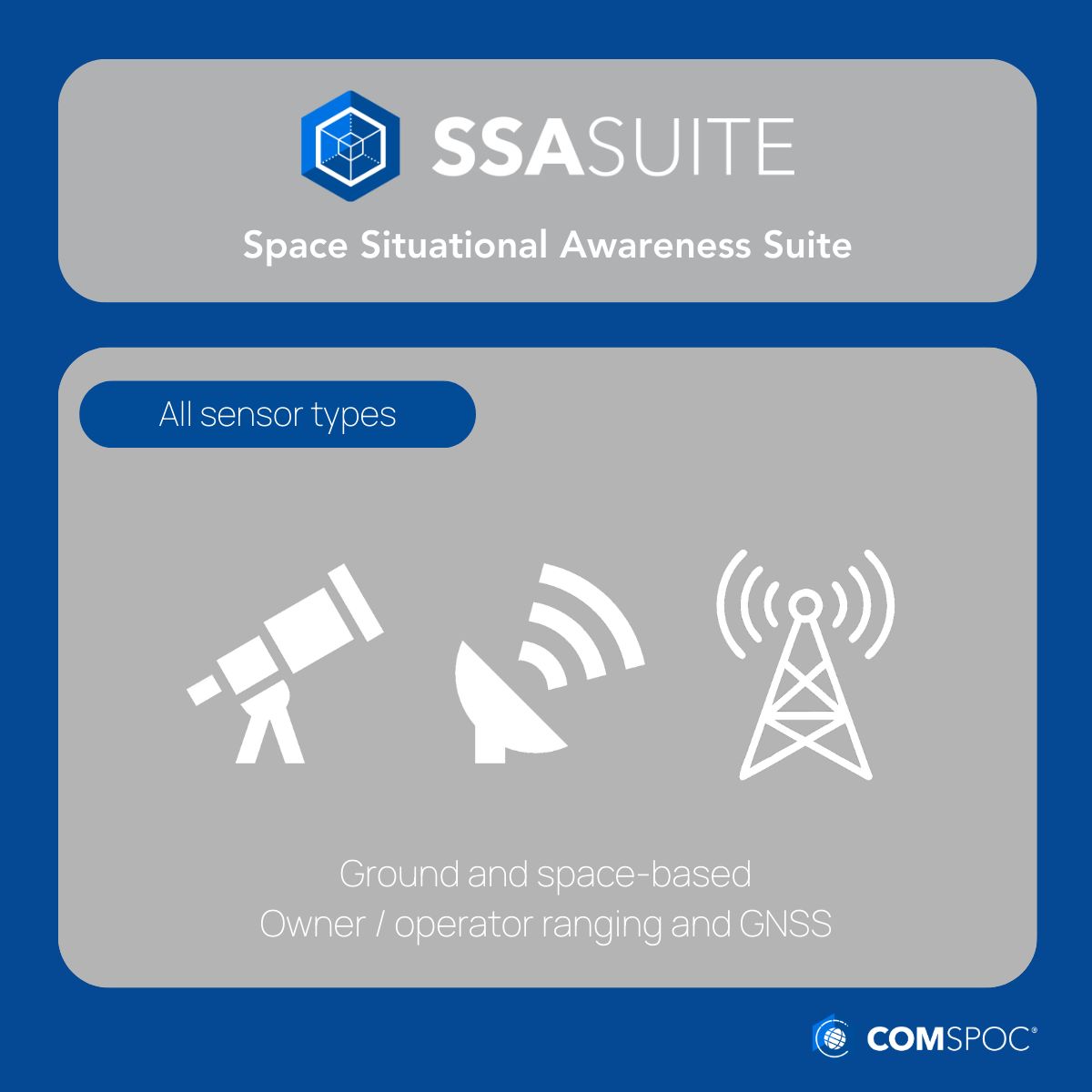
At COMSPOC, we believe there are eight essential attributes to a truly comprehensive SSA operations center.
The ability to fuse data from all sensor types is one of these essential attributes.
SSASuite fuses data from all available sensors to take advantage of the strengths of each and, likewise, to ameliorate their weaknesses.

English

Thanks to @MichaelDWall at @SPACEdotcom for highlighting the @COMSPOC_OPS team’s analysis of a recent Russian satellite multi-object proximity event. The satellites, known as COSMOS 2581 and COSMOS 2583, got within just 10 feet (3 meters) of each other on April 28. As the ops team noted, "This wasn't a coincidental pass — COSMOS 2583 performed several fine maneuvers to maintain this tight configuration."
SPACE.com@SPACEdotcom
'Whatever Russia is testing, it's sophisticated': 2 Russian satellites get within 10 feet of each other in orbit space.com/space-explorat…
English

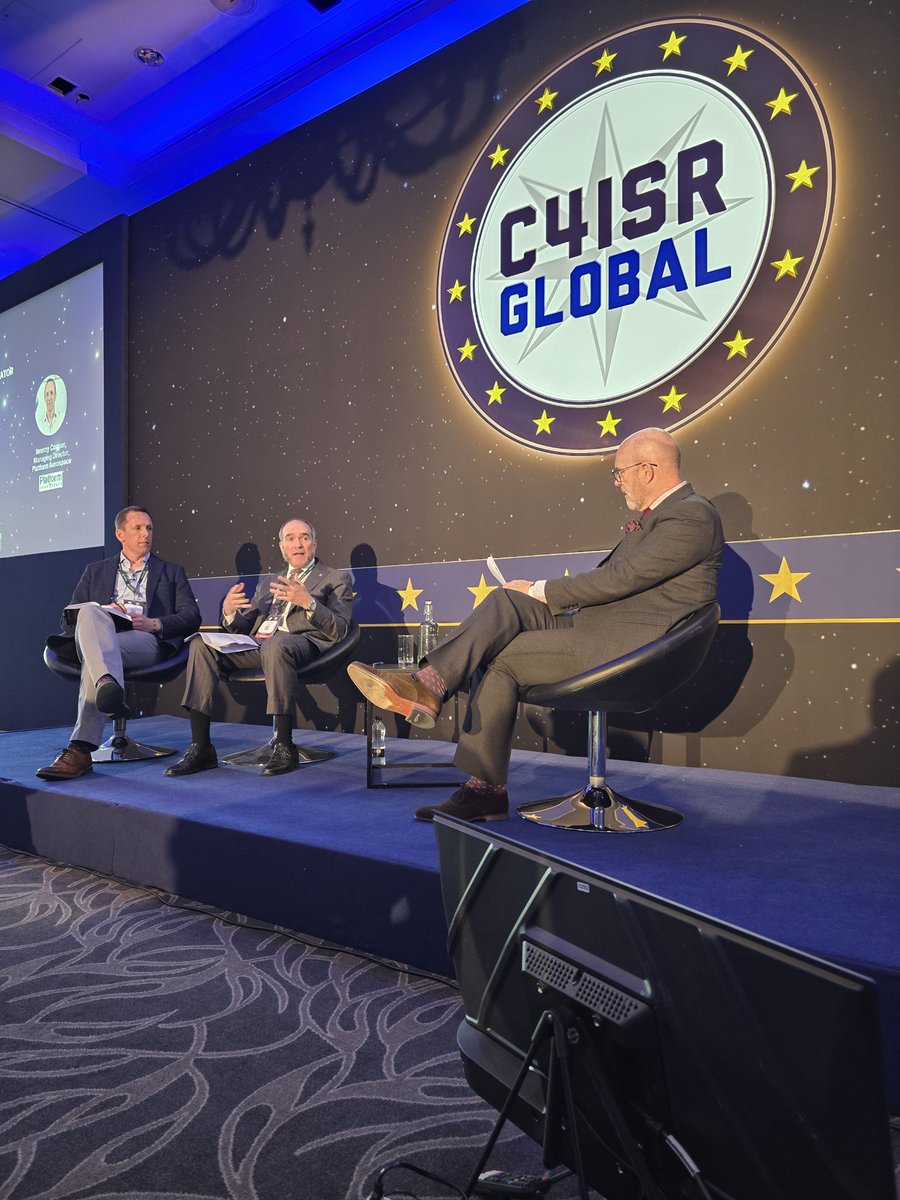
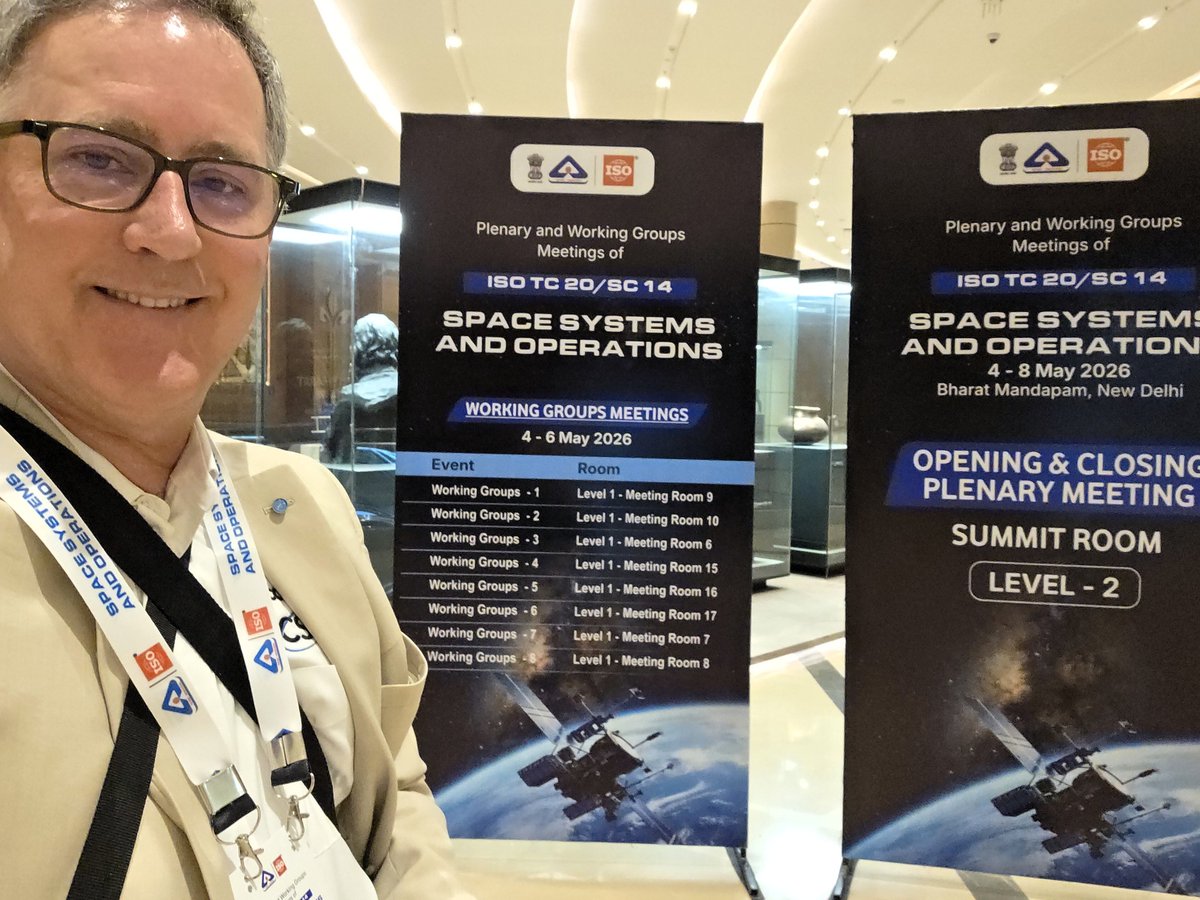
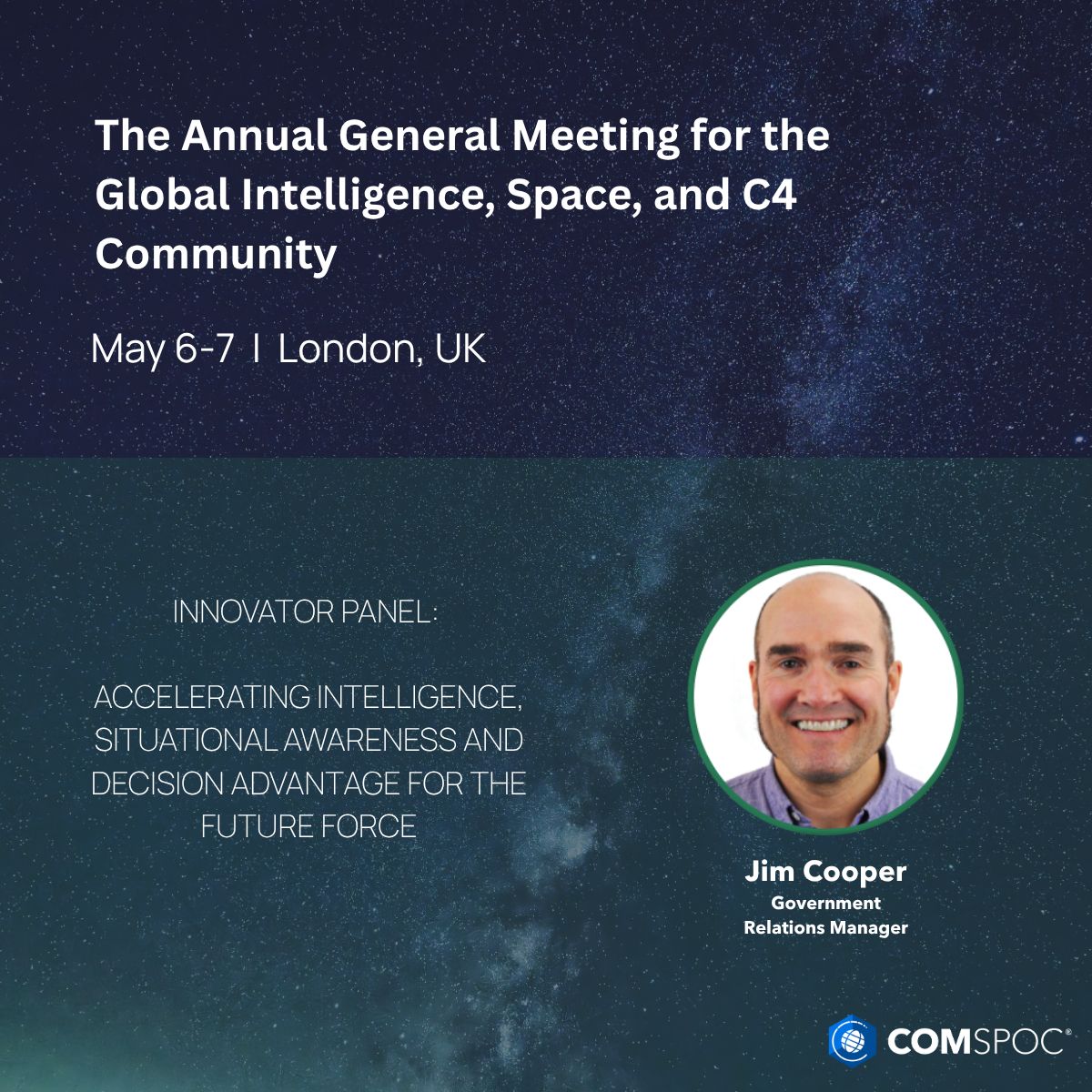
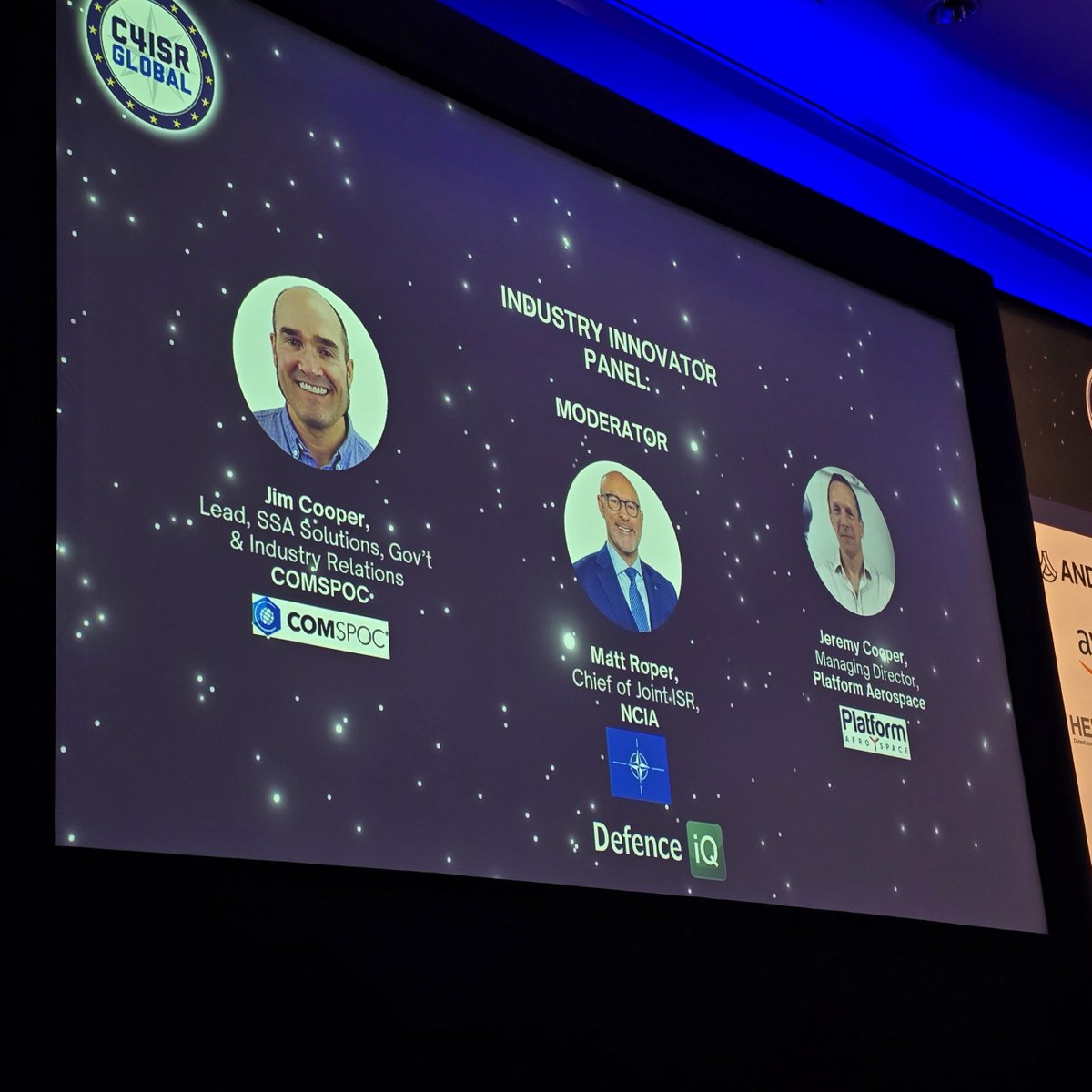
It was a busy week for the COMSPOC team. Jim Cooper, government relations manager, took part in C4ISR Global 2026 in London, where he joined the Industry Innovator Panel on accelerating intelligence, situational awareness, and decision advantage for the future force. Meanwhile, Chief Scientist Dan Oltrogge represented COMSPOC at the Plenary and Working Groups Meetings of ISO TC 20/SC 14 Space Systems and Operations in New Delhi.


English
COMSPOC Corp. retweetledi

Pakistan's PRSC-EO3: an unusual orbit for an optical satellite
Radar tracking via @LeoLabs. Processed via COMSPOC SSA.
PRSC-EO3 (visualized in cyan) launched April 25, 2026 on a Long March 6. It's an optical imager — but its orbit is curious.
Most optical LEO satellites use sun-synchronous orbits (~97-105° inclination), which provide consistent lighting for imaging. PRSC-EO3 is in a 38° inclined orbit instead. This sacrifices global coverage and consistent lighting, but increases revisit rates over a specific latitude band: 20-40°N. That's India, Kashmir, and Pakistan.
Now consider PRSC-S1 (visualized in pink), Pakistan's SAR satellite launched July 2025, sitting in a 41° orbit. Similar inclination, similar altitude — but their RAANs are ~175° out of phase. When one passes over South Asia in daylight, the other passes in darkness.
SAR works day and night. Optical needs sunlight. The geometry appears to allow complementary coverage.
We ran the access analysis [Image 1]. The SAR sensor (unconstrained) and optical sensor (daytime-constrained) together provide repeatable revisit across day and night. The gaps left by one are filled by the other.
Then there's PRSC-HS1 — a hyperspectral satellite in SSO [Image 2], capable of detecting camouflage and identifying materials from orbit.
Optical shows you the picture. SAR shows you the picture at night and through weather. Hyperspectral tells you what you're looking at.
Five remote sensing satellites in 16 months [Image 2]. All launched by China. All with orbits favoring South Asian coverage. The stated missions are civilian. The orbital architecture appears consistent with a multi-modal ISR constellation.
@shell_jim , @planet4589, @joroulette, @SpaceNews_Inc , @IntegrityISR
#Pakistan #Space #SAR #ISR #PRSC


English

The @COMSPOC_OPS team is featured throughout @IntegrityISR’s latest Integrity Flash issue for their analysis of recent activity in orbit, including USA 325’s activity near Cosmos 2589 in GEO, and rendezvous and proximity operations between Cosmos 2581 and 2583, where the two objects were as near as 3m from one another.
As the article notes, since publicly available orbit data had gone stale, author Greg Gillinger turned to the COMSPOC ops team for help, and they “did not disappoint!” 😊
Integrity ISR@IntegrityISR
Cosmos 2589 has completed its transition into geosynchronous orbit after a multi-month maneuver. USA 325 moved into proximity, with repeated close approaches and distances tightening to as little as 13 km under favorable conditions. @COMSPOC_OPs isruniversity.com/2026/05/05/iss…

English
COMSPOC Corp. retweetledi

👀USA 325 keeps an eye on COSMOS 2589 as it settles into GEO
COSMOS 2589 🇷🇺 (launched last June) spent the past few weeks circularizing its orbit before parking at ~98°E. USA 325 🇺🇸 (GSSAP-6) was watching the whole time.
Things got interesting around April 19th when COSMOS 2589 actually drifted past USA 325 mid-maneuver. USA 325 repositioned, and by late April both were sitting at the same longitude.
From there, observation passes came twice a day due to their different inclinations. Closest was ~13 km on 1 May, with sun angles lining up nicely for a good look.
3D visualization attached — you can really see how COSMOS 2589 tightened its orbit while USA 325 adjusted to stay in position.
This is what GSSAP does: when something new shows up in GEO, they're there to take a look.
Analysis via COMSPOC SSASuite.
@SpaceNews_Inc @SpaceflightNow @BreakingDefense @joroulette @shell_jim @planet4589
#GSSAP #COSMOS #GEO #SDA
English

Space situational awareness means knowing exactly how much time you have to destroy the Death Star before your entire rebel base is turned into plasma, dust, and a ghostly residue of failed hope. #MayTheFourthBeWithYou ⚔️ Happy #StarWarsDay!

English
COMSPOC Corp. retweetledi

🛰️Russian satellites multi-object proximity event in LEO
Radar tracking data via @LeoLabs_Space, processed through COMSPOC SSA Suite.
This week we observed a complex proximity event involving Russian satellites: COSMOS 2581, 2582, 2583, and Object F (a subsatellite released by 2583).
The highlight: COSMOS 2581 and 2583 achieved a closest approach of ~3 meters on 28 April at UTC, with near-zero relative velocity. This wasn't a coincidental pass — COSMOS 2583 performed several fine maneuvers to maintain this tight configuration.
Meanwhile, COSMOS 2582 trailed the formation at sub-100 km range, while Object F passed within 15 km of 2582 and within 10 km of 2581 — neither maneuvered.
For context: in late 2025 to now, we tracked these same COSMOS satellites performing 3-object RPO. These satellites launched 5 February 2025. Whatever Russia is testing, it's sophisticated.
@SpaceNews_Inc @SpaceflightNow @BreakingDefense @joroulette @shell_jim @planet4589
#RPO #SSA #Russia #Space
English

#NationalSpaceDay 🚀 recognizes the people behind U.S. space achievements — past, present, and future.
Today, we celebrate the work, curiosity, and commitment that make space progress possible. 🌎🛰️

English

Jim Cooper, COMSPOC’s government relations manager, is attending #C4ISRGlobal2026, May 6–7, in London.
Jim will join the Industry Innovator Panel at 12:30 p.m. on day two, moderated by Matt Roper, chief of the Joint Intelligence, Surveillance and Reconnaissance Centre for @nato_ncia.
The panel will focus on accelerating intelligence, situational awareness and decision advantage for the future force.

English

When the @FinancialTimes needed reliable SSA data and analysis to support its groundbreaking reporting on China’s plans to wage war in space, they turned to COMSPOC.
Read the full story by @KathrinHille, @sam_learner, @samjoiner, @inari_ta, and @Dan_Clark5: ig.ft.com/space-weapons/ (subscription may be required)
Financial Times@FT
Combat in Earth’s orbit is no longer the stuff of fiction. Read the FT visual investigation here: ft.trib.al/vjeFNur
English

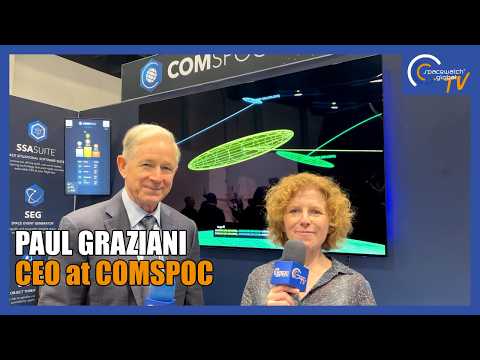
COMSPOC CEO Paul Graziani joined Laura Todd of @SpaceWatchGL TV to discuss orbit characterization, maneuver detection, and why "it probably won't happen to me" is dangerous thinking.
Tracked objects have increased from about 25,000 to 35,000 in the past year, and as Paul noted, handling all of that data becomes a significant operator load.
It comes down to a central question: “How can I see what I really need to worry about?”
Watch the full interview: youtube.com/watch?v=_DM3h-…
Thank you, Laura and SpaceWatch Global TV, for the discussion.

YouTube
English

The dust has finally settled on a very busy 41st Space Symposium, but our message doesn’t end there. Visit our special event page to catch up on, or remind yourself of, the keywords we focused on this year: Urgency. Risk. Need. Solution.
➡️ comspoc.com/space-symposiu…
English

Congratulations to our Thursday trivia winner and overall trivia winners, selected from a drawing of the top three players from each day at #SpaceSymposium. 🏆
Thanks to everyone who stopped by booth #1364 this week. We enjoyed putting your space knowledge to the test. 🌌🧠


English

🎙️ Coming soon from #SpaceSymposium…
COMSPOC CEO Paul Graziani joined Laura Todd of @SpaceWatchGL TV for a conversation on the state of space domain awareness.
We’ll share the podcast when it’s live.
Thank you to SpaceWatch.Global TV for having us.

English

When General Stephen Whiting is talking to you in person and on the screen behind you at the same time. Honest to goodness, pure coincidence. Thank you General Whiting for stopping by our booth. Timing is everything. #SpaceSymposium

English

There's still time! Schedule a meeting with our team at Space Symposium: comspoc.com/space-symposiu…
English

We’re sad to say that it’s the last day of Space Symposium.
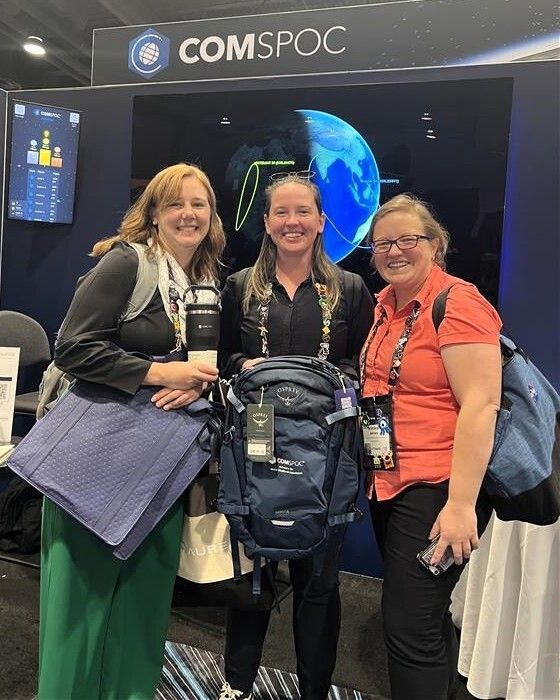
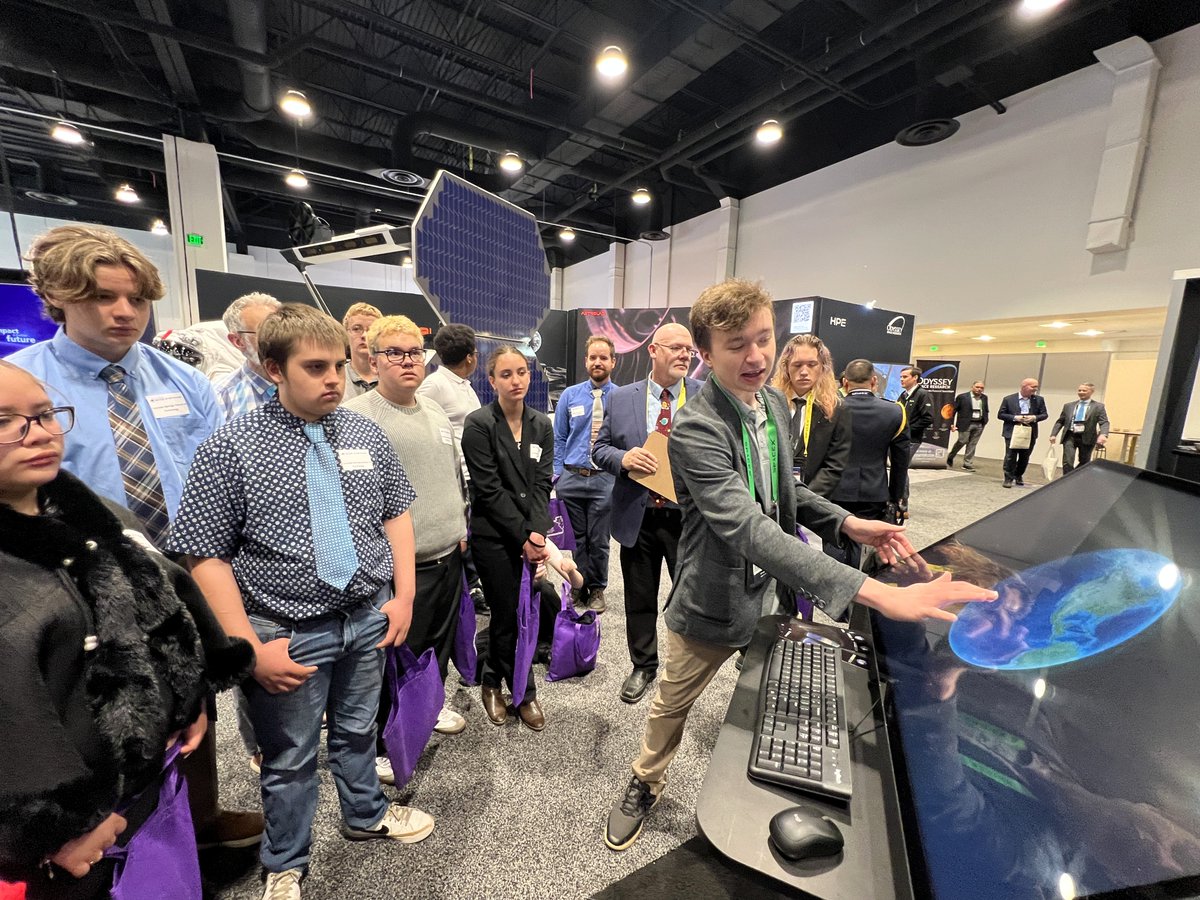
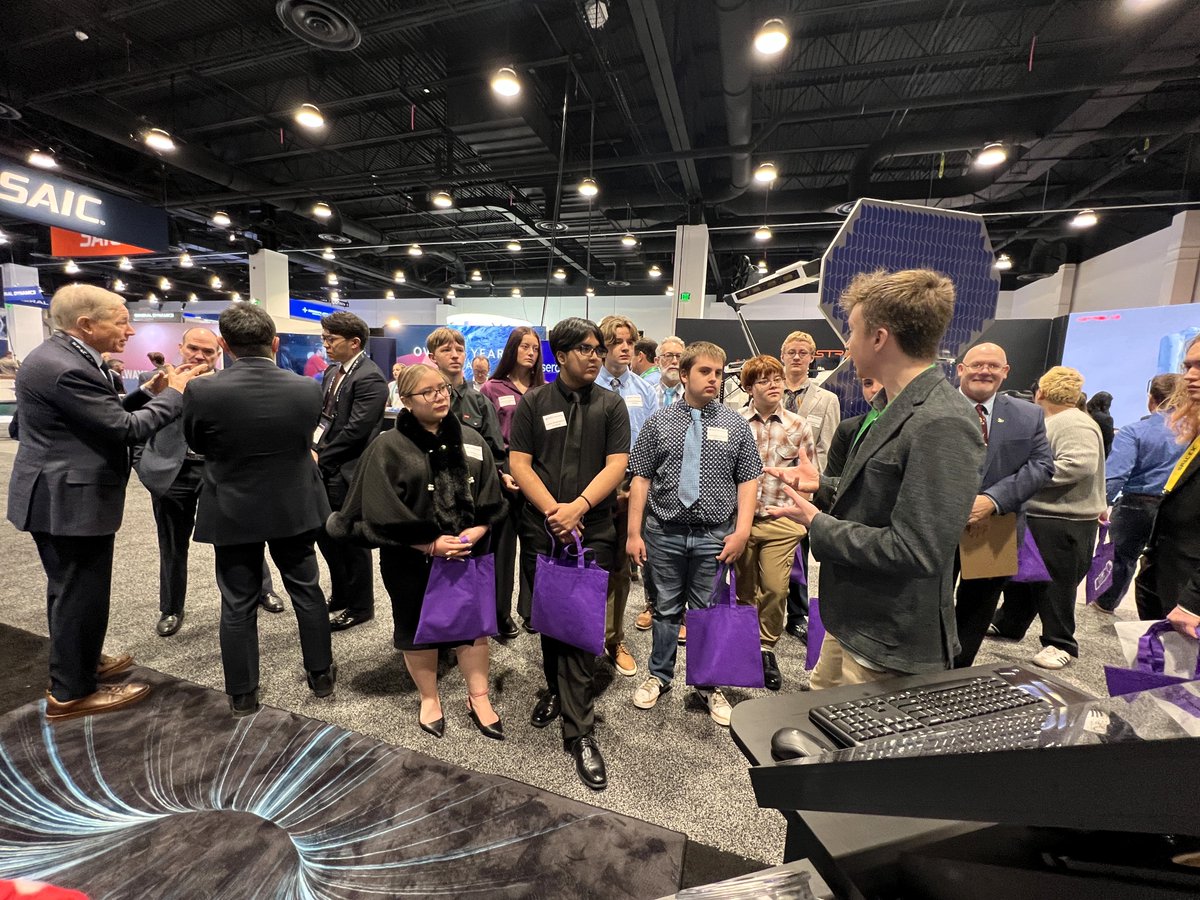
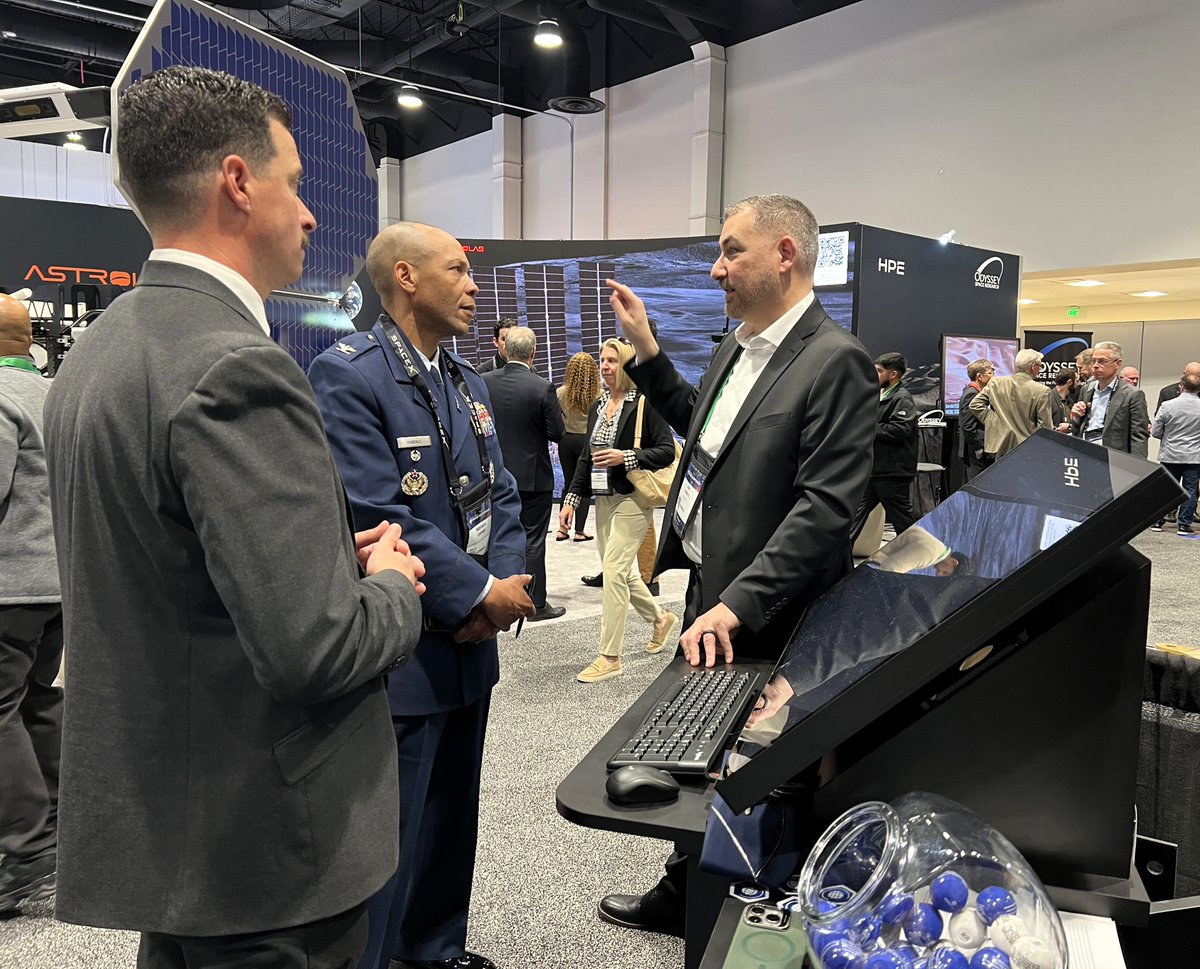
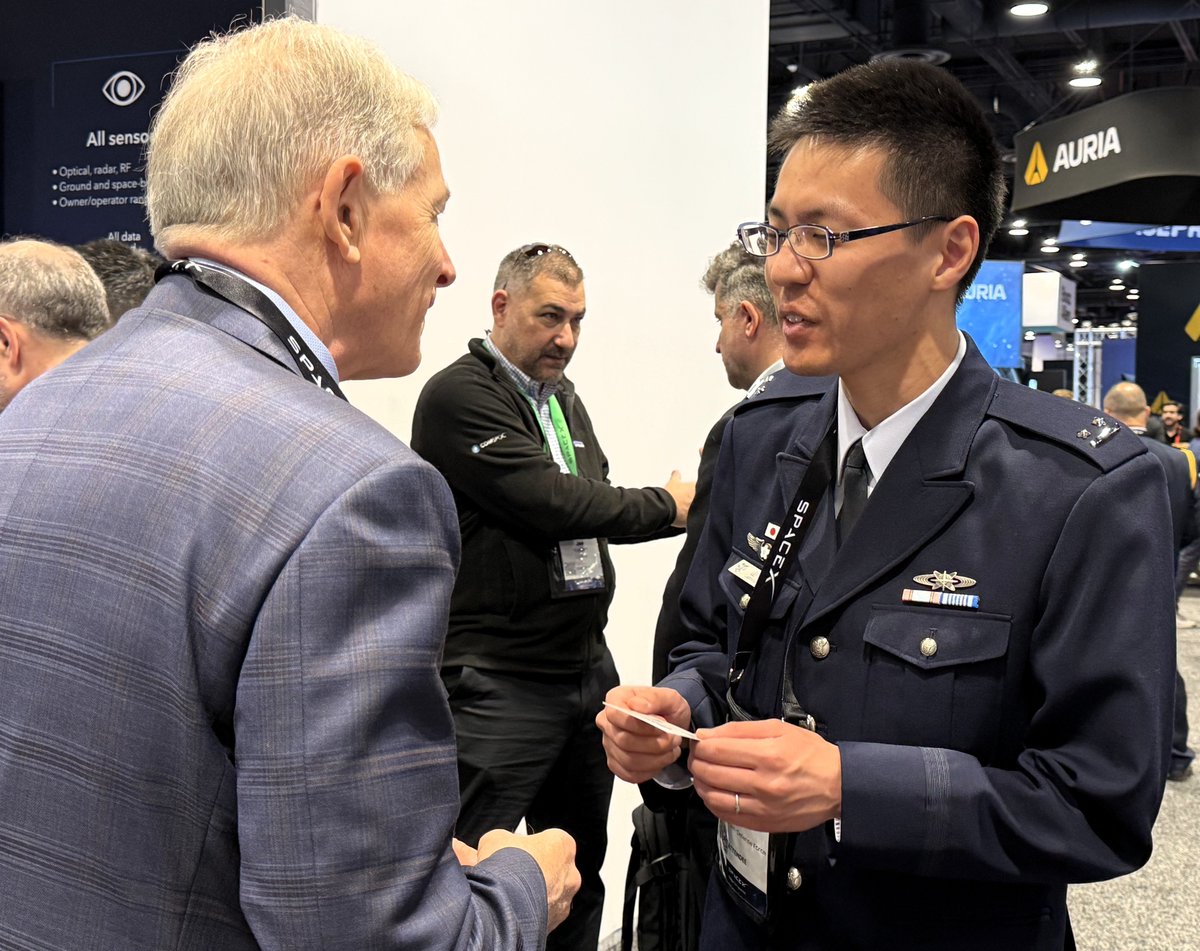
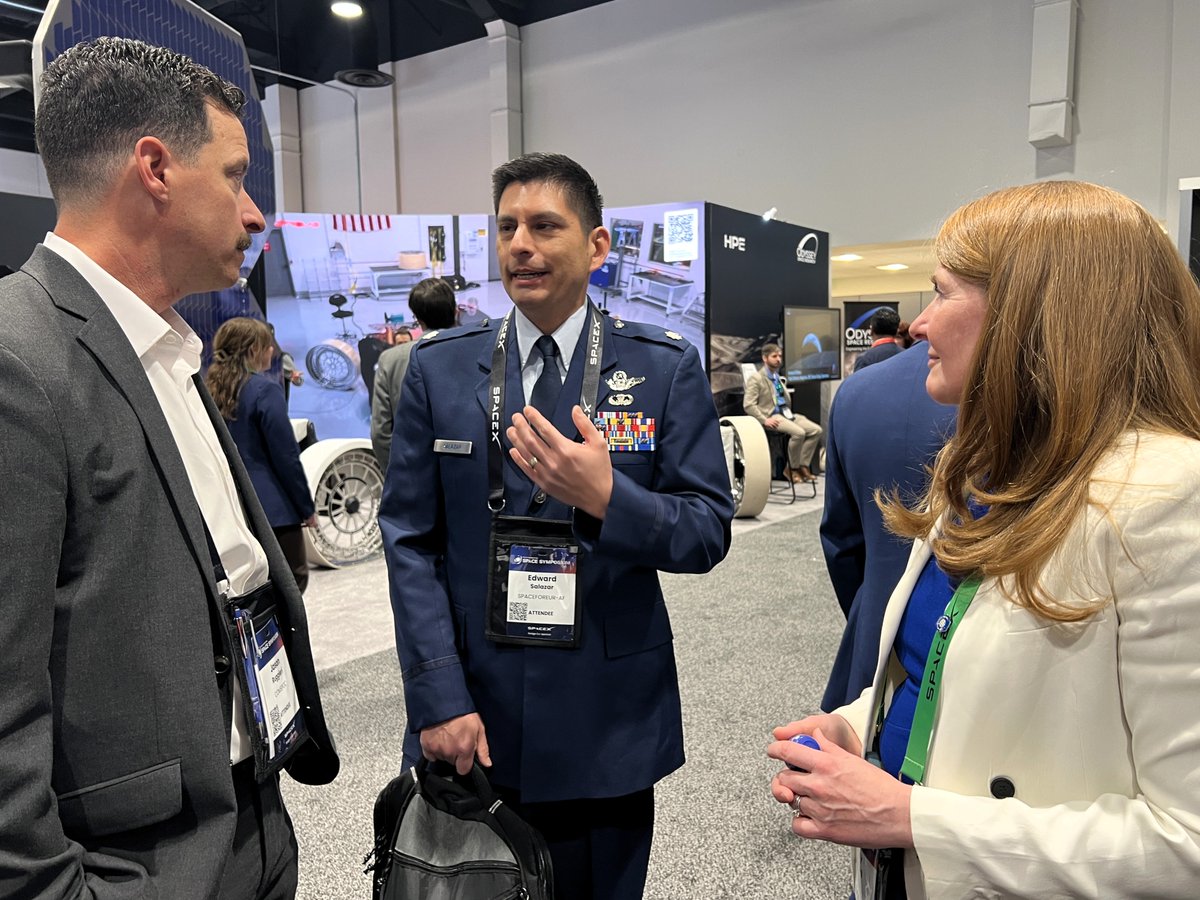
We’re sharing a few more snapshots from the week. Great conversations, strong turnout, and time well spent with the space community. We also had the chance to host high school and college students at our booth today and talk through careers in space.
If you’re here, stop by booth #1364 in the Northrop Grumman Exhibit Center in Bartolin Hall. Learn how our commercial-off-the-shelf software can make the difference between space domain awareness and space domain advantage.
We hope to see you before the show ends. 🚀


English