
CPI379

1.2K posts

CPI379 banner
CPI379

CPI379

@CPI379

Katılım Mayıs 2021
365 Takip Edilen173 Takipçiler
CPI379 retweetledi
Rafael López Aliaga
Rafael López Aliaga@rlopezaliaga1·
Hermanos Transportistas: Les comunicó que después del 28 de julio quedarán desactivadas Sutran y ATU. No más abusos de congelamiento de cuentas a conductores y propietarios que luchan para salir adelante y que son masacrados por el estado. Eso se acabó y esos operativos con lucros personales se acabaron. Voy a declarar en emergencia el transporte.
Español
735
942
3.8K
133.8K
CPI379 retweetledi
Lourdes Menis
Lourdes Menis@climatologa·
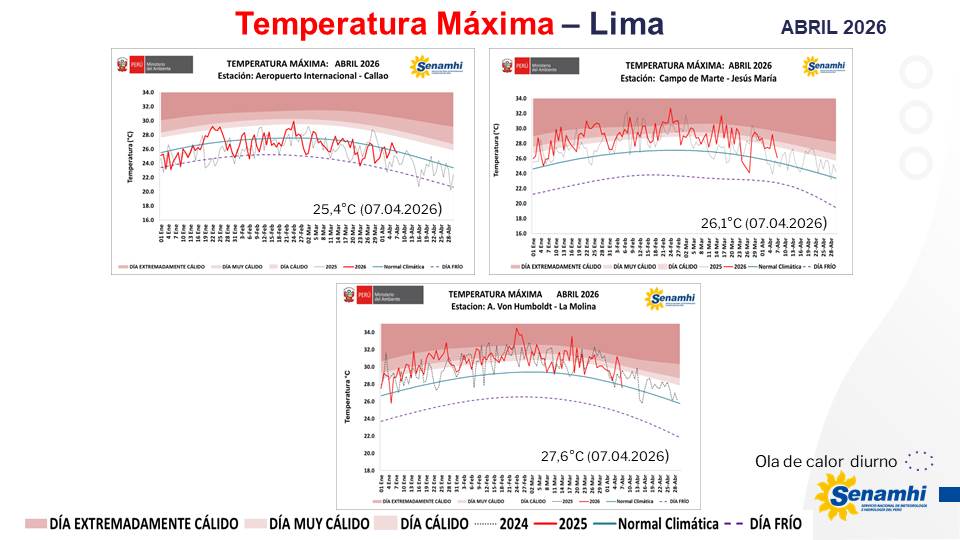
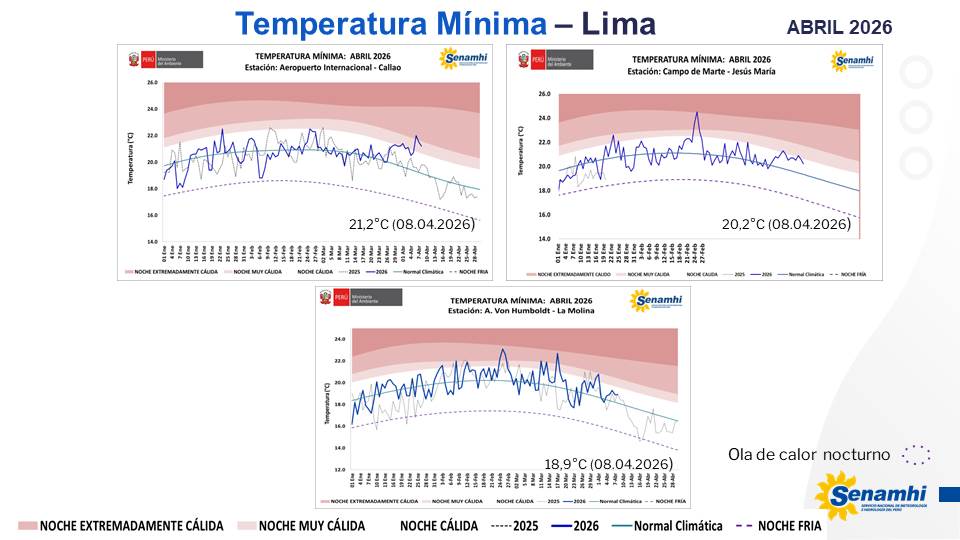
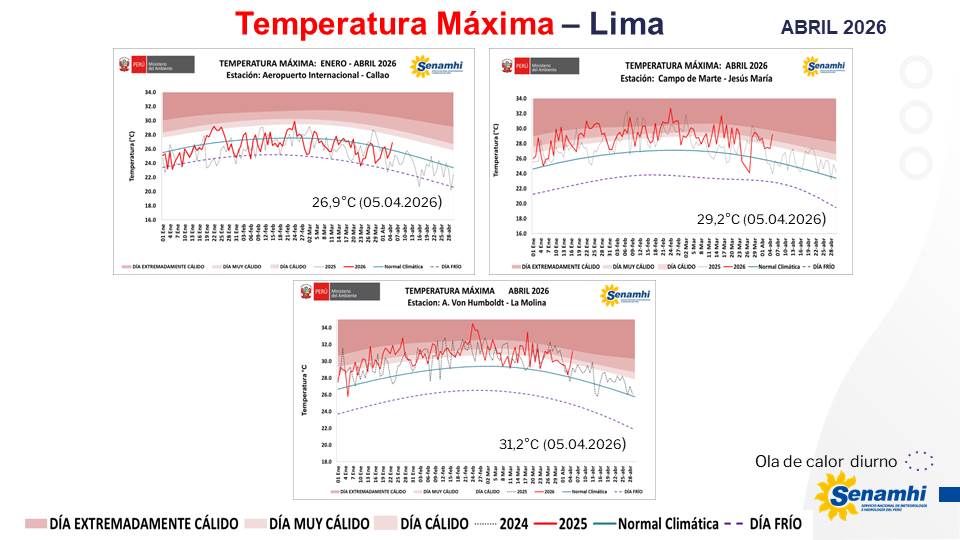
Se observa una disminución de las #temperaturas #diurnas, sin embargo en #JesúsMaría se mantienen con valores superiores a lo normal. Durante las noches: Hoy, #Callao reportó 21,2°C siendo su tercera #noche #cálida consecutiva🥵🥵🥵, el resto de distritso con valores superiores👇
Lourdes Menis tweet mediaLourdes Menis tweet mediaLourdes Menis tweet media
Español
1
1
14
554
CPI379 retweetledi
Matt Nieto_Met
Matt Nieto_Met@Matti_Meteo·
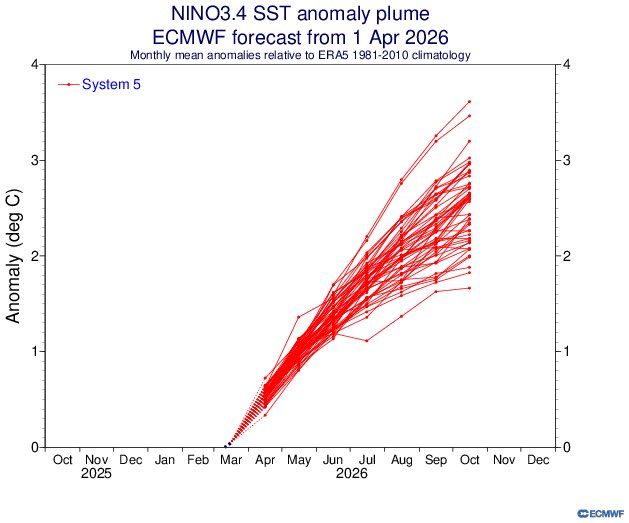
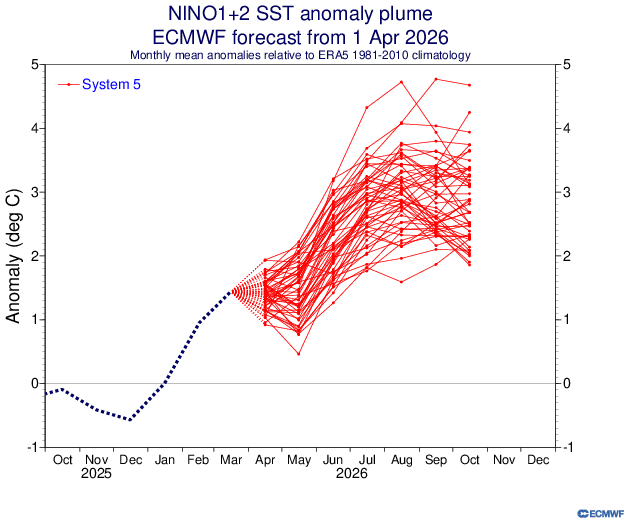
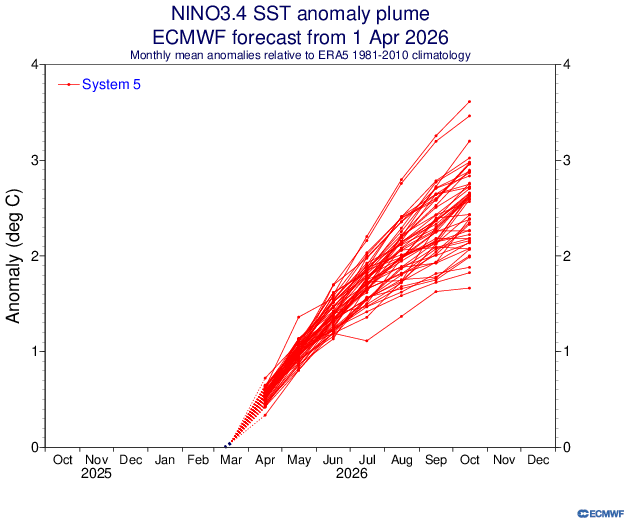
Los recientes pronósticos de abril, indican un calentamiento intenso, hacia un Niño fuerte. Pero es importante tomar en cuenta la barrera de predictabilidad, periodo (marzo-mayo) donde el sistema muestra una mayor dispersión de los resultados posibles. Aún así, se debe monitorear.
Matt Nieto_Met tweet mediaMatt Nieto_Met tweet media
Español
2
16
111
6.2K
CPI379 retweetledi
Eric Webb
Eric Webb@webberweather·
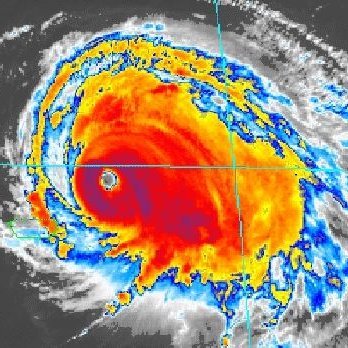
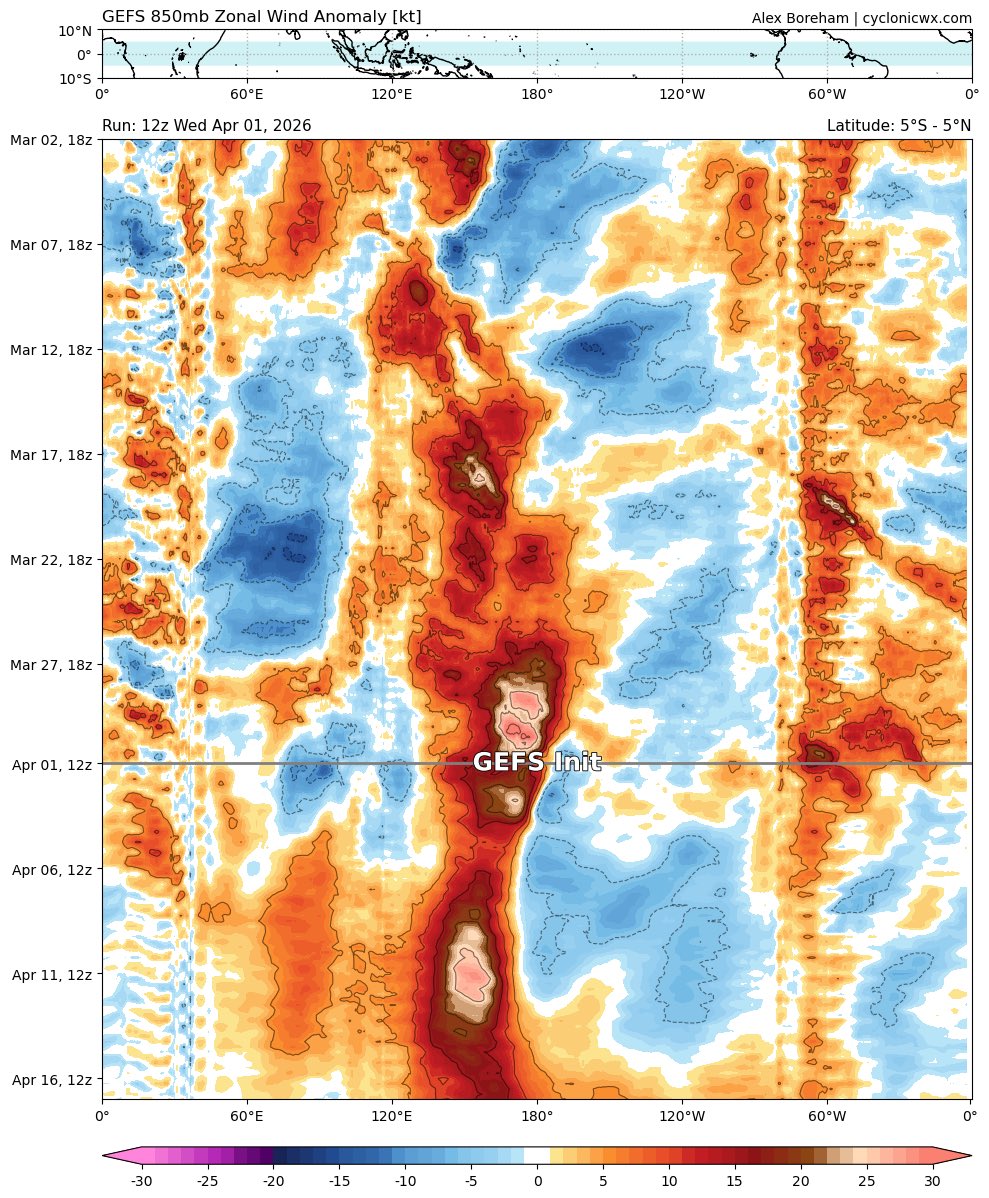
The upcoming equatorial westerly wind burst (WWB) associated with Cyclone #Maila & soon-to-be #Sinlaku in the NW Pacific is just hilariously strong. 40-50 kt 850mb mean winds?! 😬 You almost never see WWBs this intense, except during “Super” El Niño events.
GIF
English
3
38
183
10.4K
CPI379 retweetledi
The Washington Post
The Washington Post@washingtonpost·
A new forecast indicates there’s a high chance for a supercharged El Niño this year, which could push temperatures to record levels. A warming patch of water in the Pacific Ocean influences what areas experience droughts, floods, declining sea ice and more. wapo.st/4dwv330
English
78
1.1K
1.8K
435.1K
CPI379 retweetledi
Ben Noll
Ben Noll@BenNollWeather·
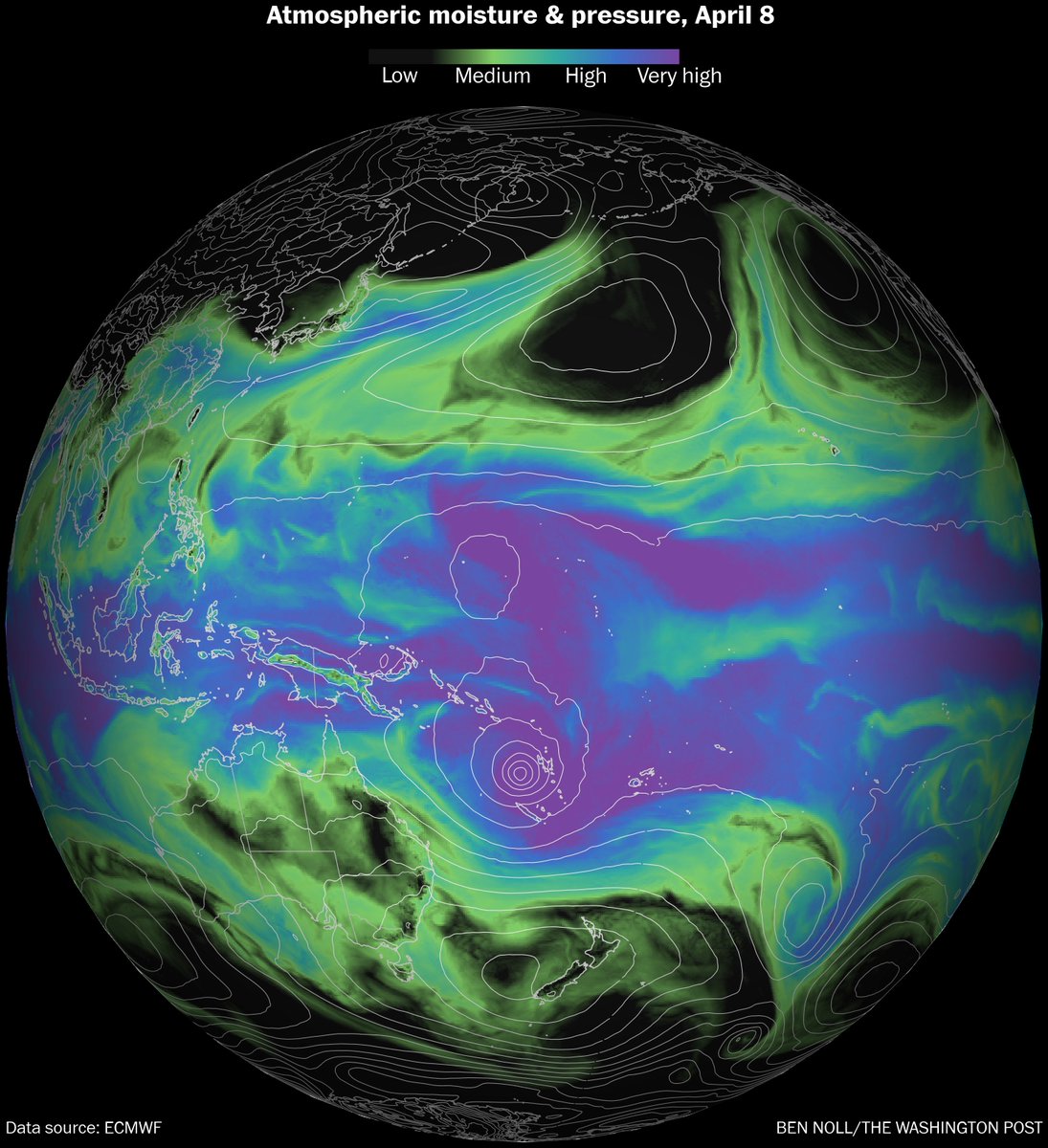
Strongest El Niño on record this year?! New ECMWF guidance shows a *75% chance of a super El Niño* by October, with some scenarios suggesting the most intense event in more than a century. It will bring wide-reaching weather impacts that last into 2027 🧵
GIF
English
83
823
2.2K
482K
CPI379 retweetledi
Rush Rush
Rush Rush@rushtropicalwx·
Super El Nino +2°C by as early as July!!.....Bottom end of the model is my ceiling ~1.5°C. Im not rrady to discuss teleconnections and downstream impacts yet. I think this El Nino will be different. How different? I dont know...
Andrew Moore@OSUWXGUY

Wow, this is a remarkably aggressive forecast for a strong el nino with the ensemble mean north of +2.0C by September - which makes sense given the current intense westerly wind burst certain to drive a massive east bound equatorial downwelling kelvin wave

English
8
10
82
8.3K
CPI379 retweetledi
Andy Hazelton
Andy Hazelton@AndyHazelton·
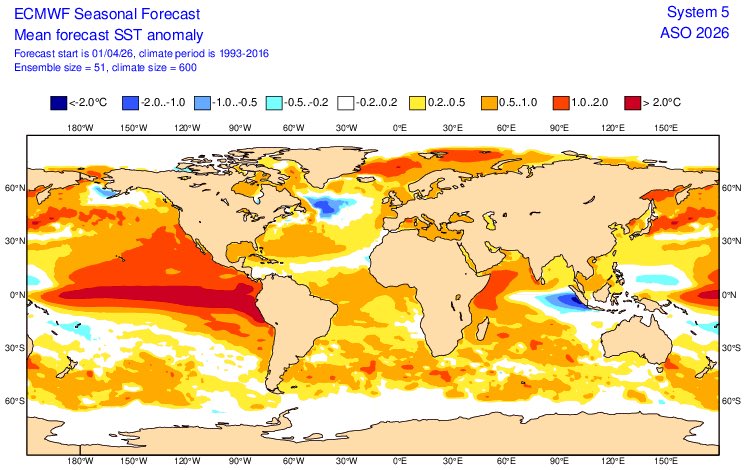
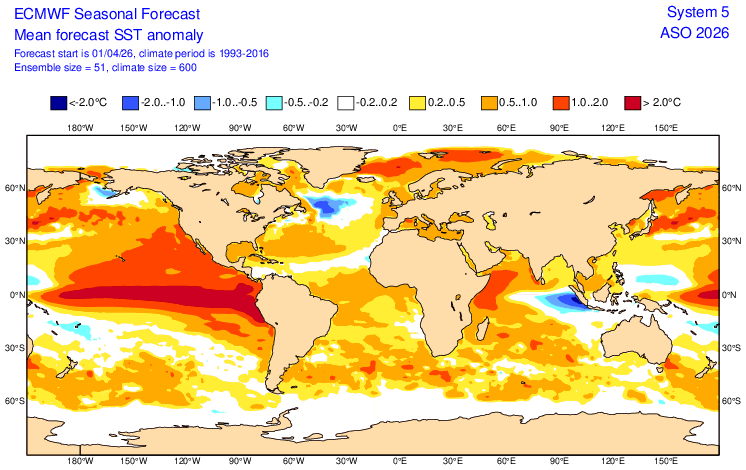
This is a very unfavorable look for the Atlantic. Strong +ENSO, +PMM mean the Pacific will be dominant and active. And the MDR is average in this forecast, with the subtropics warmer. Stability would be an issue even without the increased subsidence and shear from the Niño.
Andrew Moore@OSUWXGUY

Global SST anomaly map for August-October shows the strong el nino, a near normal tropical North Atlantic with warmer anomalies in the subtropcis, and a robust +IOD

English
4
27
155
15.6K
Eric Webb
Eric Webb@webberweather·
Holy 💩
Eric Webb tweet mediaEric Webb tweet media
English
62
154
855
1.5M
CPI379 retweetledi
Abraham Levy
Abraham Levy@hombredeltiempo·
Un evento muy fuerte de #ElNiño a nivel global con implicancias en nuestras costas para mitad de año es lo que trae la más reciente corrida del modelo europeo #ECMWF
Abraham Levy tweet mediaAbraham Levy tweet mediaAbraham Levy tweet media
Español
23
206
677
78.2K
CPI379 retweetledi
Shanaka Anslem Perera ⚡
Right now, 250,000 miles from Earth, an astronaut is filming the Moon’s far side on the same phone in your pocket. NASA Administrator Jared Isaacman approved latest-model iPhones for Artemis II in February, the first time personal smartphones have been permitted on a deep-space mission. Within hours of reaching orbit, crew videos surfaced showing Christina Koch filming Victor Glover while iPhones tumbled through the cabin in zero gravity. Standard consumer hardware. No radiation hardening. No custom chips. The same device you use to check the weather is operating beyond the Van Allen belts where cosmic rays flip transistor states at random and no cell tower exists within a quarter million miles. NASA qualified the phones through radiation characterization, EMI testing, and thermal vacuum screening. They run in airplane mode. All communication routes through Orion’s Deep Space Network and laser links. The iPhones are cameras, not communicators. But that distinction contains the entire future of human spaceflight. Consider the economics of what is happening. The SLS rocket carrying these phones cost $4.1 billion. That figure comes directly from NASA’s Inspector General, who called it “unsustainable.” The rocket is fully expendable. Every RS-25 engine, every solid booster, every tank is destroyed on a single use. The phone floating inside it costs roughly $1,200 and contains more computing power than every machine used during the Apollo program combined. A $1,200 consumer device just proved it can function in deep space without modification beyond a qualification test. A $4.1 billion launch vehicle proved it cannot come back. This is the inflection point nobody is naming. When Isaacman announced the policy change, he framed it as crew morale. Personal photos. That framing undersells what happened by several orders of magnitude. NASA just demonstrated that consumer-grade silicon, optics, and sensors designed for terrestrial mass markets can survive translunar flight. The qualification barrier between Earth electronics and space electronics collapsed for an entire hardware category in a single policy decision backed by a ten-day live experiment. The reason this matters is Terafab. Musk announced on March 21 that 80% of Terafab’s planned chip output targets orbit. The D3 chip being designed for those satellites runs hotter than terrestrial processors to exploit vacuum radiative cooling. The design philosophy starts from the same premise Artemis II just validated: you do not need to redesign consumer electronics from scratch for space. You characterize their behavior under radiation and thermal extremes, design around the failure modes, and accept that cosmic-ray flux is survivable for silicon never intended for it. The iPhone floating in Orion right now is the proof of concept for every AI satellite Terafab will ever build. Not because the chips are identical. Because the philosophy is identical. Test it, characterize it, fly it. Skip the decade of bespoke radiation-hardened redesign that made space electronics cost a thousand times their terrestrial equivalents. Apollo gave us Hasselblad photos that defined a generation. Artemis II will give us iPhone videos from the lunar far side shot on hardware you can buy at any Apple Store. The $1,200 phone that survived deep space just told the $4.1 billion rocket it rode on that the future belongs to consumer-grade hardware launched on reusable vehicles at a fraction of the cost. The qualification wall just fell. Everything that follows moves faster. open.substack.com/pub/shanakaans…
English
19
78
258
40.4K
CPI379 retweetledi
Bloomberg
Bloomberg@business·
A toll operator subsidiary of Brookfield Asset Management that drew the ire of one of Peru’s top presidential contenders has defaulted on $500 million in bonds, hurting pension funds that own a majority of the debt bloomberg.com/news/articles/…
English
8
46
95
29K
CPI379 retweetledi
Eric Webb
Eric Webb@webberweather·
A huge Kelvin Wave is loading up over the West Pacific. Some TAO Buoys have warmed 1-1.5C in just 3 weeks (white box, left) Once the ocean fully integrates the latest round of intense westerly wind bursts, this Kelvin Wave will be absolutely gigantic, arguably rivaling 1997
GIF
Eric Webb tweet media
English
14
48
189
38.4K
CPI379 retweetledi
Ben Noll
Ben Noll@BenNollWeather·
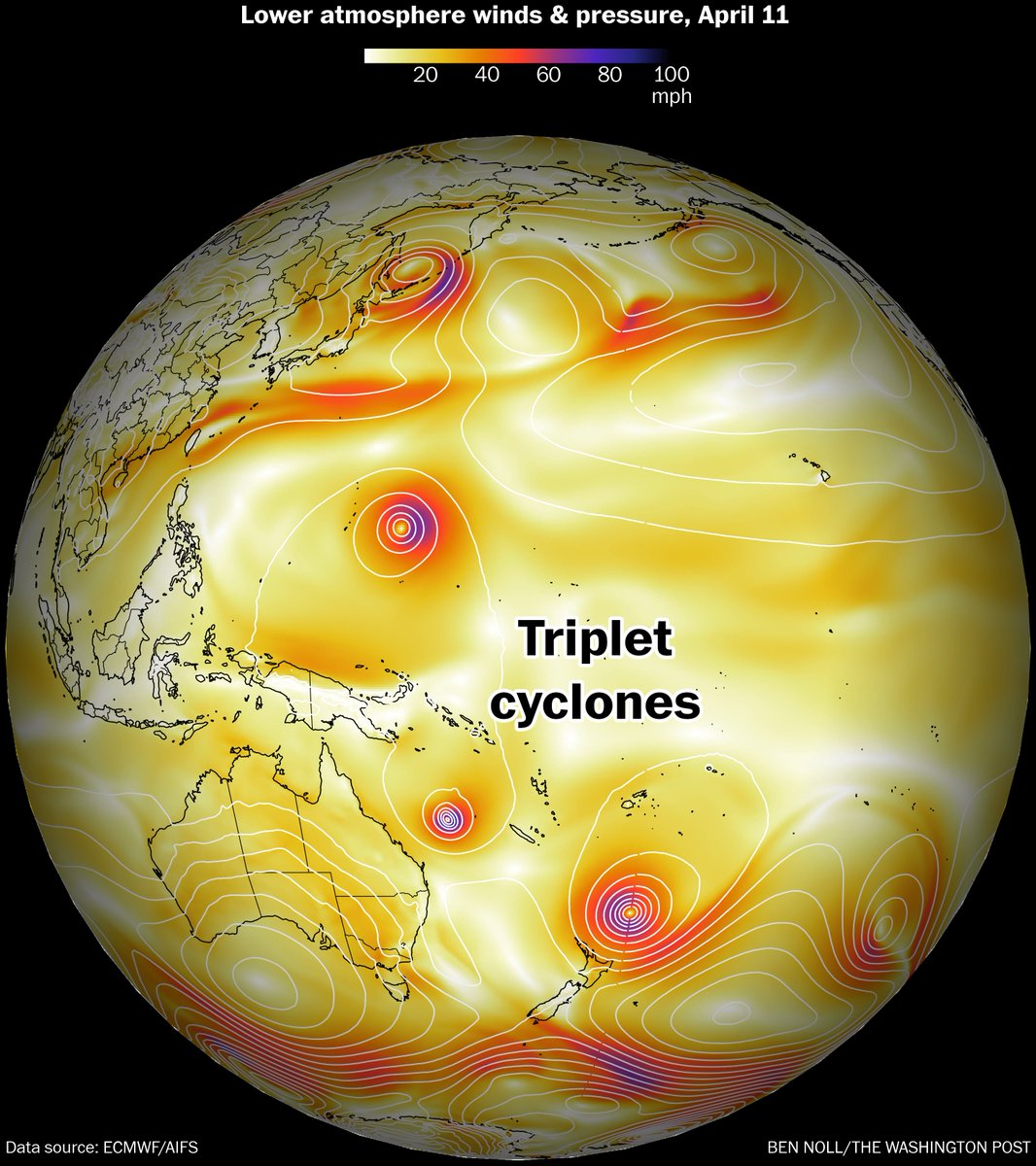
Triplet cyclones? 🌀 🌀 🌀 AIFS has been steadfast in its expectation for triplet cyclones in the western Pacific next week. A significant westerly wind burst is possible from this pattern. It will be interesting to see what happens — this is not something you see every year!
Ben Noll tweet mediaBen Noll tweet media
English
4
47
203
14.3K
CPI379 retweetledi
ContentWeatherGuy
ContentWeatherGuy@ContentWxGuy·
Nina is gone. Nino on its way. Caution with Analogs: *Atmospheric Response takes time! 3-9 months! *Warm band north of ENSO region can disrupt ENSO driven convective responses. Of which will fault general 1:1 ENSO-to-your-doorstep analog weather theory. Those days are LONG over.
GIF
English
6
16
96
7.1K
CPI379 retweetledi
Bloomberg
Bloomberg@business·
The world is getting hotter, and the consequences could be deadly, new research shows. Read this and more stories on today’s Green Daily bloomberg.com/news/newslette…
English
4
5
14
13.6K
CPI379 retweetledi
Ben Noll
Ben Noll@BenNollWeather·
Odds for a super El Niño would get a boost if twin tropical cyclones form in the West Pacific during April. The circulation around these storms would cause another vigorous westerly wind burst, sending yet more warm ocean water toward the east.
Ben Noll tweet mediaBen Noll tweet media
English
7
61
271
21.2K
CPI379 retweetledi
Abraham Levy
Abraham Levy@hombredeltiempo·
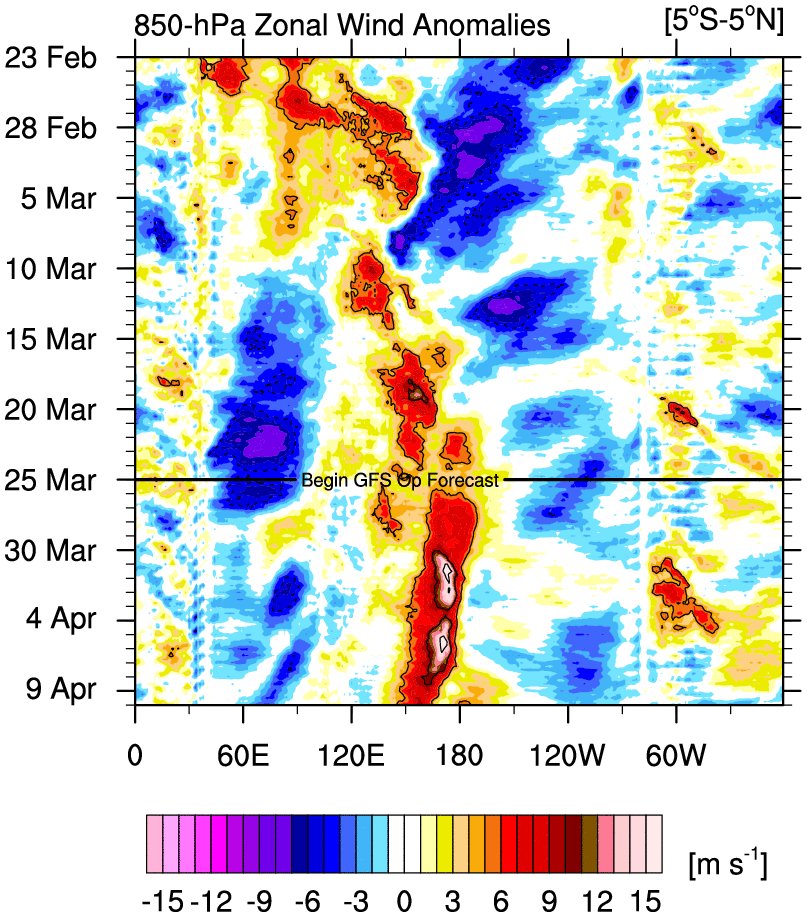
Un continuo debilitamiento/reversión de los vientos alisios (a baja altura) sobre el Pacífico cerca de los 180° está produciendo, y seguirá varios días más produciendo, una masiva Onda Kelvin cálida que calienta toda la capa superficial del Pacífico ecuatorial. Esto refuerza el establecimiento de un evento #ElNiño global. Además el fuerte calentamiento en la Región Niño 4 indica que la piscina o área del océano más caliente, que suele estar hacia Nueva Guinea, se está desplazando al Este. Esto puede resultar instrumental para un evento muy robusto de #ElNiño global más adelante en el año e impulsar la continua llegada de Ondas Kelvin cálidas a la costa de Ecuador/Perú.
Abraham Levy tweet mediaAbraham Levy tweet mediaAbraham Levy tweet media
Español
26
32
174
15K