Sabitlenmiş Tweet

Maria Gargan
4K posts

@CQ_Miya
Sr BizDev Manager, Developer Solutions @ Discord ★ Mom, Geek, Gamer. WoW Resto Sham & Lost Ark Artist main. ★ Former Twitch, Roku, Samsung. ★ Tweets are my own!
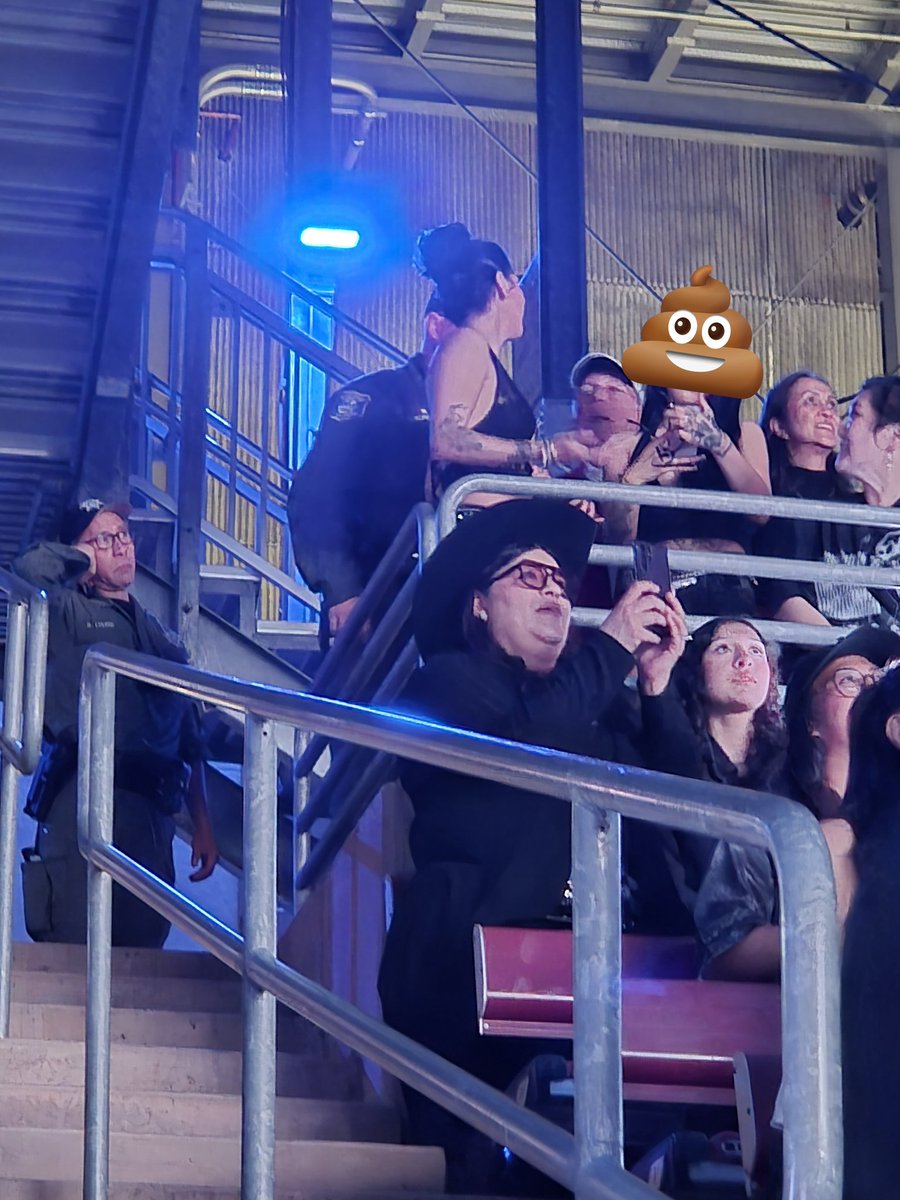

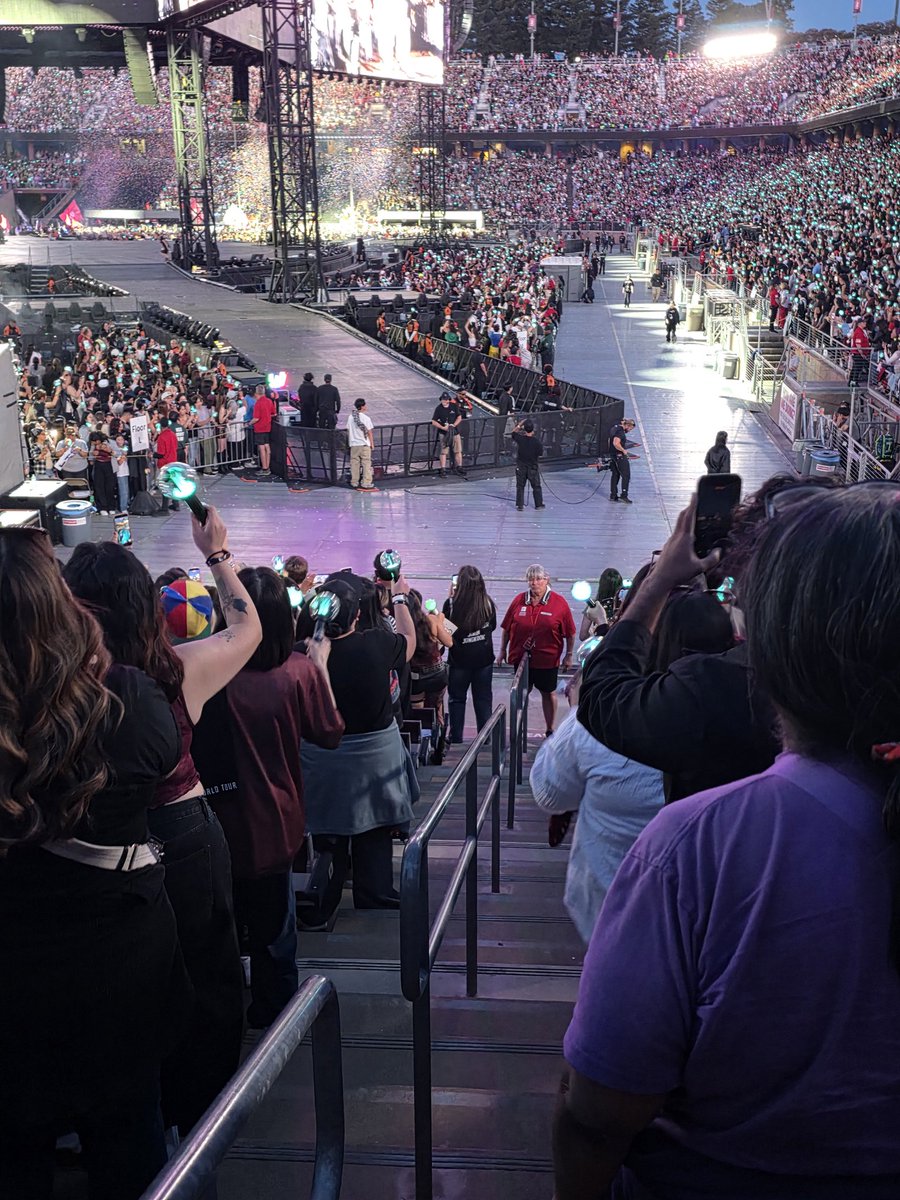


Mind you, Stanford Stadium is completely open air. NOT designed with acoustics in mind. It’s a football stadium. For games. Stanford stadium is also below-grade bowl. One of the most obvious things affecting the way sound travels is the lack of a roof canopy that we see in most stadiums. This means sound escapes straight up into the sky with no roof curves to bounce off back into the floor. This makes it less overwhelmingly loud. Sound is not bounding. It’s just escaping upwards and prevents the reverberation. Second, Stanford stadium is built below ground level. So the dirt and the soil around the stadium act as acoustic absorbents. Most stadiums have concrete or steel walls, allowing sound waves to hit and vibrate back into the crowd. With Stanford, the waves are hitting earth. And gets dampened. Third, Stanford Stadium’s strict local city noise ordinance means sound pressure decibels must be controlled. AND. The stadium has a built-in sound system using precision digital beam-steering technology. Where this technology is directly designed to aim audio towards crowds and prevent from spillage to the outside. Four, atmospheric air pressure. We all saw that it was still daylight despite it being 8pm. Daylight affects sound waves due to thermal refraction. With the sun still out, air closest to the ground is hot. Air on top is cool. This causes sound waves coming from the bottom to travel faster upwards, bending over the crowd and out. The opposite happens at night when theres no more sun bc the lower air cools down. And lastly, as to why certain sections were louder than most, why someone from this section couldn’t hear people from the other sections. Same answer. It’s the lack of surfaces for soundwaves to bounce. No bouncing means it’s not travelling back and forth. Remember, sound travels in concentric circles. Like water ripples. And like water ripples, they vibrate. So if they have surfaces to bounce against, vibration frequency increases. When the vibration frequency of the sound wave increases, the decibel of the sound you hear also increase. If there’s no surfaces to bounce. It escapes. There. Hope this helps.

Lo único más poderoso que el odio, es el amor. The Only Thing More Powerful Than Hate is Love. @sanbenito #AppleMusicHalftime