@PersianShield @MelissaLMRogers @bigmothufacking Check with your physician or dietician. Mine has told me it’s a better alternative to sugar. It has a lower glycemic index.
English
🇿🇦🇿🇦🇿🇦 Meneer 🇨🇦🇨🇦🇨🇦
8.2K posts

@C_meneer
#FAFO Julle het die hornets nest gepoke. Julle gaan uitvind wat kak is.









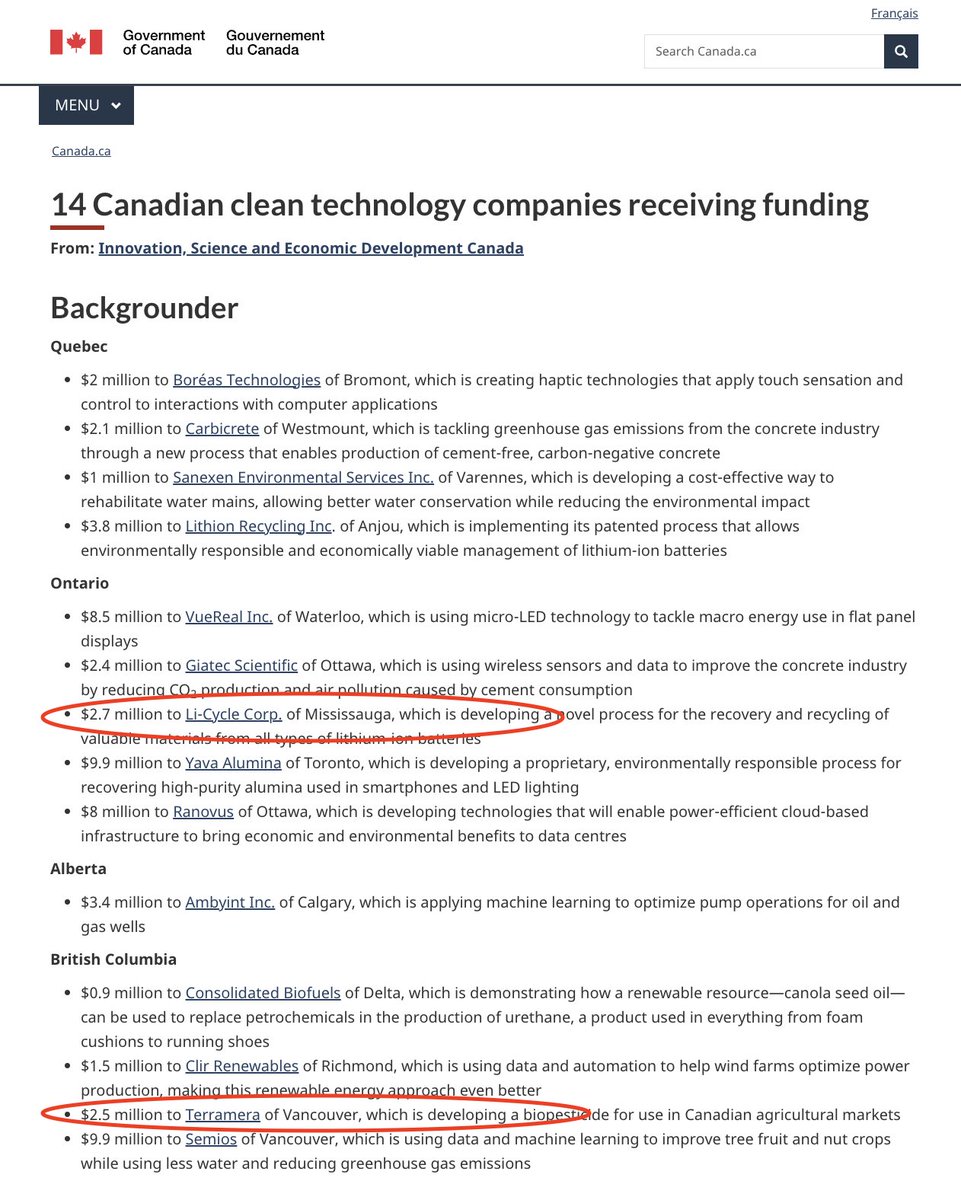
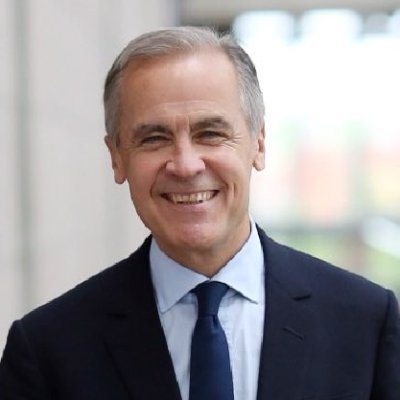
I wrote this about Carney when he announced his bid for PM. His wife is doing the same thing. Why would Mark Carney step away from leading the Glasgow Financial Alliance for Net Zero (GFANZ)—a coalition commanding $130 trillion in assets—right as it faces a U.S. House Judiciary Committee investigation into potential "cartel-like" behavior, only to take on the role of Canada’s Prime Minister? The move seems counterintuitive if you view GFANZ as a golden goose, but digging into the dynamics reveals a few plausible angles. Carney co-founded GFANZ in 2021 and chaired it until January 15, 2025, pushing financial giants to align with net-zero goals. That $130 trillion figure isn’t cash in hand—it’s the total assets of over 450 firms across 45 countries, pledged to decarbonization targets. The U.S. probe, launched by the Judiciary Committee, alleges GFANZ might be a "climate cartel," strong-arming companies into emissions cuts in ways that could breach antitrust laws. By June 2024, when Carney was interviewed, the heat was on. Then, in January 2025, major U.S. and Canadian banks started pulling out—six American and four Canadian, per posts on X—weakening GFANZ’s clout. He resigned that same month, just before diving into Canada’s Liberal leadership race. One theory: he saw the writing on the wall. GFANZ was fraying—banks bailing, legal scrutiny mounting—and his influence there was waning. Jumping to Canada’s PM role could’ve been a pivot to a bigger stage where he could still shape climate policy, but with direct governmental power. As PM, sworn in March 14, 2025, he controls levers GFANZ never could—taxes, subsidies, regulations—that could either prop up or undermine climate finance initiatives like GFANZ. Canada, the world’s fourth-largest oil producer, is a key player in energy markets. His policies could steer billions toward green transition, indirectly bolstering GFANZ’s remnants or similar efforts, without the baggage of a faltering coalition. Another angle: personal ambition. GFANZ was a voluntary alliance, not a company with a $130 trillion paycheck. Carney’s UN envoy gig paid $1 a year—symbolic, not lucrative. Becoming PM offers prestige, a legacy as a national leader, and a chance to tackle Trump’s trade war, which hit Canada hard with tariffs from March 4, 2025. Maybe he weighed a sinking ship against a shot at history. Critics, like those on X, call it a “coward move”—fleeing a “climate scam” for a cushy gig. But he’d argue it’s strategic: as PM, he can influence global finance from a G7 perch, not a beleaguered alliance. The catch? Timing. He left GFANZ after the bank exodus began, not before. If he’d stayed, he’d be captaining a leaky vessel through a U.S. legal storm. As PM, he’s got a fresh slate—though his GFANZ past trails him. Conservative rivals like Pierre Poilievre are already hammering him as “Carbon Tax Carney,” tying him to elite climate agendas. Whether he’s dodging a bullet or chasing a bigger prize, he’s not escaping the fight over climate and capital. He’s just picked a new battlefield.