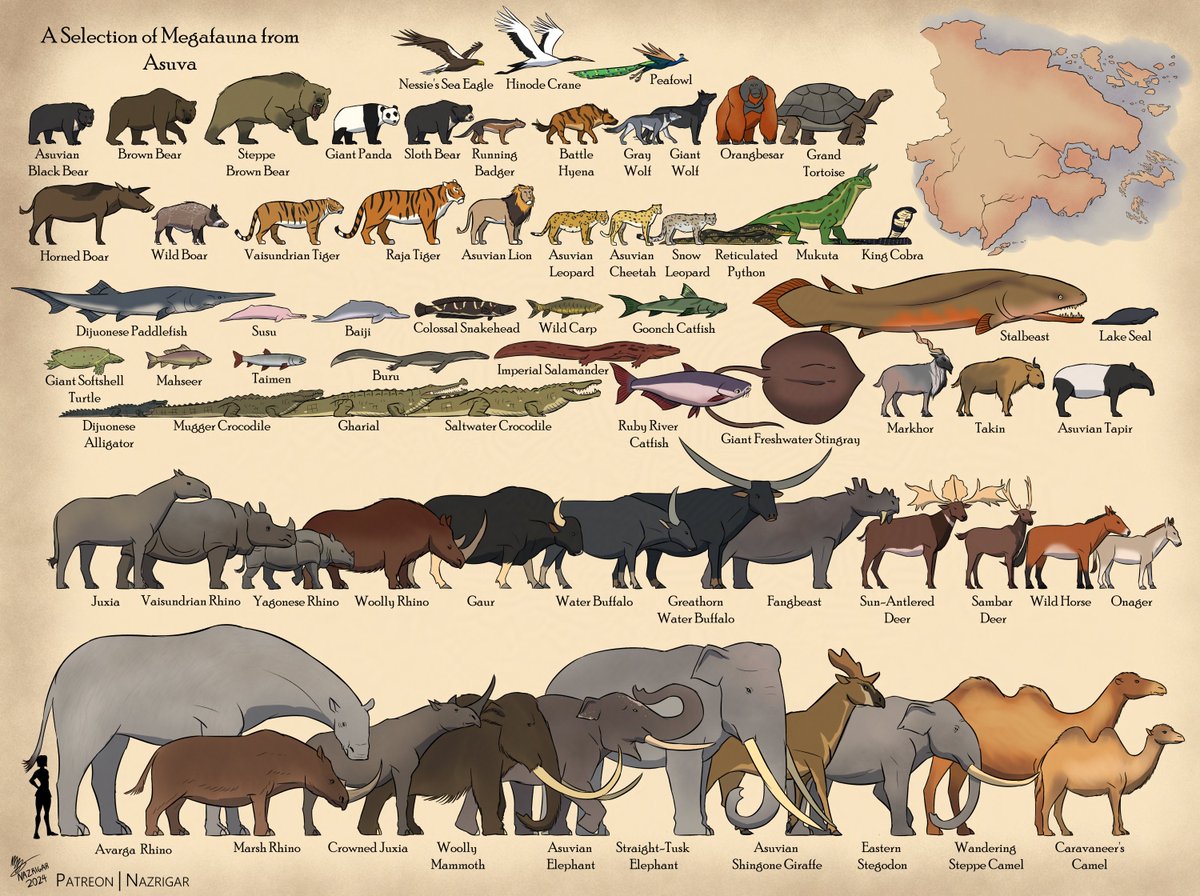
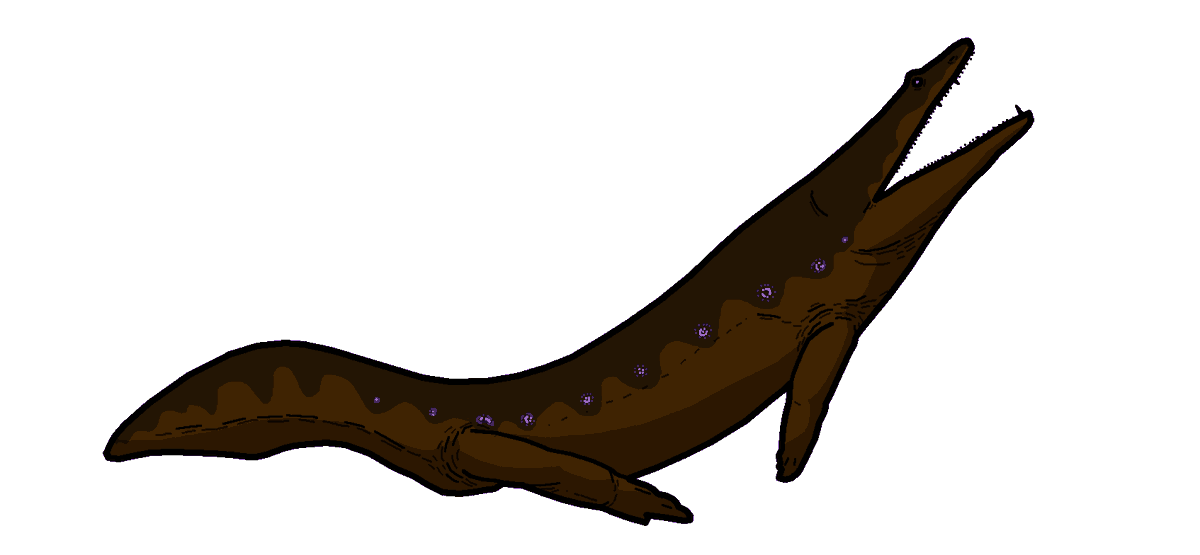
Beast Fables - Megafauna of Asuva
The final continent of the series, and the biggest one. Appropriate for its size, it features of truly gigantic beasts, from Rhizodus to a version of Paraceratherium. The land of rhinos and river monsters.
#specevo#worldbuilding#paleoart
Our latest paper is out today: Oldest Gorgonopsian synapsid suggest therapsids may have originated in equatorial regions. Out in @NatureComms with several colleagues:
#citeas" target="_blank" rel="nofollow noopener">nature.com/articles/s4146…
The Georgia Blind Salamander (Eurycea (=Haideotriton) wallacei) is an obligate inhabitant of groundwater. This means that they are only found below ground and in aquatic systems in the Floridan Aquifer from subterranean sites in both Florida and Georgia.
#Tiltaalik, 375 mya #Devonian#sarcopterygian, “flesh fin,” is one of the most important fossils ever discovered, capturing morphology important for landlubbing.
Tis tucked away in a corner of the marvelous the Houston Museum of Natural Sciences @hmns#FossilCrates
Spring Cavefish (Forbesichthys agassizii, top) are pigmented and have functional eyes; most of the relatives to springfishes and swampfishes are cavefishes that do not exhibit much in the way of pigments and do not have eyes-Southern Cavefish (Typhlichthys subterraneus, bottom).
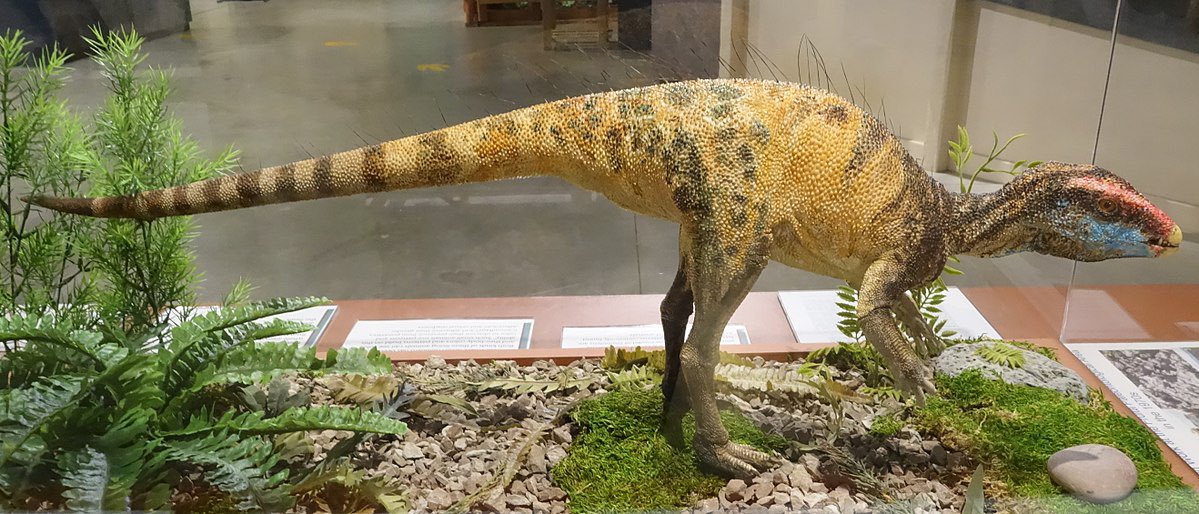
While the Morrison Formation is best known for its giants, Fruitadens is one of the smallest dinosaurs from the formation. It’s also one of the last known heterodontosaurids.
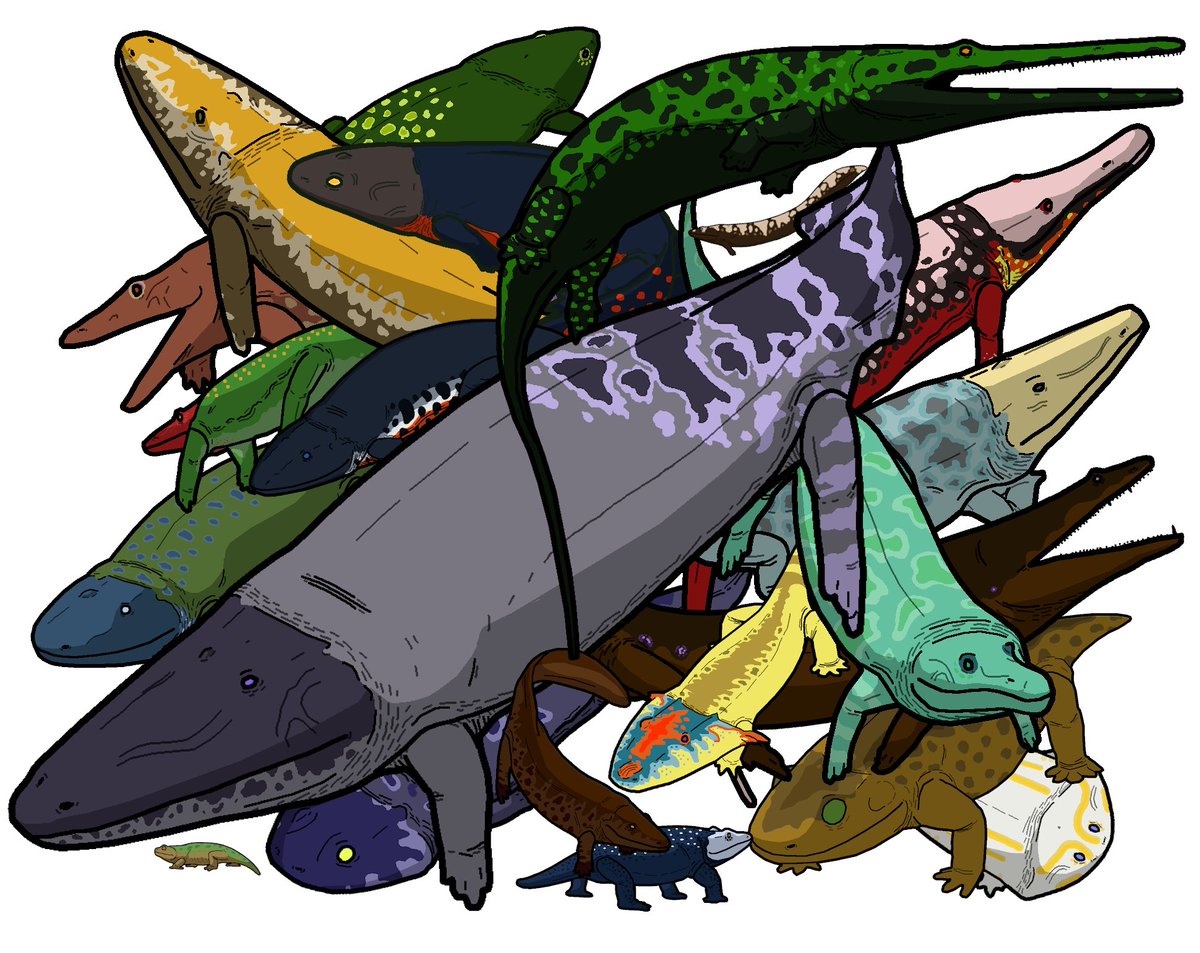
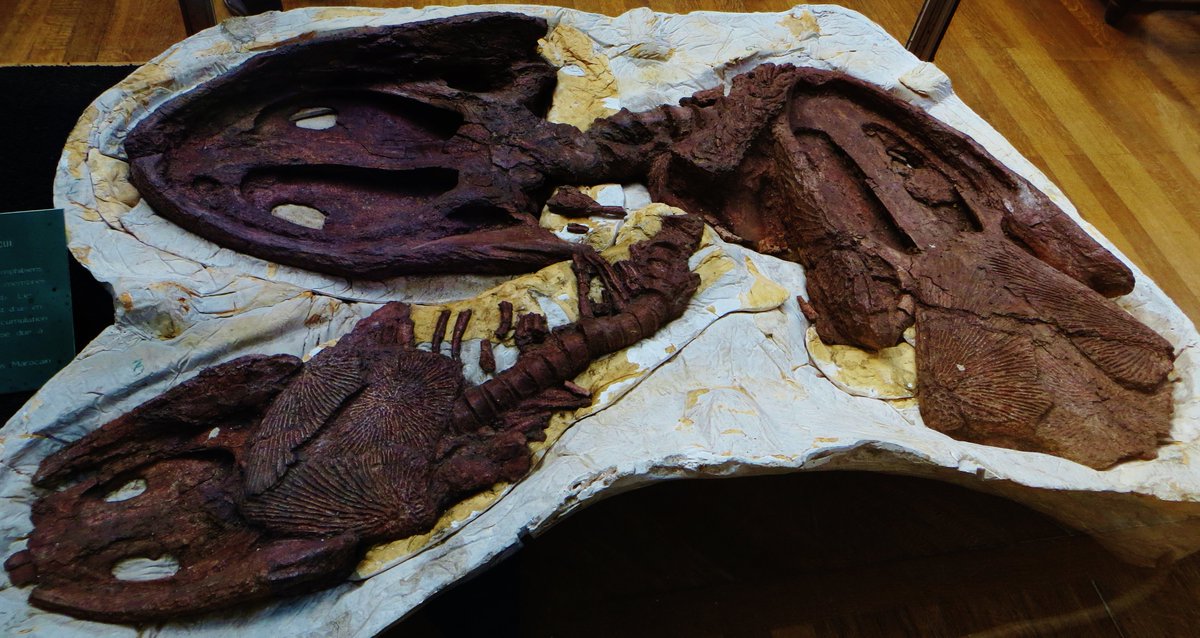
What may be my last tweet (on #TemnospondylTuesday) is announcing an open database for #temnospondyl data that I've been working on for a while:
TEMNOS (Temnospondyl Evolution, Morphology, Nomenclature, and Other Stuff)
doi.org/10.5281/zenodo…
🧵👇
@EmuLarge@incisorial Yes, and colosteids. A lot of the stem gets would be ruled out due to the scales and osteoderms that Japan mentioned. Colosteids for instance have extensive dorsal and ventral scales that would not allow for the spawning behavior shown here.