Sabitlenmiş Tweet
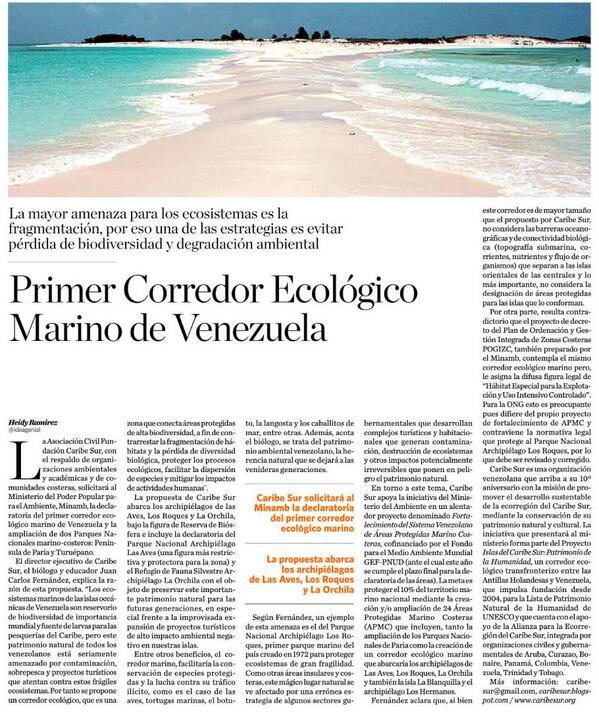
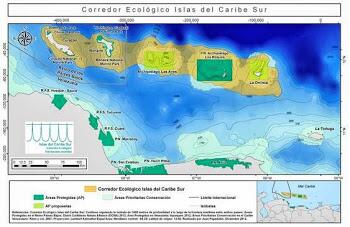
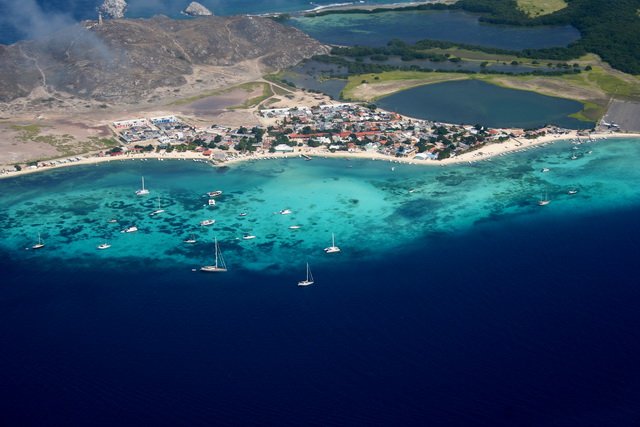
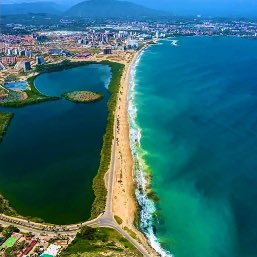
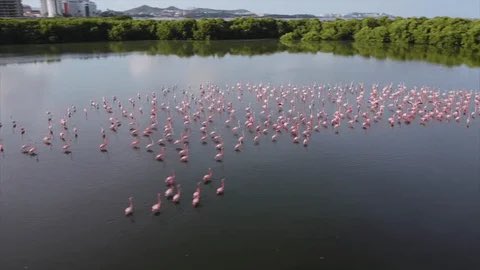
Primer corredor ecológico marino para Venezuela necesita de voluntad política: 2 ABRAEs y una Reserva de Biósfera
Español
Fundación Caribe Sur
64.1K posts
@CaribeSurOrg
Conservación del patrimonio ambiental, cultural y paisajístico del Caribe Sur, desde 2004 📧[email protected] Créditos de imágenes a sus respectivos autores
At a depth of 843 meters, a submersible robot captured something incredible: foraminifera, giant single-celled organisms that look like creatures from another planet… but in reality, they are organisms that inhabit the ocean floor.

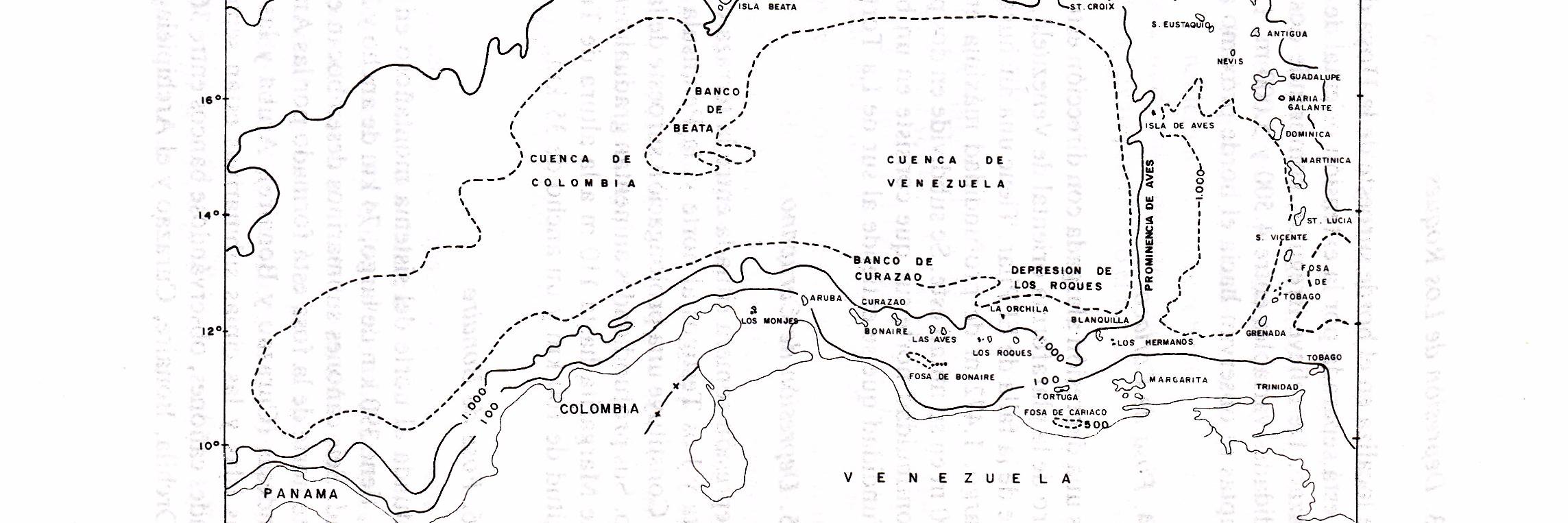
🗺️ Mapping the Caribbean across 400 years of history. The Greater Caribbean Map Project (ca. 1450–1850) catalogs how Indigenous, African, Asian, and European forces shaped the region — now in one open-access digital platform. #DigitalHumanities #CaribbeanHistory


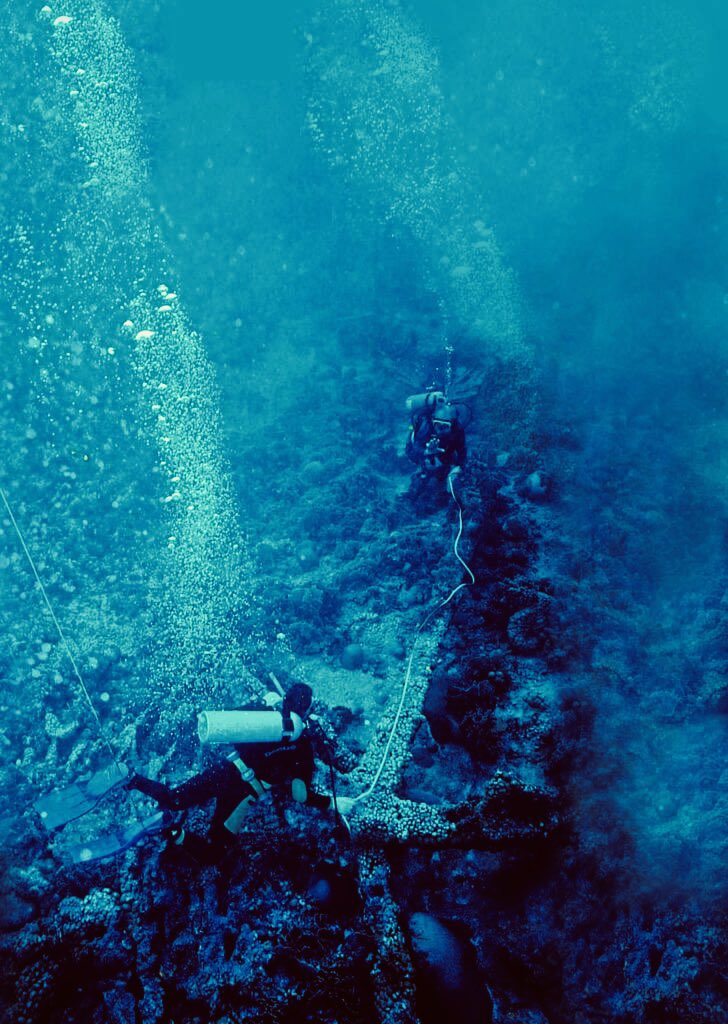

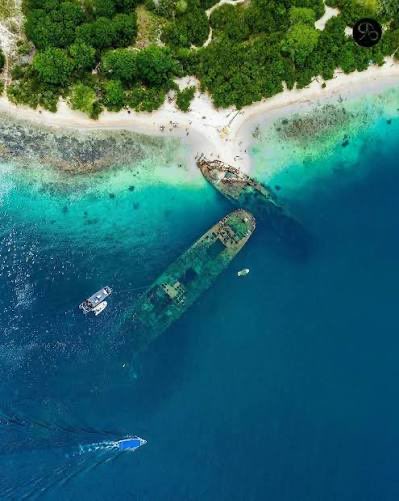
In the context of the 25th anniversary of the 🇺🇳🏛 UNESCO Convention on the Protection of the Underwater Cultural Heritage, from 11–13 March 2026, Kingston, Jamaica 🇯🇲 will host a landmark stakeholder outreach event aimed at protecting our underwater cultural treasures.
Nos llena de orgullo anunciar que el Boletín del Instituto Oceanográfico de Venezuela! Con su Volumen 64, No. (2), diciembre 2025. se suma como revista aliada a nuestra plataforma. @revistasve iov-udo.com/revista/index.…
Fun fact: The first transatlantic internet cable is being pulled off the ocean floor right now. Almost no one knows it's happening. TAT-8 went live in 1988. First fiber-optic cable to connect Europe and the US. Isaac Asimov called it a "maiden voyage across the sea on a beam of light." The engineers behind it genuinely believed it might be the last transatlantic cable the world would ever need. The tech was so far ahead of copper they thought global bandwidth was solved. But it filled to capacity within 18 months. That forced the industry to immediately start laying more cables, a race between demand and infrastructure that still hasn't stopped. After developing a fault too expensive to fix, the cable was retired in 2002. It's been sitting on the seabed ever since. Now a small crew aboard this ship is dragging it back up. Meanwhile, Meta announced Project Waterworth last year, a 50,000 kilometer cable stretching across 5 continents, partly to feed the data demands of AI. ...The entire global internet runs on cables like this, built and maintained by a few thousand people working in places most of us will never see.