Nicholas Carlile

295 posts

Nicholas Carlile

Nicholas Carlile

@CarlileNicholas

Island ecologist with a passion for petrel hunting!

Katılım Kasım 2014
69 Takip Edilen674 Takipçiler
Nicholas Carlile
Nicholas Carlile@CarlileNicholas·
The ‘ace-in-the-hole’ for tree nesting terns is their parental drive that sees adults on nest guard duty from sunset to sunrise. Combined with limited access for rodents along narrow tree branches (and a sharp, lunging beak!).
English
0
1
2
291
Nicholas Carlile
Nicholas Carlile@CarlileNicholas·
@Vidal_Eric_isld And why didn’t H5N1 reach Australia via ‘migratory birds’ in the two previous Spring periods when it was extracting its deadly toll at potential departure sites in the north?
English
0
0
0
74
Nicholas Carlile
Nicholas Carlile@CarlileNicholas·
Capped off two weeks of intensive Little Penguin surveys on NSW coastal islands with confirmation for a new breeding island for the species- that makes 28 for the east coast. All volunteer efforts. Lots of love for Penguins!
Nicholas Carlile tweet mediaNicholas Carlile tweet mediaNicholas Carlile tweet mediaNicholas Carlile tweet media
English
0
2
22
428
Nicholas Carlile
Nicholas Carlile@CarlileNicholas·
Surveying Little Penguins on islands off the NSW coast. Two weeks of cold evening landing counts and day searches for nesting sites. A slog but worth it. State-wide population estimate is the 4-year goal.
Nicholas Carlile tweet mediaNicholas Carlile tweet mediaNicholas Carlile tweet mediaNicholas Carlile tweet media
English
0
1
7
333
Nicholas Carlile
Nicholas Carlile@CarlileNicholas·
This study, led by Lauren Roman, used our 30 year plus banding data from Gould’s petrel on Cabbage Tree Is, NSW. The 1st ever epigenetic clock for a bird- makes that 6000 banding effort to creat this known-age population all really worth it! onlinelibrary.wiley.com/doi/10.1111/17…
Nicholas Carlile tweet mediaNicholas Carlile tweet mediaNicholas Carlile tweet media
English
0
8
20
800
Nicholas Carlile
Nicholas Carlile@CarlileNicholas·
It’s taken 3 years to set-up an our next tracking study in our small Kermadec petrel colony, off Norfolk Island. 80 fledglings now fitted and, based on 2017-2021 cohorts, expected 50% return rates in coming seasons. A slow burn!
Nicholas Carlile tweet mediaNicholas Carlile tweet mediaNicholas Carlile tweet media
English
1
2
21
820
Nicholas Carlile
Nicholas Carlile@CarlileNicholas·
It’s always a pleasure when a 5 year tracking device gives you 7 years of service. This one spent 6 years at sea, on two seperate Kermadec petrels, and is still post-trip calibrating successfully!
Nicholas Carlile tweet mediaNicholas Carlile tweet media
English
0
1
30
1.6K
Nicholas Carlile
Nicholas Carlile@CarlileNicholas·
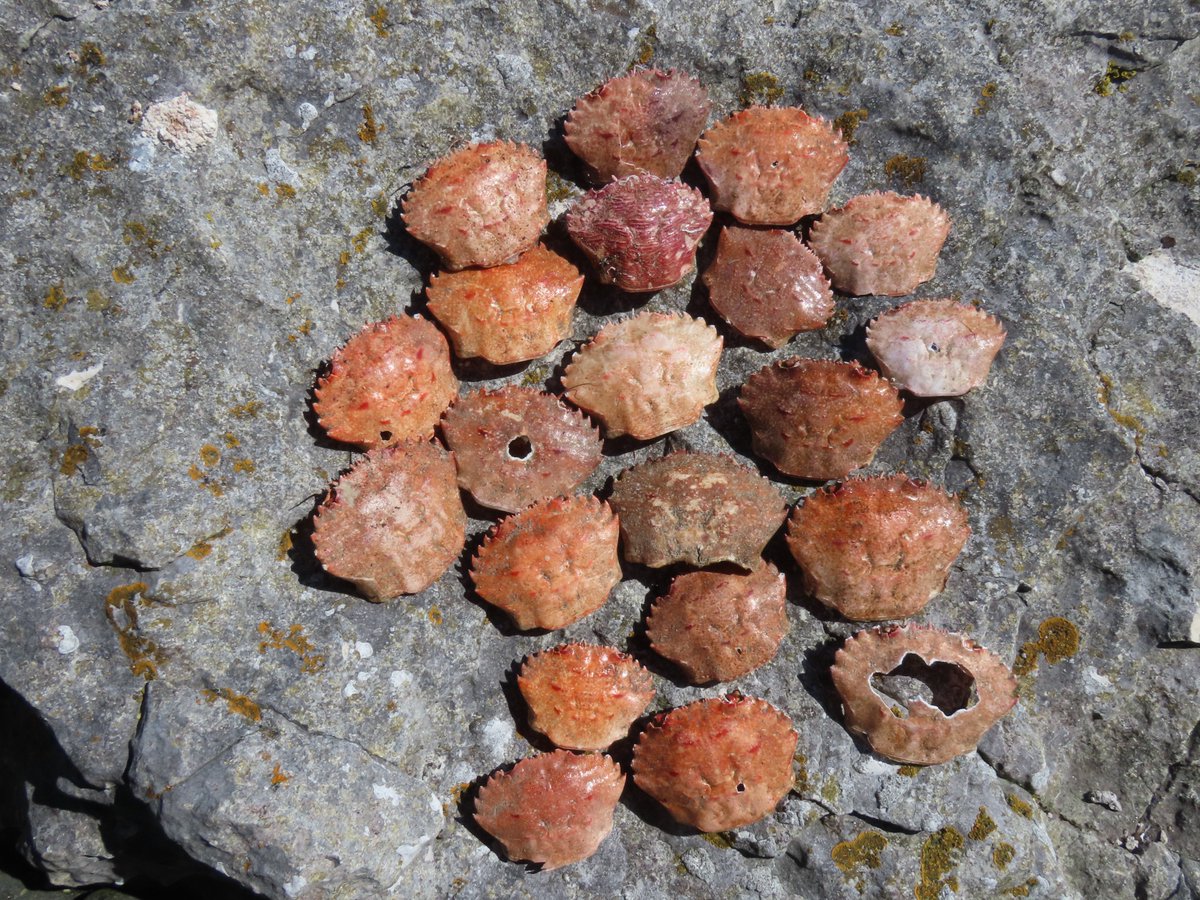
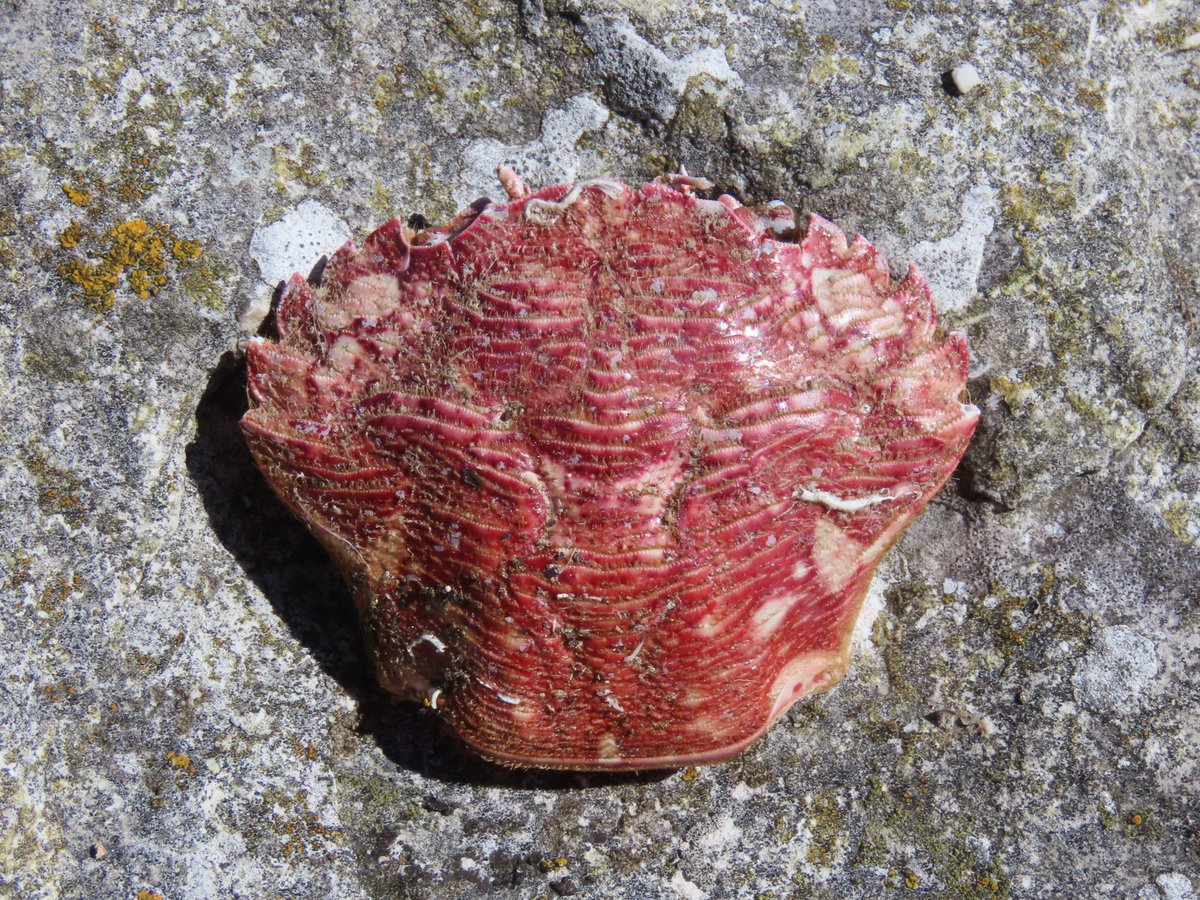
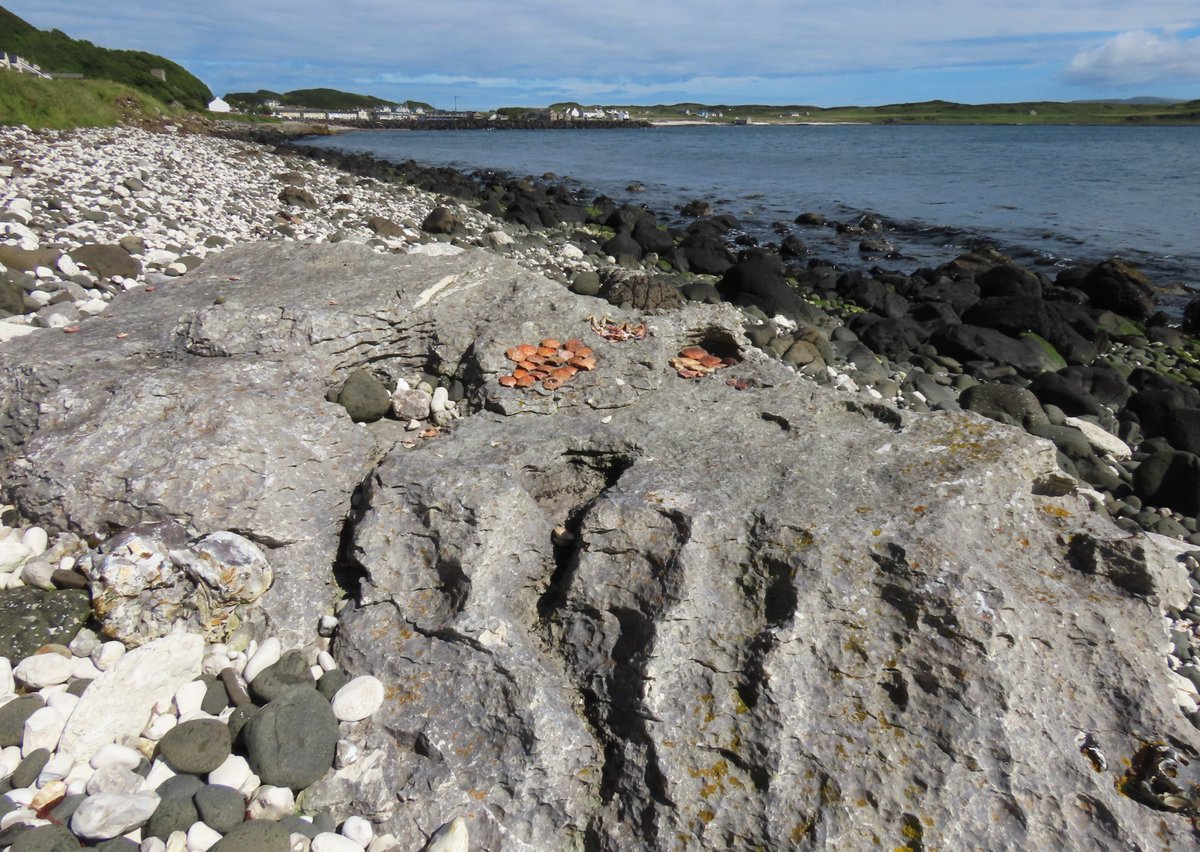
@_Stickybeak With the ongoing eradication on Rathlin, could crab fauna changes be early signs of ecosystem change?
English
1
0
0
57
Rathlin Stickybeak
Rathlin Stickybeak@_Stickybeak·
The gulls' crab-bashing station produced the goods again today - not only was it littered with bits from several species, but again there was one we've not seen before 🤓 Among dozens of Velvet Swimming Crabs, a stripy one stood out as different - Wrinkled Swimming Crab!
Rathlin Stickybeak tweet mediaRathlin Stickybeak tweet mediaRathlin Stickybeak tweet media
Rathlin Stickybeak@_Stickybeak

Someone's been feasting on crabs today - carapaces, legs and claws were scattered all around this big rock like a messy dining table. Edible Crabs and Velvet Swimming Crabs are everyday meals, but haven't seen Common Spider Crab bits before, must be a special treat!

English
3
1
28
2.4K
Nicholas Carlile
Nicholas Carlile@CarlileNicholas·
Nice to be part of the legend in the recovery of one of the rarest petrels in the world. At the beginning of this century its population was doubling every 22years. It’s now accelerating much faster. Good news.
BermudaCahowCam@BermudaCahowCam

In order to band, measure, and translocate Cahows safely, Jeremy Madeiros learned how to do so from Nicholas Carlile (@CarlileNicholas), who had extensive experience with the successful translocation of the endangered Gould’s Petrel (Pterodroma leucoptera) in Australia. 2/2

English
0
3
34
1.2K
Nicholas Carlile
Nicholas Carlile@CarlileNicholas·
@OSNZBirdsNZ @blackpetrelbiz Interesting outcomes from one on NZs long term studies- return rates mirror Aust. Gould’s petrel but both probably clouded by detectable of returning birds- In a big colony, when is a bird not actually there?
English
0
0
1
25
Nicholas Carlile
Nicholas Carlile@CarlileNicholas·
@AUS_NZ_Seabirds Creating pest mammal-free seabird islands should be everybody’s No.1 priority. Ensuring the highest levels of biosecurity and weed management should be No. 2
English
0
1
2
64
Nicholas Carlile
Nicholas Carlile@CarlileNicholas·
Couldn’t think of a more amazing place to study restoration processes and develop management options to enhance the recovery of this landscape. Bring your rock boots!
English
0
0
2
256
Nicholas Carlile
Nicholas Carlile@CarlileNicholas·
This new research show’s importance of strong local communities for isolated seabird populations- we are fortunate that Kermadec/Phillip(Norfolk)/(and Lord Howe) groups of islands are predator free for this species to maintain good genetic diversity in the future.
Nicholas Carlile tweet mediaNicholas Carlile tweet media
AustralasianSeabirds@AUS_NZ_Seabirds

A new paper suggests that low rates of #seabird dispersal between breeding colonies can limit capacity for population recovery. The more geographically isolated a colony is, the less likely it is to receive immigrants to facilitate a bounce-back. link.springer.com/article/10.100….

English
0
0
6
309
Nicholas Carlile
Nicholas Carlile@CarlileNicholas·
The central massif on main island of New Caledonian is pretty rugged, all power to these intrepid seabird researchers!
Bird Conservation New Caledonia@BirdCaledonia

A new colony of Gould's petrels? Our @BirdCaledonia team on a trail of a probable new colony of Gould's petrels, a rare and threatened seabird listed as 'Vulnerable' by the IUCN Only 1 colony is currently known and monitored in New Caledonia Collab with rangers of @ProvinceSud

English
0
1
10
591
Nicholas Carlile
Nicholas Carlile@CarlileNicholas·
Described as: ‘the largest and most complex eradication ever attempted on an inhabited tropical island’. Listed are animals to be introduce from 2024 after getting rid of rats and cats. In Australia, it took 6 years on Macca to get the cats- 4 years on Dirk Hartog. Keen!
Galapagos Conservation Trust@galapagossip

Today, the eradication phase of the Floreana restoration project begins, the largest and most complex eradication ever attempted on an inhabited tropical island! Discover the 12 locally extinct species set to return to Floreana: tinyurl.com/FloreanaBlog 📷© Tim & Kate Bradley

English
0
1
13
718