CarlssonLab

289 posts

CarlssonLab

CarlssonLab

@CarlssonLab

Professor, Uppsala University

Uppsala, Sverige Katılım Eylül 2017
344 Takip Edilen1.1K Takipçiler
CarlssonLab retweetledi

Biology+AI Daily
Biology+AI Daily@BiologyAIDaily·
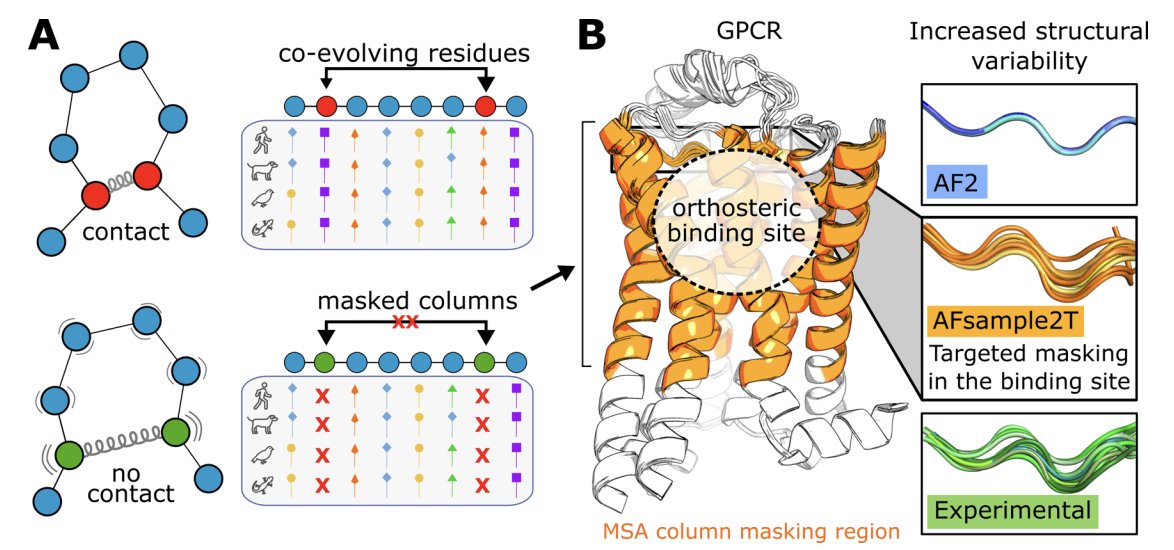
Improving AlphaFold2 Performance in Virtual Screens Targeting GPCRs by Enhancing Binding-Site Conformational Sampling 1. The paper introduces AFsample2T, a targeted AlphaFold2 sampling strategy that boosts virtual screening performance for GPCRs by generating diverse binding-site conformations rather than relying on a single “best” structure. 2. Core idea: mask selected MSA columns only in the orthosteric-site region (extracellular-facing TM segments + part of EL2) to weaken local coevolution constraints and encourage alternative pocket geometries, while keeping the rest of the receptor well-constrained. 3. AFsample2T contrasts with global masking (AFsample2), which reduced binding-site accuracy for GPCRs here (AUC 0.38). Targeted masking preserved fold quality while improving pocket modeling, showing that “where to perturb” matters as much as “how much to perturb”. 4. The authors benchmarked 10 class A GPCRs using 61 curated experimental binding-site structures (from an initial pool of 119 PDB structures) and generated 1,000 models per receptor to quantify how often predicted pockets match experimental ones within 1–2 Å side-chain RMSD (symmetry-aware). 5. Moderate targeted masking improved binding-site accuracy: default AF2 AUC 0.54; adding dropout without masking AUC 0.57; targeted masking at 10–30% reached AUC ~0.59–0.61. Too much masking (50%) degraded secondary structure and collapsed performance (AUC 0.43). 6. The best-performing ensemble (AFsample2T) mixes 250 models each from 0%, 10%, 20%, and 30% masking (with dropout), yielding AUC 0.63 and capturing 73.8% of experimental binding sites at 1.5 Å RMSD vs 60.7% for AF2 (a 22% relative gain at that threshold). 7. A key mechanistic improvement is realistic binding-site plasticity. Median binding-site side-chain RMSF increased from 0.15 Å (AF2; overly rigid pockets) to 0.45 Å (AFsample2T), approaching experimental variability (median 0.58 Å). Backbone RMSF similarly moved from 0.10 Å (AF2) to 0.28 Å (AFsample2T), close to experiment (0.30 Å). 8. AFsample2T also mitigates a known docking issue: AF2 often predicts narrow/collapsed pockets. Across receptors, mean pocket volume increased (209 → 218 Å3) and the “top 1% most open” pockets expanded substantially (272 → 389 Å3), closer to experimental pockets (mean 256 Å3). This was especially relevant for μ-opioid receptor, where AF2 pockets were too collapsed. 9. Virtual screening evaluation used DOCK3.8 with ChEMBL actives (52–202 per receptor) and property-matched ZINC20 decoys, totaling extremely large-scale docking (reported as >240 trillion complexes scored). Rigid-receptor docking was used, making pocket microstates critical. 10. Ensemble screening + ligand-guided model selection is the practical win: while median enrichment of AF2-based models remained below experimental structures, the top 1% AFsample2T models improved early enrichment (mean aLogAUC top 1%: 10.8 → 12.9; mean EF1% top 1%: 7.5 → 9.6). In some targets (e.g., TAAR1, μ-opioid receptor), best AFsample2T models approached top experimental-structure performance. 11. The paper provides a workflow for prospective use: generate ≥250 AFsample2T models for the relevant receptor state, dock a ligand/decoy control set to compute enrichment, select ~top 1% models, manually inspect key interactions/poses, then proceed to large-library prospective screening. 12. Modeling receptor state is handled explicitly: inactive models use receptor sequence alone; active models are generated by cofolding receptor with heterotrimeric G protein sequences via AF2-Multimer, capturing hallmark TM6 movements and separating “state sampling” from “pocket microstate sampling”. 💻Code: github.com/wallnerlab/AFs… 📜Paper: doi.org/10.1021/acs.jc… #AlphaFold2 #GPCR #VirtualScreening #Docking #StructureBasedDrugDesign #ComputationalChemistry #Bioinformatics #ProteinStructure #DrugDiscovery #MachineLearning
Biology+AI Daily tweet media
English
0
15
90
4.9K
CarlssonLab retweetledi
KAW
KAW@KAWstiftelsen·
Article: Improving #AlphaFold2 Performance in Virtual Screens Targeting GPCRs by Enhancing Binding-Site Conformational Sampling #research supported by Knut and Alice Wallenberg Foundation #science tinyurl.com/drybc322
English
0
4
12
762
CarlssonLab
CarlssonLab@CarlssonLab·
In this paper (pubs.acs.org/doi/10.1021/ac…) we introduce AFsample2T, which increases structural diversity in AlphaFold2 models of binding sites. AFsample2T captures multiple relevant binding-site conformations and exploring diverse models can improve virtual screening performance.
English
0
1
4
240
CarlssonLab
CarlssonLab@CarlssonLab·
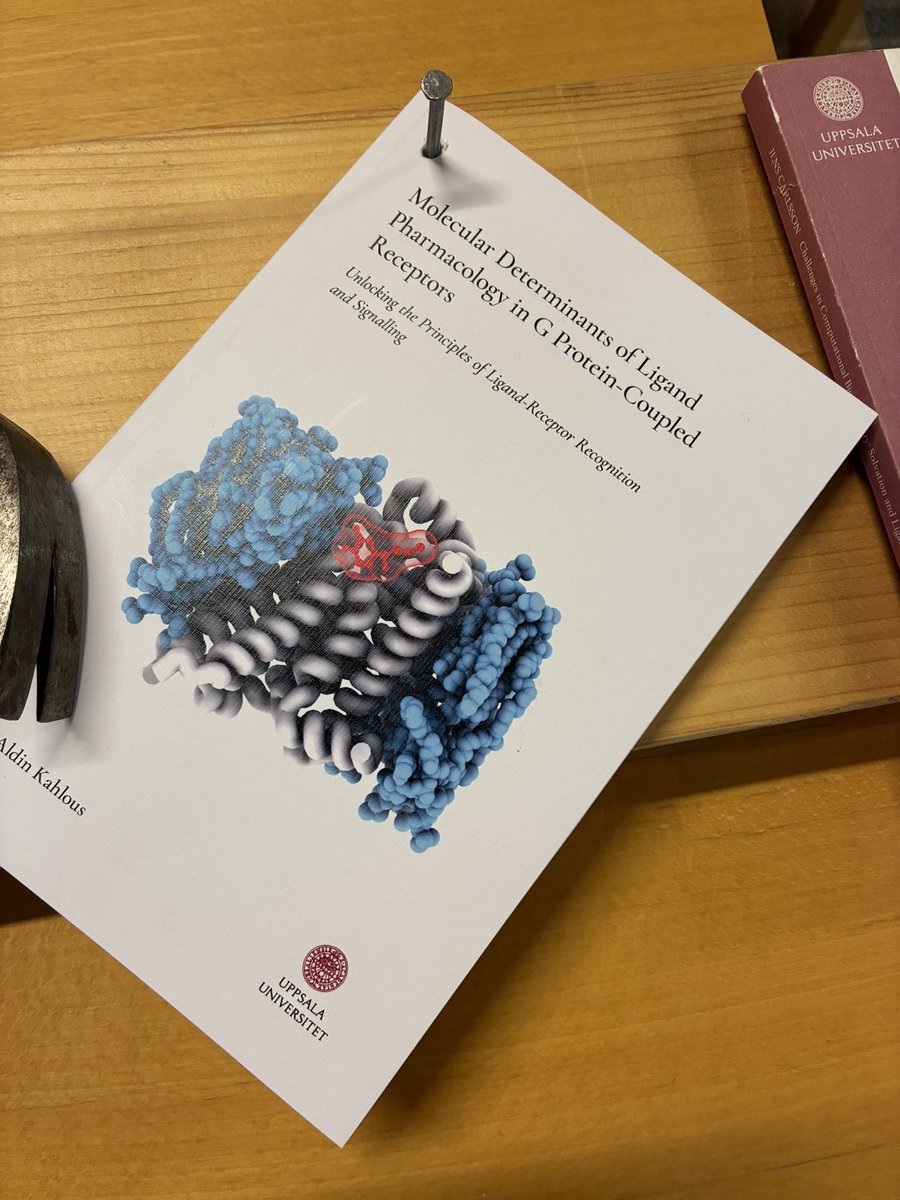
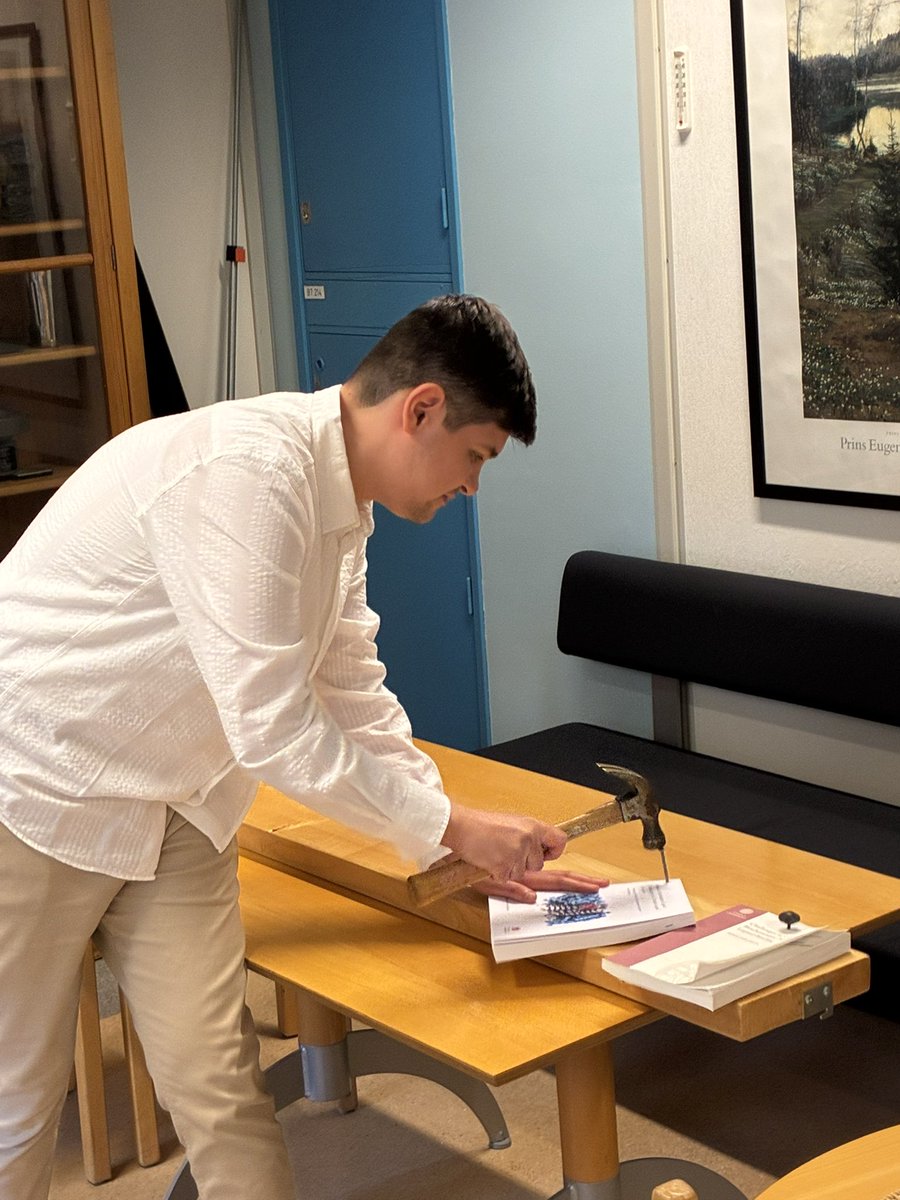
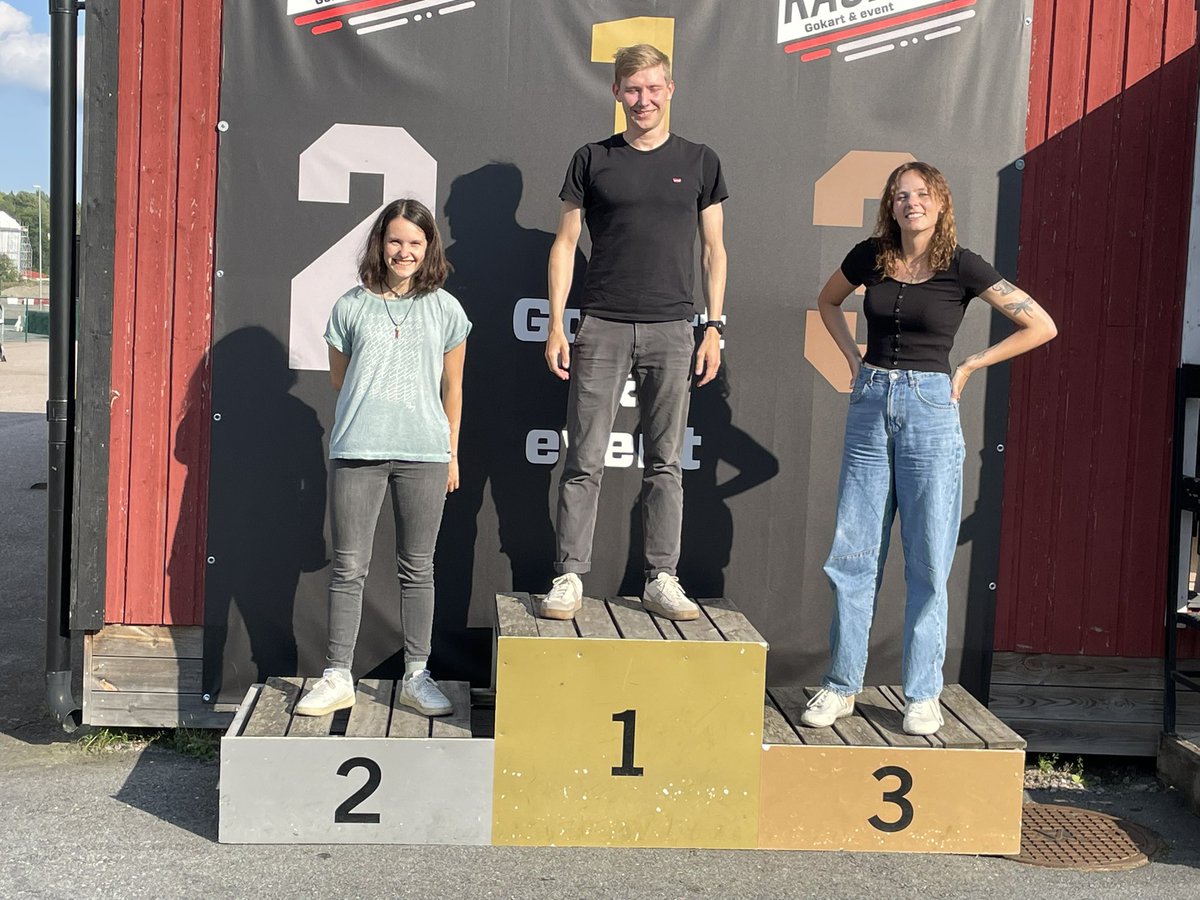
Nour nails his thesis!
CarlssonLab tweet mediaCarlssonLab tweet media
English
0
4
25
2K
CarlssonLab
CarlssonLab@CarlssonLab·
Looking forward to presenting at the Enamine Drug Discovery Conference! Great lineup of speakers! Excited to visit Riga and meet the @EnamineLtd team!
CarlssonLab tweet media
English
1
0
7
280
CarlssonLab retweetledi
BryanRoth
BryanRoth@zenbrainest·
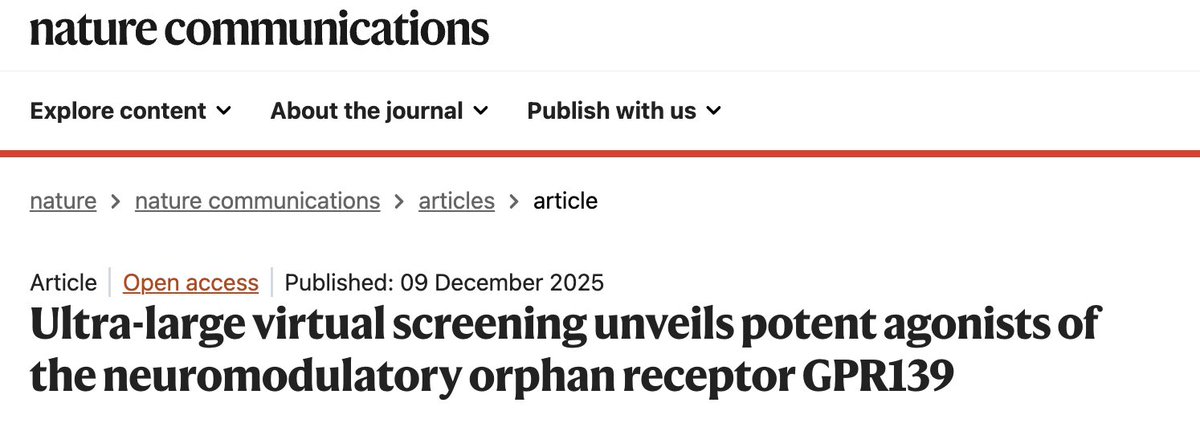
Ultra-large virtual screening unveils potent agonists of the neuromodulatory orphan receptor GPR139 nature.com/articles/s4146…
GIF
English
0
4
21
3.6K
CarlssonLab retweetledi
DrGPCR
DrGPCR@DrGPCR·
Control duration, penetration & PK/PD separation. Plus: Jens Carlsson on predictive modeling + this week’s Premium sneak peek. Read & share ➤ bit.ly/3KVlL4m #DrGPCR #GPCR
DrGPCR tweet media
English
0
1
2
265
CarlssonLab
CarlssonLab@CarlssonLab·
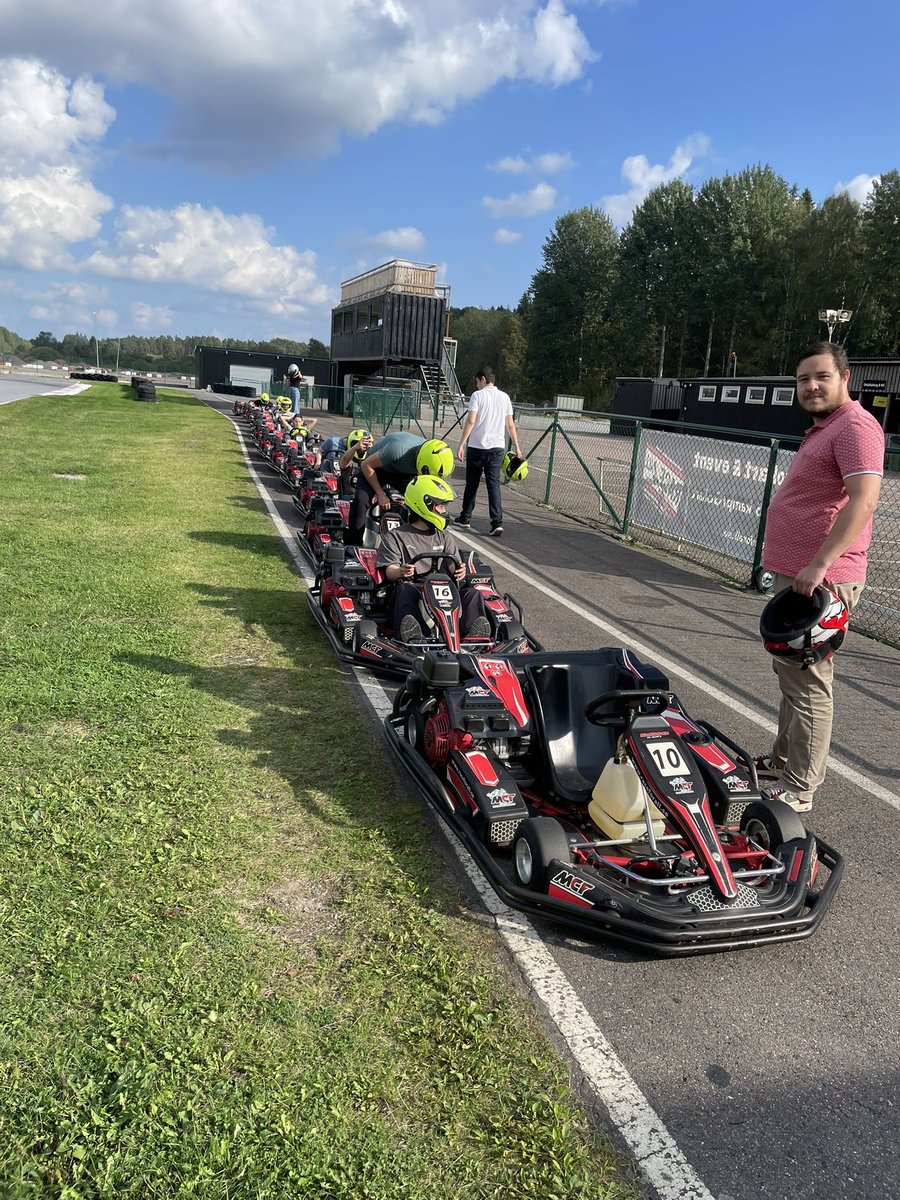
Carlsson lab kick off!
CarlssonLab tweet mediaCarlssonLab tweet mediaCarlssonLab tweet media
English
0
0
3
269