Carson Jones

249 posts

Carson Jones banner
Carson Jones

Carson Jones

@CarsonLJ79

Author, Podcast Host, Business Broker, Commercial Real Estate Advisor. Passive Investments - eXp Commercial

Nashville, TN Katılım Aralık 2022
193 Takip Edilen322 Takipçiler
Carson Jones
Carson Jones@CarsonLJ79·
At 14, Logan Freeman was baling hay for $5.15 an hour while his mom worked two jobs. That's where his work ethic was built — and where he learned trading time for money is a trap. $400 for 80 hours of work will do that to you. Cleaning floors. Washing dishes. Catering gigs on the weekends. Logan learned the value of a dollar the hard way — by earning each one slowly. But the real lesson wasn't about hustle. It was about leverage. Manual labor teaches you discipline. It teaches you what a dollar costs in sweat. What it doesn't teach you is how to scale — because there are only so many hours in a day, and your body has a ceiling your bank account doesn't. The people who break out aren't the ones who work the hardest. They're the ones who figure out how to stop trading time for money and start building something that pays them while they sleep. Logan figured that out early. And it's why he's where he is today. What was the job that taught you the value of a dollar?
English

0
0
1
10
Carson Jones
Carson Jones@CarsonLJ79·
Want to hear something crazy? Justin Spillers renovates units before he closes on the building. Not after. Before. Most investors follow the same script — close, then renovate, then lease, then stabilize. Justin flipped the order on its head, and it's quietly one of the smartest moves I've seen in multifamily. Here's how it works: As part of the purchase agreement, his firm renovates every vacant unit to a "silver level" finish before the deal closes. That single change unlocks four things at once: → The seller is protected. If the deal falls through, they're left holding fully renovated units instead of beat-up vacancies. It's a "yes" that's hard to turn down. → Marketing starts months early. 2D and 3D virtual staging, listing photos, leasing materials — all built while the ink on the PSA is still drying. → Demand stacks up before day one. Waitlists form. Virtual showings run. Interest compounds. → Pre-leases get signed at full market rate. Real revenue, locked in, before he even owns the building. So while most operators are staring at empty units and a renovation budget on closing day, Justin's already collecting rent. That's not a tweak to the playbook. That's a different game entirely.
English
0
0
0
3
Carson Jones
Carson Jones@CarsonLJ79·
The era of "extend and pretend" is winding down — and for borrowers staring at distressed multifamily and office loans, the next move could define the next decade of their portfolio. In this episode, Carson sits down with Shlomo Chopp, Managing Partner of CASE and one of the most respected voices in distressed commercial real estate, to break down exactly how borrowers can negotiate from a position of strength when the loan starts going sideways. With over 20 years in the trenches and nearly $5 billion in CRE deals invested, structured, or advised on, Shlomo has seen every flavor of workout — from CMBS nightmares to family-office repositions. He's also the inventor behind four CRE-related patents and the retailOS™ platform, and has been named a "Top Retail Expert" by RETHINK RETAIL five years running. In other words: when Shlomo talks distressed debt, lenders, borrowers, and operators listen. Inside this conversation, you'll learn: * Why relationships only carry you so far — and what actually moves a lender to grant relief * The single biggest mistake borrowers make with their cash before walking into a workout (and why it kills their leverage) * How to "re-underwrite" your own asset like a new acquisition so you can have an honest conversation with the lender * What lenders actually want (hint: it's almost never the keys to your building) * The negotiation tactics that work in high-stakes restructures — and the ultimatums that blow deals up * When to fix it at the property level vs. when it's time to bring the lender to the table * The early warning signs that your business plan has shifted from a real plan to "hope" Whether you own a single value-add deal or a portfolio of 70+ properties, this episode is a masterclass in protecting your equity, your guarantees, and your reputation when the market turns against you. If you're an entrepreneur, investor, or operator in commercial real estate, this is the conversation you need to hear before you make your next call to your lender. 🎧 Tune in to Carson's Corner: Entrepreneurship & Investing and don't forget to subscribe, rate, and share with someone navigating a tough deal right now.
English
0
0
0
0
Carson Jones
Carson Jones@CarsonLJ79·
A huge thank you to every entrepreneur, investor, family office, and operator who showed up and made the room what it was. No hard pitches — just real conversations between real builders. Exactly what we set out to create. Rooms like this don't happen by accident. Huge thanks to everyone who supported this event. Interested in sponsoring the next one? Let's talk.
English
0
0
0
5
Carson Jones
Carson Jones@CarsonLJ79·
This week, I sit down with Shlomo Chopp, Managing Partner of CASE Investment Advisors. We’re going deep on the harsh reality facing commercial real estate right now: * Why “Extend & Pretend” is officially over * Why trying to “relationship your way out” of distress usually backfires * How sophisticated borrowers can negotiate from a true position of informed strength instead Shlomo brings 20+ years of frontline experience in distressed CRE debt, restructuring, and special situations — including his recent white paper “New Graves to Dance On.” Full episode drops next week. If you’re a sponsor, borrower, or anyone exposed to commercial real estate debt, you don’t want to miss this one. Drop a 🔥 below if you’re dealing with maturing loans or cash flow pressure right now.
Carson Jones tweet media
English
0
0
0
1
Carson Jones
Carson Jones@CarsonLJ79·
The Saudi PIF — a sovereign wealth fund considered the gold standard in the investment world — invested into two of Salvatore Buscemi's portfolio companies. One was AI.io. Sal's firm entered when the company was valued around $30M. Today it's estimated between $5B and $10B. The other connection: SpaceX. Sal's group is now on their 10th allocation, and the Saudi PIF has also invested $5B into the company through AI.io. But the part that stood out most wasn't the returns. It was the due diligence. Sal said from firsthand experience — when the Saudi PIF evaluates an investment, every detail is examined. Nothing gets through without intense scrutiny. That's how serious capital operates. The lesson for founders, sponsors, and capital raisers: If you want institutional investors in your deals, you have to build something that can survive institutional due diligence. Because when the biggest pools of capital move, they already know exactly what they're buying. Full episode here: carsonscorner.online
English
0
0
0
7
Carson Jones
Carson Jones@CarsonLJ79·
Request your invitation → dealmaker.events This sounds different. No pitches. No panels. Just real conversations. That’s how deals actually happen. Relationships. A curated room of operators, investors, and business owners in the arena. A room that you can learn from. How are others using AI right now? I used Wan 2.6 for the video below and Claude to build the event website. We’re keeping it tight—on purpose. 📍 Murfreesboro, TN 📷 April 23rd | 5:30–9:30 PM
English
0
0
0
7
Carson Jones
Carson Jones@CarsonLJ79·
My mom was supposed to be on that plane in 1970. The Wichita State football team boarded two planes to Logan, Utah. 31 people on the Gold Plane never came home. My mom was a cheerleader at Wichita State. She had a seat on that flight. Until she didn't. Wealthy boosters wanted spots on the Gold Plane. The one with the starters. The one with the coaches. The one that felt like the right place to be. So the girls got bumped. The cheerleaders were furious. That picture above? That's my mom — Mary Jones — at the next game. War Memorial Stadium. Still cheering. Still showing up. In business, we spend so much energy chasing the right room, the right plane, the right seat at the table. Sometimes getting cut in line is the thing that saves your life. Be grateful for the doors that didn't open. ESPN documented this story beautifully. The photo of my mom is from their footage at War Memorial Stadium. espn.com/college-footba…
Carson Jones tweet media
English
0
0
1
95
Carson Jones
Carson Jones@CarsonLJ79·
Most entrepreneurs are chasing the next deal. The best ones are building the relationships that bring deals to them. Here's what nobody tells you early on: The most valuable thing in any room isn't the pitch, it's the person sitting next to you. The operator who's already solved the problem you're facing. The founder who sees the market differently than you do. The investor who can explain why they passed and what they're actually looking for. Those conversations don't happen on LinkedIn. They happen face-to-face, in a room built for them. That's why we created The Dealmakers Roundup. No panels. No pitches. No name tags on lanyards. Just a curated room of entrepreneurs, operators, and investors — sharing what's actually working, what's not, and where they're headed next. Because the best deals often don’t show up on crexi or LoopNet. It comes from people who trust you enough to pick up the phone. 📍 Murfreesboro, TN 📅 April 23rd | 5:30–9:30 PM 🎟️ $40 — Food & drinks included If you value relationships over transactions, this is the room. Request your invitation → dealmaker.events
English
0
0
1
12
sebCFO
sebCFO@sebCFO·
@CarsonLJ79 Understanding unit economics separates winning pitches from losing ones. At sebCFO, we watch real estate founders succeed when they master their numbers alongside their vision.
English
1
0
0
2
Carson Jones
Carson Jones@CarsonLJ79·
What does it take to win a Pitch Slam in front of seasoned investors at one of real estate's biggest conferences? Justin Spillers — attorney, e-commerce entrepreneur, and founder of Real Estate Alpha — just did exactly that at the Best Ever Conference 2026, and in this episode he breaks down exactly how. Justin's journey is anything but a straight line. He spent seven years as a corporate attorney during the early e-commerce and offshore manufacturing boom, then built a contract manufacturing and online brand business that surpassed $100 million in sales over five years. Today, he channels that legal precision and operational discipline into a laser-focused Midwest multifamily strategy — and investors are taking notice. We dig into the nuts and bolts of Real Estate Alpha's playbook: targeting C-class apartment complexes along the I-75 corridor in Western Ohio, converting them to B and B+ assets, and doing it faster than nearly anyone else in the market. Justin's team underwrites roughly 1,200 deals per year to hand-select just two to four "home run" acquisitions — then executes with a fully vertically integrated operation that turns units in seven days or less (with a goal of 96 hours). We also get into the preferred equity fund structure Justin built to give investors something rare: a fixed 12% annual return, 90-day liquidity after year one, a return-of-capital tax strategy that can defer taxes until year nine, and $31 million in existing portfolio equity serving as a protective buffer — with Justin putting in 50% of acquisition capital himself. In this episode: * Winning the Pitch Slam at Best Ever Conference 2026 — and the strategy behind it * Why Justin's firm underwrites 1,200 deals a year to buy just 2–4 * The 7-day unit turn model and how standardization makes it work * How his legal and e-commerce background shapes smarter deal structuring * The preferred equity fund built around transparency, downside protection, and liquidity * Why "nervousness is just a lack of preparation" — and how that mindset drives everything For property evaluations you can reach me at 615-212-5524 Or Carson@passive.investments Connect with me linkedin.com/in/carsonjones/ Other Episodes: carsonscorner.media passive.investments/podcast/ Disclaimer: This podcast is for informational and educational purposes only and should not be considered professional advice. Always consult your attorney, CPA, or financial advisor before making any financial decisions. All investments and property ownership carry risk, including the potential loss of principal.
English
1
0
2
35
Carson Jones
Carson Jones@CarsonLJ79·
This sounds different. No pitches. No panels. Just real conversations. That’s how deals actually happen. Relationships. A curated room of operators, investors, and business owners in the arena. A room that you can learn from. How are others using AI right now? I used Wan 2.6 for the video below and Claude to build the event website. We’re keeping it tight—on purpose. 📍 Murfreesboro, TN 📅 April 23rd | 5:30–9:30 PM Request Your Invitation: dealmaker.events
English
0
0
1
11
Carson Jones
Carson Jones@CarsonLJ79·
Dave Seymour: From A&E Flipping Boston to Impact Investing Impact investing isn’t just about returns—it’s about changing lives while building real cash flow. In this episode, Dave Seymour shares how he went from firefighter and paramedic to starring on Flipping Boston—and ultimately into one of the most compelling impact investment models in real estate today: sober living facilities. Now 36 years sober, Dave is combining purpose and profit by acquiring multifamily properties and converting them into recovery housing—creating strong returns through a “rent-by-the-bed” model while building environments that genuinely change lives. We break down: * How impact investing can outperform traditional real estate * The sober living model (and why it works financially) * The role of the Dover Amendment in scaling * How insurance-backed outpatient programs boost revenue * Structuring deals targeting ~14% returns over 24 months This isn’t theory—this is a model where mission and margins align. Other Episodes: carsonscorner.online
English
0
0
1
16
Carson Jones
Carson Jones@CarsonLJ79·
Most people getting into real estate focus on the wrong thing first. They chase the deal. They want to be the operator. They try to “own the whole thing.” But here’s the reality 👇 Capital is the foundation of every deal. No capital = no deal. No deal = no business. That’s why one of the smartest paths, especially starting out—is to focus on raising capital. And many start raising for someone else. Not because operations don’t matter… But because operations carry the most risk. Managing an apartment complex with millions on the line isn’t where you want your first reps. Instead: Pick a lane. Master it. If that lane is capital raising, plug into a team that already has: • Deal flow • Operational experience • Proven systems You bring the fuel. They drive the car. Over time, you can expand into other roles. But trying to do everything on your first deal? That’s how people learn expensive lessons. The best investors I know didn’t start by doing it all… They started by becoming valuable in one area—and scaling from there.
English
0
0
1
12
Carson Jones
Carson Jones@CarsonLJ79·
Yonah is very Weiss… especially when it comes to taxes. Most investors completely overlook this… Some of the best tax advantages in real estate aren’t in apartments or office… They’re in mobile home parks and RV parks. After talking with Yonah Weiss, here’s why 👇 These assets aren’t really about the “building.” They’re about the land improvements. Think: • Roads & pavement • Concrete pads • Utilities • Fencing & landscaping • Retaining walls All of that gets classified as 15-year property. And that’s where things get interesting… Because 15-year assets qualify for bonus depreciation. Which means: 👉 You can often accelerate 50%–80% of the purchase price 👉 In year one Let that sink in. Compare that to traditional multifamily where a much smaller portion qualifies… Completely different tax profile. One important note: Land itself doesn’t depreciate. So you strip out the land value first… And what’s left gets allocated to those shorter-life assets. This is why asset selection matters more than most people realize. Two deals can have the same return on paper… But completely different after-tax outcomes. That’s where real investors separate from average ones. Have you looked a Cost Segregation done for your property? #commercialrealestate
English
0
0
1
10
Carson Jones
Carson Jones@CarsonLJ79·
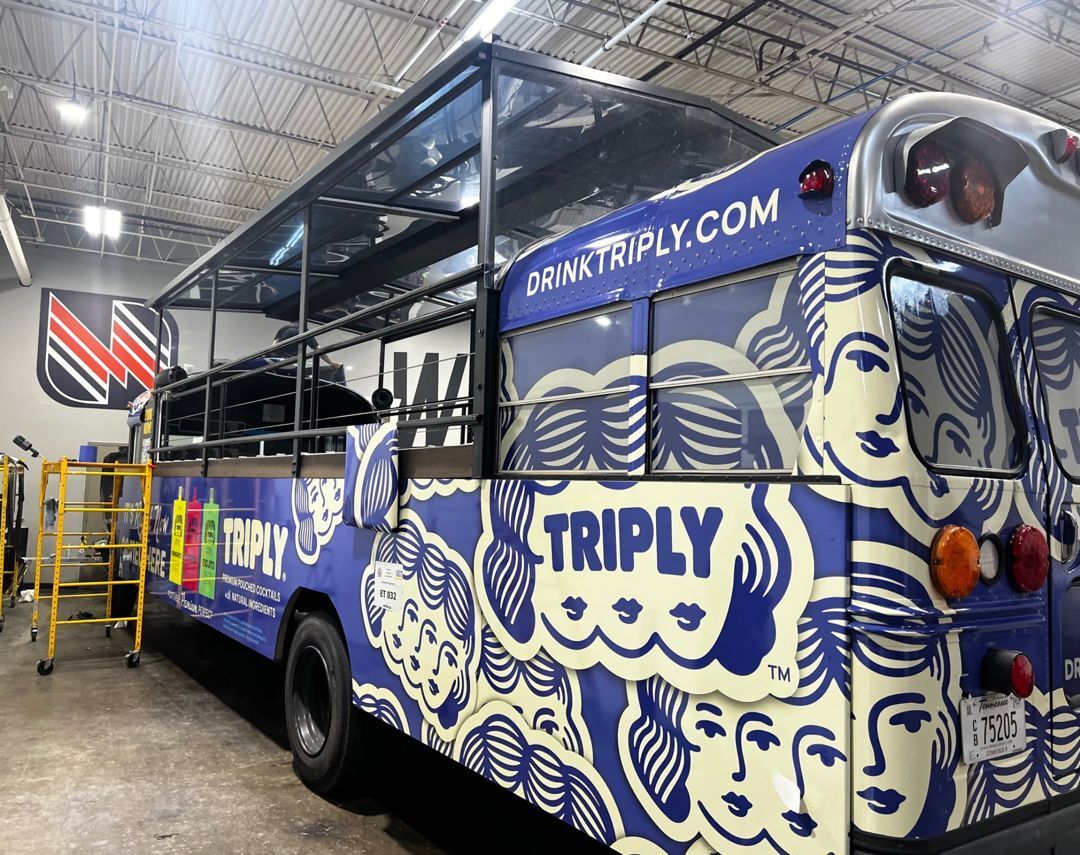
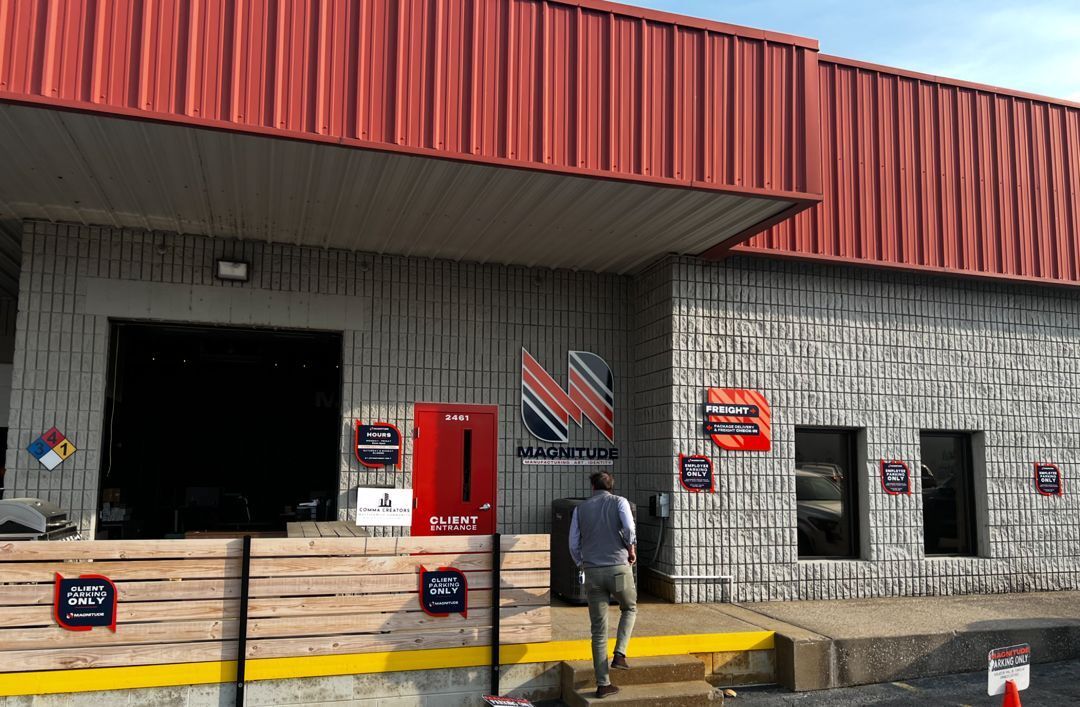
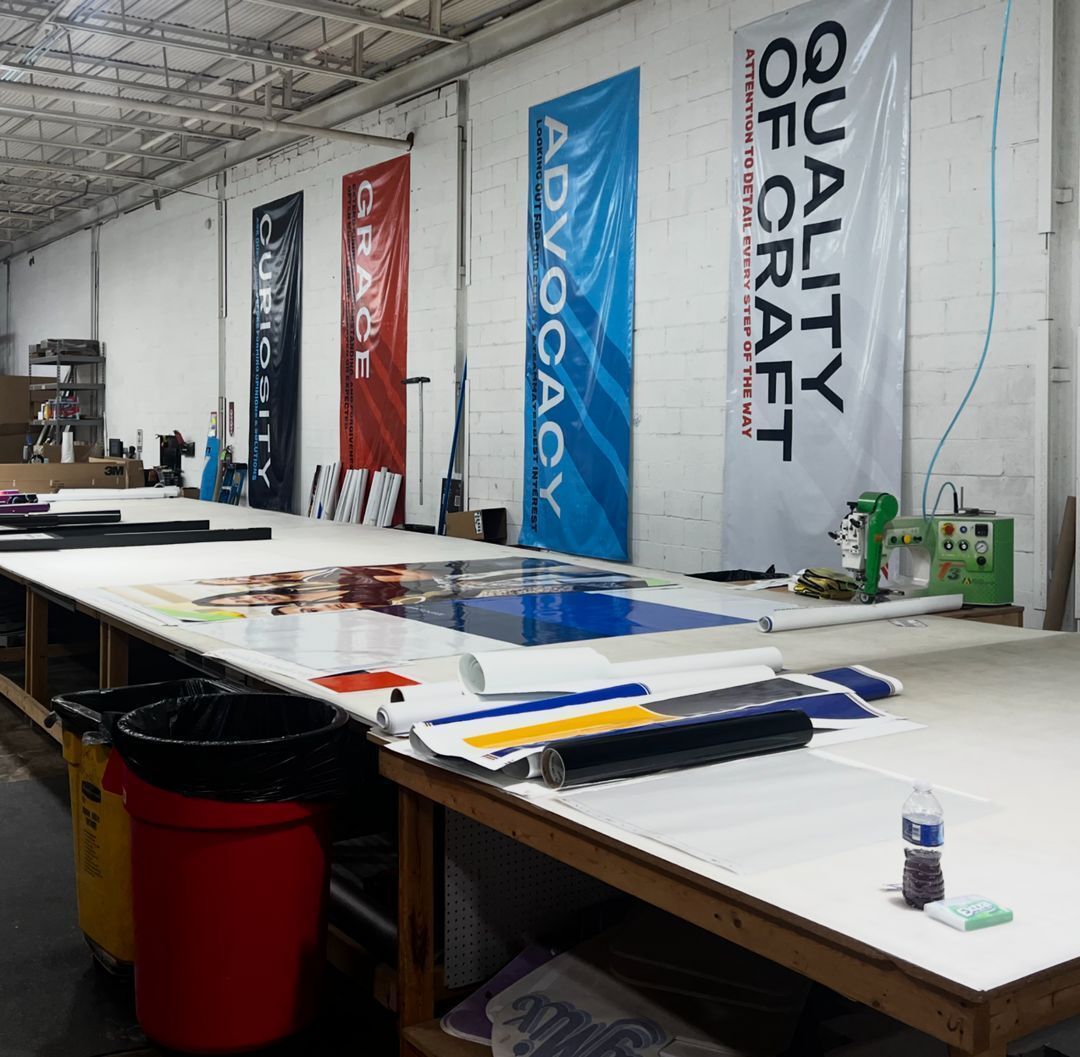
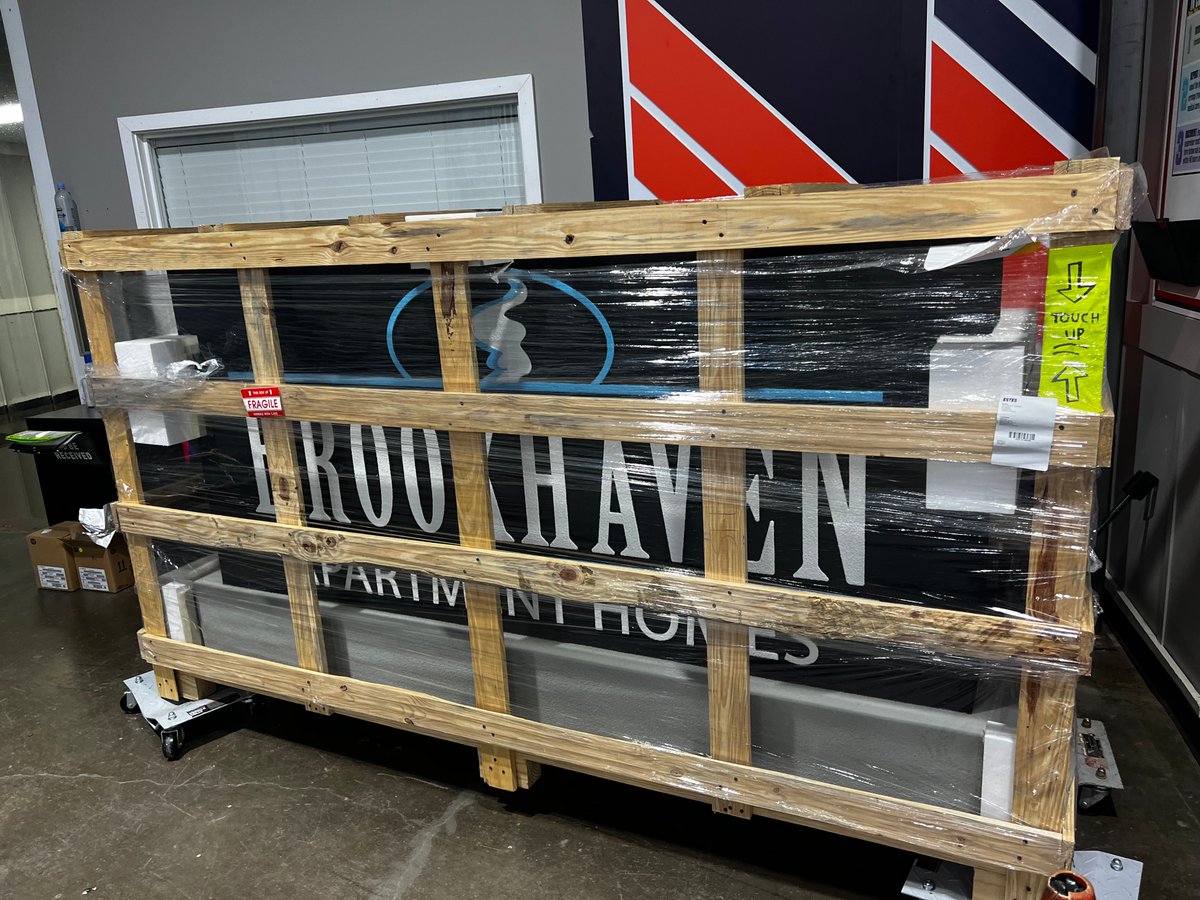
I bought a party bus……… Just kidding. You wish 😂 But I did get a chance to tour Magnitude Signs — a high-margin business that doesn’t just do signs… They turn things like this into rolling billboards. Party buses, fleet vehicles, storefronts — all of it. It’s one of those businesses hiding in plain sight that most people overlook…
 But once you see it, you realize how scalable (and profitable) it really is. This is one of Eddie Austin’s companies inside his fund — and it’s a great example of the kind of businesses they’re acquiring. High margin.
Recurring demand.
Everywhere you look.
Carson Jones tweet mediaCarson Jones tweet mediaCarson Jones tweet mediaCarson Jones tweet media
English
0
0
1
7
Carson Jones
Carson Jones@CarsonLJ79·
When you invest with Eddie Austin BEX, you’re not buying businesses, you’re fixing them and unlocking value. Most business owners don’t have a business problem. They have a perspective problem. At some point, you have to stop looking at your company like the owner… and start looking at it like a buyer or investor. Because buyers don’t care about your story. They care about what’s broken. -Slow lead follow-up? → Revenue leak -Disorganized operations? → Risk -Negative team culture? → Value killer And here’s the uncomfortable part… If the culture is off, if the team is frustrated, if things aren’t running right— 👉 You built that. Not intentionally. But systemically. Most owners are too close to see it. You’ve been “in it” so long you stop questioning it. That’s the blind spot. The fix isn’t complicated: Step outside your business and ask— “Would I buy this?” If the answer isn’t a hard yes, you’ve got work to do. And that’s where the real growth starts.
English
0
0
1
22
Carson Jones
Carson Jones@CarsonLJ79·
Most operators talk about “value-add.” Very few can execute it in 7 days or less. Just had Justin Spillers on — fresh off winning the Pitch Slam. 👉 Full unit renovation + lease-up… in under a week Not cosmetic. Not light turns. Full upgrades:
• LVP flooring
• Paint + trim
• Cabinets, countertops, bathrooms
• New appliances All done… in ≤ 7 days But here’s the part most people miss: It’s not the construction. It’s the system behind it. 1. Leasing is fully automated (and aggressive)
35 lead sources
~150 leads per day This isn’t “list it and hope.” It’s a machine. 2. They track the funnel like a sales org
• 40% showing rate
• 50% show-up rate
• ~2% close rate And that’s enough to consistently hit: 👉 Leased at full market rents by Day 8 3. Construction + leasing are synchronized
The second a unit is turning…
leasing is already working. No lag. No vacancy drag. 4. They don’t hesitate to push rents
A lot of operators tiptoe around existing tenants. They don’t. They have direct, honest conversations
and the systems to back it up. 5. Occupancy barely flinches
Even during heavy renovations: 👉 93%+ occupancy maintained Then quickly stabilizing to: 👉 98%+ in under 12 months Let that sink in… Most deals struggle with:
• Long turns
• Vacancy spikes
• Missed rent projections Meanwhile, this model is: 👉 Fast
👉 Predictable
👉 Repeatable This is what institutional-level execution actually looks like. If you’re an LP, stop asking only about returns. Start asking:
👉 “How fast can you turn a unit and lease it at market?” Because that answer tells you everything. Speed drives rent.
Rent drives NOI.
NOI drives value. And operators who can compress time like this… don’t just do deals. They dominate them.
English
0
0
1
26
Carson Jones
Carson Jones@CarsonLJ79·
Just had Justin Spillers on the podcast — fresh off winning the Pitch Slam — and he broke down something most investors completely overlook: 👉 How elite operators turn units faster, cheaper, and more predictably than everyone else And it’s not luck… it’s systems. Here’s what stood out: 1. Everything is measured
They run time studies on every step of a turn.
No guessing. No “it should take about a week.”
They know exactly how long each task takes. 2. Logistics win deals
Materials are:
• Bulk purchased
• Pre-kitted & palletized
• Delivered the SAME DAY a tenant moves out No downtime = no lost revenue. 3. Specialized crews > generalists
3-man teams. Defined roles.
10-hour shifts.
Painters working nights. It’s a production line — not a construction project. 4. Forced deadlines create performance
Units are often pre-leased before the turn even starts.
That creates a hard deadline (think ~8 days). No excuses. 5. Incentives drive behavior
Bonuses tied to speed + performance metrics. The team isn’t just working… they’re competing. 6. Communication is constant
Operations, leasing, and renovation teams are fully aligned.
Problems get solved in real time — not after delays show up on a report. This is the difference between: An average deal…
 and a high-performing asset. Same property.
 Different execution. Most LPs look at cap rates and pro formas. The best ones ask:
 👉 “What does your turn process actually look like?” Because that’s where the real money is made (or lost). If you’re an operator, this is a masterclass in systems.
If you’re an investor, this is what you should be underwriting. Speed = Occupancy = NOI = Value And the operators who understand that…Win.
English
0
0
1
40