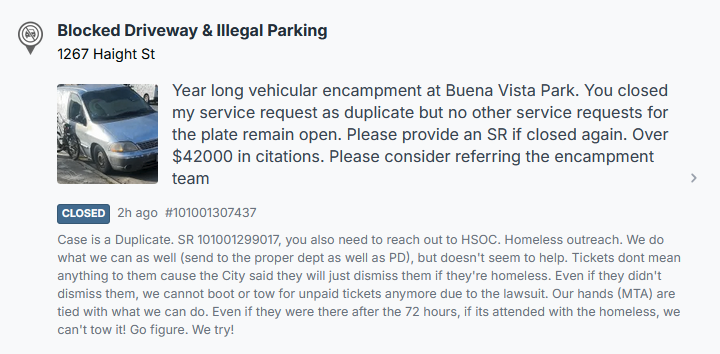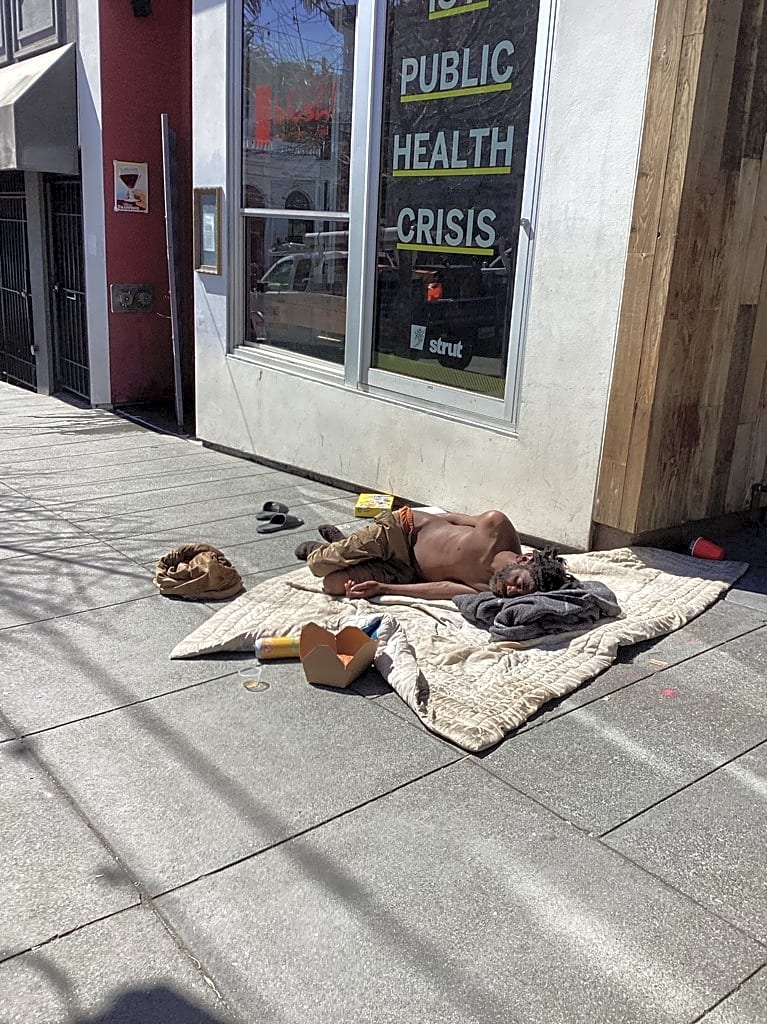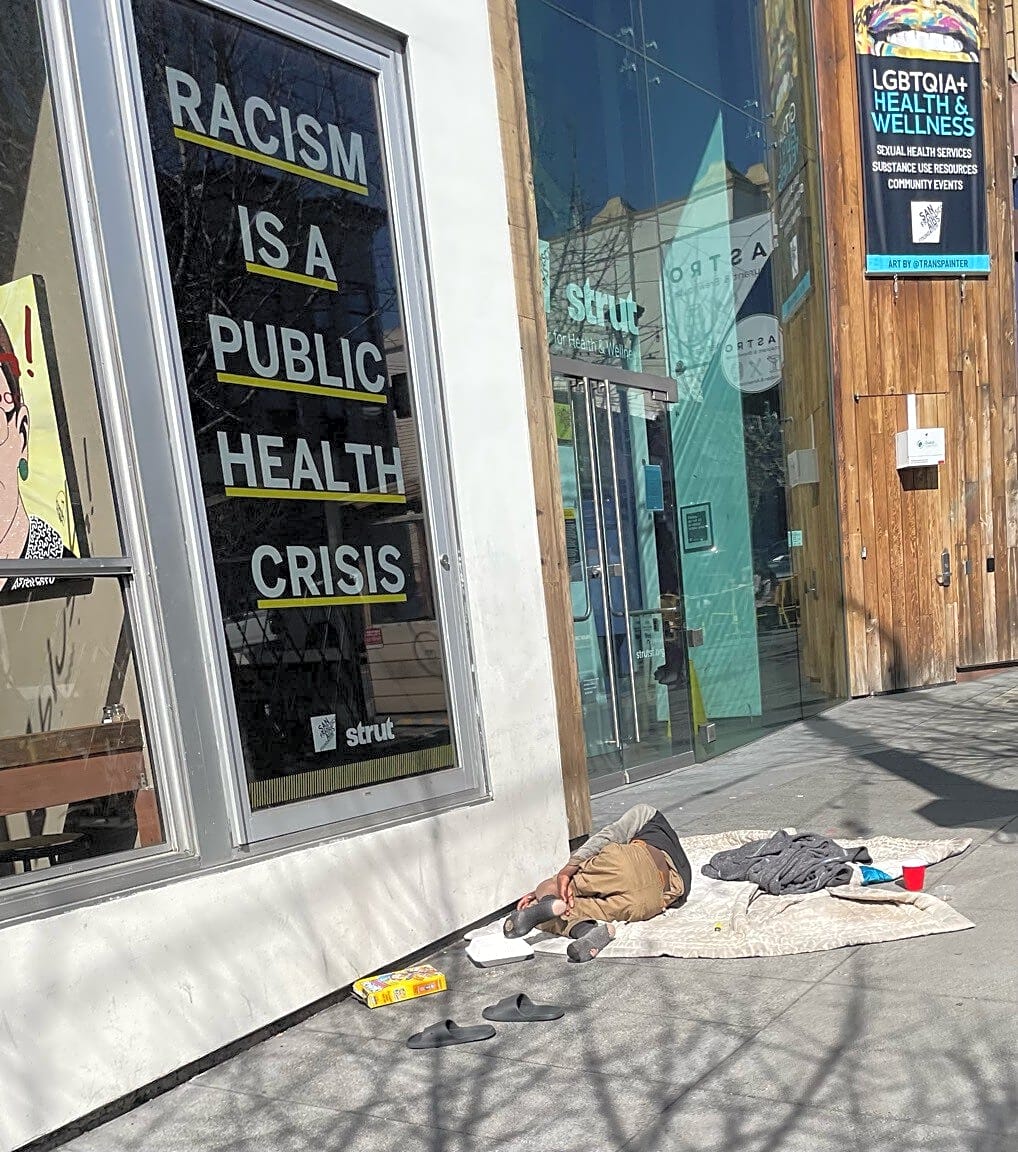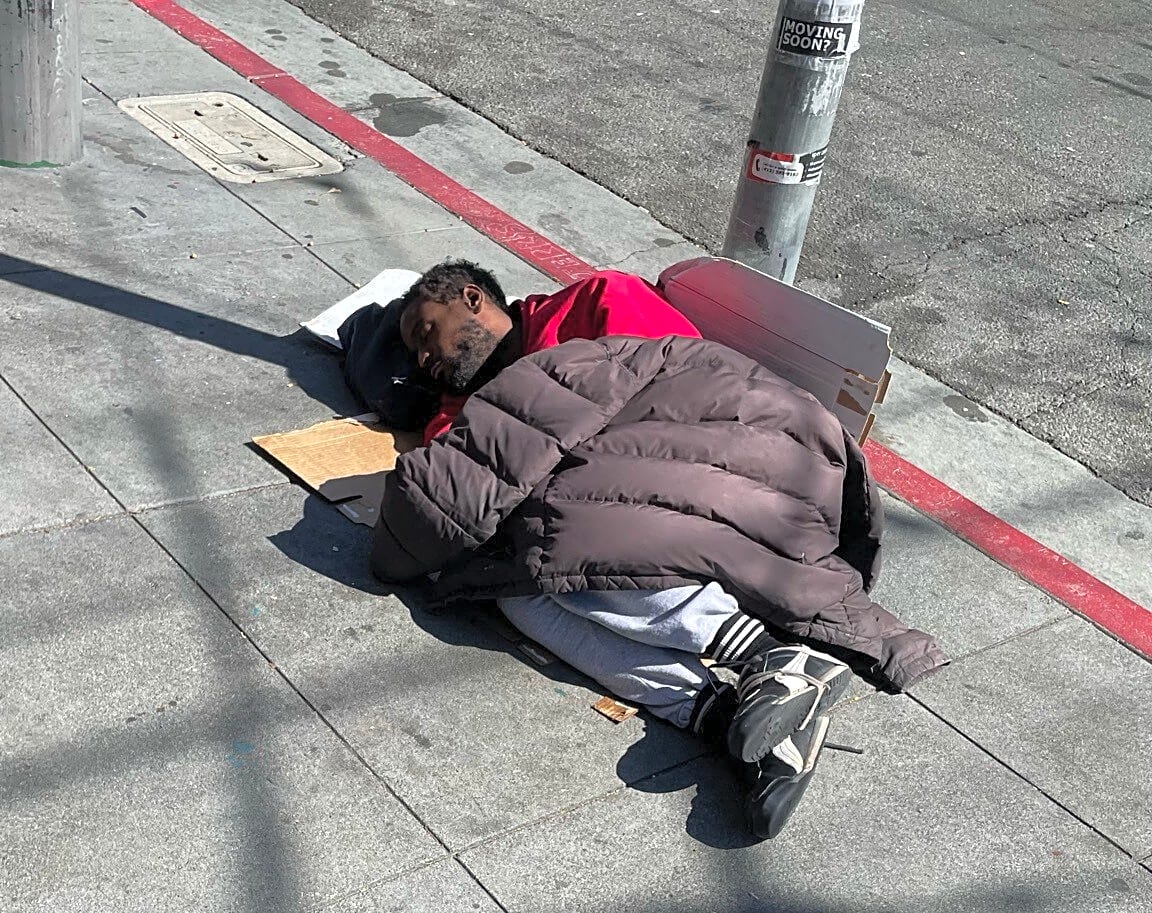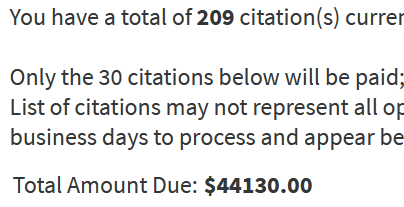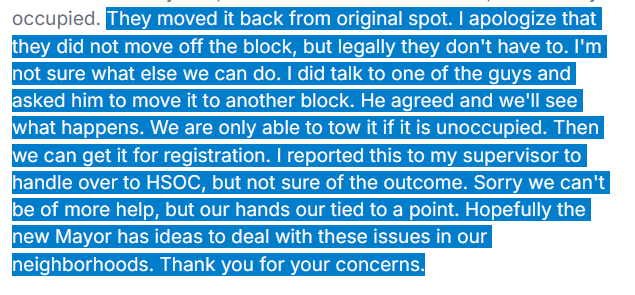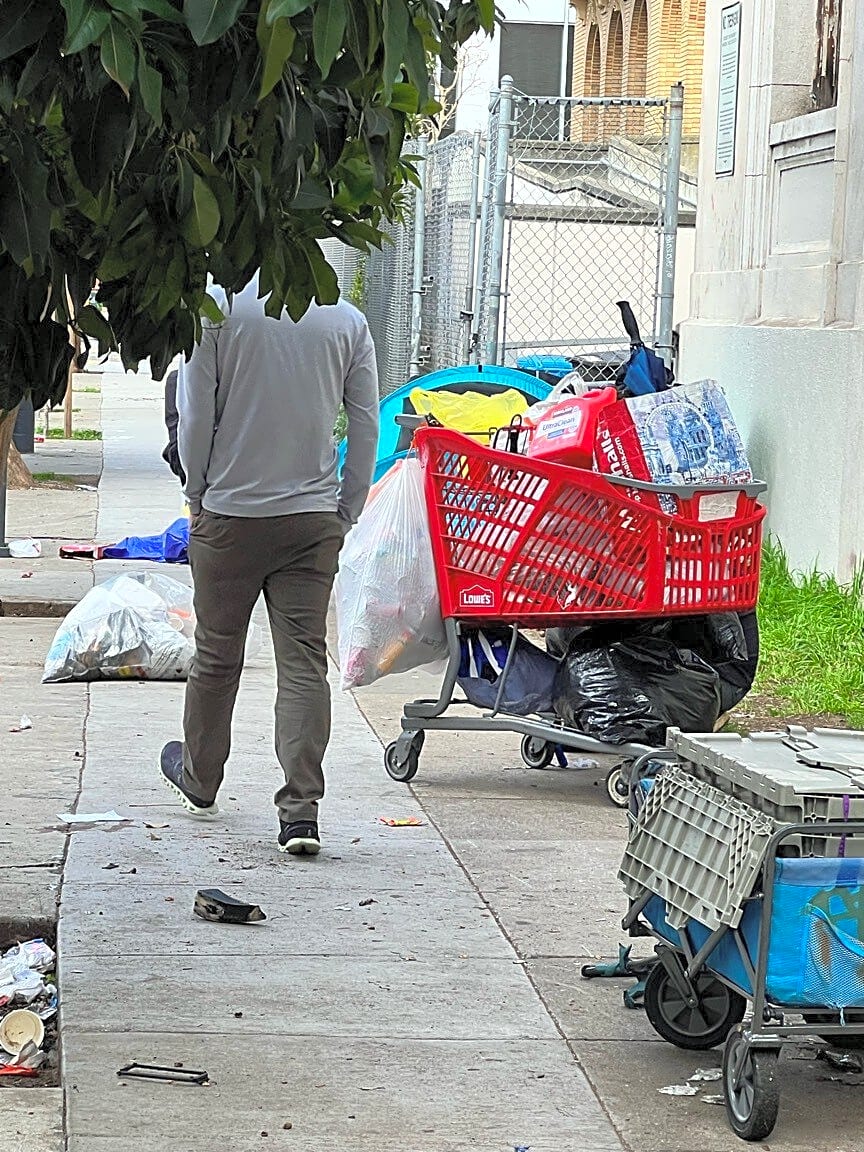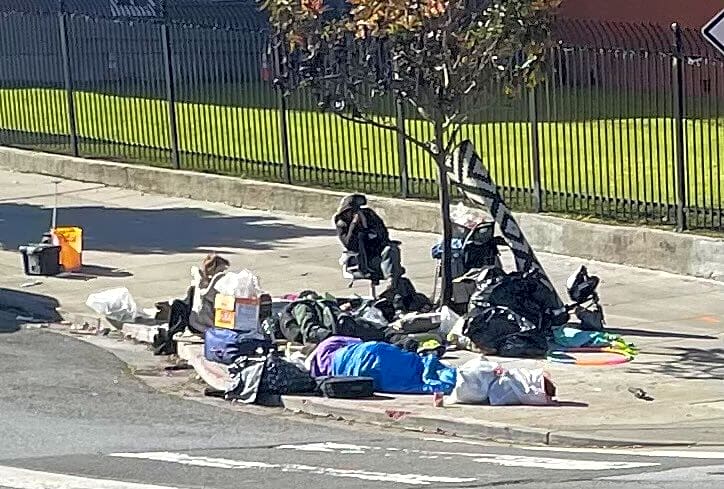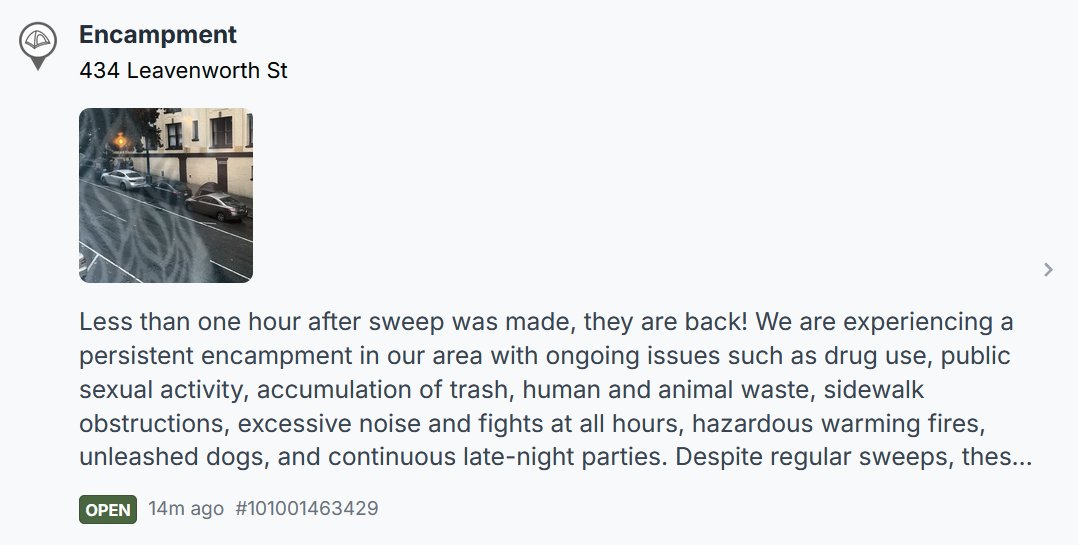

A tale of two apps (San Jose 311 vs. San Francisco 311).
"Case Closed" SF311
2.6K posts

@CaseClosedSF311
Spotlight on local government accountability.


A tale of two apps (San Jose 311 vs. San Francisco 311).


Taking a walk in the Castro with Board President @RafaelMandelman was a great way to spend a Friday afternoon, meeting with merchants, neighbors, and even some tourists. This iconic neighborhood has so much going for it. We’re going to do everything we can to help it thrive.


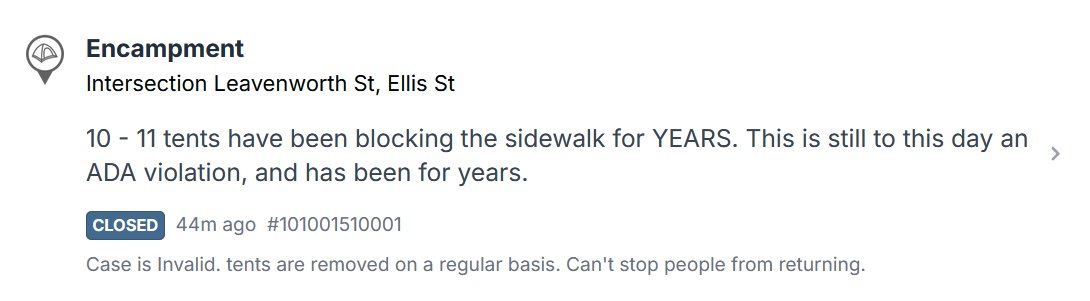
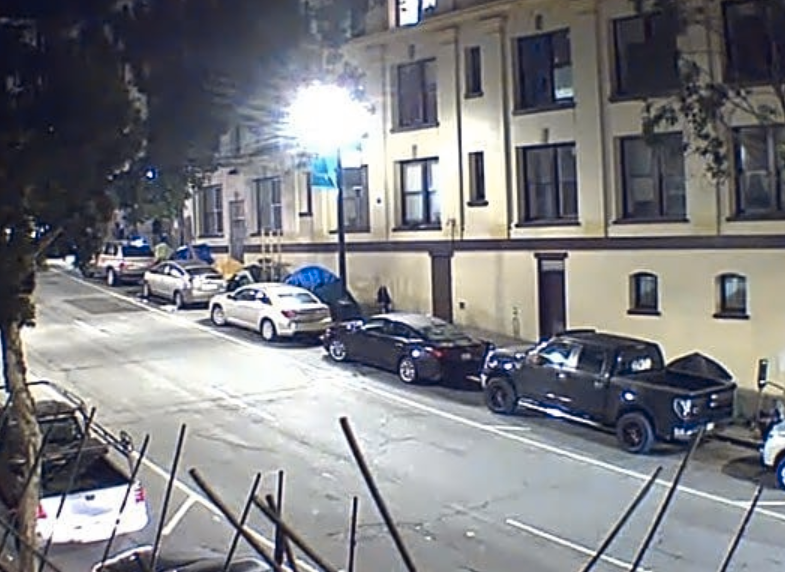
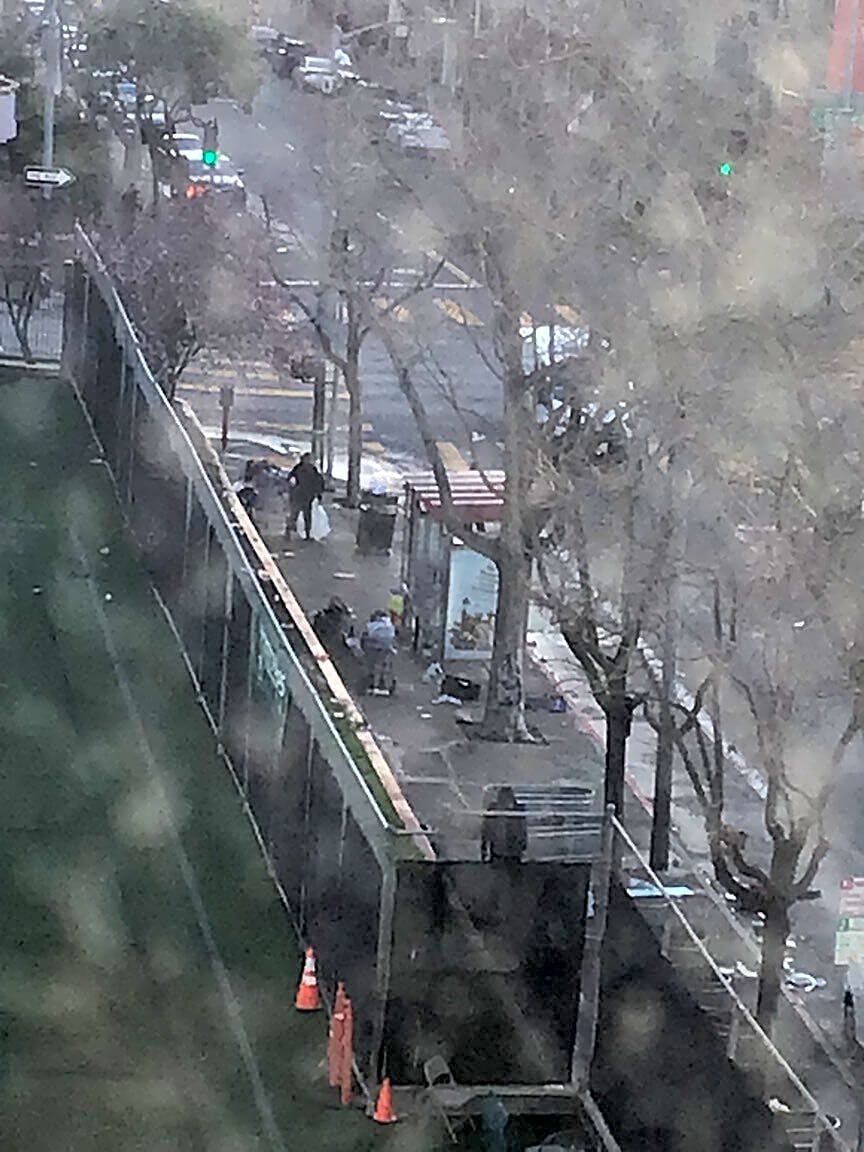
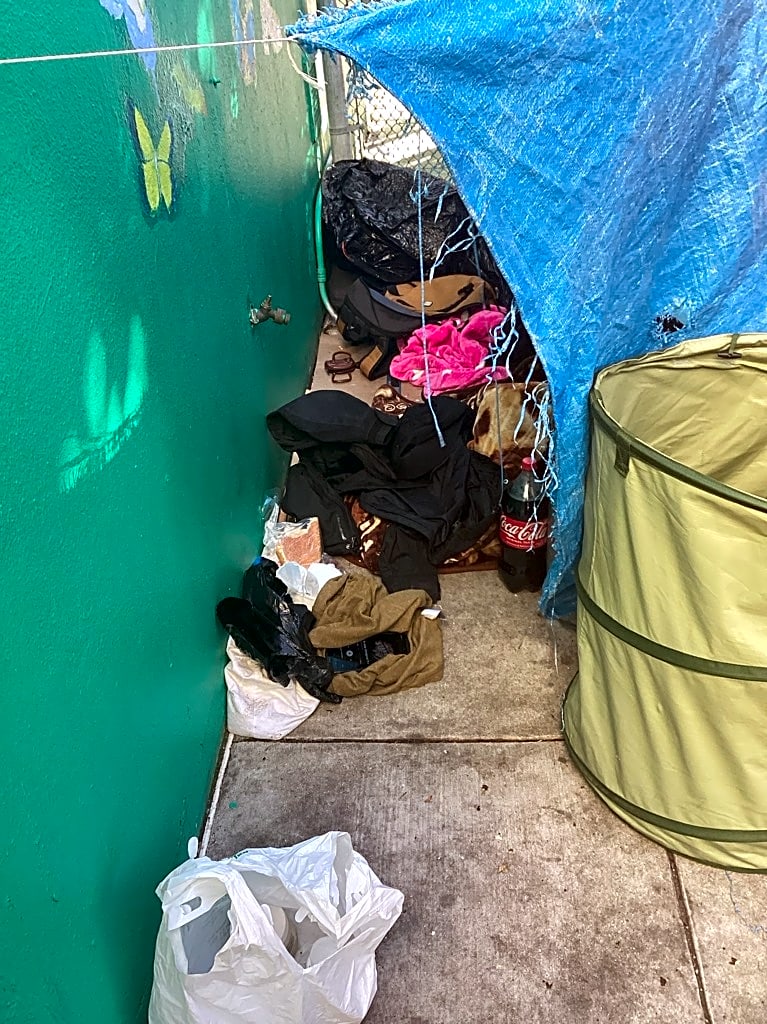
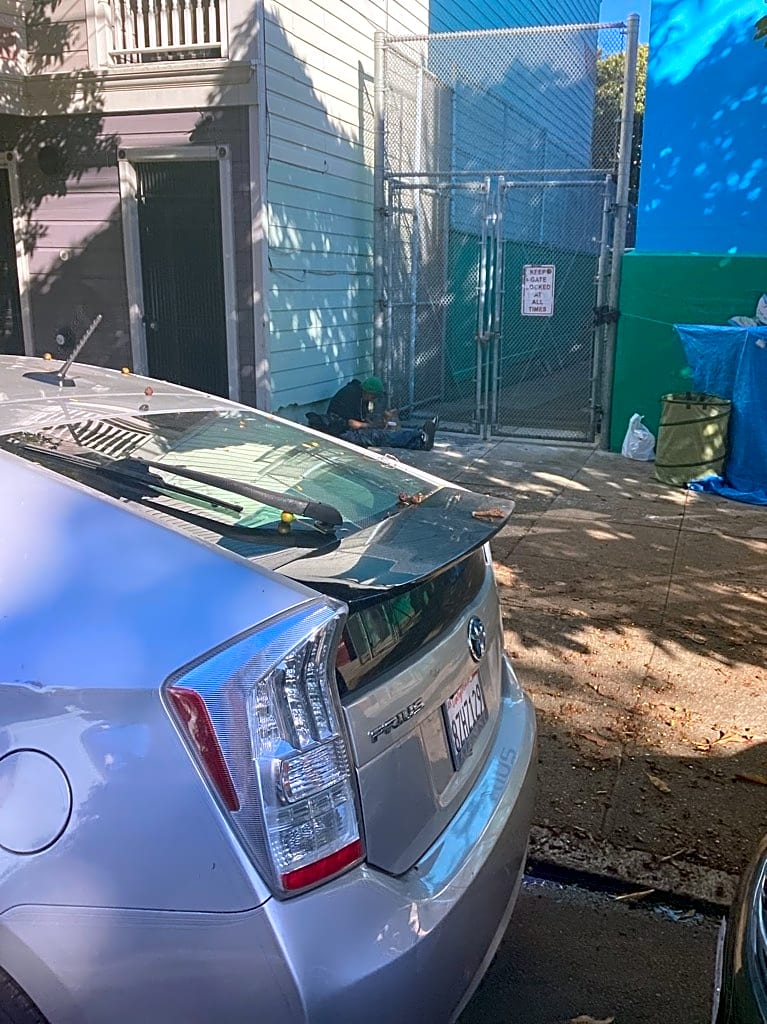
Several multi-agency resolutions on the 300-400 blocks of Leavenworth (on the 22nd, the 24th and the 25th), with the resulting re-encampment report, January 26. If this is a "war of attrition" who is winning...?


A tale of two apps (San Jose 311 vs. San Francisco 311).


"Best Assisted Living" (Myrtle)


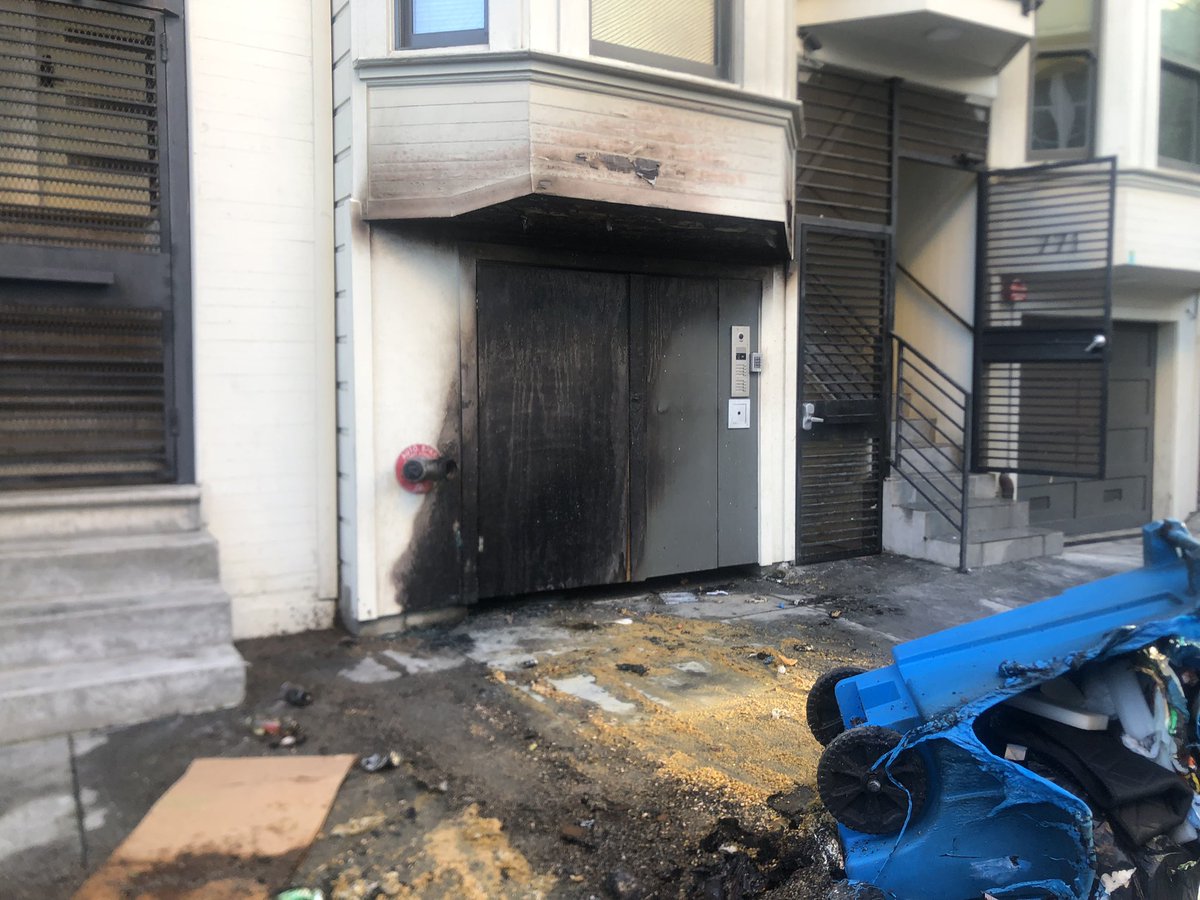
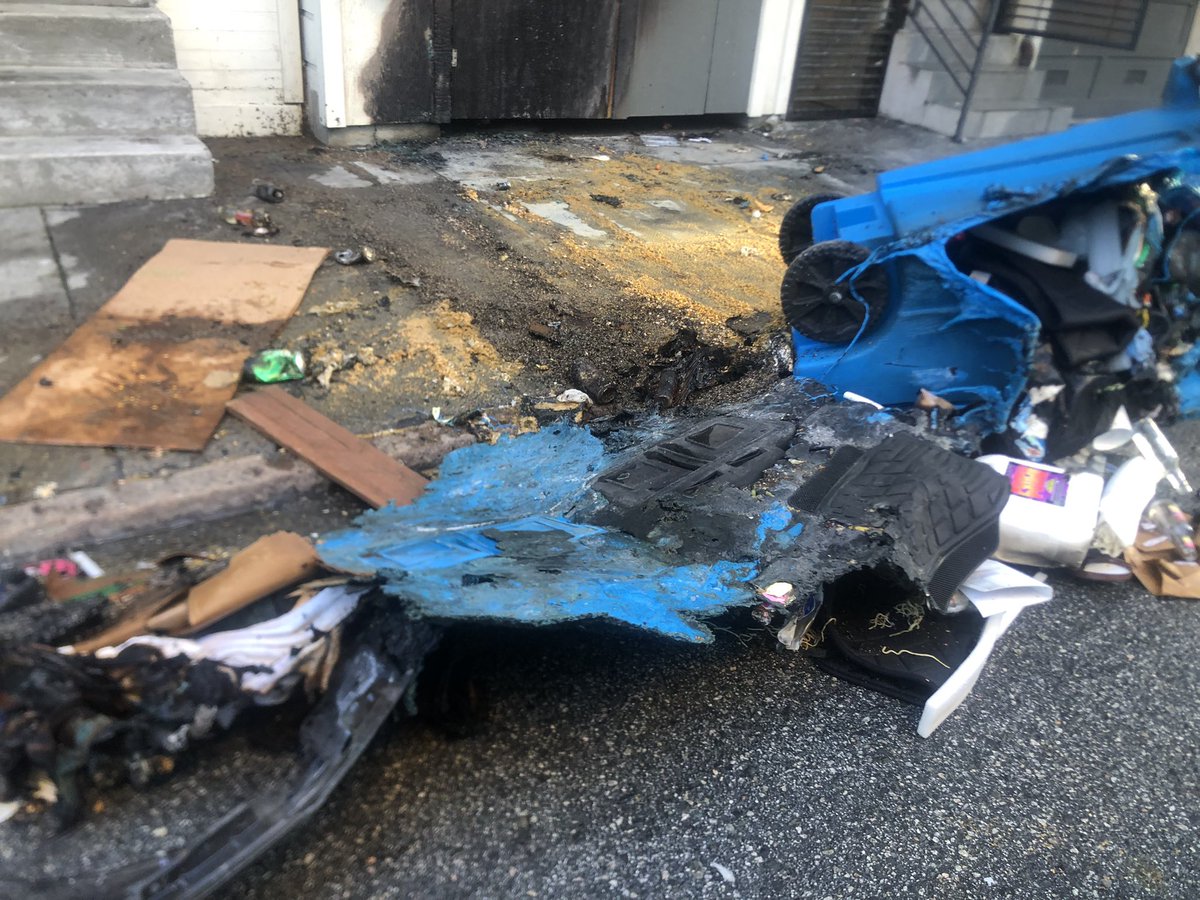
Camp on Baker finally caught fire. All you can do is quote @sfgov and @sf_emergency flyer back to them: "We are all safer from health concerns, fires, and traffic hazards when our streets, sidewalks, and public spaces are free of tents, structures, and belongings."

Common question I hear: Why has it proven hard to police open air drug use in SF or involuntarily detain someone for treatment who is clearly having a mental health crisis in a public space, presenting a danger to themselves and others? Part of the answer lies in an unstated tradeoff our short staffed officers on foot patrol weigh between the expected value result of an arrest / involuntary hold vs their ability to stay on foot patrol for their shift. Below is a rough process map with time estimates based on conversations with an officer. Too often, the result is a process that eats up 6-8+ hours of officer time (potentially a whole shift) before the individual is back on the street. If we want different results, we need to make improvements to the process: (1) triage upfront so officers can make the arrest / hold, handoff to a crisis response team for the rest of the process, while they get back to patrol (2) stand up 24/7 police friendly drop off crisis stabilization centers to prevent overcrowding our emergency departments and getting more people into a recovery pathway (3) expand our inventory of dual diagnosis, psychiatric emergency, and locked subacute treatment beds to properly serve our most challenging cases who tend to repeatedly cycle between the streets and 5150/5250 holds

And it's like this everyday, day after day. A completely unremarkable scene in San Francisco. (Van Ness)