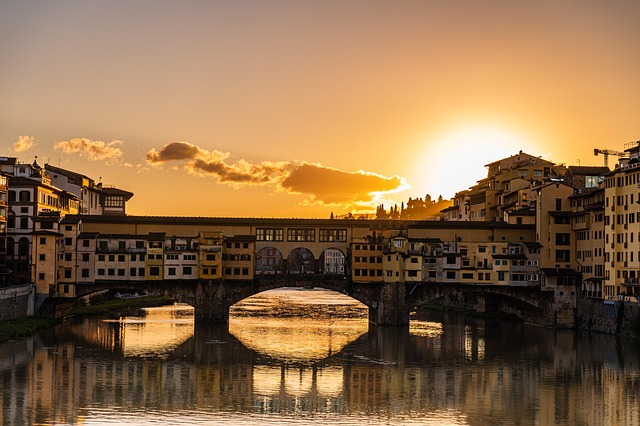
Việc sử dụng các nguồn năng lượng tái tạo có hiệu quả giúp giảm thiểu tác động tiêu cực đến môi trường và hướng tới phát triển bền vững.
#CreativeGrowthHacks
Mars will be our next planetary home for human civilization. Here are a few things you need to know
> Mars formed about 4.5 billion years ago alongside Earth and likely started as a warmer, wetter world before it lost its global magnetic field and dried into the cold desert seen today
> Mars is only about half the physical size of Earth, but because it has no oceans, its total dry land area is similar to all of Earth’s continents combined, making it effectively 100% usable “real estate”
> Surface gravity on Mars is just 38% of Earth’s, so you could jump roughly three times higher and lift much heavier objects than you could on Earth
> New evidence suggests a massive reservoir of liquid water may be trapped 10–20 kilometers beneath the Martian crust, theoretically enough to cover the whole planet in an ocean if it were brought to the surface
> The search for alien life has intensified after NASA’s Perseverance rover found rocks with “leopard spot” patterns that may record chemical signatures consistent with ancient microbial life, though the findings are still being tested
> Martian weather is extreme: the average temperature is about -81°F (-62°C) and can drop near -225°F in some regions, yet summer days near the equator can briefly reach around 70°F, similar to a mild day on Earth
> Colonizing Mars will be difficult because of toxic soil, high radiation, and a very thin atmosphere, but deep underground water and protected subterranean habitats could make long-term human survival scientifically possible
> Sunsets on Mars appear blue rather than red because fine dust in the thin atmosphere scatters red light away from the line of sight and lets more blue light pass through
> Mars has two small, irregular moons, Phobos and Deimos; Phobos is slowly spiraling inward and is expected to eventually break apart, likely creating a temporary ring system around the planet
> The planet hosts some of the most extreme landscapes in the solar system, including Olympus Mons, a giant volcano about three times taller than Mount Everest, and Valles Marineris, a canyon system so huge it makes the Grand Canyon look tiny by comparison
> We are still only visitors on Mars, but with every SpaceX Starship mission, we get closer to the day this harsh red desert becomes humanity’s next home