Everyone in the world has to take a private vote by pressing a red or blue button. If more than 50% of people press the blue button, everyone survives. If less than 50% of people press the blue button, only people who pressed the red button survive. Which button would you press?
This is the best opportunity for the U.S. to try to bring business back.
In the next 5-10 years, outsourcing to AI will be a better/cheaper option than outsourcing to cheap labour countries. China India etc. lose their structural advantage of cheaper labour.
The U.S. needs to capitalise on this and have the policies / incentives for companies to bring production back on shore.
The most effective tool in a policymaker's arsenal has always been historical analogy: find situations that map to the current problem, consider the range of solutions that worked before, and apply them. This playbook breaks down, however, when the problem is how to manage a world approaching AGI. We can study prior waves of technological disruption, from factory automation to the internet, but none of these involved outsourcing intelligence itself. For the first time, we face systems that can perform cognitive work faster, better, and cheaper than humans across a widening set of domains. The usual reference points simply do not exist, and policymakers, economists, and institutions are not yet equipped to reason about what comes next.
If autonomous agents and robotic systems eventually perform most of the work humans do today, a set of fundamental economic questions follows: who captures the value these systems create, and how should that value be distributed? How should we allocate the critical resources (eg. compute) across society? How do we redesign education when the skills economy looks nothing like it does now?
These are the questions that will define the next era of economic policy, and getting them right is critical to achieving abundance.
If you have interesting answers/insights into these - DM me.
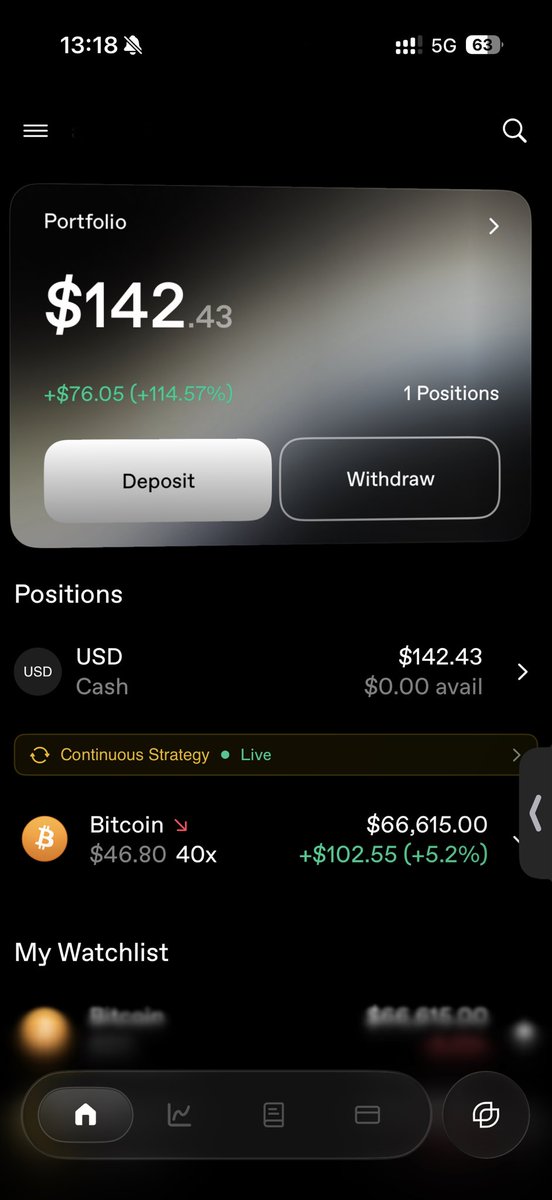
Just tried the beta for the new app @talistrade, great experience. The AI set up an autonomous algo strategy for me which is up 200%
(Though I did nearly get liquidated first - I guess that’s what happens when you 40x lever btc 😅😅)
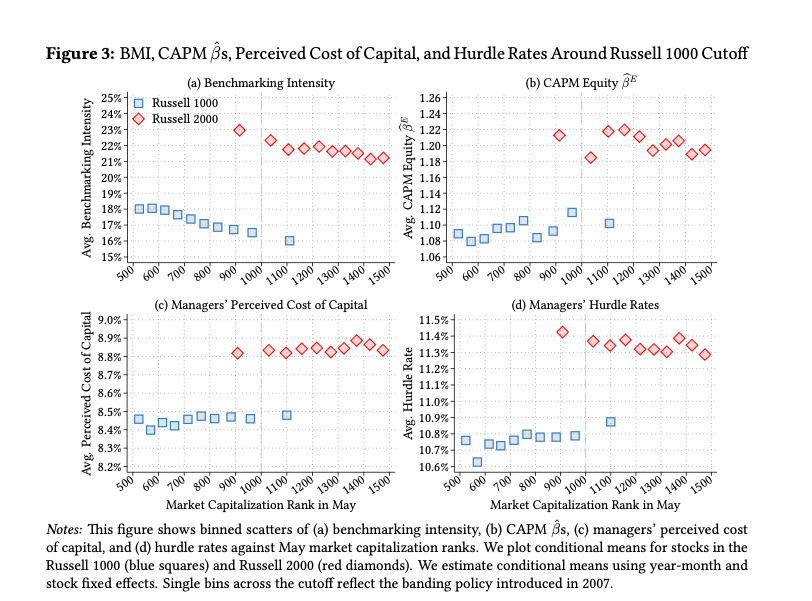
1/I'm very excited about the JMP of my PhD student Chris Kontz (Stanford GSB) who's on the academic job market this year. Chris’ job market paper analyzes the impact of the rise in passive investing on the real economy. More passive investing in a stock results in increased co-movement with other stocks, leading CFOs of these companies to set higher discount rates, as they were taught to do in business school, even when the fundamental riskiness of their business is unchanged. As a result, these companies cut back on investment. Chris provides compelling evidence that these investment distortions may help to account for part of the @ThomasPHI2 & Gutierrez missing investment puzzle in the US.
christiankontz.com
3/3: provides great synergies between the pods and gives each pod an edge over competitors. The hedge comes from the style + time frame of investing - and synergies greatly benefit the firm as a whole.The question is would LP’s buy in?
1/3: New style of Multi-Manager fund: instead of hedging through investing in diff asset classes - hedge through PM style of investing in same assets. Basically, Have some LO, SM style, and classic MM L/S pods all operating in one firm. These pods all conduct their own