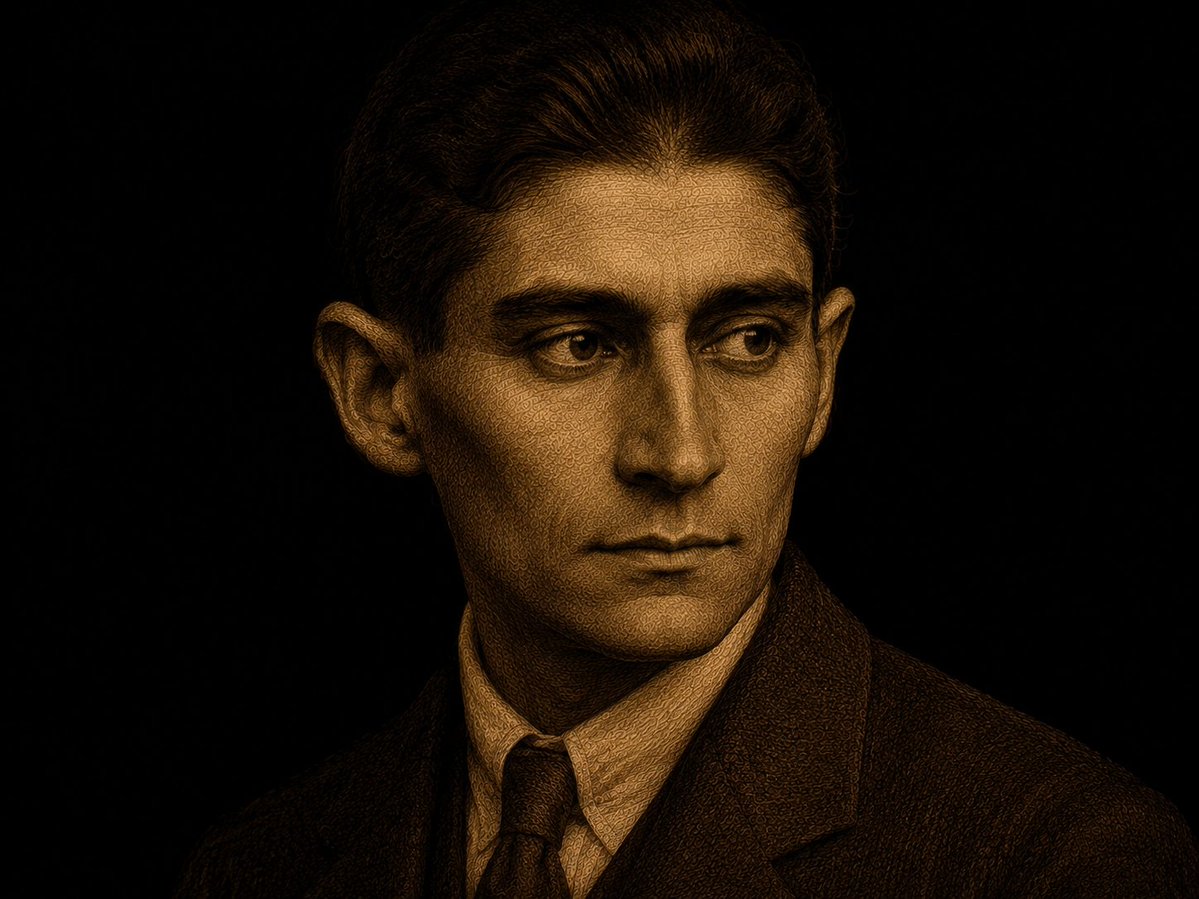
Dostoevsky understood the modern crisis before it became normal. A man can study truth, praise progress, and speak about humanity while still failing to help the child standing in front of him.
This is the central wound inside Fyodor Dostoevsky’s short story, The Dream of a Ridiculous Man.
The man had spent years thinking about life, yet he had no strength left to live it. One winter night, after sitting with friends who spoke grandly about truth and progress, he walked home with a revolver waiting in his room. He had decided that this would be his last night.
On the way, a little girl grabbed his coat. She was wet, frightened, and begging for help. Her mother was sick. The man understood enough to know she needed him, yet he pushed her away and told her to find the police. When she kept pleading, he shouted at her. She ran off into the cold.
He reached his room, sat before the revolver, and prepared to die. Then the girl’s face returned to him. Her fear disturbed him. Her pain followed him into the silence. He wondered why guilt still hurt if life had no meaning.
Then he fell asleep.
In the dream, he saw himself dead. A bright being lifted him from his grave and carried him beyond the stars to another world. The people there looked human, yet they lived without greed, envy, lies, or cruelty. They loved naturally. They had no need to explain happiness because they lived inside it.
Then he corrupted them. One lie led to another. Pride entered. Envy followed. Soon they competed, deceived, punished, and killed. When he begged them to remember who they had once been, they mocked him. They said they had science, knowledge, and the laws of happiness. They believed understanding happiness mattered more than happiness itself.
He woke at six in the morning. The revolver still sat before him. He threw it away.
The dream had given him a task. He would find the little girl. He would tell people the truth. They would call him ridiculous again, but this time he knew something they had forgotten.
A life without love can know everything and still understand nothing.
Dostoevsky’s lesson attacks one of the modern world’s favorite lies that knowledge alone can save us.
The man in the story has thought about life so much that he has stopped living it. He can judge society, expose hypocrisy, and explain despair, yet one suffering child reveals the poverty of his soul. That is the force of the story.
A little girl does what philosophy cannot do. She brings him back to responsibility.
The dream shows the same truth on a larger scale. A perfect world falls when deceit enters it, then its people begin to defend corruption. They suffer, yet call their suffering wisdom. They lose happiness, then comfort themselves with theories about happiness.
Dostoevsky noticed that a civilization can become brilliant and still become cruel. It can build systems, write laws, praise progress, and lose the simple moral instinct that tells a man to help a child in the rain.
His final lesson is severe and necessary. Truth begins with love in action.
Love begins with the person in front of you. That is why the ridiculous man becomes wise. He stops studying life from outside and accepts the burden of living it.
For more content like this, subscribe to the Culture Explorer…
newsletter.thecultureexplorer.com
Bill and Melinda Gates Foundation sold 100% of their Microsoft $MSFT position…
The guy who created Microsoft just had his foundation dump the entire stake, 7.6M shares.
Either he thinks Microsoft is over or he completely hates valuations in tech right now 😂