Canadian Institute for Historical Education

1.5K posts

Canadian Institute for Historical Education banner
Canadian Institute for Historical Education

Canadian Institute for Historical Education

@CdnInst4HistEd

The CIHE is a non-partisan, not-for-profit research organization dedicated to promoting historical literacy and civic understanding in Canada.

Toronto, Ontario Katılım Ekim 2023
219 Takip Edilen2.2K Takipçiler
Sabitlenmiş Tweet
Canadian Institute for Historical Education
Every Canadian has a story worth telling. Who is one Canadian whose story you think ought to be better known? As Canada approaches its 160th anniversary in 2027, it is an opportunity to reflect on the people whose contributions helped shape our country. Nominate a historical figure whose contributions deserve more recognition, or submit your own story to help us shine a light on Canada's rich and diverse past. Share your idea in the comments or submit it on our website at buff.ly/PaCci5u Telling Canada's Stories — because history is about more than just the names we already know. #TellingCanadasStories #Canada #History #ContextMatters
Canadian Institute for Historical Education tweet media
English
0
0
0
149
Canadian Institute for Historical Education
Canadian history rarely fits into neat boxes. In this episode, Greg Koebel, host of the Nations of Canada podcast, discusses how political and religious traditions become more complex as we examine their historical context, revealing blurred lines and contested ideas. Listen to the full episode and subscribe to the History Matters podcast: buff.ly/Rm8Bzuu #HistoryMatters #CanadianHistory #HistoricalContext #HistoricalLiteracy
English
0
0
1
153
Canadian Institute for Historical Education
“Canadian leadership is no longer defined by just the strength of our values, but also by the value of our strength.” That is how Prime Minister Mark Carney has come to frames Canada’s role in the world now that Canada has reached NATO’s longstanding target of spending 2 per cent of GDP on defence. Carney has described the 2 per cent target as “not a ceiling for Canada’s defence investment, but rather the foundation.” The government has also committed Canada to NATO’s new defence investment target of 5 per cent of GDP by 2035. For much of its history, Canada has struggled to decide how much military power it needed, how closely it should work with its allies and how much sacrifice Canadians should be asked to make. Before the Second World War, Prime Minister William Lyon Mackenzie King believed Canada faced less immediate danger than the European powers. “Relatively our danger is small,” he told Parliament while discussing defence policy before the war. Within a few years, that calculation had changed completely. Canada placed its economy on a war footing, built ships, aircraft and military bases, trained aircrew from across the Commonwealth and sent more than one million Canadians and Newfoundlanders into military service. The country emerged from the war with one of the world’s largest armed forces. Peace did not last long. Canada became a founding member of NATO in 1949. The Korean War began the following year, while the Soviet Union and the Western allies confronted one another across Europe. At first, Prime Minister Louis St-Laurent remained cautious. In September 1950, he said, "the government was not considering the raising of Canadian forces to dispatch to Europe.” Within months, however, Canada had committed forces to both Korea and Europe. Canadian troops remained stationed in Europe for decades. Canada helped build continental air defences, joined NORAD, patrolled the North Atlantic and became an important contributor to the Western alliance. This was the Canada of the early Cold War. It was a country that saw military preparedness as a permanent responsibility, not simply an emergency response. Then the Cold War ended. Canadian governments reduced military spending, closed bases and withdrew the country’s permanently stationed forces from Europe. In 2014-15, Canadian defence spending had fallen to roughly 1 per cent of GDP. Canada had come to rely increasingly on geography, American military power and the belief that major war between powerful states had become unlikely. That belief is now being reconsidered. Russia’s invasion of Ukraine, growing competition in the Arctic, cyberattacks and uncertainty about the future of the international order have returned defence spending to the centre of Canadian politics. Those words mark a significant change in how Canadian governments have spoken about the country’s role in the world. But the underlying question is an old one. When Mackenzie King believed Canada’s danger was small, the government spent accordingly. When St-Laurent concluded that Canada’s security depended on collective defence, Canada built a permanent military presence overseas. When the Cold War ended, Canadians collected a peace dividend. Today, Canada is being asked to decide whether that era is over. How much should Canada invest in defending itself, and what role should it be prepared to play in the world? Every generation has been asked to ponder these questions. Now it is our turn. #Canada #History #ContextMatters
Canadian Institute for Historical Education tweet mediaCanadian Institute for Historical Education tweet mediaCanadian Institute for Historical Education tweet media
English
1
1
7
763
Canadian Institute for Historical Education
July 1921, a Canadian discovery has saved millions of lives and earned a Nobel Prize. In the summer of 1921, Frederick Banting and Charles Best began experiments at the University of Toronto that would help lead to one of the most important medical breakthroughs of the 20th century: insulin. Before insulin, a diabetes diagnosis was often a death sentence. Patients, many of them children, wasted away despite strict, near-starvation diets that could only delay the inevitable. Families watched loved ones grow weaker, with little hope and no effective treatment. Diabetes was not rare, and its toll was felt in households and hospitals around the world. After insulin, millions of people were given the chance to live longer, healthier lives. What had once been a rapidly fatal condition became a manageable chronic illness, transforming both individual futures and the practice of medicine itself. The discovery was not the work of one person alone. Banting and Best played central roles, alongside J.J.R. Macleod and James Collip, whose contributions helped turn a promising idea into a treatment that could be used safely. In 1923, Frederick Banting and J.J.R. Macleod were awarded the Nobel Prize in Physiology or Medicine for this breakthrough. Banting shared his prize money with Charles Best, and Macleod shared his with James Collip, recognizing the team effort behind the discovery. It remains one of Canada’s greatest contributions to the world. A reminder that history is not only made in parliaments or on battlefields. Sometimes, it is made in laboratories through curiosity, persistence, and the belief that human suffering can be reduced. #Canada #History #ContextMatters
Canadian Institute for Historical Education tweet mediaCanadian Institute for Historical Education tweet mediaCanadian Institute for Historical Education tweet media
English
0
2
6
522
Canadian Institute for Historical Education
Religious freedom became a source of suspicion during the First World War. In this episode, Greg Koebel, host of the Nations of Canada podcast, discusses how Mennonites, Quakers, and other pacifist communities sought exemptions from military service—and how German-speaking Mennonites faced questions about their loyalty to Canada. Listen to the full episode and subscribe to the History Matters podcast: buff.ly/U2JAdEX #HistoryMatters #CanadianHistory #FirstWorldWar #MennoniteHistory
English
1
1
2
178
Canadian Institute for Historical Education
Prime Minister Mark Carney's proposal to help British Columbia purchase more than 2,200 unsold condominium units and convert them into affordable housing has sparked a familiar debate. Supporters see it as a practical response to a housing shortage. Critics call it a bailout for developers. But this is not the first time Canadian governments have stepped into the housing market during a crisis. After the Second World War, Canada faced an even greater housing shortage. Nearly one million veterans returned home, started families, and needed somewhere to live. The private market alone could not keep up. Rather than waiting for supply to catch up, governments became active participants in housing. In 1946, Parliament created the Central Mortgage and Housing Corporation, now known as CMHC, to finance construction, insure mortgages, and help expand affordable home ownership. Thousands of wartime houses were converted into permanent neighbourhoods, while federal programs helped launch one of the largest homebuilding booms in Canadian history. At the time, political leaders made clear why they believed government action was necessary. Prime Minister William Lyon Mackenzie King argued that adequate housing is not a private concern, but a national responsibility. His government framed housing as essential to postwar stability and economic growth. Others emphasized the urgency of the moment. Reconstruction Minister C.D. Howe warned that without decisive action, a shortage of houses is inevitable and thus a threat to the well-being of returning servicemen and their families. Housing, in this view, was tied directly to the country’s obligation to veterans. Even critics of government intervention acknowledged the scale of the problem. Progressive Conservative leader John Bracken cautioned against excessive state involvement, but conceded that extraordinary measures were needed to address the shortage. The debate sounds remarkably familiar. How much should governments intervene? Should public money support private builders? Is housing simply another commodity or part of the country's essential infrastructure? Those questions have echoed through every major housing crisis since. History does not tell us what today's governments should do. But it reminds us that when housing becomes scarce, Canadians have repeatedly turned to governments for solutions alongside the private sector. The policies change. The questions rarely do. #HistoryIsHappeningAgain #CanadianHistory #Housing #CMHC #HistoryMatters Photo credits: Library of Canada, City of Toronto
Canadian Institute for Historical Education tweet mediaCanadian Institute for Historical Education tweet mediaCanadian Institute for Historical Education tweet media
English
1
0
4
265
Canadian Institute for Historical Education
In this episode, Allan talks with Greg Koabel, creator and host of the Nations of Canada podcast, to discuss his mission of bringing Canadian history to life through long-form storytelling. Koabel shares his journey from studying European history to producing over 300 episodes, emphasizing the importance of diverse perspectives and context—rather than mere chronology—in understanding the past. The conversation covers key historical topics, including the First World War, the Halifax Explosion, and Indigenous diplomacy. Additionally, Koabel discusses his new book, The Making of Canada: An Epic History in 20 Extraordinary Lives, offering a behind-the-scenes look at his research process. This episode serves as an engaging deep dive into one of Canada's most ambitious history projects, providing valuable insights for educators, students, and podcast enthusiasts interested in a more comprehensive understanding of the Canadian story. Listen, watch and subscribe to History Matters by clicking here: buff.ly/vEhRNoO #HistoryMatters #CanadianHistory #Canada #CIHE #GregKoabel
Canadian Institute for Historical Education tweet media
English
0
0
2
105
Canadian Institute for Historical Education
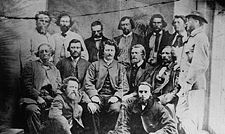
Discussions about reconciliation, Indigenous rights, and the relationship between Ottawa and the provinces often feel like uniquely modern debates. They are not. On July 15, 1870, Manitoba entered Confederation as Canada's fifth province—but only after months of political uncertainty in the Red River Settlement. As Canada prepared to expand westward, the Métis, under the leadership of Louis Riel, sought to ensure that their lands, language, faith, and way of life would be recognized in the new Dominion. Their negotiations with the federal government led to the **Manitoba Act**, which created the province and promised protections for Métis land and education. Those commitments were only partially fulfilled. Many Métis families faced delays, land speculation, and displacement, leaving a legacy that would shape Canadian history for generations. The story of Manitoba reminds us that Canada was not built through simple expansion across an empty landscape. It was built through negotiation, compromise, conflict, and competing visions of what the country should become. History rarely offers easy heroes or villains. More often, it asks us to understand the people, decisions, and circumstances that shaped the nation we inherited. That is why context matters. **History matters.** (Front row, L-R): Robert O'Lone, Paul Proulx. (Centre row, L-R): Pierre Poitras, John Bruce, Louis Riel, John O'Donoghue, François Dauphinais. (Rear row, L-R): Bonnet Tromage, Pierre de Lorme, Thomas Bunn, Xavier Page, Baptiste Beauchemin, Baptiste Tournond, Joseph (Thomas?) Spence
Canadian Institute for Historical Education tweet media
English
0
2
4
257
Canadian Institute for Historical Education
Teaching historical thinking does not mean sacrificing content. It depends on it. Professor Carla Peck says historical content and historical thinking must go hand in hand. Students can memorize facts without thinking historically. But to assess the historical significance of a person or event—by considering the depth, reach, and duration of its impact—they first need a strong understanding of the relevant history. Watch the full episode of History Matters with Alan Sears and Carla Peck on the CIHE Website: buff.ly/O6Nvu9M #HistoryMatters #HistoryEducation #HistoricalThinking #HistoricalLiteracy #CanadianHistory
English
0
1
3
169
Canadian Institute for Historical Education
How can we get kids interested in history? Professor Carla Peck recently watched students in Grades 4 to 6 present the results of a year-long investigation into artifacts from an archaeological site. By researching their artifacts and reconstructing their stories, the students were not simply learning about the past. They were learning how historical knowledge is produced—and discovering that they could produce it themselves. Peck says these active historical-thinking experiences help students connect the past to their lives and see themselves as people capable of making a difference in their communities. Watch the full episode of History Matters with Alan Sears and Carla Peck on the CIHE Website: buff.ly/O6Nvu9M #HistoryMatters #HistoryEducation #HistoricalThinking #HistoricalLiteracy #CivicEducation
English
0
0
1
165
Canadian Institute for Historical Education
What is the true purpose of education? Professor emeritus Alan Sears says the purpose of education is to promote human flourishing and to help people live the best possible lives they can. Preparing students for work is part of that purpose, but work is not all of life. The humanities also support personal development and civic development, helping students grow as individuals and participate thoughtfully in society. Watch the full episode of History Matters with Alan Sears and Carla Peck on the CIHE Website: buff.ly/O6Nvu9M #HistoryMatters #HistoryEducation #HumanitiesEducation #CivicEducation #HistoricalLiteracy
English
0
1
0
197
Canadian Institute for Historical Education
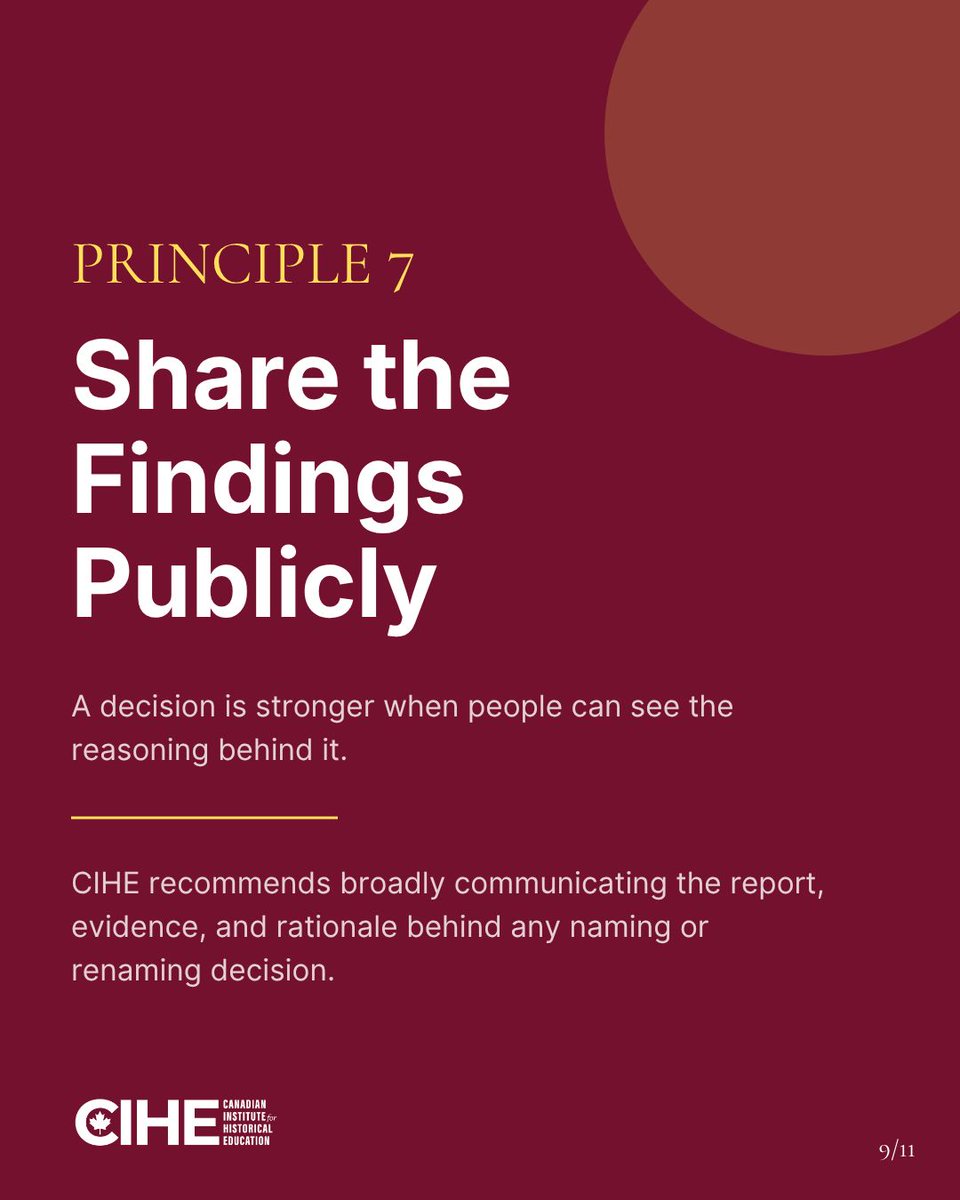
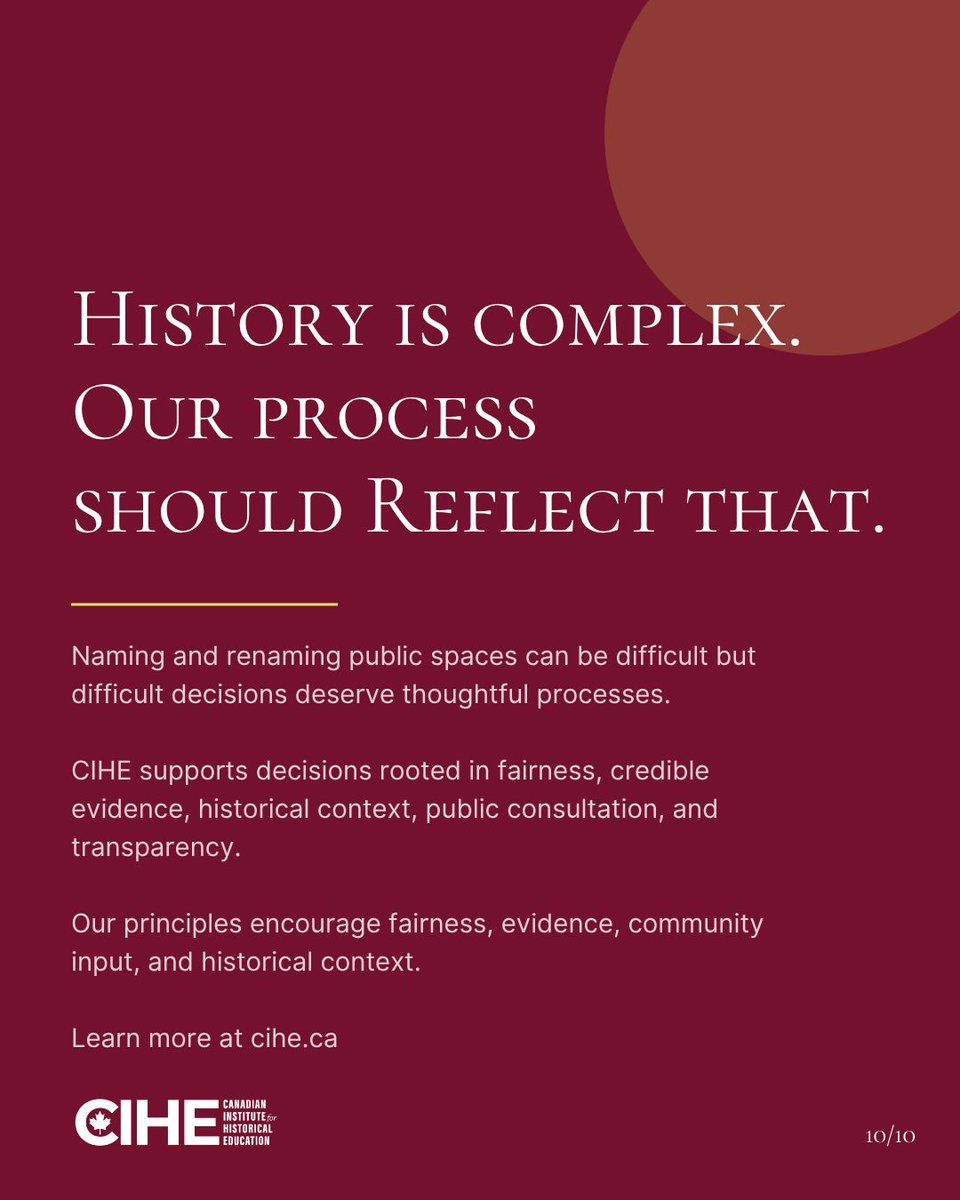
Naming and renaming are not just symbolic acts. They shape public memory, reflect civic values, and influence how communities understand the past.
Canadian Institute for Historical Education tweet mediaCanadian Institute for Historical Education tweet mediaCanadian Institute for Historical Education tweet mediaCanadian Institute for Historical Education tweet media
English
1
0
0
123
Canadian Institute for Historical Education
What should it take to rename a public space? CIHE’s Naming and Renaming Principles argue that these decisions should be guided by evidence, transparency, community engagement, and a careful understanding of historical context.
Canadian Institute for Historical Education tweet mediaCanadian Institute for Historical Education tweet mediaCanadian Institute for Historical Education tweet mediaCanadian Institute for Historical Education tweet media
English
1
0
0
195
Canadian Institute for Historical Education
Can historical education save democracy? In this new episode of the History Matters podcast, Allan speaks with Carla Peck and Alan Sears about their 2026 book, Rescuing Reason: How History Education Can Help Save Democracy. The conversation explores their paths into history education, influenced by the late Peter Seixas, and examines the purpose of education: Sears and Peck argue that history is essential for fostering civic reasoning, empathy, and navigating complexity. Listen or subscribe here: buff.ly/wbNTFRy #Canada #History #ContextMatters
Canadian Institute for Historical Education tweet media
English
0
3
8
202
Canadian Institute for Historical Education
History is not only found in textbooks. It lives in the stories we carry, the people we remember, and the experiences that shaped our communities. That's the idea behind Telling Canada's Stories. We are asking everyone to answer the following question "Who is one Canadian whose story you think ought to be better known?"
Canadian Institute for Historical Education tweet mediaCanadian Institute for Historical Education tweet mediaCanadian Institute for Historical Education tweet mediaCanadian Institute for Historical Education tweet media
English
1
0
0
156
Canadian Institute for Historical Education
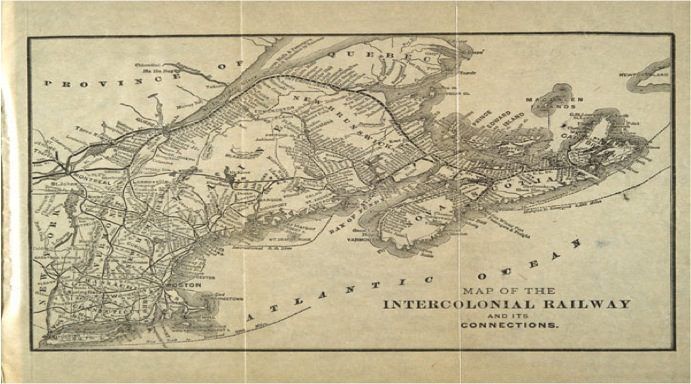
Before a railway can connect a country, someone has to walk the ground. Today, survey crews are working along the proposed ALTO high-speed rail corridor between Toronto and Québec City, part of the planning needed to determine where Canada’s first high-speed rail network may run. It is a modern task: mapping land, studying impacts, consulting communities, and determining how a new line might move people through Canada’s most populated corridor. But it also belongs to a much older Canadian story. More than 160 years ago, Sir Sandford Fleming was doing survey work of a far more daunting kind. In the forests of New Brunswick, and later across the vast and largely unmapped terrain west of the Great Lakes, Fleming and his crews pushed through thousands of kilometres of wilderness to establish possible routes for a transcontinental railway. As John Boyko recounts in his recent work, In Pursuit of Tomorrow: The Inventive Life of Sandford Fleming, this was not a matter of consulting maps, it was creating them. Survey parties travelled by canoe, on foot, and by horseback, cutting lines through dense bush, hauling instruments over muskeg and rock, and enduring insects, storms, hunger, and isolation. Distances were immense: exploratory surveys stretched for thousands of kilometres across what is now northern Ontario and into the Prairies, often with no reliable supply lines and little certainty that a viable route even existed. Progress could be measured in mere kilometres per day. Rivers had to be crossed without bridges, elevations painstakingly recorded, and every potential pass or obstacle documented. It was physically exhausting, dangerous work, weeks and months spent in terrain that few settlers had ever seen, let alone mapped with precision. His work was not simply technical. It was an act of imagination. Before the Canadian Pacific Railway could bind a young Confederation from east to west, surveyors had to ask a fundamental question: "Can a route be found?" The distances were vast, the obstacles uncertain, and the outcome far from guaranteed. Yet those early surveys laid the groundwork for one of the most ambitious infrastructure projects in Canadian history. Railways do not begin with steel, stations, or trains. They begin with people willing to venture into the unknown, measure what has not yet been measured, and imagine connections where none yet exist. Listen to more of Boyko's presentation from a recent CIHE event at buff.ly/opPqBvx #CanadianHistory #RailwayHistory #SandfordFleming #NationBuilding #HistoryMatters
Canadian Institute for Historical Education tweet mediaCanadian Institute for Historical Education tweet mediaCanadian Institute for Historical Education tweet media
English
0
3
10
520
Canadian Institute for Historical Education
Author John Boyko, who taught high school history for more than thirty years, says he got his students interested in learning how to write a good essay by first asking, “How would you like to know how to win an argument, any argument?” And he connected with them through storytelling. Good history writing is the same, he says. It’s about making the past memorable and interesting through telling stories. Watch the full episode on CIHE’s YouTube channel: buff.ly/ERQyrsg #HistoryMatters #CanadianHistory #HistoryEducation #JohnBoyko #HistoricalLiteracy
English
0
2
11
340