Cecily Bradshaw retweetledi
Cecily Bradshaw
20.8K posts

Cecily Bradshaw
@CecilyToronto
Lover of arts and literature. BEEvangelist.
Toronto, Ontario Katılım Ocak 2013
1.8K Takip Edilen582 Takipçiler
Cecily Bradshaw retweetledi

Good news. Tropical forests recover quickly once they are protected. Ninety per cent of biodiversity returned in 30 years, in this case.
phys.org/news/2026-04-e…
English
Cecily Bradshaw retweetledi

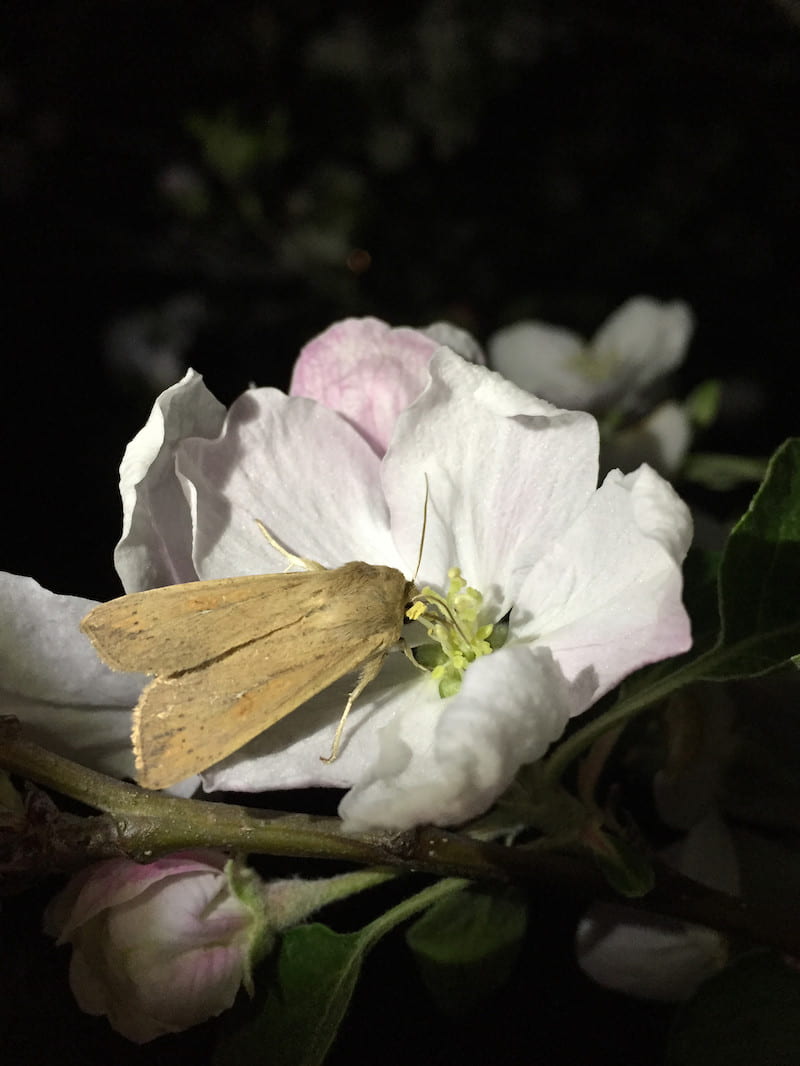
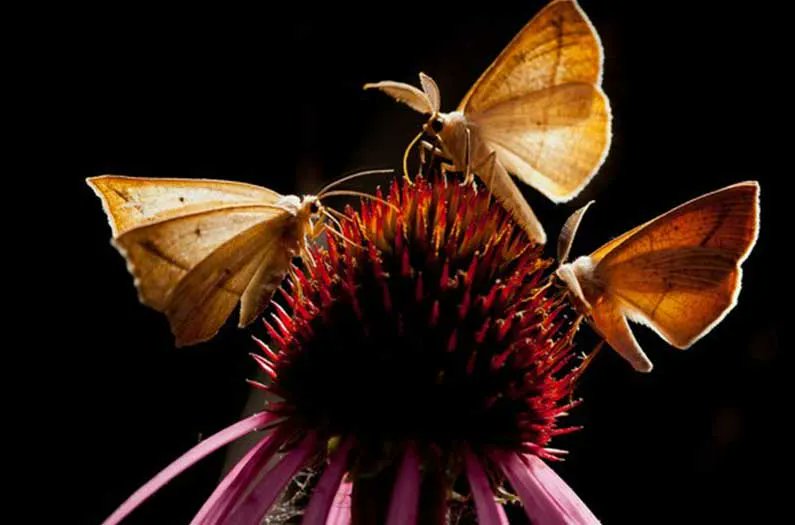
After the bees go to sleep, the night shift pollinators emerge. You may be accidentally killing them.
Nocturnal pollinators pollinate hundreds of plant species that bees never touch: night-blooming flowers that evolved specifically for them, with pale petals visible in moonlight and scents that intensify after dark.
Then we turn the lights on.
A 2017 study by ecologist Eva Knop found that meadows illuminated by artificial light at night had 62% fewer nocturnal pollinator visits than dark meadows, and as a result, produced 13% less fruit.
A separate study found moth abundance was halved at lit sites, species richness was more than 25% lower, and 70% of moths near streetlamps flew toward the light instead of the flowers.
The problem isn't just that moths die at lights. It's that they get stuck orbiting them, burning energy, never reaching the plants that need them.
Your porch light is doing this. So is your floodlight, your landscape lighting, and your neighbor's security lamp.
What actually helps:
💡 Turn off outdoor lights you don't need after dark
💡 Put lights on motion sensors
💡 Switch to warm-toned bulbs
💡 Shield fixtures so light points down, not out
We already know to plant for pollinators. Now let it go dark enough for them to do their job.


English
Cecily Bradshaw retweetledi

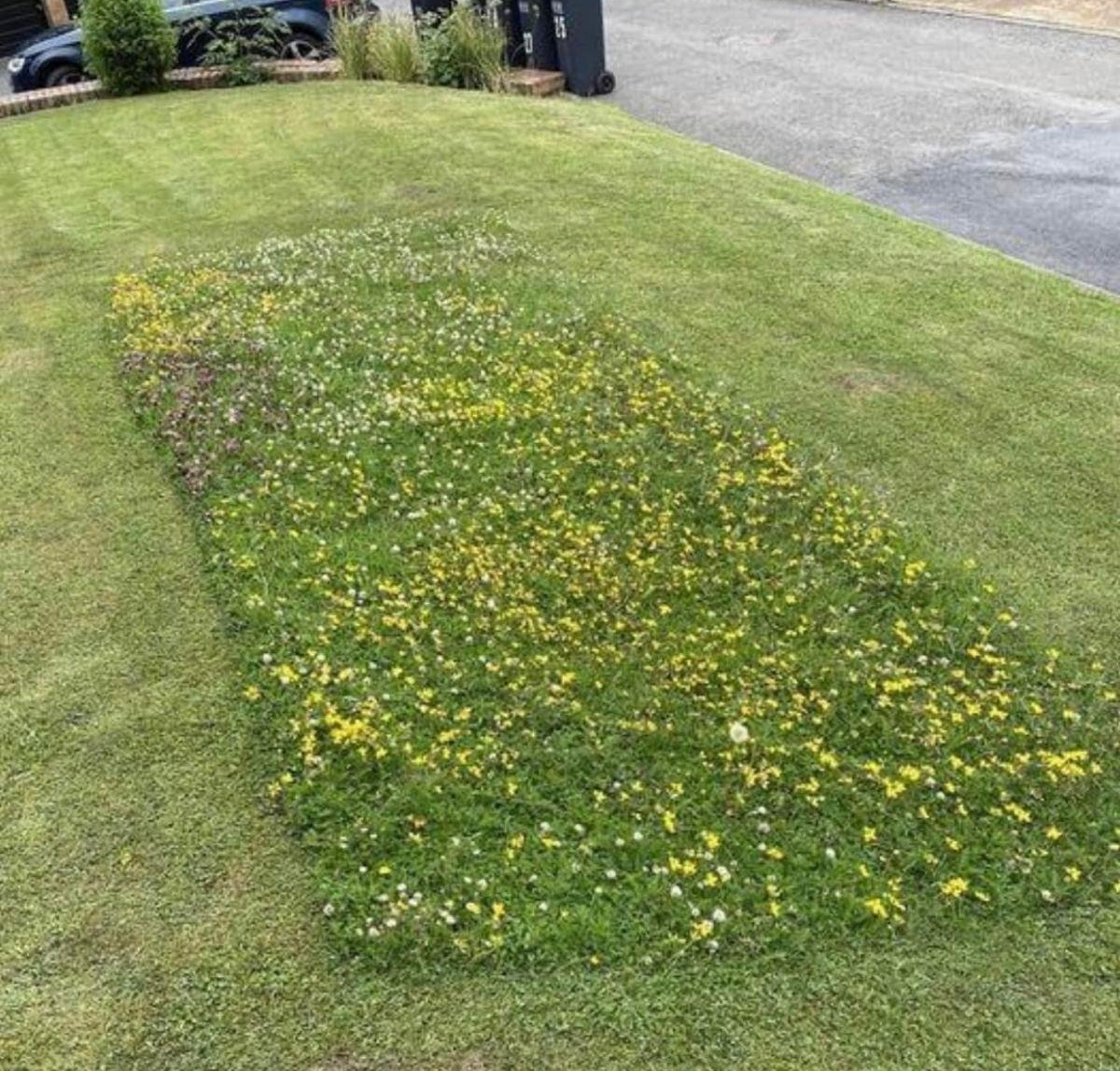
Sometimes supporting your local pollinators is as simple as this.
Just stop mowing that one patch of lawn for a few weeks.
Let the dandelions and clover bloom. Suddenly you’ve created a free, all-you-can-eat buffet for bees, butterflies, and other pollinators, right in your own yard.
No special seeds, expensive wildflower mix, or guilt trips.
Just a little patience and a willingness to let the “weeds” do what they do best.
Your lawn doesn’t have to be perfect. It just has to be useful.
Have you tried leaving a patch of your yard unmowed this spring? How did the pollinators respond?

English

I've never seen a photograph look so much like a Hopper painting before.
kristopher@kristophershinn
I love making photographs on the ferries
English
Cecily Bradshaw retweetledi

Beautiful blossoms herald arrival of spring
dw.com/en/beautiful-b…
English

India's 'liquid trees' could help cities breathe again
dw.com/en/indias-liqu…
English

Artemis II crew sends 'phenomenal' photos from space
dw.com/en/artemis-ii-…
English