

Poo Bum
3.7K posts

They are determined to hound Nicola Sturgeon to her death! All because of their fear of Scottish Independence! Shame on them all! #hignfy
English


Go suck cock, De Niro.
You are only a shit stain who has only been able to play roles and recite lines well.
You have never built a thing in your life.
Spot World Affairs@SpotGlobals
Robert De Niro on Donald Trump: “He’s a punk. He’s a dog. He’s a pig. He’s a con. A bullshit artist. A mutt who doesn’t know what he’s talking about. Doesn’t do his homework. Doesn’t care. Doesn’t pay his taxes. He’s an idiot. He’s a national disaster. He’s an embarrassment to this country.”
Na Kok, Thailand 🇹🇭 English
@linannlum "this minimal distinction makes no material difference but I'll cling to it anyway"
great save there linda, really
English
@CeeBee_BeeCee Sorry to disappoint you Sweetie. It was actually Alex Salmond who appointed him when he was FM, you know, before Nicola was FM! Get your facts straight. 😏
English
@Allanpetrie91 maybe it wouldnt have happened if you were less hateful.
just a thought
English

@CeeBee_BeeCee Really, yet your hatred of disabled children shines through
English
So once again the unionst idiots have been triggered by one of my tweets it would be a shame to repost it 🤣🤣🤣
Allan petrie@Allanpetrie91
Its time for civil disobedience starting from the Top every pro Independence MSP must now sign a bill to change the franchise of Scottish elections to only allow Political parties registered in Scotland to stand for elections to the Scottish Parliament and ban donations from outside Scotland to these parties.
English


@UpMyKilt_ Pretending not to understand is so brittle
English

Actually, it's baffling to me to that so many Irish have had such a neglected education that they don't know the geographical archipelago has been termed "The British Isles" - which is not the same as "British Islands."
Filib Ó Sandair ⭕️@fosandair
It is genuinely baffling to me how Brits break down into stroppy temper tantrums when you state the fact that Ireland isn't a British isle. There's no context where the term is even necessary.
English
@PeterBleksley ewww, i bet your dangly old bollocks popped out those shorts
English

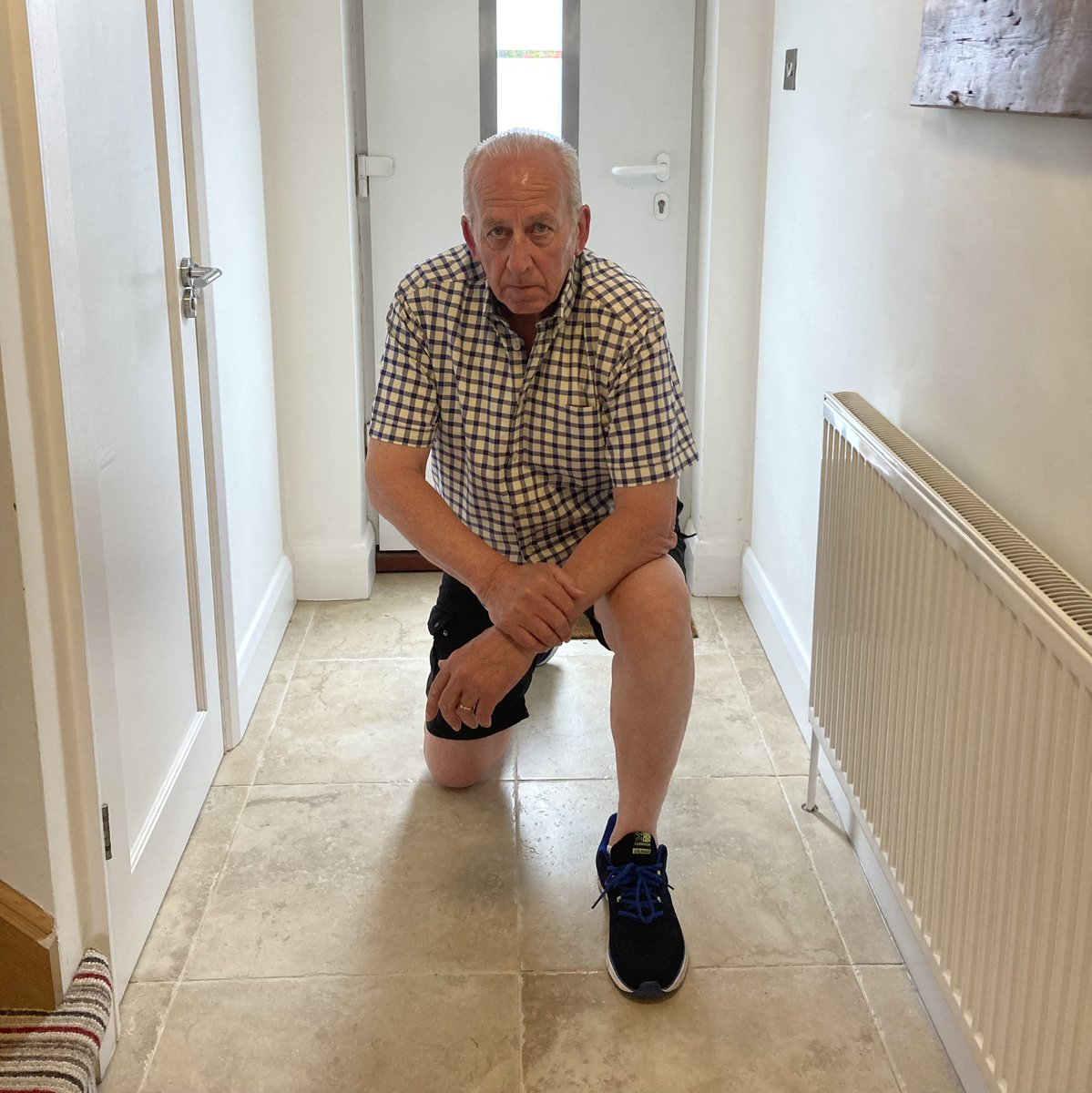
For Henry Nowak, a young man who died after suffering appalling treatment by police officers displaying racial bias.
English


UK government logic...
Ukraine has a right to self-determination, but Scotland doesn't...🤔
They seem proud of denying democracy...as if they think it makes them the adult in the room..rather than the worst kind of colonial overlord..
The so called union is dying..accept it
Caroline Santos@Casumptious
“As far as the SNP membership is concerned, announcing a new referendum is like throwing a rubber ball into a room full of Labradors and shouting “Walkies!”. That will keep their tails wagging for years.” thescottishsun.co.uk/news/16317288/…
English
@nijineko33 @Briani642 there's not a single person who doesn't understand
they're just bored of the Irish playing victim again
call it what you want, we don't care
English

@Briani642 Because they pretend to not understand things , thus making discourse impossible.
English

If 'British Isles' is a neutral term for the region that doesnt have specific political and Loyalist connotations then why are so many Brits and only Brits insisting that it is?
Connor 🇮🇪@Exitoverhere
Ireland never has and never will recognise the term "British Isles" btw, as per the actual government. It's literally strictly an English/ American term, so stop using it in relation to Ireland.
English
Its the same reason Russian Nationalists will point out how Ukrainians were once listed on census as 'little Russians'
English
@IberoMagrebino @CradleOfTheGael your biggest historical sin is the genocide in south america you lying cunt
English

@CradleOfTheGael Our biggest historical sin actually, unforgivable. But fun fact, our republican anthem did originally end with "against the brits, march march". Although they later changed it to "canons" instead of "brits".
English
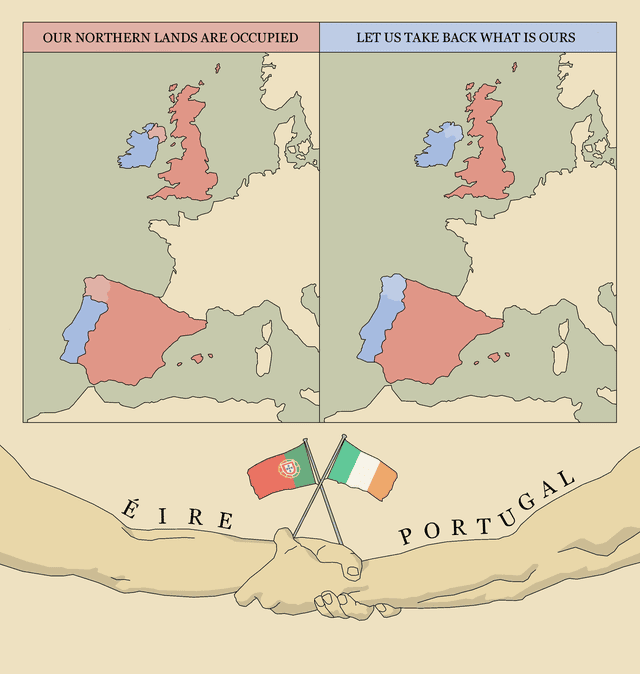
@IberoMagrebino you literally committed genocide in south america
pipe down
English
English

@IndyAsapScot @KizzieWiz Importantly, most importantly, Scotland’s borders revert to pre 1707, including treaty boundaries. No partition or annexation of bits of Scotland.
English

@whitebugatti007 @bog_gary @IrishUnity your entire timeline is all about the british mate xx
you're sat on here at 1am ranting
English
“The Irish people will only be free, when they own everything from the plough to the stars.”
- James Connolly
English


England do not create enough energy for their population
England dont farm enough food for their population
England dont have enough clean drinking water for their population
So what do they export other than arms, debt and misery? , just wondering !.
English
@MikeyTheBuddie did you appoint her to a position of authority in an organisation you led?
English

My ex wife was a cunt.
She lied, stole from her dying nan, was sacked for stealing from her work.
She made up having cancer.
Had an affair with a guy who once got her sister pregnant (and went on to have 2 children to him).
None of that was my fault.
No one ever blamed me.
English