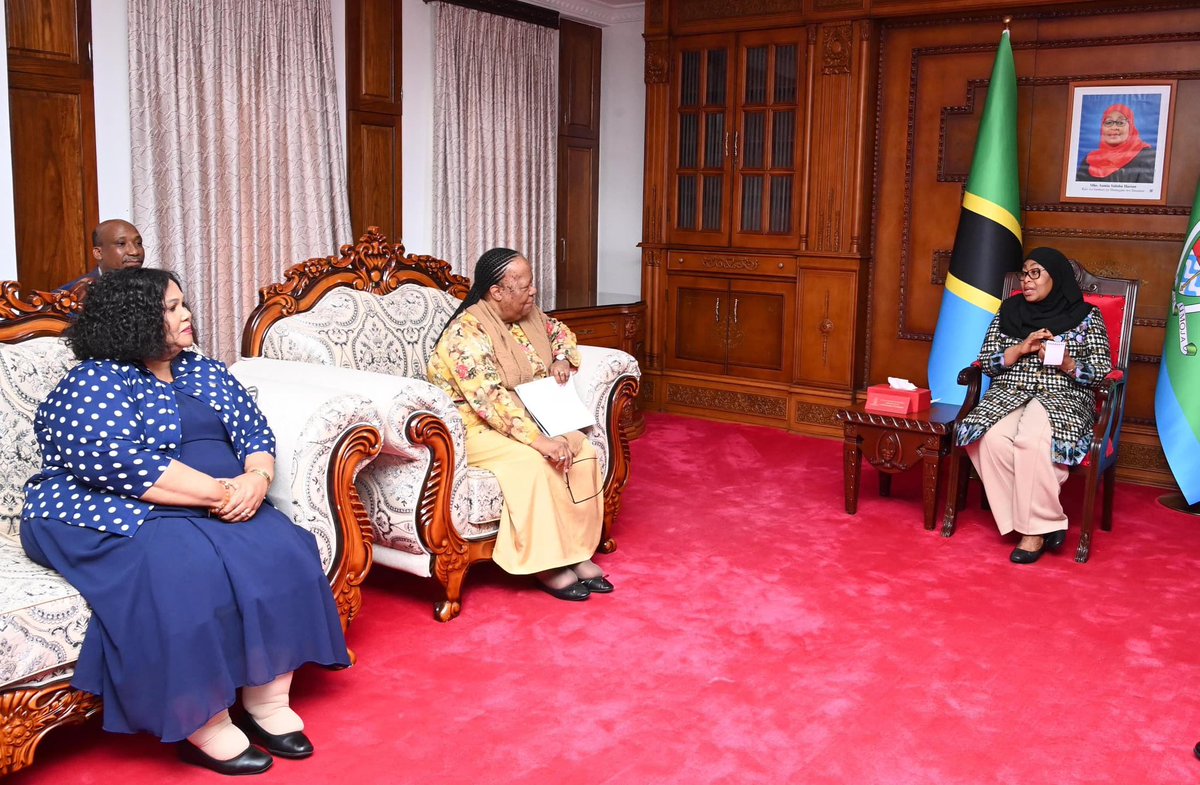
Rais wa Jamhuri ya Muungano wa Tanzania, Mhe. Dkt. Samia Suluhu Hassan akiwa katika Picha ya pamoja na Waziri Mstaafu wa Mambo ya Mahusiano ya Kimataifa na Ushirikiano wa Afrika ya Kusini, Dkt. Grece Naledi Mandisa Pandor, ambaye pia ni Mjumbe Maalum wa Rais wa Afrika ya Kusini, Mhe. Cyril Ramaphosa alipofika Ikulu ndogo Tunguu Zanzibar kwa ajili ya kuwasilisha Ujumbe huo, tarehe 19 Disemba, 2025.
Rais wa Jamhuri ya Muungano wa Tanzania, Mhe. Dkt. Samia Suluhu Hassan akizungumza na Mjumbe Maalum wa Rais wa Afrika ya Kusini,Mhe. Cyril Ramaphosa, ambaye ni Waziri Mstaafu wa Mambo ya Mahusiano ya Kimataifa na Ushirikiano wa nchi hiyo, Dkt. Grace Naledi Mandisa Pandor mara baada ya kuwasilisha Ujumbe huo Maalum, Ikulu Ndogo Tunguu, Zanzibar tarehe 19 Desemba, 2025.
Rais wa Jamhuri ya Muungano wa Tanzania, Mhe. Dkt. Samia Suluhu Hassan akiagana na Waziri Mstaafu wa Mambo ya Mahusiano ya Kimataifa na Ushirikiano wa Afrika ya Kusini, Dkt. Grece Naledi Mandisa Pandor, ambaye pia ni Mjumbe Maalum wa Rais wa Afrika ya Kusini, Mhe. Cyril Ramaphosa, baada ya kukabidhi Ujumbe huo Ikulu ndogo Tunguu, Zanzibar, tarehe 19 Desemba, 2025.
Fuatilia matangazo ya moja kwa moja kupitia akaunti zetu za Instagram: ikulu_mawasiliano, Facebook: Ikulu Tanzania Facebook fanpage: Ikulu Mawasiliano, Twitter: ikulu_Tanzania Youtube Channel: Ikulu Tanzania na Tovuti: ikulu.go.tz
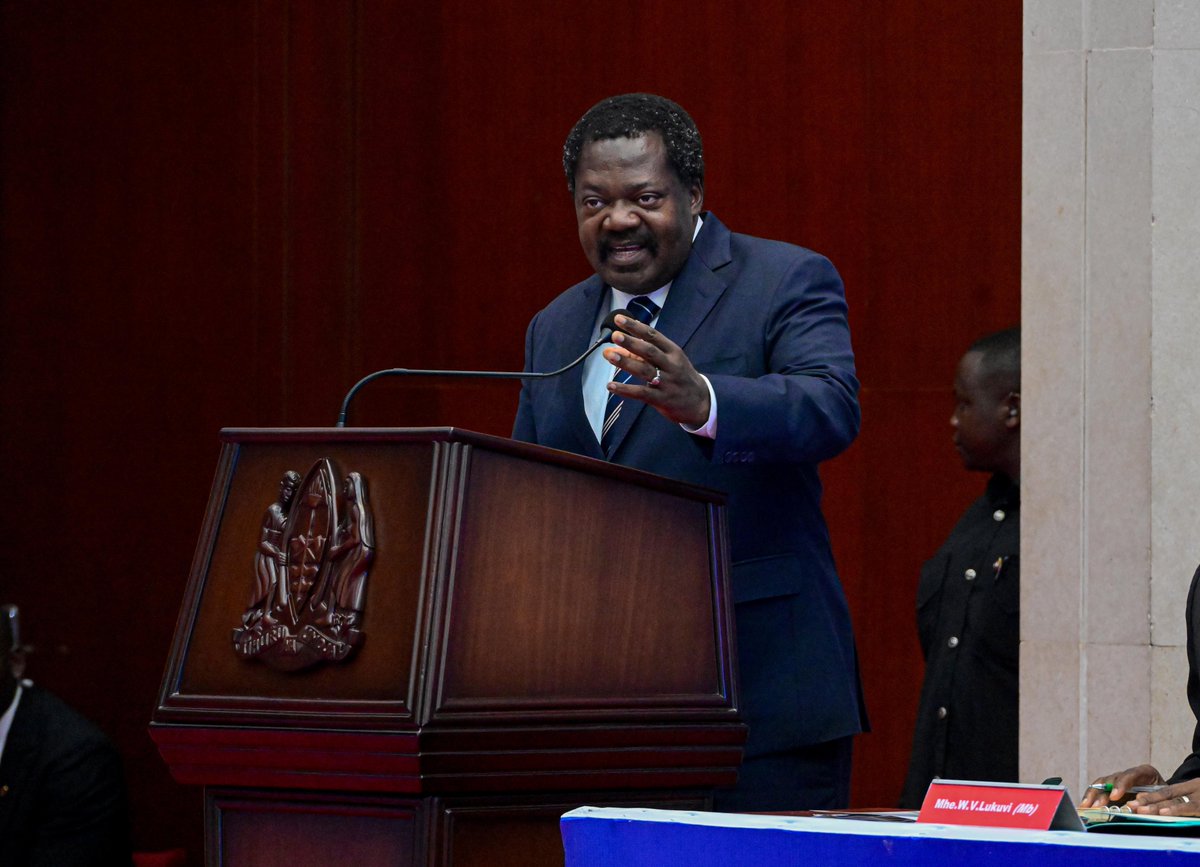
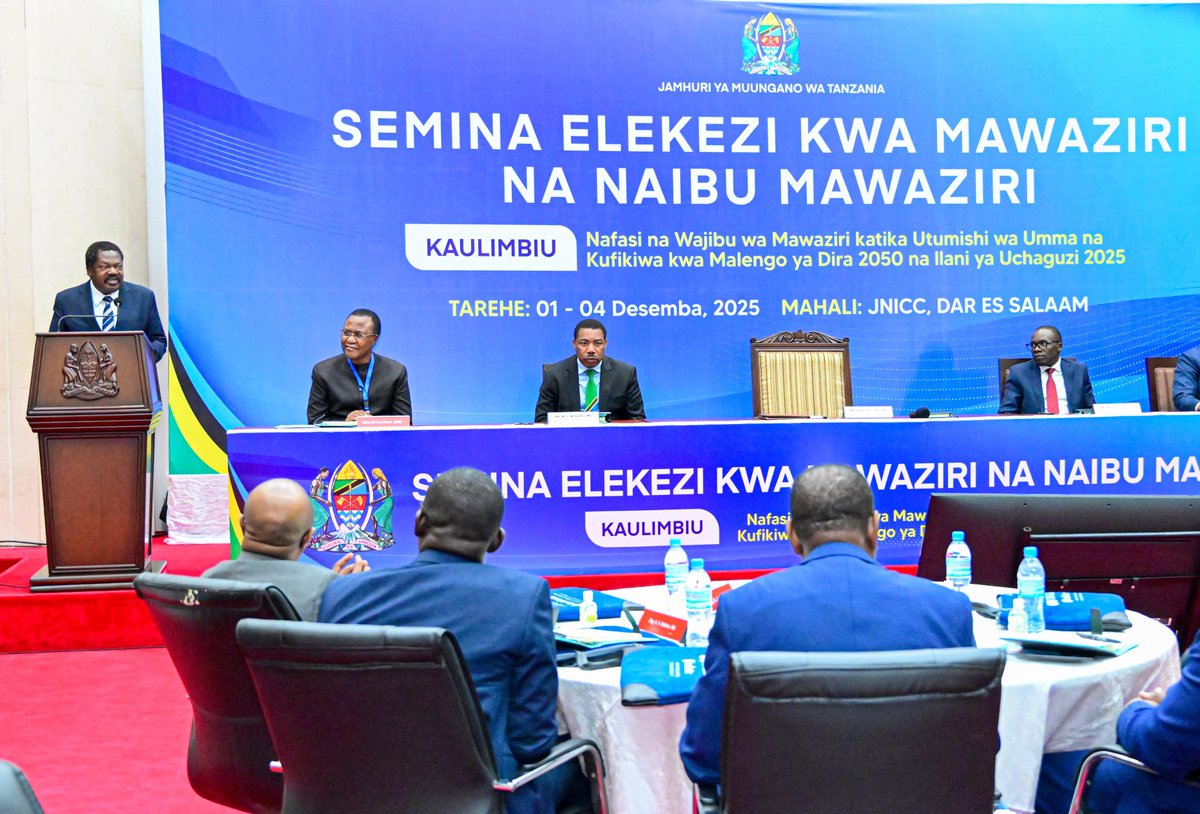
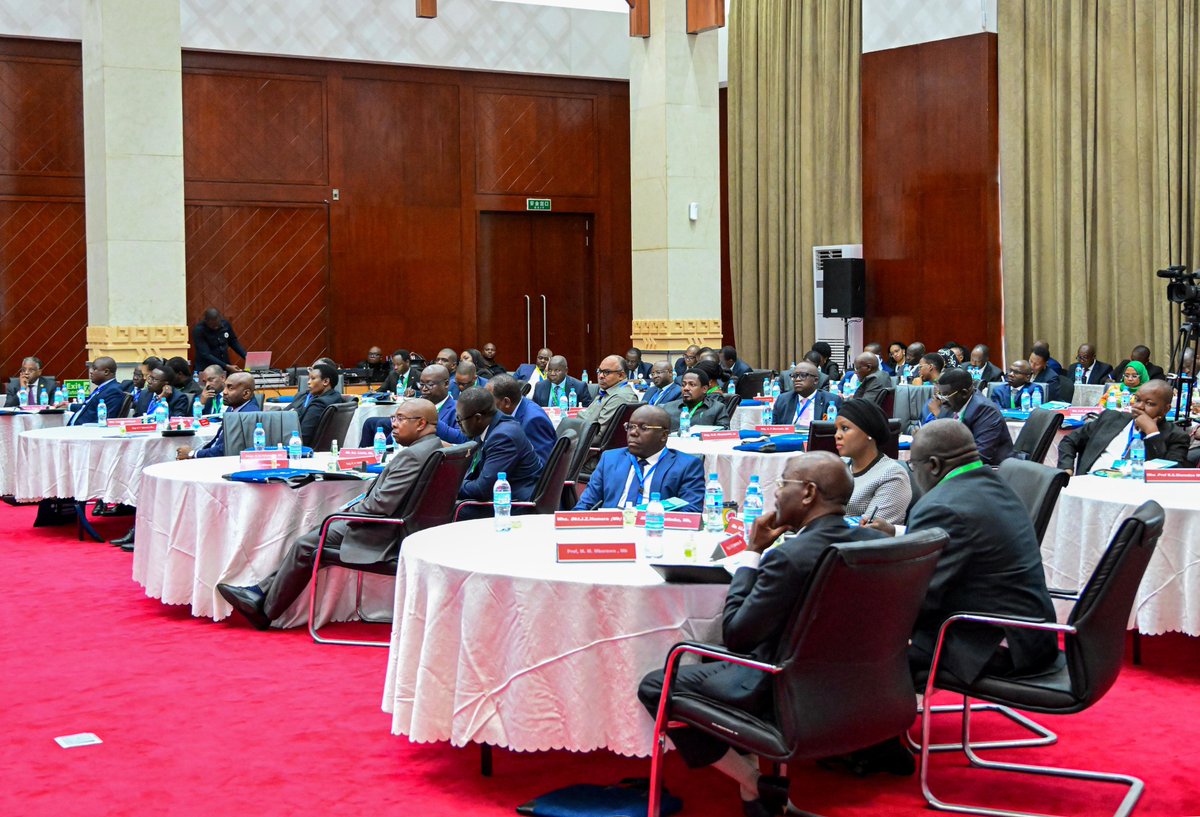
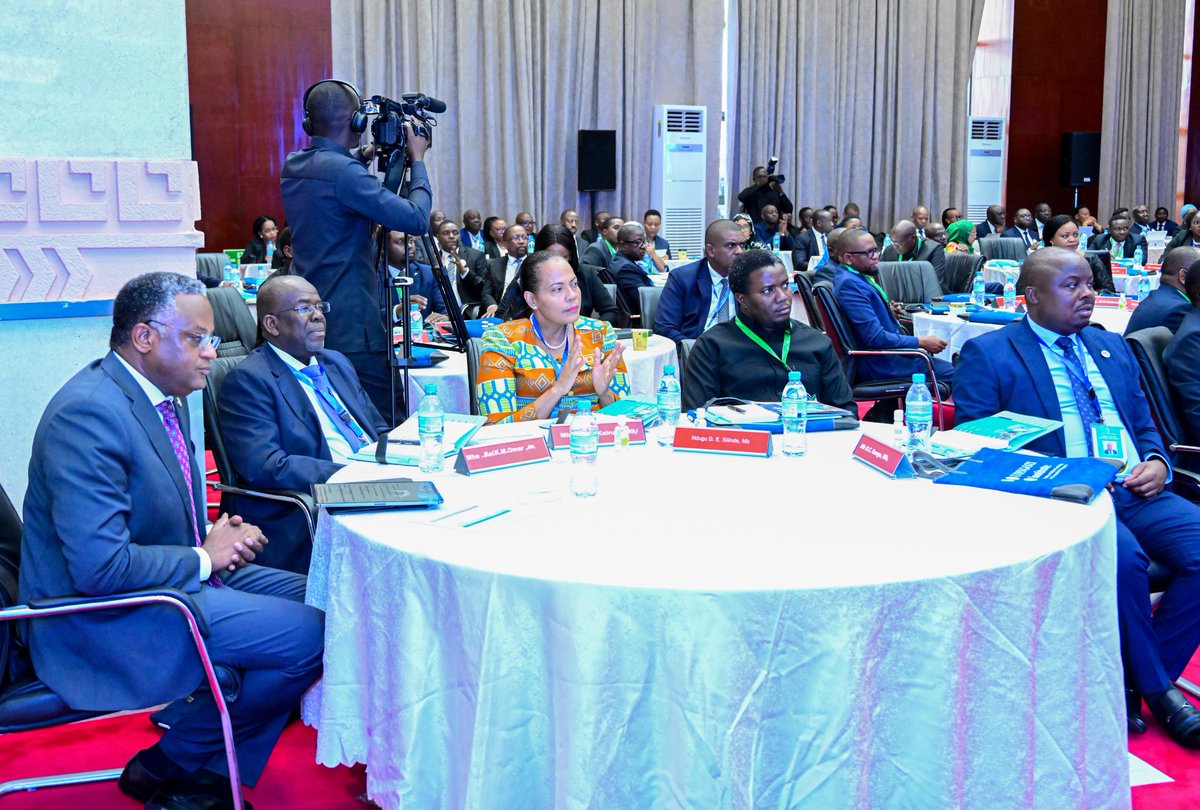
Makamu wa Rais wa Jamhuri ya Muungano wa Tanzania Mhe.Balozi Dkt. Emmanuel Nchimbi amefungua Semina Elekezi kwa Mawaziri na Naibu Mawaziri inayofanyika katika Kituo cha Mikutano cha Kimataifa cha Julius Nyerere Jijini Dar es Salaam. Tarehe 01 Desemba 2025.
Kauli mbiu ya Semina hiyo ni “Nafasi na Wajibu wa Mawaziri katika Utumishi wa Umma na kufikiwa kwa Malengo ya Dira ya Taifa 2050 na Ilani ya Uchaguzi 2025”.
1. Haki na Wajibu wa Kisiasa kwa Mujibu wa Katiba
Katiba ya Jamhuri ya Muungano wa Tanzania ya mwaka 1977 (kama ilivyorekebishwa) inatambua na kulinda:
Haki ya kushiriki shughuli za kisiasa (Ibara ya 20 na 21), ikiwemo kujiunga na chama cha siasa na kushiriki mikutano ya kampeni.
Uhuru wa mawazo na kujieleza (Ibara ya 18), ambao hujidhihirisha kwenye mikusanyiko ya hadhara kama hii.
Kwa hiyo, wingi wa watu waliokusanyika Kawe ni kielelezo cha haki ya wananchi kushiriki kidemokrasia, mradi tu shughuli hizi zinafanyika kwa mujibu wa sheria na taratibu.
2. Sheria za Uchaguzi na Kanuni za Kampeni
Sheria ya Uchaguzi wa Rais, Wabunge na Madiwani (Sura ya 343) na Kanuni zake, pamoja na Tume ya Taifa ya Uchaguzi (NEC), zinaweka misingi ya kampeni:
Kampeni lazima zifanyike katika mazingira ya amani na usalama.
Vyama vyote vinapaswa kupewa nafasi sawa ya kufanya kampeni.
Viongozi na wagombea wanakatazwa kutumia lugha za chuki au kuchochea uvunjifu wa amani.
Kwa kuwa umati mkubwa umejitokeza, jukumu la vyombo vya dola na NEC ni kuhakikisha kuwa mikutano inabaki kwenye mstari wa amani na heshima kwa sheria.
3. Uwepo wa Viongozi wa Kitaifa na Wastaafu
Uwepo wa viongozi wa kitaifa na wastaafu una uzito mkubwa:
Kiishara, unaonyesha mshikamano wa kitaifa na mwendelezo wa uongozi.
Kidemokrasia, unathibitisha kwamba hata viongozi wastaafu wanashiriki na kutunza hadhi ya mchakato wa kisiasa.
Pia unatoa taswira ya umoja na mshikamano ndani ya chama na taifa, kinyume na migawanyiko ya kisiasa.
4. Mustakabali wa Taifa
Hali ya amani na utulivu iliyotajwa hadi sasa ni msingi wa mustakabali wa taifa:
Ikiendelea kudumishwa, itahakikisha uchaguzi huru na wa haki.
Wingi wa wananchi wanaojitokeza ni ishara ya imani kwa mchakato wa kidemokrasia, lakini pia changamoto ya kuhakikisha kila upande unapata fursa sawa.
Kwa taifa changa na lenye historia ya mshikamano, mustakabali wake hutegemea kuheshimu demokrasia, kutii sheria, na kudumisha mshikikano wa kijamii.
Kwa mujibu wa Katiba na Sheria za Uchaguzi, mkusanyiko wa maelfu ya wanachama wa CCM Kawe ni tukio la kawaida la kisiasa, linaloonyesha haki ya kikatiba ya kushiriki katika shughuli za kisiasa. Uwepo wa viongozi wote – wa sasa na wastaafu – unaleta uzito wa kitaifa na kuimarisha mshikamano. Mustakabali wa taifa utategemea zaidi namna vyama vyote, viongozi na wananchi wanavyoshiriki kwa heshima, amani na kufuata sheria kuelekea Uchaguzi wa 2025.
Hotuba yangu mapema leo Ikulu, Dodoma nilipozindua Tume Huru ya Uchunguzi wa Matukio ya Uvunjifu wa Amani yaliyotokea wakati na baada ya Uchaguzi Mkuu uliofanyika Oktoba 29, 2025.
Nina imani na uwezo na weledi wa tume hii. Taarifa yao juu ya kiini cha tatizo itatuongoza kujielekeza kwenye hatua sahihi za kiutendaji na mazungumzo ya kuleta maelewano, kuimarisha usalama, amani na umoja wetu.
Mwenyezi Mungu Mtukufu awasimamie na kuwaongoza.
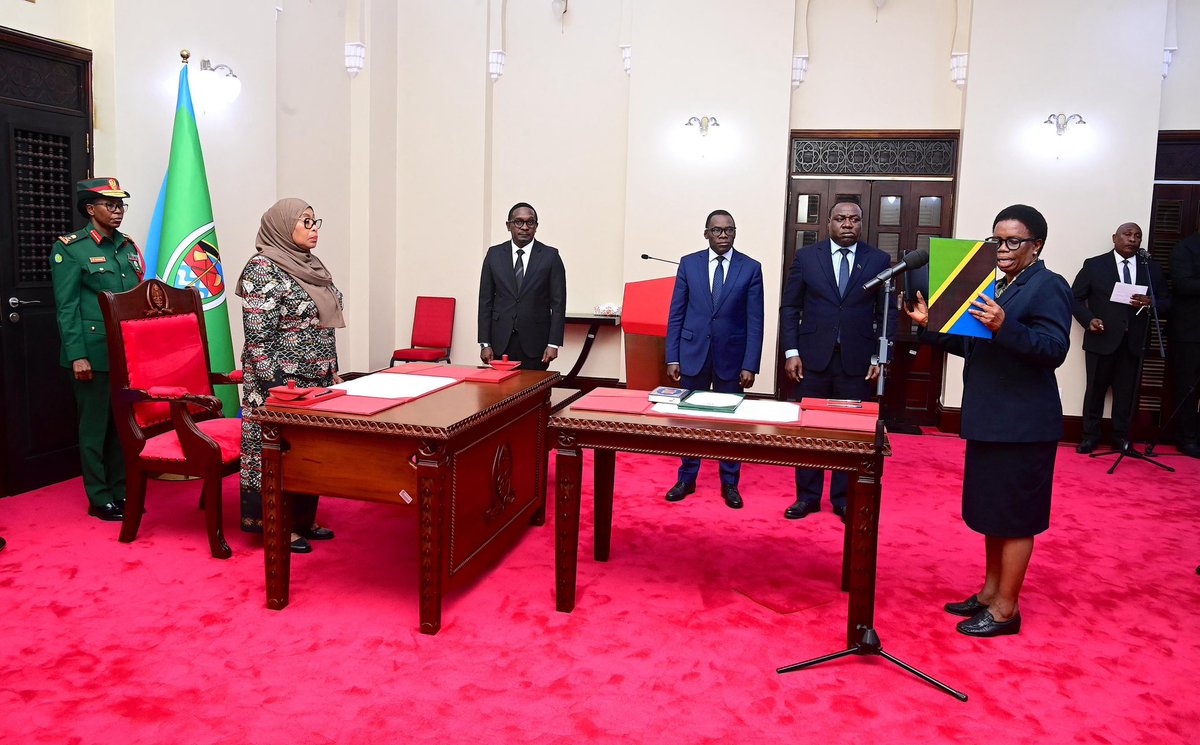
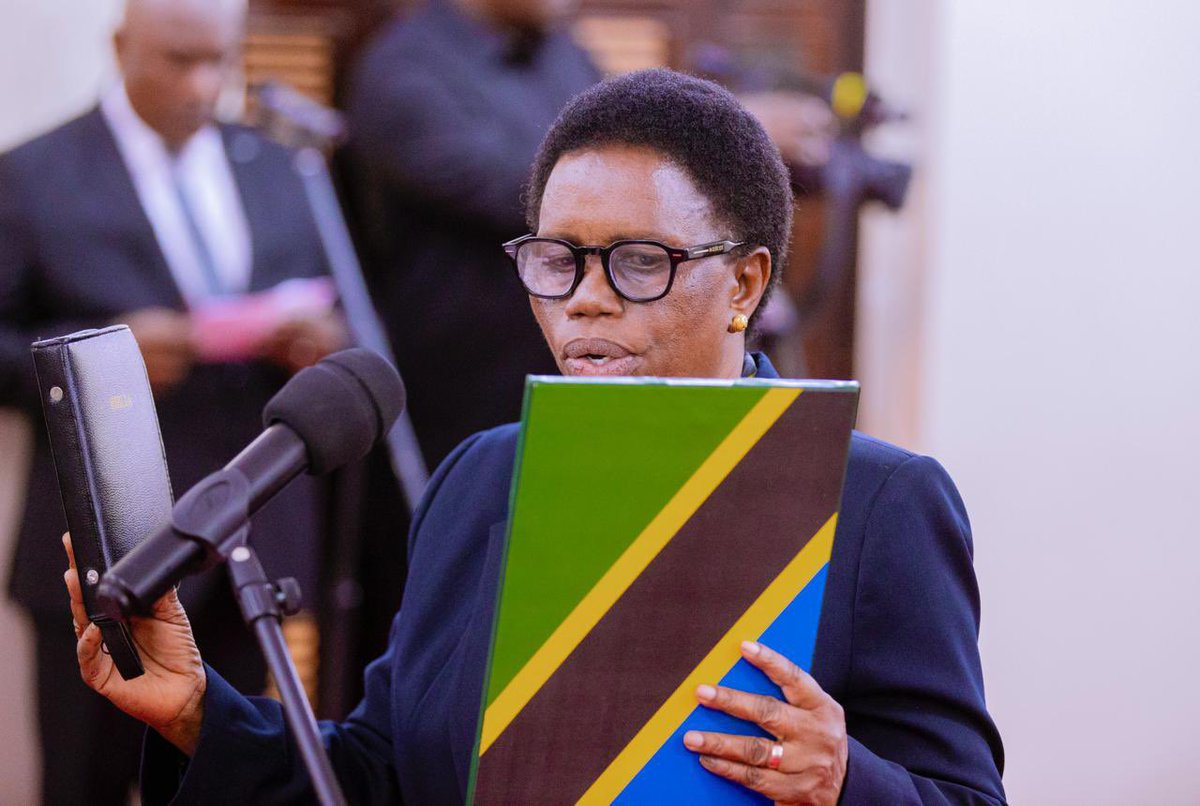
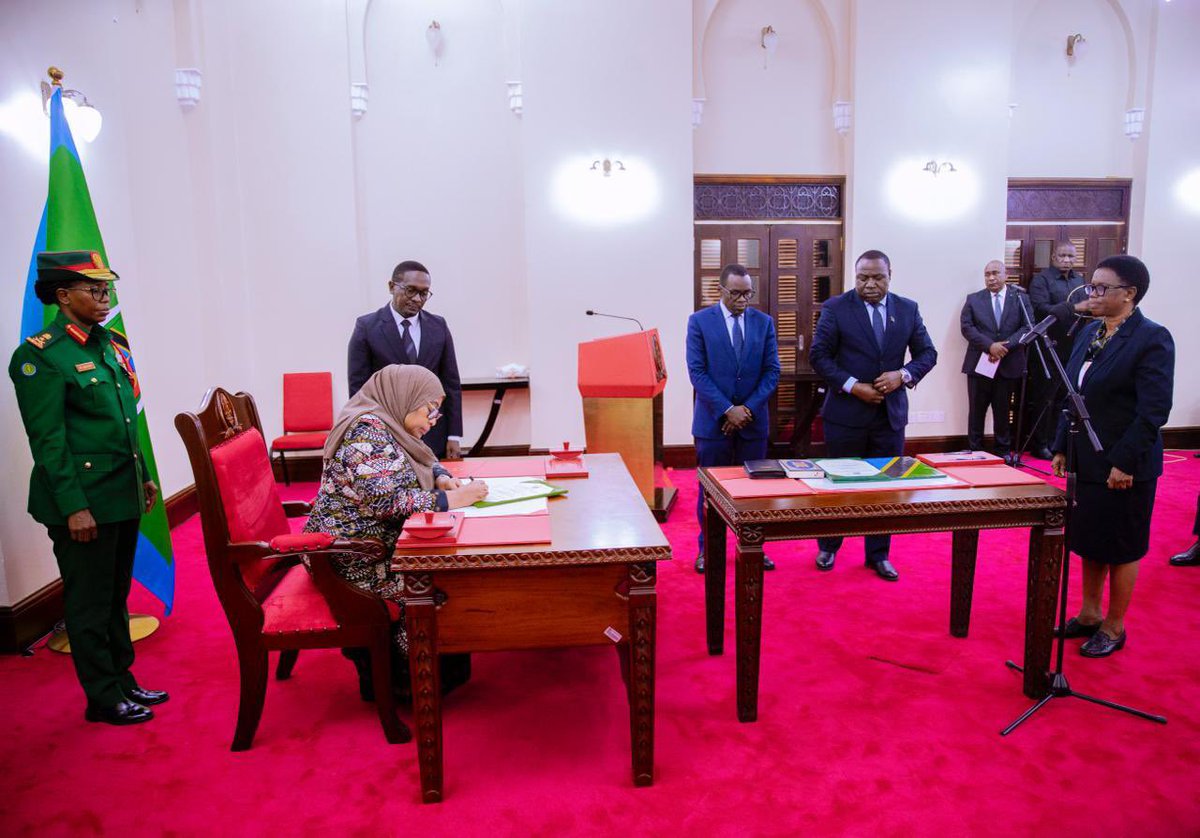
Rais wa Jamhuri ya Muungano wa Tanzania, Mhe. Dkt. Samia Suluhu Hassan akimuapisha Bi. Jenifa Christian Omolo kuwa Katibu Mkuu Ofisi ya Rais Maendeleo ya Vijana kwenye hafla iliyofanyika Ikulu Chamwino mkoani Dodoma tarehe 21 Novemba, 2025.
THE SECRET BEHIND KENYA’S ROLE IN FUELING UNREST IN TANZANIA UNDER THE GUISE OF FIGHTING FOR DEMOCRACY.
By Dr. Geus Mbadika Nyaisanga
Dar es Salaam, Tanzania
The General Election of the United Republic of Tanzania, held on October 29, 2025, marked another historic chapter in the country’s democratic journey since the reintroduction of multiparty politics in 1992.
Millions of Tanzanians turned out peacefully to exercise their constitutional right to vote, despite reports of unrest in some major cities such as Dar es Salaam, Mwanza, Arusha, Mbeya, and Songwe.
Starting on election day, October 29, and in the days that followed, violent incidents broke out. Fuel stations were set ablaze, rapid transit buses and stations were vandalized, several police posts and government offices were torched, and private property was looted and destroyed.
The Police Force, supported by other security organs, was compelled to intervene to contain the situation. Several areas were placed under special security monitoring, some temporarily closed, and digital communications were briefly restricted to curb the spread of inflammatory misinformation.
Dar es Salaam, as Tanzania’s economic hub, bore the greatest brunt of the destruction. Early assessments indicate extensive damage to the petroleum, public transport, and trade sectors. Multiple fuel stations were set on fire, rapid transit infrastructure was damaged, and private vehicles and shops were looted or destroyed.
Incitement through social media
Preliminary investigations reveal that the violence was not spontaneous. It was organized and coordinated through social media platforms — X (formerly Twitter), TikTok, Facebook, and WhatsApp — where videos, images, and audio recordings inciting unrest spread rapidly. Many of the accounts responsible for these activities were managed from outside Tanzania, particularly from Kenya.
On these platforms, numerous Kenyan users were seen celebrating the chaos, creating and sharing content that incited anger toward Tanzanian security forces and spread false claims about the election results. To a casual observer, this might appear as harmless regional commentary — yet upon deeper analysis, it reflects a larger, calculated economic and geopolitical agenda.
Why is Kenya fueling unrest in Tanzania?
Among over fifty African nations, why did Kenya appear most eager to provoke or celebrate instability in Tanzania? Is it neighborly concern, a passion for democracy — or something deeper?
It is neither. Kenya also borders Uganda and Rwanda, yet such efforts are not directed there. Nor can it be justified as a love for democracy, given that Kenya itself still faces democratic challenges, as do its neighbors Uganda and Rwanda.
The real motive lies in economic espionage and the broader strategic competition between Kenya and Tanzania — particularly over control of trade routes and port dominance in East Africa.
For decades, Kenya’s Mombasa Port has been the main gateway for regional trade. But recent years have witnessed Tanzania’s emergence as a formidable rival, following sweeping reforms and massive infrastructure investments at the Port of Dar es Salaam and along its connecting transport corridors.
Through a strategic partnership with Dubai Ports World (DP World), Tanzania’s Dar es Salaam Port has achieved dramatic improvements. Cargo discharge time has fallen from five days to just one, while several handling fees have been abolished — making the port significantly more efficient and attractive to traders.
A flagship project, the Dar es Salaam Maritime Gateway Project (DMGP) — worth USD 420 million — is expanding port capacity, deepening berths, upgrading storage facilities, and integrating the modern Kwala Inland Container Depot. Combined with the new Standard Gauge Railway (SGR) to Isaka and Kigoma, this network will streamline cargo movement to the DRC, Burundi, Zambia, Malawi, and Rwanda.
According to The East African Business Review (2024), traders from Uganda, Rwanda, Burundi, Malawi, and the DRC have begun shifting their cargo routes from Mombasa to Dar es Salaam due to Kenya’s higher fees and delays. Uganda reports that over 50% of its trade costs stem from cargo handling and inland transport from Mombasa — undermining competitiveness.
By 2023, Mombasa Port’s throughput had dropped by 1.9%, a decline directly linked to Dar es Salaam’s rising competitiveness. While Tanzania has abolished numerous port charges, Kenya continues to impose surcharges, including a USD 3,000 deposit per container (recently scrapped after declining revenue).
Kenya’s new measures — reducing port fees, extending free storage days, and removing duplicate charges — are defensive attempts to recover lost clients amid Tanzania’s rapid progress.
Kenya’s fear of Tanzania’s economic rise
For decades, Kenya has held the mantle of East Africa’s commercial capital. But Tanzania’s consistent economic growth — averaging 6.1% over the past three years compared to Kenya’s 4.5% — now threatens that dominance (World Bank, 2024–2025). Booming sectors like mining, energy, ports, and construction have turned Tanzania into one of Africa’s most promising investment destinations.
Thus, internal instability in Tanzania would serve as the quickest way to undermine investor confidence — a direct advantage to Kenya, Tanzania’s main regional competitor.
This reality explains why certain online groups in Kenya might have both political and economic motives to spread anti-Tanzania propaganda under the banner of “defending democracy.”
Tanzania’s ongoing development of the Bagamoyo Port — projected to become East Africa’s largest — alongside major upgrades at Tanga Port and lake ports like Mbambabay (Lake Nyasa) and Tumbi (Lake Tanganyika), signals its ambition to expand its influence from the Indian Ocean to the Great Lakes region.
For Kenya, this is a clear warning. Once these projects are completed, large volumes of cargo from the DRC, Zambia, Malawi, and Rwanda will shift to Tanzanian routes. Kenya cannot accept such an outcome — and thus, stoking unrest in Tanzania becomes a means to delay progress and weaken investor trust.
The new economic cold war — fought online
In today’s digital age, wars are not only fought with weapons but also with information. Funded influencers, content creators, and youth activists have become tools in modern political and economic warfare.
Kenya’s social media landscape is deeply intertwined with its political economy. Organized digital campaigns can easily be weaponized to shape narratives — even to destabilize neighbors.
A 2023 study by the Oxford Internet Institute ranked Kenya among Africa’s top 10 countries conducting “orchestrated social media campaigns” — coordinated digital efforts to manipulate public opinion for political or commercial gain.
Given what happened during Tanzania’s October 29, 2025 election, there is compelling evidence that Kenyan media outlets and social platforms were part of a deliberate effort to disrupt Tanzania’s peace. While Tanzanians queued peacefully to vote, major Kenyan accounts on X, TikTok, and Facebook were flooded with sarcastic and misleading posts claiming “violence has erupted in Tanzania.”
Kenyan newspapers, television programs, and blogs echoed this narrative, using recycled images and videos from other countries to depict Tanzania as “descending into electoral chaos.” This campaign was neither accidental nor spontaneous — it was a calculated disinformation effort designed to erode confidence in Tanzanian institutions and legitimize unrest.
Tanzania’s security response
Despite this digital onslaught, Tanzanian security agencies acted swiftly and professionally to restore calm. The Police Force, Tanzania People’s Defence Force (TPDF), the Intelligence and Security Service (TISS), and the Field Force Unit (FFU) worked in close coordination to stabilize the situation.
Dar es Salaam — where several fuel stations, rapid buses, and government offices were set ablaze — returned to normal within 48 hours. Operations were carried out with restraint, focusing on the protection of civilians and property. In other cities like Mwanza, Mbeya, and Arusha, security forces managed to disperse mobs without excessive force, adhering to human rights and legal standards.
Under the leadership of President Samia Suluhu Hassan, the government remained calm and steadfast, proving that Tanzania is not a fragile state susceptible to online manipulation. The events of October 29 were not merely political unrest but part of a digital economic cold war — a battle of narratives, images, and influence aimed at destabilizing a rising economy.
Tanzania’s experience mirrors global precedents: in Ukraine, Libya, Syria, and Sudan, external disinformation campaigns preceded major internal conflicts. Even in Latin America, countries like Venezuela and Bolivia have witnessed protests fueled by foreign-sponsored digital manipulation disguised as civic activism.
The unrest that shook Tanzania on October 29, 2025, cannot be viewed as ordinary election violence. It was part of a wider strategic struggle for regional economic dominance.
As Tanzania positions itself as East Africa’s new trade hub, Kenya faces the reality of losing its traditional role as the region’s commercial gateway. Through online propaganda, digital agitation, and the rhetoric of “defending democracy,” efforts are underway to slow Tanzania’s economic ascent.
The battle is no longer fought with guns — but with algorithms, narratives, and perception. Tanzania, however, has demonstrated resilience and discipline — proof that stability and progress are still its strongest weapons in this new age of silent wars.