

China Medical Team in Zimbabwe
666 posts
China Medical Team in Zimbabwe
@ChinaMedicalTCM
The 23th China Medical Team in Zimbabwe. Free medical care for all those in need.
Harare, Zimbabwe Katılım Şubat 2022
409 Takip Edilen837 Takipçiler
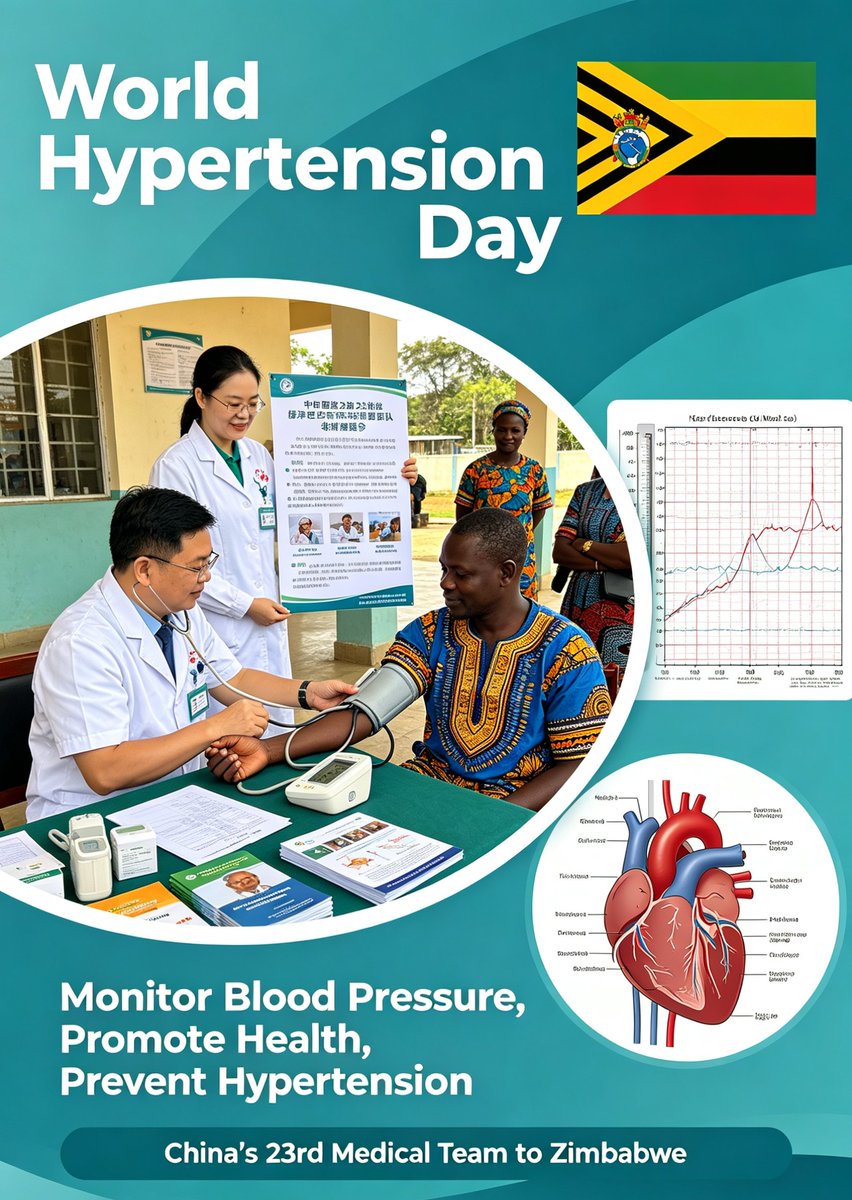
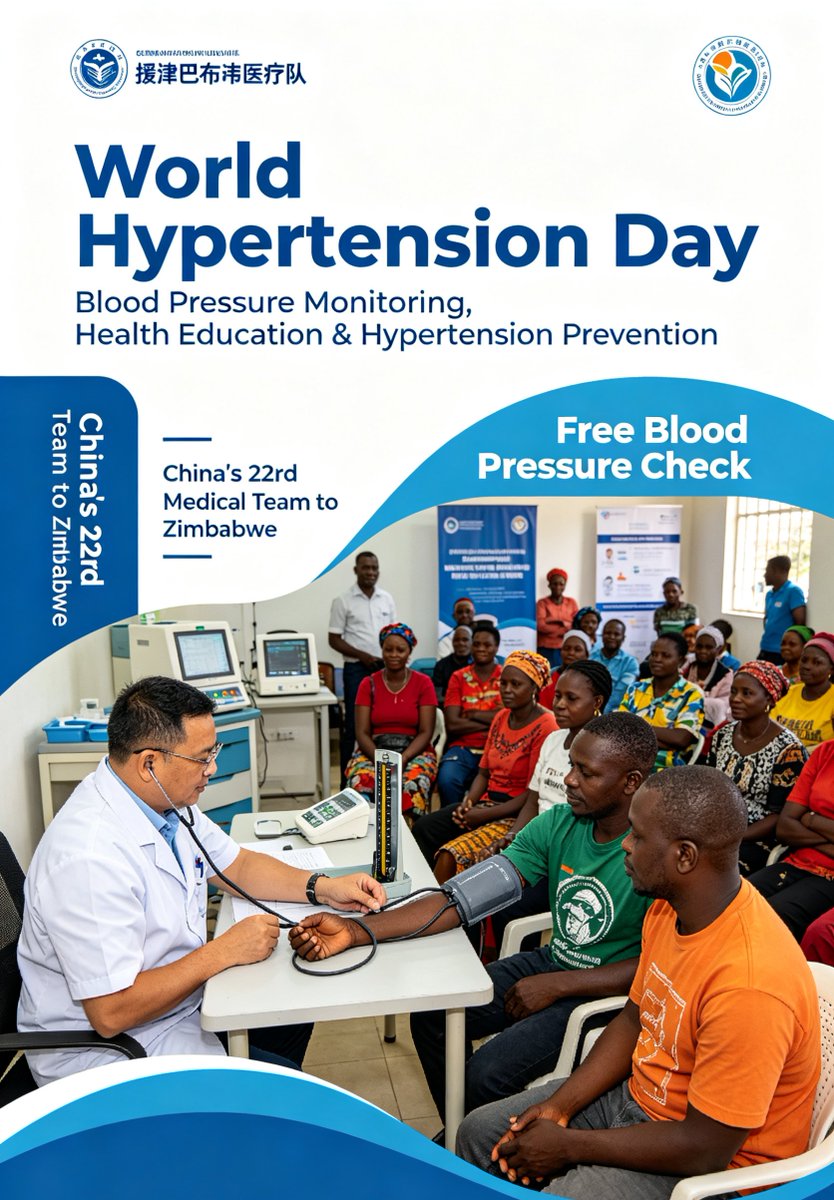
World Hypertension Day
Hypertension is a major threat to health in Africa and worldwide. Early detection, healthy living and proper treatment can greatly reduce the risk of heart attack, stroke and kidney failure.
On this World Hypertension Day, we call on everyone:
• Have your blood pressure checked regularly
• Maintain a low-salt diet and healthy weight
• Exercise regularly and manage stress
• Take antihypertensive drugs correctly and follow up
Let’s work together to control blood pressure and protect health.
The 23rd Batch of China (Hunan) Medical Team to Zimbabwe


English
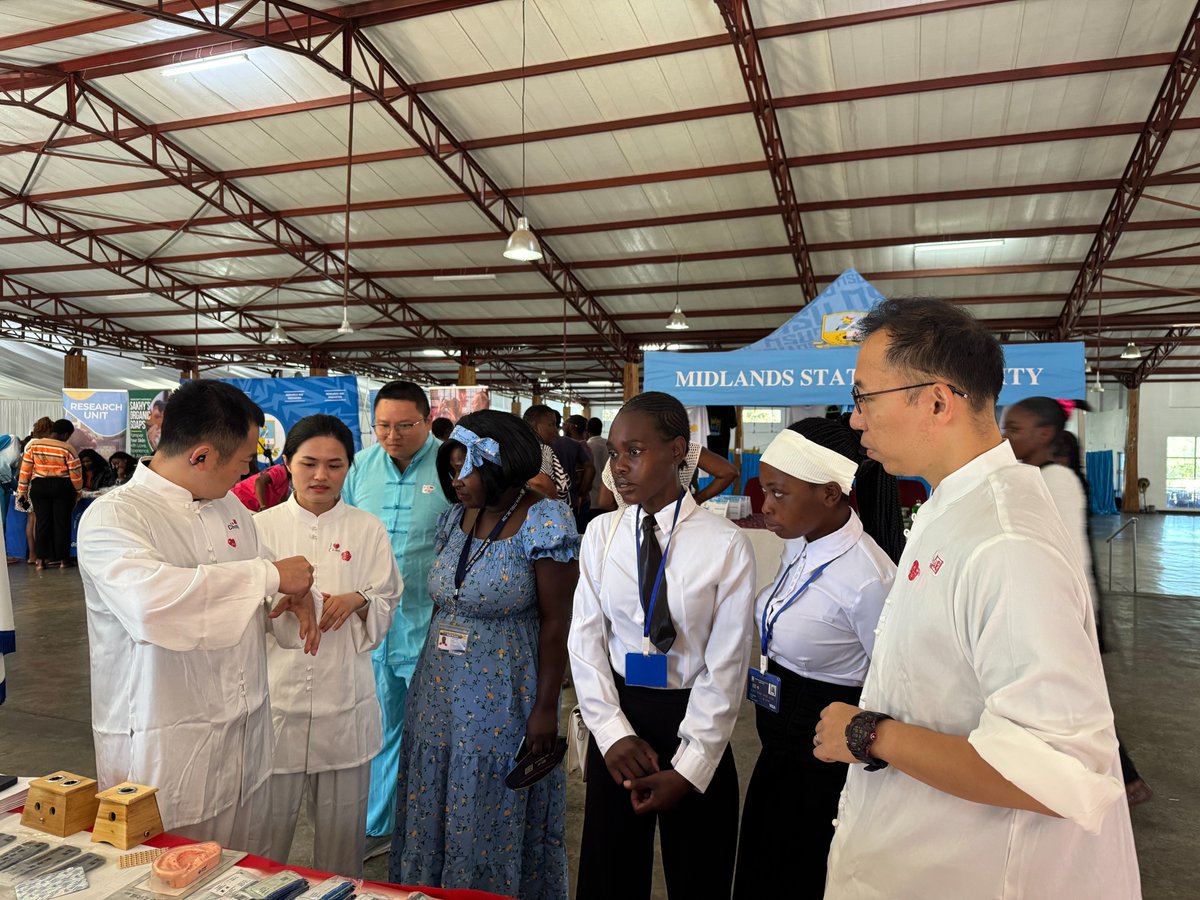
The 23rd Chinese Medical Team to Zimbabwe joined the Midlands State University International Cultural Diversity Carnival alongside the Confucius Institute to mark the 2026 China‑Africa People‑to‑People Exchange Year.
Providing free TCM therapies, health checks and medical consultations, the team showcased traditional Chinese medical culture, boosted cross‑cultural exchanges and deepened China‑Zimbabwe friendship.
Upholding the spirit: Fear no hardship, dedicate selflessly; Heal the wounded, rescue the dying, boundless benevolence, the team will keep supporting local healthcare and promoting people‑to‑people bonds.



English
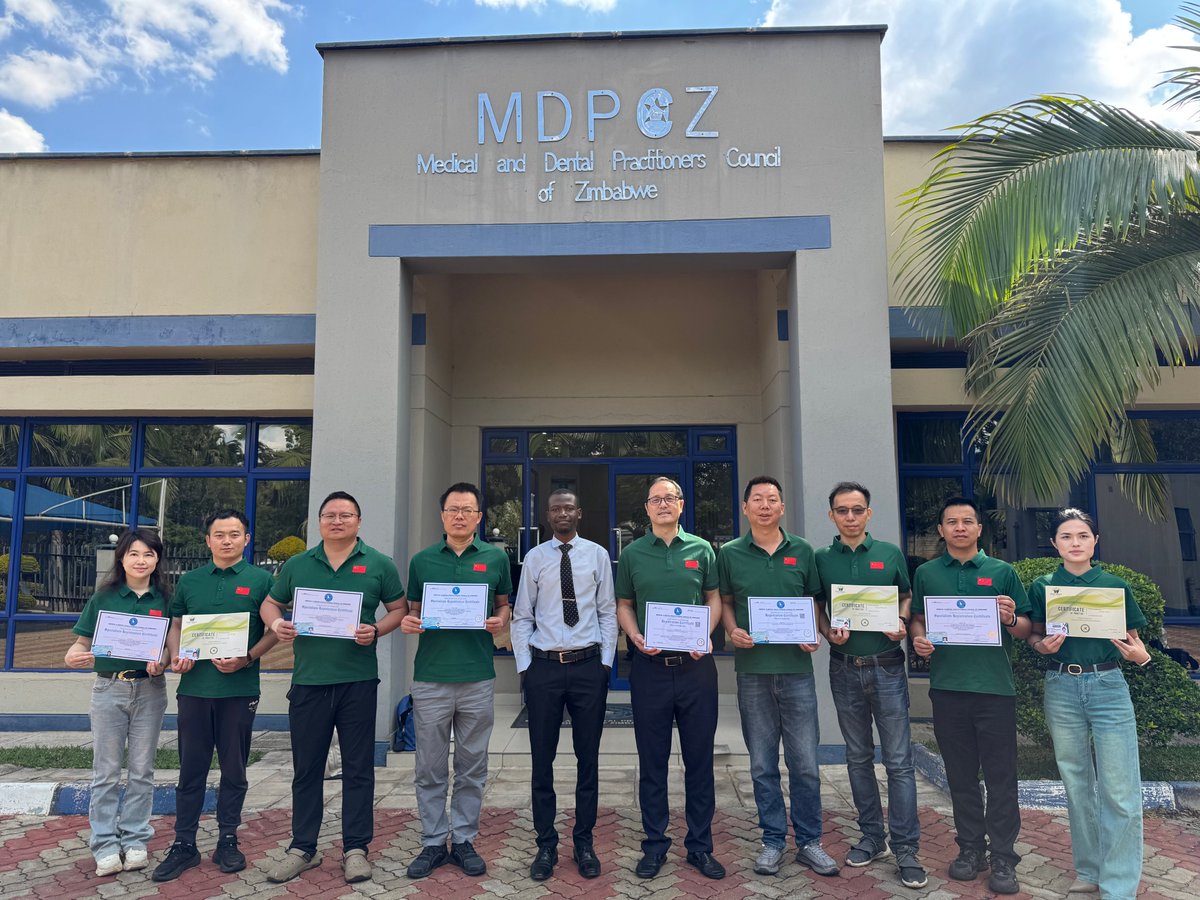
The 23rd Chinese (Hunan) Medical Team to Zimbabwe Obtains Both TCM and Western Medicine Practicing Licenses and Official ID Cards
Recently, all members of the 23rd Chinese (Hunan) Medical Team to Zimbabwe have successfully passed the qualification verification of the Zimbabwean health authorities. They have been officially issued Practicing Licenses and medical staff ID Cards, and are now fully qualified to legally provide clinical, medical and health services in Zimbabwe.
The acquisition of official practicing certificates marks that the medical team has achieved licensed practice, standardized medical services and lawful operation in Zimbabwe. It lays a solid legal foundation for carrying out outpatient services, ward rounds, surgeries, free clinics, professional training and the promotion of traditional Chinese medicine at China-Zimbabwe Friendship Hospital and other medical institutions.
The medical team will strictly abide by the laws, regulations and medical standards of Zimbabwe, practice medicine ethically, and provide safe, high-quality and efficient medical services for local people with professional expertise. The team will continue to uphold the spirit of the Chinese Medical Team and deepen the China-Zimbabwe health cooperation with practical actions.


English
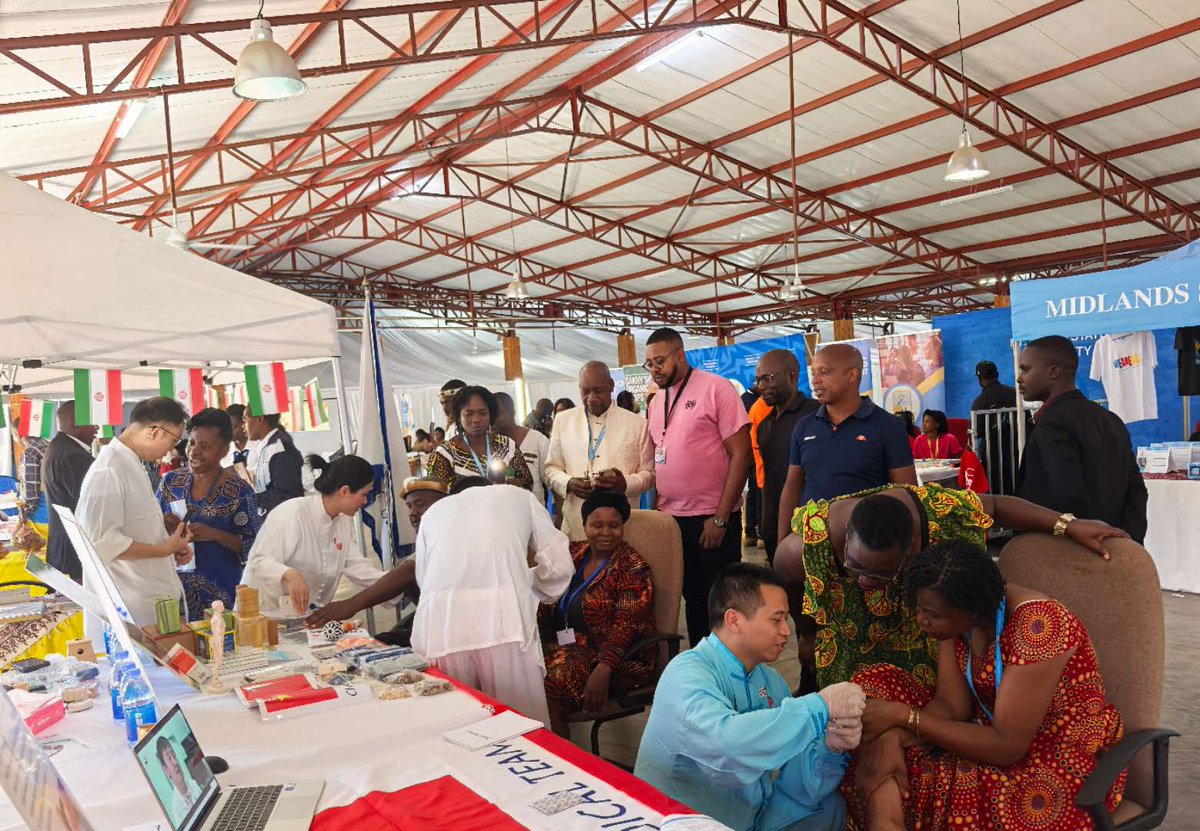
The 23rd Chinese (Hunan) Medical Team to Zimbabwe Joins MSU International Cultural Diversity Carnival
In celebration of the 2026 China-Africa People-to-People Exchange Year, the 23rd Chinese (Hunan) Medical Team to Zimbabwe, together with the Confucius Institute at the University of Zimbabwe, participated in the 2026 Midlands State University (MSU) International Cultural Diversity Carnival held at the Gweru Main Campus on 13 May 2026. Under the theme “Embracing Cultural Diversity for Sustainable Innovation”, the event became a highlight of cross‑cultural exchange and health cooperation.
At the opening ceremony, Team Leader Ma Zheng delivered a speech. He thanked the university for the warm invitation, reviewed the achievements of China-Zimbabwe health cooperation, and highlighted the unique value of Traditional Chinese Medicine (TCM). He reaffirmed the team’s commitment to strengthening people-to-people bonds through cultural exchange and medical cooperation, winning warm applause from the audience.
At the joint exhibition booth with the Confucius Institute, the medical team provided comprehensive health services. Peng Jie, Li Xuanjing, and Xue Lixia offered acupuncture, tuina massage, and moxibustion therapies. Hou Can and Liao Shiyu conducted free blood pressure measurement and health counseling. Chen Yanliang, Yang Zhao, and Cao Wang provided professional surgical diagnosis and treatment.
During the carnival, the team received an on-site interview with local Zimbabwean radio stations. The Provincial Education Director visited the TCM booth, learned about Chinese medical culture, experienced TCM therapies, and highly praised the medical team’s professionalism and dedication.
This activity is a vivid practice of the “Medical Service + Cultural Communication” model in the 2026 China-Africa People-to-People Exchange Year. By working with the Confucius Institute, the Chinese Medical Team showcased the charm of traditional Chinese culture and TCM, deepened the friendship between China and Zimbabwe, and promoted mutual learning among civilizations.
Moving forward, the 23rd Chinese (Hunan) Medical Team to Zimbabwe will continue to uphold the spirit of “Fearless Hardship, Dedication, Healing the Wounded and Rescuing the Dying, and Boundless Love”, further contribute to local health services, promote TCM culture, and write a new chapter of the unbreakable China-Zimbabwe friendship.


English
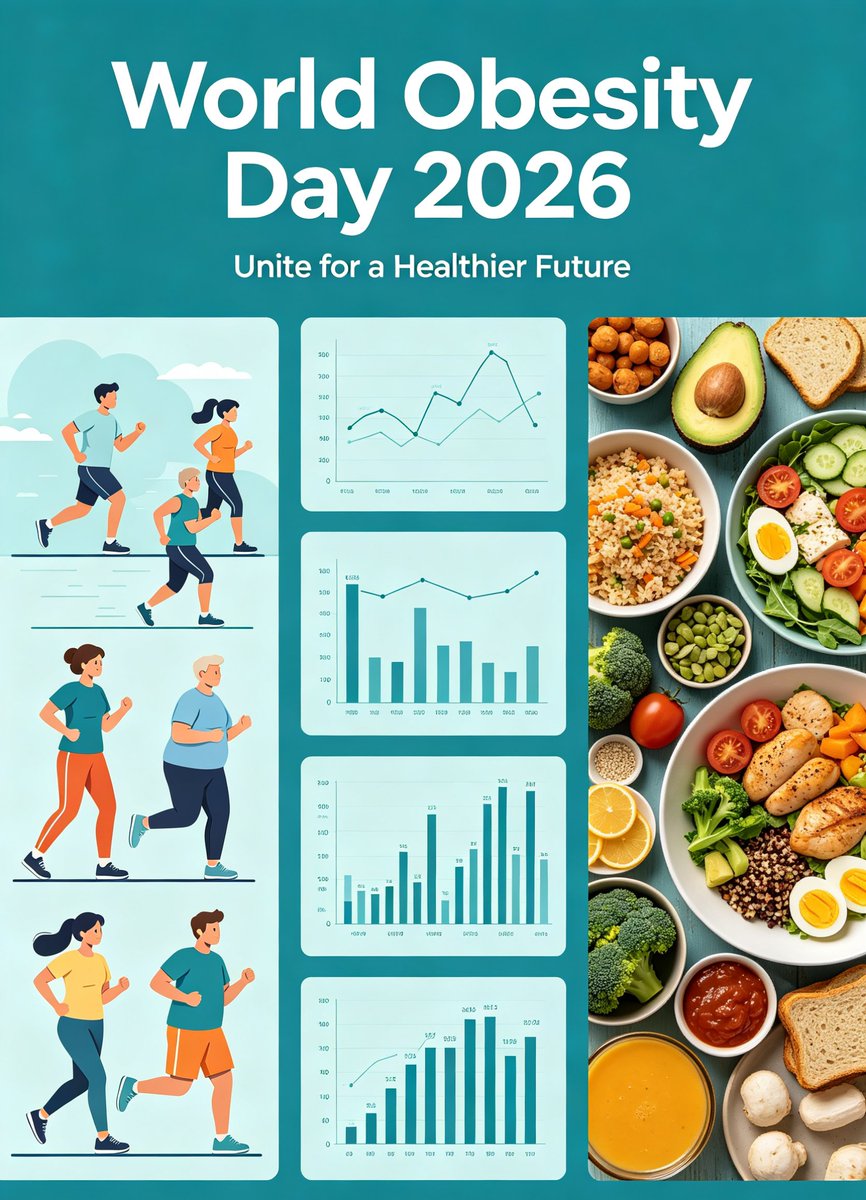
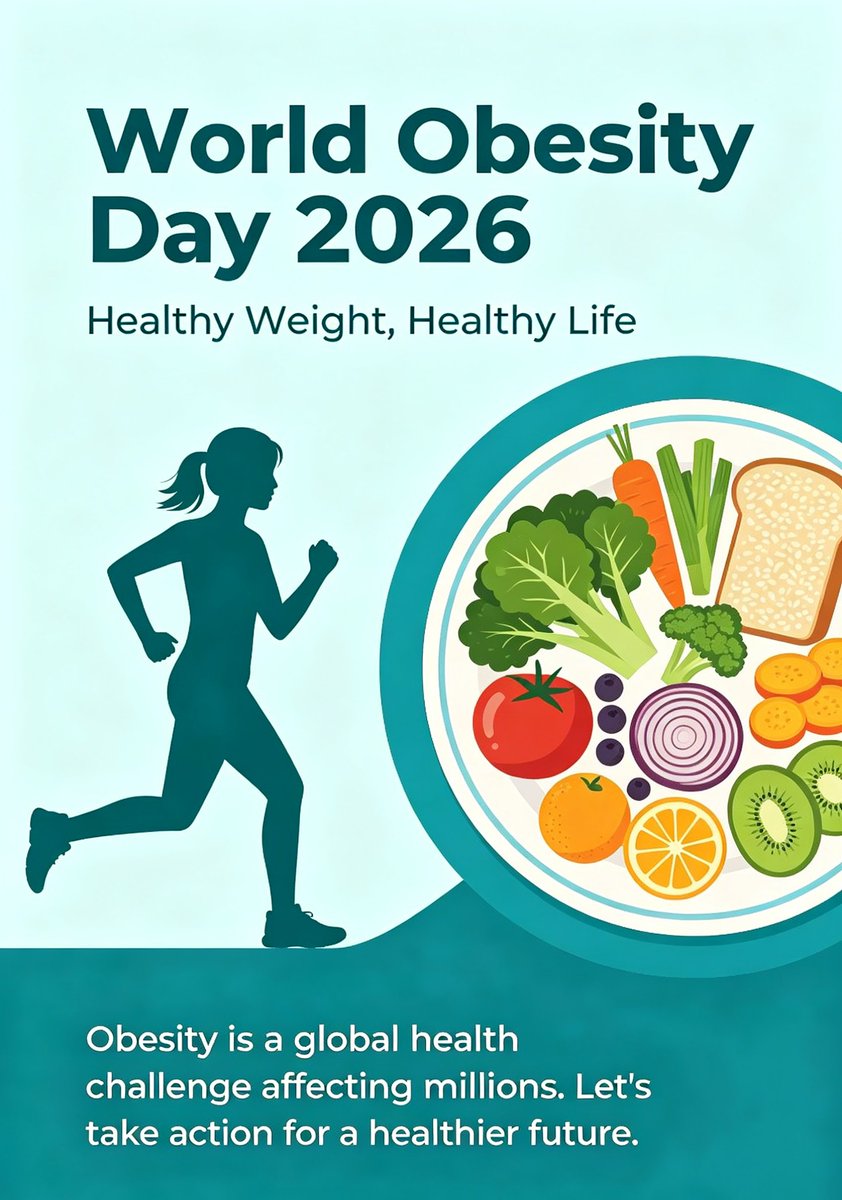
World Obesity Day 11 May 2026
The 23rd Chinese (Hunan) Medical Team to Zimbabwe
Core Theme
8 Billion Reasons, Take Action Against Obesity
Foreword
May 11, 2026 marks World Obesity Day. The official theme for this year, set by the World Obesity Federation, is "8 Billion Reasons, Take Action Against Obesity". It calls on every individual and community across the globe to pay close attention to the obesity crisis, take concrete actions to fend off health risks posed by obesity, and safeguard the health and well-being of all people worldwide.
Obesity has evolved into a global public health challenge. Far beyond a mere physical appearance issue, it is a leading risk factor for a host of chronic diseases, including hypertension, type 2 diabetes, hyperlipidemia, cardiovascular and cerebrovascular diseases, metabolic syndrome, and musculoskeletal disorders, severely compromising people's quality of life and physical health.
Rooted in the local dietary and lifestyle habits of Zimbabweans, and drawing on China's experience in chronic disease prevention and control, the 23rd Chinese (Hunan) Medical Team to Zimbabwe launches health education campaigns on obesity prevention and control around this year's theme. We are committed to disseminating scientific weight management knowledge to local residents, leveraging professional medical expertise to boost public health, and fulfilling the mission of China-Zimbabwe health cooperation.
Key Health Education Content
Hazards of Obesity
Obesity substantially elevates the risk of chronic diseases, increases the body's metabolic burden, and damages multiple organ systems including the cardiovascular, endocrine and skeletal systems. It also impairs daily physical mobility and diminishes life satisfaction. These are the compelling reasons why all 8 billion people worldwide must unite to prevent and control obesity.
Practical Tips for Tackling Obesity Scientifically
1. Balanced Diet & Nutritional Intake
Adapted to local dietary practices in Zimbabwe, reduce consumption of high-fat, high-sugar and high-salt foods, as well as refined carbohydrates and fried items. Pair meals with plenty of vegetables and high-quality protein, and opt for whole grains as staple foods in moderation. Abandon unhealthy habits such as overeating and late-night snacking, stick to regular three meals a day, and stop eating at 70% fullness.
2. Regular & Moderate Physical Activity
Engage in at least 30 minutes of moderate-intensity exercise daily, such as brisk walking, jogging, rope skipping, household chores and ball games. Cut down on sedentary and inactive lifestyles, gradually increase exercise volume, keep your body active, and stay free from obesity troubles.
3. Regular Routines & Healthy Lifestyle
Ensure adequate sleep and avoid staying up late to develop a healthy daily routine. Maintain a positive and optimistic mindset, integrate healthy living habits into daily life, and sustain long-term commitment to protect weight and health.
4. Early Screening & Timely Intervention
Regularly measure body weight and waist circumference to monitor physical changes. Seek prompt medical attention if experiencing overweight or obesity-related discomfort. Early detection, early intervention and early conditioning are key to staying away from obesity and associated chronic diseases.
Slogans
1. 8 Billion People United, Fight Obesity, Act for Health!
2. Manage Weight Scientifically, Reject Obesity, Safeguard Health – Everyone’s Responsibility!
3. Across Mountains and Oceans, We Strive for Health Together; China and Zimbabwe Join Hands to Combat Obesity!
Issued by
The 23rd Chinese (Hunan) Medical Team to Zimbabwe
World Obesity Day, 11 May 2026


English
Together for Humanity: Standing Strong in Adversity
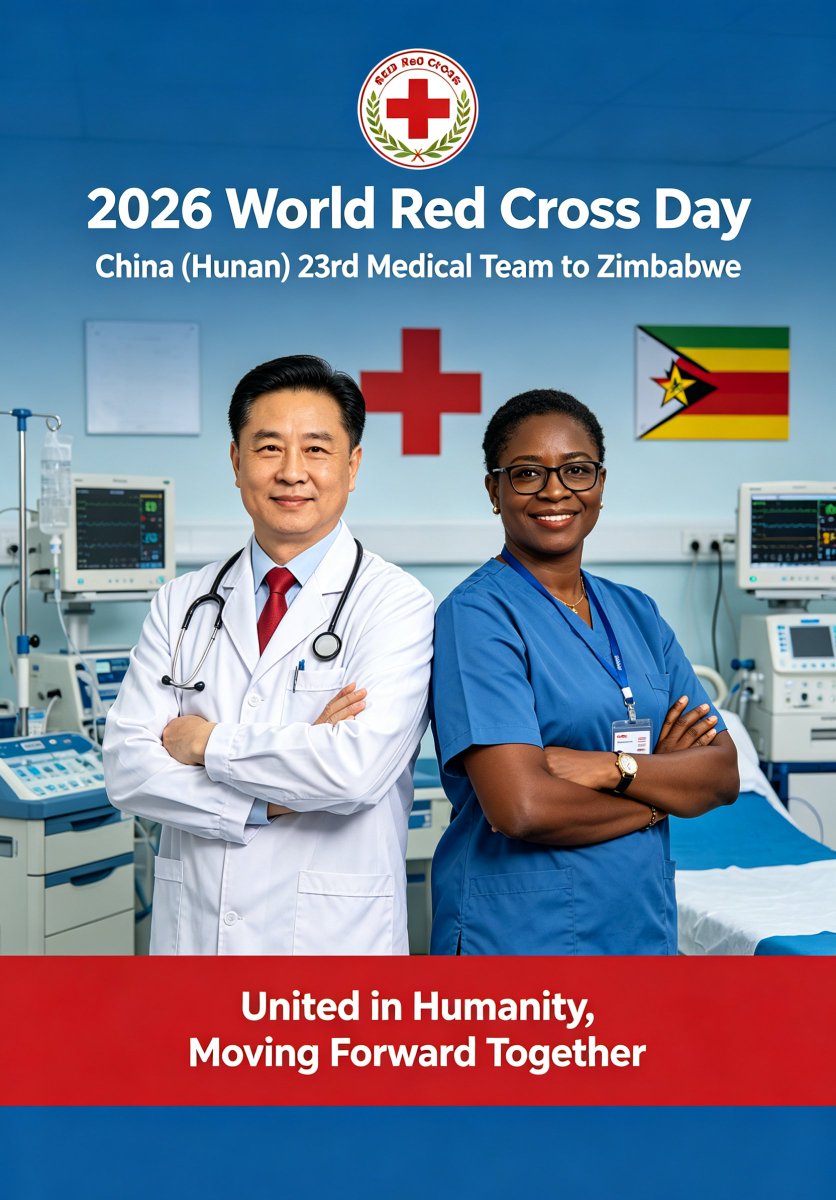
World Red Cross Day 2026
May 8th marks World Red Cross Day, a day to honor the timeless Red Cross spirit of humanity, fraternity and dedication.
Guided by this year's theme of unity and compassion in adversity, the 23rd Chinese (Hunan) Medical Team to Zimbabwe has embarked on a cross-continental medical aid mission, traveling thousands of miles to serve the people of Zimbabwe. Upholding the humanitarian mission, we dedicate our professional medical expertise to relieve pain and suffering, stand with local communities through hardships, and safeguard health and life with unwavering commitment.
We bridge China and Zimbabwe with medical care, bind hearts together with selfless love, and turn the Red Cross spirit into tangible actions. In every diagnosis and treatment, we practice the belief of "humanity without borders", writing a new chapter of mutual support and friendship between China and Zimbabwe.
Core Slogan
Humanity Unites Us, Love Knows No Borders
The 23rd Chinese (Hunan) Medical Team to Zimbabwe
World Red Cross Day | May 8, 2026


English
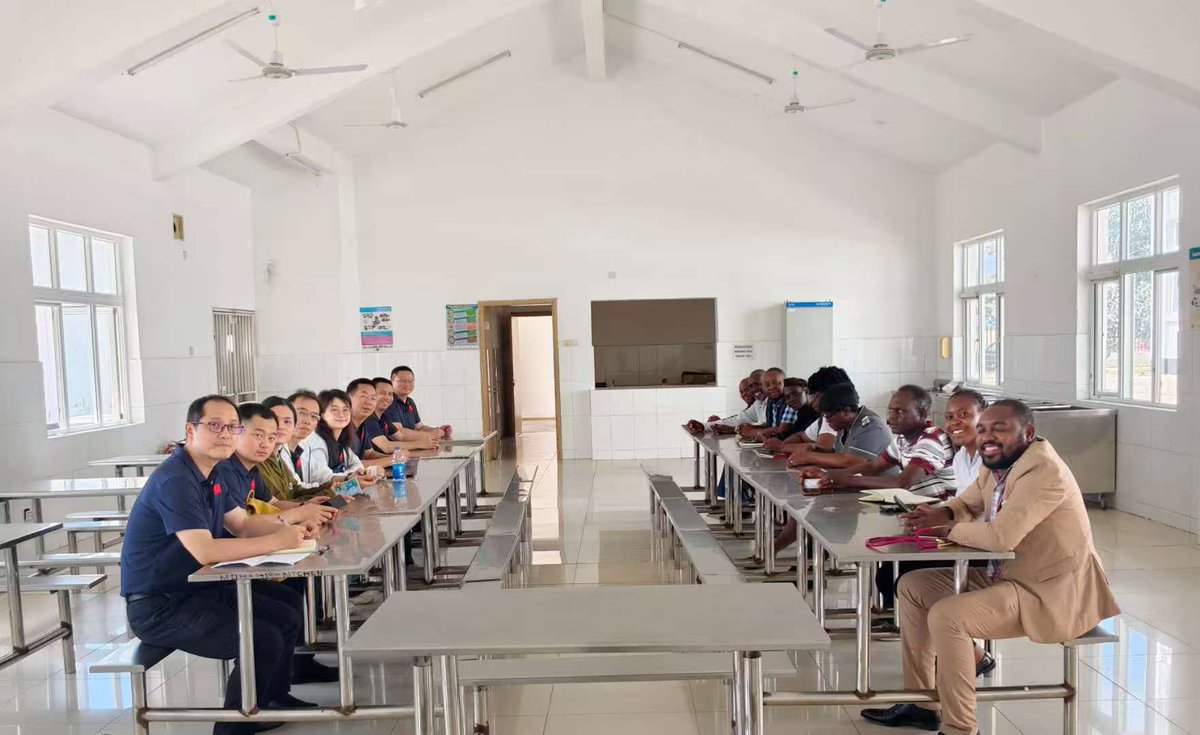
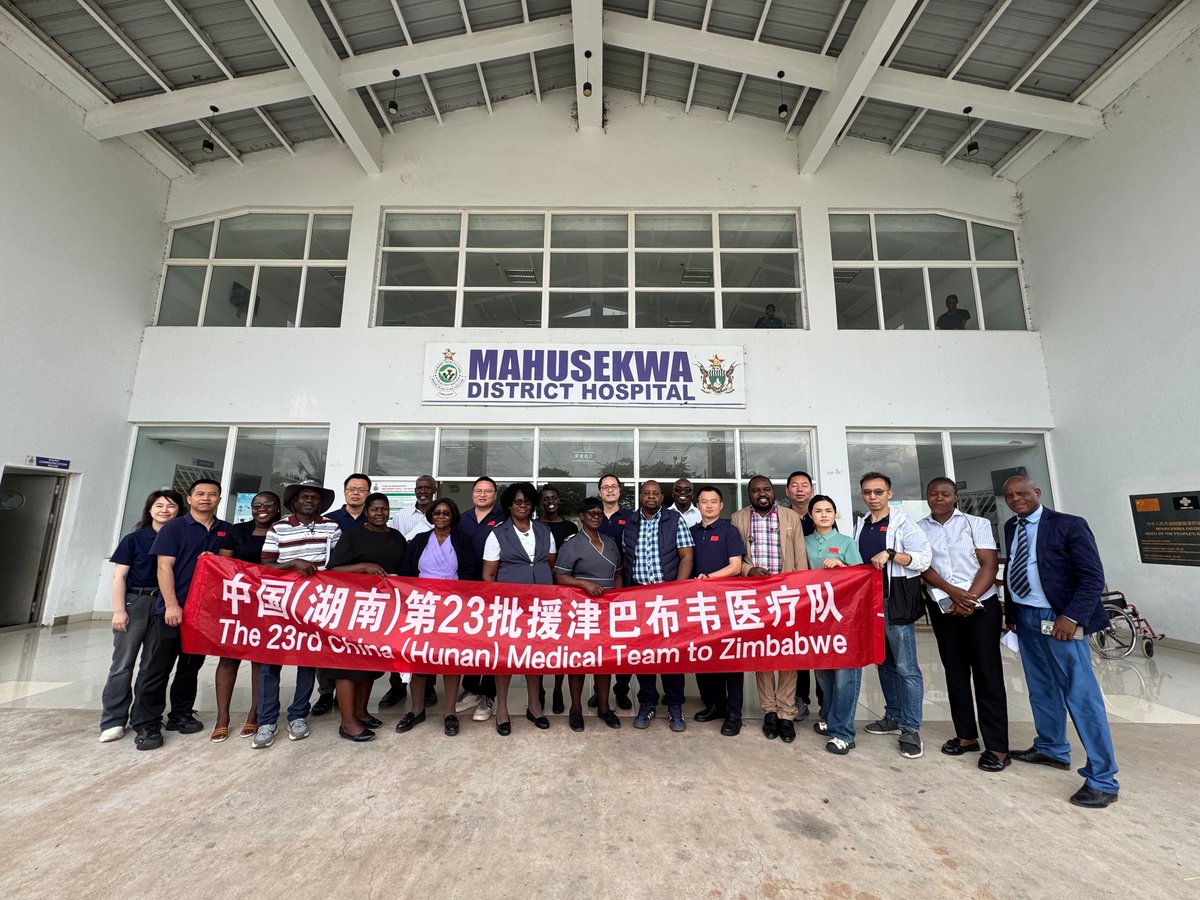
23rd Chinese (Hunan) Medical Team Visits China-Zimbabwe Friendship Hospital
On May 7, 2026, the 23rd Chinese (Hunan) Medical Team to Zimbabwe visited the China-Zimbabwe Friendship Hospital (Mahusekwa District Hospital) for field inspection and discussion.
As a key China-aided hospital, it serves as a vital health center for local people in Mashonaland East Province. Hospital officials introduced current needs in equipment maintenance, drugs and consumables.
Led by Captain Ma Zheng, the 10-member medical team covers public health, internal medicine, surgery, TCM, orthopedics, obstetrics and gynecology, respiratory medicine and radiology. The team will report needs to relevant authorities and provide support in medicines and medical devices.
Both sides agreed to hold health promotion and free clinics, offering disease education, general medical services and TCM therapies such as acupuncture. A long-term cooperation mechanism will be established for clinical exchanges, training and technical support.
The medical team will uphold the spirit of healing the wounded and assisting the needy, deepen China-Zimbabwe health cooperation, and safeguard public health together.


English
World Asthma Day 2026
May 5th is World Asthma Day. This year's theme is 'Access to anti-inflammatory inhalers for everyone with asthma – still an urgent need'. China Medical Team brings professional asthma health science popularization to the local people of Zimbabwe, helping everyone stay away from recurrent asthma attacks and breathe freely.
Asthma is a common chronic respiratory disease, characterized by chronic inflammation of the airways. It often manifests as recurrent wheezing, shortness of breath, chest tightness and coughing, which usually attack or worsen at night or early morning. Exposure to pollen, dust, cold air, oil fumes, respiratory infections and other factors may trigger asthma attacks. If not well controlled for a long time, it will damage lung function and even be life-threatening in severe cases.
Combined with the local climate, environment and living habits of Zimbabwe, the 23rd Batch of China (Hunan) Medical Team to Zimbabwe summarizes the key points of asthma prevention and treatment for you:
1. Recognize Asthma Attack Signals, Early Identification and Early Intervention
If you have symptoms such as repeated coughing, wheezing when exhaling, chest tightness, aggravated shortness of breath after activities, and waking up at night due to breathlessness, be sure to seek medical examination in time. Do not delay it as a common cold. Early diagnosis is the key to asthma control.
2. Standardize Medication, Never Stop or Reduce Dosage Without Permission
Asthma is a chronic disease that requires long-term standardized management. Relief drugs for acute symptoms can quickly stop wheezing, while controller drugs for disease control need to be taken consistently for a long time. Even if there are no discomfort symptoms, you should not stop or reduce the dosage without authorization. Take medicine strictly in accordance with the doctor's advice, master the correct use of inhalers to ensure the drug directly acts on the airways.
3. Stay Away from Triggers and Take Daily Protection
3.1. Keep the living environment clean and ventilated, clean frequently to reduce dust and mites, and avoid contact with pollen, thatch, straw and other allergenic substances;
3.2. Stay away from oil fumes and cigarette smoke, keep ventilation when cooking, and do not burn debris or straw to reduce the inhalation of harmful gases;
3.3. Keep warm to avoid cold air irritating the respiratory tract, prevent respiratory infections such as colds and pneumonia, and reduce the risk of asthma induction;
3.4. Avoid strenuous exercise, choose mild exercises such as walking, warm up before exercise, and stop to rest immediately when feeling short of breath.
4. Healthy Lifestyle Helps Asthma Control
4.1. Eat a light diet, eat more local fresh vegetables such as Covo and seasonal fruits, less spicy, greasy and pickled foods, and avoid allergenic foods;
4.2. Ensure adequate sleep, avoid staying up late and overwork, and enhance body immunity;
4.3. Keep a peaceful mind, avoid inducing asthma caused by tension, anxiety and other bad emotions.
5. Seek Medical Attention in Time and Follow Up Regularly
Asthma cannot be completely cured, but it can be well controlled through standardized treatment + long-term management without affecting normal life and work. If you have acute asthma exacerbation, persistent wheezing, difficulty breathing and other conditions, seek medical attention immediately; diagnosed patients should follow up regularly, so that doctors can adjust the treatment plan according to the condition.
Respiratory health is crucial, and asthma is preventable and controllable. The 23rd Batch of China (Hunan) Medical Team to Zimbabwe will continue to provide asthma diagnosis and treatment, scientific guidance and health services for local people, protect your respiratory health with professional medical skills, and build a bridge of China-Africa health friendship!


English
Chinese Medical Team Provides Care During Holiday in Zimbabwe
During the holiday break, the 23rd Chinese (Hunan) Medical Team to Zimbabwe remained on duty to safeguard local people’s health.
The medical experts provided comprehensive medical services: they delivered emergency treatment for patients suffering from acute myocardial infarction and severe hypertension, conducted professional wound dressing changes for trauma patients, and offered traditional Chinese acupuncture therapy to relieve neck, shoulder, waist and leg pain.
Sticking to their mission, the team brought high‑quality medical care to local residents and strengthened China‑Zimbabwe friendship with professional dedication.


English
Chinese Medical Team in Zimbabwe & Xiangya Scientists Publish Two Journals on Diabetic Foot Biofilm Treatment
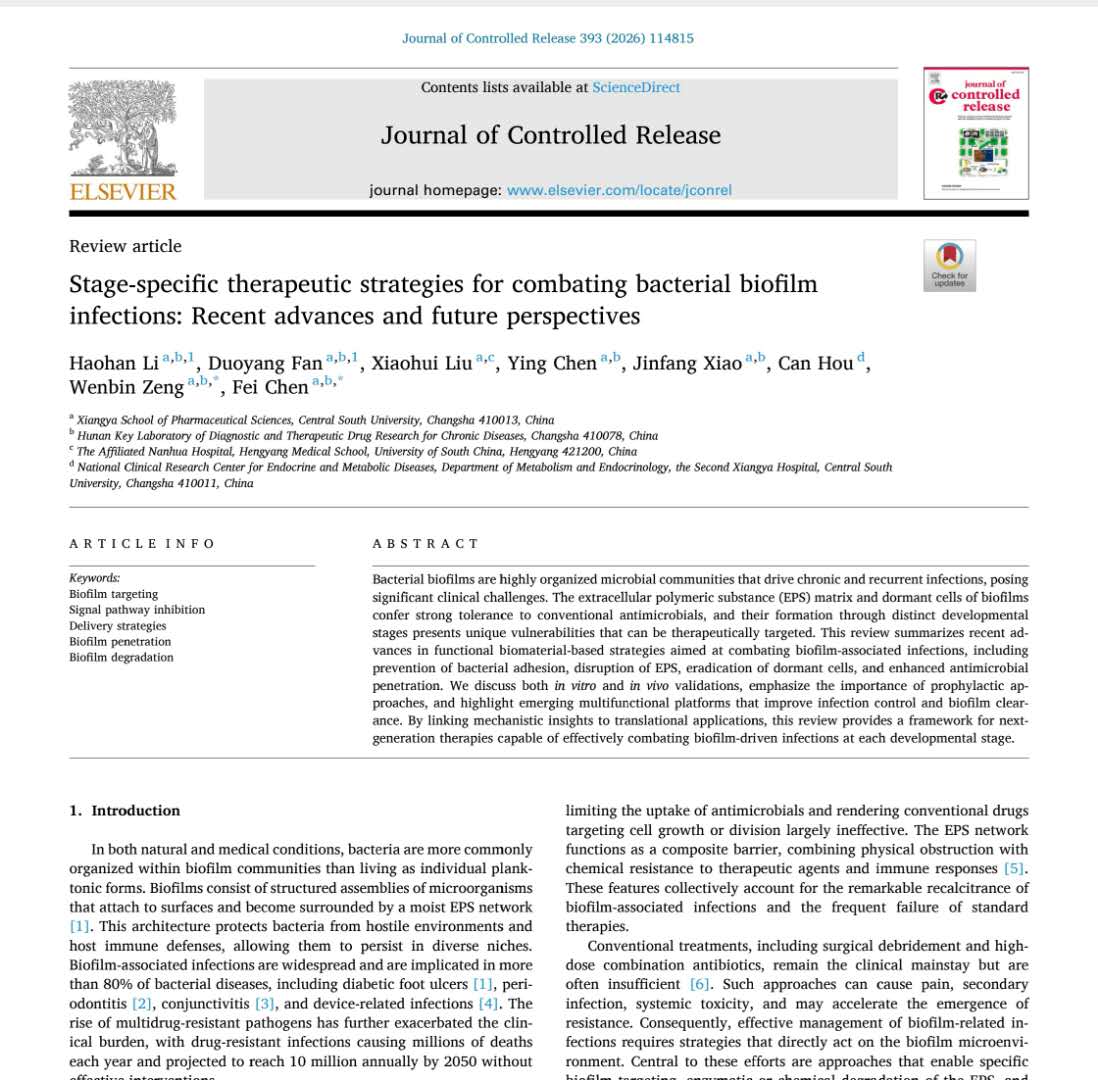
Dr. Can Hou from the Chinese (Hunan) Medical Team to Zimbabwe and the Second Xiangya Hospital, together with Xiangya School of Pharmaceutical Sciences, has achieved major breakthroughs in diabetic foot infection treatment, with two high-impact papers published in top international journals.
Dr. Hou also won a 2026 National Science and Technology Major Project subgrant for cancer, cardiovascular, respiratory and metabolic diseases.
Diabetic foot ulcers (DFUs) often form drug-resistant bacterial-fungal biofilms, leading to high amputation rates, especially in resource-limited regions like Zimbabwe.
Key Achievements
1. Original research in Materials Horizons
A novel metabolically targeted organic silver-photosensitizer microneedle system that penetrates biofilms, releases silver ions controllably, and uses photodynamic therapy for broad-spectrum sterilization. It shows superior efficacy in eradicating biofilms and accelerating wound healing.
2. Systematic review in Journal of Controlled Release
A stage-specific strategy framework targeting the full biofilm life cycle, providing a global roadmap for biofilm infection therapy.
These results represent a landmark model of medical aid + translational research, offering safe, effective, and accessible solutions for DFU patients in Africa and worldwide.


English
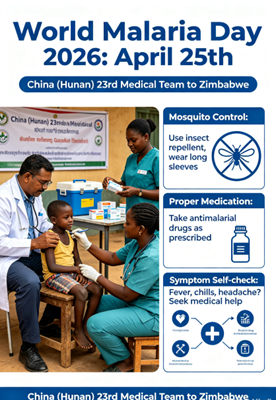
World Malaria Day
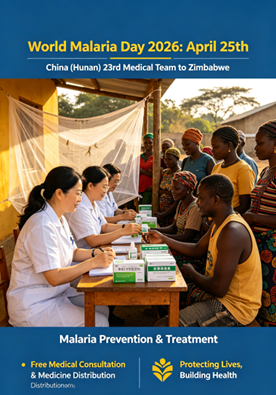
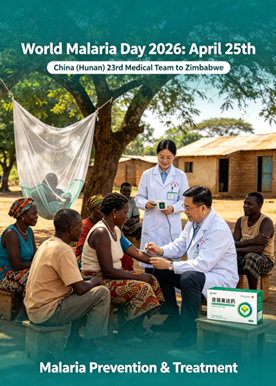
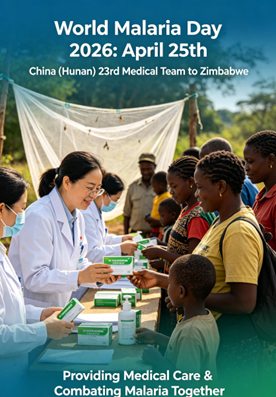
Malaria is a mosquito-borne infectious disease widely prevalent in Zimbabwe, especially during rainy seasons. The medical professionals delivered systematic public education on the early warning signs of malaria, routes of transmission, high-risk groups, and practical daily prevention measures. The team emphasized the importance of using insecticide-treated mosquito nets, wearing long-sleeve clothes, using repellent lotion, and eliminating stagnant water around living areas to reduce mosquito breeding.
The doctors also reminded local residents to seek medical treatment immediately once fever, chills, headache or body weakness occur, and to receive timely malaria testing and standardized medication without delay.
Through face-to-face outreach, the Chinese medical team helped local people improve health awareness and master scientific anti-mosquito and anti-malaria skills. The team will continue to carry out regular malaria screening and community health services, effectively safeguard people’s health, and contribute to stronger China-Zimbabwe cooperation in public health.
English
Chinese Medical Team Delivers Integrated Metabolic Disease Management in Zimbabwe
The 23rd Chinese Medical Team from Hunan is committed to chronic non-communicable disease prevention and control in Zimbabwe, bringing advanced metabolic disease diagnosis and treatment experience and scientific dietary health management concepts to local residents.
Supported by the National Clinical Research Center for Metabolic Diseases, Doctor Hou Can from Xiangya Second Hospital undertakes a key national major chronic disease research project focusing on digital intelligent metabolic syndrome management platform construction. By combining clinical diagnosis, remote medical guidance and localized healthy diet popularization, the team builds a full-cycle chronic disease prevention and treatment model.
In clinical practice, the multidisciplinary medical team provides precise diagnosis and standardized treatment for local patients. A 65-year-old retired air force veteran suffering from severe metabolic syndrome, obesity, hypertension, diabetes and cerebral stroke received comprehensive joint treatment from multiple specialists, achieving stable control of multiple chronic conditions.
For diabetic patients, medical experts apply continuous glucose monitoring technology to optimize individualized dietary and medication plans, and conduct long-distance follow-up guidance to stabilize blood glucose levels effectively.
Meanwhile, the team compiles bilingual Chinese-English health education manuals on metabolic syndrome and local dietary intervention plans, popularizes low-salt, low-oil and balanced diet concepts adapted to Zimbabwean eating habits, and carries out extensive public health publicity.
Relying on clinical diagnosis, remote intelligent management and health popularization, the Chinese medical team continuously improves local chronic disease diagnosis and treatment capacity, deepens China-Zimbabwe medical and health cooperation, and safeguards people’s health with practical actions.


English
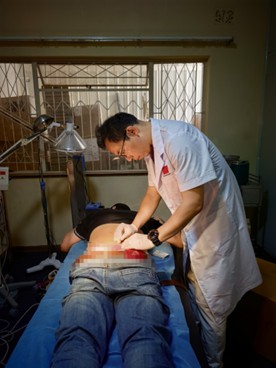
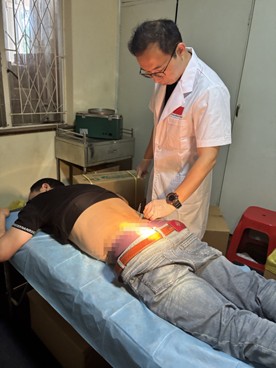
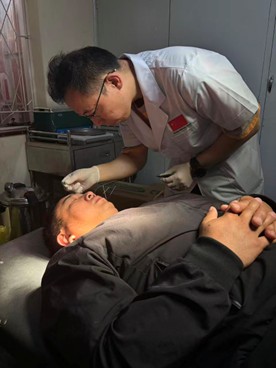
Brief News: TCM Acupuncture Effectively Treats Lumbago and Facial Paralysis in Zimbabwe
At the China-Zimbabwe Traditional Chinese Medicine Center, Dr. Li Xuanjing from the 23rd Chinese (Hunan) Medical Team has successfully treated multiple local patients suffering from severe lumbago and peripheral facial paralysis with professional acupuncture therapy.
Due to the cold and humid weather and heavy physical labor, many local residents suffer from lumbar strain and chronic waist and leg pain. Through targeted acupoint acupuncture, Dr. Li quickly relieved pain, improved waist mobility, and achieved safe and obvious curative effects. For recently frequent cases of facial paralysis, he applied standardized acupuncture at effective facial acupoints. After several treatments, symptoms such as mouth deviation and incomplete eye closure were greatly improved.
During treatment, the doctor also delivered health education on daily body protection. With professional TCM techniques and warm medical service, he has won high praise from local people. The Chinese medical team will continue to promote characteristic traditional Chinese medicine technologies, safeguard local people’s health, and further deepen China-Africa health cooperation.

English
China (Hunan) 23rd Medical Team to Zimbabwe-
Caring for your health together
English
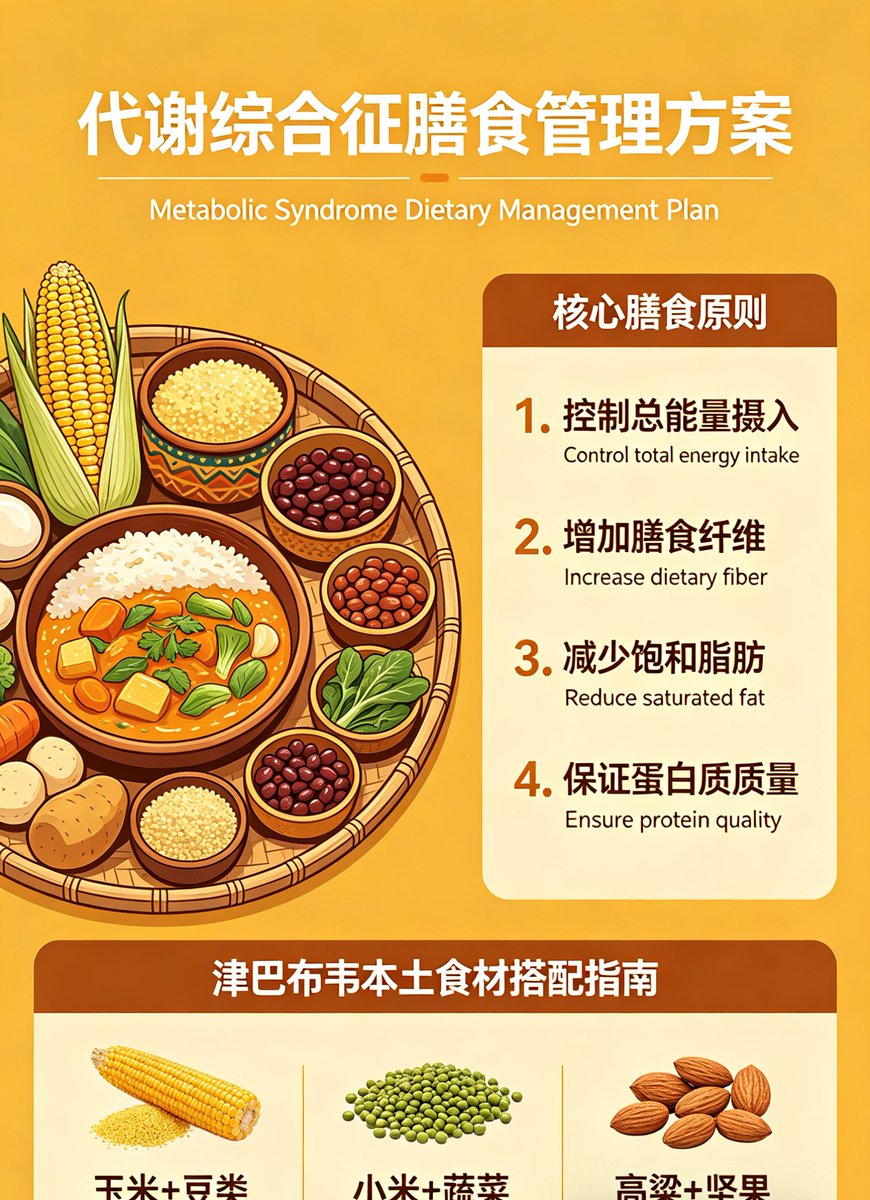
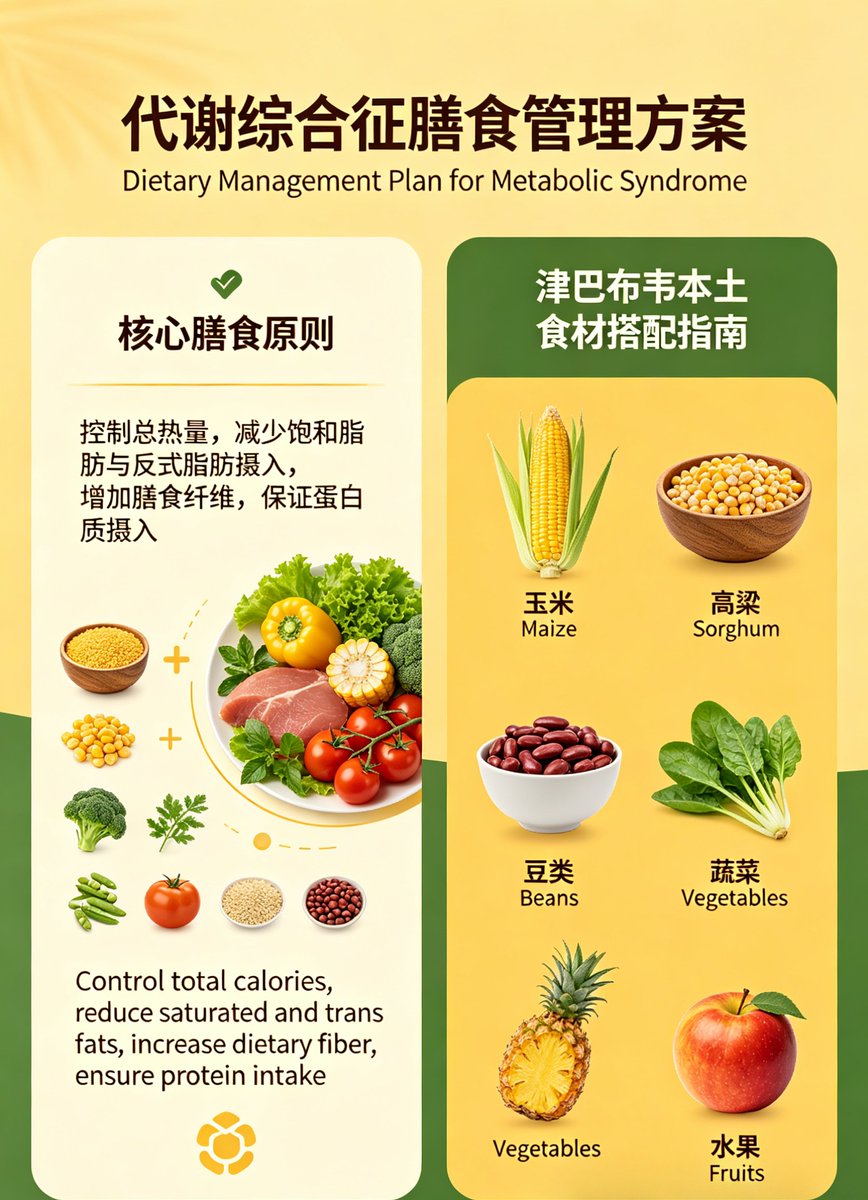
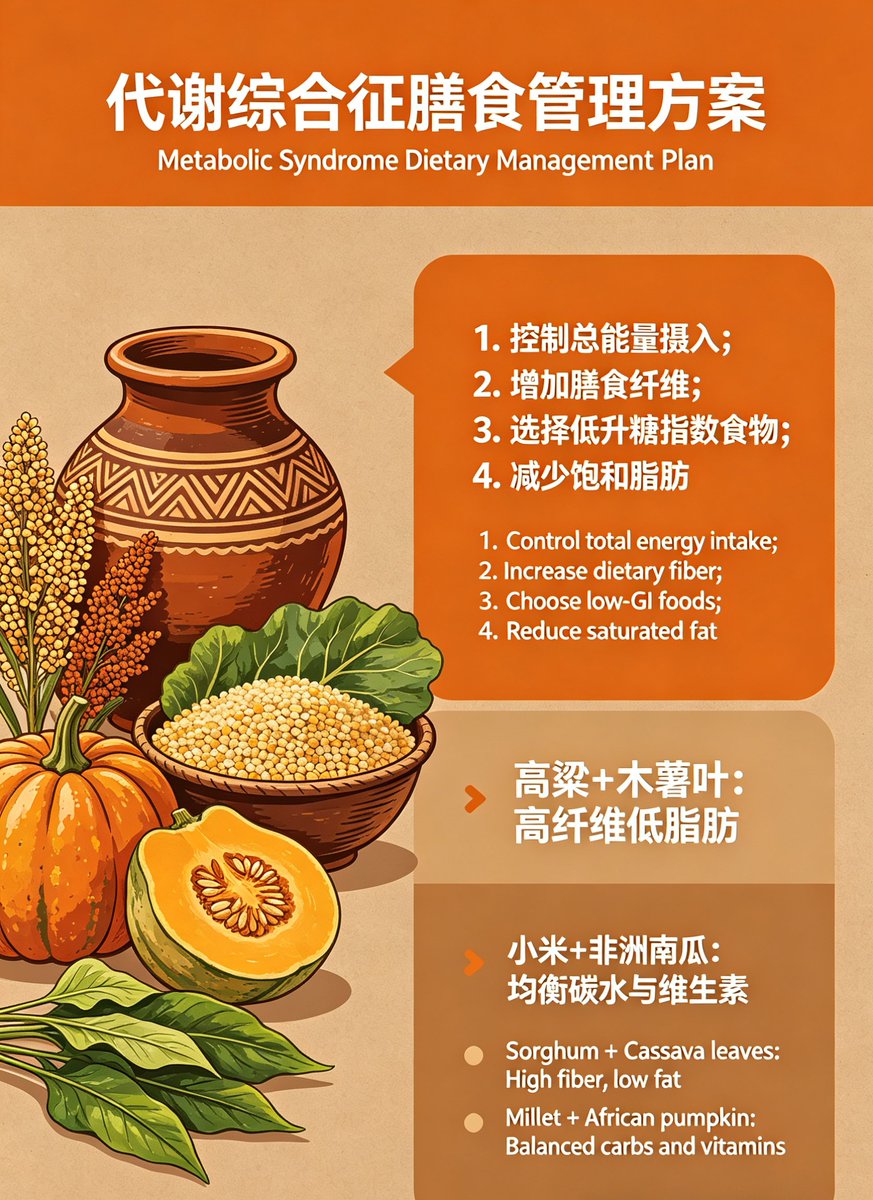
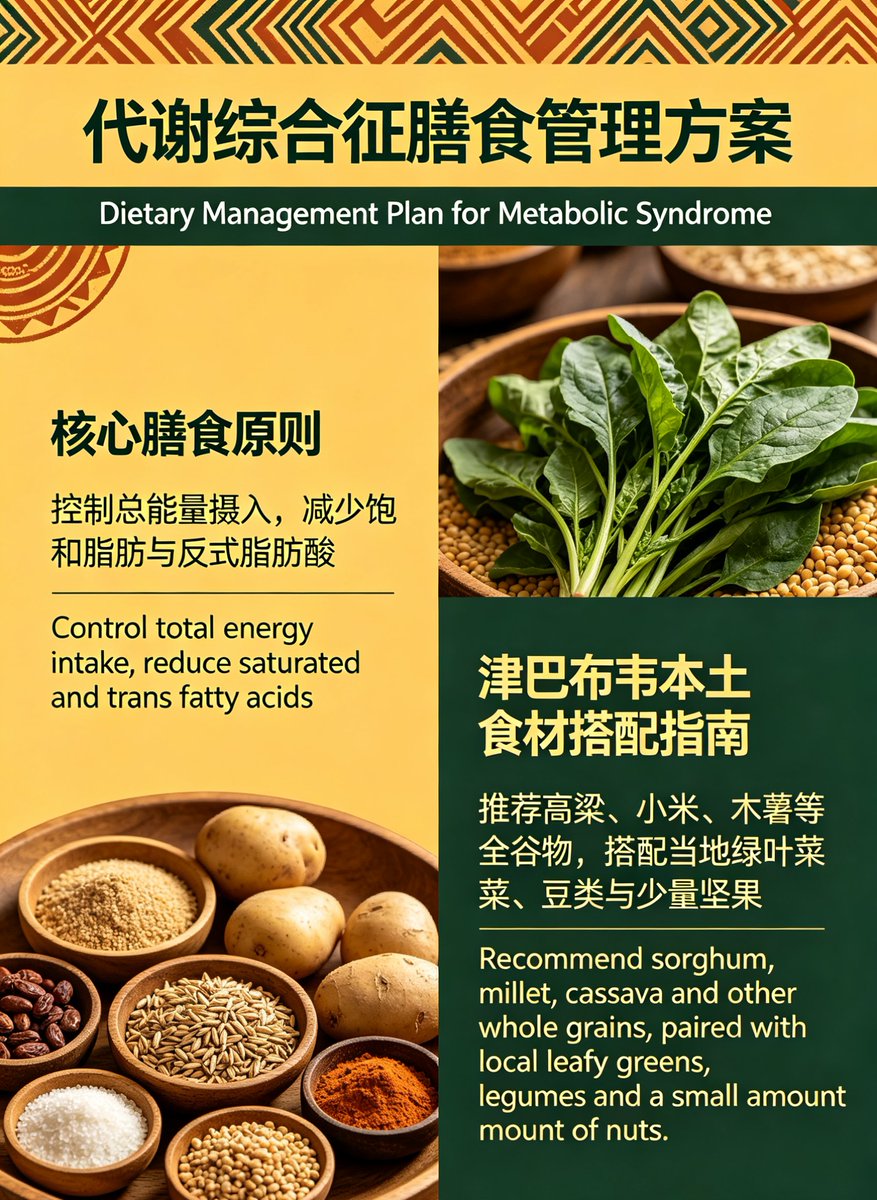
Healthy Diet, Healthy Life
Beat Metabolic Syndrome with Smart Eating
1. Less salt, less oil, less sugar. More vegetables, more grains, more exercise.
2. Control weight, blood pressure, blood sugar and lipids.
3. Balanced diet is the best medicine.
China (Hunan) 23rd Medical Team to Zimbabwe - Caring for your health together.
English
World Gout Day Public Health Education Manuscript
April 20th is World Gout Day. On the occasion of the 2026 China-Africa Year of People-to-People and Cultural Exchanges, the 23rd Batch of China (Hunan) Medical Team to Zimbabwe specially launches this health education activity to popularize scientific knowledge about gout prevention and treatment for local people and compatriots in Zimbabwe, helping everyone stay away from joint pain and protect physical health.
What is Gout?
Gout is a common metabolic disease caused by disordered uric acid metabolism in the body. When the level of uric acid in the blood is too high, urate crystals will deposit in joints, kidneys and other tissues, leading to sudden redness, swelling, heat and severe pain in the joints, which is called acute gout attack.
Long-term high uric acid levels not only cause repeated joint pain, but also lead to joint deformity, limited movement, kidney stones and even renal function damage. High-purine diet, alcohol drinking, obesity, irregular work and rest are the main risk factors for gout.
Key Points for Gout Prevention and Treatment
1. Control your diet strictly
Avoid high-purine foods such as animal offal, seafood, and thick meat broths. Eat more fresh vegetables and keep a light diet.
2. Reject alcohol and sugary drinks
Alcohol inhibits uric acid excretion, and high-fructose drinks promote uric acid production. Both are important triggers of gout. Quit drinking and avoid all sugary beverages.
3. Drink plenty of water
Drink more than 2000ml of plain water every day to dilute uric acid concentration and promote uric acid excretion through urine.
4. Develop healthy living habits
Maintain a regular schedule, avoid staying up late and overwork. Do moderate exercise such as walking to control weight, and avoid joint cold and strenuous exercise.
5. Seek medical treatment standardizedly
If joint swelling and pain occur, seek medical attention in time. Patients with hyperuricemia and gout must take medicine as prescribed by doctors, and regularly monitor blood uric acid levels.
Gout is preventable and controllable. Scientific prevention and standardized treatment can effectively keep away from gout troubles. The 23rd Batch of China (Hunan) Medical Team to Zimbabwe will always adhere to the original aspiration of doctors, provide professional health services for local people, and build a bridge of China-Africa health friendship!


English
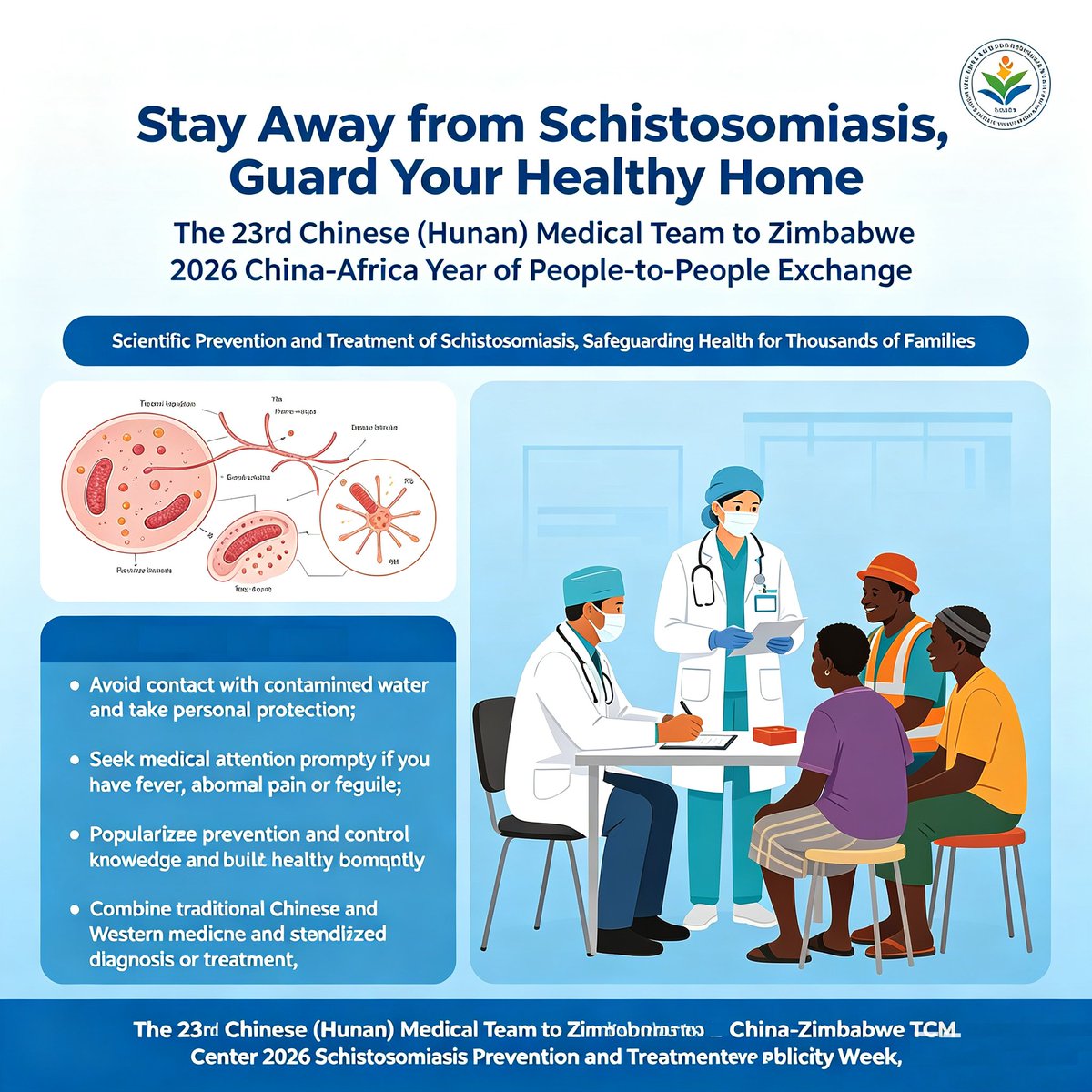
Schistosomiasis Health Education Leaflet
Schistosomiasis is a serious parasitic disease widespread in tropical and subtropical regions of Africa. It damages the liver, intestines, bladder and other organs, and may cause anemia, growth retardation, organ damage or even death if left untreated.
How do people get infected?
People become infected when their skin touches infested water (water containing schistosome larvae) during daily activities such as washing clothes, bathing, fishing,farming, swimming.The larvae quickly enter the body through the skin.
Common Symptoms
Skin rash or itching after contact with infested water. Fever, tiredness, abdominal pain, diarrhea. Blood in stool or urine. Enlarged liver and spleen, anemia, weight loss. Late-stage: liver cirrhosis, fluid buildup, serious organ damage
How to Prevent Schistosomiasis1.
1.Avoid contact with infested water — do not swim, bathe or play in unknown rivers, lakes or streams.
2.Wear protective clothing (boots, gloves, waterproof suits) if you must work in water.
3.Clean skin quickly if you touch suspicious water.
4.Seek early testing and treatment if you feel unwell.
5.Improve environmental hygiene to reduce disease spread.
Important Message
Schistosomiasis is preventable, detectable and treatable.
Early prevention, early diagnosis and early treatment can protect you from serious harm.
The 23rd Chinese Medical Team from Hunan to Zimbabwe
China-Zimbabwe Traditional Chinese Medicine Center


English