ChinaShowcase

4.4K posts

ChinaShowcase banner
ChinaShowcase

ChinaShowcase

@ChinaShowcase

Bring you fascinating cultures, interesting history facts, exciting experiences, more fun and joy into your life.

London Katılım Ocak 2019
2.2K Takip Edilen3.1K Takipçiler
Sabitlenmiş Tweet
ChinaShowcase
ChinaShowcase@ChinaShowcase·
🖌️ Want to learn Chinese strokes? One character captures them all: 永 (Yǒng) — meaning “eternity.” It holds the 8 essential brushstrokes behind every Chinese character. After the Qin dynasty unified writing, 永 became the model for mastering form. ✨ #Calligraphy #永字八法
ChinaShowcase tweet media
English
15
205
674
16.7K
ChinaShowcase
ChinaShowcase@ChinaShowcase·
@ZahorskiRo96040 Thanks! Feels like holding a time-traveling token—Qi’s journey through roads and waterways, all the way from the Warring States to our screens!
English
1
0
2
25
ChinaShowcase
ChinaShowcase@ChinaShowcase·
This Chu travel token (节) once let a person named Qi (启)travel roads and waterways during the Warring States period. Its soft, flowing script almost looks like art—proof that writing reflected local culture. #Jinwen #ChuCulture #AncientChina
ChinaShowcase tweet mediaChinaShowcase tweet media
English
2
18
132
599
ChinaShowcase
ChinaShowcase@ChinaShowcase·
@ZahorskiRo96040 Thank you! Yes, caring for the well‑being of the people is the true principle of good governance, and it remains just as important today as it was 3,000 years ago.
English
0
0
2
13
Rosa Zahorski
Rosa Zahorski@ZahorskiRo96040·
@ChinaShowcase Que bueno mantener el bienestar del pueblo!!! Eso necesitamos hoy en el mundo.
Español
1
0
2
28
ChinaShowcase
ChinaShowcase@ChinaShowcase·
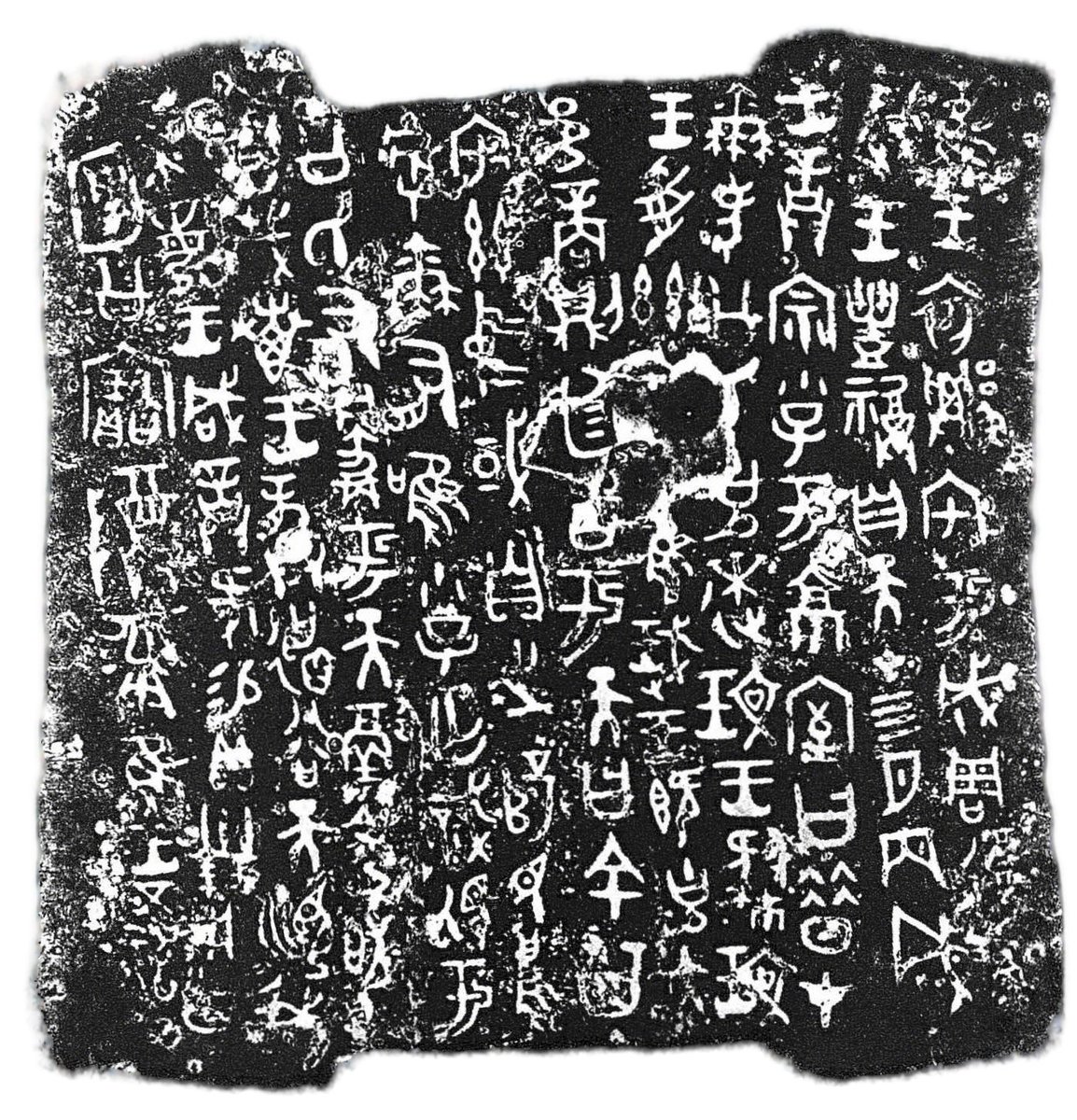
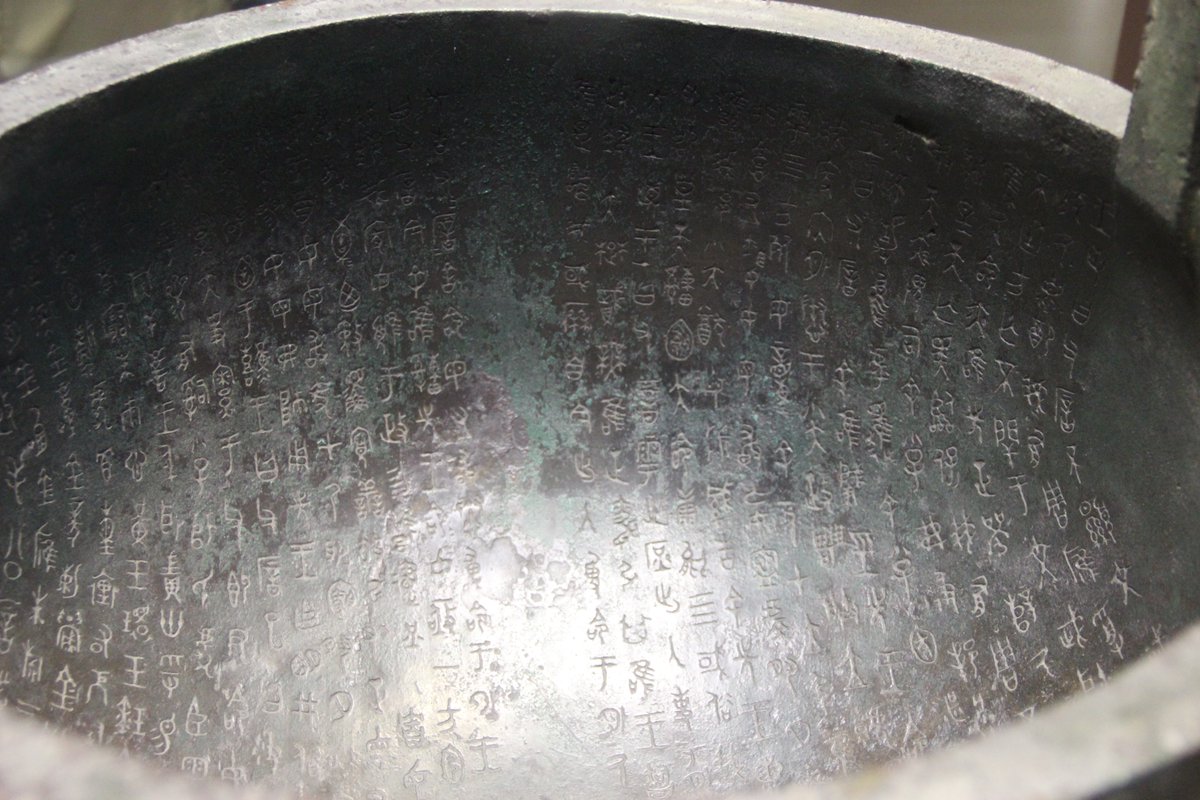
A 3,000‑year‑old royal speech survives on the He Zun. Only discovered in 1963, its 120‑character Jinwen inscription records King Cheng of Zhou urging young princes to assist the king in upholding virtue, so that Heaven may favour the well-being of their people. #HeZun #Jinwen
ChinaShowcase tweet mediaChinaShowcase tweet media
English
2
31
173
959
ChinaShowcase
ChinaShowcase@ChinaShowcase·
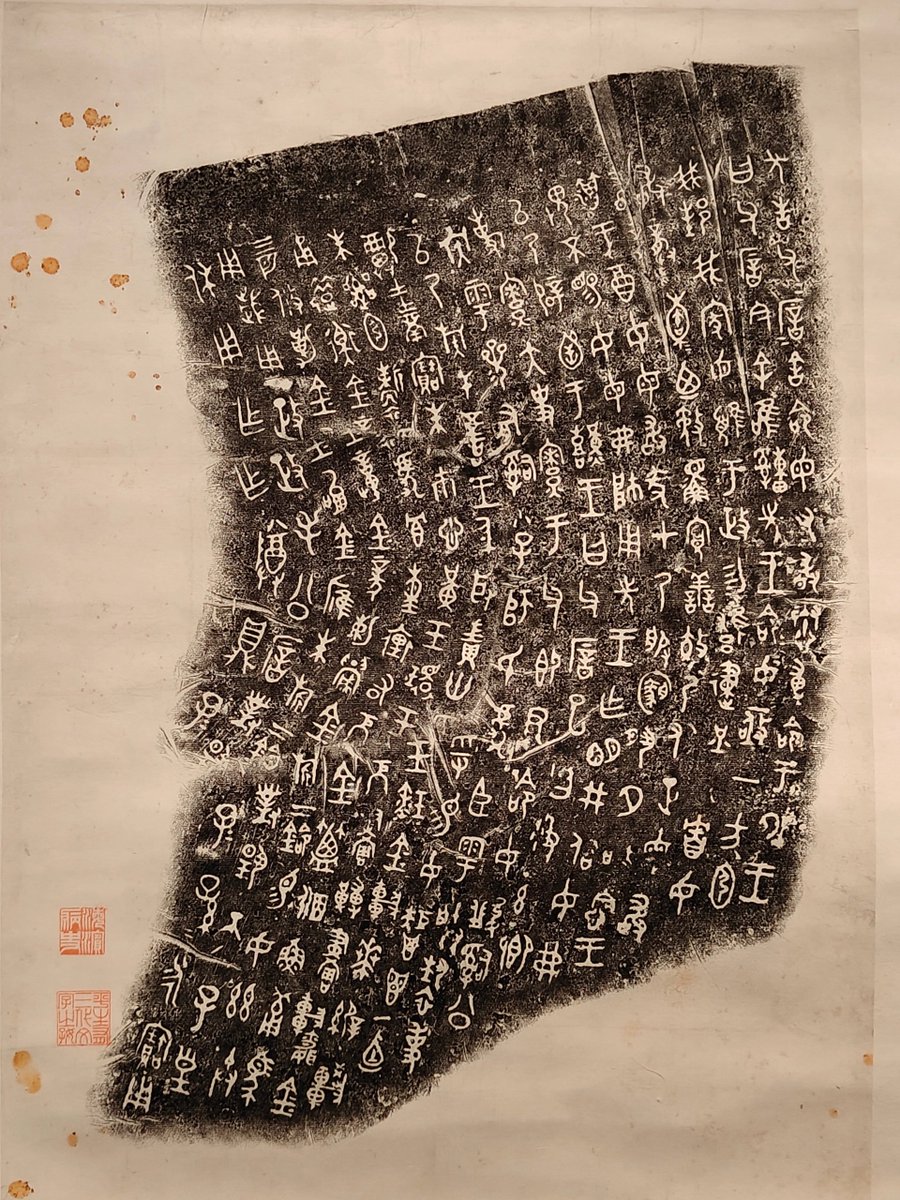
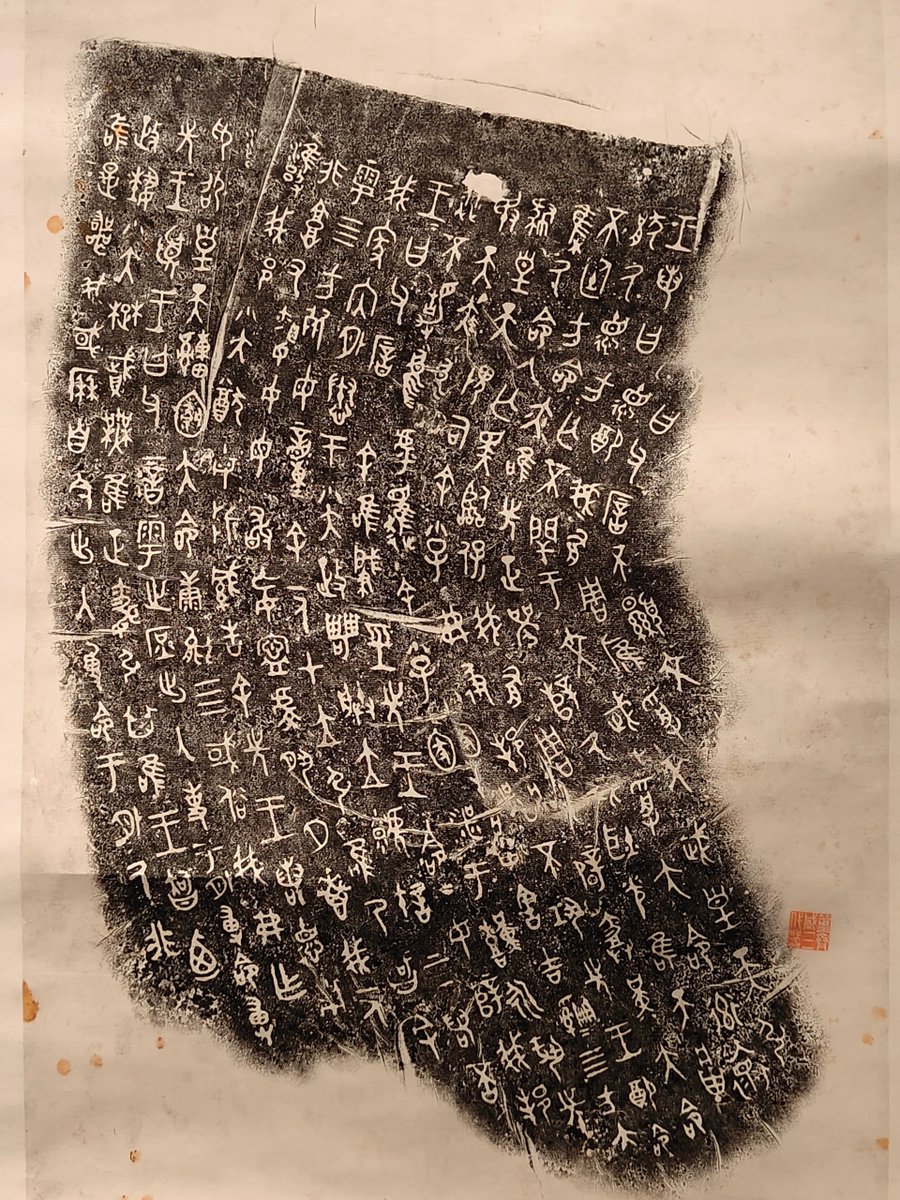
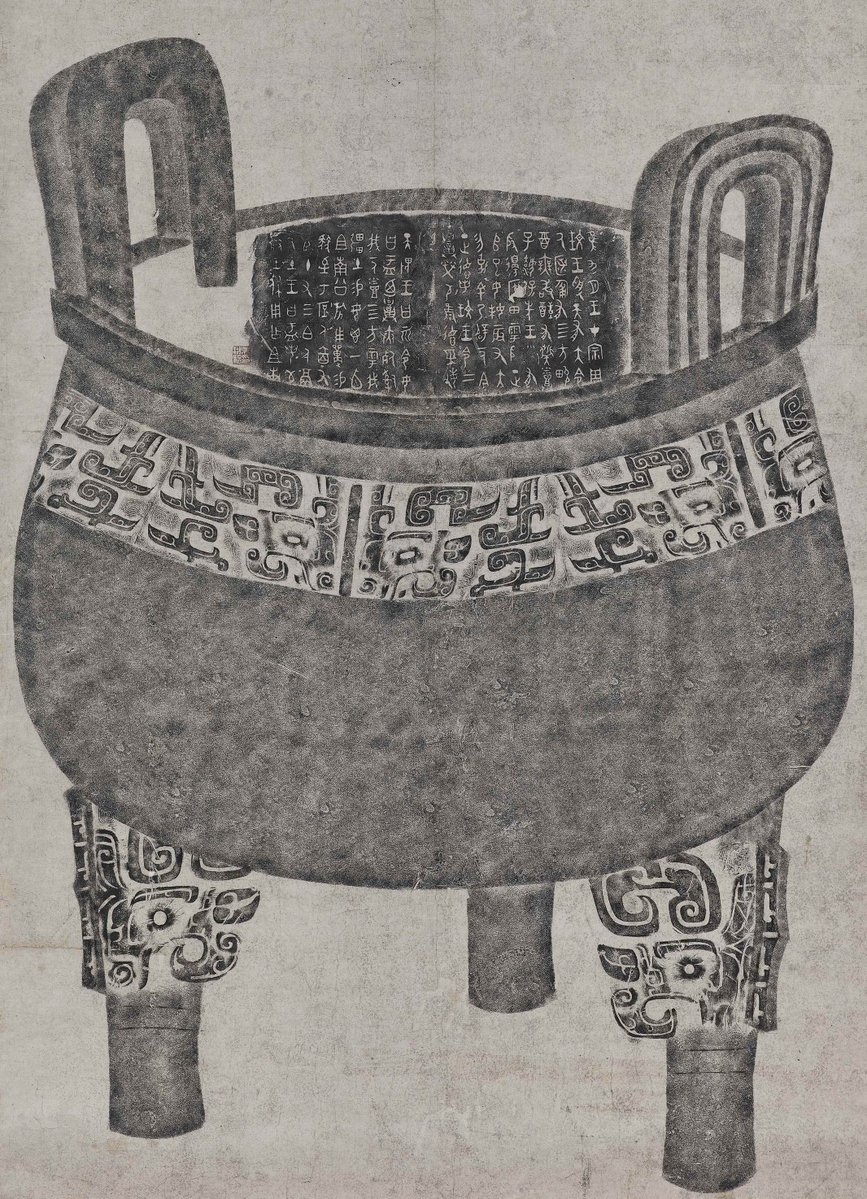
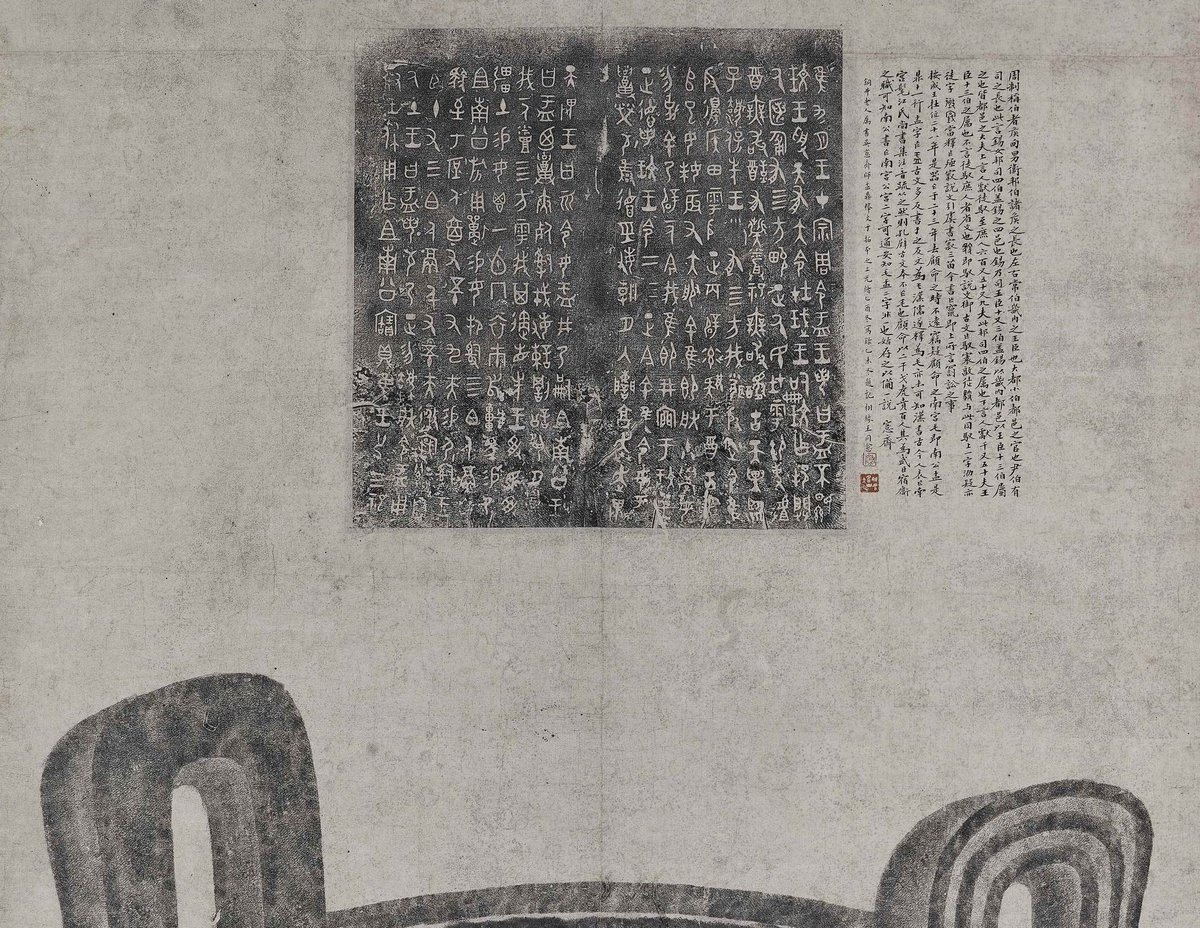
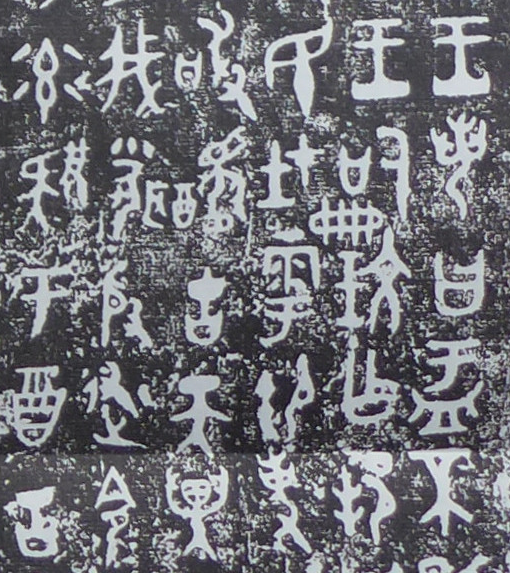
Viewed through its rubbing, the Mao Gong Ding reveals neat, well‑proportioned Jinwen of the late Western Zhou, with smooth, even strokes. Its inscription records King Xuan’s early struggles and guidance to his uncle. #BronzeAgeChina #Jinwen #MaoGongDing
ChinaShowcase tweet mediaChinaShowcase tweet media
English
1
7
69
266
ChinaShowcase
ChinaShowcase@ChinaShowcase·
The king’s struggles are recorded in bronze. The famous Mao Gong Ding’s 500‑character inscription details Zhou King Xuan’s instructions, appointments, and rewards to his uncle — including his lament over troubles at the start of his reign. #BronzeAgeChina #Jinwen #MaoGongDing
ChinaShowcase tweet mediaChinaShowcase tweet media
English
2
13
111
530
ChinaShowcase
ChinaShowcase@ChinaShowcase·
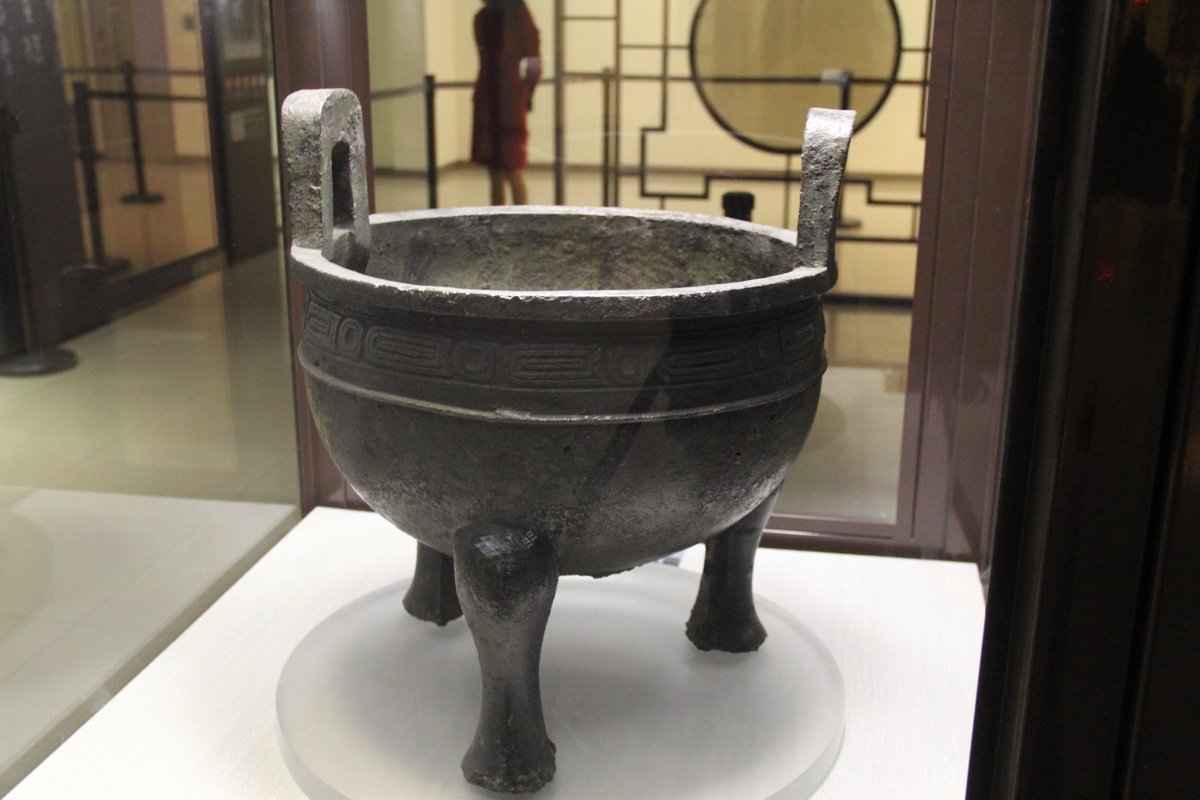
The 3D rubbing of ancient bronzes emerged in the late 18th–early 19th century, reflecting growing interest in studying and displaying inscriptions. Shown here: the Dayu Ding and its inscription, interpreted and transcribed by Qing scholar, calligrapher, and politician Wu Dacheng.
ChinaShowcase tweet mediaChinaShowcase tweet mediaChinaShowcase tweet media
English
2
10
83
282
ChinaShowcase
ChinaShowcase@ChinaShowcase·
Weighing 153.5 kg, the Dayu Ding carries a 291-character inscription. Echoing early classics like the Shangshu, it records King Kang of Zhou admonishing the minister Yu. An early Western Zhou Jinwen example—powerful in meaning, rich in pictographic forms, & striking in presence.
ChinaShowcase tweet mediaChinaShowcase tweet media
English
1
30
175
807
Ordos, China
Ordos, China@OrdosChina·
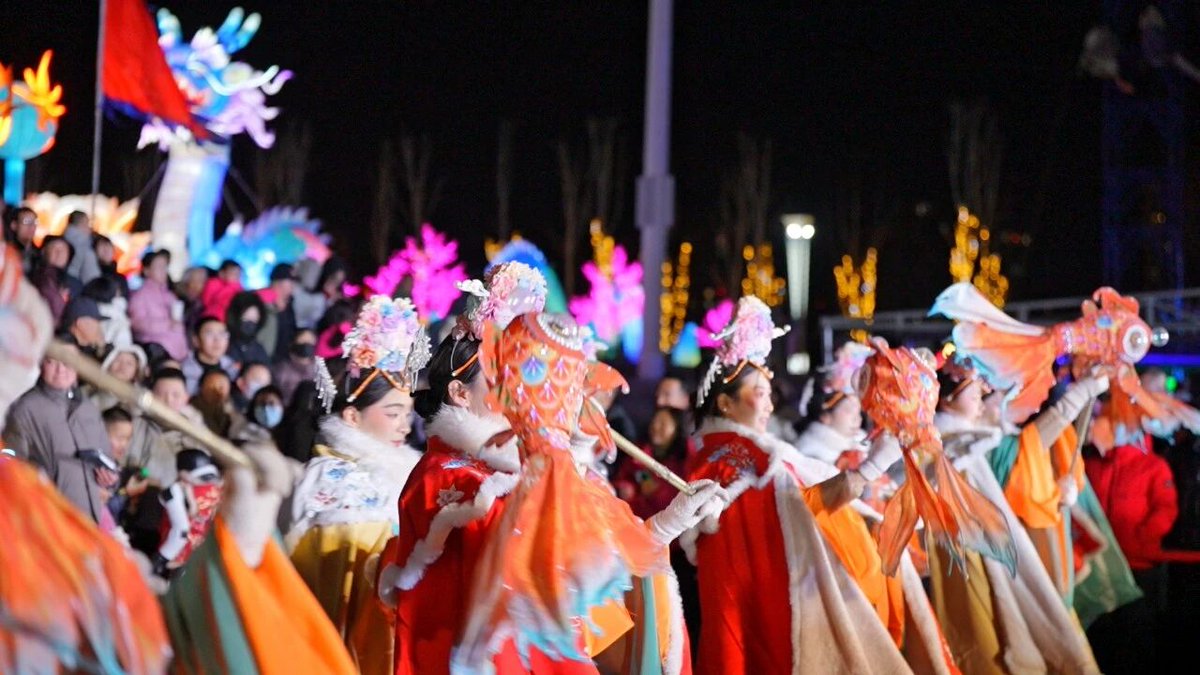
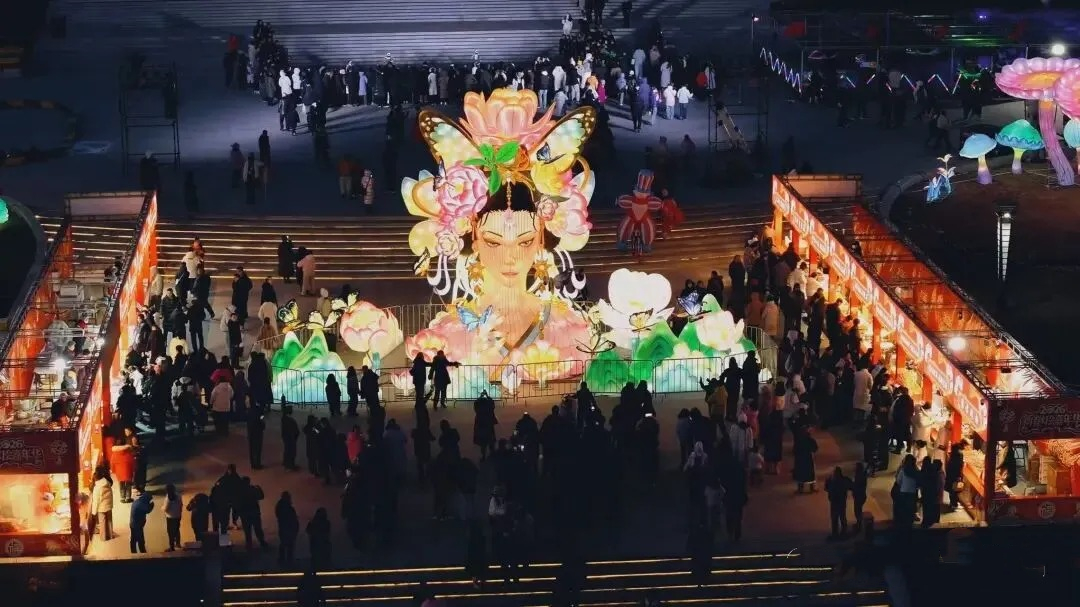
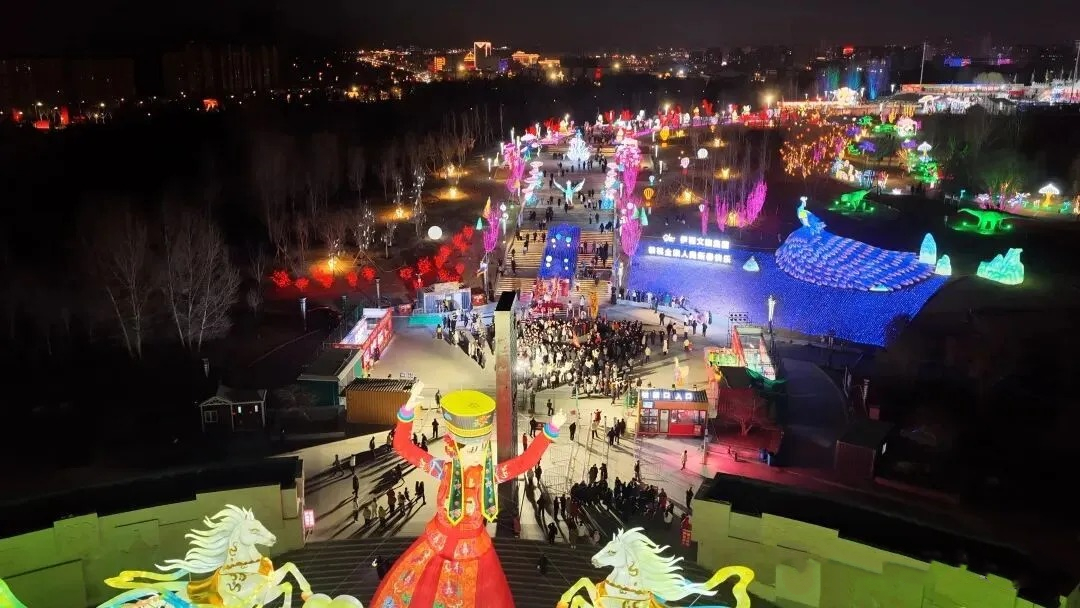
Experience the magic of the Ordos Ejin Horoo Spring Lantern Festival for FREE! 🎇 With 200,000 sq m of dazzling lights, a 2 km immersive light tunnel, and 1,000+ charming mini lanterns, you definitely don't want to miss out!
Ordos, China tweet mediaOrdos, China tweet mediaOrdos, China tweet media
English
1
0
3
71
ChinaShowcase
ChinaShowcase@ChinaShowcase·
@yaksa1013 Definitely—artistic and historical value in one artifact. 🏺
English
1
0
1
10
ChinaShowcase
ChinaShowcase@ChinaShowcase·
The Li gui bears inscriptions in Jinwen, recording King Wu of Zhou rewarding an officer named Li. Remarkably, the event took place just eight days after the Zhou conquest of the Shang (c. 1046 BCE)—making it a rare near-contemporary record of the early Zhou dynasty.
ChinaShowcase tweet mediaChinaShowcase tweet media
English
1
35
183
1.4K
ChinaShowcase
ChinaShowcase@ChinaShowcase·
@ZahorskiRo96040 What a beautiful memory. He sounds like such a special cat — playful, smart, and full of personality. The way you describe him shows how deeply he was loved.
English
0
0
1
9
Rosa Zahorski
Rosa Zahorski@ZahorskiRo96040·
@ChinaShowcase Si, fue un gato maravilloso, jugaba a fútbol con un papelito en mis escaleras además sabía su nombre era tan bonito patas delanteras cortas y traseras largas en casa lo amábamos mucho
Español
1
0
2
13
ChinaShowcase
ChinaShowcase@ChinaShowcase·
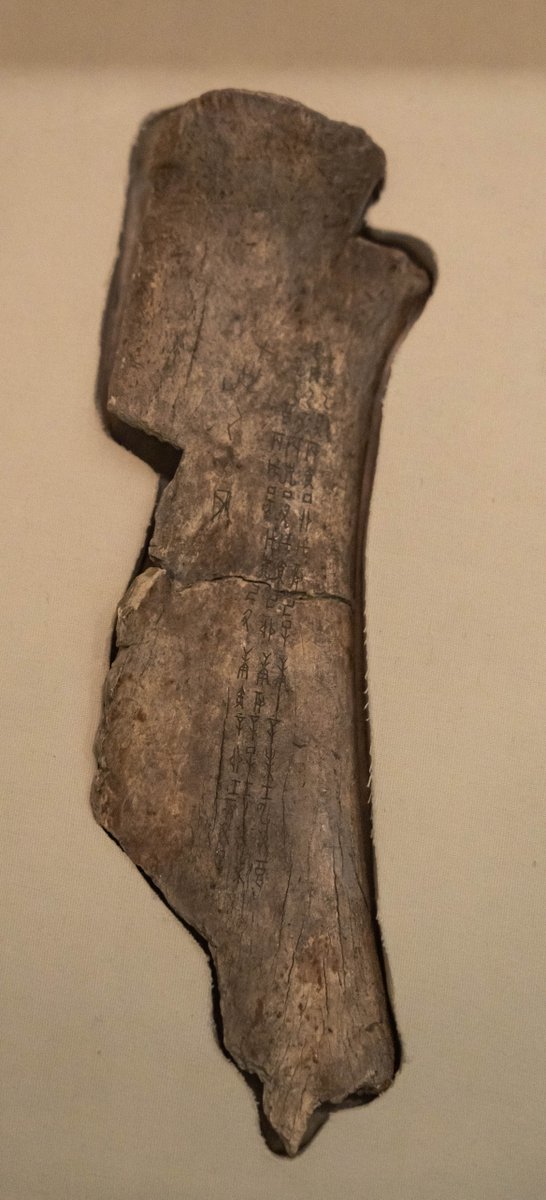
🦬 Across two ancient civilizations, the ox held sacred power. In Ancient Egypt, bulls and cows symbolized divine power and appeared on ritual altars. 🔥 In China’s Shang Dynasty, ox bones were burned for divination — and the ox itself was a sacred offering. #AncientHistory
ChinaShowcase tweet mediaChinaShowcase tweet media
English
4
26
167
721
Akhil Kumar Sahoo
Akhil Kumar Sahoo@AkhilKumarSaho8·
@ChinaShowcase The Lamb is the native animal of the Vyaghra-prastha region of Kapilavastu and Troy. It was also called Phrygia.
English
1
0
3
47
ChinaShowcase
ChinaShowcase@ChinaShowcase·
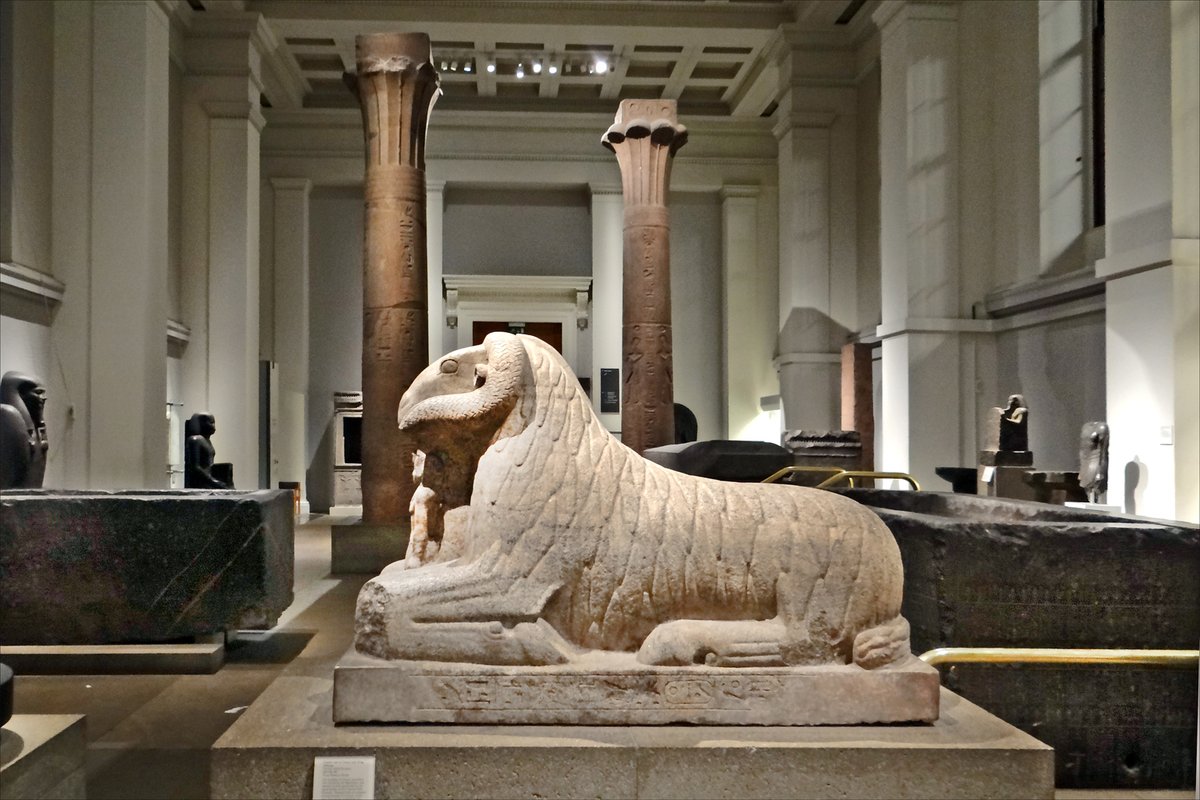
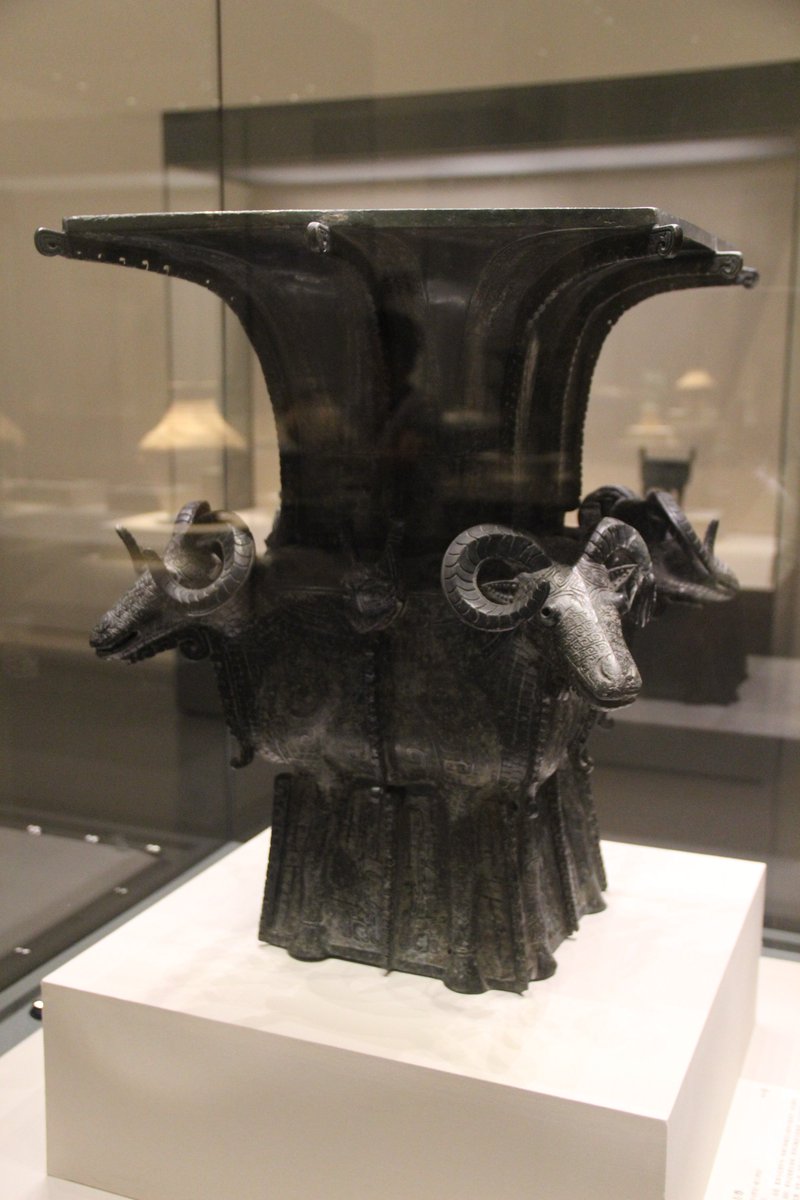
🐏 In Ancient Egypt, the god Amun was sometimes depicted as a ram, symbolizing divine power. In Shang Dynasty China, sheep appeared on bronze vessels. Their exact meaning is debated but likely had ritual or religious significance. Different worlds — the same sacred symbol.
ChinaShowcase tweet mediaChinaShowcase tweet media
English
7
32
191
919
ChinaShowcase
ChinaShowcase@ChinaShowcase·
@KrisztinaHB I agree! It’s fascinating to see how similar symbols appear in such different cultures. 🐏✨
English
0
0
4
25
ChinaShowcase
ChinaShowcase@ChinaShowcase·
@ChosenConqueror Thanks for sharing, friend! The pictures and insights are much appreciated. 🐏✨
English
0
0
0
28
Kutlu Cihan 🌍🌕
Kutlu Cihan 🌍🌕@ChosenConqueror·
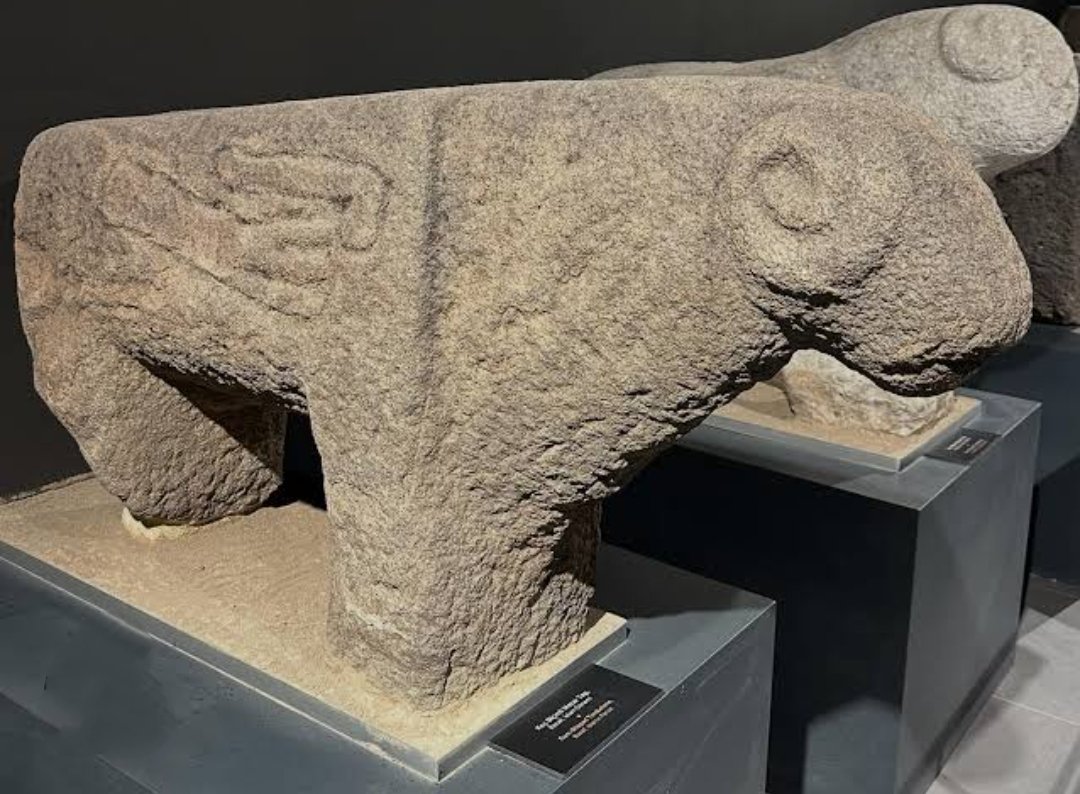
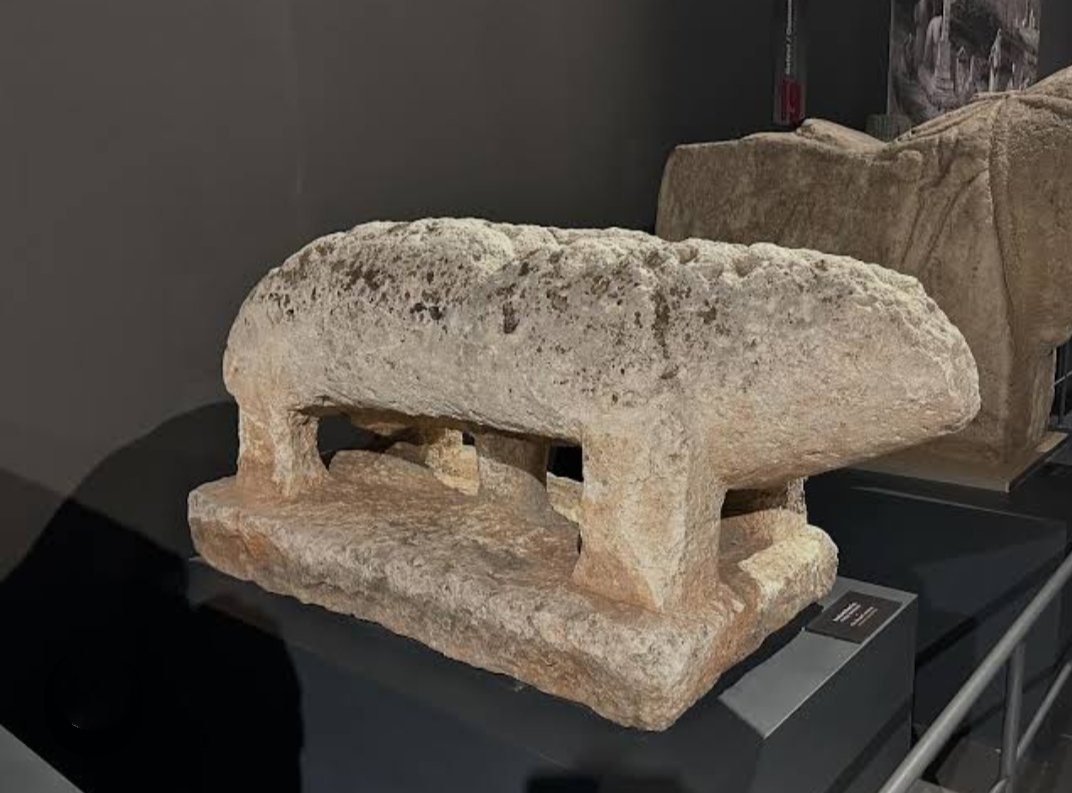
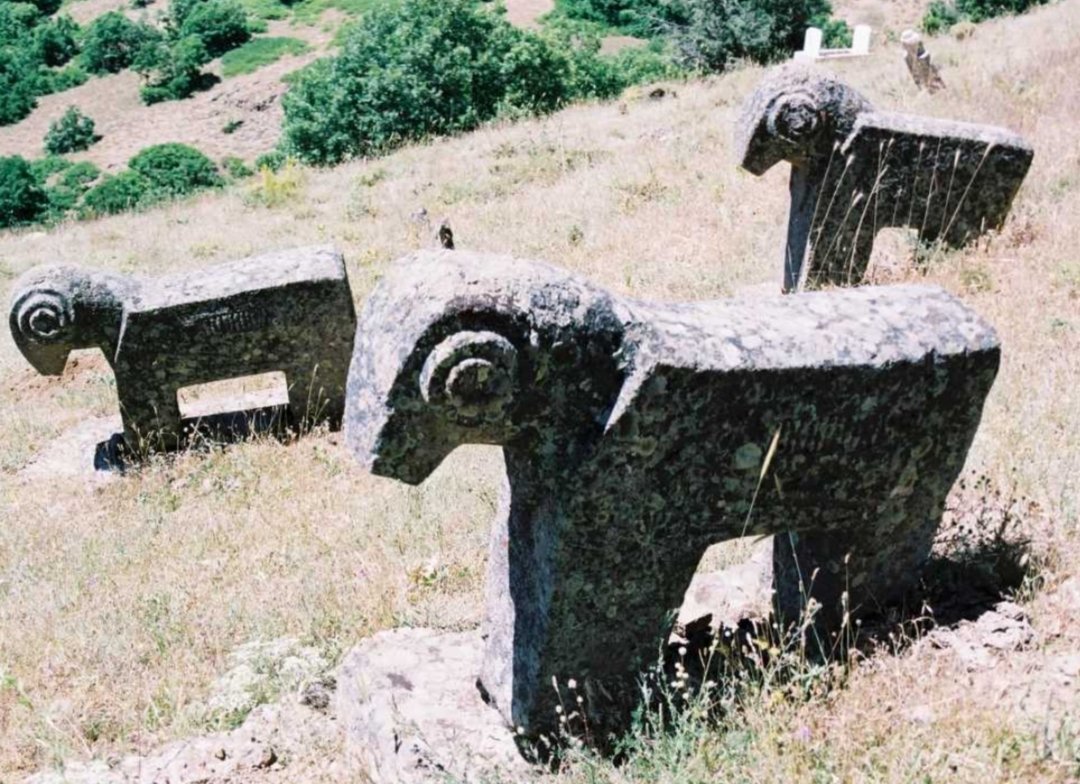
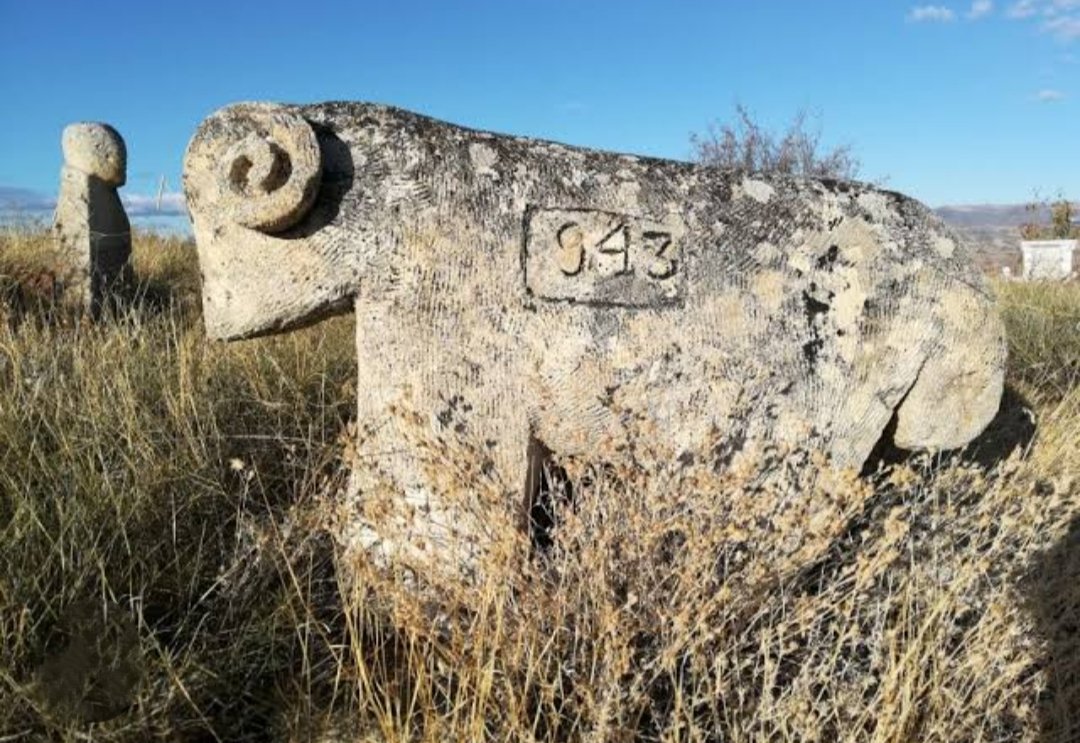
@ChinaShowcase In Türkiye, particularly in Anatolia, there are quite a few gravestones in the shape of sheep, showing Persian and Turkish influences.☺️🍀🐞👍
Kutlu Cihan 🌍🌕 tweet mediaKutlu Cihan 🌍🌕 tweet mediaKutlu Cihan 🌍🌕 tweet mediaKutlu Cihan 🌍🌕 tweet media
English
1
0
6
61
ChinaShowcase
ChinaShowcase@ChinaShowcase·
@ZahorskiRo96040 Cats really are intelligent and very docile — among all the animals mythologized in ancient Egypt, cats were definitely the stars. Your Martín sounds like he was a wonderful cat.
English
1
0
1
9
Rosa Zahorski
Rosa Zahorski@ZahorskiRo96040·
@ChinaShowcase Si, así es, y fueron enterrados con sus gatos vivos!! (Yo tuve un gato Egipcio mestizo con gato común era hermoso y muy inteligente, se llamaba Martín
Español
1
0
1
10
ChinaShowcase
ChinaShowcase@ChinaShowcase·
@ZahorskiRo96040 They were buried as mummies, although not all of them were preserved in the standard way or with the same level of detail.
English
1
0
1
7
Rosa Zahorski
Rosa Zahorski@ZahorskiRo96040·
@ChinaShowcase En Egipto antiguo los gatos se enterraban vivos a los gatos junto a los Faraones
Español
1
0
1
16
ChinaShowcase
ChinaShowcase@ChinaShowcase·
@ajannong Thanks so much for sharing this! The ox truly carries deep meaning across cultures — and I love learning how it symbolizes abundance and plays a role in Thailand’s Royal Ploughing Ceremony.🌹
English
0
0
2
8
Ajannong
Ajannong@ajannong·
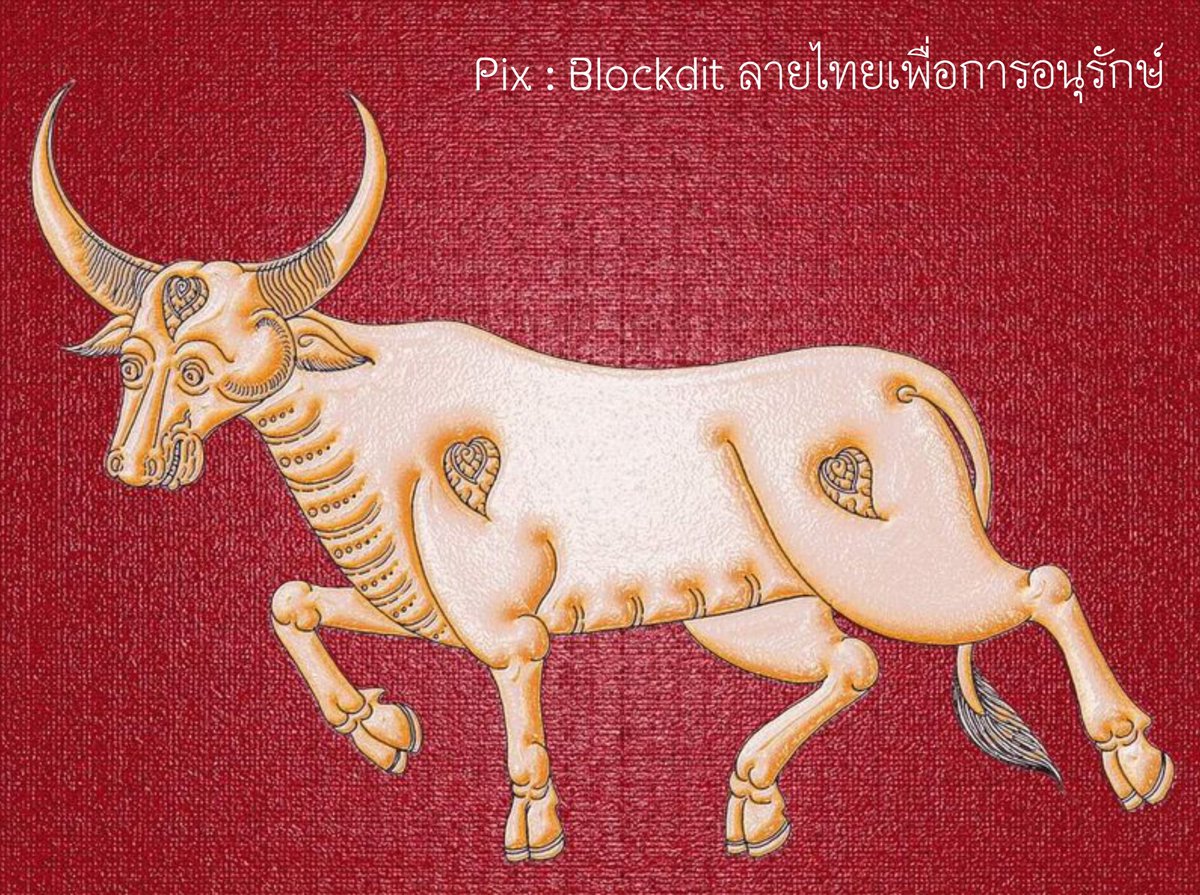
@ChinaShowcase In Thailand,the symbol of the ox has associated with wealth, abundance, and diligence. It's also an important animal in the Royal Ploughing Ceremony, used to predict the abundance of crops, grains, and water. It has been closely intertwined with Thai way of life for a long time.
Ajannong tweet media
English
1
0
3
18