Sabitlenmiş Tweet
Codie Sanchez
26.6K posts

Codie Sanchez
@Codie_Sanchez
Building profitable businesses. Founder or Own: @CTVentureCap @contrarian @bizscout_ @resibrands https://t.co/GeVvWuYSgV You grow or die / #1 M&A book👇
Founder → Katılım Şubat 2011
692 Takip Edilen707.9K Takipçiler

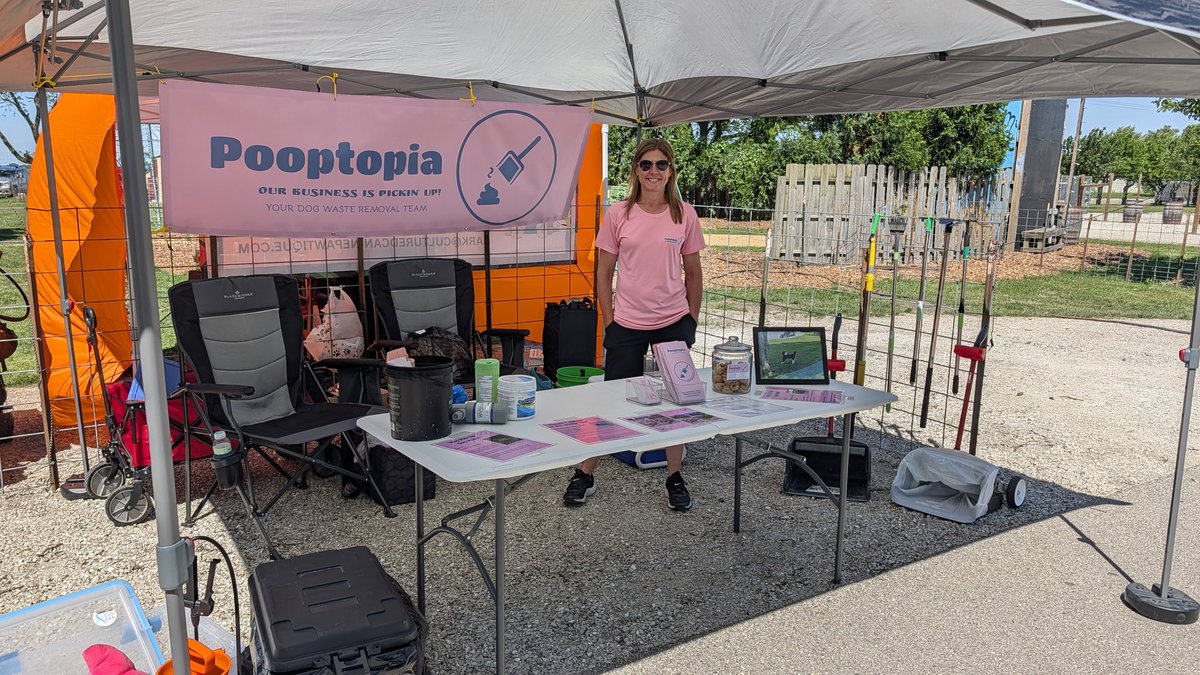
@Codie_Sanchez It's exactly how my wife and buit our business, @Pooptopia2023. Working side by side is fantastic! But you're right it's not for all couples.

English

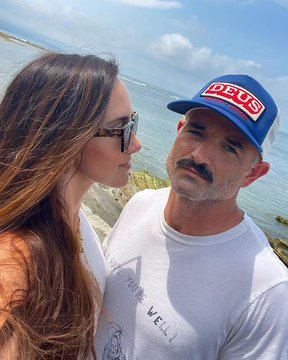
There's a version of building a company where your partner watches from the outside wondering when you're coming home.
And then there’s one where you build that company together.
We chose the second.
It’s not for everyone, and we're far from perfect on it... but I’ll fight every day to keep it that way.

English

Hard truth...
HR is what happens when leaders get too uncomfortable to have hard conversations.
Nobody wants to tell their employees they're underperforming. So they build an entire department to do it for them. Problem is the department doesn't know them or their team, and has never run a business a day in their life.
We have hundreds of employees and no HR.
Works great… only difference is our leaders have to actually lead.
English

@jackccrawford We cover monthly standard costs and have team licenses it’s if they want agentic add on spend. Some of our employees now get tens of thousands a month but it’s not unlimited and has to have an roi tracked.
English

@Codie_Sanchez A $20 seat on an Anthropic Teams license is de minimus. The justification for a larger utilization seems right, but if a team member refuses to use AI, they probably need to work elsewhere.
English


Why do some goals feel impossible to reach until someone else does... and suddenly you start believing you can too?
It's called the Bannister Effect.
For years, elite runners trained their entire careers chasing the 4-minute mile. Physiologists said it was impossible - the human body simply couldn't move that fast.
Then Roger Bannister ran 3:59.4 while working full-time as a medical student.
46 days later, someone else beat his record.
Within 3 years, 15 more runners had done it too.
How did a record that stood for nearly 10 years suddenly get broken 15 times in 3 years?
Because it changed what the other runners believed was possible.
Psychologists call this vicarious experience. When you see someone like you does something hard, your brain raises your bar for what you think is realistic.
Be intentional about your Bannisters.

English

In 2008, Elon was weeks away from bankruptcy.
SpaceX had just failed its third launch and Tesla couldn't pay its suppliers.
He had $30 million left.
His friends begged him to put it all in one company so at least one could survive… But Elon couldn't let either mission die. So he split it.
$15 million each.
Those companies are now worth a combined $2.3 trillion.
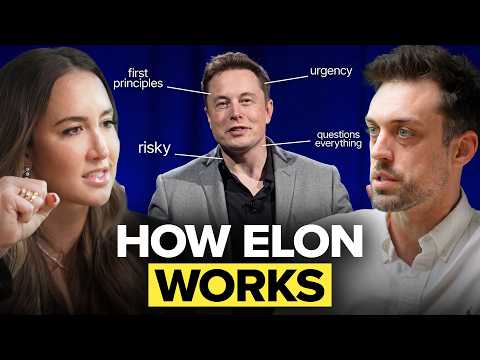
Last week I sat down with the man who documented it all.
@EricJorgenson spent 5 years studying every single decision Elon made over his career, from his very first companies to today. And put it all together in his Book of Elon.
3 things I learned about Elon after this podcast:
• He has an "Idiot Index" to find where he’s overpaying on manufacturing costs. Take any finished part, compare what it costs to what the raw materials inside are worth. The gap between those two numbers is his Idiot Index. He won't accept a ratio above 3.
• He fired his scheduler. He wants to be the one deciding what to work on each day, not have that decided for him in two weeks in advance.
• He replaced Tesla's entire month-long employee onboarding program (training videos, quizzes, and FAQs) with just one sentence given to employees on day one: "Be so good the customer talks about you at dinner.” It worked just as good.
You can steal all Eric’s homework on Elon here:
youtube.com/watch?v=m9VzUr…
x.com/a16z/status/20…

YouTube
a16z@a16z
English

@skatterbrainzzz @BobbyBizScout yay! Also you’re using bizscout.com ? We will handle dm us your issue
English

The very first business I bought was a laundromat.
I made $60k profit in year 1, with less than $100k down.
Now I own several businesses doing 9-figures in annual revenue.
If I had to do it again with no experience and $0 in the bank, here's exactly what I’d do:
1. Figure out what business is right for you
First rule when buying something:
You don’t want to resent it the moment you own it. You want it to fit your life and strengths PERFECTLY.
I call this finding the “perfect fit”.
Few questions to ask yourself:
• What industries am I interested or have unfair advantages in?
• How much money do I want to make vs invest?
• Where do I want it located?
• How do I want to finance it?
Those answers become your filter for every business that comes your way.
So you never fall in love with the wrong deal.
2. Decide how to buy it
I’ve heard this statement too many times: “you need $500k saved before you can start.”
False. There are lots of ways to buy any business without needing millions.
If you have no money:
→ Sweat equity: Work for a business, add real value, then ask to get paid in equity instead of a paycheck
→ Earned equity: Help the owner make more money and take a cut of what I generate
If you have some cash (and are willing to use it):
→ SBA loan: bank covers up to 90% of the business cost, you put down the rest
→ Seller financing: the seller becomes your bank. You put some money down, they get paid from the biz profits over time
→ Outside investors: find people willing to fund the deal in exchange for a cut of the equity
If you’re going to use your own money, start by investing 1% of it for the first deal.
That’s enough skin in the game to take it seriously. But not so much that it takes you out if the business goes under.
3. Know where to buy it
First, make a free account on BizScout(.)com
Then:
• Go to “Marketplace”
• Filter for your criteria from step 1
• Send inquiries to businesses that match your deal box
That's your on-market pipeline.
Personally, I’ve had more luck off-market (there’s less competition and you often get better terms).
When I first started out, that meant knowing the owner personally, scraping data from Yelp, or physically walking into the business just to start a conversation.
Now, you click on "Off-market leads" on BizScout and pull owner contact info directly.
4. Prep for downside risk
The first year post-acquisition is the hardest of all.
I call it the valley of death.
• You're learning how to run the business while running it
• Customers and suppliers don’t know you yet
• Revenue often dips before it climbs
You need to survive this phase before it gets good.
So before you sign anything, know exactly how much cash you need to survive if the business goes under.
BizScout has a free NWC calculator for this (NWC = Net Working Capital - the cash your business needs to keep running day to day).
Plug in:
• Monthly fixed costs (payroll, rent, utilities)
• Receivables (money customers owe you)
• Payables (money you owe vendors)
What comes out is your minimum cash cushion (this is what you every day to stay afloat).
My rule:
Have at least 3-6 months of operating expenses in the bank after you close.
-
And that’s how to buy your first business in 2026!
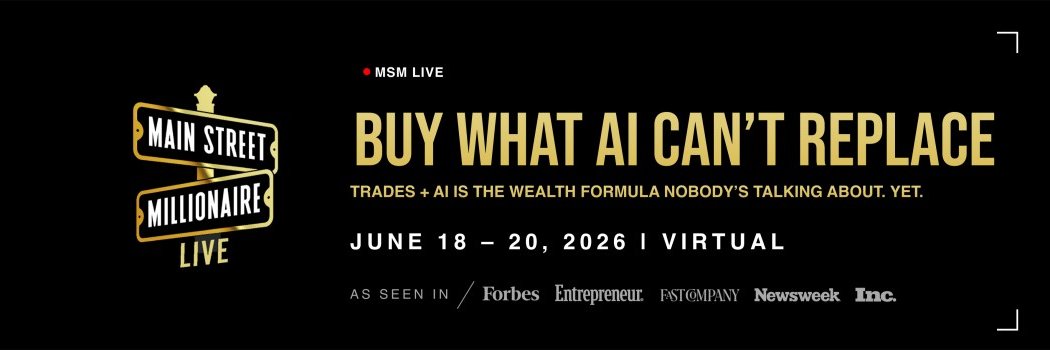
If you want to see me do it live, I’m running the last biz buying event of the year tomorrow.
It’s a 3-day virtual event where I teach: Where to find deals, financing options, and live acquisition breakdowns.
(I’m also giving away $5k worth of resources including 90 days of BizScout Pro free, my deal box and financing calculators, and my M&A negotiation guidebook to everyone who joins.)
Save your spot here:
↓↓
codiesanchez.com/msm/?utm_sourc…


English

Blake owns one heck of a business, but it took him 20 years to build it.
And when you check the stats…
• 20% of startups die by year 1
• 70% by year 5
• 90% by year 10
If you want to build wealth, the much safer bet is buying a business with customers, employees, and systems already in place.
Want to learn how?
I’m running a 1x a year live virtual event teaching exactly that.
Where to find deals, financing options, live acquisition breakdowns, and more… Taught by me and other operators who’ve done it.
Save your spot here:
codiesanchez.com/msm/?utm_sourc…
English

This guy makes $82,000 a day selling honey.
He started at 12 years old with $300 and one beehive. By the time he graduated high school he was doing six figures a year.
Now, he owns 30,000 hives and over a billion bees…. and makes $35M/year in revenue.
I met with Blake last year.
Here's how his biz model works:
He has six revenue lines…
• Retail
• Wholesale
• Pollination services
• Beekeeping supplies
• Food manufacturing
• Hot honey
Retail and wholesale is the core. He bottles the honey himself and sells it direct to stores and consumers. His facility runs 1,000 jars an hour. One tote of raw honey (about 275 gallons) is worth $15k and takes half a million bees to fill it.
Pollination services runs on top of that. Farmers pay him to park his hives on their land so his bees can pollinate their crops. This brings in extra recurring revenue that’s separate from selling honey.
Hot honey is one of the fastest growing food trends right now. It’s honey infused with chili pepper - either sweet or spicy. Blake sells them at a premium and in smaller batches. So they have better margins than straight honey and cost less to produce.
Beekeeping supplies and food manufacturing round out the rest. Supplies means gear hives, suits, or smokers sold to other beekeepers. Food manufacturing covers other honey-based products that have higher margins than just raw honey.
The numbers:
• Revenue: $35M/year
• Margins: 15%
• Employees: 125
• Bee cost: $2M/year (just to keep them alive)
• Facility output: 1,000 jars/hour (at $5 wholesale, $9 on the shelf)
• Processing facility cost: $3M to build ($1M of honey sitting in it at any given time)
One of the coolest businesses I've seen.
English

The most sophisticated investors I know aren’t buying AI stocks.
They’re buying:
- Roofers
- Painters
- Cleaners
- Plumbers
- Electricians
- Car washes
- Auto repairs
- Landscapers
- Laundromats
- HVAC services
- Pest control routes
- Pressure washers
- Window cleaners
- Gutter cleaners
- Tree services
- Pool services
- Dry cleaners
- Self-storage
- Tire shops
And using AI to make them more valuable...
English

PS...
I’m running the last biz buying event of the year this Thursday.
It's a 3-day live event where I teach people everything they need to know to buy small businesses.
Where to find deals, financing options, and live acquisition breakdowns... and more.
Save your spot here:
↓↓
codiesanchez.com/msm/?utm_sourc…
English

9 hard truths I learned about money from people more successful than me:
1. Rich people aren’t smarter than you. They just move faster, take more risk, and work way harder than you think.
2. Being likable will make you more money than being smart 9/10 times.
3. Your fear of losing money is exactly why you don’t have any.
4. How you look changes what people think you’re worth. People who dress and look better make more money.
5. You’ll never make money if you can't read a P&L. Get fluent in how cash actually moves: debt, EBITDA, and how businesses make profit.
6. The faster you move the more money you make.
7. Raw data is worthless. The ability to package it into a story other people can understand is priceless.
8. The best way to get ahead is doing one thing for years. The ability to handle monotony is where all the money is.
9. 90% of financial advice is worthless. The best you can do is become more valuable and charge more because of it.
English