CoinCover

891 posts

CoinCover banner
CoinCover

CoinCover

@Coincoverglobal

Digital assets, secured + protected.

Cardiff, Wales Katılım Mayıs 2019
722 Takip Edilen2.6K Takipçiler
Sabitlenmiş Tweet
CoinCover
CoinCover@Coincoverglobal·
🚨 Beware of fraudsters impersonating CoinCover! 🚨 We will never cold-call you and ask for your personal information. Email support@coincover.com if you ever have any concerns about communications from us.

CoinCover tweet media
English
3
0
7
1.1K
CoinCover
CoinCover@Coincoverglobal·
We’re heading to Digital Asset Summit 2026 in New York From 24–26 March, CoinCover will be at one of the industry’s leading gatherings for institutional digital asset leaders. Our team will be there to discuss how stronger security and protection frameworks are helping the industry scale safely. If you’re attending, we’d welcome the opportunity to discuss: • Protecting digital assets at scale • Security infrastructure for institutions entering crypto • Building trust and resilience across the digital asset ecosystem • Partnership opportunities across wallets, exchanges, and custodians Connect with the team: Derrick Plahar — Director of Business Development Kevin Boyd — Global Partnerships & Growth Lead See you in New York.
CoinCover tweet media
English
0
0
2
32
CoinCover
CoinCover@Coincoverglobal·
At CoinCover, we help strengthen backup and recovery frameworks so that one mistake doesn’t become permanent loss. Because in crypto, the real risk isn’t holding your own keys. It’s not being prepared when something goes wrong. Find out more about self-custody myths here: coincover.com/blog/7-self-cu…
CoinCover tweet media
English
0
0
0
17
CoinCover
CoinCover@Coincoverglobal·
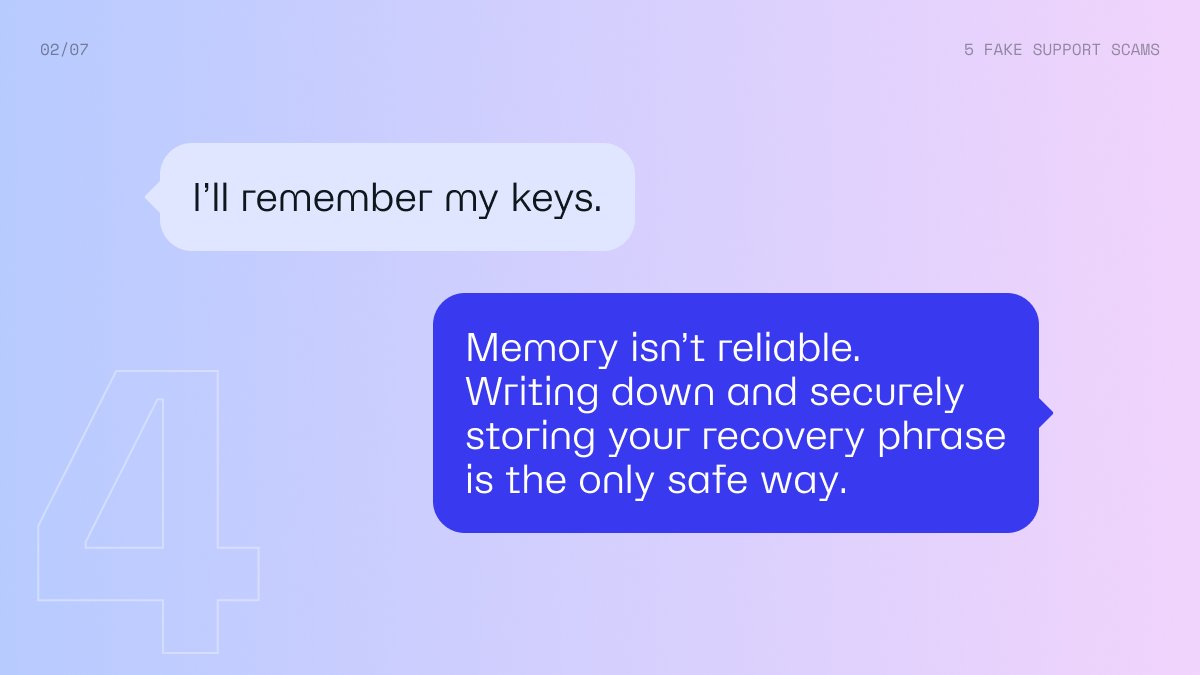
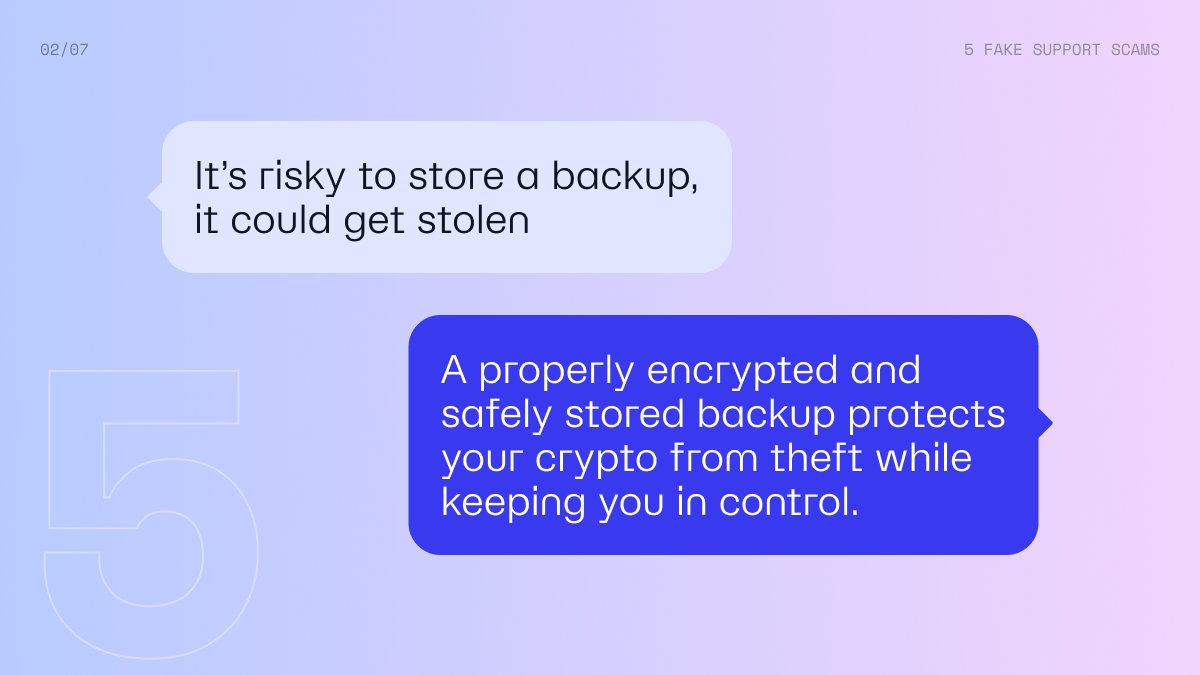
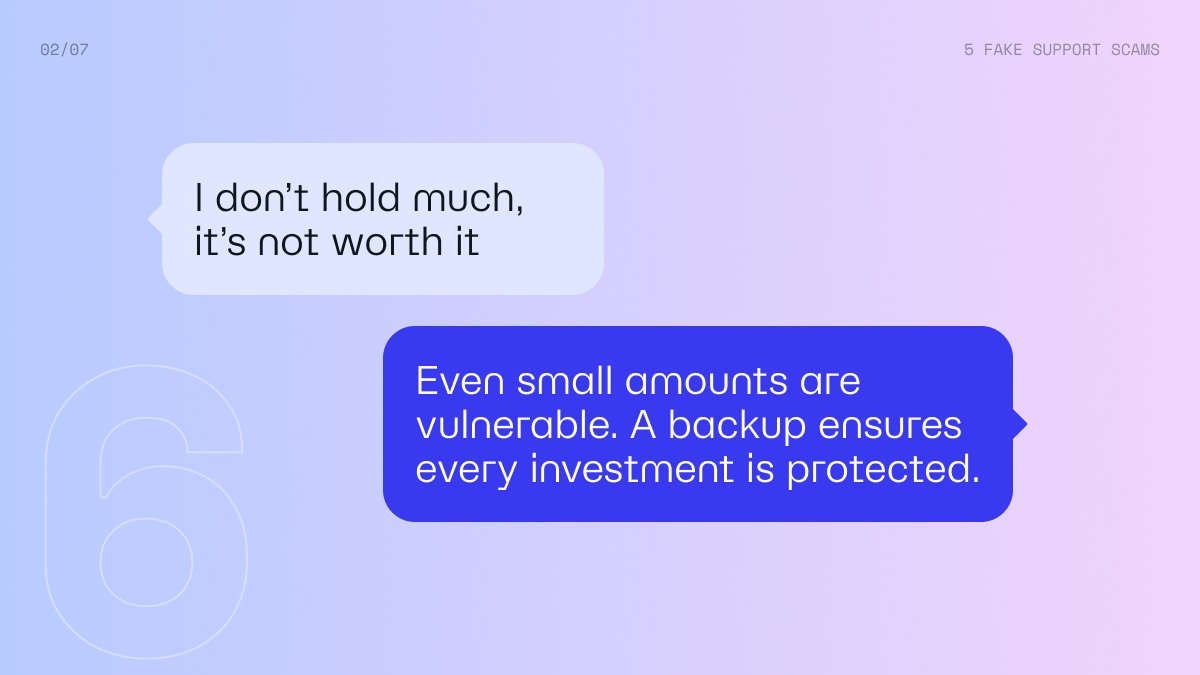
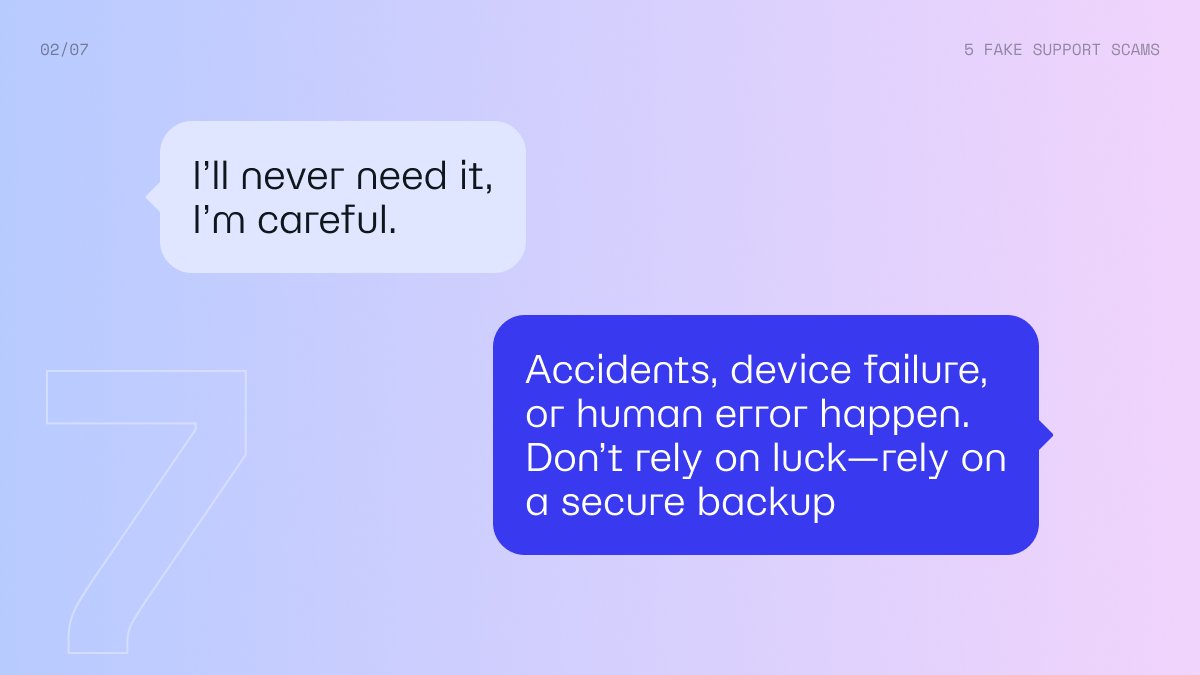
4. “I’ll remember my keys.” Memory fades. Recovery phrases shouldn’t rely on it. 5. “A backup could get stolen.” Improper storage creates risk. Structured, encrypted protection reduces it. 6. “It’s only a small amount.” Small balances become meaningful over time. 7. “I’m careful. I won’t need it.” Most recovery cases begin with someone who thought exactly that. The reality? Self-custody gives control. But control without resilience creates fragility.
CoinCover tweet mediaCoinCover tweet mediaCoinCover tweet mediaCoinCover tweet media
English
1
0
0
21
CoinCover
CoinCover@Coincoverglobal·
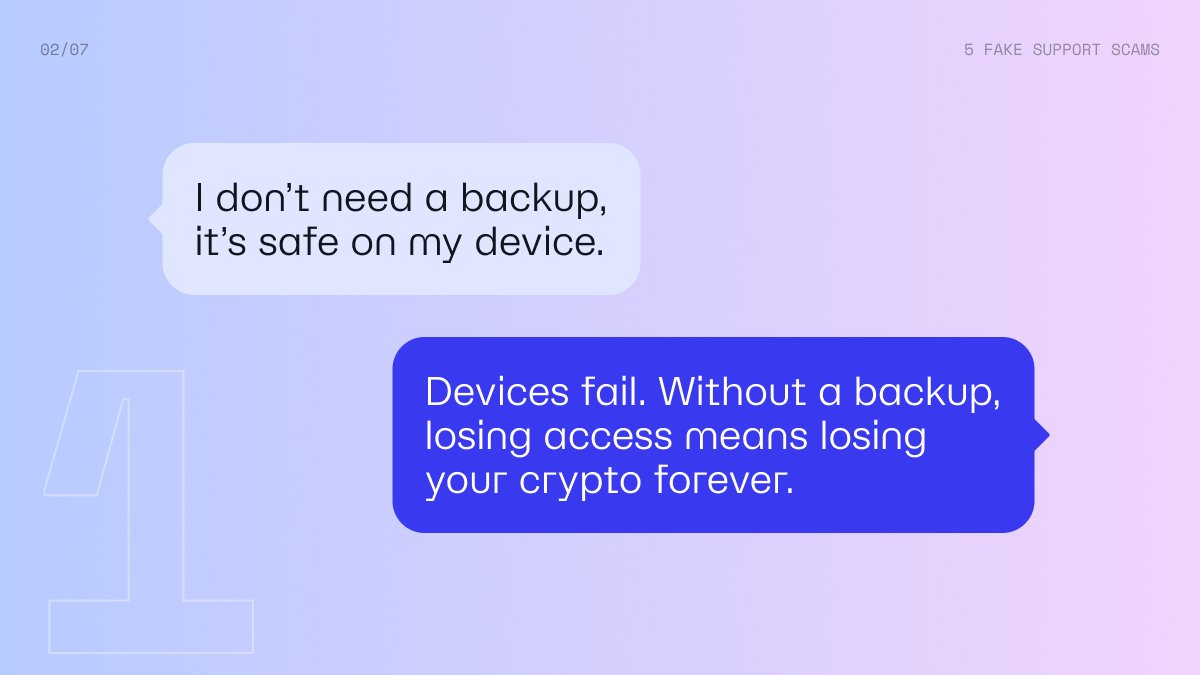
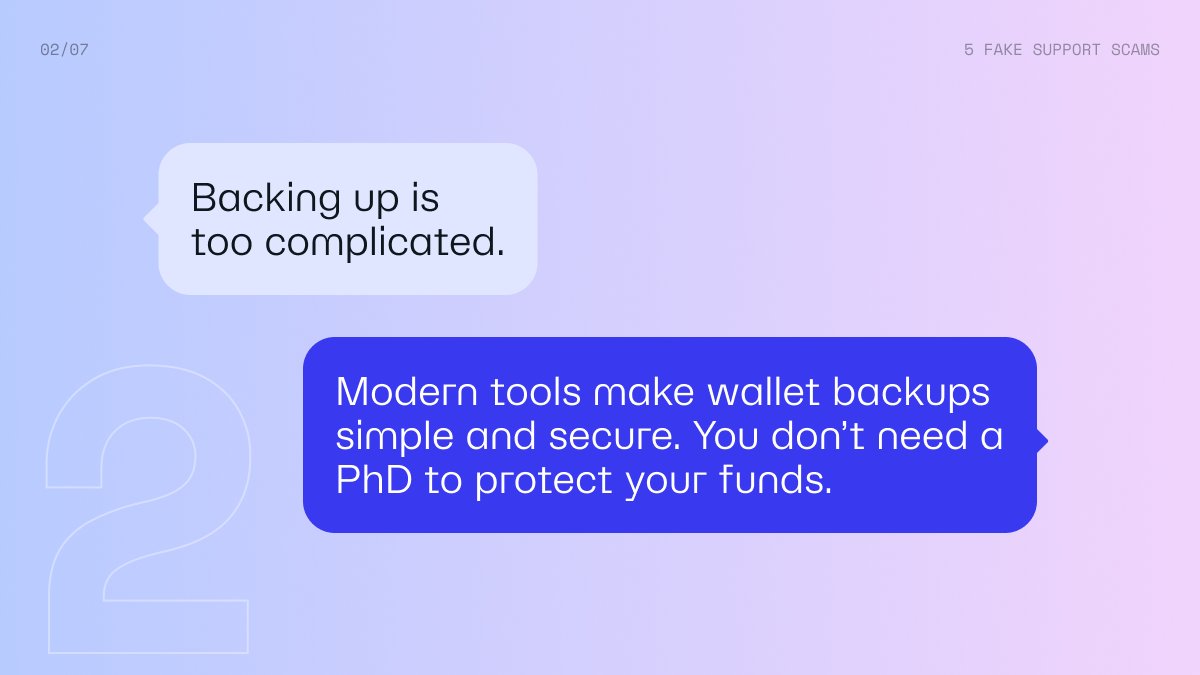
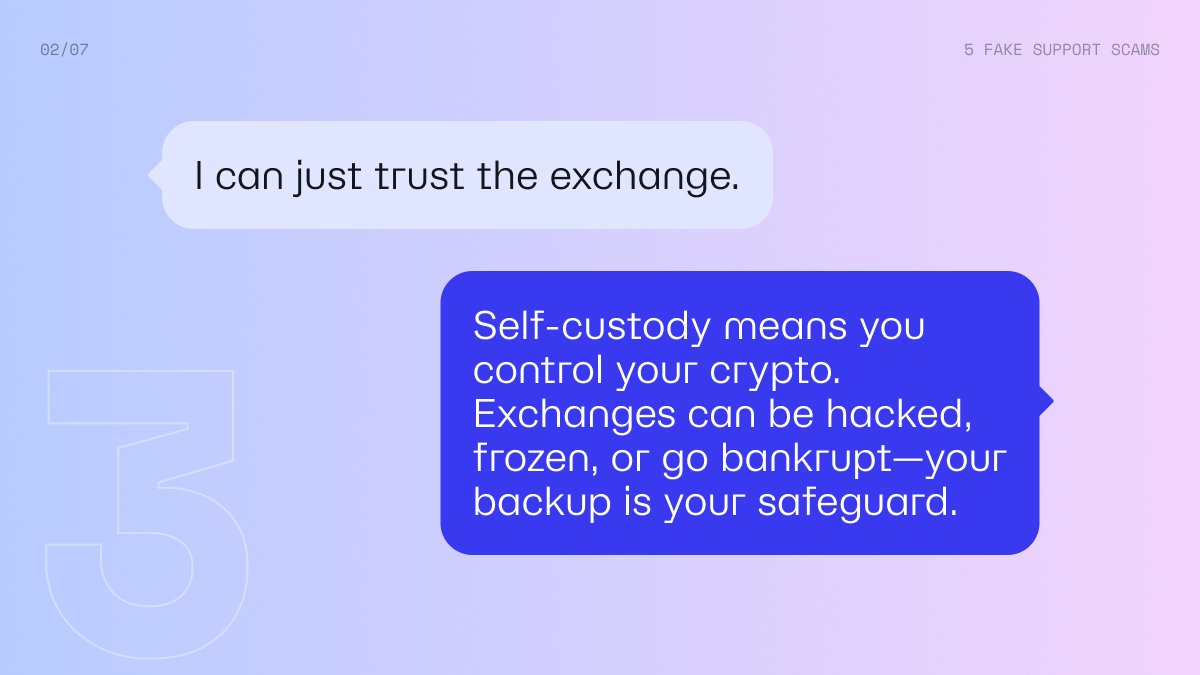
Most self-custody failures aren't acts of carelessness. They're the result of small assumptions quietly piling up. We regularly see the same myths prevent users from setting up proper wallet backups: 1. “It’s safe on my device.” Devices fail. Without a backup, access can disappear permanently. 2. “Backing up is complicated.” The process doesn’t have to be complex. Avoiding it is what creates risk. 3. “The platform has me covered.” Self-custody means responsibility sits with the user, not always the platform.
CoinCover tweet mediaCoinCover tweet mediaCoinCover tweet mediaCoinCover tweet media
English
1
0
0
41
CoinCover
CoinCover@Coincoverglobal·
The future of crypto will be defined by trust. On 17 March in London, our Chief Commercial Officer, Anthony Yeung will be speaking at the CBC Summit Europe about what it takes to scale digital assets responsibly. Anthony will be sharing insights on: Strengthening trust in digital asset ecosystems The evolving role of compliance in enabling innovation Protecting users and institutions as adoption accelerates Why resilience and security must underpin the next phase of growth At CoinCover, we exist to protect digital assets, so businesses can move forward with confidence. Events like CBC Europe are where the industry aligns on the standards, safeguards, and partnerships that will define what “trusted crypto” looks like at scale. Going to be there? Connect with Anthony on LinkedIn 👉 linkedin.com/in/coincover-a…
CoinCover tweet media
English
0
0
0
47
CoinCover
CoinCover@Coincoverglobal·
We are delighted to announce our partnership with Taurus SA Through this partnership, Taurus' clients - which include established financial institutions such as systemic banks, private banks, and crypto banks - will be able to access CoinCover’s institution-grade recovery product directly through their own integration with Taurus, and for the first time, maintain key back-ups for their on-premise digital asset infrastructure. The integration links CoinCover’s Recover for Institutions with Taurus-PROTECT, its on-premise deployment of wallet technology, enabling its clients to securely manage and back-up their digital asset keys with CoinCover, while keeping Taurus-PROTECT’s banking-grade security in place. CoinCover CEO Jeremy Verba said of the partnership: “Working with Taurus underscores how digital asset recovery is now table stakes for traditional finance providers, providing the safety net for embracing digital assets. Working together, we’ll be instilling confidence and assurance for institutions so that they can more effectively seize the opportunities presented by digital assets.” Read more here - coincover.com/blog/coincover…
CoinCover tweet media
English
0
0
0
74
CoinCover
CoinCover@Coincoverglobal·
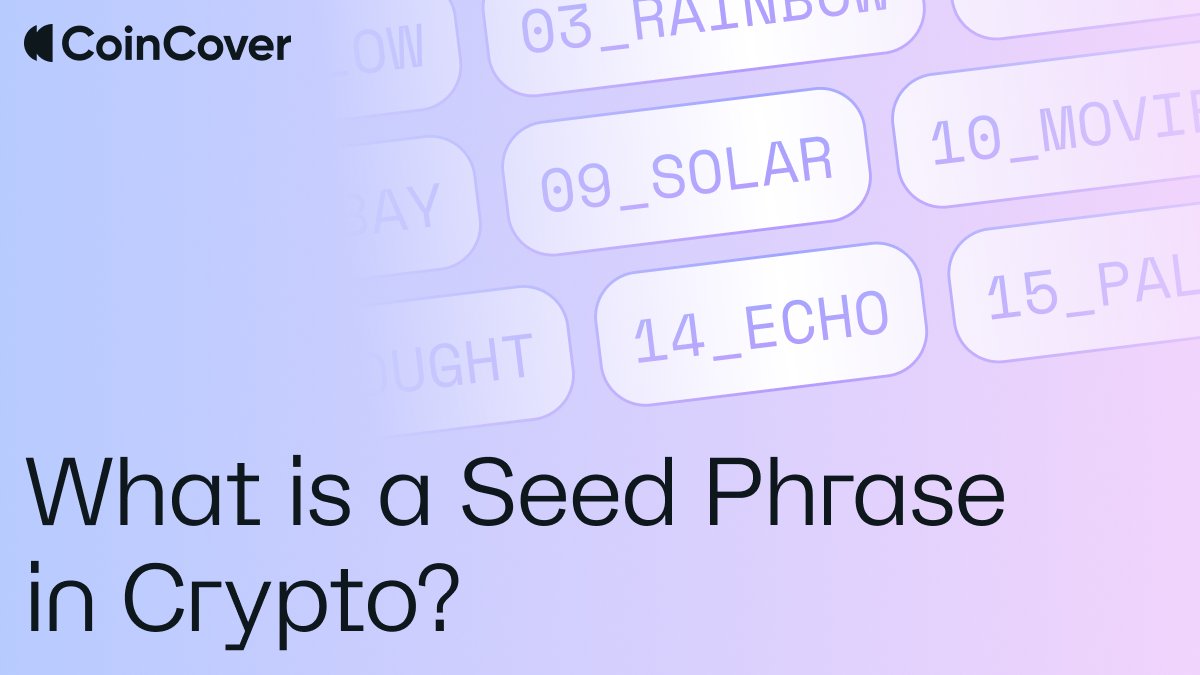
A seed phrase doesn’t look like much. Just 12 or 24 ordinary words. But together, they’re the master key to your crypto wallet. Lose them and access disappears. Share them and control disappears. For something so critical, seed phrases are often handled in surprisingly fragile ways. Written on paper. Saved in screenshots. Copied into notes apps. And when mistakes happen - a misplaced backup, a compromised device, a moment of human error - there’s rarely a reset button. In crypto, ownership means responsibility. But responsibility shouldn’t mean vulnerability. At CoinCover, we help platforms strengthen their crypto recovery processes, reducing single points of failure and making sure one mistake doesn’t become permanent loss. Because security in crypto isn’t just about stopping attackers. It’s about protecting people from irreversible outcomes.
CoinCover tweet media
English
0
0
0
76
CoinCover
CoinCover@Coincoverglobal·
Losing access to a crypto wallet should not mean losing the asset forever. In today’s City A.M. letters page, our CEO Jeremy Verba makes a simple point: as regulation like the US GENIUS Act starts asking whether institutions can manage private keys in an auditable way, wallet recovery is still being underestimated as a compliance requirement. If a key is lost, there is often no route back. With estimates suggesting 3 to 4 million Bitcoin are permanently inaccessible due to lost keys, that level of operational risk is not sustainable for institutions or their customers. Audit trails matter, but they do not fix irreversible loss. Recovery means controlled routes to restore access after lost credentials, key compromise, operational error, or an outage, backed by tested playbooks. At CoinCover, we believe trust scales when recovery is treated as foundational infrastructure, not an afterthought. If you are building custody, compliance, or operational resilience programmes this year, now is the moment to put recovery on the same footing as auditability. news.uk.cityam.com/story/full_pag…
CoinCover tweet media
English
0
0
0
91
CoinCover
CoinCover@Coincoverglobal·
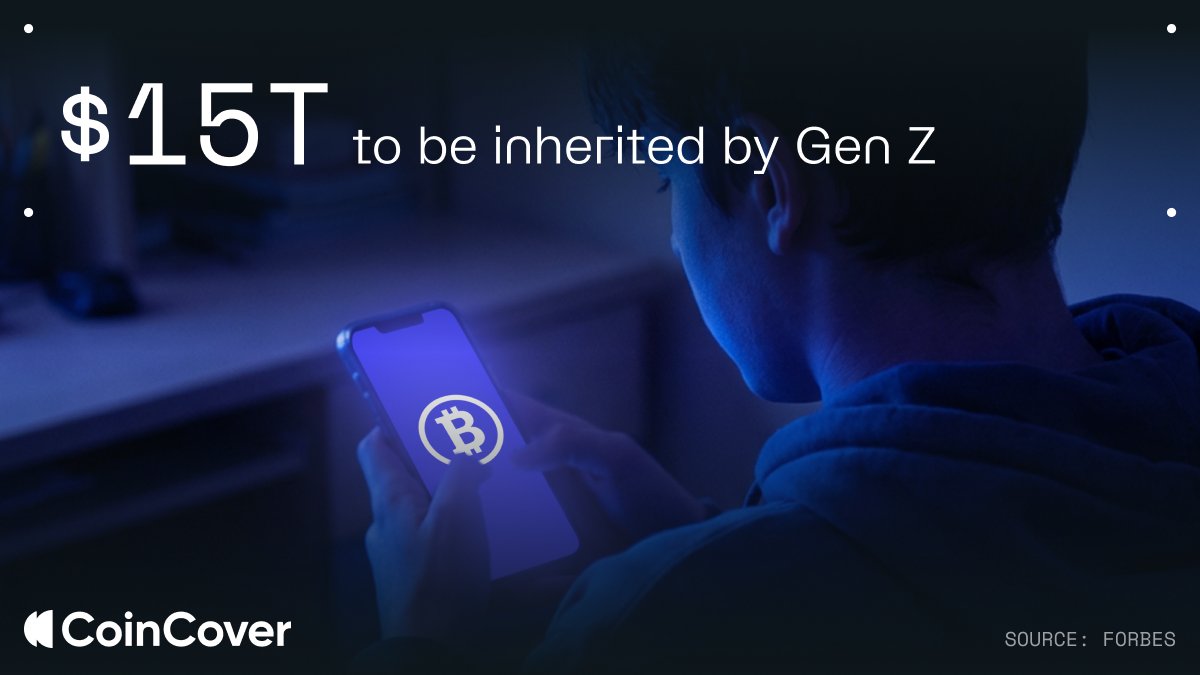
Gen Z is about to inherit the keys to the financial system... literally. Over the next few decades, they’re expected to inherit around $15 trillion in what could be one of the largest wealth transfers in history. That kind of shift changes behaviour. And for Gen Z, digital is the baseline. They’ve grown up managing their lives through screens: identity, community, payments, investments. So it’s no surprise many of them feel more comfortable with digital assets and crypto platforms than with the traditional institutions that defined finance for generations. As more value moves on-chain, the margin for error shrinks. A forgotten seed phrase. A single wrong character in an address. A support scam that’s polished enough to pass. And when those things happen, the outcome is often the same: loss that can’t be reversed. At CoinCover, we help platforms and users protect digital assets where it matters most: securing keys, enabling recovery, and reducing the risk of permanent loss. Because progress gets attention. But trust is what turns adoption into permanence. Source [forbes.com/sites/boazsobr…]
CoinCover tweet media
English
0
0
0
55
CoinCover
CoinCover@Coincoverglobal·
Imagine you’re running an exchange in India. A new user signs up. A year ago, the flow might’ve been quick: upload an ID, maybe a photo, and you’re in. Now it’s different. They’re asked for a live selfie, geo-tagging, and stricter checks before they can even get started. It’s a small moment - but it tells you everything. India isn’t just “tightening KYC.” It’s signalling the next era of crypto: one where identity, AML controls, and transparency aren’t optional, and where platforms are expected to operate like financial infrastructure. And that’s where the story gets real for exchanges, custodians, and wallet providers. Because the pressure doesn’t stop at onboarding. Once you’re in a regulated environment, every weak link matters: how keys are secured, who can access what, what happens when a customer loses credentials, how you prove controls, how you recover from incidents. At CoinCover, this is the shift we’re built for. We help platforms protect digital assets with key protection and recovery - reducing the risk of irreversible loss, and supporting the kind of resilience regulated markets demand. Source timesofindia.indiatimes.com/business/india…
CoinCover tweet media
English
0
0
0
68
CoinCover
CoinCover@Coincoverglobal·
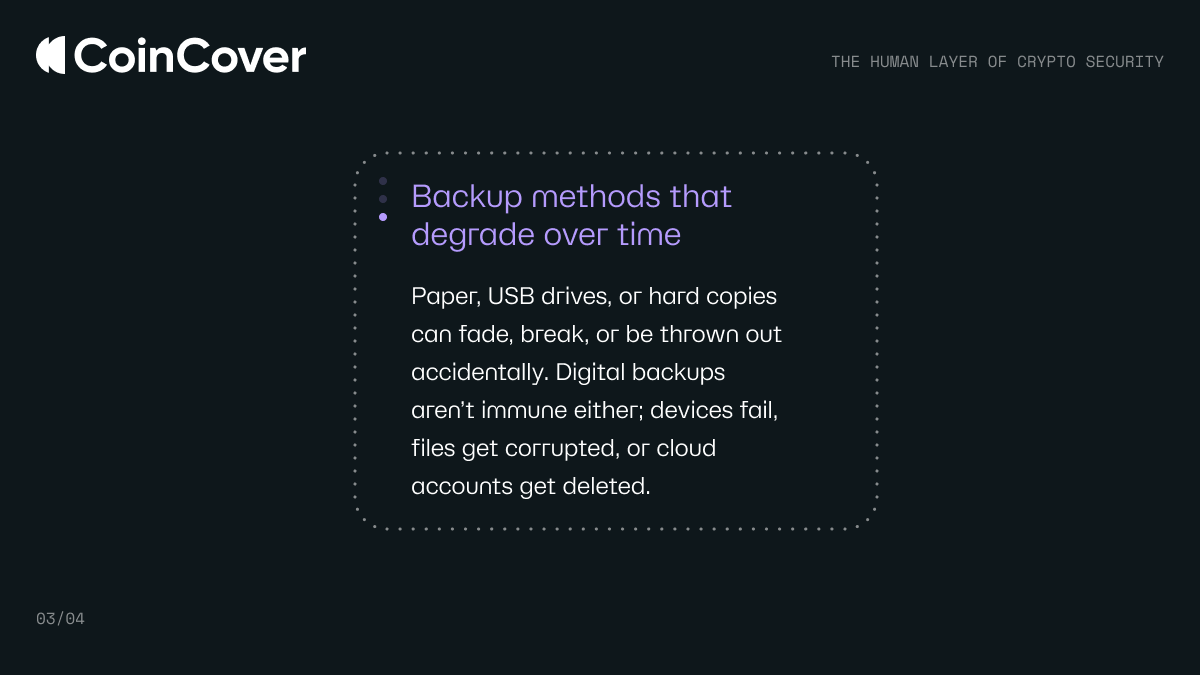
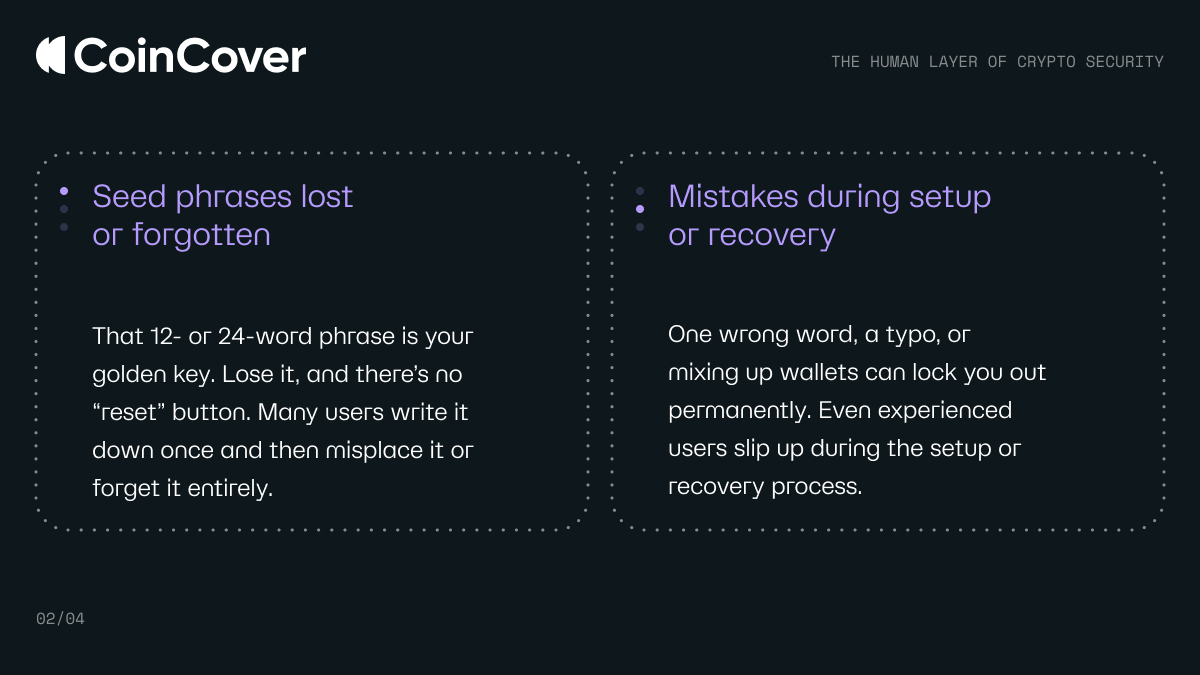
Most retail crypto losses don’t come from hacks. They come from self-backup failures. • Seed phrases lost or forgotten • Mistakes during setup or recovery • Backup methods that degrade or disappear over time Once access is lost, in crypto there’s usually no forgotten password button, no second chances. That’s the gap CoinCover exists to close. By adding secure backup, recovery support and protection layers around private keys, we help ensure a single mistake doesn’t become a permanent loss. Because in crypto, the biggest risk isn’t always external threats. It’s what happens when access is lost forever. Most crypto losses don’t come from hacks. They come from self-backup failures. We see the same patterns again and again: • Seed phrases lost or forgotten • Mistakes during setup or recovery • Backup methods that degrade or disappear over time • Inheritance gaps that leave assets permanently inaccessible Once access is lost, there’s usually no reset button. No support desk. No second chance. That’s the gap CoinCover exists to close. By adding secure backup, recovery support and protection layers around private keys, we help ensure a single mistake doesn’t become a permanent loss. Because in crypto, the biggest risk isn’t always external threats. It’s what happens when access is lost forever. Have you ever tested your recovery process end-to-end?
CoinCover tweet mediaCoinCover tweet mediaCoinCover tweet mediaCoinCover tweet media
English
0
0
1
76
CoinCover
CoinCover@Coincoverglobal·
ETHDenver has always been a pulse check for where crypto is heading. Our team is on the ground connecting with builders across wallets, custody, DeFi, and core infrastructure. We’re especially keen to meet founders, product leaders, and security teams focused on the long game: trust, recovery, and resilience. Scaling securely Upgrading recovery mechanisms Strengthening operational resilience Protecting user assets Let’s connect.
CoinCover tweet media
English
1
0
3
133
CoinCover
CoinCover@Coincoverglobal·
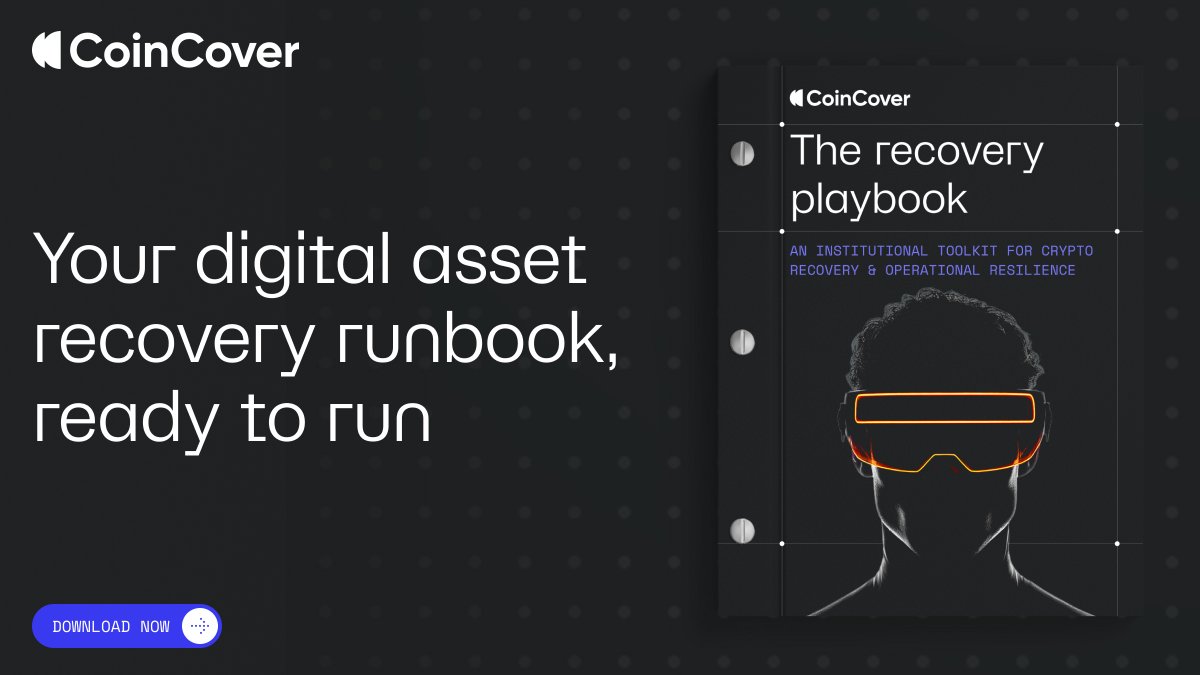
We keep seeing the same pattern in crypto incidents... A key person is unreachable. A seed phrase has been lost or misplaced. Approvals can’t be gathered fast enough. For that exact reason, we’ve just published The Recovery Playbook - an institutional toolkit for crypto recovery and operational resilience. It sets out a structured framework for what “good” looks like: clear governance and ownership scenario-based runbooks built for real-life constraints repeatable execution under pressure audit-ready evidence packs disciplined crisis communications If you’re running custody, ops, risk or security, it’s designed to help you answer one question honestly: Can you reliably restore access to client and treasury assets under real-world conditions? Now you can. Download the playbook: coincover.com/recovery-playb…
CoinCover tweet media
English
0
0
0
100
CoinCover
CoinCover@Coincoverglobal·
Picture this: it’s 2027. A UK customer opens a crypto app and, for the first time, it feels like the rest of financial services, clear rules, clear accountability, clearer protections. Not because the product changed overnight… but because the rules of the game did. That’s the direction the UK Government has set with its newly announced framework: crypto firms will be brought properly into the regulated system, with FCA oversight and consumer protections more in line with mainstream finance. The goal is to give the market legal clarity, attract investment, and make the UK a serious home for digital assets. This is crypto growing up. When regulation arrives, “trust us” stops working. Platforms need to show how they operate: governance, controls, incident response and what happens when a customer makes a mistake or access is lost. At CoinCover, we’re here for that shift. Because scaling in a regulated world means building resilience early, not scrambling for it later. Read more: gov.uk/government/new…
CoinCover tweet media
English
0
0
0
63
CoinCover
CoinCover@Coincoverglobal·
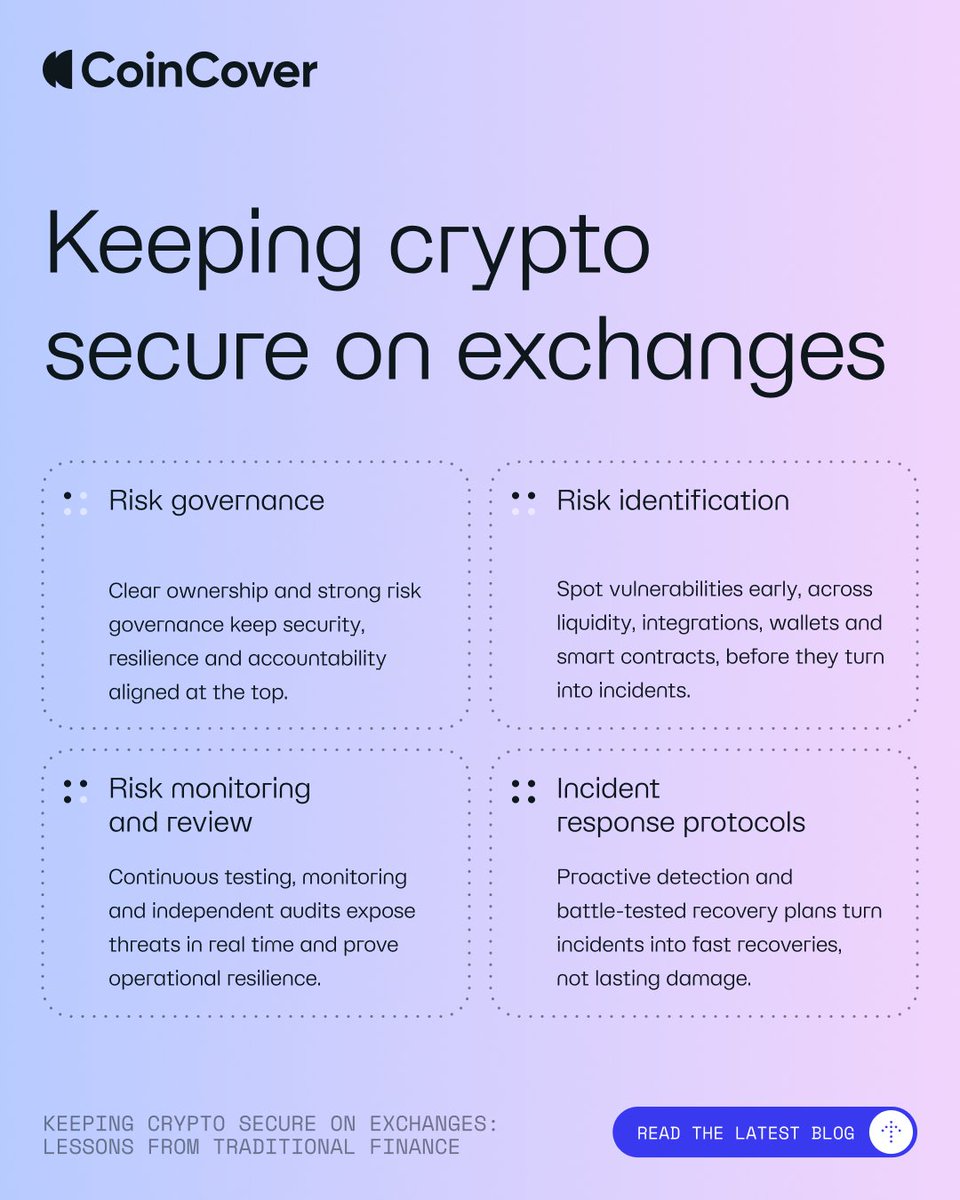
We see it all the time. Rapid user growth, increasing volumes, and an ambitious product roadmap. On the surface, everything is working. Then a serious incident simulation is run. And no one has the answers. ❓Who has the authority to pause systems? ❓Who speaks to customers if funds are at risk? ❓What evidence can we produce if a regulator asks what happened? This is the inflection point digital assets are reaching. As markets mature, the question shifts from innovation to assurance. Not “what are you building next?”, but “can you demonstrate control under stress?” Traditional finance is instructive here, not because it is cautious, but because it is repeatedly stress-tested Read how exchanges can apply traditional finance principles here: coincover.com/blog/tradition…
CoinCover tweet media
English
0
0
1
85
CoinCover
CoinCover@Coincoverglobal·
“We’re MiCA-compliant… right?” On paper, teams are doing a lot of things well. Custody in place. Security policies written. The right partners lined up. But when you talk through some of the scenarios that MiCA is designed to prevent, the cracks start to show. 🚨 What happens if keys are compromised at 2am? 🚨 Who’s accountable in that moment? 🚨 How do you prove to a regulator that customer assets were protected? That’s the gap MiCA exposes. For years, crypto in Europe operated on intent and best effort. MiCA raises the standard to proof, process, and resilience. The good news is that teams who face this early move faster later. Once they can demonstrate operational resilience, conversations with partners, institutions, and regulators change. At CoinCover, we help organisations turn compliance into confidence and regulation into opportunity. Read more: coincover.com/blog/what-is-m…
CoinCover tweet media
English
0
0
1
68
CoinCover
CoinCover@Coincoverglobal·
2025 wasn’t the year crypto became over-regulated. It was the year it became legible. What changed wasn’t just the volume of rules, but where regulators chose to focus. Instead of reacting to isolated failures or end-user behaviour, oversight shifted toward the infrastructure that shapes outcomes at scale, including custody, settlement, stablecoins, tokenisation and recovery. That shift matters. When regulation concentrates on the ‘plumbing’ of the ecosystem, expectations become clearer. Firms are no longer judged on intent or innovation alone, but on whether their systems can hold up under stress across jurisdictions, suppliers and market cycles. We saw this play out across regions. In the US, stablecoins moved into a defined federal framework. In Europe, operational resilience became enforceable rather than aspirational. Across Asia and the Middle East, licensing emerged as a signal of quality, not constraint. In institutional markets, tokenisation stopped being theoretical and started looking operational. Running through all of it is a common thread that proof matters more than promises. The ability to demonstrate control, continuity and recoverability is now central to participation, not an optional extra for later. Our latest blog looks at the five regulatory shifts that defined 2025 and why they point to a future where trust is built through structure, not slogans. For organisations preparing for 2026, the question is no longer how fast you can move but how well you can hold.
CoinCover tweet media
English
0
0
2
54
CoinCover
CoinCover@Coincoverglobal·
There’s a moment every crypto exchange team dreads. Not the headline. But the silence right before it. It’s a volatile day. Withdrawals spike. Liquidity needs to move. And then you can’t sign. No attacker. No breach. Just a missing approver, an unreachable HSM, a broken workflow, a recovery path that exists on paper but not in reality. From the outside, it all looks the same. Loss of control. And in crypto, the market doesn’t wait for explanations. That’s what keeps exchanges up in 2026. Not only key compromise, but key unavailability. Not only prevention, but recovery. At CoinCover, we help exchanges build that proof by strengthening the protection and recovery layer around custody so continuity does not depend on a single person, a single device, or a fragile process. Because the real question isn’t “Are we secure?” anymore. It’s “If control breaks, can we get it back fast, safely, and credibly?”
English
0
0
0
71