Collins Donye

2.3K posts

Collins Donye banner
Collins Donye

Collins Donye

@CollinsDonye

Running https://t.co/V2pXXeeI7q Building products with founders across design, development, & growth Trusted by YC/Antler startups, VCs, and 30+ businesses.

🇬🇧 🇺🇸 🇨🇦 Katılım Aralık 2020
2.1K Takip Edilen4.8K Takipçiler
Sabitlenmiş Tweet
Collins Donye
Collins Donye@CollinsDonye·
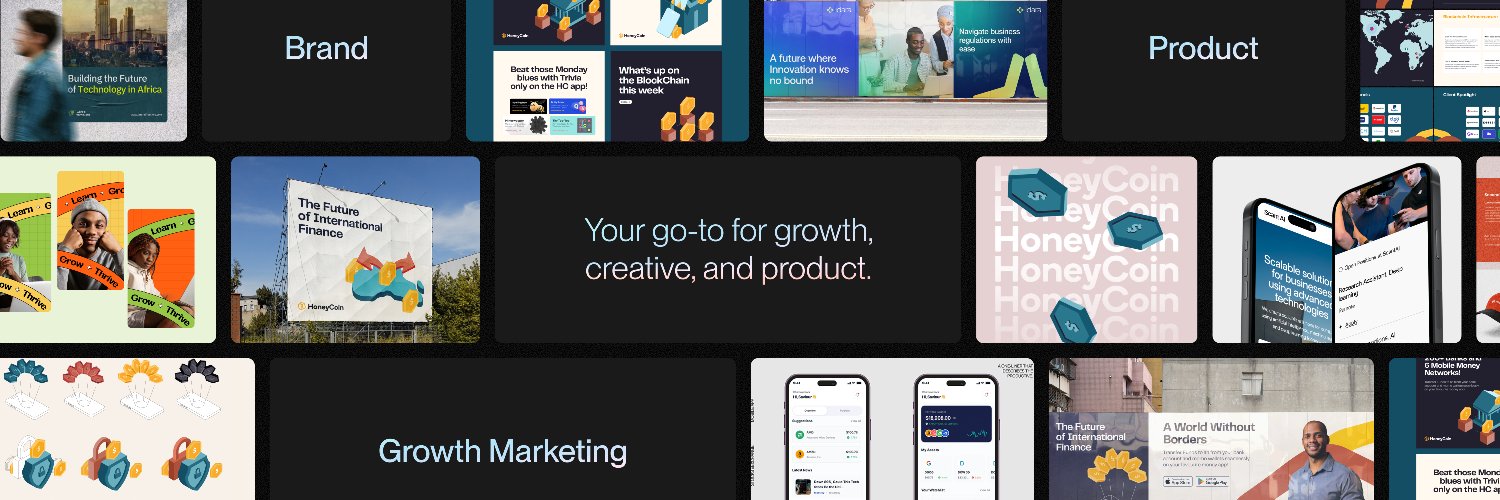
Here’s how the team and I gave Lateral Frontiers, a bold VC firm investing in frontier tech, a fresh brand identity to match their future-forward vision. A thread!

Collins Donye tweet media
English
4
7
79
6.1K
Collins Donye
Collins Donye@CollinsDonye·
I’ve said this before and I’ll say it again; most redesigns fail for a simple reason. Teams change how things look, not how they work. I usually see this after a launch underperforms. The instinct is immediate: New UI. New colors. New components. But when I step through the product, the problem is obvious. Nothing meaningful changed. The order is still wrong. The decisions still show up too early and the user still has to figure things out on their own. I have been brought in more than once after a redesign like this, including a fintech product that had just spent months refreshing its interface. The screens looked cleaner, but the complaints stayed the same. Because UX is not visual, it is sequence. If a user has to: - decide before they understand - commit before they see value - configure before they succeed No redesign will save it. That is why some products look modern and still feel confusing. A real UX fix does not start in Figma. It starts by asking, “What should happen first, and why?” If your last redesign did not change results, look at the flow, not the pixels.
English
0
0
2
240
Collins Donye
Collins Donye@CollinsDonye·
If your team keeps debating the same things, the problem is not alignment. It is leadership avoiding hard decisions.
English
0
0
1
118
Collins Donye
Collins Donye@CollinsDonye·
I still remember a discovery call from last year where the founder paused mid-call and said, “I thought this would be cheaper.” At that point, I had a choice. To defend the price, give a discount, or step back and actually explain what they'd be paying for I chose the third. I walked him through: - What decisions we’d be responsible for - Where clarity would replace guesswork - What failure would actually cost them The call ended without a yes, but a week later, they came back ready. That moment reframed growth for me. Growth isn’t convincing people to pay more. It’s helping the right people understand what not paying costs. Since then, pricing conversations stopped feeling tense. Not because prices were lower, but because alignment happened earlier. Growth that depends on persuasion is unstable while growth that depends on understanding lasts.
English
1
0
8
456
Collins Donye
Collins Donye@CollinsDonye·
I used to think good partnerships felt easy all the time. But a lesson I learnt while running the studio is that the partnerships that last aren't the easy ones. They're the ones where we had uncomfortable conversations. Where I pushed back on scope. Where we had to make tradeoffs neither of us liked. I've worked with founders for years not because we always agreed, but because we were honest when we didn't. The clients who stick around are the ones who want me to challenge their assumptions. Who are okay when I say "let's slow down, this doesn't feel right." Who know I'll protect the product even when it's uncomfortable. Chemistry is nice. But honesty is what keeps partnerships going. If you want someone who'll just execute whatever you ask, I'm probably not the right fit. But if you want someone who'll tell you the truth early, even when it's awkward, we'll work well together.
English
0
0
1
96
Collins Donye
Collins Donye@CollinsDonye·
Shipping fast is not impressive if you are shipping the wrong thing. Speed without direction is just chaos with a deadline.
English
0
0
5
165
Collins Donye
Collins Donye@CollinsDonye·
Over the years, one constant pattern I’ve seen while working with founders across different industries is that some founders hold onto decisions way longer than they should. Not because they're control freaks, but because they care deeply about the work. I've worked with founders who reviewed every design, questioned every detail, and stayed involved in everything. The quality stayed high but speed didn't. The problem wasn't that they cared too much. It was that everything funneled through one person. As teams grow, you can't be in every decision anymore. Clarity has to replace proximity. If everything needs your approval, progress will always hit a ceiling. I've seen this shift happen well and I've seen it happen badly. The difference wasn't whether the founder let go. It was whether they built systems that maintained standards without them. Delegation isn't lowering the bar. It's making sure the bar holds without you standing there.
English
0
0
3
114
Collins Donye
Collins Donye@CollinsDonye·
I already got some for now, please no more dm's 🙏
English
0
0
0
113
Collins Donye
Collins Donye@CollinsDonye·
I got someone who needs a visual/Graphic/Brand designer. For a 2 - 3 months contract/gig - N200k per month Work to be done - - Light brand work for a legal platform (Logo exist - need to build an identity around it) - Graphic work for an event webinar - fliers, covers, slide deck templates - Brand work for a personal brand - thumbnails, social media designs, covers, template designs, ads etc Send a DM with your portfolio or works if interested or leave comments with your works anyone is fine
English
64
11
190
8.9K
Collins Donye
Collins Donye@CollinsDonye·
Just wrapped onboarding with a new client. Spent the last few days in discovery and strategy. Clear vision. Strong team. The kind of project where you can already see how the pieces will come together. Looking forward to this one.
English
1
0
5
237
Collins Donye
Collins Donye@CollinsDonye·
Gotten a few good responses, will reach out in 2 to 3 hours 🙏🏽
English
2
0
9
878
Collins Donye
Collins Donye@CollinsDonye·
Quite frankly, building for everyone usually starts with good intentions. Founders don't want to exclude anyone. They want to help more users, solve more problems, say yes to more use cases. So they broaden. I've watched this happen a lot, especially right after early traction hits. What started as a clear product becomes a collection of edge cases and exceptions. The product grows wider, not stronger. And users don't feel more served. They feel more confused. The strongest products I've worked on didn't win by trying to be everything. They won by choosing who they weren't for. I know that's uncomfortable, it feels like you're turning away potential customers. But trying to serve everyone usually means serving no one particularly well. Focus isn't a limitation. It's respect for the user. When you're clear about who the product is for, you can actually make it great for them.
English
0
0
0
174
Collins Donye
Collins Donye@CollinsDonye·
Quite frankly, building for everyone usually starts with good intentions. Founders don't want to exclude anyone. They want to help more users, solve more problems, say yes to more use cases. So they broaden. I've watched this happen a lot, especially right after early traction hits. What started as a clear product becomes a collection of edge cases and exceptions. The product grows wider, not stronger. And users don't feel more served. They feel more confused. The strongest products I've worked on didn't win by trying to be everything. They won by choosing who they weren't for. I know that's uncomfortable, it feels like you're turning away potential customers. But trying to serve everyone usually means serving no one particularly well. Focus isn't a limitation. It's respect for the user. When you're clear about who the product is for, you can actually make it great for them.
English
1
0
4
258
Collins Donye
Collins Donye@CollinsDonye·
True test of intelligence is the ability to get what you want out of life. No truer words than this.
English
0
0
6
190
Collins Donye
Collins Donye@CollinsDonye·
Last year, I worked closely with a lot of founders at different stages. Different products, different markets, different levels of traction. But the patterns were surprisingly similar. Many were moving fast, but not always in the right direction. Building more, adding more, pushing harder, without stopping to question if the foundation made sense. Confusing motion with progress. Growth with scale. What stood out wasn’t a lack of ambition. It was a lack of clarity. I kept seeing the same issues show up in different forms. Products growing before they were stable. Brands expanding before they were coherent. Teams scaling before systems were ready. It made one thing clear to me. This year, I want to spend a good part of my time educating and helping founders scale the right way. Not louder. Not faster. But smarter, more intentionally, and in ways that actually last. If you’re building, thinking about growth, or trying to make sense of what comes next, stick around. I’ll be sharing what I’ve observed, what works, and what quietly breaks things when no one’s paying attention.
English
1
2
9
244
Collins Donye
Collins Donye@CollinsDonye·
One thing last year taught me clearly is that consistency isn’t a motivation problem, it’s an energy and honesty problem. I learned that consistency works better when it’s tied to reflection, not performance. The posts that felt easiest to write were never the impressive ones per se. They were the honest ones. The ones that came from real conversations, real projects, real friction. I also learned that forcing output kills momentum faster than silence. There were moments I felt pressure to post just to stay visible. Those were usually the moments I burned out or disengaged shortly after. The hardest part wasn’t showing up publicly, it was managing internal resistance. There were days when I questioned whether what I had to say was useful. Days when comparison crept in. Days when client work drained all creative energy and posting felt like another obligation instead of a release. What helped was lowering the bar from insightful to true. Not every post needs to teach. Some just need to reflect where you are. This year, I’m carrying that forward. Less pressure to perform. More room to process in public when it makes sense. Still consistent, just more intentional about how and why I show up.
English
4
0
11
234
Collins Donye
Collins Donye@CollinsDonye·
Last year, I made a quiet commitment to myself to show up more consistently. Not perfectly. Just consistently. I shared thoughts when I had them. Posted lessons while they were still fresh. Documented parts of the work instead of waiting for everything to feel complete. And for the first time in a long while, I stayed consistent for a longer stretch than usual. There were gaps, of course. Weeks where client work took over. Periods where I had nothing useful to say and chose not to force it. But overall, I showed up more than I disappeared. What surprised me wasn’t the engagement or the opportunities. It was how much clarity came from simply putting thoughts out there regularly. Writing helped me notice patterns in my own thinking. What I cared about. What I kept returning to. What felt heavy versus what felt aligned. Consistency didn’t change everything overnight, but it created momentum I didn’t have before. And that alone made it worth it. I’m so ready to go again this year!
English
3
0
14
300
Collins Donye
Collins Donye@CollinsDonye·
I noticed something different about how this year started for me. In previous years, January came with pressure. Pressure to plan loudly. To announce direction. To prove momentum early. I used to feel like if I didn’t start the year at full speed, I was already behind. But this time, I didn’t rush. I let the year arrive on its own. I sat with unfinished ideas. Let some thoughts stay half-formed. Let plans exist without deadlines attached to them yet. And for the first time in a while, that didn’t feel irresponsible. It felt honest. I realized how much clarity I used to force instead of allowing. How often I tried to decide everything upfront, only to spend the rest of the year adjusting anyway. There’s something grounding about starting slower. About trusting that direction reveals itself when you’re paying attention, not when you’re panicking. This year didn’t need a sprint start. It needed presence.
English
2
0
8
250