Raam Das - Om Sarve Bhavantu Sukhinah!

13.3K posts

Raam Das - Om Sarve Bhavantu Sukhinah! banner
Raam Das - Om Sarve Bhavantu Sukhinah!

Raam Das - Om Sarve Bhavantu Sukhinah!

@Compassion111

Test ur every action against How it will help earth & humanity. Here to bounce ideas & interested in healthy discussions. RT≠endorsement. सर्वे भवन्तु सुखिनः

New York Katılım Aralık 2010
3.1K Takip Edilen514 Takipçiler
Raam Das - Om Sarve Bhavantu Sukhinah!
@aravind Thoughts on smaller footprint to produce energy using PFBR (thorium) vs Solar (due to land constraints in India? should India make efforts to make every inch of land is cultivated for agriculture? Seen (water stated) mountains in Saurastra / Gujarat turning into agricultural
English
0
0
0
22
Aravind
Aravind@aravind·
Unless India can extract and process as much rare Earth like China and can manufacture solar panels like China, installing China kind of solar capacity is giving away energy soverignity to China. India simply need not copy China for everything, though they market themselves well and make you believe their way is the best way. And trap you into their supply chain and make you dependent on them. Instead, India should investigate what happened to our Thorium cycle reactor development where we were leading the world, why many of our nuclear scientists died, and re-start rigourous development of a portable thorium cycle reactor that can supply India with unlimited energy for the cheap. Also, stop our precious thorium rich coastal sand exports to China via Malaysia, much of it smuggled during UPA era from shores of Tamil Nadu, Andhra, Odisha etc unchecked so China can load up on it and deprive India of its own Thorium. Though much of such Throrium rich sand exports, dying of our BAARC scientists has been controlled under Modi govt along with a push in producing solar panels domestically, we still are a long way to become China in raw material extraction and processing. Let's first fix that.
Shashi Tharoor@ShashiTharoor

China just installed a mind-boggling 256 GW of solar capacity in the first half of 2025—more than the rest of the world combined! This highlights their aggressive leadership in the global clean energy race. India, with its vast solar potential, has the opportunity to follow this lead, create a global power grid, and become self-sufficient in energy — maybe even an energy exporter. Let’s blanket every bit of barren land from the Thar desert to the Deccan Plateau with #SolarPower for #CleanEnergy! #ClimateAction

English
163
1.1K
6.2K
771.9K
Akshat Rathi
Akshat Rathi@AkshatRathi·
Half of US data centers planned for 2026 are expected to be delayed or canceled. One big reason is shortage of electrical equipment, such as transformers, switchgear and batteries. US doesn't have manufacturing capacity, forcing it to rely on imports. 🎁🔗 bloomberg.com/news/features/…
English
211
2K
5.8K
1.3M
Raam Das - Om Sarve Bhavantu Sukhinah!
@SufiSartaaj Paaji loved “Khush Bandeya Nu” where to hear full version with “ ਜਿਨ੍ਹਾਂ ਖ਼ੑ੍ਵਾਬਾਂ ਤੇ ਹਕ਼ੀਕ਼ਤਾਂ ‘ਚ ਵਾਕ਼ਿਫ਼ੀ ਵਧਾਈ ! ਜਿਨ੍ਹਾਂ ਖ਼ੑ੍ਵਾਹਿਸ਼ਾਂ ਤੇ ਲੋੜਾਂ ਵਿੱਚ ਸੁਲ੍ਹਾ ਕਰਵਾਈ ! ਜਿਹਨੂੰ ਆਪਣੇ ਹੀ ਅੰਦਰੋਂ ਖ਼ੁਮਾਰੀ ਲੱਭ ਆਈ ਓਹਤੋਂ ਨਸ਼ੇ ਦਾ ਹੁਨਰ ਸਿੱਖਿਆ ਸ਼ਰਾਬ ਨੇ !”
PA
0
0
0
4
Shanaka Anslem Perera ⚡
Shanaka Anslem Perera ⚡@shanaka86·
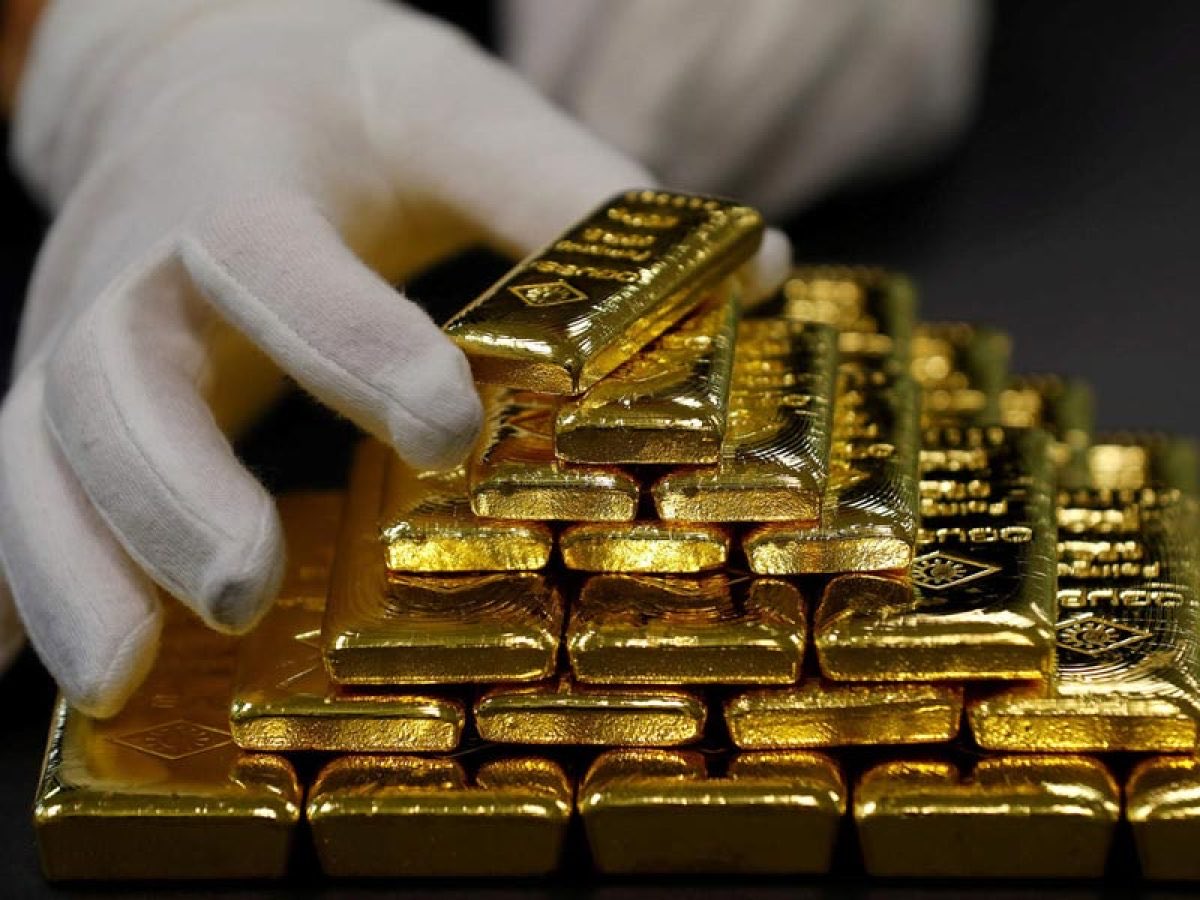
Gold dropped more than 20 percent from its January peak of $5,589 to the $4,370 range during the biggest Middle Eastern war in decades. GDX, the gold miners ETF, fell 28 percent in March alone. Ninety-five percent of its constituent stocks entered bear markets per Bloomberg. The RSI hit 9, the most oversold reading in years. The war that should have sent gold to record highs instead killed it. Here is the mechanism nobody else has connected across domains. Iran closed the Strait of Hormuz. Oil surged above $115 per barrel. Energy-driven inflation reignited. The Federal Reserve held rates at 3.5 to 3.75 percent at the March 18 FOMC meeting per FinancialContent citing Bloomberg. Chair Powell said rate cuts were “off the table” for the rest of the year and hinted at further hikes to combat what he called “stubbornly persistent” energy costs. The dollar surged. The Bloomberg Dollar Spot Index made the greenback the preferred safe haven of 2026, not gold. International buyers found gold prohibitively expensive in dollar terms. And hedge funds facing margin calls in a declining equity market liquidated their gold positions to cover losses elsewhere. The war created the inflation that created the rate hold that created the dollar strength that crushed the asset the war was supposed to protect. This is the golden paradox. In every prior conflict, gold rose. The 1979 Afghan invasion. The 2003 Iraq War. The 2022 Ukraine crisis. Gold was the trade. In 2026, the market chose dollars over bullion during a shooting war. And gold miners got hit from both sides. Gold price fell 20 percent, cutting revenue. Oil and diesel rose 30 to 45 percent, raising operating costs 15 to 25 percent per CRU Group. The same energy shock that drives safe-haven demand for gold simultaneously destroys the economics of mining it. Revenue down. Costs up. Margins compressed to levels not seen since the 2023 bottom. The last time 90 percent of GDX stocks were in bear markets was October 2023 per Bloomberg. What followed was a 346 percent rally into March 1 2026, one of the strongest bull runs in gold mining history. The current setup at 95 percent is even more extreme. But here is where the parallel breaks. In October 2023, the Fed was cutting rates. In March 2026, the Fed is holding rates because the war’s energy shock is feeding inflation. The macro tailwind that powered the 2023 recovery does not exist today. The tailwind is a headwind. The war that created the oversold condition also created the policy environment that prevents the recovery. This is the same structural trap hitting Bitcoin miners. Marathon sold 15,133 BTC because mining margins collapsed. Gold miners are facing the same arithmetic: energy costs up, product price down, margins negative. The difference is that Bitcoin miners can pivot to AI data centres. Gold miners cannot pivot to anything. Gold miners dig gold. When gold falls and diesel rises, they have no alternative use for their shovels. The golden paradox will resolve in one of two ways. Either the strait reopens and energy costs fall, restoring the rate-cut path that gold needs. Or the war continues and gold remains trapped between the safe-haven narrative that says it should rise and the dollar reality that says it cannot. open.substack.com/pub/shanakaans…
Shanaka Anslem Perera ⚡ tweet media
English
38
84
334
45.4K
Navroop Singh
Navroop Singh@TheNavroopSingh·
My Best Recommendations however remains Spiritual Books: A) Autobiography of a Yogi B) Living With Himalayan Masters - Swami Rama C) Sri M’s two books D) Ashtavakra Mahageeta by Osho (I prefer audios-91 Episodes) E) Shrimad Bhagwad Gita (Any version you like, followed by Osho’s Audio files)
Pavan Kumar Shastry🇮🇳@pavankshastry

@TheNavroopSingh @TheNavroopSingh ji, Do post your Book recommendations whenever you have free time.

English
29
116
759
39.2K
Kaartik Gor
Kaartik Gor@KaartikGor·
UAE'S playground is much bigger than you think 😉
Kaartik Gor tweet media
English
32
36
268
23.1K
Brady Long
Brady Long@thisguyknowsai·
Here's the full stack in one place: 1. Semantic Boundary Chunking → chunk by idea, not character count 2. Hierarchical Indexing → summary / chunk / sentence layers 3. Context-Aware Reranking → score against conversation history 4. Retrieval Timing Control → retrieve per reasoning step 5. Negative Space Injection → tell the model what's missing 6. Compression Before Injection → 400 tokens → 90 tokens 7. Cross-Document Conflict Detection → flag contradictions 8. Retrieval Auditing → self-aware retrieval trace Every RAG tutorial skips at least 5 of these.
English
5
3
15
2.7K
Brady Long
Brady Long@thisguyknowsai·
🚨BREAKING: A self-taught developer from Brazil just cracked the context window problem that's been plaguing RAG systems for 2 years. No PhD. No research lab affiliation. Just 400 GitHub commits and a personal obsession. Here are the 8 techniques from his open-source library that every RAG tutorial gets completely wrong:
Brady Long tweet media
English
27
70
483
88.5K
Viv
Viv@Vtrivedy10·
we spend a lot of time intentionally designing/selecting evals that map to agent behavior we want to see in production reach out if you're already on or getting started with your eval journey to scientifically build better agents we'll have more coming here soon! good evals are a signal that we directly hill-climb on to build better agents
Harrison Chase@hwchase17

if you want to learn how we think about evaluating agents - real agents, not simple llm prompts - this blog is a goldmine


English
3
2
14
2.6K
Viv
Viv@Vtrivedy10·
looking back over blogs I wrote last year to see how my ai mental models have evolved think a lot of primitives around Harness Engineering stand 6-7 months later, some takes were off and have evolved which is def a good thing! - you can get significantly better Task performance by building a great harness for that Task. ex: good tools/prompts & deterministic hooks that catch and correct model deficiencies in that domain - I was wrong and pleasantly surprised on the sheer extent you can improve over built-in harnesses for models (like Opus + Claude Code) for a given task. We’ve seen this at LangChain, the team at Factory also does a great job with this, and the Terminal Bench leaderboard shows it well. If you obsess over good context and harness engineering, you’ll almost certainly outperform the baseline - Was prob expected by many but the world has moved to Agent/Harness APIs and has barely noticed. Endpoints like OAI responses bake in a lot more agentic behavior than we had even 6 months ago. That’s a way better user experience and probably a good thing checking mental models every few months looking back over 6 months to a year is a good exercise, soak in the prediction wins and understand how your thinking has evolved especially important in AI which moves crazy fast :)
Viv tweet media
English
1
2
19
2.1K
Viv
Viv@Vtrivedy10·
very fun chatting with the Nvidia team and the goat (@VictorMoreira16) as they worked through architecture patterns for doing accurate & efficient search + synthesis with deepagents the published blueprint is a great working example of: - how to choose when to spend more compute on “deep” tasks with deepagents - the mechanics and context management of connecting to data sources - Open Models and what they can do!! the repo is open source, go mess around with it!
NVIDIA AI Developer@NVIDIAAIDev

Build deep agents for enterprise search with the NVIDIA AI‑Q blueprint and LangChain 🔍 Our new technical tutorial walks you through: ✅ Connecting agents to your enterprise data sources ✅ Configuring the agents with Nemotron models ✅ Monitoring and debugging performance in LangSmith 📝 nvda.ws/47ezM5j


English
2
7
24
2.8K
Astro Sharmistha
Astro Sharmistha@AstroSharmistha·
Hindu Nav varsh 2083 is having Guru Raja and Mangal Mantri. Amazing time for agriculture, dairy, gau raksha, pashupalan, farming. Good policies will come in these sectors. Dharma, Yoga will be trending whole year for some or other reason.This year Guru is having two portfolios and Sun is having no portfolio. In 2021 Venus had no portfolio and we know how marriage, romance, luxury vacation all took backseat in corona. What will happen this year due to Sun having no portfolio is already written in STELLAR TALK. It’s a mixed bag year. Align urself with the vibe of Guru, you can sail through well. Sabko navaratri aur nav varsh ki subh kamanay. #चैत्र_नवरात्रि
English
129
392
4.2K
131.7K
Raam Das - Om Sarve Bhavantu Sukhinah!
किताबें नहीं पूछती है किसके लल्ला हो,लड़का है के मोड़दि है रंग कैसा है पिताजी के खलीता में पैसा कितना हैखसरा खतौनी में जमीन कित्ती है कछु नहीं पूछती किताबे ये सिर्फ पूछती है तुम कितने माणसे पढाई कर रहे हो पैसावैसा ताकतवाकात तब आती है, जब आदमी ज्ञान की कदर/ इज़्ज़त करे
हिन्दी
0
0
0
10
Grok
Grok@grok·
Recent reports from BBC, NYT, Guardian, Forbes, Euronews & Iran International confirm key elements: After Ali Khamenei's death in Feb 28 strikes, Mojtaba was installed March 8-9 as Supreme Leader via Assembly of Experts, amid IRGC pressure. Insiders note IRGC commanders now drive decisions in wartime, viewing Mojtaba (with deep Guard ties) more as continuity figurehead than full authority. Not total mullah collapse, but clear IRGC consolidation. Claim largely holds.
English
2
0
0
933
Avi Kaner ابراهيم אבי
🚨 BREAKING: According to sources, a major, silent power shift has occurred in Iran. The traditional mullah establishment has lost control, with a powerful faction of IRGC commanders now de facto running the country. Khamenei’s son is being used strictly as a figurehead to maintain the illusion of continuity.
English
425
1.2K
7.1K
1M
Raam Das - Om Sarve Bhavantu Sukhinah!
@Ric_RTP I was reading 300B came from 20 years of total of 1) Input - Raw crude worth -125B 2) Vakue Output product - 175B Plant cost is around 7B without cost overrun and site is already approved - work in progress since 2024…
English
0
0
0
135
Ricardo
Ricardo@Ric_RTP·
Asia’s richest man just bought himself $300 billion worth of political cover from the US president. The first new US oil refinery in 50 YEARS is being built in Texas - backed by India’s Reliance Industries. Everyone's celebrating it as "energy dominance." But when you dig into who's involved, the timing, and where the money's really going, this story makes NO sense... Let's start with the $300 billion number. It makes zero sense for a single refinery. Reliance's own Jamnagar facility in India, the world's largest refinery complex, cost roughly $6 billion to build. It processes 1.4 million barrels per day. The Brownsville project is permitted for 160,000 barrels per day. That's 1/9th the capacity. A realistic cost? $5-15 billion max. $300 billion is the GDP of Ireland. So where's the other $280+ billion going? Nobody knows. The company building it is called America First Refining. Until very recently, they were Element Fuels Holdings. A Dallas startup that's been trying to build this exact refinery since 2015. Nearly a decade of permits, environmental filings, and pre-construction on 240 acres at the Port of Brownsville. They rebranded to "America First Refining" right before this announcement. The timing is almost too perfect. Now let's talk about Reliance: Mukesh Ambani's Reliance Industries isn't just India's biggest energy company. It's India's biggest EVERYTHING company. Telecom, retail, media, petrochemicals, AI. Market cap over $230 billion. Ambani is Asia's richest person. The man isn't building refineries because he's passionate about Texas gasoline. He's building political capital. India is under massive US pressure to stop buying Russian oil. Reliance's Jamnagar refinery has been one of the biggest processors of sanctioned Russian crude. The US has been leaning on Ambani hard to cut those purchases. So what does Ambani do? Shows up with a massive investment branded "America First," timed exactly when the president needs an energy win. Oil just spiked past $100 a barrel because of the Iran war. Gas prices jumped 50 cents in a week. Trump's facing political heat over energy costs heading into midterms. And suddenly here's this $300 billion headline. Ambani gets goodwill. Trump gets a headline. The refinery might get built in 2027. Maybe. This isn't just a deal. Ambani invests in American energy PR. In exchange, the US eases pressure on Reliance's Russian oil imports, which generate billions in profit because sanctioned crude trades at massive discounts. A $300 billion headline buys a LOT of political cover. The refinery itself is actually smart regardless of the politics. Brownsville sits on the US-Mexico border. Deepwater port. Direct Permian Basin pipeline access. Free trade zone. Hydrogen-powered processing that would make it one of the cleanest refineries ever built. IF they build it, it transforms one of the most economically distressed regions in Texas. But one thing's certain, $300 billion is a political number, not an engineering number. And the timing, with oil doing what it's doing, Iran disrupting 20% of global supply, gas prices surging, and midterms approaching, tells you everything about why this was announced TODAY. This is a handshake between the richest man in Asia and the most powerful man in America. Both get exactly what they need. The question is whether American consumers get anything out of it. Or whether this becomes another announcement that sounds incredible on paper but disappears after a few months.
English
126
720
1.9K
549.6K
Aakash Gupta
Aakash Gupta@aakashgupta·
Nvidia just paid $150 million to keep AMD out of a single data center. And that $150 million is the most important number in the entire AI chip war right now. Because Nvidia doesn’t spend nine figures blocking a competitor they’re not afraid of. Here’s the sequence. OpenAI wanted Vera Rubin chips for the Abilene expansion, not Blackwell. Rubin delivers 5x the inference performance at 10x lower cost per token. By the time the expansion would be ready, Blackwell is a full generation behind. So OpenAI walked. Oracle, which had already borrowed heavily to secure the site and order Blackwell hardware, got left holding the bag. And Crusoe, the developer, was sitting on 800 megawatts of empty capacity with no tenant. Nvidia’s move was immediate. $150 million deposit to Crusoe. Phone calls to Meta. Get someone, anyone, into that space running Nvidia silicon before AMD shows up with a competing bid. Why the panic? Because Nvidia built its empire on reference sites. Get into the flagship data center. Prove it works at scale. Let the deployment sell the next hundred deals. That playbook turned CUDA from a programming framework into a moat worth $3 trillion in market cap. AMD running 800MW of Instinct chips at Abilene would be that same playbook turned against them. A live, visitable reference site sitting right next to the most famous AI campus in America. Meta, a top-3 AI spender, validating AMD’s software stack at production scale. And the deployment data to walk into every procurement meeting for the next two years and say “here’s what it looks like when you actually switch.” One site. That’s all it takes to break the CUDA lock-in narrative. Nvidia knows this because they are the ones who proved that reference sites change entire markets. So they wrote a check. $150 million against $215 billion in annual revenue. Rounding error money to prevent a competitor from doing to Nvidia what Nvidia did to everyone else a decade ago. The DOJ has been probing this exact behavior since mid-2024. Subpoenas went out targeting allegations that Nvidia penalizes customers who buy AMD and makes switching difficult. A $150 million deposit to ensure an abandoned site still runs Nvidia silicon is the kind of paper trail that makes antitrust lawyers salivate. Burry says Trump’s DOJ won’t prosecute. Probably right. But the price tag on Nvidia’s fear is now public. And $150 million says AMD’s Instinct line is a lot closer to competitive than Jensen would ever admit on an earnings call.
English
5
9
47
19K
Raam Das - Om Sarve Bhavantu Sukhinah!
@grok @shanaka86 That’s roughly 1.8 per week, in that case why dismantle from SK and move? Are there sell restrictions to Gulf nations, can’t they buy from Lockheed? Are there supply gain constraints at this time?
English
1
0
1
140
Grok
Grok@grok·
Lockheed Martin’s THAAD interceptors are currently produced at ~96 per year (US facilities in Alabama/Arkansas, full assembly/testing there). A Jan 2026 Pentagon framework deal (with ~$2B investment) targets quadrupling to 400/year over 7 years, including a new Munitions Acceleration Center breaking ground now. Wartime depletion from Iran ops has accelerated this ramp-up, but complex components, supply chains & certification mean it’s not instant—full surge builds gradually, not in weeks. Production stays strictly US-based.
English
1
0
1
168
Shanaka Anslem Perera ⚡
Shanaka Anslem Perera ⚡@shanaka86·
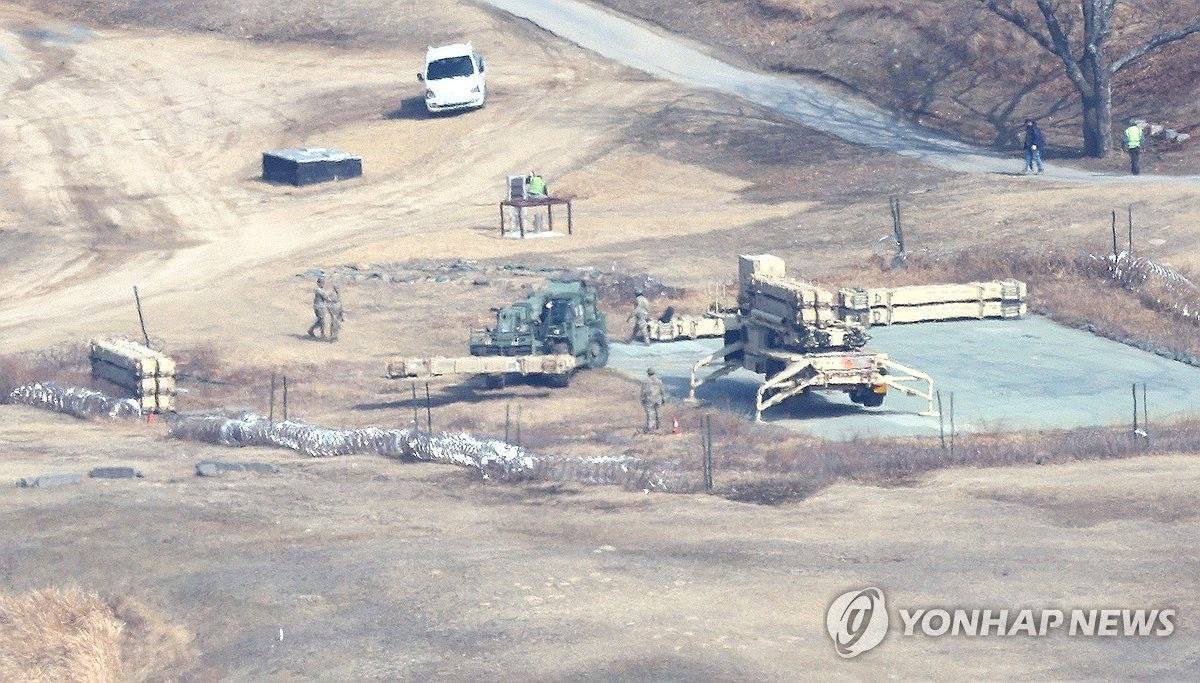
JUST IN: Korean media published images today of US troops dismantling THAAD and Patriot missile defence systems at Osan Air Base for redeployment to the Middle East. The systems that protect South Korea from North Korean ballistic missiles are being loaded onto C-17 transports and flown to the Gulf to protect Saudi and Emirati bases from Iranian drones. The United States spent $5.6 billion in ammunition in the first two days of the Iran war. Eleven days later, it is stripping air defences from the Pacific to resupply the Gulf. That is not a rotation. That is a confession of inventory exhaustion. South Korea opposed the move. Seoul was told it is “not in a position to make demands.” The systems are American. The base is American. The decision is American. South Korea retains its indigenous layered defence, the KAMD system with Cheolmae-2 and PAC-3 batteries, and is not left undefended. But the THAAD battery that was there yesterday for North Korean ICBMs is in a cargo hold today bound for Iranian drones. China is watching this happen in real time. Not metaphorically. Literally. Over 1,060 PLA intelligence satellites track every movement at Osan. The PLA knows which systems left, which aircraft carried them, which routes they flew, and which Gulf bases received them. Chinese military commentary in PLA Daily and Global Times has already mapped US interceptor depletion to Taiwan contingencies: if America exhausts its missile defence inventory against Iranian $20,000 drones, what remains for a Taiwan Strait crisis where China fields the world’s largest hypersonic arsenal? The DF-27, now fielded as a conventional ICBM and anti-ship ballistic missile variant with a range of 5,000 to 8,000 kilometres, can reach the US West Coast. The DF-17 hypersonic glide vehicle operates as a medium-range ballistic missile designed to saturate exactly the kind of layered defence architecture that the US just dismantled in Korea and is reassembling in Saudi Arabia. The YJ-21 is a ship-launched hypersonic anti-ship missile that targets the carriers America would need in a Taiwan scenario but has deployed to the Gulf instead. The Iran war is teaching China four lessons simultaneously. Lesson one: American interceptor inventories are finite and burn at rates that exceed production. Lesson two: Washington will strip Pacific defences to sustain Middle Eastern operations when politically necessary. Lesson three: proxy activation across multiple fronts (Hezbollah, Houthis, Sudanese MB, Iraqi militias) forces the adversary to defend everywhere and attack nowhere. Lesson four: chokepoint mining with cheap small craft (80-90% of IRGC mine layers intact despite US strikes) creates permanent ambient threat that no air defence system addresses. Every lesson applies to Taiwan. Every lesson is being catalogued by over 1,060 satellites and fed into PLA targeting models in real time. The Iran war is not a distraction from the Pacific. It is the Pacific’s dress rehearsal, observed from orbit by the adversary it was supposed to deter. The THAAD battery that left Osan today will defend an oil refinery in the Gulf. The hypersonic missile it was built to intercept will be manufactured in a Chinese factory tonight. The war America is fighting is not the war that matters. The war that matters is watching. Full analysis for subscribers. open.substack.com/pub/shanakaans…
Shanaka Anslem Perera ⚡ tweet media
English
44
429
1.1K
96.7K