connorhaggarty.bsky.social

9.2K posts

connorhaggarty.bsky.social banner
connorhaggarty.bsky.social

connorhaggarty.bsky.social

@ConnorHaggarty

Postdoc w/@BrainsBeesBikes | Cannabinoids | Psychedelics | EEG | Sociability | Anxiety | Trauma | #Cannabinerd Hocus Pocus stan Views my own! 🏳️‍🌈

Katılım Haziran 2009
617 Takip Edilen1K Takipçiler
Sabitlenmiş Tweet
connorhaggarty.bsky.social
connorhaggarty.bsky.social@ConnorHaggarty·
Incredible week at #EBPS2025. Great location, great science, great food, and great friends. Can’t wait to do it again. Looking forward to our new leadership from Gavin McNally Keep your eyes peeled for our new communications initiatives 😉
connorhaggarty.bsky.social tweet mediaconnorhaggarty.bsky.social tweet mediaconnorhaggarty.bsky.social tweet mediaconnorhaggarty.bsky.social tweet media
English
0
3
14
1.3K
connorhaggarty.bsky.social retweetledi
CLaE
CLaE@leafs_s·
Science Reward magnitude determines reinforcement learning efficiency This study shows that larger rewards can dramatically accelerate learning in mice. Across multiple behavioral tasks, bigger rewards increased task engagement and improved both within-session and across-session learning. The researchers also found that larger rewards produced stronger and longer-lasting dopamine release in the ventral striatum. Using optogenetics, they showed that enhancing dopamine signaling could partially reproduce the learning benefits of large rewards. Overall, the paper suggests that reinforcement learning efficiency depends strongly on reward magnitude and dopamine dynamics, not just the number of training trials. science.org/doi/10.1126/sc…
English
1
12
63
4.1K
connorhaggarty.bsky.social retweetledi
Science Magazine
Science Magazine@ScienceMagazine·
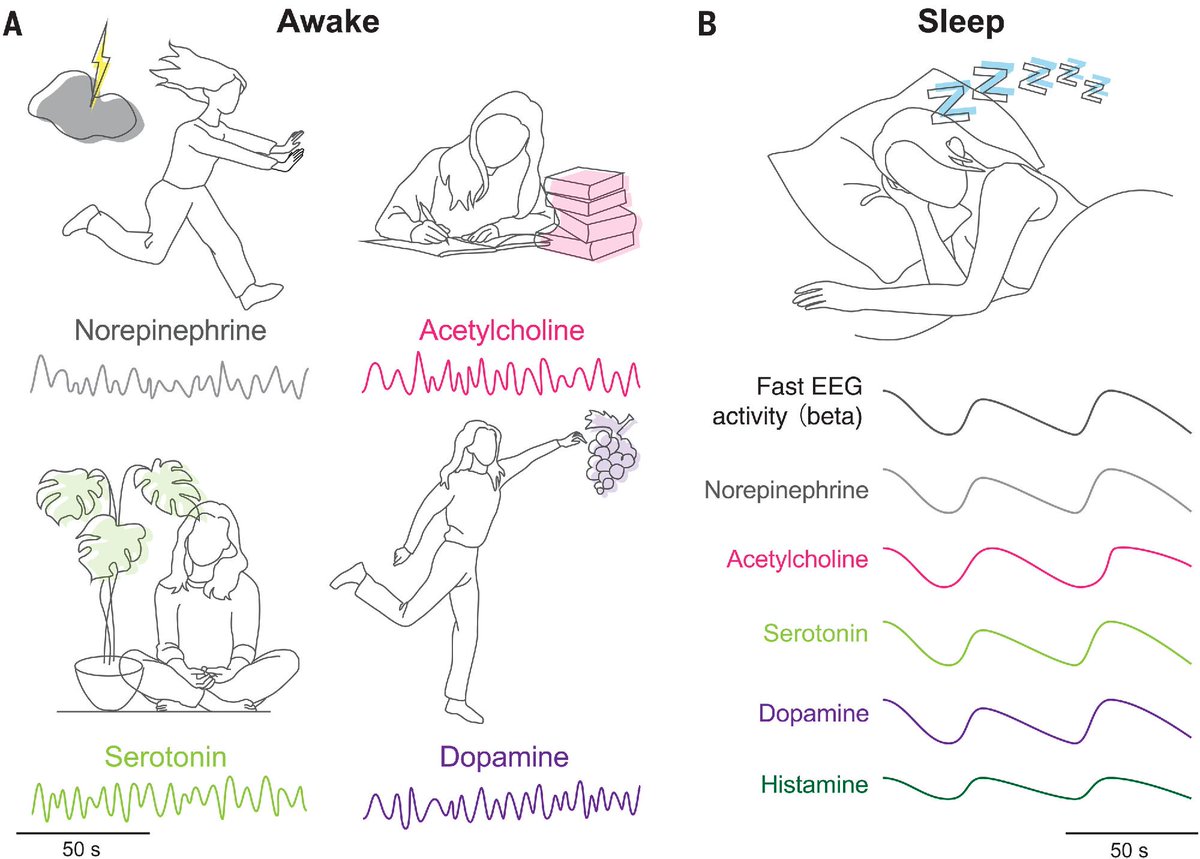
Recent studies have revealed the synchronization of neuromodulators including norepinephrine, serotonin, acetylcholine, dopamine, and histamine during sleep. A new #ScienceReview explores what potential role the synchronization of these oscillations may play in health. scim.ag/4ve9ObR
Science Magazine tweet media
English
4
86
323
24.7K
connorhaggarty.bsky.social retweetledi
Olivier George
Olivier George@brainaddiction·
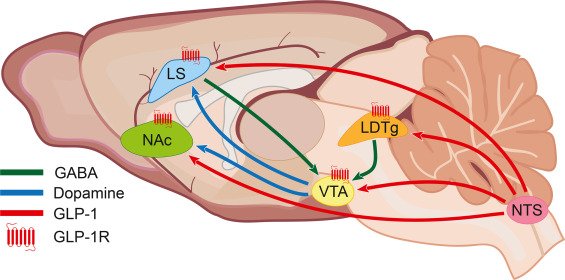
GLP-1 agonists are going to be the first medications that treat polysubstance use disorder. Cocaine, meth, nicotine, alcohol, opioids. New review pulls the preclinical and emerging clinical evidence together. The preclinical peptide nerds were onto something. @PennNursing @PennMedicine @BiolPsychiatry doi.org/10.1016/j.biop…
Olivier George tweet media
English
1
7
30
2K
connorhaggarty.bsky.social retweetledi
Cannabis and Cannabinoid Research Journal
💊 A cannabinoid that failed a clinical trial reliably suppresses nerve pain in rats — but whether it relieves spontaneous, ongoing pain remains unclear. New research highlights how preclinical pain studies can measure the wrong thing. 📄 doi.org/10.1177/257851…
Cannabis and Cannabinoid Research Journal tweet media
English
0
2
6
392
connorhaggarty.bsky.social retweetledi
Eur Behav Pharm Soc.
Eur Behav Pharm Soc.@EurBehavPharm·
For those attending @FENSorg Forum this year, we have arranged a joint symposium with @EBBS_Science on Monday 6th July 10am-12pm. This symposium brings together researchers from our societies to highlight brain and behaviour from cells to systems. #FENSForum2026
Eur Behav Pharm Soc. tweet media
English
0
1
2
126
connorhaggarty.bsky.social retweetledi
Olivier George
Olivier George@brainaddiction·
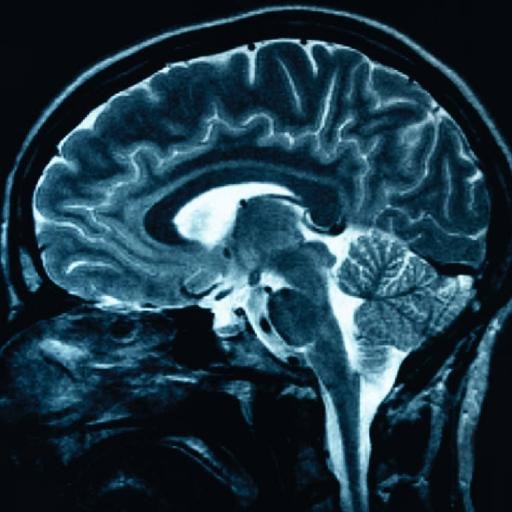
Longitudinal PET study of FAAH (enzyme degrading the endocannabinoid anandamide) in cannabis users. brain FAAH binding rises ~10% within days of stopping cannabis, with the biggest jump in the ventral striatum. Increase did not correlate with THC/metabolite or CUD severity, but did with days of abstinence, depression, and impulsivity. FAAH modulators development has been a roller coaster, this reinforce the idea that it may be useful. Now there are large individual difference, which complicates interpretation. @npp_journal
Olivier George tweet media
English
0
3
8
807
connorhaggarty.bsky.social retweetledi
Cannabis and Cannabinoid Research Journal
⚗️ Cannabis is legal in half the U.⚗️ Cannabis is legal in half the U.S., but every state has different safety standards for contaminants. Consumer protection varies by zip code. Researchers call for national standards. 📄 doi.org/10.1177/257851…
Cannabis and Cannabinoid Research Journal tweet media
English
0
2
5
190
connorhaggarty.bsky.social retweetledi
Cannabis and Cannabinoid Research Journal
🍬 Fast-acting cannabis edibles hit peak THC in 30 min vs. 60 for standard ones — same total dose, faster onset. Could reduce accidental overdoses from impatient users, but raises new questions about impairment timing and safety labeling. 📄 doi.org/10.1177/257851…
Cannabis and Cannabinoid Research Journal tweet media
English
1
3
7
348
connorhaggarty.bsky.social retweetledi
PsyPost.org
PsyPost.org@PsyPost·
Whether addicted to alcohol, cocaine, or nicotine, people with substance use disorder share identical "short circuits" in their brain's reward networks. A massive new meta-analysis maps these specific neural disruptions, offering a potential blueprint… dlvr.it/TSMt6w
English
1
14
49
3.6K
connorhaggarty.bsky.social retweetledi
The Mathison Centre
The Mathison Centre@MathisonCentre·
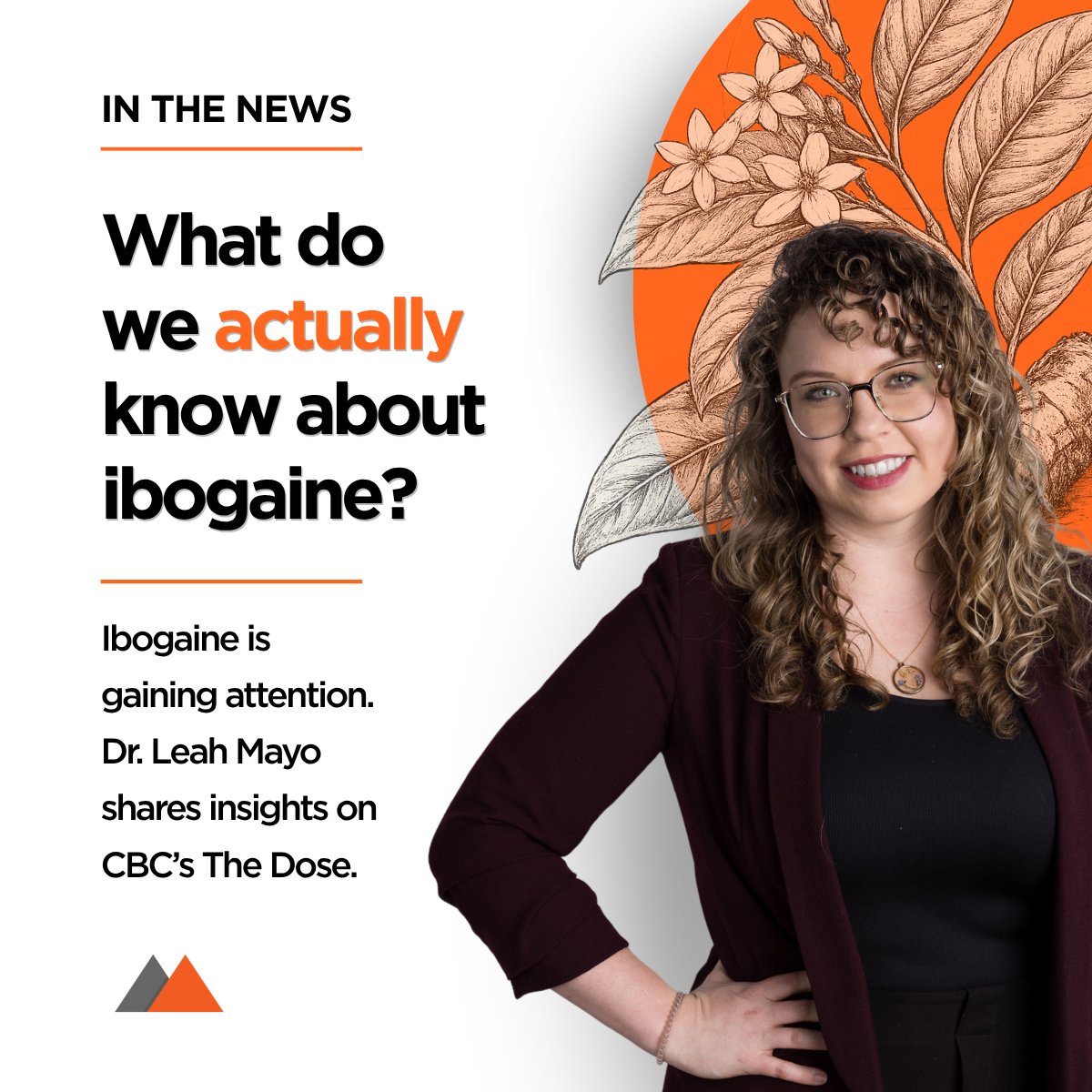
In the news 📰 Ibogaine is making headlines, but what do we actually know? Dr. Leah Mayo, Mathison Centre psychedelics researcher, joins Dr. Brian Goldman on CBC's The Dose to unpack what it is and the science behind it. Listen here: bit.ly/4vUj4CW
The Mathison Centre tweet media
English
0
4
7
522
connorhaggarty.bsky.social retweetledi
Will Lawn
Will Lawn@Will_Lawn·
Could the presence of CBD in cannabis actually increase the levels of circulating plasma THC and THC-metabolites after inhalation? That's what we report in Drug and Alcohol Dependence. @psych_danh sciencedirect.com/science/articl…
English
0
2
6
712
connorhaggarty.bsky.social retweetledi
Sheila Macrine, Ph.D.
Sheila Macrine, Ph.D.@MacrinePhD·
Could a tiny dose of LSD be the "neuro-reset" the brain needs to feel again? New research reveals that low doses of LSD can actually enhance how the brain processes emotional rewards, specifically in those experiencing mild depression. By measuring shifts in electrical brain activity, scientists found that the drug reverses "emotional blunting," allowing the brain to distinguish more sharply between positive and negative outcomes. These neural changes weren't just temporary; they led to a sustained improvement in mood that lasted for days after the initial exposure. We are witnessing a shift from simply masking symptoms to actively retuning the brain's emotional hardware for lasting mental wellness. psypost.org/low-doses-of-l… #Neuroscience #MentalHealth #LSDResearch #Psychopharmacology #DepressionRelief #BrainHealth #Innovation #Biotech #PsychedelicScience #Microdosing #NeuroTech #HealthTech #MedicalResearch #FutureOfMedicine #MentalWellness #ScienceNews #DeepTech #Biohacking #NeuralPlasticity #EmotionalHealth #STEM #BrainMapping #MoodDisorders #TherapeuticDiscovery #Psychiatry #WellnessTech
English
8
15
142
5.5K