Interesting Creatures 🐸🦢🦀

155 posts

Interesting Creatures 🐸🦢🦀

Interesting Creatures 🐸🦢🦀

@CoolCreatures01

Discover the weird & wonderful from all corners of the animal kingdom! 🐙🦒 Follow for daily posts!

Katılım Şubat 2025
1.7K Takip Edilen632 Takipçiler
Interesting Creatures 🐸🦢🦀
Interesting Creatures 🐸🦢🦀@CoolCreatures01·
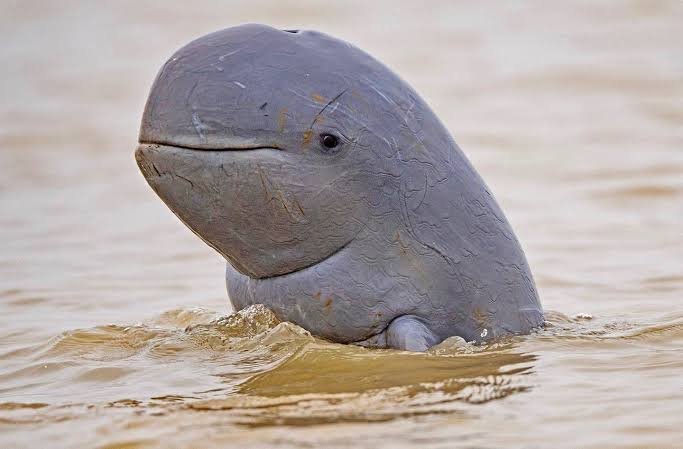
Irawaddy Dolphin: In Myanmar’s Irrawaddy River, these dolphins have a bizarre partnership with local fishermen. They deliberately drive fish toward nets and signal with tail slaps, sharing the catch in a rare human-animal collaboration that’s been going on for generations. Unlike most dolphins with fused neck vertebrae, Irrawaddy dolphins have flexible necks, allowing them to turn their heads side to side - an odd trait for a cetacean!
Interesting Creatures 🐸🦢🦀 tweet mediaInteresting Creatures 🐸🦢🦀 tweet mediaInteresting Creatures 🐸🦢🦀 tweet media
English
0
1
2
164
Interesting Creatures 🐸🦢🦀
Interesting Creatures 🐸🦢🦀@CoolCreatures01·
Guinea fowl: Newly hatched guinea fowl, known as keets, are precocial, capable of rapid movement and foraging shortly after birth. These juveniles, marked by striped, downy feathers, closely follow their mother.
Interesting Creatures 🐸🦢🦀 tweet mediaInteresting Creatures 🐸🦢🦀 tweet media
English
0
0
2
166
Interesting Creatures 🐸🦢🦀
Interesting Creatures 🐸🦢🦀@CoolCreatures01·
Wheel Spider: When threatened, the spider flips onto its side, curls its legs into a ball, and cartwheels down sand dunes at speeds up to 1 meter per second, managing 44 rotations per second. Just 20mm in size, they hunt without webs, choosing instead to live in silk lined burrows.
GIF
English
0
1
2
129
Interesting Creatures 🐸🦢🦀
Interesting Creatures 🐸🦢🦀@CoolCreatures01·
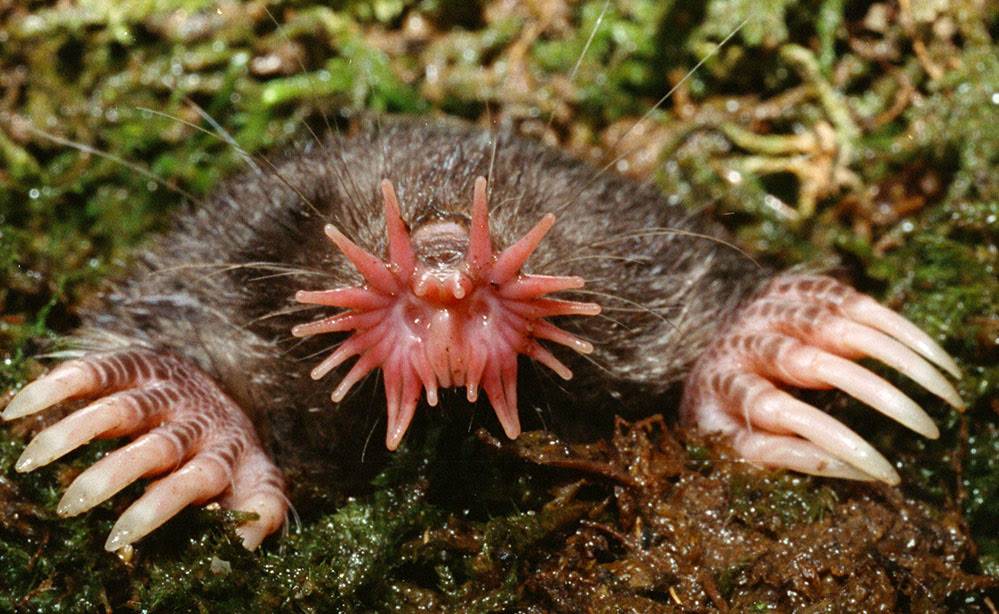
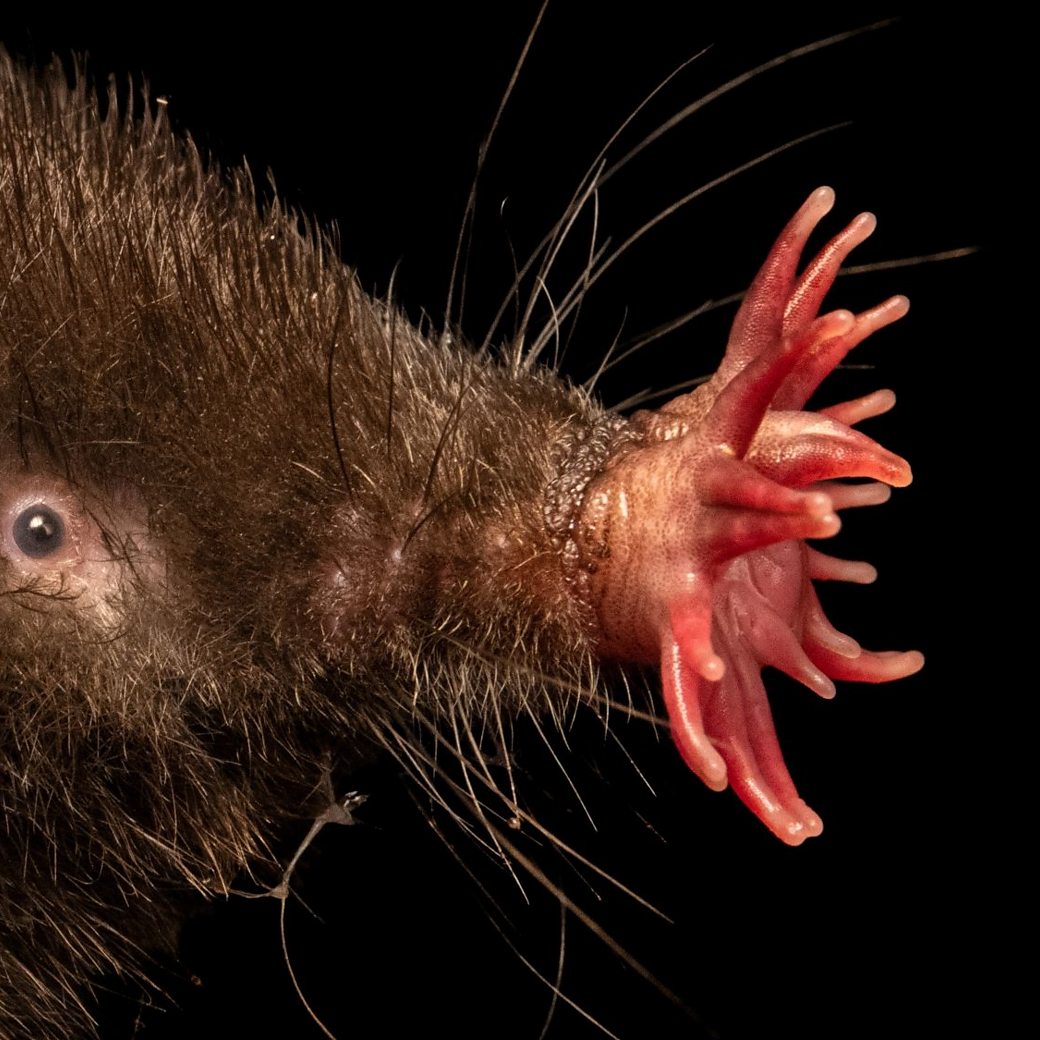
Star-nosed Mole: The star-nosed mole is a small mammal with a bizarre, star-shaped nose made of 22 fleshy tentacles that it uses to navigate and hunt in complete darkness.
Interesting Creatures 🐸🦢🦀 tweet mediaInteresting Creatures 🐸🦢🦀 tweet media
English
0
0
1
71
Interesting Creatures 🐸🦢🦀
Interesting Creatures 🐸🦢🦀@CoolCreatures01·
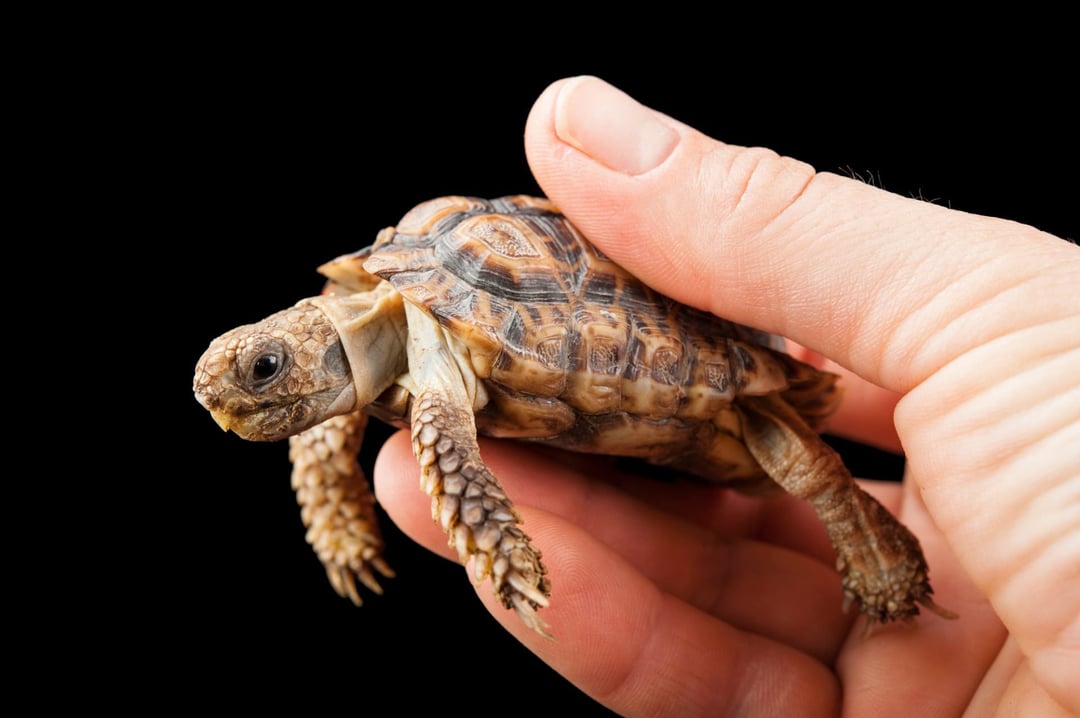
Speckled tortoise: They are the worlds smallest tortoise species. Their tiny size allows them to hide in small rock crevices, avoiding predators like birds and small mammals in their open, exposed environment. The semi-desert region has sparse food and water. Smaller bodies require less energy, enabling survival on limited succulent plants and moisture.
Interesting Creatures 🐸🦢🦀 tweet media
English
0
0
3
71
Interesting Creatures 🐸🦢🦀
Interesting Creatures 🐸🦢🦀@CoolCreatures01·
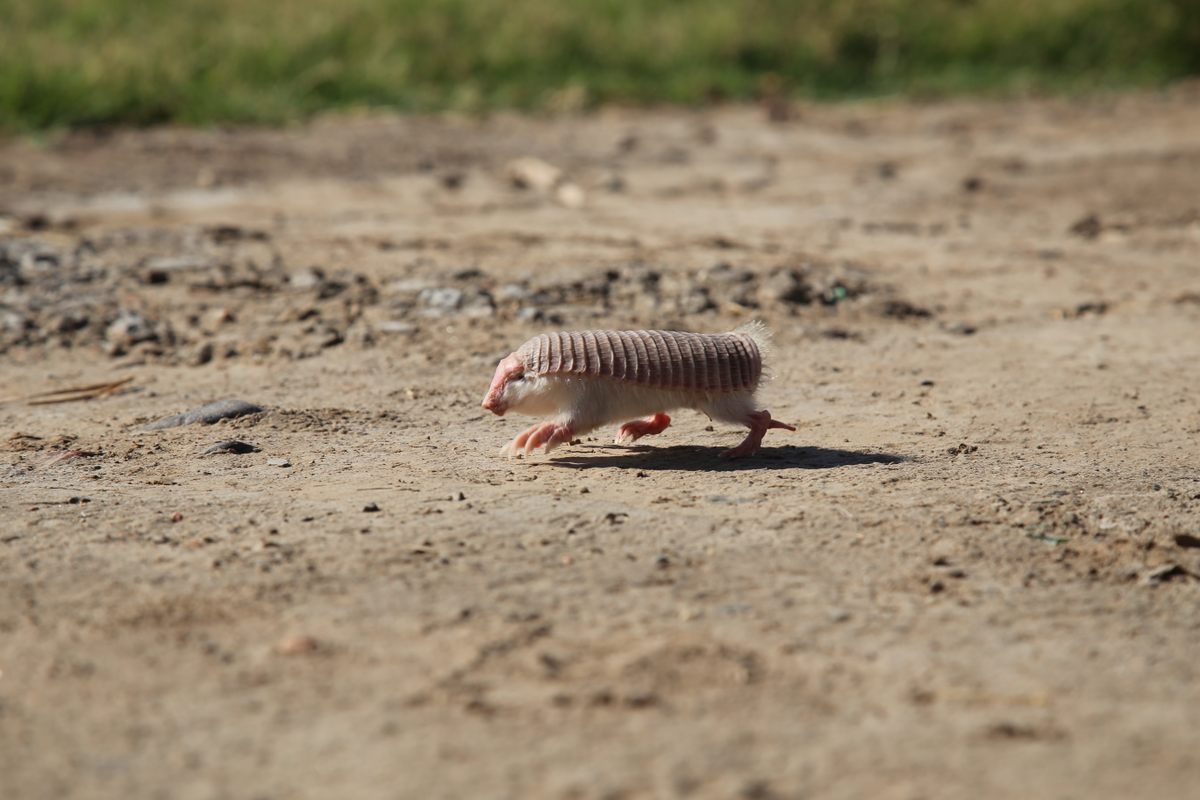
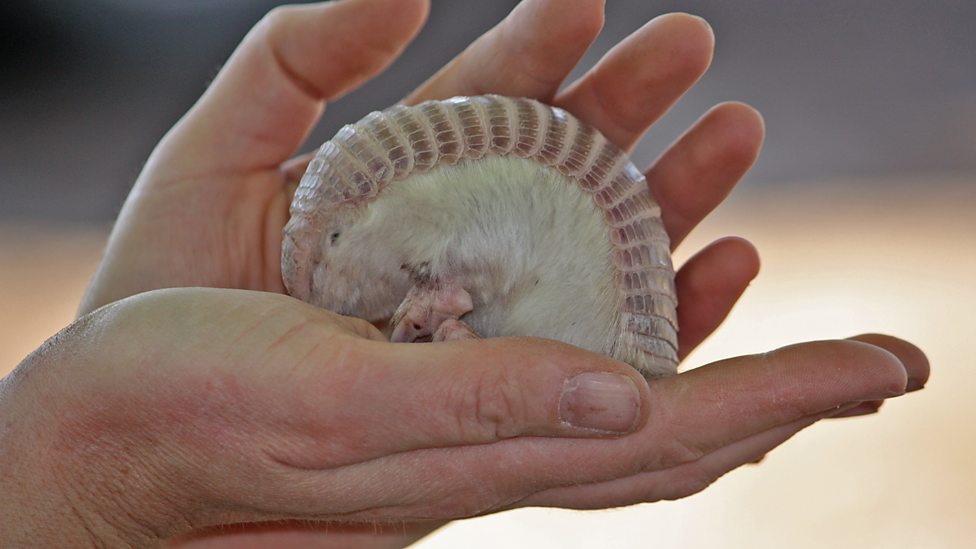
Pink Fairy Armadillo: Its pink shell, rich in blood vessels, helps regulate body temperature by flushing blood to cool down or withdrawing it to retain heat, changing its hue slightly based on environmental conditions. They can bury themselves in a matter of seconds, using large front claws and seals burrows with its armored rear plate.
Interesting Creatures 🐸🦢🦀 tweet mediaInteresting Creatures 🐸🦢🦀 tweet media
English
0
0
3
78
Interesting Creatures 🐸🦢🦀
Interesting Creatures 🐸🦢🦀@CoolCreatures01·
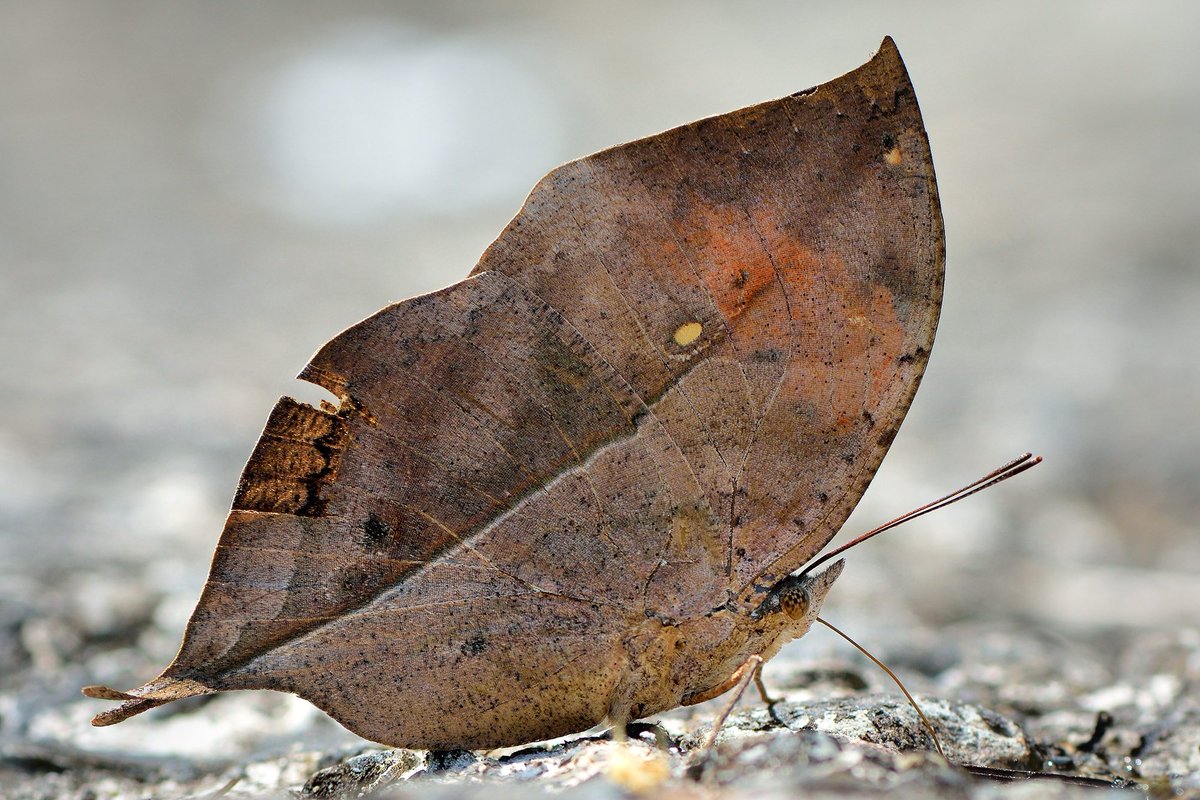
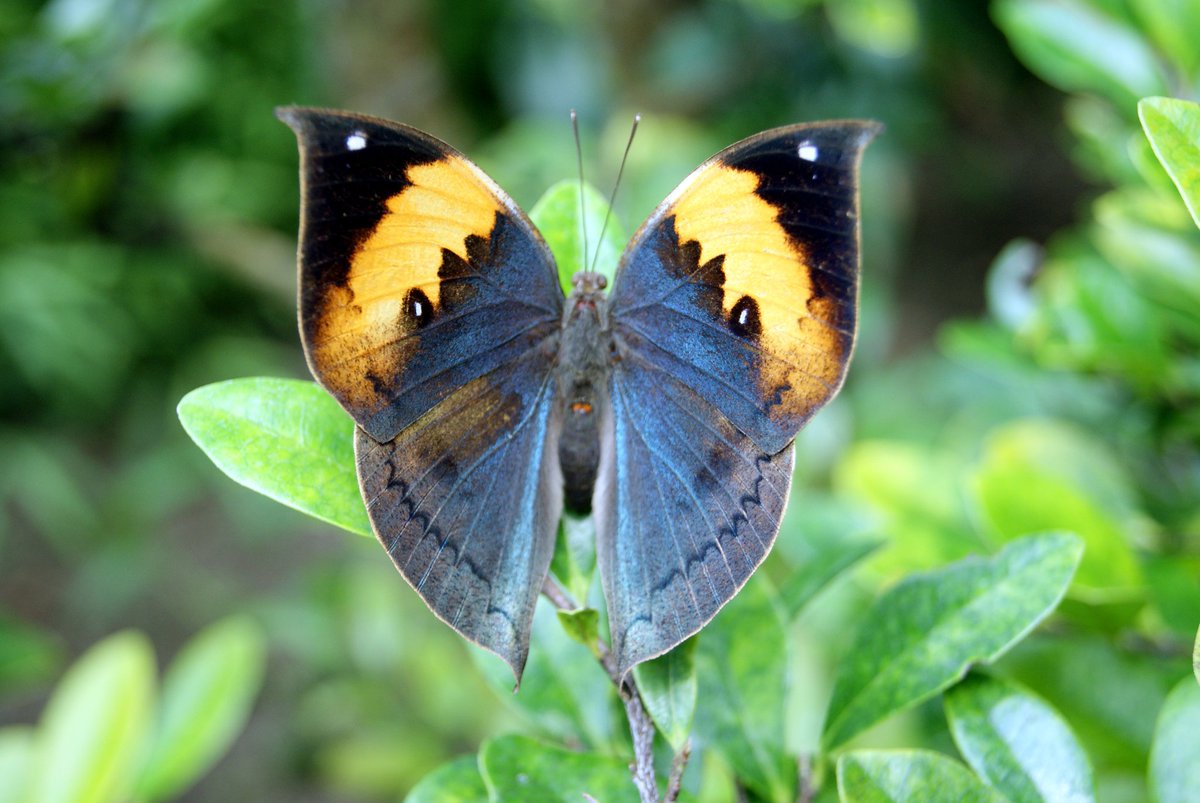
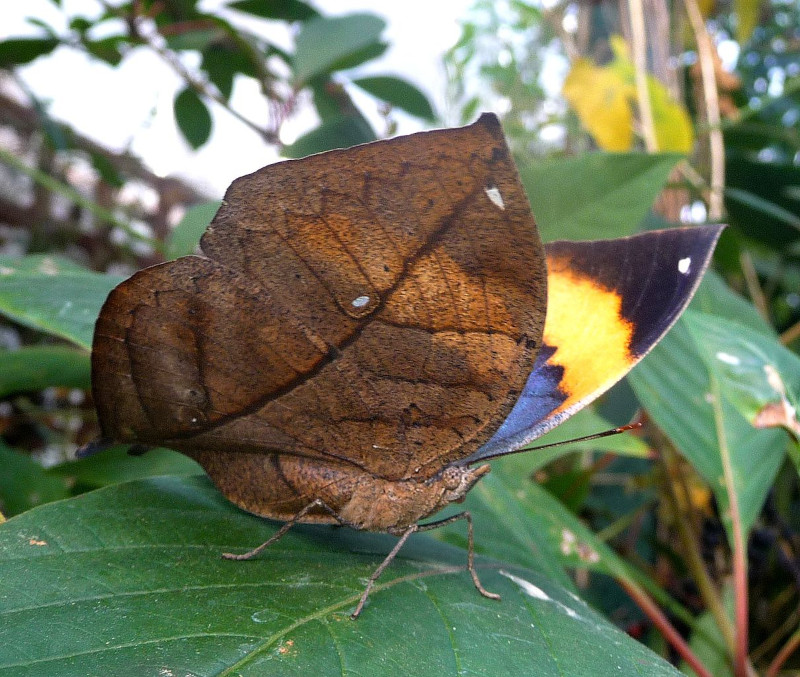
Orange Oakleaf (deadleaf butterfly): They hang upside down on branches, wings closed, lining up with nearby foliage to blend seamlessly. Subtle tilts of the body reduce shadows, further enhancing their disguise. 🥸
Interesting Creatures 🐸🦢🦀 tweet mediaInteresting Creatures 🐸🦢🦀 tweet mediaInteresting Creatures 🐸🦢🦀 tweet media
English
0
0
3
99
World of Statistics
World of Statistics@stats_feed·
What is ONE USELESS FACT that everyone needs to know?
English
178
22
619
290.3K
Interesting Creatures 🐸🦢🦀
Interesting Creatures 🐸🦢🦀@CoolCreatures01·
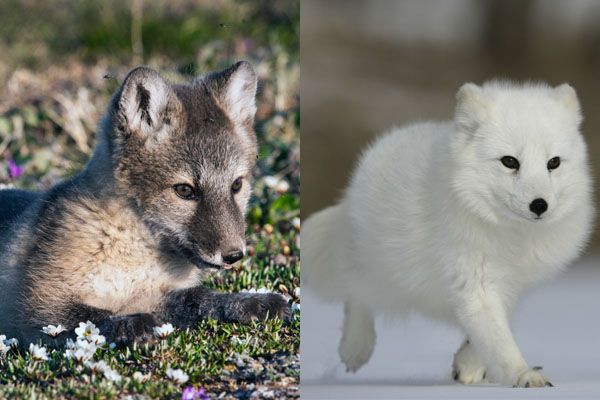
Arctic Fox: The arctic fox's fur changes dependent on the season. During winter it has a thick, white coat to keep itself warm. As the temperature rises and the snow starts to melt they begin to turn more brown. This helps with temperature regulation, but also hunting!
Interesting Creatures 🐸🦢🦀 tweet media
English
0
1
3
113
Interesting Creatures 🐸🦢🦀
Interesting Creatures 🐸🦢🦀@CoolCreatures01·
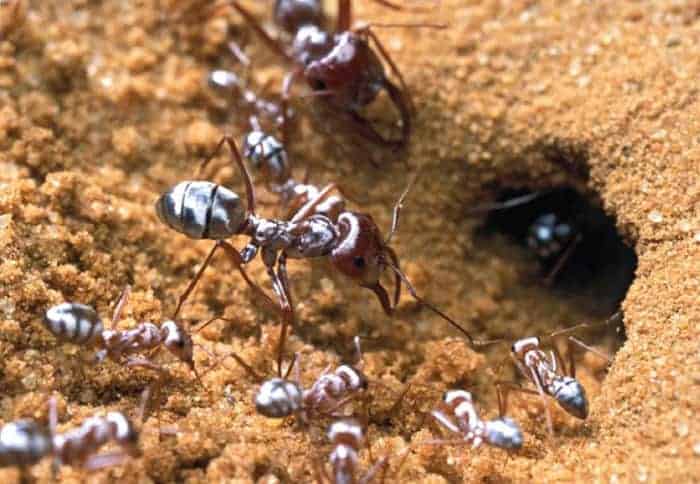
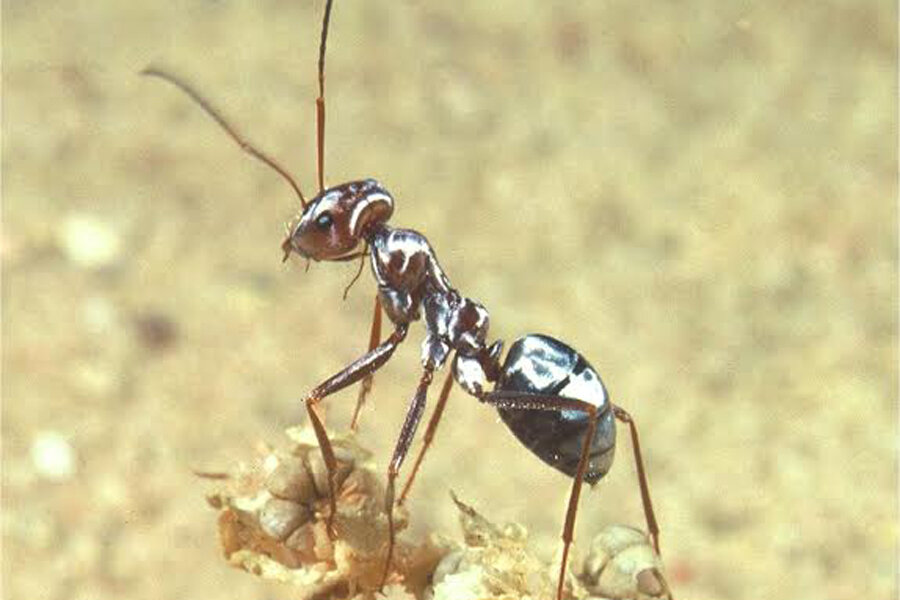
Saharan Silver Ant: They are the world’s fastest ants, reaching speeds of 855 mm/s thanks to their long legs. These legs enable a high stride frequency (47 strides/s), a tripod gait, and brief airborne moments - perfect for navigating the Sahara’s hot sand. They also lift the ants’ bodies above the scorching ground where the air is slightly colour. This works in tandem with their silver bodies which reflect heat.
Interesting Creatures 🐸🦢🦀 tweet mediaInteresting Creatures 🐸🦢🦀 tweet media
English
0
0
1
106
Interesting Creatures 🐸🦢🦀
Interesting Creatures 🐸🦢🦀@CoolCreatures01·
Fossa: Although they look like cats, they are most closesly related to mongoose. With retractable claws and flexible ankles that can rotate 180 degrees, fossas are incredible climbers. They hunt both on the ground and in trees, chasing lemurs through the canopy. Females have a unique reproductive trait called "transient masculinization." Young females develop male-like traits (enlarged clitoris and secretions) that fade with maturity, possibly to deter aggressive males. Mating season involves loud vocalizations and tree-top chases.
Interesting Creatures 🐸🦢🦀 tweet mediaInteresting Creatures 🐸🦢🦀 tweet media
English
0
1
3
99
Interesting Creatures 🐸🦢🦀
Interesting Creatures 🐸🦢🦀@CoolCreatures01·
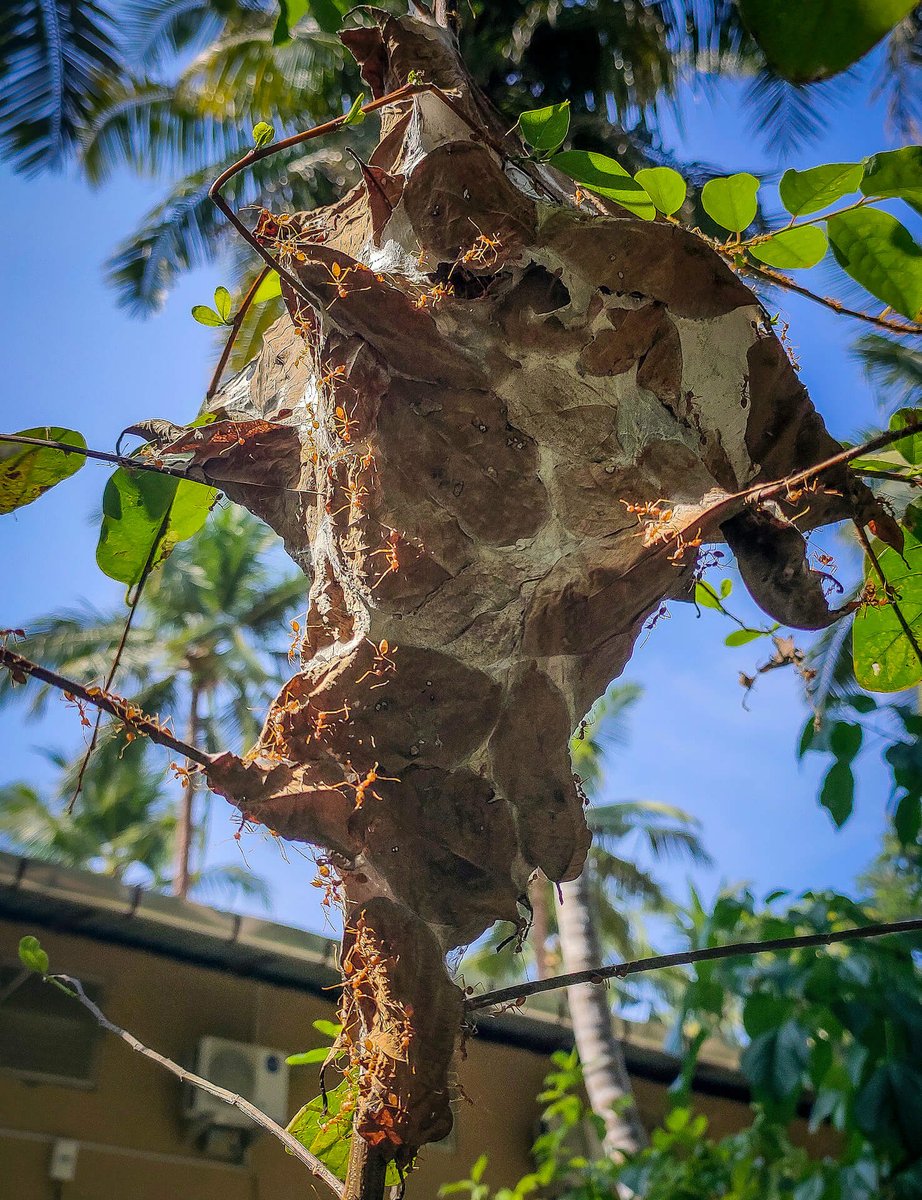
Weaver Ant: Weaver ants craft nests by bending leaves with their bodies, pulling them into tent-like shapes. They use larvae as silk dispensers, stitching leaf edges together with sticky threads that harden fast. Reinforcing with more silk, they create durable, waterproof nests for thousands, complete with chambers for brood, food, and the queen.
Interesting Creatures 🐸🦢🦀 tweet mediaInteresting Creatures 🐸🦢🦀 tweet media
English
0
0
2
100
Interesting Creatures 🐸🦢🦀
Interesting Creatures 🐸🦢🦀@CoolCreatures01·
Tiny but mighty - this jellyfish is minuscule. Its bell is only about 4.5 millimeters (0.18 inches) wide, smaller than a pinky nail. Despite its size, it’s a predator, using its stinging tentacles to snatch plankton and tiny fish.
English
1
0
1
83
Interesting Creatures 🐸🦢🦀
Interesting Creatures 🐸🦢🦀@CoolCreatures01·
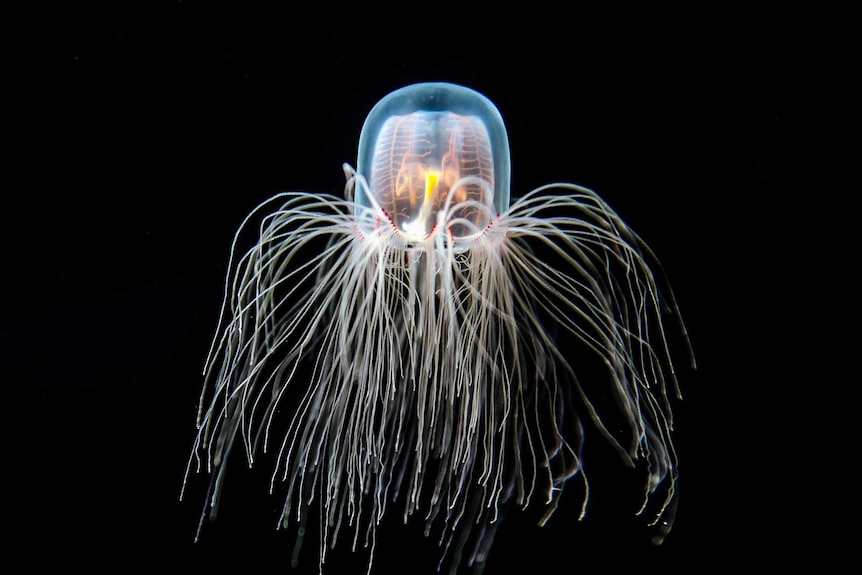
Immortal After reaching sexual maturity, this jellyfish can revert its cells back to their earliest stage—called a polyp—through a process known as transdifferentiation. This resets its life cycle, allowing it to start over in it's juvenile form. It’s not truly "immortal" in the invincible sense, as it can still die from disease, starvation, or predation, but it can theoretically repeat this cycle indefinitely.
Interesting Creatures 🐸🦢🦀 tweet mediaInteresting Creatures 🐸🦢🦀 tweet media
English
1
0
2
122
Interesting Creatures 🐸🦢🦀
Interesting Creatures 🐸🦢🦀@CoolCreatures01·
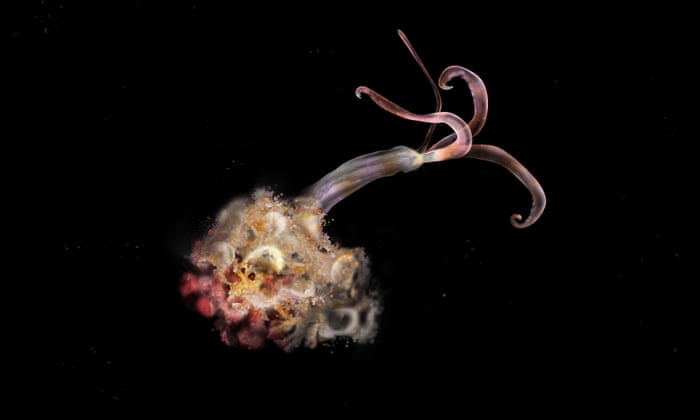
Osedax: A bone-eating worm which lives on the ocean floor and eats whale bones. They don’t have mouths or stomachs. Instead, they secrete acid through their skin to dissolve bone and rely on symbiotic bacteria to digest the marrow for them.
Interesting Creatures 🐸🦢🦀 tweet media
English
1
0
2
106