Corinthian Creative

69 posts

Corinthian Creative banner
Corinthian Creative

Corinthian Creative

@Corinthian_CC

Think, Play, Create. ⚽

Katılım Nisan 2025
86 Takip Edilen30 Takipçiler
Sabitlenmiş Tweet
Corinthian Creative
Corinthian Creative@Corinthian_CC·
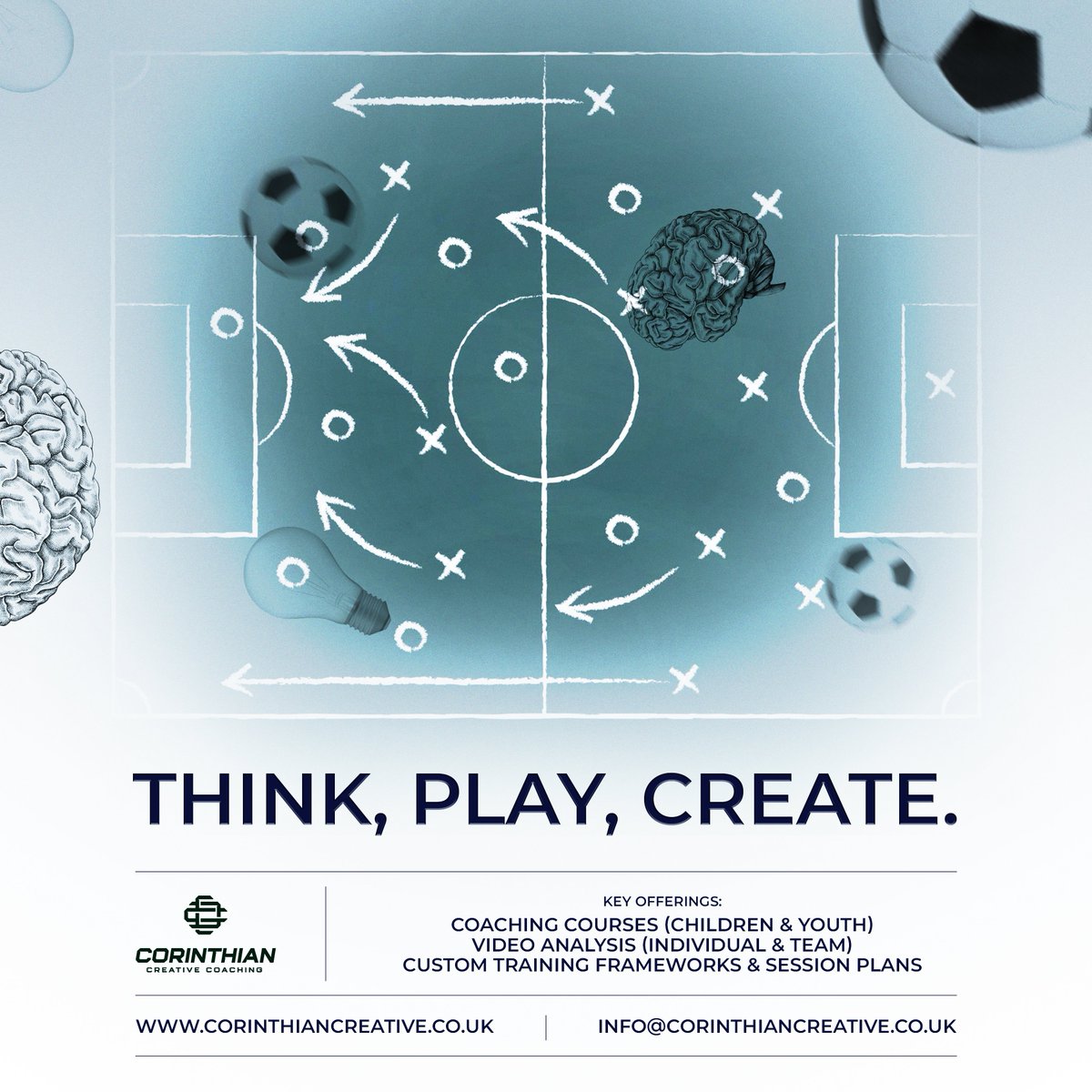
Corinthian Creative Coaching is live. Self-guided courses. Analysis. Design support. For coaches building something of their own. corinthiancreative.co.uk
Corinthian Creative tweet media
English
0
0
5
2.6K
Corinthian Creative
Corinthian Creative@Corinthian_CC·
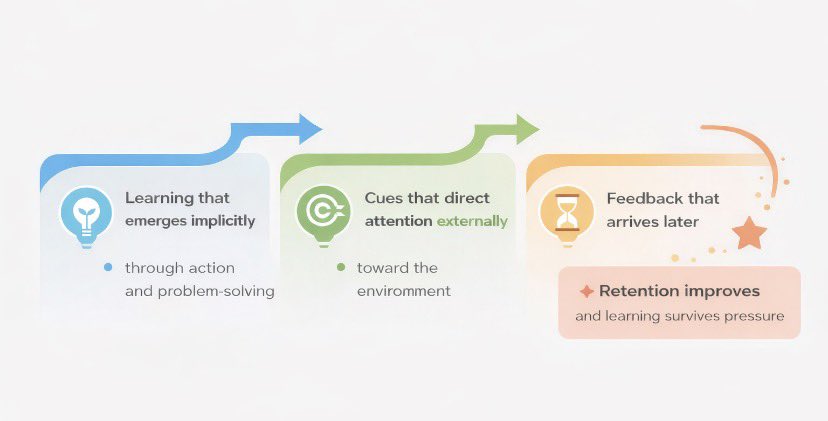
𝗪𝗵𝘆 𝘀𝗼𝗺𝗲 𝗳𝗲𝗲𝗱𝗯𝗮𝗰𝗸 𝘀𝘁𝗶𝗰𝗸𝘀 𝗮𝗻𝗱 𝗺𝗼𝘀𝘁 𝗱𝗼𝗲𝘀𝗻’𝘁 Not all learning comes from instruction. A lot of it happens despite it. Research across skill acquisition points to a similar pattern: • learning that emerges 𝗶𝗺𝗽𝗹𝗶𝗰𝗶𝘁𝗹𝘆 • cues that direct attention 𝗲𝘅𝘁𝗲𝗿𝗻𝗮𝗹𝗹𝘆 • feedback that arrives 𝗹𝗮𝘁𝗲𝗿, not instantly This type of learning tends to last longer and survive pressure better. When feedback is constant, immediate, and internally focused (“your body”, “your technique”, “your movement”), performance can improve quickly. Retention often doesn’t. What does tend to stay with people is feedback that: • connects to 𝗼𝘂𝘁𝗰𝗼𝗺𝗲𝘀 • helps them notice something 𝗶𝗻 𝘁𝗵𝗲 𝗲𝗻𝘃𝗶𝗿𝗼𝗻𝗺𝗲𝗻𝘁 • arrives after they’ve already felt success or failure In other words, the learner builds their own link between intention, action, and result. This is why: •players remember what space opened. •learners recall the effect of a solution. •𝗱𝗲𝗹𝗮𝘆𝗲𝗱 𝗳𝗲𝗲𝗱𝗯𝗮𝗰𝗸 often lands deeper than real-time correction. The moment you interrupt, you risk replacing perception with instruction. Good feedback nudges attention and lets the learner do the work. Often, what stays isn’t what we say. It’s what the environment allowed them to discover.
Corinthian Creative tweet media
English
0
1
2
251
Corinthian Creative
Corinthian Creative@Corinthian_CC·
𝗖𝗼𝗮𝗰𝗵𝗶𝗻𝗴 𝗖𝗼𝘂𝗿𝘀𝗲𝘀 - 𝗡𝗼𝘄 𝗛𝗮𝗹𝗳 𝗣𝗿𝗶𝗰𝗲 Our 𝗖𝗵𝗶𝗹𝗱𝗿𝗲𝗻’𝘀 𝗖𝗼𝗮𝗰𝗵𝗶𝗻𝗴 𝗖𝗼𝘂𝗿𝘀𝗲 and 𝗬𝗼𝘂𝘁𝗵 𝗖𝗼𝗮𝗰𝗵𝗶𝗻𝗴 𝗖𝗼𝘂𝗿𝘀𝗲 are now available at half price for the festive period. Designed for coaches who want to refresh their thinking, develop their session design, and inspire learning, creativity, and decision-making in real environments. Visit: corinthiancreative.co.uk To explore the courses and the wider coaching services we offer.
Corinthian Creative tweet media
English
0
1
2
142
Corinthian Creative
Corinthian Creative@Corinthian_CC·
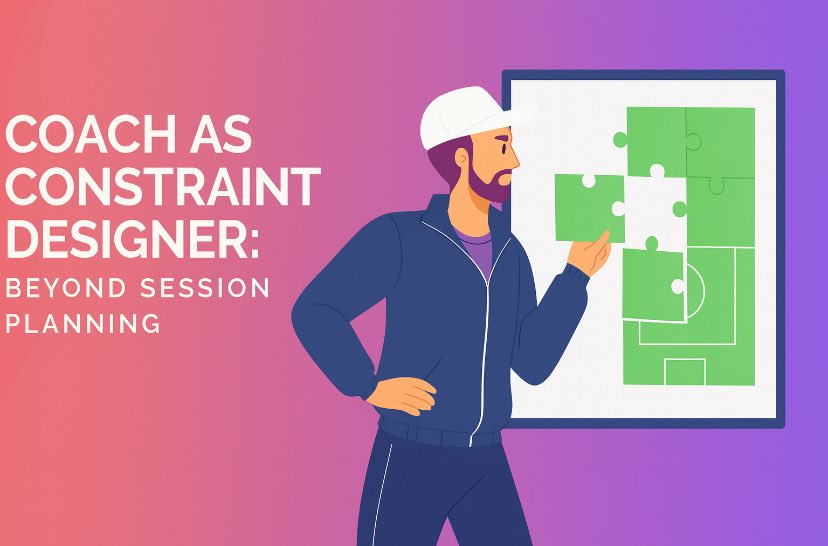
𝗖𝗼𝗮𝗰𝗵 𝗮𝘀 𝗖𝗼𝗻𝘀𝘁𝗿𝗮𝗶𝗻𝘁 𝗗𝗲𝘀𝗶𝗴𝗻𝗲𝗿: 𝗕𝗲𝘆𝗼𝗻𝗱 𝗦𝗲𝘀𝘀𝗶𝗼𝗻 𝗣𝗹𝗮𝗻𝗻𝗶𝗻𝗴 Training design is more than organising practices. Each task shapes the invitations for action, the decisions available, and the possibilities players can perceive. When you design constraints, you influence the interactions that guide learning. The role becomes less about directing actions and more about crafting environments that prompt intelligent behaviour. 𝗪𝗵𝗲𝗿𝗲 𝗣𝗼𝘀𝘀𝗶𝗯𝗶𝗹𝗶𝘁𝗶𝗲𝘀 𝗔𝗽𝗽𝗲𝗮𝗿 Constraints reveal openings that players might otherwise miss. Small adjustments in space, tempo, or opposition can shift the landscape of options and highlight new routes through the game. 𝗪𝗵𝗲𝗿𝗲 𝗣𝗲𝗿𝗰𝗲𝗽𝘁𝗶𝗼𝗻 𝗧𝗮𝗸𝗲𝘀 𝗣𝗿𝗶𝗺𝗮𝗿𝘆 𝗥𝗼𝗹𝗲 As tasks take shape around key cues, players begin to notice what matters. They learn to read signals that guide movement, recognise patterns that emerge, and connect ideas with the moment in front of them. 𝗪𝗵𝗲𝗿𝗲 𝗦𝘆𝘀𝘁𝗲𝗺𝘀 𝗦𝗵𝗮𝗽𝗲 𝗔𝗰𝘁𝗶𝗼𝗻 Meaningful constraints align individual actions with the wider dynamic. Players interact with the task, the environment, and each other. New behaviours form through those interactions, giving rise to solutions that fit the rhythm of the game. Designing constraints is a creative process. It shapes how players sense, decide, and act, and it influences the ideas that become possible during play. 𝗤𝘂𝗲𝘀𝘁𝗶𝗼𝗻𝘀 𝗳𝗼𝗿 𝗖𝗼𝗮𝗰𝗵𝗲𝘀 𝗗𝗲𝘀𝗶𝗴𝗻𝗶𝗻𝗴 𝗖𝗼𝗻𝘀𝘁𝗿𝗮𝗶𝗻𝘁𝘀 •What behaviour or interaction do you want the task to invite? •Which cues do you hope players begin to notice as the game unfolds? •How might a small shift in space or rules change the possibilities players perceive? •What solutions emerge naturally within the design, without being introduced? •How does the task shape the rhythm, tempo, and flow of the interactions you’re looking for?
Corinthian Creative tweet media
English
0
1
2
141
Corinthian Creative
Corinthian Creative@Corinthian_CC·
Creative risk-taking rests on confidence, curiosity, and opportunity. When players feel supported in the moments between action and idea, creativity becomes part of how the team learns.
English
0
0
2
20
Corinthian Creative
Corinthian Creative@Corinthian_CC·
𝗧𝗮𝘀𝗸 𝗗𝗲𝘀𝗶𝗴𝗻𝘀 𝗧𝗵𝗮𝘁 𝗪𝗲𝗹𝗰𝗼𝗺𝗲 𝗥𝗶𝘀𝗸 •Build games that allow alternative solutions to appear. •Use variable constraints that reward experimentation. •Add short reflection pauses so players can process decisions.
English
1
0
2
22
Corinthian Creative
Corinthian Creative@Corinthian_CC·
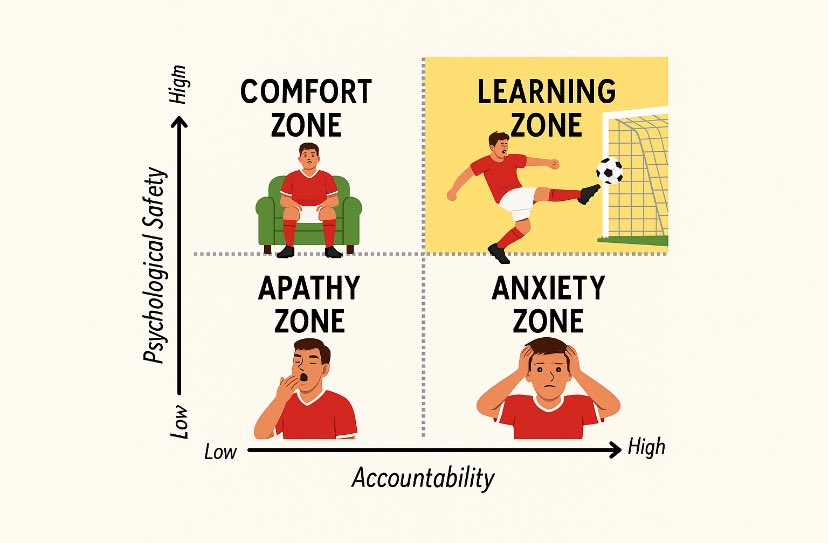
𝗖𝘂𝗹𝘁𝗶𝘃𝗮𝘁𝗶𝗻𝗴 𝗣𝘀𝘆𝗰𝗵𝗼𝗹𝗼𝗴𝗶𝗰𝗮𝗹 𝗦𝗮𝗳𝗲𝘁𝘆 𝗳𝗼𝗿 𝗖𝗿𝗲𝗮𝘁𝗶𝘃𝗲 𝗥𝗶𝘀𝗸-𝗧𝗮𝗸𝗶𝗻𝗴 Creative actions grow when players feel able to explore ideas. When the environment supports experimentation, players take initiative, test new possibilities, and expand their decision space. Psychological safety sits at the centre of that process. 🧵
Corinthian Creative tweet media
English
1
1
2
145
Corinthian Creative
Corinthian Creative@Corinthian_CC·
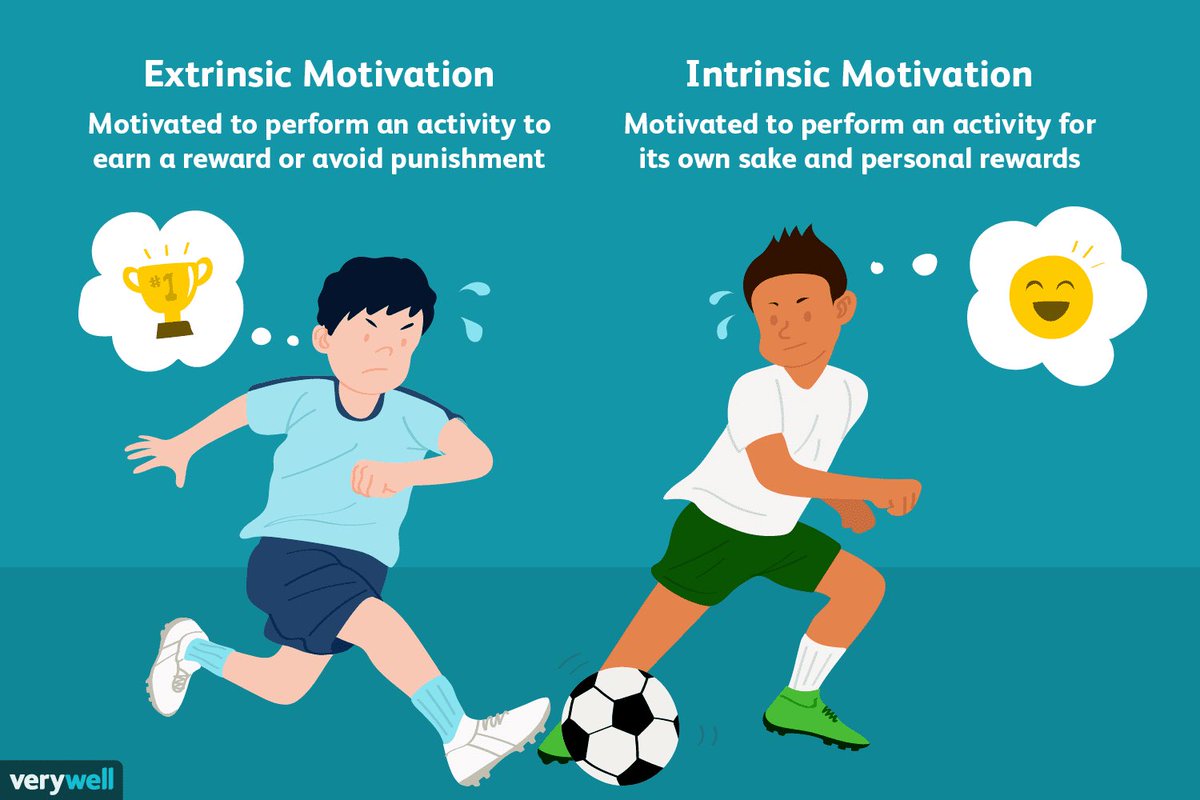
𝗠𝗼𝘁𝗶𝘃𝗮𝘁𝗶𝗼𝗻 𝗕𝗲𝗳𝗼𝗿𝗲 𝗠𝗲𝘁𝗵𝗼𝗱 Creative act sits on three foundations: 𝗦𝗸𝗶𝗹𝗹, 𝗧𝗵𝗼𝘂𝗴𝗵𝘁, 𝗮𝗻𝗱 𝗠𝗼𝘁𝗶𝘃𝗮𝘁𝗶𝗼𝗻. 𝗦𝗸𝗶𝗹𝗹 gives players the tools to shape the game. 𝗧𝗵𝗼𝘂𝗴𝗵𝘁 gives them the ability to connect and adapt. 𝗠𝗼𝘁𝗶𝘃𝗮𝘁𝗶𝗼𝗻 decides whether they use either creatively or cautiously. Research across creative fields shows the same pattern: when people feel 𝗮𝘂𝘁𝗼𝗻𝗼𝗺𝘆 and 𝗶𝗻𝘁𝗲𝗿𝗲𝘀𝘁, originality grows; when 𝗰𝗼𝗻𝘁𝗿𝗼𝗹 replaces 𝗰𝘂𝗿𝗶𝗼𝘀𝗶𝘁𝘆, it contracts. 𝗘𝘃𝗮𝗹𝘂𝗮𝘁𝗶𝗼𝗻 and 𝗿𝗲𝘄𝗮𝗿𝗱 don’t have to kill creativity - it depends how they’re used. 𝗙𝗲𝗲𝗱𝗯𝗮𝗰𝗸 𝘁𝗵𝗮𝘁 𝗶𝗻𝗳𝗼𝗿𝗺𝘀 𝗰𝗮𝗻 𝗶𝗻𝘀𝗽𝗶𝗿𝗲. 𝗙𝗲𝗲𝗱𝗯𝗮𝗰𝗸 𝘁𝗵𝗮𝘁 𝗰𝗼𝗻𝘁𝗿𝗼𝗹𝘀 𝗰𝗮𝗻 𝗰𝗹𝗼𝘀𝗲 𝘁𝗵𝗶𝗻𝗴𝘀 𝗱𝗼𝘄𝗻. In football, the difference is 𝗱𝗲𝘀𝗶𝗴𝗻. Design of 𝗲𝗻𝘃𝗶𝗿𝗼𝗻𝗺𝗲𝗻𝘁, design of 𝗹𝗮𝗻𝗴𝘂𝗮𝗴𝗲, design of 𝗺𝗲𝗮𝗻𝗶𝗻𝗴. If players feel 𝘁𝗿𝘂𝘀𝘁𝗲𝗱, they explore. If they feel 𝗶𝗻𝘁𝗲𝗿𝗲𝘀𝘁𝗲𝗱, they stay engaged longer, notice more, and try differently. 𝗗𝗲𝘀𝗶𝗴𝗻 𝘀𝗲𝘀𝘀𝗶𝗼𝗻𝘀 𝘁𝗵𝗮𝘁 𝗳𝗲𝗲𝗱 𝗰𝘂𝗿𝗶𝗼𝘀𝗶𝘁𝘆. 𝗦𝗲𝘁 𝗽𝗿𝗼𝗯𝗹𝗲𝗺𝘀 𝘁𝗵𝗮𝘁 𝗺𝗮𝘁𝘁𝗲𝗿 𝘁𝗼 𝗽𝗹𝗮𝘆𝗲𝗿𝘀. 𝗖𝗿𝗲𝗮𝘁𝗲 𝘀𝗽𝗮𝗰𝗲 𝗳𝗼𝗿 𝘁𝗵𝗲𝗺 𝘁𝗼 𝗮𝗰𝘁 𝗼𝗻 𝘁𝗵𝗲𝗶𝗿 𝗼𝘄𝗻 𝗶𝗱𝗲𝗮𝘀. 𝗜𝗻𝘁𝗿𝗶𝗻𝘀𝗶𝗰 𝗺𝗼𝘁𝗶𝘃𝗮𝘁𝗶𝗼𝗻 𝗶𝘀 𝘁𝗵𝗲 𝗰𝗼𝗻𝗱𝗶𝘁𝗶𝗼𝗻 𝘁𝗵𝗮𝘁 𝗺𝗮𝗸𝗲𝘀 𝗰𝗿𝗲𝗮𝘁𝗶𝘃𝗶𝘁𝘆 𝗽𝗼𝘀𝘀𝗶𝗯𝗹𝗲.
Corinthian Creative tweet media
English
0
0
2
39
Corinthian Creative
Corinthian Creative@Corinthian_CC·
𝗠𝗮𝗸𝗶𝗻𝗴 𝗜𝘁 𝗦𝘁𝗶𝗰𝗸. A player can look fluent in training yet struggle to reproduce the same moments later in the week. That gap often comes down to two kinds of learning strength: what’s easy to recall right now, and what’s stored deeply enough to endure. In training, retrieval is often strong ideas are fresh, the task is familiar, and feedback is instant. However, unless that learning is revisited, challenged, and rebuilt under changing conditions, storage remains weak. The knowledge fades the moment the context shifts. 𝗧𝗼 𝗕𝘂𝗶𝗹𝗱 𝗟𝗮𝘀𝘁𝗶𝗻𝗴 𝗟𝗲𝗮𝗿𝗻𝗶𝗻𝗴 • 𝗥𝗲𝘃𝗶𝘀𝗶𝘁, 𝗗𝗼𝗻’𝘁 𝗷𝘂𝘀𝘁 𝗥𝗲𝗽𝗲𝗮𝘁. Return to core principles across different sessions and game formats. Familiar ideas in unfamiliar environments create stronger links. • 𝗦𝗽𝗮𝗰𝗲 𝗼𝘂𝘁 𝘁𝗵𝗲 𝗦𝘁𝗿𝘂𝗴𝗴𝗹𝗲. Allow time between exposures. Retrieval after forgetting strengthens memory far more than constant rehearsal. • 𝗦𝗵𝗶𝗳𝘁 𝘁𝗵𝗲 𝗦𝘂𝗿𝗿𝗼𝘂𝗻𝗱𝗶𝗻𝗴𝘀. Keep the principle, change the problem - new spaces, opponents, or rules test what truly transfers. • 𝗠𝗲𝗮𝘀𝘂𝗿𝗲 𝗢𝘃𝗲𝗿 𝗧𝗶𝗺𝗲. Evaluate progress by what reappears weeks later, not what looks neat today. Performance shows what’s accessible now. Understanding shows what survives time, pressure, and change. 𝗖𝗼𝗮𝗰𝗵 𝗳𝗼𝗿 𝘄𝗵𝗮𝘁 𝗲𝗻𝗱𝘂𝗿𝗲𝘀
Corinthian Creative tweet media
English
0
1
2
153
Corinthian Creative
Corinthian Creative@Corinthian_CC·
𝗦𝗲𝗲𝗶𝗻𝗴 𝗪𝗵𝗮𝘁 𝗢𝘁𝗵𝗲𝗿𝘀 𝗗𝗼𝗻’𝘁 In football, creativity often comes down to perception. The best players see more of what’s happening. When perception is narrowed, players fall into predictable habits. When it widens, the game opens up. 𝗛𝗼𝘄 𝘁𝗼 𝗧𝗿𝗮𝗶𝗻 𝗕𝗿𝗼𝗮𝗱𝗲𝗿 𝗣𝗲𝗿𝗰𝗲𝗽𝘁𝗶𝗼𝗻 1. 𝗩𝗮𝗿𝘆 𝗜𝗻𝗳𝗼𝗿𝗺𝗮𝘁𝗶𝗼𝗻: Change the space, rules, or number of teammates to alter what players must notice. The goal is awareness. 2. 𝗗𝗲𝗹𝗮𝘆 𝗜𝗻𝘀𝘁𝗿𝘂𝗰𝘁𝗶𝗼𝗻: Let players search before explaining. Discovery builds more flexible decision-making than direction. 3. 𝗥𝗲𝘄𝗮𝗿𝗱 𝗨𝗻𝘂𝘀𝘂𝗮𝗹 𝗦𝗼𝗹𝘂𝘁𝗶𝗼𝗻𝘀: Notice moments when a player solves a problem differently – even if it doesn’t work yet. Recognition shapes attention. 4. 𝗧𝗿𝗮𝗶𝗻 𝗖𝗼𝗻𝘁𝗲𝘅𝘁: Design tasks where players must read the situation and adapt. 𝗙𝗼𝗿 𝗖𝗼𝗮𝗰𝗵𝗲𝘀 Creativity grows from environments where attention is expanded. Every time you design a session, ask: “𝗪𝗵𝗮𝘁 𝘄𝗶𝗹𝗹 𝗺𝘆 𝗽𝗹𝗮𝘆𝗲𝗿𝘀 𝗹𝗲𝗮𝗿𝗻 𝘁𝗼 𝘀𝗲𝗲 𝘁𝗼𝗱𝗮𝘆?”
Corinthian Creative tweet media
English
0
1
3
160
Corinthian Creative
Corinthian Creative@Corinthian_CC·
𝗣𝗿𝗮𝗰𝘁𝗶𝗰𝗮𝗹 𝗪𝗮𝘆𝘀 𝘁𝗼 𝗣𝗹𝗮𝘆 𝘄𝗶𝘁𝗵 𝗧𝗶𝗺𝗲 • Short, tight games for tempo, anticipation, and quick play. • Medium rounds to build rhythm and shared understanding. • Longer blocks to stretch focus and explore problem-solving under fatigue. • Adjust pitch size to match the mental pace you want. • Vary player numbers to change how time feels. 𝗧𝗶𝗺𝗲 𝗶𝗻 𝘁𝗿𝗮𝗶𝗻𝗶𝗻𝗴 𝗶𝘀 𝗳𝗲𝗹𝘁. Designing with it means shaping how players live the moment. Sometimes fast and sharp, sometimes stretched and searching. Always with the aim of pushing to adapt and reflect the rhythms of the game
English
0
0
2
31
Corinthian Creative
Corinthian Creative@Corinthian_CC·
𝗟𝗼𝗻𝗴𝗲𝗿 𝗽𝗵𝗮𝘀𝗲𝘀 𝗮𝗻𝗱 𝘄𝗶𝗱𝗲𝗿 𝘀𝗽𝗮𝗰𝗲𝘀 𝗯𝗿𝗼𝗮𝗱𝗲𝗻 𝗮𝘄𝗮𝗿𝗲𝗻𝗲𝘀𝘀. Players must sustain concentration, manage fatigue, and solve larger problems caused by space. Endurance of thought develops alongside endurance of movement. 𝗩𝗮𝗿𝗶𝗮𝗯𝗹𝗲 𝘁𝗶𝗺𝗲 𝗸𝗲𝗲𝗽𝘀 𝗮𝘁𝘁𝗲𝗻𝘁𝗶𝗼𝗻 𝗮𝗹𝗶𝘃𝗲. Predictable rounds can make behaviour automatic. Shifting durations, distances, and numbers resets focus, forcing players to adapt rather than repeat.
English
1
0
2
29
Corinthian Creative
Corinthian Creative@Corinthian_CC·
𝗗𝗲𝘀𝗶𝗴𝗻𝗶𝗻𝗴 𝘄𝗶𝘁𝗵 𝗧𝗶𝗺𝗲: 𝘁𝗲𝗺𝗽𝗼, 𝗿𝗵𝘆𝘁𝗵𝗺, 𝗮𝗻𝗱 𝘁𝗵𝗲 𝘁𝗶𝗺𝗶𝗻𝗴 𝗼𝗳 𝘁𝗮𝘀𝗸𝘀 Time shapes how players experience the game. Through it, coaches can tune intensity, rhythm, and attention - creating distinct types of focus and decision-making. 🧵
Corinthian Creative tweet media
English
1
1
2
188
Corinthian Creative
Corinthian Creative@Corinthian_CC·
𝗔 𝗴𝗼𝗼𝗱 𝘀𝗲𝘀𝘀𝗶𝗼𝗻 𝗺𝗮𝗸𝗲𝘀 𝗽𝗹𝗮𝘆𝗲𝗿𝘀 𝘁𝗵𝗶𝗻𝗸, 𝗮𝗱𝗮𝗽𝘁, 𝗮𝗻𝗱 𝗴𝗿𝗼𝘄. The measure of learning is rarely visible in the moment but you can feel it in the questions, the risks, and the curiosity that start to appear.
English
0
0
2
28
Corinthian Creative
Corinthian Creative@Corinthian_CC·
𝗪𝗵𝗮𝘁 𝘁𝗼 𝗼𝗯𝘀𝗲𝗿𝘃𝗲 𝗶𝗻 𝗬𝗼𝘂𝘁𝗵 𝗧𝗿𝗮𝗶𝗻𝗶𝗻𝗴 • 𝗔𝗿𝗲 𝗽𝗹𝗮𝘆𝗲𝗿𝘀 𝗿𝗲𝗮𝗰𝘁𝗶𝗻𝗴 𝗼𝗿 𝗿𝗲𝗮𝘀𝗼𝗻𝗶𝗻𝗴? • 𝗔𝗿𝗲 𝗱𝗲𝗰𝗶𝘀𝗶𝗼𝗻𝘀 𝗿𝗲𝗽𝗲𝗮𝘁𝗲𝗱 𝗼𝗿 𝗲𝘃𝗼𝗹𝘃𝗶𝗻𝗴? • 𝗗𝗼 𝗰𝗼𝗻𝗱𝗶𝘁𝗶𝗼𝗻𝘀 𝗽𝗿𝗼𝗺𝗼𝘁𝗲 𝗮𝘂𝘁𝗼𝗻𝗼𝗺𝘆 𝗼𝗿 𝗱𝗲𝗽𝗲𝗻𝗱𝗲𝗻𝗰𝗲? • 𝗜𝘀 𝘁𝗵𝗲 𝗳𝗼𝗰𝘂𝘀 𝘀𝗼𝗹𝗲𝗹𝘆 𝗼𝗻 𝗼𝘂𝘁𝗰𝗼𝗺𝗲𝘀 𝗼𝗿 𝗼𝗻 𝗮𝘄𝗮𝗿𝗲𝗻𝗲𝘀𝘀 𝗮𝗻𝗱 𝗮𝗱𝗮𝗽𝘁𝗮𝘁𝗶𝗼𝗻?
English
1
0
2
28
Corinthian Creative
Corinthian Creative@Corinthian_CC·
𝗜𝗻 𝘆𝗼𝘂𝗿 𝘁𝗿𝗮𝗶𝗻𝗶𝗻𝗴 𝘀𝗲𝘀𝘀𝗶𝗼𝗻𝘀, 𝗱𝗼 𝘆𝗼𝘂 𝘀𝗲𝗲 𝗹𝗲𝗮𝗿𝗻𝗶𝗻𝗴 𝗼𝗿 𝗽𝗲𝗿𝗳𝗼𝗿𝗺𝗮𝗻𝗰𝗲? In youth football, success in training can look very different depending on what you value. A session that looks smooth, tidy, and efficient might feel satisfying but does it represent real learning?
English
1
1
2
141
Corinthian Creative
Corinthian Creative@Corinthian_CC·
Emergence asks us to trust the system and the player. In your sessions, what patterns have surprised you - ones you didn’t plan - but were exactly what you’d hoped would develop?
English
0
0
2
22
Corinthian Creative
Corinthian Creative@Corinthian_CC·
𝗣𝗿𝗮𝗰𝘁𝗶𝗰𝗮𝗹 𝗦𝘂𝗴𝗴𝗲𝘀𝘁𝗶𝗼𝗻𝘀 Here are a few ways you can foster emergent learning in your session design: • 𝗨𝘀𝗲 𝗿𝗲𝗽𝗿𝗲𝘀𝗲𝗻𝘁𝗮𝘁𝗶𝘃𝗲 𝗹𝗲𝗮𝗿𝗻𝗶𝗻𝗴 𝗱𝗲𝘀𝗶𝗴𝗻 - mimic key elements of the match (space, decision pressure, variability) so that patterns in training resemble those in the game. • 𝗜𝗻𝘁𝗿𝗼𝗱𝘂𝗰𝗲 𝘃𝗮𝗿𝗶𝗮𝗯𝗹𝗲 𝗰𝗼𝗻𝘀𝘁𝗿𝗮𝗶𝗻𝘁𝘀 - alternate spatial, temporal, or scoring restrictions to provoke new solutions. • 𝗠𝗮𝗻𝗶𝗽𝘂𝗹𝗮𝘁𝗲 𝗽𝗲𝗿𝗰𝗲𝗽𝘁𝘂𝗮𝗹 𝗱𝗲𝗺𝗮𝗻𝗱𝘀 - add “noise,” change angles, or adjust conditions to challenge perception–action loops. • 𝗟𝗲𝗮𝘃𝗲 𝗴𝗮𝗽𝘀 𝗶𝗻 𝗶𝗻𝘀𝘁𝗿𝘂𝗰𝘁𝗶𝗼𝗻 - don’t prescribe every detail. Let players self-organize, explore, and discover. • 𝗠𝗼𝗻𝗶𝘁𝗼𝗿 𝗲𝗺𝗲𝗿𝗴𝗲𝗻𝘁 𝗯𝗲𝗵𝗮𝘃𝗶𝗼𝘂𝗿𝘀 - observe what patterns arise and iteratively adjust constraints to deepen adaptation.
English
1
0
2
30
Corinthian Creative
Corinthian Creative@Corinthian_CC·
𝗘𝗺𝗲𝗿𝗴𝗲𝗻𝗰𝗲 𝗶𝗻 𝗟𝗲𝗮𝗿𝗻𝗶𝗻𝗴 - 𝗵𝗼𝘄 𝗽𝗮𝘁𝘁𝗲𝗿𝗻𝘀 𝗮𝗿𝗶𝘀𝗲 𝘁𝗵𝗿𝗼𝘂𝗴𝗵 𝗽𝗹𝗮𝘆 When players 𝗮𝗰𝘁, 𝗲𝘅𝗽𝗹𝗼𝗿𝗲, 𝗮𝗻𝗱 𝗮𝗱𝗮𝗽𝘁 within subtly shifting conditions, 𝗺𝗼𝘃𝗲𝗺𝗲𝗻𝘁 𝘀𝗼𝗹𝘂𝘁𝗶𝗼𝗻𝘀 can self-organize. In other words, 𝗲𝗺𝗲𝗿𝗴𝗲𝗻𝘁 𝗯𝗲𝗵𝗮𝘃𝗶𝗼𝘂𝗿 is not pre-programmed - it arises from the interaction between the 𝗮𝘁𝗵𝗹𝗲𝘁𝗲, 𝘁𝗵𝗲 𝘁𝗮𝘀𝗸, 𝗮𝗻𝗱 𝘁𝗵𝗲 𝗲𝗻𝘃𝗶𝗿𝗼𝗻𝗺𝗲𝗻𝘁.
Corinthian Creative tweet media
English
1
1
2
138