Danny Corvid

39 posts

Danny Corvid

Danny Corvid

@CorvidDanny

Amateur photographer and professional loser.

Nashville, TN Katılım Haziran 2019
20 Takip Edilen4 Takipçiler
Alastair🏳️🇻🇦⚜️
Alastair🏳️🇻🇦⚜️@Aleksander67140·
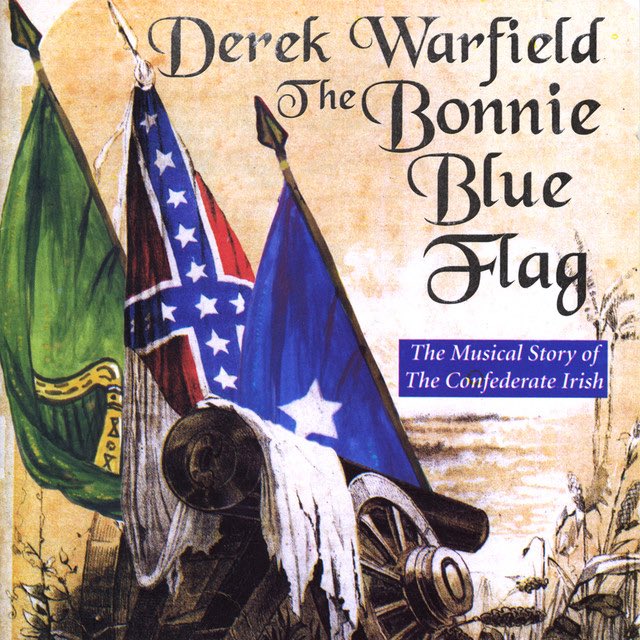
@RevenantSouth Used in 2012 by the Irish singer and ex-Wolfe Tones member Derek Warfield as a cover for his album of Irish Confederate songs - "Bonnie Blue Flag".
Alastair🏳️🇻🇦⚜️ tweet media
English
1
0
3
141
Danny Corvid
Danny Corvid@CorvidDanny·
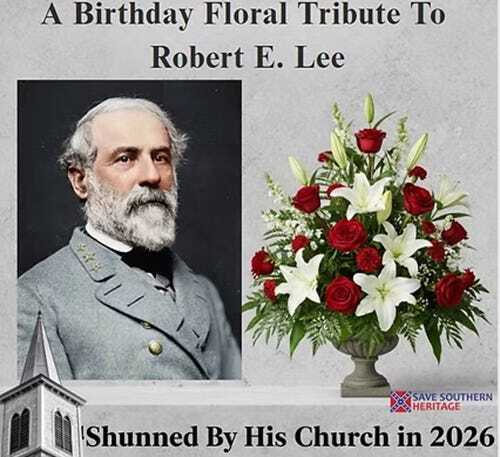
@CptPeeWee A church afraid of 'controversy' does not talk to Christ.
English
1
0
1
21
Danny Corvid
Danny Corvid@CorvidDanny·
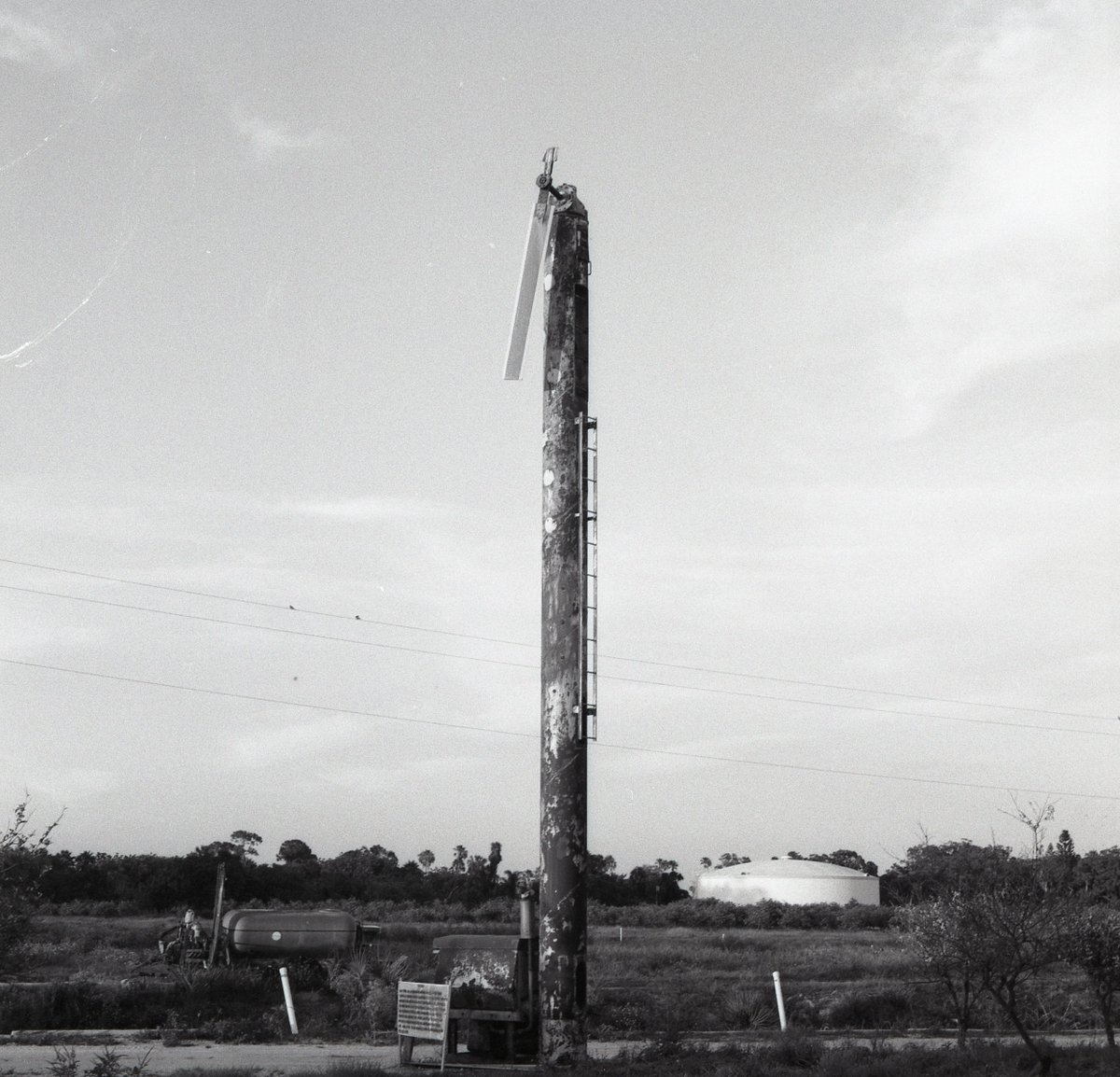
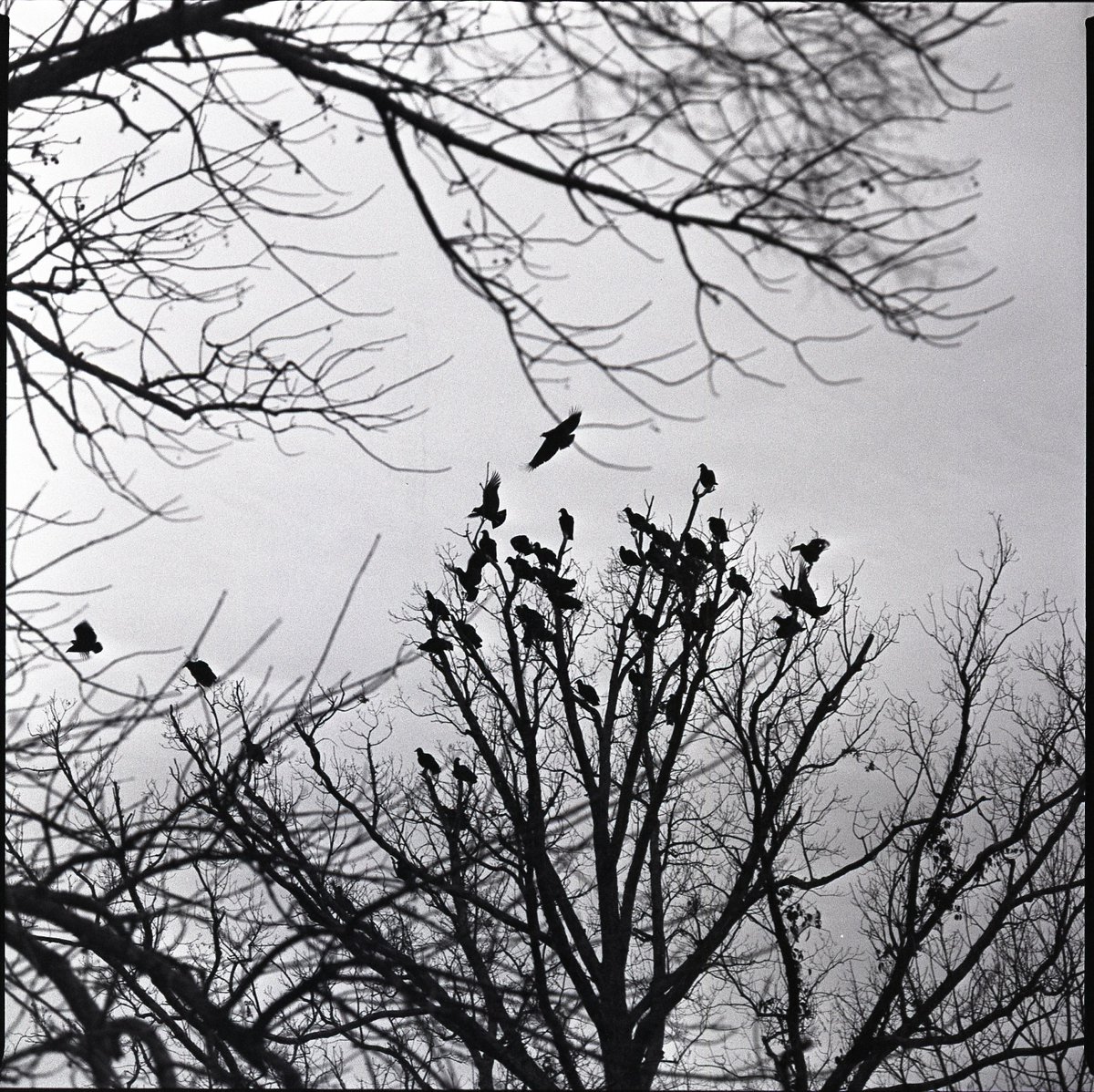
A David vs. Goliath story in which Goliath won.
Danny Corvid tweet mediaDanny Corvid tweet media
English
0
0
1
78
Danny Corvid retweetledi
Michael Brasher
Michael Brasher@2ndMississippi·
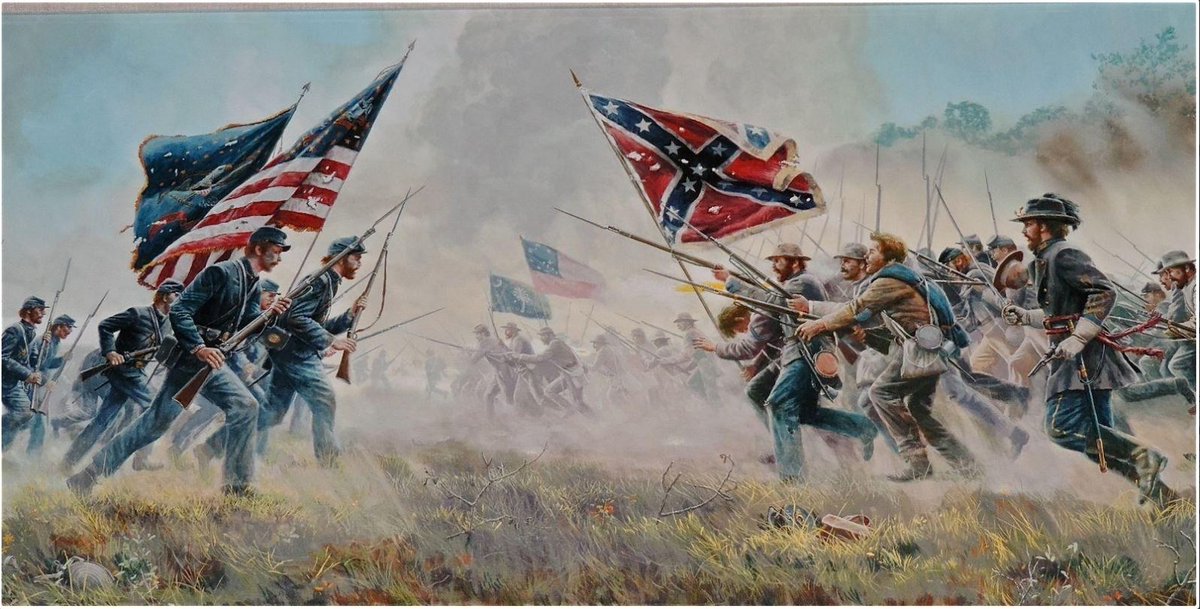
The Sound of Southern Defiance: Unraveling the Mystery of the Rebel Yell "At last it grew too dark to fight. Then away to our left and rear some of Bragg's people set up 'the rebel yell'. It was taken up successively and passed around to our front, along our right and in behind us again, until it seemed almost to have got to the point whence it started. It was the ugliest sound that any mortal ever heard -- even a mortal exhausted and unnerved by two days of hard fighting, without sleep, without rest, without food and without hope..." — Lieutenant Ambrose Bierce, 2nd Brigade, 2nd Division, XXI Corps, Army of the Cumberland, describing the last Union defenses on Horseshoe Ridge, September 20, 1863 There was a sound that came out of the Southern armies during those four years of war, and once a man heard it, he carried it with him to his grave. The Rebel Yell, they called it—though that name came later, after the thing itself had already done its work on a hundred battlefields from Manassas to Bentonville. It was more than noise, more than shouting. It was a weapon, same as the rifled musket or the Napoleon 12-pounder, and in its way it did as much damage to Federal morale as any piece of ordnance the Confederacy ever fielded. What it sounded like exactly is something we'll never quite recover, though Lord knows enough men tried to put it into words. They called it a high-pitched shriek, a "falsetto yelp," or—and this one captures something essential—"a foxhunt yip mixed up with sort of a banshee squall." Whatever else it was, everyone agreed on one thing: it was nothing like the deep, unified "huzzah" that came rolling out of Union formations. That Yankee cheer had a certain dignity to it, a parade-ground formality. The Rebel Yell had no dignity at all. It had something better. It had teeth. Where It Came From Now, a thing like this doesn't spring up out of nowhere. The roots of that yell ran deep into the red clay of Southern life, back before anyone dreamed of secession or war. Rural Southerners had been making wordless, piercing cries for as long as anyone could remember—out hunting, calling livestock, even at play. It was part of the texture of life in a country where a man might spend half his days in the woods with a pack of hounds. A Mississippi soldier who'd done his share of hollering on both sides of the war explained it this way: "Hunting fox, 'coons, 'possums, rabbits etc. has been all but universal in the South… Once the dog or dogs were on the track, yelling to them was inevitable… I have heard and given this yell since a mere lad. The so-called 'rebel yell' was only the hunter's yell, merged into the army." There it is, plain as can be. Those cacophonous cries that urged packs of hounds through the Southern bottomlands—what the old coon hunters called "yelling on the pack"—those same sounds found their way into the camps and charges of men who'd grown up making them. The citizen-soldier brought his voice with him when he came to war, same as he brought his squirrel rifle and his knowledge of the country. But that's not the whole story. There was something else mixed in, something older and wilder. People noticed early on that the yell bore a kinship to Indian war whoops—sounds that white frontiersmen had been imitating, and sometimes genuinely adopting, for generations. This was nothing new. During the Revolution, colonial fighters had charged with shrill whoops that unsettled their enemies considerably. At the Battle of King's Mountain in 1780, a Loyalist commander named Abraham DePeyster heard the backwoods militia coming and said something that deserves remembering: "These things are ominous — these are the damned yelling boys." Those Tennessee riflemen came on with unbridled shouts that one writer said "rang out… like the whoop of Indians!" and struck real fear into the British ranks. The thing had a pedigree, you see. James Adair, an eighteenth-century trader who lived among the Native peoples, told how while scouting against the Choctaw in 1775, "I immediately put up the war whoop" when he spotted danger. Another account from the Revolution has a Loyalist named James Moody describing his men as "well skilled in the Indian war-whoop," using hideous yells to panic patriots during raids. By the time the nineteenth century rolled around, white Southerners were thoroughly familiar with the idea of unleashing wordless, high-pitched battle cries. It was in their blood, you might say—part Indian imitation, part Celtic war-cry from Scotch-Irish ancestors, part something that belonged to the land itself. The habit persisted in military service, too. During the Second Seminole War, American troops faced Seminole warriors' shrill war-whoops and gave as good as they got. An army officer named John T. Sprague described a fight in Florida in 1837 where infantry charged and "the soldiers returned it with redoubled energy… Yell after yell reverberated through the dense foliage… the whoop… became louder and louder until the shrill voice of the savage was lost in the repeated imitations and shouts of the soldiers… the troops returning yell for yell." Even popular culture had gotten hold of it. A Davy Crockett almanac from 1847 advised frontiersmen to "pierce the heart of the enemy… and tarrify him with a rale injun yell." So by the time the guns opened up on Fort Sumter, the South's distinctive aural heritage—part hunting cry, part frontier whoop, seasoned with the war cry of the Gael—had given birth to something unique. A feral shriek waiting to be unleashed. And when Americans finally took up arms against each other, it was. "Yell Like Furies!" Confederate soldiers made that yell their signature from the very start. It wasn't something they learned at drill or read about in Hardee's Tactics. It came up out of them spontaneous-like, driven by excitement, fear, aggression—sometimes all three at once. They raised it especially during charges and counterattacks, those moments when a man needed to summon every ounce of courage he had and put some of it into the enemy. First Manassas, July 21, 1861—that's where legend places the yell's formal introduction to warfare, though in truth it had probably been heard in smaller scraps before. Stonewall Jackson's brigade was fixing to charge, and Jackson, who understood such things, gave them their marching orders: "Give them the bayonet… and yell like furies!" Charge they did, with a sound that one Confederate swore was heard by "the world… for the first time"—a scream that would echo across four years of killing. Whether that was truly the birth of the Rebel Yell or just its first big performance, Jackson clearly grasped its value. After that, officers regularly instructed their men to yell when attacking. The piercing racket served multiple purposes: it unnerved the enemy, it helped sustain the momentum of a charge—a wall of sound carrying men forward who might otherwise have faltered—and it did something for the men making it, too. It helped them master their own fear. Major Arthur Fremantle, a British observer traveling with Lee's army in 1863, took note of what Southern officers believed about their battle cry. "The Yankee cheer is much more like ours," he wrote, meaning the British hurrah. "But the Confederate officers declare that the Rebel yell has a particular merit, and always produces a salutary and useful effect upon their adversaries." Jubal Early, never a man to mince words, drew the distinction plainly in an official report after Fredericksburg: Confederate troops attacked "with the cheering peculiar to the Confederate soldier, and which is never mistaken for the studied hurrahs of the Yankees." That word "studied" tells you something. The Yankee hurrah was a coordinated, baritone affair—respectable enough, but it couldn't match the rebel scream for passion or effect. A Georgia soldier who'd seen both kinds up close put it in terms worth remembering. Union men charged "heads erect, shoulders squared… with a firm stride," shouting their hurrahs. Confederates came on "half bent… filling up gaps and trotting on with their never-ceasing 'ki-yi'"—unstoppable even as their ranks thinned. The yell was, as men described it, "individualistic, shrill and wild." It symbolized the Southern fighting spirit perfectly: decentralized but fierce, more pack of hunters than drilled regiment. And it wasn't just for offensive charges. Confederates let it loose at all kinds of moments—repelling attacks, celebrating successes, sometimes just as an emotional release in camp when spirits needed lifting. Once started, it spread like fire in dry grass. Veterans told how a single regiment's yell could ripple down a line of battle or through a column on the march, each unit taking it up in turn. One Confederate officer left us a picture of what that could feel like. Late in 1864, after beating back a Federal assault, "confident and rejoicing, they raised the rebel yell in Anderson's corps and took it up along the whole line… one could hear it on the right, then in front and then dying away in the distance on the left… Again the shout arose on the right – again it rushed down upon us… we caught it and flung it joyously to the left… The effect was beyond expression. It filled every heart with new life… men seemed fairly convulsed with fierce enthusiasm." That tremendous wave of sound, preserved in a postwar account that Douglas Southall Freeman later quoted, shows something important: what sounded "ghoulish" to the enemy was "sweetest music" to the boys in gray. Victory and camaraderie and defiance, all rolled into one unholy chorus. Here's a curious thing, though. Despite how common that yell was on battlefields, you'll search the official records mostly in vain for mention of it. Civil War officers writing their after-action reports focused on maneuvers, casualties, objectives—not the din of battle. The yell was so universal a feature of Southern attacks that it simply went without saying. As one postwar writer observed, it "did not need mentioning, being as natural as gun-smoke on the field." But in letters home, in diaries, in the reminiscences that old soldiers set down decades later—there the yell roars across the pages, testimony to just how much it mattered to the men who made it and the men who heard it. "The Ugliest Sound" For those on the receiving end, the Rebel Yell was something else entirely. Union troops, most of them anyway, had never heard anything like it. They struggled to describe the thing, reaching again and again for comparisons to beasts or demons, as if the human voice alone couldn't account for such a noise. Ambrose Bierce—then a young lieutenant in the 9th Indiana, later one of America's finest writers—fought at Shiloh and Chickamauga and never forgot the sound. He called it "the ugliest sound that any mortal ever heard — even a mortal exhausted and unnerved by two days of hard fighting, without sleep, without rest, and without hope." That word "ugliest" is precise. Not loudest. Not strangest. Ugliest. The yell seemed to reach inside a man and work on his courage directly. Veterans of a Wisconsin regiment, looking back years later, agreed with Bierce in their own colorful way: "And that yell, there is nothing like it this side of the infernal region, and the peculiar corkscrew sensation that it sends down your backbone… can never be told." You have to feel it, one Federal said—hearing about it doesn't begin to capture the thing. Early in the war, Northern boys made jokes about the yell. They said it sounded "like a lot of schoolboys at play," or a pack of yelping foxhounds, and some even derided it as effeminate—all those high notes, you know. But familiarity bred respect, and then some. A Union officer named Gilbert Hays admitted it plainly: "Though we made fun of it at first, we grew to respect it before the war was over." The men who emitted that shrill "ki-yi" were deadly serious, and the men on the receiving end learned that lesson the hard way. Chancellorsville, May 1863—that's where a lot of Federal soldiers got their education. The Eleventh Corps was surprised by Confederates erupting from the wilderness with their eerie scream leading the way. An Ohio soldier from the 55th Regiment, caught in that rout, described the moment: "At last the storm signal reached us. From away to our rear and close at hand upon our right came the 'Rebel yell.' Comrades of the Fifty-Fifth have all heard that shrill note and know how it stirs the blood and calls out all the impulses of resistance. [But] the men on the right… began to come back in panic." The yell heralded what was coming, and in this case it helped break the Union line almost before the fighting proper began. A French volunteer watching from Hooker's headquarters was struck by what he called an unearthly chorus of triumph. The Confederates, he reported, "all… roar like beasts," and he watched packs of Union soldiers—"close-packed ranks rushing like legions of the damned"—flee before those oncoming howls. The descriptions Union men left behind are remarkable in their variety, all of them reaching for something just beyond language: "a wild, weird, penitentiary sort of scream"... "the shrill yells of the Rebels, mingled with the hoarser cheers of our own men"... "a womanish scream like a panther's caterwaul." A Union doctor remembered being startled at dusk by "the 'Ki-yi! Ki-yi!'… that peculiar yell they have. It sounds like a lot of school boys just let loose." To Northern ears, the Rebel Yell seemed to erupt from the primitive depths of the human throat. Men compared it to "the scream of a cougar," to "demons howling." At Gettysburg, a Union artilleryman watched a Confederate charge come on with the familiar "Hi-yi!"—driven, he said, by "a savage courage of baited bulls." The sound carried dread even when battle wasn't imminent. During the siege of Vicksburg, a Northern-born civilian woman wrote in her diary of the terrible noise outside the city: muskets cracking, artillery thundering, and "added to all this is the indescribable Confederate yell, which is a soul-harrowing sound to hear." There was a saying in the Union ranks that survivors remembered long afterward: "If you claim you heard the Rebel Yell and weren't scared, that means you never heard it." That about sums it up. Describing the Indescribable So what did the thing actually sound like? This is where we run up against the limits of the written word, because everyone who tried to capture it ended up reaching for metaphors and comparisons that admitted their own inadequacy. Still, the attempts tell us something. Sidney Lanier—a young Georgia soldier who later became one of the South's finest poets—wrote an evocative description in his wartime novel Tiger Lilies. He conjured a charge where "From the right of the ragged line now comes up a single long cry, as from the leader of a pack of hounds who has found the game. This cry has in it the uncontrollable eagerness of the sleuth-hound, together with a dry, harsh quality that conveys an uncompromising hostility… It is a howl, a hoarse battle-cry, a cheer, and a congratulation, all in one." There's the thing in miniature: excitement, fury, joy, bloodlust—contradictory emotions fused into one chilling sound. Colonel Keller Anderson of the Kentucky Orphan Brigade went further still, trying to capture not the melody of the yell—there was none—but its sheer, terrifying timbre: "Then arose that do-or-die expression, that maniacal maelstrom of sound; that penetrating, rasping, shrieking, blood-curdling noise that could be heard for miles and whose volume reached the heavens — such an expression as never yet came from the throats of sane men, but from men whom the seething blast of an imaginary hell would not check while the sound lasted." That's a single breathless sentence that does its level best to convey the otherworldly madness the yell embodied—a sound seemingly beyond mortal capability, fueled by battle-frenzy that bordered on the insane. Even the foreign observers, presumably more detached than the combatants, found themselves mesmerized. William Howard Russell of the London Times attended early battles and noted that "the Southern soldiers cannot cheer… What passes muster for that jubilant sound is a shrill, ringing scream with a touch of the Indian war-whoop in it." Fremantle, watching Pickett's men go forward at Gettysburg, observed that a Confederate assault was invariably accompanied by that "yell in a manner peculiar to themselves." He noted that a Southern regiment's quality was sometimes judged by its shouting—a detail that tells you how seriously the men took the matter. Union observers, when they had time to think rather than just run, offered their own attempts. Surgeon George T. Stevens contrasted "the vigorous, manly cheers of the Northern soldiers, so different from the shrill yell of the Rebels." Others described it as a high-pitched "ki-yi"—not a deep-chested cheer but almost a canine yelp. The New Orleans Times-Picayune, hearing Confederate troops, wrote: "It paragons description, that yell! How it starts deep and ends high, how it rises into three increasing crescendos and breaks with a command of battle." That detail about the waves and crescendos appears in multiple accounts. The yell came in ululations, rising and falling across the ranks rather than one sustained roar. This gave it an inhuman character—more akin to packs of animals baying than to any European battle cheer. What Remained When the guns finally fell silent in 1865, the Rebel Yell went on living. It became an object of pride and nostalgia for Confederate veterans, a subject of curiosity and even romance for later generations. At reunions and memorial gatherings, aging soldiers would occasionally let loose that piercing yell—thin-voiced now, but unmistakable—whenever "Dixie" was played or the old feelings stirred. They startled onlookers and transported themselves back to youth and war in the same instant. At the fiftieth and seventy-fifth anniversary gatherings at Gettysburg, old men in gray demonstrated the yell for posterity. The recordings made in the 1930s revealed a "wa-woo-woohoo" shriek—a chilling echo of the past that confirmed the Rebel Yell was no mere "yee-haw" cowboy shout. It was something stranger and older. Beyond the veterans, the yell became an enduring symbol of the Confederacy in Southern memory and American culture generally. It appeared in novels and paintings—from Margaret Mitchell's Gone With the Wind to Mort Künstler's dramatic canvas With a Rebel Yell. The phrase itself entered the language, signifying wild enthusiasm or defiant spirit. Businesses and products adopted the name, trading on its association with bold Southern fervor. There's even a bourbon whiskey called Rebel Yell, which would probably have amused the men who made the original sound. But beneath all that later cultural overlay, the historical reality remains compelling. Modern scholars trying to trace the yell's origins have found that multi-layered inheritance we've already described—part Celtic war-cry, part frontier whoop, part hunting call. The historian Grady McWhiney observed that the yell served a deeply practical purpose for the men who used it: it helped them master their fear. One Confederate admitted as much: "I always said if I ever went into a charge, I wouldn't holler! But the very first time I fired off my gun I hollered as loud as I could and I hollered every breath till we stopped." There it is—the simple truth beneath all the legend. The yell gave men courage when courage was hardest to come by. More than 160 years have passed since those sounds echoed across American battlefields. Craig Warren, who studied the phenomenon closely, called it "a ferocious and unnerving battle cry" whose "power… made its way from memory to legend." We may never recreate the exact sound that sent that "corkscrew sensation" up Union spines, but through the testimonies that survive, we catch a glimpse of its essence. The Rebel Yell was the sound of Southern defiance—a raw, fearsome howl born of hunts and wars, terror and triumph. It symbolized the Confederate soldier's particular spirit on the battlefield, a cry at once "ghoulish" to enemies and "sweet music" to friends. In the end, the echoes of that yell remind us that the Civil War was not only a clash of armies and ideals but a clash of cultures—one of which expressed its fierceness in an uncanny scream that, once heard, was never forgotten. Painting: "With a Rebel Yell" by Mort Künstler
Michael Brasher tweet media
English
13
35
259
7K
Danny Corvid
Danny Corvid@CorvidDanny·
@jooacl Reminds me a lot of Gades, "The Sinistral of Destruction" from the Lufia series.
English
1
0
0
138
jooacl_art
jooacl_art@jooacl·
link to the full project in the coments!
jooacl_art tweet media
English
39
1.1K
13.5K
235.8K
Danny Corvid
Danny Corvid@CorvidDanny·
The time is right, your perfume fills my head, the stars get red and, oh, the night's so blue And then I go and spoil it all by sayin' something stupid like "I love you"
English
0
0
0
176
Danny Corvid
Danny Corvid@CorvidDanny·
My silver laced Wyandottes were such lovely ladies, I miss them. They were such troopers in the winter.
English
0
0
1
116
Danny Corvid
Danny Corvid@CorvidDanny·
Finally got around to scanning the first roll of film I shot with my Bronica SQ-A, all of these were just test-shots with my chickens as models. #6x6film #120film #analog
Danny Corvid tweet media
English
1
0
2
0
Danny Corvid
Danny Corvid@CorvidDanny·
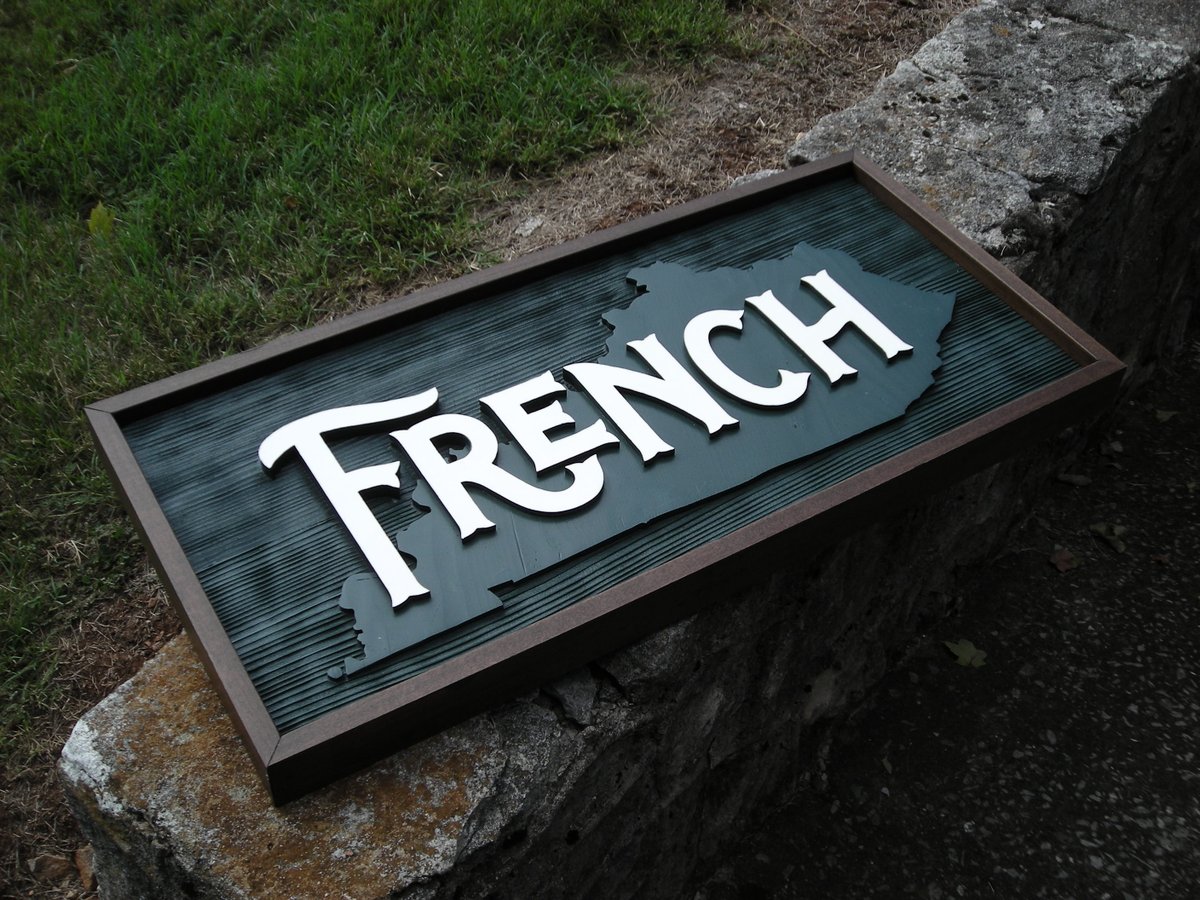
Wedding gift for a friend. Not sure they liked it, but oh well. Sandblasted cedar with hidden cleat.
Danny Corvid tweet mediaDanny Corvid tweet media
English
0
0
1
190
Danny Corvid
Danny Corvid@CorvidDanny·
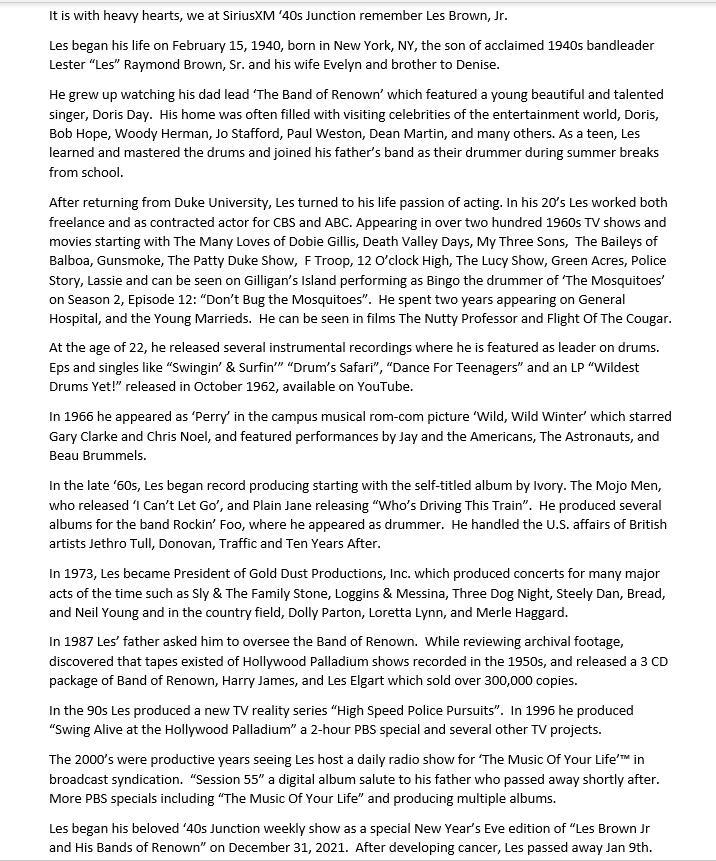
@40sJunction Such an intelligent and articulate man, with a voice that could really bring a story to life. Very saddening to hear.
English
0
0
2
71
Danny Corvid
Danny Corvid@CorvidDanny·
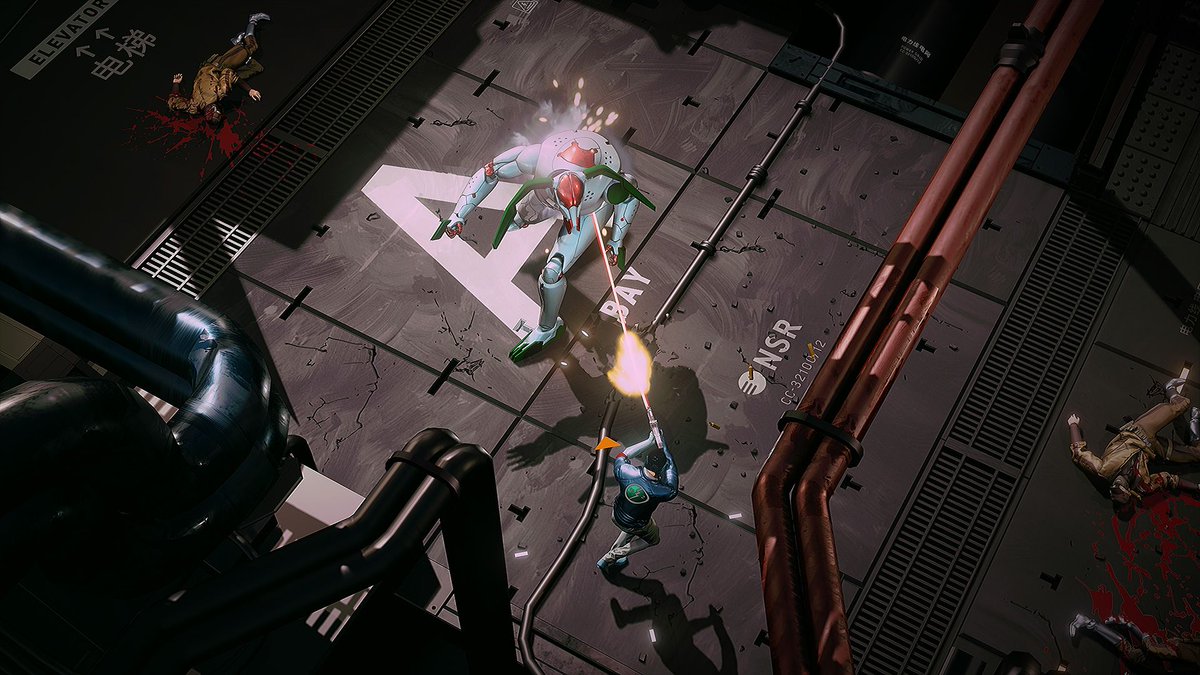
@ruinergame Never seen this one before, looks like an early build. Cool!
English
0
0
1
0
Danny Corvid
Danny Corvid@CorvidDanny·
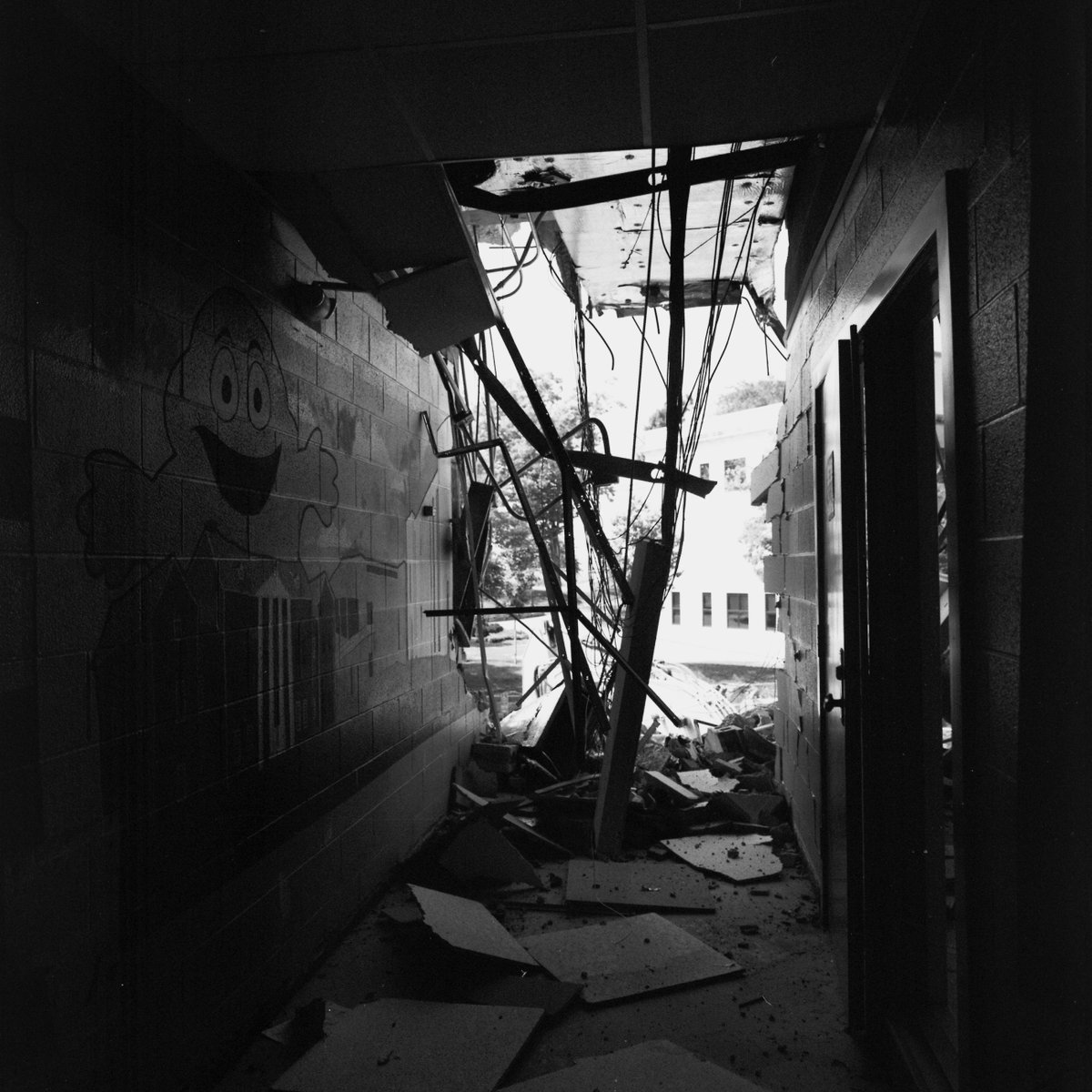
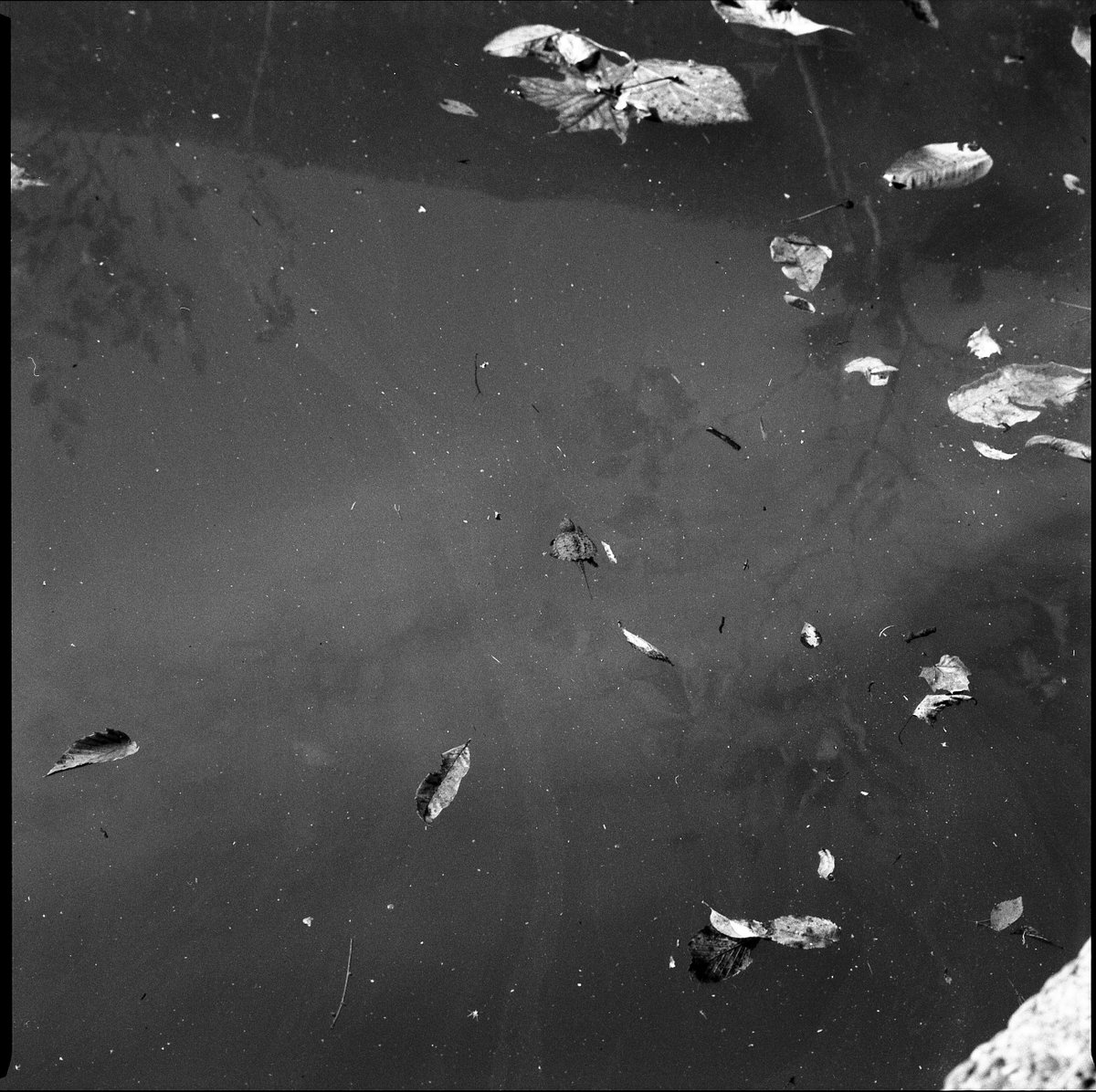
Just one lonely blade.
Danny Corvid tweet media
English
0
0
1
0
Danny Corvid
Danny Corvid@CorvidDanny·
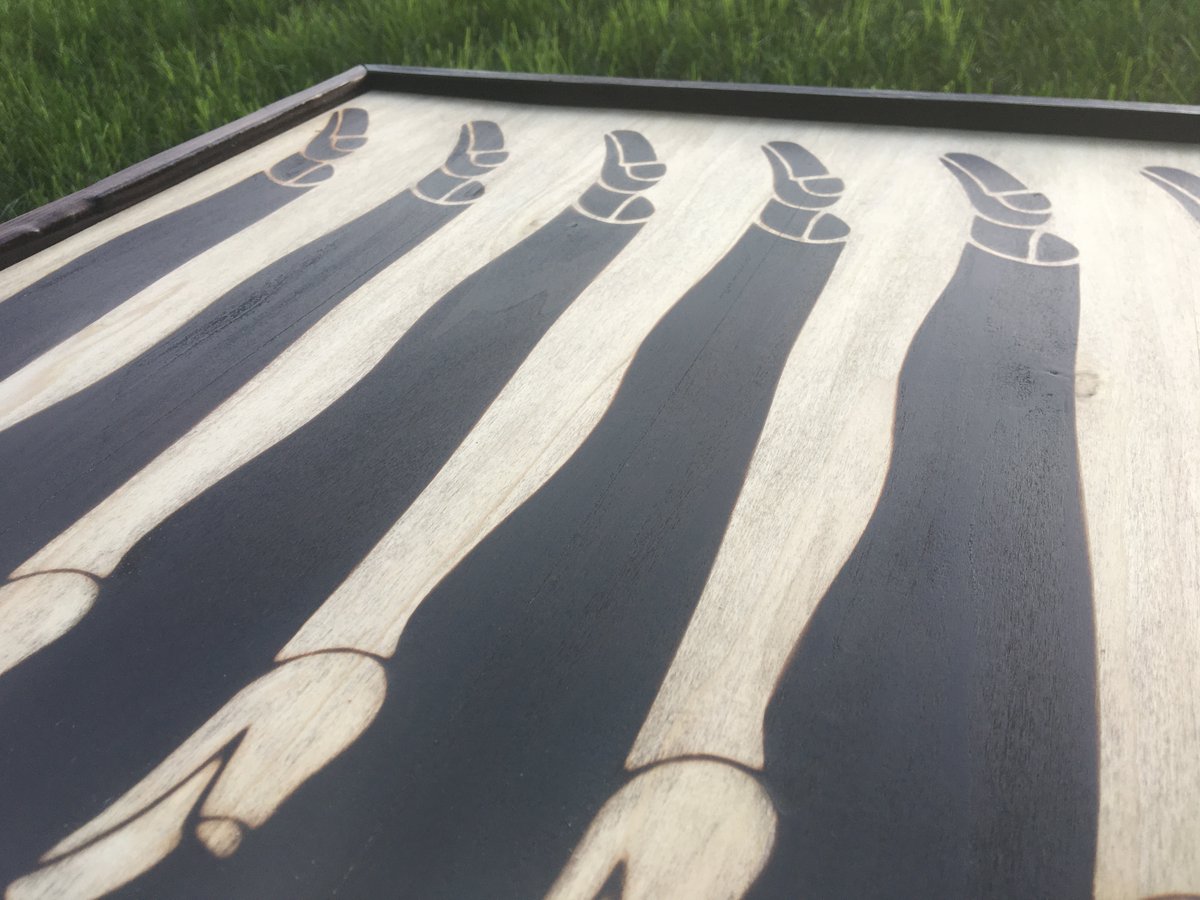
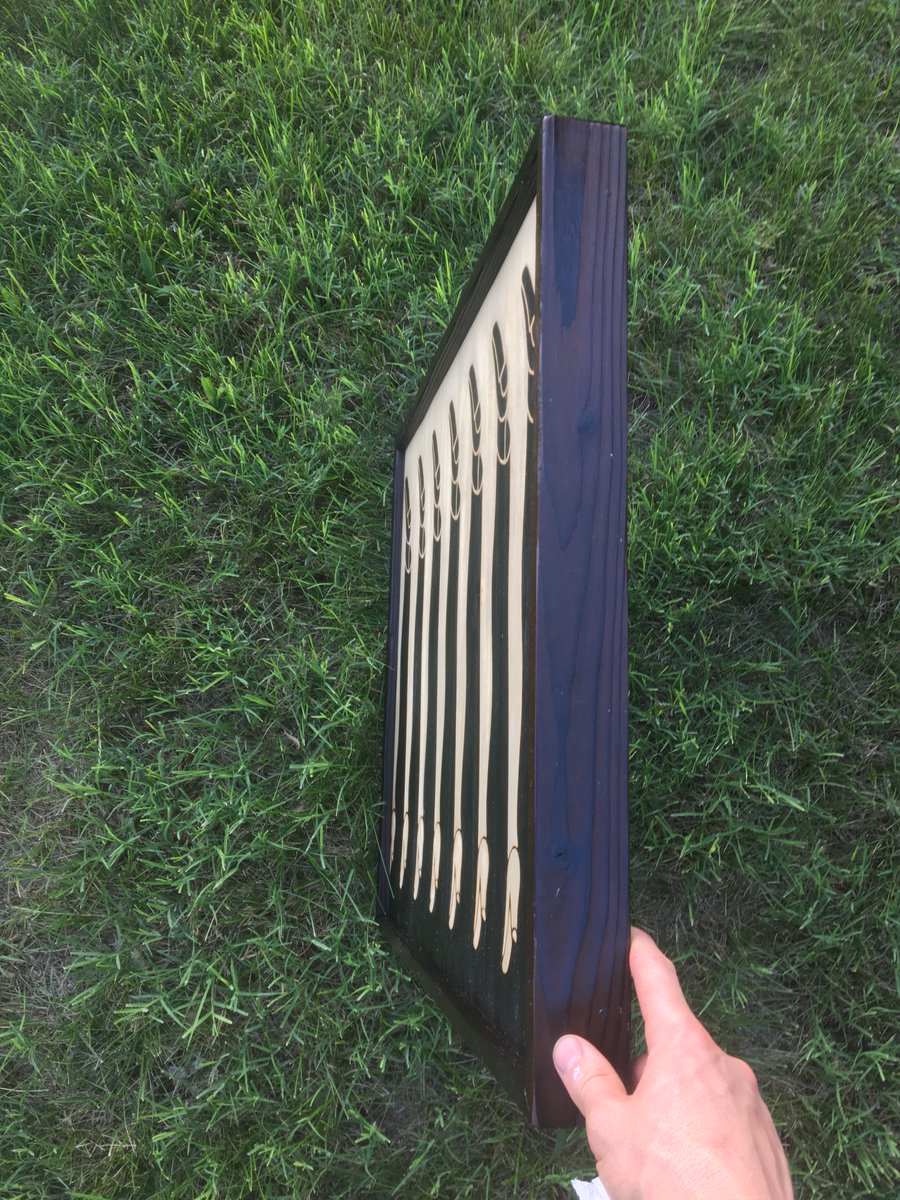
An experiment, it's a #ShigeoFukuda design, recreated using #shousugiban style wood burning- no ink etc. It's a heavy piece for its size- the front is solid hardwood over a second layer of MDF. Designed to add mass to exterior walls to help block sound. Not perfect, but it's ok.
Danny Corvid tweet mediaDanny Corvid tweet mediaDanny Corvid tweet media
English
0
0
1
0
REIKON | RUINER 2
REIKON | RUINER 2@Reikon_official·
Lo and behold! Final Form (working title) has been unveiled! In this action-packed, epic sci-fi FPS you will take on the role of a sentient starship and its replicable machine-girl avatar on a mind-bending journey through space and time. #ruiner #e3 #finalform #SummerGameFest
English
18
97
333
0