
Courtesan Brixton
2.5K posts


Courtesan Brixton
@CourtesanDimSum
Courtesan offers the finest modern Dim Sum and carefully selected Teas, Wines and Cocktails for discerning Ladies and Gentlemen of adventure 02081278677
69-73 Atlantic Rd, Brixton Katılım Nisan 2012
817 Takip Edilen1.2K Takipçiler

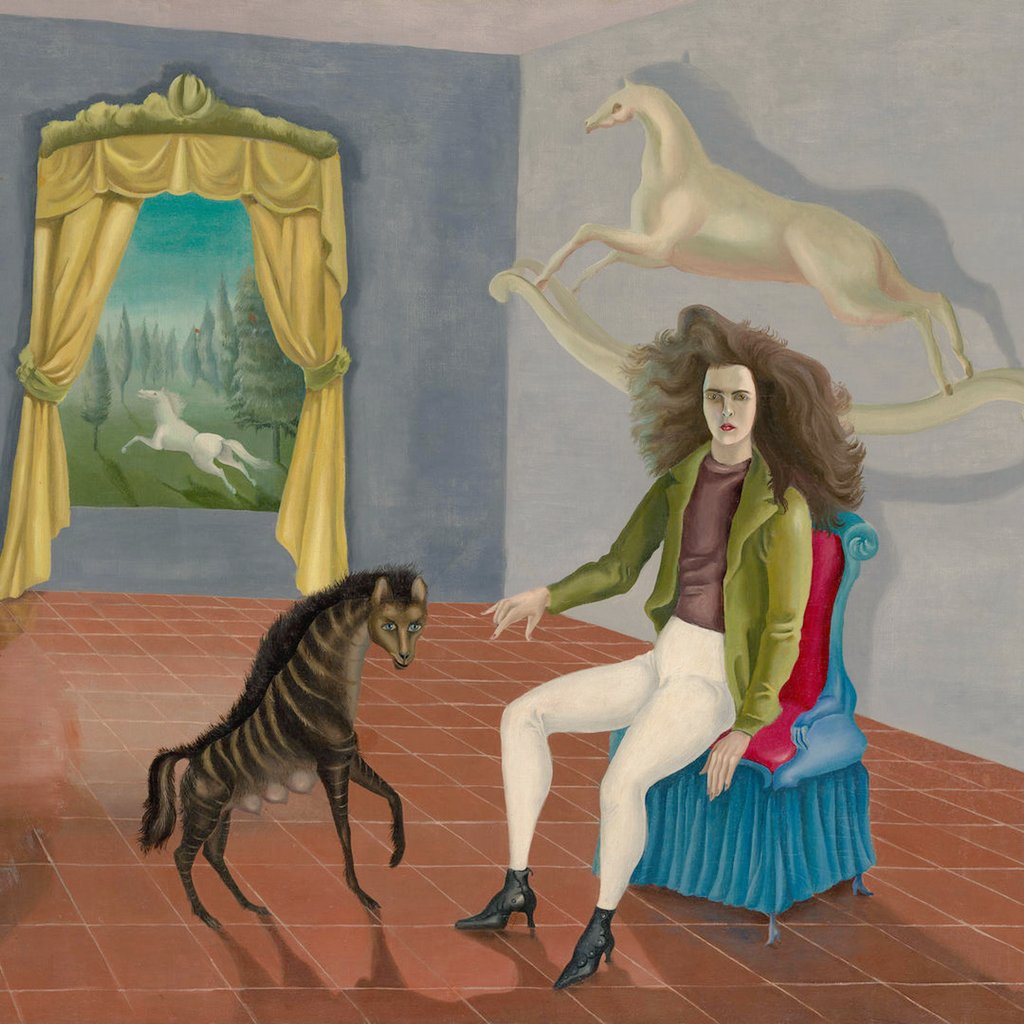
'I didn’t have time to be anyone’s muse... I was too busy rebelling..."
- Leonora Carrington (1917-2011)
UK artist
#InternationalWomensDay

English
Courtesan Brixton retweetledi

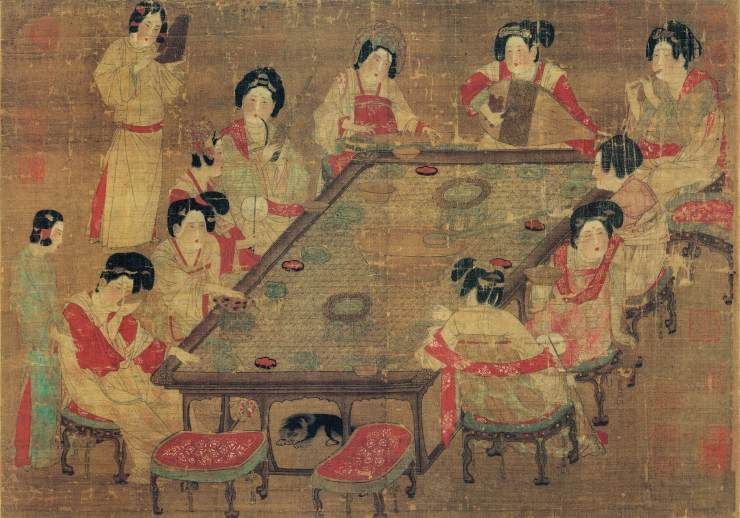
Painted sometime between the 7th and 10th centuries, A Palace Concert(《唐人宮樂圖》) opens a quiet door into Tang Dynasty refinement. Ten court ladies, hair sculpted into towering buns, gather in flowing silk around a low table of tea, perched on crescent stools over woven bamboo. Music hums without being heard; two maids hover in practiced silence. Yet it’s the empty seats, closest to your gaze, that linger. They dissolve time, inviting you into an intimate ritual of leisure, hierarchy, and feminine presence, where elegance becomes power and stillness speaks louder than sound.
#painting
English
Courtesan Brixton retweetledi

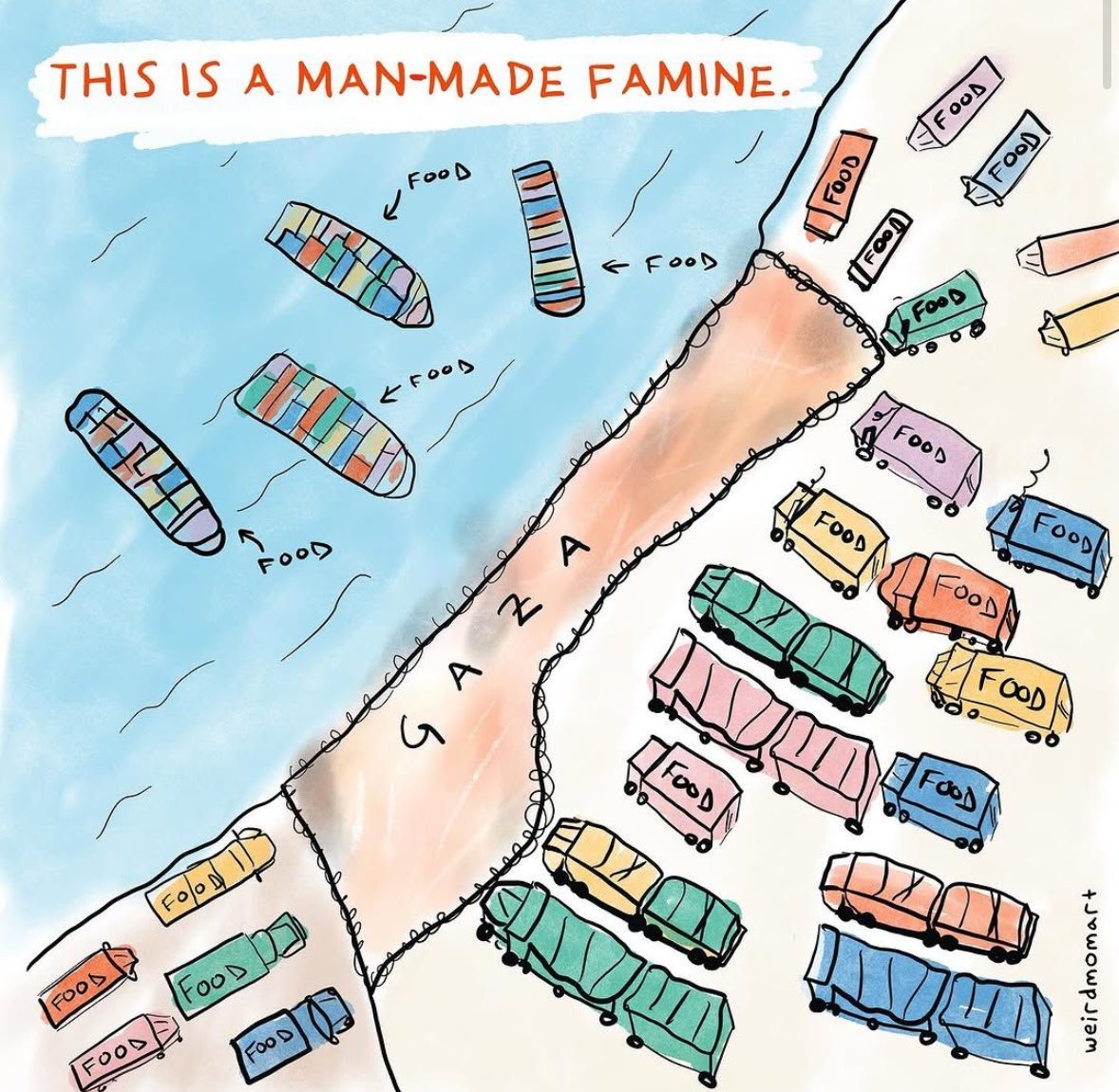
As you are busy with joint Israel-US strikes on Iran, Rafah was closed. Gaza's borders are closed indefinitely. Israel cuts Gaza off from world again.
A 'ceasefire' in Gaza that still blocks food and aid isn’t ceasefire.
UN and all NGOs in Gaza urgently need more food, medicine, medical equipment, fuel, tents, personal care every day. We cannot wait.
One million women and girls are starving in Gaza in the cold.
Open the gates. Let aid into Gaza now!
English
Courtesan Brixton retweetledi
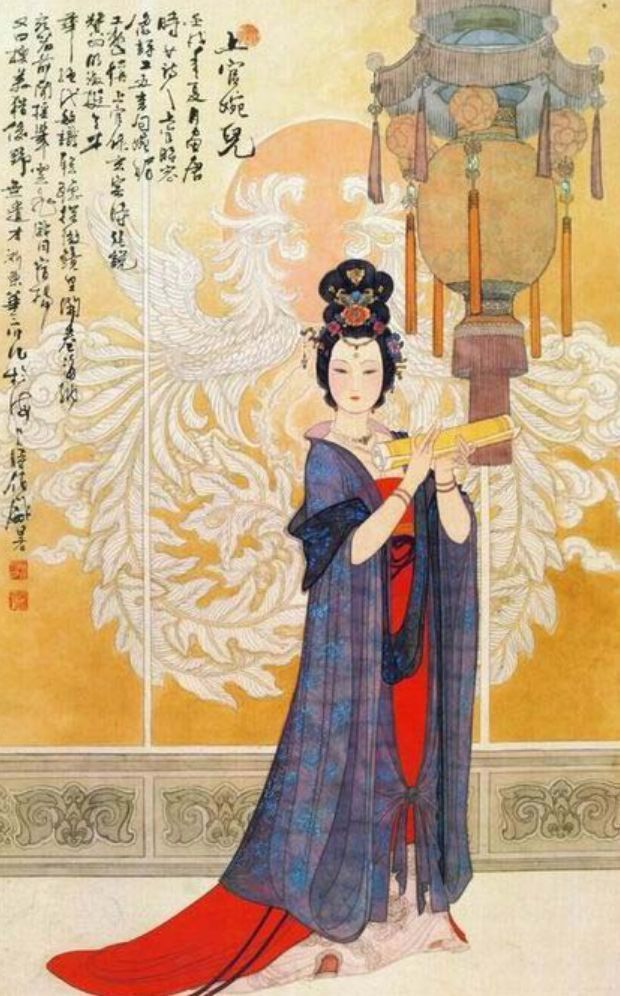
In the Tang Dynasty, Shangguan Wan'er(上官婉兒, c. 664 – 21 July 710) rose from precocious talent to political nerve. Chosen at fourteen for her writing, she drafted imperial edicts for Wu Zetian, earning the name “female prime minister.”
Poet, critic, and power broker, she shaped court policy and refined its literary taste. Folklore claims that when her intellect crossed imperial will, punishment followed, words carved into her forehead, a body marked for a mind too sharp to silence. Killed in the coup of 710, her voice survived power.
🎨 Hua Sanchuan
English
Courtesan Brixton retweetledi

#MISSING | Have you seen Lawson, 76? Last seen in Brixton town centre on Sunday, 1 March. Wearing a blue knitted hat, white shirt and carrying a white coat. If you have any info please call 101, quoting 3801/01MAR26.

English

@Maximumatheist An effective way to bestow hatred to a minority group. Create a plausible scenario, avoid direct accusation, pick a unique characteristic that enables discontent and light the match, no way to verify the overt storytelling and plot holes, then sit back and watch the flames rise
English


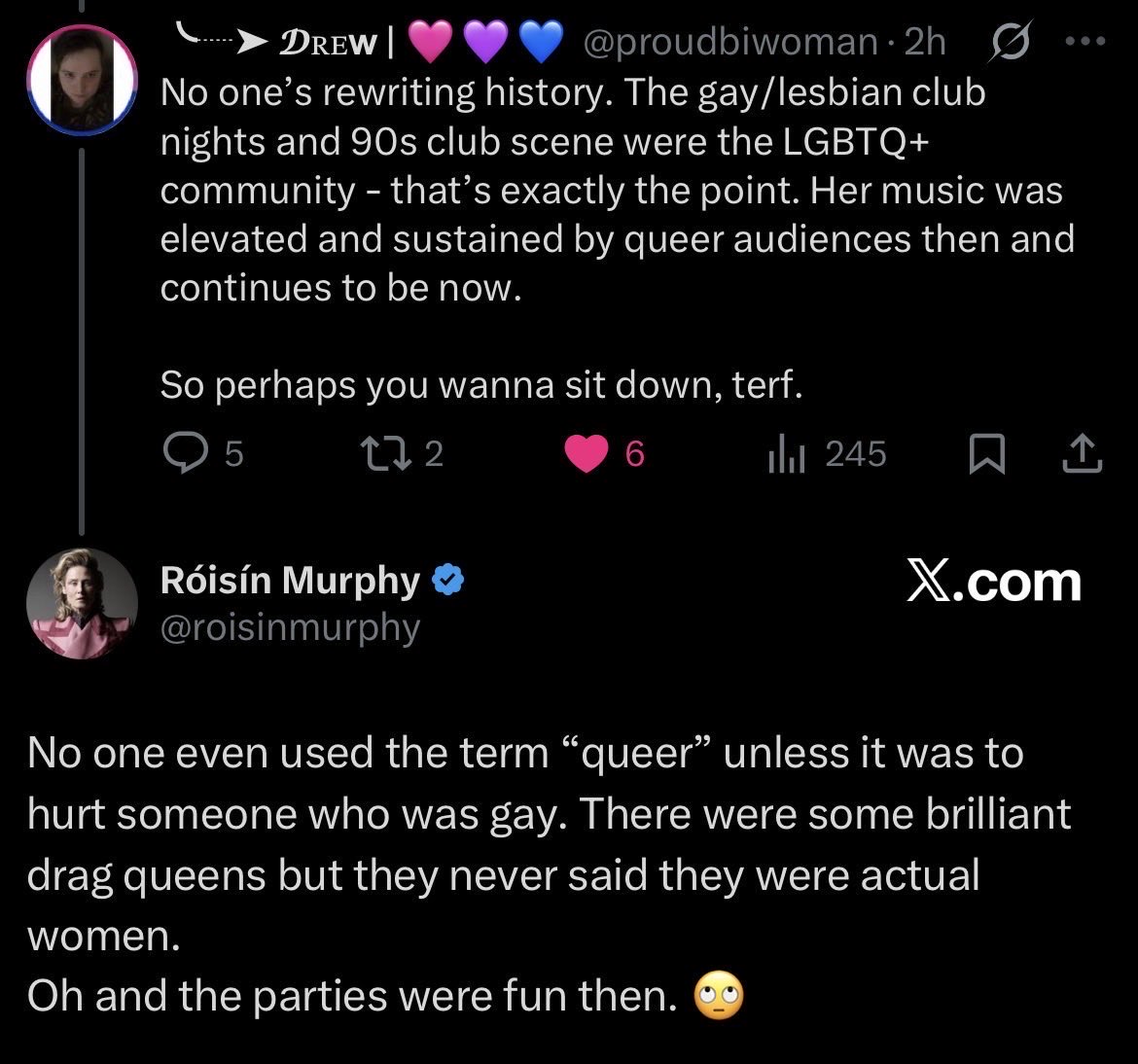
@simonlevans @roisinmurphy Queer Nation was inaugurated by legends Eric Yu now at Opium and Patrick Lilley who glides as a councillor in Soho. These are the opinions to seek, not the etymologically illiterate.
English

Hi @roisinmurphy
I used to go to a gay club night called Queer Nation in Brixton in 1990.
Try again.
English
Courtesan Brixton retweetledi

Courtesan Brixton retweetledi
Goumang, the divine herald of spring, soars through Chinese #mythology with a bird’s body, human face, and dragons at his side. Guardian of growth, wood, and Jupiter’s gentle influence, he awakens the world from winter’s hush.
In ancient rites, offerings were made to invite his renewal; in later ages, his image softened: reborn as a shepherd boy on an ox, guiding the year’s first green shoots.
From myth to folk art, Goumang endures as the living breath of spring itself.
🎨 Shan Ze

English
Courtesan Brixton retweetledi

A rare glimpse into an initially deleted scene from ‘Breakfast at Tiffany’s’ (1961), featuring Beverly Powers as a burlesque dancer, Audrey Hepburn and George Peppard.
English
Courtesan Brixton retweetledi

12 MORE ICONS OF JAPANESE CULTURE WHICH HAVE CHINESE ORIGINS
12. Karate
NOT Japanese in origin, but Chinese.
This is one amazing story.
In the 1300s, experts in Chinese martial arts travelled to an island kingdom called Ryukyu and shared their skills. The Japanese samurai invaded the island in 1609 to create a puppet state—and banned the carrying of weapons.
The people of Ryukyu refined their Chinese martial arts skills to create a weapons-free way of combat with which to defend themselves. They called it kara-te 唐手, which translates to "Chinese hand". This was later changed to “empty hand”.
.
QUICK NOTE: This is part two of a series. In the widely viewed first section last week, we featured ramen, bonsai, green tea, Zen Buddhism, the Kimono and so on.
.
11. The Parasol
What could be more Japanese than the parasol, as used in countless images of women in kimonos? While umbrellas evolved separately in multiple places around the world, the delicate, collapsible oil-paper parasol to shield you from the sun was created in China and spread to Japan.
.
10. Mochi and Manju
Mochi is a type of chewy cake made of pounded rice which is synonymous with Japan. But it was probably first imported from China in 300 BC, historians say. In Japan, the written character for 'mochi' is the Chinese word for 'cake', and Hong Kong still has an item called "loh máih chìh".
Then there’s the Japanese manju, a stuffed bun. A Japanese monk named Enni visited China and got the recipe for steamed buns. On his return to Japan in 1241, he went to see a teahouse owner who had been generous to monks, who had to beg for food.
He gave the recipe to the teahouse boss and wrote a sign saying “Place to eat Manju”—a sign now preserved in a Japanese museum.
.
9. The Geisha
Geisha is the Japanese name for ornately dressed women who are officially entertainers, but many see the term has having sexual overtones. The modern tradition echoes the female entertainers tradition of the Heian-kyo period beginning in AD 794, which in turn appears to have been influenced by the Geji, women in China who provided musical entertainment and other sorts of entertainment to men from a long time ago, all the way back in 260 BC.
.
8. Koi
Koi, the ornamental fish used in garden ponds, is actually a type of carp that has been raised in fish-farms for centuries. These aquaculture centers existed in Japan since the 19th century and in China since the fourth century BC. But it must be said, while both countries celebrate these beautiful fish, the breeding techniques developed to create varieties of multicolored koi are very much a Japanese skill.
.
7. The Shamisen
The Geisha women, mentioned earlier, often played the shamisen, a three-stringed instrument structured like a banjo. It originated in China as the sanxian, and likely travelled to Japan via Korea and or the Ryuku islands in the 1560s.
.
6. Noh theatre
Some readers asked whether Kabuki theatre had Japanese roots. The answer is no. But Japan’s other theatre tradition, called Noh, stems from a Chinese performing art called sangaku which included music, acrobatics and illusions. It crossed the waters to Japan in the eighth century.
.
5. Miso and Soy
Miso is a savory Japanese seasoning made from fermented soy beans, often used as the basis of miso soup. While savory condiments were made in Japan since prehistoric times, the use of fermented soy foods developed in China in the third century BC. This processed food was introduced to Japan, along with Zen Buddhism, in the sixth century AD.
A closely related item is soy sauce. Today, because of the success of the Japanese Kikkoman brand, many westerners think soy sauce is Japanese. The taste is fine, but gourmands often note that the original soy sauce from China is simultaneously more savory and slightly sweeter. Try them both.
.
4. Dragons
Japan is obsessed with dragons – military squadrons call themselves dragons, as do Yakuza groups, and there are dragon parades and entire mythologies about the mysterious ancient beasts. But the words used in Japanese reveal the concept's Chinese origins. The oldest reference to a dragon anywhere in the world is an image from China that is seven millennia old – yep, that’s not a misprint – it’s seventy centuries old.
.
3. Gyoza
Many westerners love gyoza, which they think of as Japanese fried dumplings. But food historians know they are simply the Japanese version of the age-old Chinese dumpling known as Jiaozi.
.
2. Bowing
For millennia, the Chinese used bowing as a common way to show respect, both in the temple to the ancestors, and in society to high-ranking people. It was adopted in Japan in the 7th century to become part of samurai etiquette. Gradually, it spread throughout Japanese society, where it became a common greeting.
.
And now we come to number one: The name Japan.
The name Japan is actually from China.
From the Chinese point of view, the islands to the east are the place from where the sun appears every morning. So they called it “sun origin”. The pair of characters was pronounced something like this: jrr-bnn.
With regional variations, jrr-bnn became ja-pan, ni-pon, ni-hon, je-pang and so on.
It’s interesting to note that even the flags of Japan are based on the Chinese point of view—they show the rising sun.
Now from the point of the indigenous people of that land, of course, it was NOT the place where the sun rose. From their point of view, the sun rose not from their island, but from somewhere distant in the Pacific Ocean.
So the concept of these islands as a place called Japan, as the Land of the Rising Sun, is in itself a Chinese concept.
.
THE OTHER SIDE
Okay, that’s 12 more ideas on this theme. Want to add others? Or dispute the ones just mentioned? Go right ahead. I’m always willing to learn.
Some people asked for examples of trends which go the other way—I can immediately think of one. The lucky cat you see in shops in China are assumed to be Chinese but seem to have originated in Japan. If you have more examples, I’d like to hear them.
Peace.
English
Courtesan Brixton retweetledi
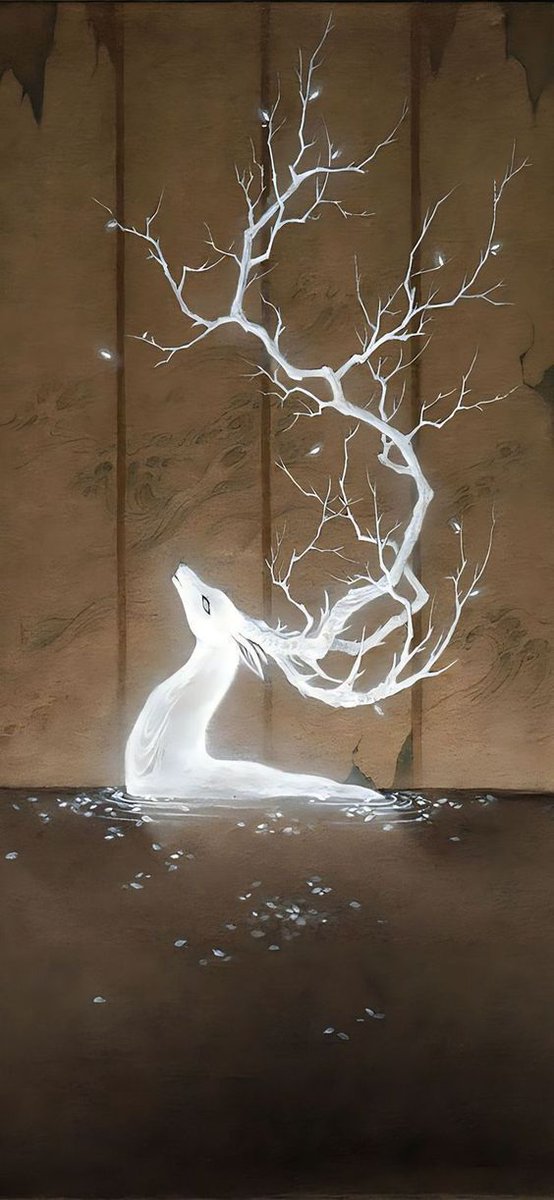
In Chinese mythology, glimpsing Fu Zhu, a gentle white deer with four horns, was no blessing.
Despite its serene appearance, this rare beast was an omen of devastating floods. Its presence signaled nature out of balance, a warning cloaked in elegance.
🎨 Fu Zhu, by Shanze
English
Courtesan Brixton retweetledi

Rather than looking at raising taxes on Independent Hospitality businesses, the Chancellor should take aim at the huge corporates.
Starbucks last year didn't pay a penny in corporation tax.
Support your local independent businesses.
English
Courtesan Brixton retweetledi

Hospitality is being #TaxedOut - here's what some of London's independent operators have to say ow.ly/k31a50XhtHB
English
South London women should all have "formidable." after their names alongside any other professional titles they may have accumulated.
English
Courtesan Brixton retweetledi

September is #GynaecologicalCancerAwarenessMonth💜
More women die as a result of ovarian cancer each year in the UK than all of the other gynaecological cancers combined, yet symptoms awareness is critically low.
➡️ Learn the symptoms and share this post to help someone.

English
Courtesan Brixton retweetledi


@spiritsbusiness A fearless leader who will lead again.
English

Fawn Weaver loses control of Uncle Nearest
ow.ly/UKQa50WGtOW
English