Coville Philippe

1.3K posts

Coville Philippe

Coville Philippe

@CovilleP

Citoyen engagé pour meilleure sécurité médicamenteuse des francais, Association Fluoroquinolones France, Ing. ESIEE Paris, MBA IAE de Paris Panthéon Sorbonne

Paris Katılım Kasım 2011
319 Takip Edilen186 Takipçiler
Coville Philippe retweetledi

Marine Martin
Marine Martin@_MarineMartin·
Ds @NousDeuxMag le témoignage de @MarionMayet2 fille #Dépakine qui comme de nombreux enfants victimes de la #Dépakine ont du subir le harcèlement scolaire du à leurs différences. #Sanofi doit assumer sa responsabilité et indemniser ces victimes! @apesac1
Marine Martin tweet media
Français
0
5
9
347
Coville Philippe retweetledi
Marine Martin
Marine Martin@_MarineMartin·
This is very important for victims of #valproate #epilim because the facts are too often used against them. In France,we have succeeded in getting #Sanofi convicted, but there are hundreds of thousands of victims around the world who are still waiting #europeancourt @ShaunLintern
Marine Martin tweet mediaMarine Martin tweet media
English
0
5
9
297
Coville Philippe
Coville Philippe@CovilleP·
@zersinan1 Le scandale des #fluoroquinolones est là depuis 6 ans avec 100.000 prescriptions par mois dangereuses en violation de tous les principes de la médecine par pur négligence et dans un rapport bénéfices/risques négatifs
Français
1
0
0
8
Coville Philippe retweetledi
gewurztraminer
gewurztraminer@benabarr·
Le président Zelensky ne peut pas être pris au sérieux car il est un acteur ? Une vidéo d’archives qui devrait faire le tour du monde :
Français
507
3.6K
11.4K
740.1K
Coville Philippe
Coville Philippe@CovilleP·
@Sebbyy78 C est irrespectueux pour vous de la part du médecin prescripteur mais surtout profondément irrespectueux pour la santé des patients
Français
0
0
3
31
DrSeb
DrSeb@Sebbyy78·
Et sachez que dans la plupart des cas, je devine ce qu'il y a écrit parce que je demande le motif de la consultation et que je connais traitements et posologie... Franchement ça me dépasse
Français
1
1
5
277
DrSeb
DrSeb@Sebbyy78·
J'espère vraiment que dans ma carrière je n'aurais pas de problème à cause d'une erreur de délivrance suite à une lecture d'une écriture illisible C'est vraiment le pire truc pour moi, ça me demande une concentration intense
Français
5
1
21
1.3K
Coville Philippe retweetledi
Fluoroquinolone Toxicity Study
Every win anywhere, is a win for the community worldwide damaged by these #fluoroquinolone* class of antibiotics - (translated from French to English) Medicines Agency confirms the high toxicity of highly conventional antibiotics in France The ANSM publishes, on Thursday, two expert opinions that confirm the high toxicity of fluoroquinolones. Two years ago, franceinfo revealed that patients with these antibiotics decided to file criminal complaints about unintentional injuries and deception. They're called Ciflox, Uniflox, Tavanic or Oflocet. These antibiotics, of the fluoroquinolone family, are still very - too many - often prescribed in France for simple infections such as cystitis, rhinitis or even diarrhoea. This is what emerges from two expert opinions unveiled on Thursday 20 February by the French Medicines Agency (ANSM), which confirms the great toxicity of these antibiotics "very effective" but with "rare but serious, invalidating, persistent and potentially irreversible adverse effects affecting muscles, joints and the nervous system". Based on data from the regional pharmacovigilance centres in Paris and Marseille, ANSM states that 736 cases of serious side effects were reported between 2017 and 2023. However, at least one third of these patients were victims when the antibiotics had been prescribed to them without marketing authorisation (MA). "This is why we remind healthcare professionals that these antibiotics should only be prescribed when their use is indicated and after informing the patient of the potential risks", says the ANSM in franceinfo, stating that these antibiotics "must not be used in situations where the use of other antibiotics is possible". Antibiotics used twice as much in France as in Germany or Belgium While the ANSM welcomes a 50% reduction in requirements between 2014 and 2023, it confirms that their number remains very high. With 2.2 million deliveries of fluoroquinolones in urban areas each year, "the use of these antibiotics is below the European average but remains higher than in some European countries". Twice as much as in Germany or Belgium. Since 2018, Belgium has put in place a much stricter reimbursement process, as the European Medicines Agency (EMA) has restricted the therapeutic indications of fluoroquinolones this year, 'due to the seriousness of their effects'. A stricter prescription process is precisely what Philippe Coville, president of the association of aid and information on the deleterious effects of fluoroquinolones, is calling for. He himself suffered disabling neuropathy several years after stopping treatment. According to him, the number of 736 cases of serious side effects "represent only a tiny fraction of the actual number of patients victims", which the ANSM does not deny, admits to franceinfo that the pharmacovigilance data generally represent only 10% of the actual number of cases. "These warnings come very late, we have to go much further" However, ANSM does not provide for enhanced prescribing processes at this stage. The Agency states that "this device is not by the hands of the ANSM, but of the Health Insurance". 'In view of all these results, we recall the importance of the proper use of fluoroquinolones,' says the Agency. "The recommendations of the Société de pathologie infectious in French language (SPILF) on fluoroquinolones must be updated shortly. A communication with healthcare professionals could be considered at that time, the Medicines Agency told franceinfo. For Philippe Coville, asked on franceinfo, "these warnings come very late, we have to go much further". It calls for the establishment of special care for victims and the launching of a parliamentary committee of inquiry to 'establish responsibility for the public authorities' in a case 'the malfunctioning of which is close to what happened with the Mediator'. The association, which claimed to have collected more than 900 testimonies from patients who had suffered serious side effects, hoped that the justice system would soon be opening up a judicial investigation. A total of 60 complaints had been lodged with the Pôle de santé publique de Paris and an investigation was being opened for unintentional and deceitful injuries. "It's the most toxic antibiotic prescribed, it's no longer possible for general practitioners to prescribe this lightly. There are thousands of serious injuries and it continues to accumulate." When contacted, the Paris Public Prosecutor's Office has not been able to answer us for the time being. Article: Dupin, Marie, Radio France, 20/02/2025, L'Agence du médicament confirme la grande toxicité d'antibiotiques très prescrits en France. francetvinfo.fr/sante/l-agence… *List of drugs in the fluoroquinolone class (Cipro/ciprofloxacin, Levaquin (off market)/levofloxacin, Avelox/moxifloxacin etc) in all forms for humans and pets: fq100.org/drug-list Join one of the fluoroquinolone support groups in multiple countries: fq100.org/find-help
Fluoroquinolone Toxicity Study tweet media
English
0
5
11
272
Coville Philippe retweetledi
Fluoroquinolone Toxicity Study
New study reveals: Chemical proteomics reveal human off-targets of fluoroquinolone induced mitochondrial toxicity (link below). So what does this mean - This study aimed to uncover the specific ways #fluoroquinolone (FQ) antibiotics might inadvertently affect human cells, particularly focusing on their impact on mitochondria—the energy-producing structures within our cells. The researchers discovered that FQs, specifically generic #ciprofloxacin and generic #levofloxacin, can disrupt the normal function of mitochondria. They identified two key proteins within mitochondria that FQs interact with: AIFM1 and IDH2. AIFM1: This protein plays a crucial role in assembling parts of the mitochondrial machinery responsible for energy production. When FQs interfere with AIFM1, it leads to a decline in the efficiency of this machinery, resulting in reduced energy production. IDH2: This enzyme and protein is involved in managing the cell's energy and antioxidant balance. FQs' interaction with IDH2 hampers its normal function, which can lead to increased oxidative stress and further compromise energy production. The combined disruption of these proteins by FQs impairs mitochondrial function, which may explain some or many of the adverse effects experienced by patients taking these antibiotics. Article: Chemical proteomics reveal human off-targets of fluoroquinolone induced mitochondrial toxicity chemrxiv.org/engage/api-gat… ---------------------------------------------------- For a list of drugs in the fluoroquinolone class (Cipro/ciprofloxacin, Levaquin (off market)/levofloxacin, Avelox/moxifloxacin etc) in all forms for humans and pets: fq100.org/drug-list To join one of the fluoroquinolone support groups and ask community questions please visit: fq100.org/find-help For toxicity warnings please visit our website: fq100.org YouTube channel: @FqAntibioticDamage" target="_blank" rel="nofollow noopener">youtube.com/@FqAntibioticD
GIF
English
1
5
17
1.9K
Coville Philippe
Coville Philippe@CovilleP·
@NordicMag Caroline Colombo est probablement une victime de plus des #fluoroquinolones des antibiotiques très toxiques prescrits en violation de toutes règles médicales. Des centaines de français souffrent de ces symptômes et maintenant cela endommage la santé d'une de nos championne à vie
Français
0
0
0
24
Nordic Magazine
Nordic Magazine@NordicMag·
🎙️🥹 #Biathlon Caroline Colombo se confie une dernière fois à Nordic Magazine après l'annonce de sa retraite : « Je suis contente parce que je ne finis pas aigrie et je l'accepte bien. » 🔽 nordicmag.info/biathlon-carol…
Français
1
2
22
909
Coville Philippe
Coville Philippe@CovilleP·
@DrJeromeMarty Il y a aussi de très nombreux médecins qui continuent de prescrire antibiotiques de la famille des #fluoroquinolones pour syndromes grippaux risquant endommager à vie santé des patients. Les FQ c est très toxique. Cette situation est extrêmement grave et fait des blessés graves
Français
0
2
2
34
DrJérômeMarty
DrJérômeMarty@DrJeromeMarty·
Nous sommes le 26 janvier 2025 l’épidémie de grippe bat son plein… Et il y a encore des pharmacies qui vendent aux patients des vaccins homeopathiques et de l’oscillococcinum pour prévenir la grippe ou traiter ces symptômes. Il s’agit là d’une escroquerie nous le savons tous… Comment les syndicats de pharmaciens et l’ordre des pharmaciens peuvent ils encore justifier cela? …
Français
614
345
1.8K
241.1K
Coville Philippe retweetledi
Virginie Cresci
Virginie Cresci@VirginieCresci·
En 2017, alors que j’allais très mal, ma psy de l’époque alors psychologue à la brigade des mineurs m’encourage à porter plainte contre mon agresseur, m’expliquant que cela ferait partie de mon processus de reconstruction.
Français
52
914
4.7K
282.6K
Coville Philippe retweetledi
Fluoroquinolone Toxicity Study
#Fluoroquinolone (FQ) antibiotics are a class of broad-spectrum antibiotics associated with many adverse effects. One such issue seen in the #FQ community is damage to the inner ear. The exact mechanism by which fluoroquinolone #antibiotics can cause inner ear damage is not fully understood and has only been analyzed in animal research, but there are several mechanisms that could possibly result in such issues....... Access article on our website: fq100.org/insights
Fluoroquinolone Toxicity Study tweet media
English
0
10
18
660
Coville Philippe retweetledi
Fluoroquinolone Toxicity Study
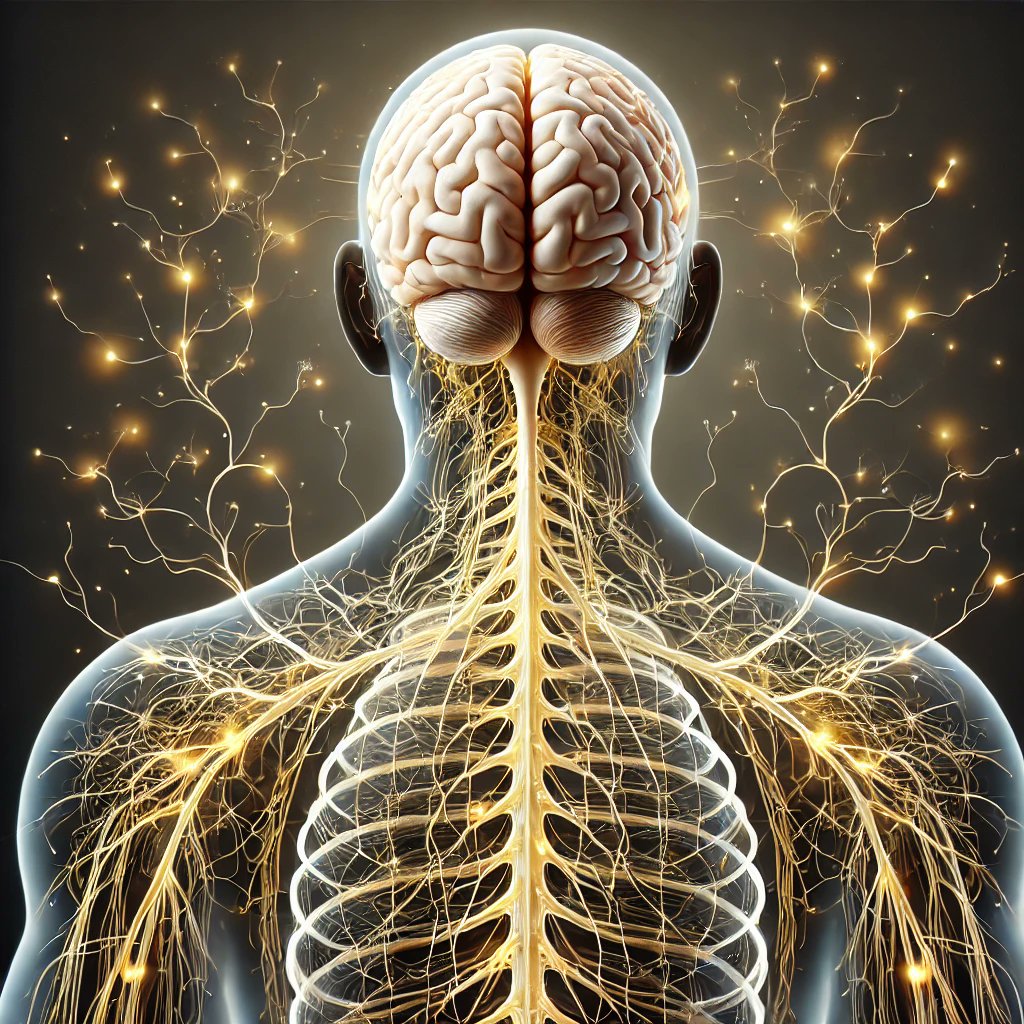
The #Fluoroquinolone class of antibiotics have been associated with the potential to cause nerve damage, specifically peripheral #neuropathy, the nerves which are responsible for transmitting signals between the central nervous system (brain and spinal cord) and the rest of the body, including limbs and organs. Multiple systemic adverse effects may stem from nervous system dysfunction, and the following outline aims to provide insight into what you might be experiencing....... Read here: fq100.org/insights
Fluoroquinolone Toxicity Study tweet media
English
0
8
19
2.1K
Coville Philippe retweetledi
Fluoroquinolone Toxicity Study
A doctor’s visit for #fluoroquinolone #antibiotic toxicity remains a huge challenge for all of us as we grapple to be heard, and our systemic issues taken seriously. This ‘Dear Doctor” letter along with its references, may be a useful tool to help with that conversation until the ICD10 medical codes go into effect next October. see download towards the bottom of this page: fq100.org/find-help
Fluoroquinolone Toxicity Study tweet media
English
0
4
12
358
Coville Philippe retweetledi
Fluoroquinolone Toxicity Study
Understanding How #Fluoroquinolone Antibiotics Cause Inflammation - Mitochondria, often referred to as the energy powerhouses of the cell, are indispensable for maintaining cellular energy production and overall health. They are also deeply intertwined with the immune system, influencing how the body responds to potential threats. When mitochondrial function is disrupted, as can be the case with fluoroquinolone antibiotics, inflammation can occur—a defense mechanism that, when prolonged or uncontrolled, contributes to chronic health challenges. Let’s explore the connection between mitochondrial damage and inflammation in simple terms. The Cascade of Inflammation Triggered by Mitochondrial Damage: Energy production in mitochondria involves processing oxygen, but this process also generates reactive oxygen species (ROS), a type of free radical. Typically, the body can neutralize these molecules, but when mitochondria become impaired, excessive ROS accumulate, leading to oxidative stress. This oxidative environment damages cellular structures and perpetuates mitochondrial dysfunction, setting off a chain reaction of stress signals that promote inflammation. Moreover, dysfunctional mitochondria can release fragments of their DNA into the surrounding area. These DNA fragments serve as “danger signals” to the immune system, triggering an immune response even in the absence of an actual threat. The body, acting as if under attack, produces inflammatory responses that can harm healthy tissue—a scenario that’s comparable to a false emergency alarm. Mitochondria also play a key role in managing calcium levels within cells. When damaged, their ability to regulate calcium is compromised, leading to cellular calcium overload. This imbalance disrupts normal cellular activity and can activate inflammatory pathways, further compounding cellular stress. How Energy Deficiency Amplifies the Inflammatory Response: When mitochondria can no longer produce sufficient energy, cells are forced to rely on alternative pathways that are far less efficient. This energy deficit weakens cells, leaving them more susceptible to damage. In turn, the weakened cells contribute to an ongoing inflammatory loop, where energy shortages and immune activation fuel one another. Common Symptoms Linked to Mitochondrial Inflammation: Inflammation caused by mitochondrial dysfunction can manifest in various ways, including: • Fatigue: A persistent feeling of exhaustion due to low energy availability. • Pain: Muscle and joint aches as a result of chronic inflammation. • Cognitive Impairment: Difficulty concentrating or retaining information, often described as “brain fog.” • Digestive Discomfort: Disrupted gut function that may cause bloating or irregular bowel movements. • Skin Sensitivity: Redness, irritation, or other inflammatory skin reactions. • Mood Disturbances: Chronic inflammation can contribute to anxiety, depression, and other mood-related issues. Strategies for Managing Mitochondrial Inflammation: Addressing mitochondrial-related inflammation typically involves a combination of lifestyle changes and targeted interventions. Practices such as physical activity if able, a nutrient-rich diet (see ref 7), and stress management can support mitochondrial health. Additionally, supplements containing natural compounds like phytosomes (see ref.6, section 6) may help reduce oxidative stress and inflammation. Professional guidance is key to tailoring an approach that works for individual needs as balancing anti-oxidants when experiencing the adverse effects of FQ's can be challenging. __________________ Disclaimer: Fluoroquinolone Toxicity Study does not provide medical advice, and all articles and written content are intended for informational purposes only. We do our best to provide accurate information. Such information is not a substitute for professional medical advice, diagnosis or treatment. Supplements, treatments, and pharmaceutical effects can vary significantly among individuals, particularly in those affected by fluoroquinolone drugs, due to differences in individual responses to these medications. ______________________ References: 1. Sena, L. A., & Chandel, N. S. (2012). Physiological roles of mitochondrial reactive oxygen species. Molecular Cell, 48(2), 158-167. europepmc.org/article/PMC/34… 2. West, A. P., & Shadel, G. S. (2017). Mitochondrial DNA in innate immune responses and inflammatory pathology. Nature Reviews Immunology, 17(6), 363-375. nature.com/articles/nri.2… 3. Duchen, M. R. (2000). Mitochondria and calcium: from cell signaling to cell death. Physiological Reviews, 80(1), 97-172. physoc.onlinelibrary.wiley.com/.../j.1469-7793... 4. Zhang, Q., et al. (2010). Circulating mitochondrial DAMPs cause inflammatory responses to injury. Nature, 464(7285), 104-107. nature.com/articles/natur… 5. Andrews, R. M., et al. (1999). Reanalysis and revision of the Cambridge reference sequence for human mitochondrial DNA. Nature Genetics, 23(2), 147. nature.com/articles/ng109… 6. Nesci, S., et al. (2023). Inflammation, Mitochondria and Natural Compounds Together in the Circle of Trust. International Journal of Molecular Sciences, 24(7), 6106. pmc.ncbi.nlm.nih.gov/articles/PMC10… 7.Gunnars, K. (2023, June 1). 12 foods high in antioxidants. Healthline. healthline.com/nut.../foods-h… ____________________________________________________ For toxicity warnings please visit our website: fq100.org US & Int'l support groups: fq100.org/find-help YouTube channel: @FqAntibioticDamage" target="_blank" rel="nofollow noopener">youtube.com/@FqAntibioticD
Fluoroquinolone Toxicity Study tweet media
English
2
9
18
1.1K
Coville Philippe retweetledi
Fluoroquinolone Toxicity Study
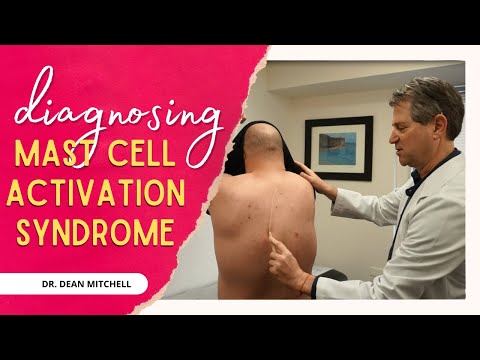
The Hidden Link Between #Fluoroquinolone Toxicity and Mast Cell Activation Syndrome Emerging research suggests that individuals with Fluoroquinolone-Associated Disability (FQAD)*, caused by this class of antibiotic, may be at heightened risk for Mast Cell Activation Syndrome (MCAS), a condition characterized by inappropriate mast cell activation and the release of inflammatory mediators. While fluoroquinolones are essential antibiotics for treating serious infections, their potential long-term effects on the body have raised concerns. Among these effects is the possibility of triggering mast cell dysfunction, leading to symptoms that overlap with MCAS. The link begins with the mitochondria, the energy powerhouses of our cells. Studies show that fluoroquinolones can damage mitochondrial DNA, impairing their function and triggering oxidative stress. Mast cells, which play a central role in immune defense, are highly sensitive to oxidative damage. This sensitivity may result in an overactive response, causing symptoms such as histamine intolerance, fatigue, pain, and gastrointestinal disturbances. In addition to mitochondrial effects, fluoroquinolones can alter immune responses, including cytokine signaling, contributing to chronic low-grade inflammation. At the same time, these antibiotics often disrupt the gut microbiome, an essential player in regulating immune responses. The result is a highly sensitized immune system that primes mast cells for overactivation. The direct effects of fluoroquinolones on DNA shouldn’t be overlooked, either. Research has demonstrated that these antibiotics can cause oxidative DNA damage and even interfere with cellular signaling pathways. These disruptions may further push mast cells into a hyperactive state, contributing to systemic symptoms like fatigue, pain, and hypersensitivity. Interestingly, many patients with #FQAD report symptoms that align closely with histamine intolerance. These include flushing, headaches, digestive issues, and fatigue. This overlap may result from mitochondrial dysfunction impairing histamine breakdown or from changes in the gut microbiota that increase histamine production. Either way, the connection is histamine, a key player in MCAS, becomes harder to control in these individuals. The nervous system also plays a role. Dysautonomia, or dysfunction of the autonomic nervous system, is commonly observed in FQAD patients. This condition can amplify stress signals, which are well-known triggers for mast cell activation. The result is an inflammatory loop where stress and mast cell activation feed into one another, worsening symptoms. Do people with FQAD possibly have underlying genetic predispositions to conditions like Ehlers-Danlos syndrome (EDS) or Postural Orthostatic Tachycardia Syndrome (POTS), both of which frequently overlap with MCAS? For these individuals, fluoroquinolone exposure may act as the final push that tips their mast cells into dysfunction. For patients living with FQAD and suspected MCAS, the symptoms can feel overwhelming. However, there is hope. Strategies that reduce oxidative stress, stabilize mast cells, and address gut health may offer relief. Understanding the interplay between fluoroquinolone toxicity and mast cell dysfunction not only sheds light on these complex conditions but also opens doors for more targeted treatments. For more info @YouTube : youtu.be/U-bfu4RaOHo?si… References 1. Han, J., et al. (2020). Mechanisms of mitochondrial dysfunction and oxidative stress in fluoroquinolone-induced cytotoxicity. Toxicology. doi.org/10.1016/j.tox.… 2. Kalghatgi, S., et al. (2013). Bactericidal antibiotics induce mitochondrial dysfunction and oxidative damage in mammalian cells. Science Translational Medicine. doi.org/10.1126/scitra… 3. Dubourg, G., et al. (2019). Gut microbiota and antibiotic resistance: Fluoroquinolone effects. Microbial Pathogenesis. doi.org/10.1016/j.micp… 4. Ruiz, L., et al. (2016). Antibiotic effects on gut microbiota and immune response modulation. Frontiers in Microbiology. doi.org/10.3389/fmicb.… 5. Kuznetsova, A. M., et al. (2018). Fluoroquinolone-induced DNA damage and adduct formation in mammalian cells. Journal of Molecular Biology. doi.org/10.1016/j.jmb.… 6. Kohanski, M. A., et al. (2007). Sublethal antibiotic treatment leads to multidrug resistance via radical-induced mutagenesis. Molecular Cell. doi.org/10.1016/j.molc… 7. Pundir, P., et al. (2019). Role of gut microbiota in histamine-mediated allergies. Nature Reviews Gastroenterology & Hepatology. doi.org/10.1038/s41575… 8. Schwelberger, H. G., et al. (2013). Histamine degradation in the gut: Relevance to histamine intolerance. Inflammation Research. doi.org/10.1007/s00011… 9. Blitshteyn, S. (2014). Postural tachycardia syndrome (POTS) and autoimmune diseases. Autoimmune Reviews. doi.org/10.1016/j.autr… 10. Afrin, L. B., et al. (2017). Mast cell activation syndrome: A primer for the clinician. Gastroenterology Clinics of North America. doi.org/10.1016/j.gtc.… * For the full FDA provided definition of FQAD please see this page: fq100.org/fda-warnings Antibiotics (incl. ear/eye drops and ped meds) in the fluoroquinolone class: fq100.org/drug-list To find support and resources: fq100.org/find-help
YouTube video
YouTube
Fluoroquinolone Toxicity Study tweet media
English
3
16
31
1.9K
Coville Philippe retweetledi
Fluoroquinolone Toxicity Study
Since so many of us living with antibiotic adverse effects from drugs in the #fluoroquinolone class face surgical repairs and operations, we are posting this reminder link............ Alert Reminder! Surgeries & Fluoroquinolones fq100.org/insights
Fluoroquinolone Toxicity Study tweet media
English
1
2
5
194