
Craig Lockwood, RN, MACN
5.1K posts

Craig Lockwood, RN, MACN
@CraigSL01
Assoc Prof Implementation Science, Adelaide University I JBI | Nurse Scientist - Knowledge Translation | Qual Synthesis | Methodology I EBHC
Adelaide, South Australia Katılım Kasım 2009
1.1K Takip Edilen1.6K Takipçiler
Reviews that measure effects lack explanatory power; this protocol describes SR+, tests effect plus mechanism of action.
General Medicine and Medical Evidence @ BMC@MedicalEvidence
To mask or not to mask – a recently published protocol article proposes that using interdisciplinary methodology is the key to reliable answers 😷 Read the article in "Systematic Reviews" here: doi.org/qvm3 @trishgreenhalgh @Jon_Williamson_ @CraigSL01
English
Craig Lockwood, RN, MACN retweetledi

Four years ago, Russia launched its full-scale invasion of Ukraine…Four years of loss. Four years of courage. Four years of defending freedom.
I call on my Australian friends to stand with the Ukrainian community in capital cities across Australia. Join us in Sydney, 6pm at St Mary’s Cathedral Square.
Full list of events: bit.ly/4kqUAfi
Your presence matters. Ukraine is not alone. 🇺🇦

English
when #peerreview includes a statement that no AI systems were used in the process of study evaluation, yet the peer review report includes:
🔬 Study Design and Methodological Rigor
📊 Data Extraction, Reporting & Analysis
📚 Literature Review and Contextualization
😳😳
English
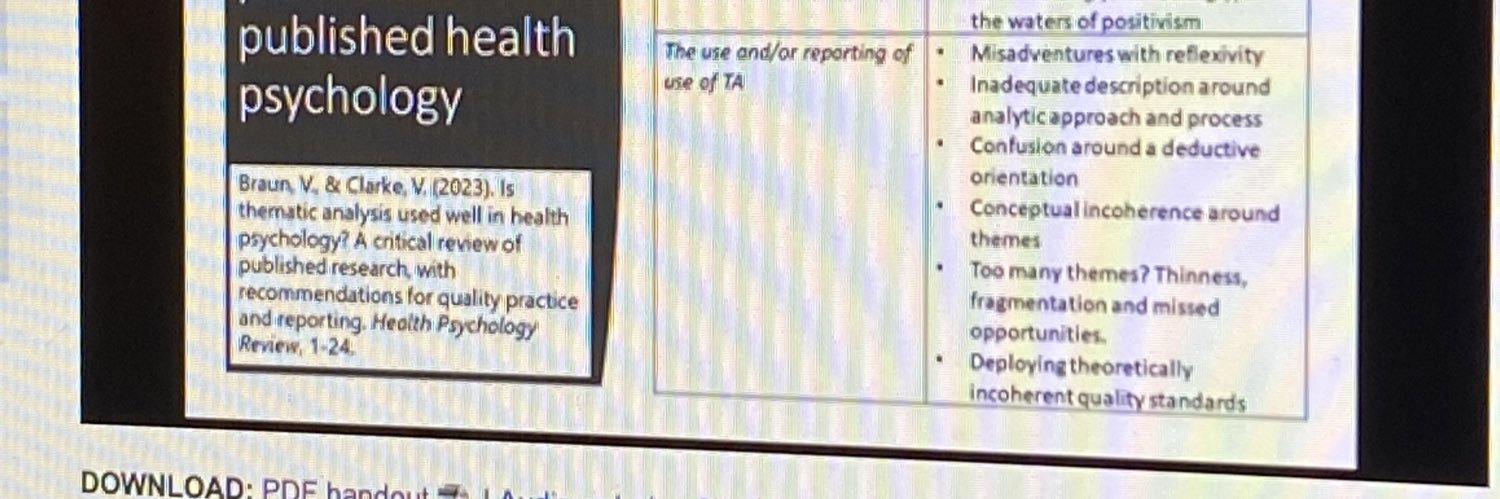
Dr Ashley Whithorn on living evidence rapid reviews and automated surveillance methods in Transfer Science

English
Craig Lockwood, RN, MACN retweetledi
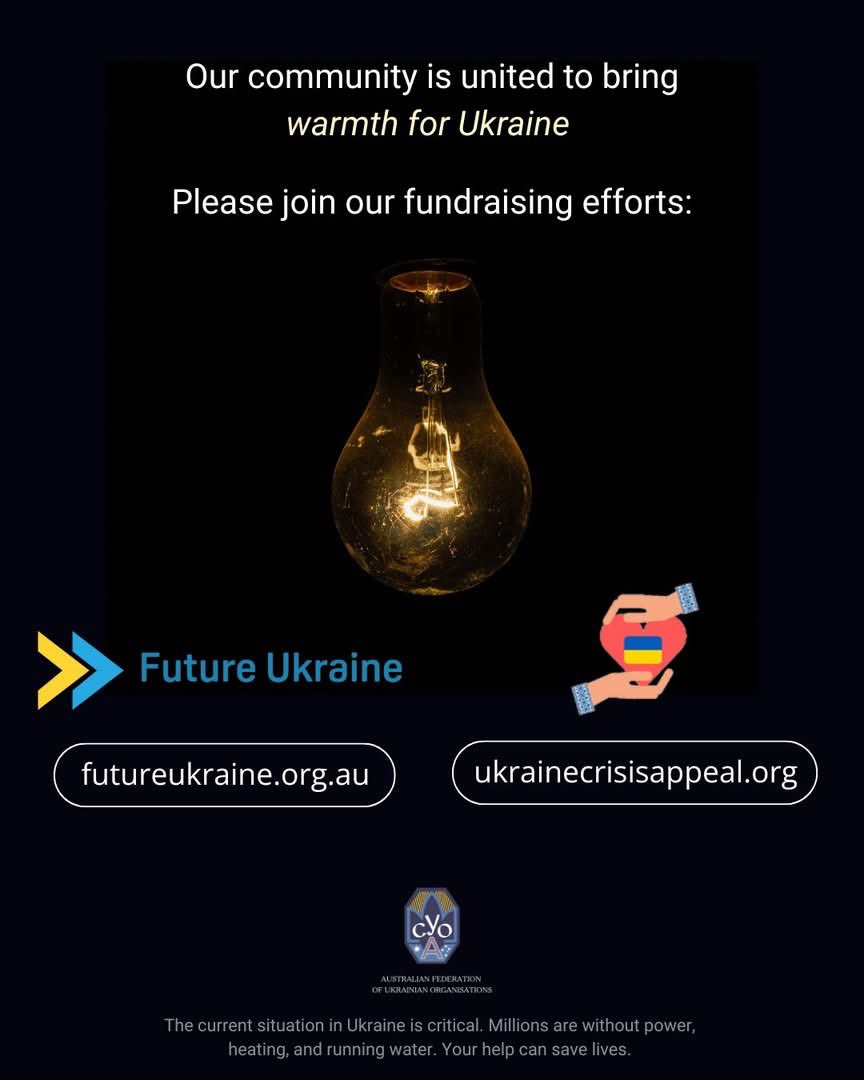
As Russia has weaponised winter, I urge Australians to support the Warmth for Ukraine fundraising campaign launched by the Ukrainian community.
The situation in Ukraine is critical:
⚠️ Millions of people are without electricity, heating, or running water
⚠️ A state of emergency has been declared in the energy sector
⚠️ Every power plant in Ukraine has been targeted by Russia
⚠️ Temperatures are plunging to –20°C overnight
📢 Please consider donating to the AFUO-supported campaigns:
💙 Ukraine Crisis Appeal: ukrainecrisisappeal.org
💛 Future Ukraine – Warmth for Ukraine: futureukraine.org.au/events/warmth-…
Every contribution helps keep families warm and saves lives this winter.
English
The number of duplicate submissions in 2026 is already concerningly high! Authors who think they can publish the same work with the same methods & same data in multiple journals risk being excluded at the level of publishing houses, not journals.
cheat at your own risk!
English
Advances in systematic review methods via AI is the most current hot topic; but there is deeper work to talk about. Testing the limits of traditional review methodology without immediately seeking a transition to AI thinking 'faster is the answer'. Read more: @trishgreenhalgh

English
@PatrickGormanMP You will vote how you are told, not based on community representation.
English

The Parliament will be sitting on Monday.
It will be the earliest January start of sitting for the Parliament in more than a century.
I want to see the Combatting Antisemitism, Hate and Extremism Bill 2026 passed next week.
The Australian community wants to see these laws passed next week.
Sussan Ley’s Coalition demanded that Parliament return early.
Today we learn that they didn't even know what they believe in.
They don't even know if they will vote for this much needed Bill.
They are arguing across this country for a range of different responses.
Within the Coalition, Andrew Hastie is leading a new Noalition saying that nothing should change.
That is of extreme concern.
Australians know that we need stronger hate speech laws, we need stronger powers from the immigration minister, and we need to reform our gun laws.
That's what I want to get done next week.
English
Craig Lockwood, RN, MACN retweetledi

Many questions in healthcare research involve a notion of cause and effect, so it’s no surprise that causal inference is currently undergoing a surge in popularity in health research.
Health researchers need to fully understand the underlying assumptions
bmj.com/content/391/bm…
English
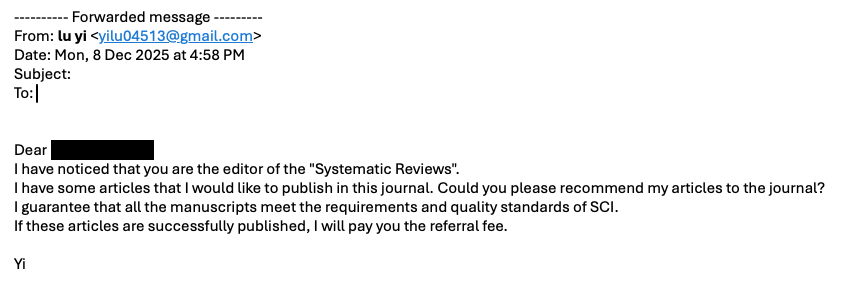
to be very clear, this is unethical, unacceptable and will always result in a public name and shame...
English
@EndNoteNews trying very hard to kill off its market share...if software devs hate users, this is the way to show them. What software should I move to?

English

STOP TELLING CHATGPT TO "MAKE A PRESENTATION FOR ME"
Bad prompt = Bad result.
Use these prompts instead and see the magic:
English
Is there a worse airport than @SydneyAirport for transfers? 3 busses - 20minute waits between busses…people missing flights all morning.
English
Craig Lockwood, RN, MACN retweetledi

In recognition of #WorldHeartDay, JBI is offering free access to #Cardiovascular #EBP resources from the JBI EBP Database on #AtrialFibrillation & #CardiovascularRiskFactors.
📩Download the free resources: ow.ly/q16w50WZWOO
#JBIEBHC @worldheartfed

English
Very much looking forward to representing @UniofAdelaide, School of Public Health, JBI and working with the Faculty of Nursing, @cmuofficial_tw, a great university with dynamic Faculty leadership.

English
Craig Lockwood, RN, MACN retweetledi

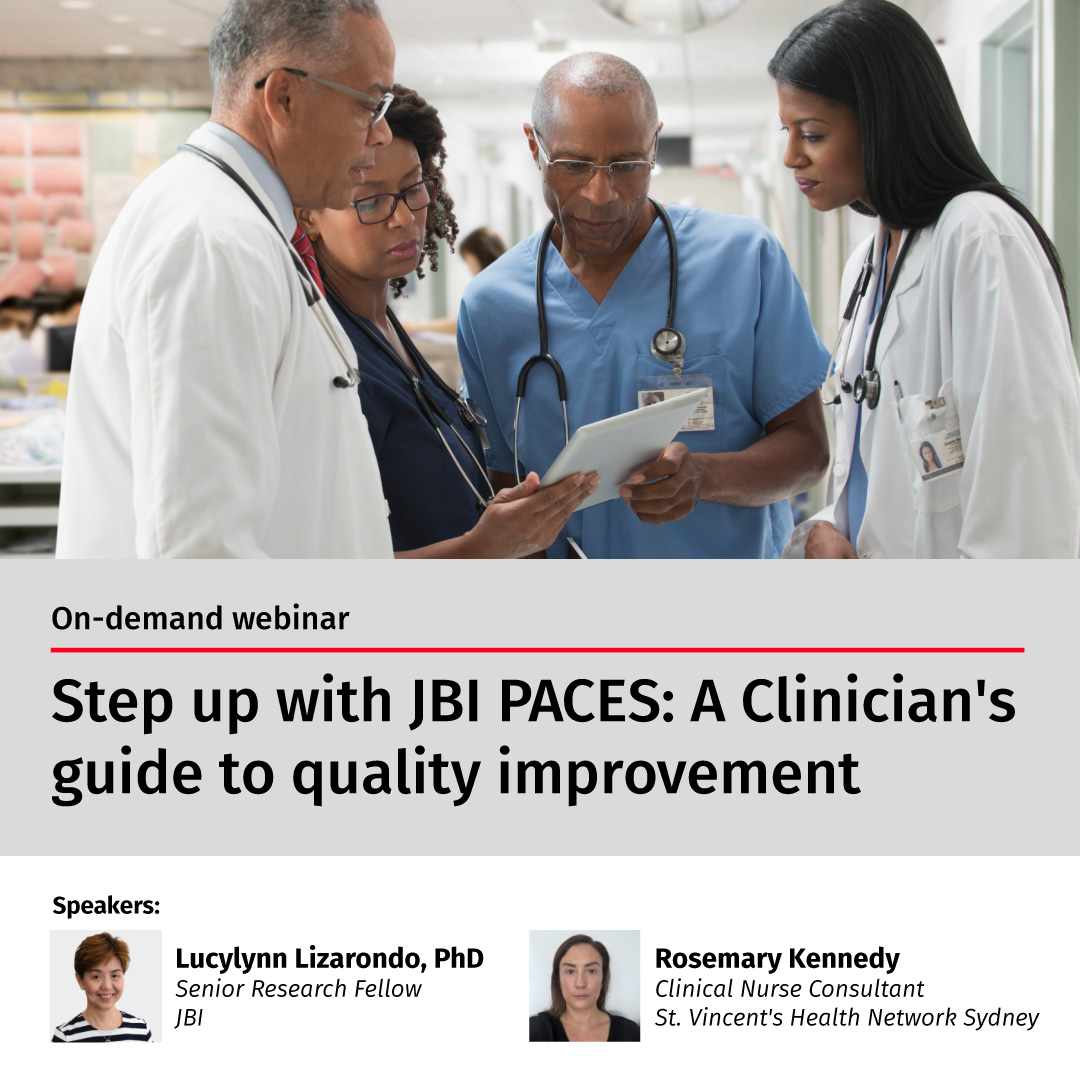
Improve care outcomes with evidence-based QI strategies. This @JBIEBHC on-demand session supports clinicians in driving sustainable, patient-centered improvements. Watch now: ow.ly/VcbQ50Wycek
#ClinicalExcellence #QualityImprovement
English
@twnatwna superb news! looking forward to an impactful ICN2027.
English