

Crane Dance Dojo
59 posts
Crane Dance Dojo
@CraneDanceDojo
Traditional Japanese martial arts. Shinto Muso Ryu, Muso Shinden Ryu, Okinawan Goju Ryu and Matayoshi Kobudo.
Lincoln and Omaha, Nebraska Katılım Ocak 2026
11 Takip Edilen1 Takipçiler

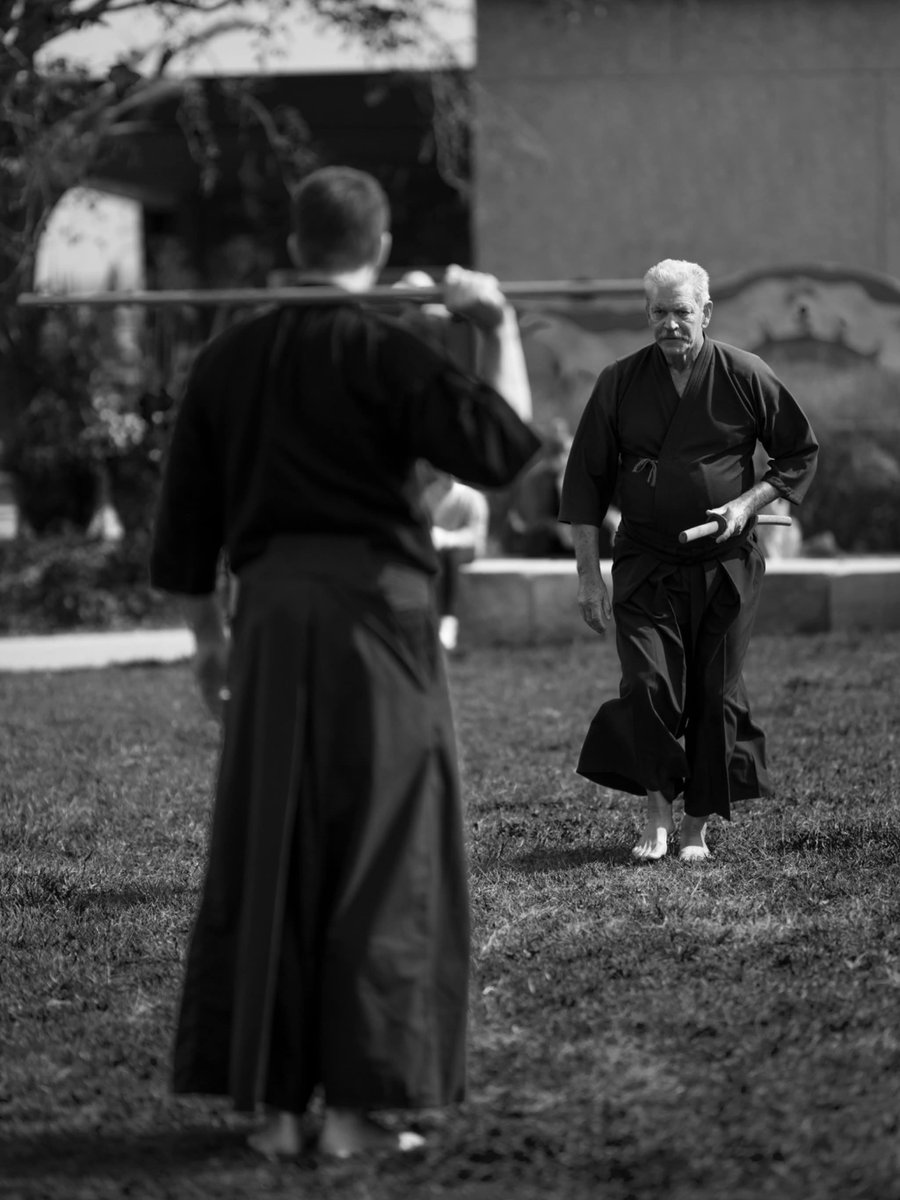
Katori Shinto Ryu kenjutsu is an intense activity. Foster-sensei leads the Nebraska KSR group under the Shinbukan Dojo of Japan. For more information about studying this ancient and esteemed art in Nebraska, please email:
swordofkatori@protonmail.com #katorishintoryu

English
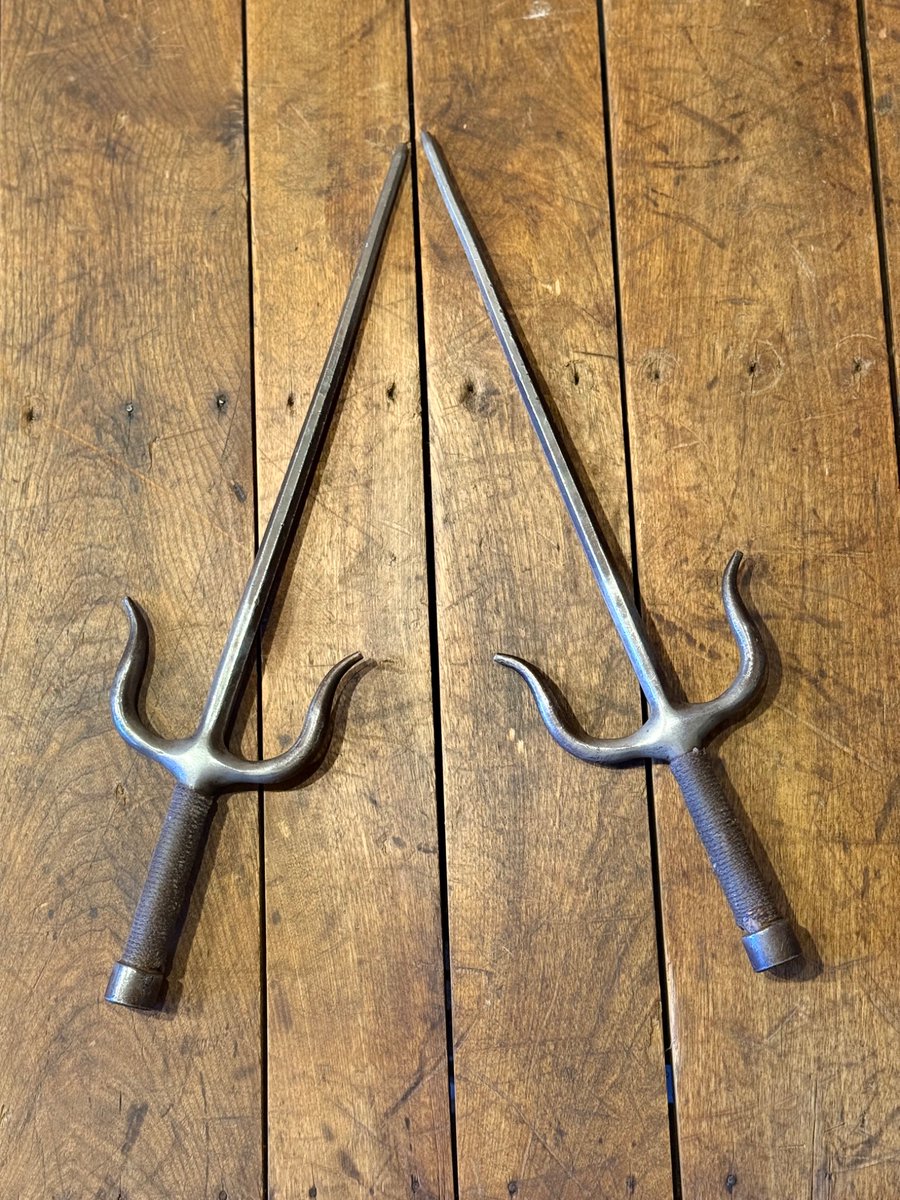
These Shureido sai were jet black, with bright, purple wraps 25 or so years ago. Forged in Okinawa, they’ve been used there in sea air and sweat numerous times. They are now bent and notched. The wraps are faded and mixed with the sweat of countless strikes, thrusts and blocks. The structure of their metal is infused with the spirit of 10 thousand kiai. We who wield them bear a similar patina of the years. We continue on while many who began with us are no longer able. They are a part of us now as well. #沖縄古武道 #matayoshikobudo
English
Japanese Print "FIGURE IN GREEN AND RED ON TIGER, Edo period," by Yashima Gakutei
#johnpesek #catchwrestling

English
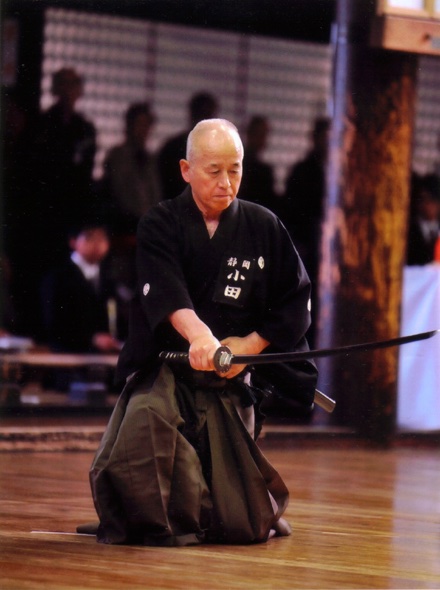
Yoin (余韻), often translated as "resonance," or "echo," is a Japanese aesthetic concept of the lingering vibration of an experience, sound, sight, or emotion. It is a word for the subtle remainder of feeling or atmosphere after the initial stimulus has passed. It lives in the quiet interlude of “the between” and “the after.”
Yoin is a key element of Noh drama. I think it is also to be found within Iaidō.
Photo: The late Oda-sensei at the Kyoto Butokuden.
#iaido #居合道 #budo #武道
English
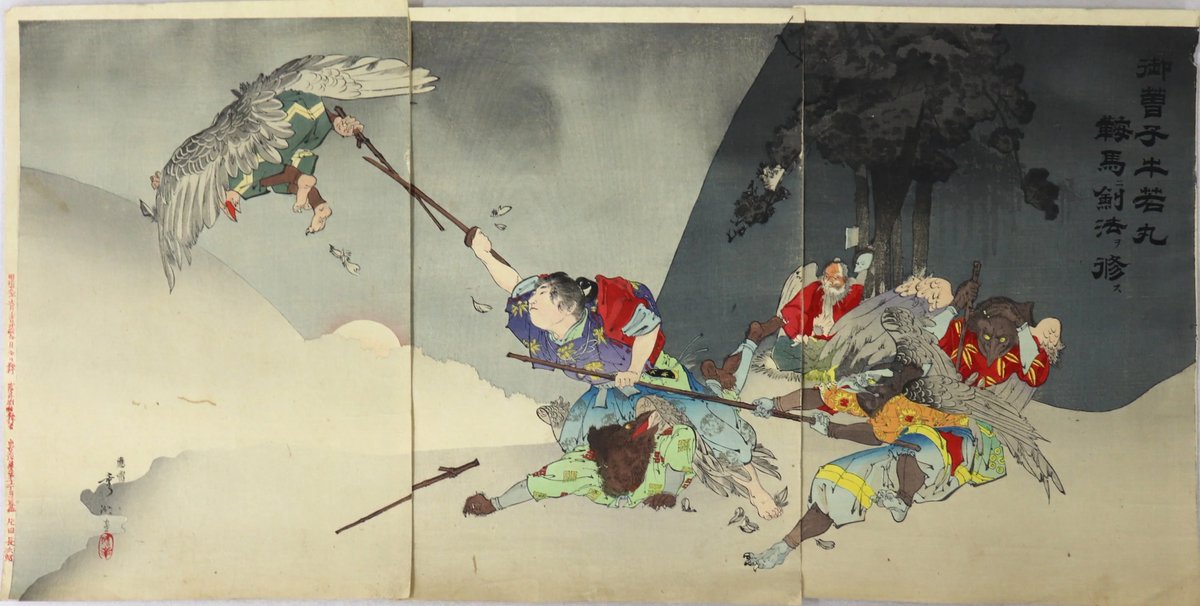
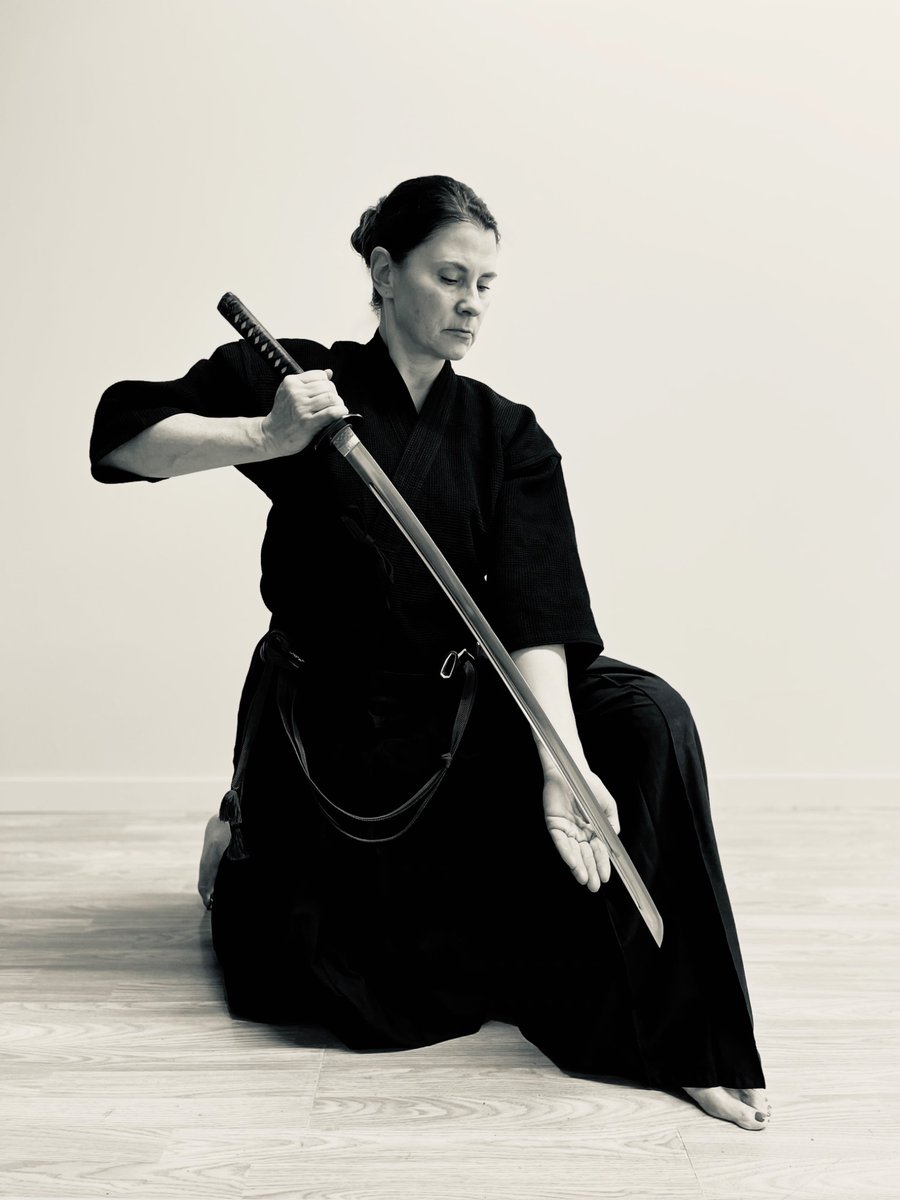
We have a direct lineage to the founder of Musō Shinden-ryū (夢想神伝流) and endeavor to do our part as stewards. #iaido #居合道
English
Crane Dance Dojo retweetledi

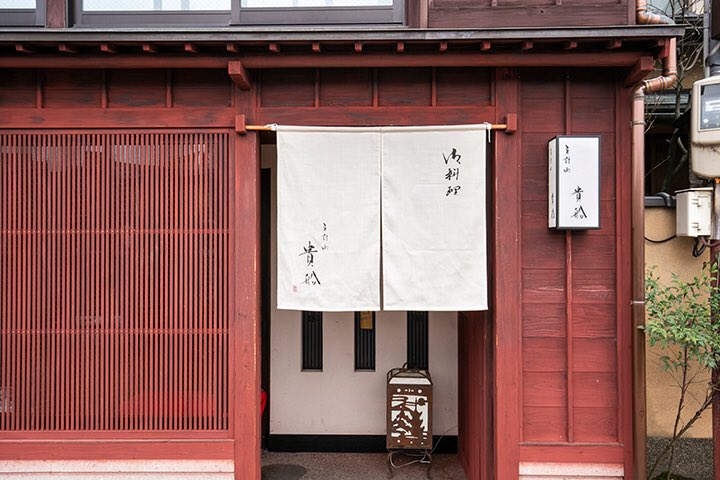
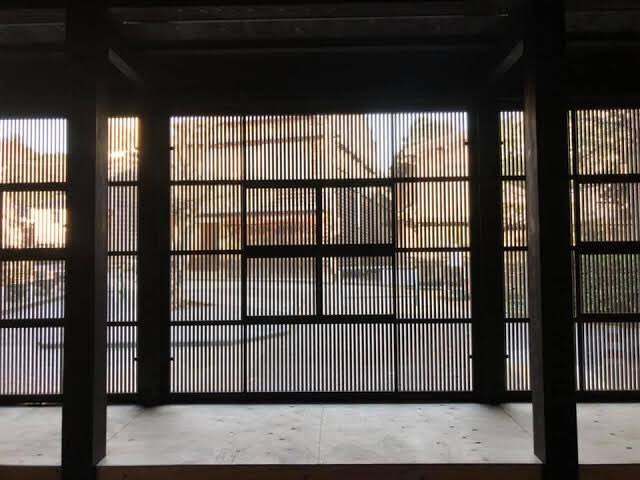
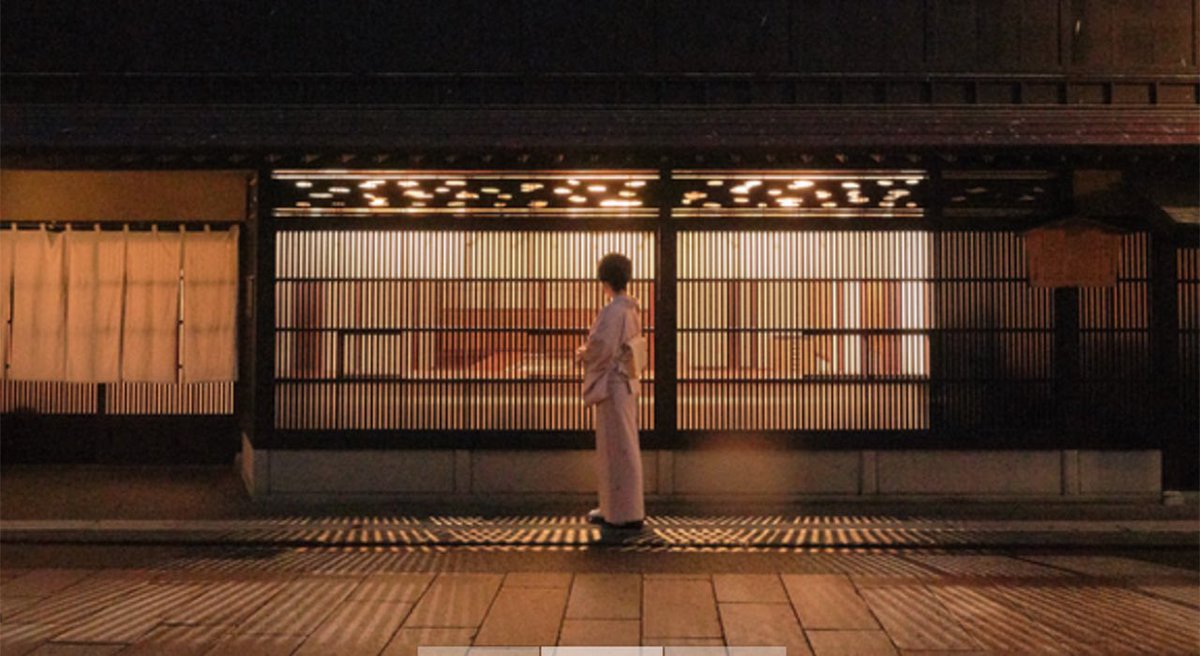
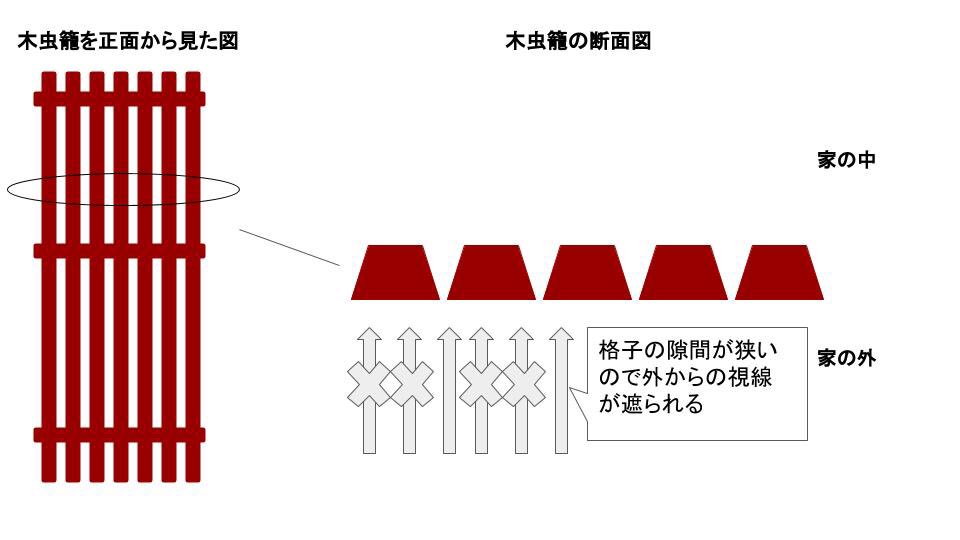
The traditional latticework of the tea houses in Kanazawa are called kimusuko (木虫籠), and installed in such a manner that in the daytime you have almost a full view of the outside, but from the outside you can not see almost anything of the inside. It is all because of the trapezoid shape of the lattices. In the old days before electric lightning this was the perfect solution for busy streets and more private interiors. But these days, no matter how well designed the lattices are, at night the situation becomes a little of the opposite with better views of the inside than of the outside. Presently curtains or sliding paper doors are used from dusk to shield the interiors.
English
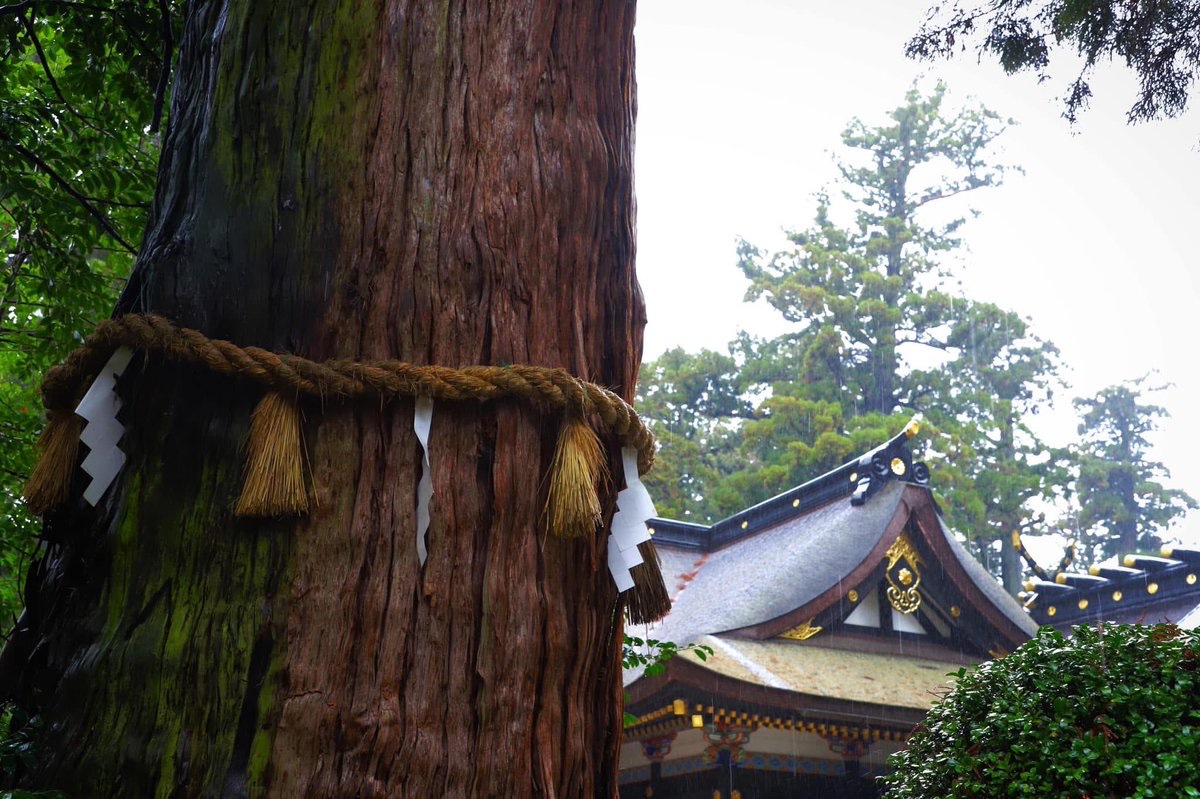
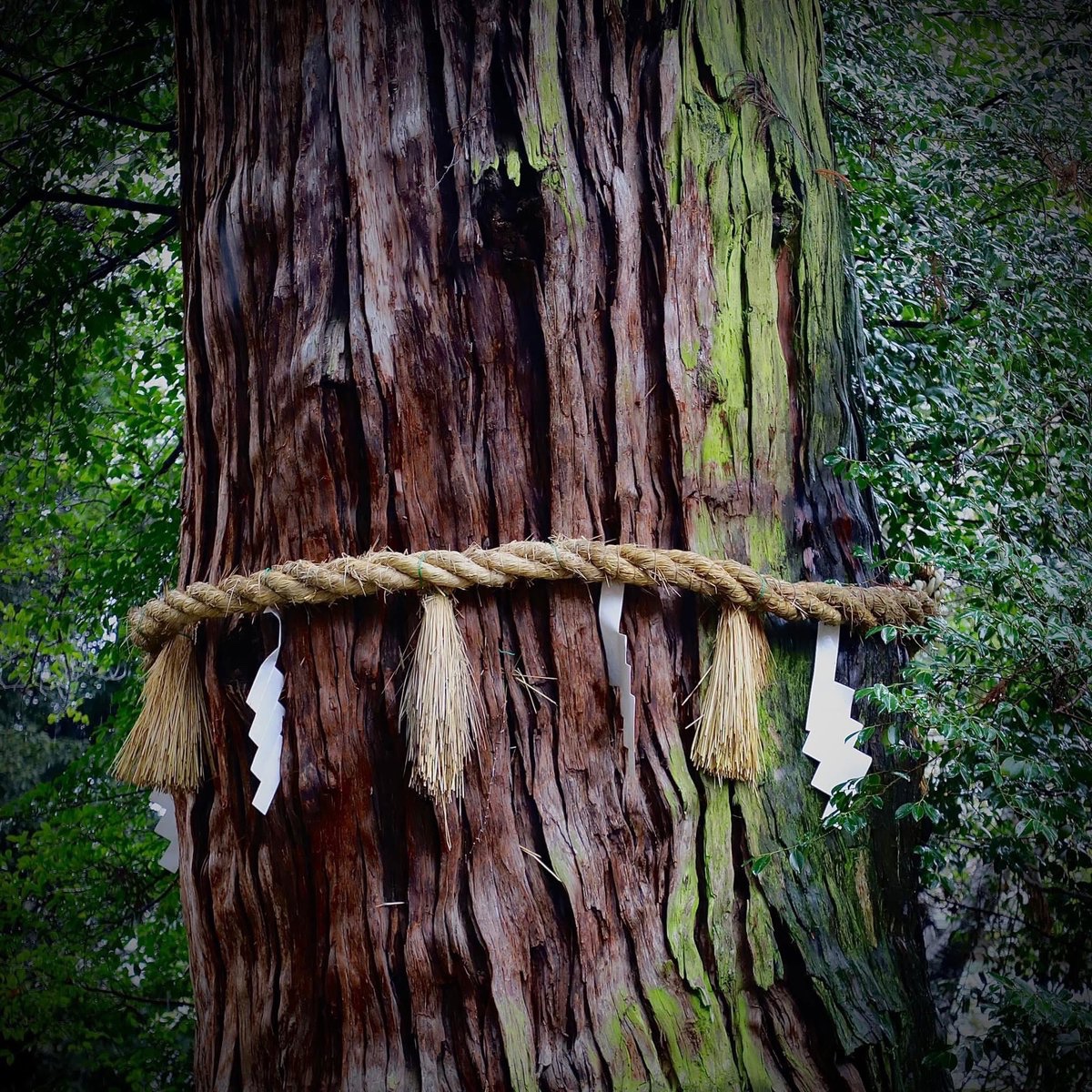
Shimenawa and shide around the Katori Jingū deity tree, back in 2023. Big events there this month. #katorijingu #shinto
English
Ikkaku-ryū juttejutsu is one of the incorporated arts within Shintō Musō-ryū. These wooden training versions of the iron fan and truncheon are the gateway to learning this art. They are hand made and works of art themselves. The tessen on the left is fashioned from osage orange wood. It is the material used for bows used by Native tribes in our area to hunt bison. #shintomusoryu


English
Our blossoms aren’t here quite yet, but In honor of Spring 2026, day 1:
A Spring breeze is blowing
I’m bursting with laughter
— wishing for flowers
Matsuo Basho, Spring, 1668

English
These forms were first established in 1912 by the Dai Nippon Butokukai, an organization disbanded after WWII. They survived the war and were renamed the Nippon Kendo Kata. They are few in number (10), but have incredible depth. Those aren’t just stagnant poses in the photos below. In the current era of endless distraction, these forms develop being “present” and connected with those around you. By practicing them at our kendo club, we have come to appreciate that there is so much more to learn from these forms. That infinite spiral of learning is something that carries over into the outside world. After WWII, the leaders of Kendo put a great deal of thought into what they wanted Kendo to be, and how they wanted it to benefit society. More and more over the years, I appreciate how insightful they were.
*Photos courtesy of Beadle Middle School


English