♣️CryptoAlien 👽
190 posts

♣️CryptoAlien 👽
@CryptoAlienhunt
Hunting and sharing Crypto projects which are still Alien to masses 💰 $QANX $RIO


Realio Network Protocol Upgrade Proposal A new proposal has been launched, aiming to address validator profitability concerns. Here is a breakdown of the key details for the $RIO Community 👇 The Problem 🔹Validator profitability is decreasing as the network grows, with APY dropping as more tokens like RST and LMX are added as staking collateral. 🔹Lower validator income could threaten the network by discouraging participation, potentially leading to fewer validators & increased centralisation. - - - - - - - - - - - - - - - - The Proposed Solution 🔹Increase the $RIO supply cap from 75M to 175M, allowing more block rewards over time to keep validators incentivised. 🔹End block rewards on non-native chains, making the reward structure more efficient. 🔹Modify cross-chain bridges, removing reserve wallets and burning the tokens held there. 🔹Introduce a new mint/burn mechanism with a daily limit of 1.75M RIO to secure the bridge's operations. - - - - - - - - - - - - - - - - The Proposed Benefits of the Proposal 🔹Increased Validator APY, making the role of validators more profitable. 🔹Attracts new validators and delegators to the network, boosting overall network security. 🔹No immediate dilution for token holders—new supply will be introduced gradually via block rewards, which the market is expected to absorb without major shocks. - - - - - - - - - - - - - - - - Next Steps The vote closes in 2 days. If the proposal passes, it will be essential for the Team to publish an updated 'Supply and Block Reward Emission Schedule'. This transparency will help the community understand the long-term impact of the changes. While the mention of a "supply increase" might raise concerns, it's important to note that this change will be gradual and won’t lead to an immediate increase in circulating supply. - - - - - - - - - - - - - - - - I'm sharing this to help everyone understand the proposal so we can all make informed decisions. It's important to avoid reacting to panic or FUD, and focus on what this change really means. I'm keen to hear what you all think about this proposal—please let me know in the comments. Oculus 🙏


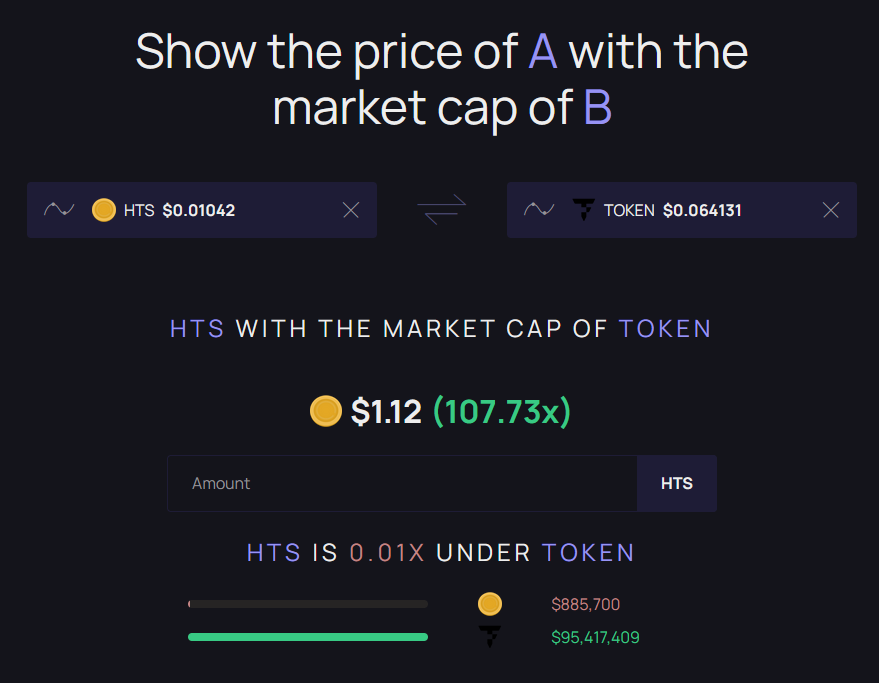
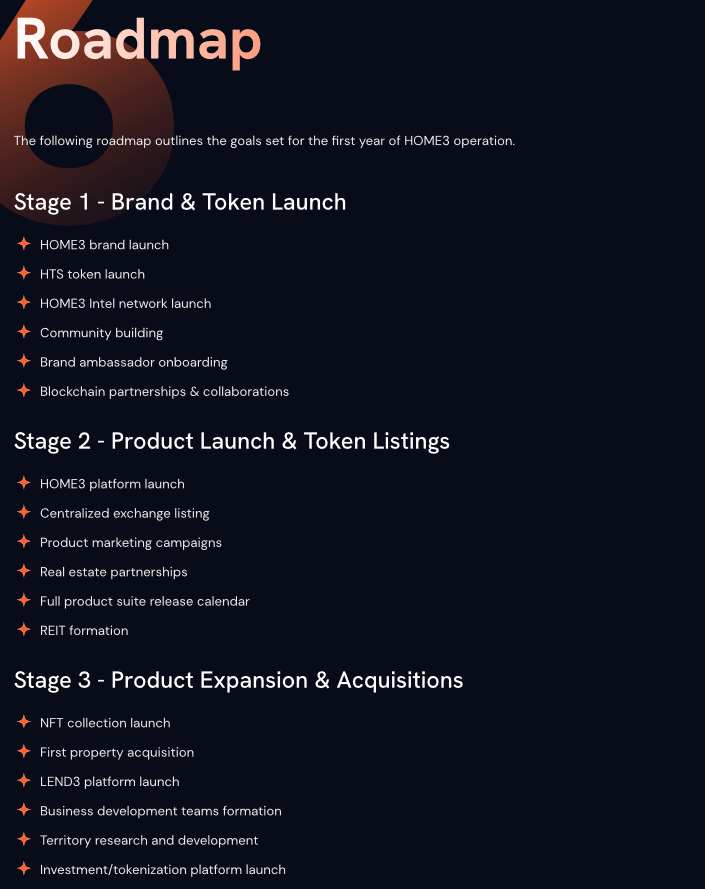
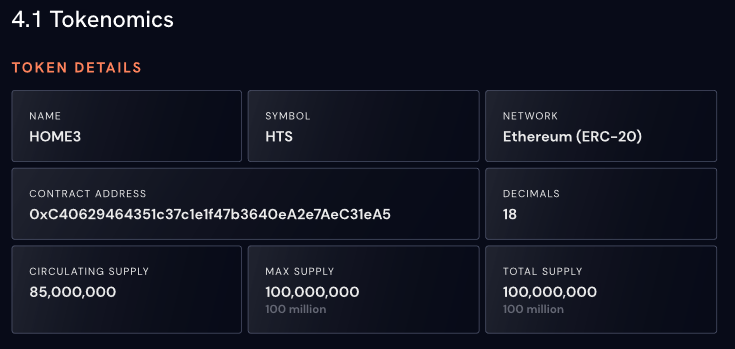
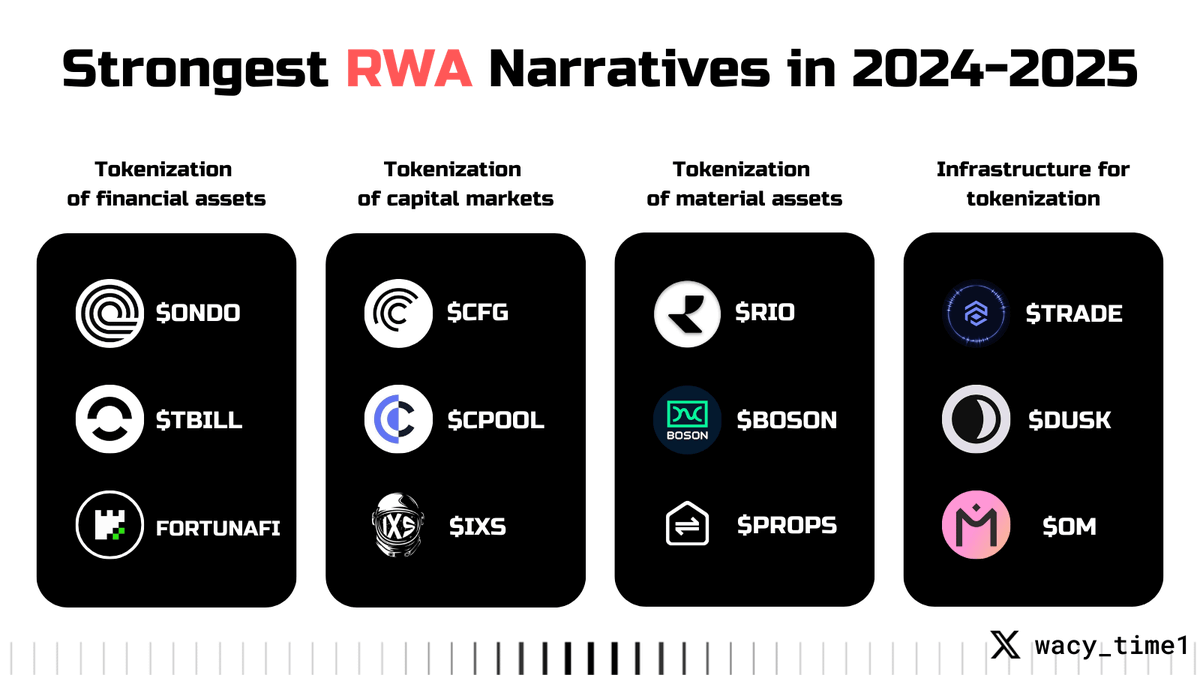
As I've said before, I firmly believe that the #RWA narrative will explode in the coming bull run. I'm obviously involved with $RIO 👑, but there are other projects still in their early stages with, in my opinion, great potential (DYOR). $HTS (home3suite) is one of them. The team recently published a presentation (demo) of the future application which looks amazing! (post below) Here are a few reasons why I believe in the potential of $HTS: - Low Market Cap ➡️ $980k - Doxxed Team (easy direct contact on TG) - Very promising roadmap (picture below) - Mobile App is coming soon - Good tokenomics (picture below) Contract address on #Uniswap : 0xC40629464351c37c1e1f47b3640eA2e7AeC31eA5 Here are a few useful links: Website: home3suite.com Whitepaper: home3suite.com/whitepaper TG Community: t.me/JoinHome3 pic.x.com/igblwitayo Again, do your own research as there is obviously always a risk involved. But if that risk is calculated, there are potentially very good returns in sight! #rwa @Home3Suite #altcoins #altcoinseason #Crypto #cryptoassets


#RWA is the narrative of this bull run and most people don't realize it yet! A high-potential 💎 is $HTS with a market capitalization of just $1 million! 85% of the supply is already in circulation! $HTS - @Home3Suite Website: home3suite.com - Doxxed Team - Mobile App is coming soon - Very promising roadmap - Good tokenomics Contract address on #Uniswap : 0xC40629464351c37c1e1f47b3640eA2e7AeC31eA5 DYOR but it’s worth a look! 👀 Here's a look at the application they're currently working on: #altcoins #altcoinseason #RealWorldAssets #crypto #Cryptoassets

Exciting news! The post-quantum signature algorithm QANplatform has been using since the beginning was selected as one of the three finalized PQC standards by NIST today! 🎉🔐 We are really proud that QAN not only identified but also implemented the post-quantum algorithm (CRYSTALS-Dilithium) in its #blockchain platform way before NIST had chosen it. nist.gov/news-events/ne… What is NIST? US based #NIST (National Institute of Standards and Technology) was founded in 1901. Its role is creating critical measurement solutions and promoting equitable technology standards for the world. What did NIST announced on August 13, 2024? NIST announced the first 3 quantum-resistant cryptographic algorithms which can withstand the attack of quantum computers that could potentially crack the security used to protect privacy in the digital systems we rely on every day. Why is this a big milestone? After 8 years, 4 rounds, 82+ submissions, the 3 selected encryption algorithms will become part of NIST’s post-quantum cryptographic standard and will play a key role in the next generation of our online cybersecurity: the post-quantum era. Why do we need new cybersecurity standards? Today's cryptographic algorithms (RSA, EC) used by the whole internet – including governments, banks, email providers, social media sites, blockchain platforms, etc. – will be cracked by quantum computers. Everyone needs to switch to post-quantum security. Do we need to worry today? Quantum computers are a threat even today, because hackers can steal data today and decrypt it later when quantum computers with enough power (qubits) arrive. This method is called "Store now, decrypt later". How far are quantum computers? From small startups to IT giants like Google, Honeywell or IBM, and governments – all of them are investing heavily to build quantum computers. We are already having the wrong conversation in cryptography if we argue about whether we have 1, 3,or 5 years before quantum computers will break today's security algorithms. We must always be ahead of the curve when it comes to cybersecurity. How can we switch to quantum-resistant security? Centralized authorities like governments, companies can switch their IT security to post-quantum cryptography much easier than blockchain platforms. Why is the blockchain technology the most affected by the quantum computing threat? One of the most important points people forget is that blockchains are decentralized by design. Already running public blockchains (like Bitcoin, Ethereum, Solana, etc.) can not switch to post-quantum cryptography without massive sacrifices severely impacting users. ⚠️This threat affects blockchain technology as follows: all cryptocurrency wallets relying on Elliptic Curve (EC) cryptography which have at least one outgoing transaction will break. In short: hackers will be able to steal your cryptocurrency. How can QANplatform be quantum-resistant? QAN implemented a Lattice-based quantum-resistant algorithm called CRYSTALS-Dilithium in Go programming language in its security layer. It is already developed an exists in the QAN Enterprise Blockchain and in the QAN TestNet trough QAN XLINK protocol and will be used also in the QAN Public Blockchain. Did you know? First EU🇪🇺country already implemented QAN’s quantum-resistant technology. It protects government-owned cybersecurity infrastructure against quantum computing attacks.