
Crypto Vizionary. BTC ZEC SOL HYPE
13.1K posts

@Cryptovizion
Surround yourself with the dreamers, the believers and the doers! #crypto #pureblood #antiwar #2genders


zcash


Google Chrome is quietly downloading a roughly 4 GB AI model to many users’ computers without clear upfront consent. The file, called weights.bin, is part of Google’s Gemini Nano on-device language model and lands in the browser’s user data folder under OptGuideOnDeviceModel. It powers built-in AI tools such as “Help me write,” smarter tab suggestions, on-device scam detection, and page summarization. The download triggers automatically for devices meeting minimum hardware requirements, and Chrome often replaces the files if deleted. While the model processes data locally, installation happens in the background with minimal notification. The scale is noteworthy. Hundreds of millions or billions of installations add up to thousands of tonnes of carbon emissions globally from data transfer, even though each is a one-time event. To prevent or remove it, go to chrome://flags, disable the entries for the optimization guide on-device model and Prompt API, restart the browser, and manually delete the folder.


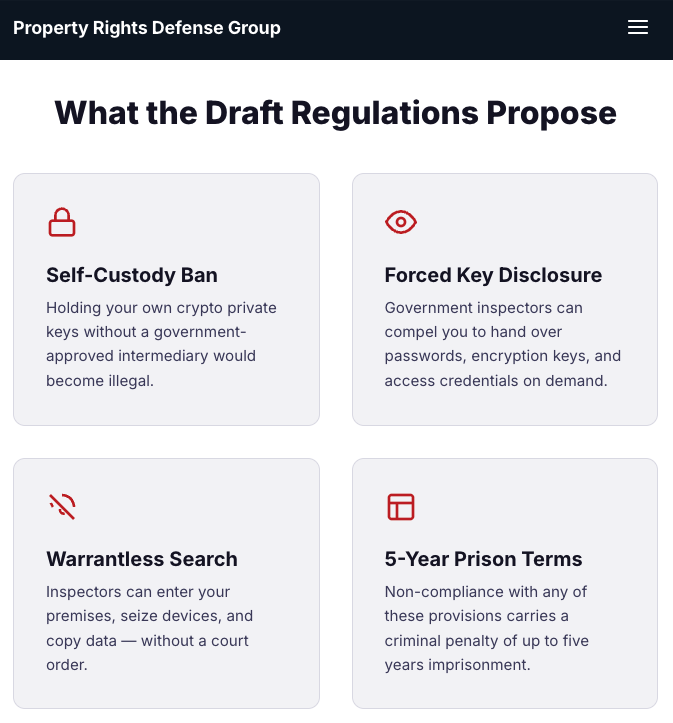
🇿🇦 SOUTH AFRICA PROPOSES INSANE CRYPTO CONTROLS, POSSIBLE FORCED SALES South Africa National Treasury and South African Reserve Bank have introduced draft Capital Flow Management Regulations that could dramatically restrict crypto use. The proposal would require disclosure of crypto holdings above an unspecified threshold and could allow the government to force holders to sell assets for rand. Under the draft, investors may not buy, sell, lend, or transfer crypto above the threshold without permission, except through approved providers. Transactions would require a stated purpose, and using funds outside that purpose could trigger mandatory resale. Cross-border transfers and payments using crypto would be banned without approval. Authorities would also gain powers to search individuals, demand declarations, and seize assets suspected of violating the rules. Critics say the changes raise serious constitutional concerns around privacy, property rights, and freedom of association, calling them among the most aggressive updates to South Africa’s decades-old exchange control system.

South Africa's Exchange Control Regulations of 1961 are rules from the apartheid era. Since then, the US, the UK, France, Spain, Finland, Taiwan, Singapore and many more countries have abolished their exchange controls and prospered. Nelson Mandela explicitly envisioned a South Africa without exchange control regulations. As president, in his 1996 State of the Nation Address, he declared: "In order to improve the investment climate, our monetary authorities are reviewing, on an on-going basis, the timing and pace of lifting existing exchange controls. For us, it is not a matter of whether, but of when, these controls will be phased out." That was thirty years ago. Former Reserve Bank Governor, the late Tito Mboweni, said in 2005, “For all intents and purposes exchange controls have become purposeless." Even Dr Gerhard de Kock, who served as Governor of the South African Reserve Bank during the late apartheid era, said exchange controls "keep more money out than in and work when you don’t need it, and not when you do.” VALR will always abide by the law. And we will work with the regulators to find a framework that works for South Africa. But my sincere wish would be for South Africa to be emancipated from these regulations that were meant for a previous age.


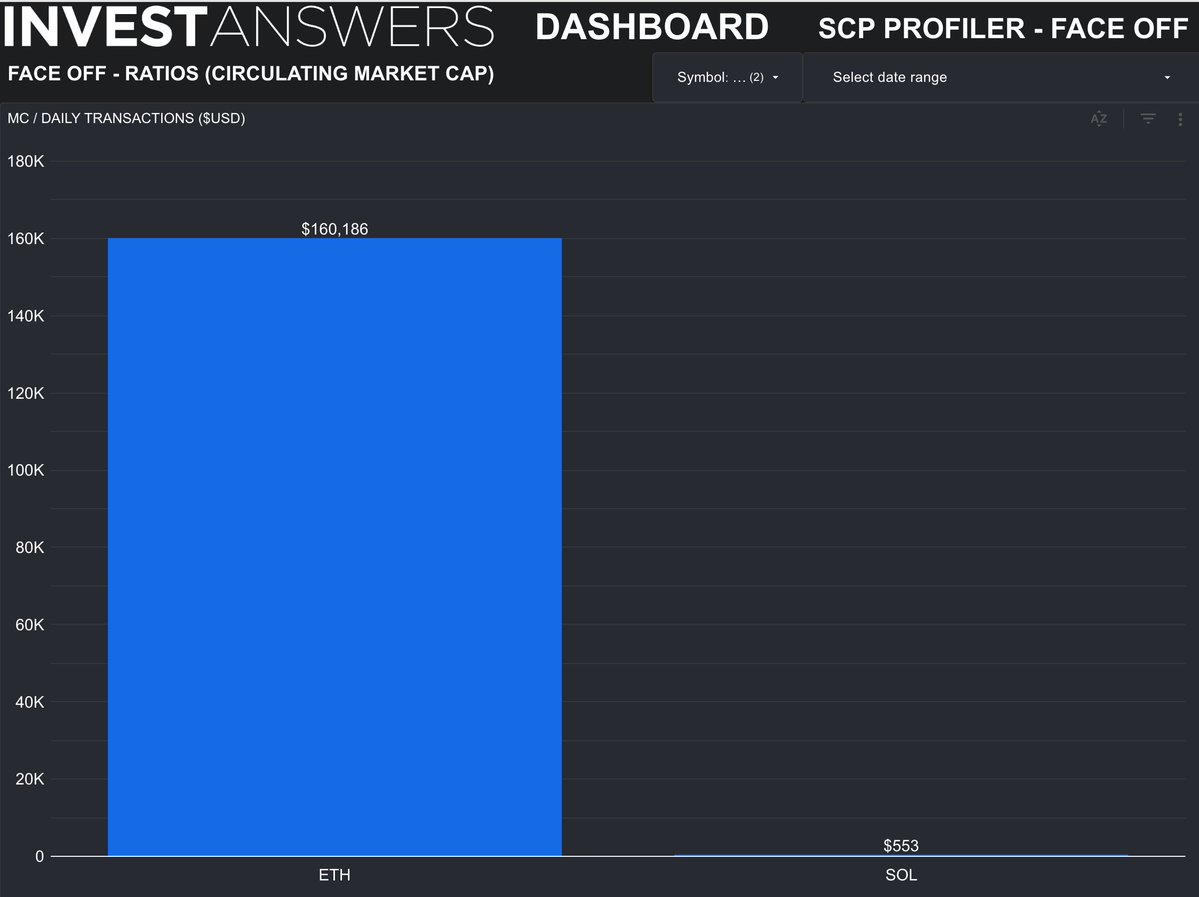
🚨BREAKING: 40% CHANCE ETHEREUM GETS FLIPPED IN 2026 ON @POLYMARKET!🚨