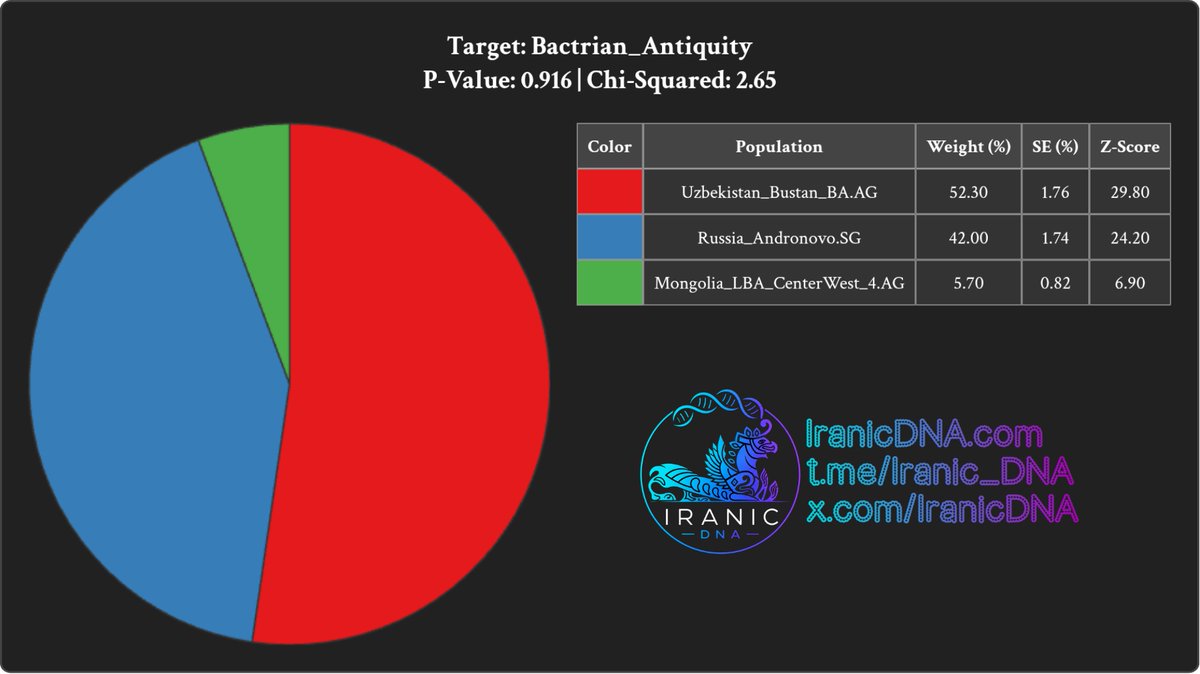
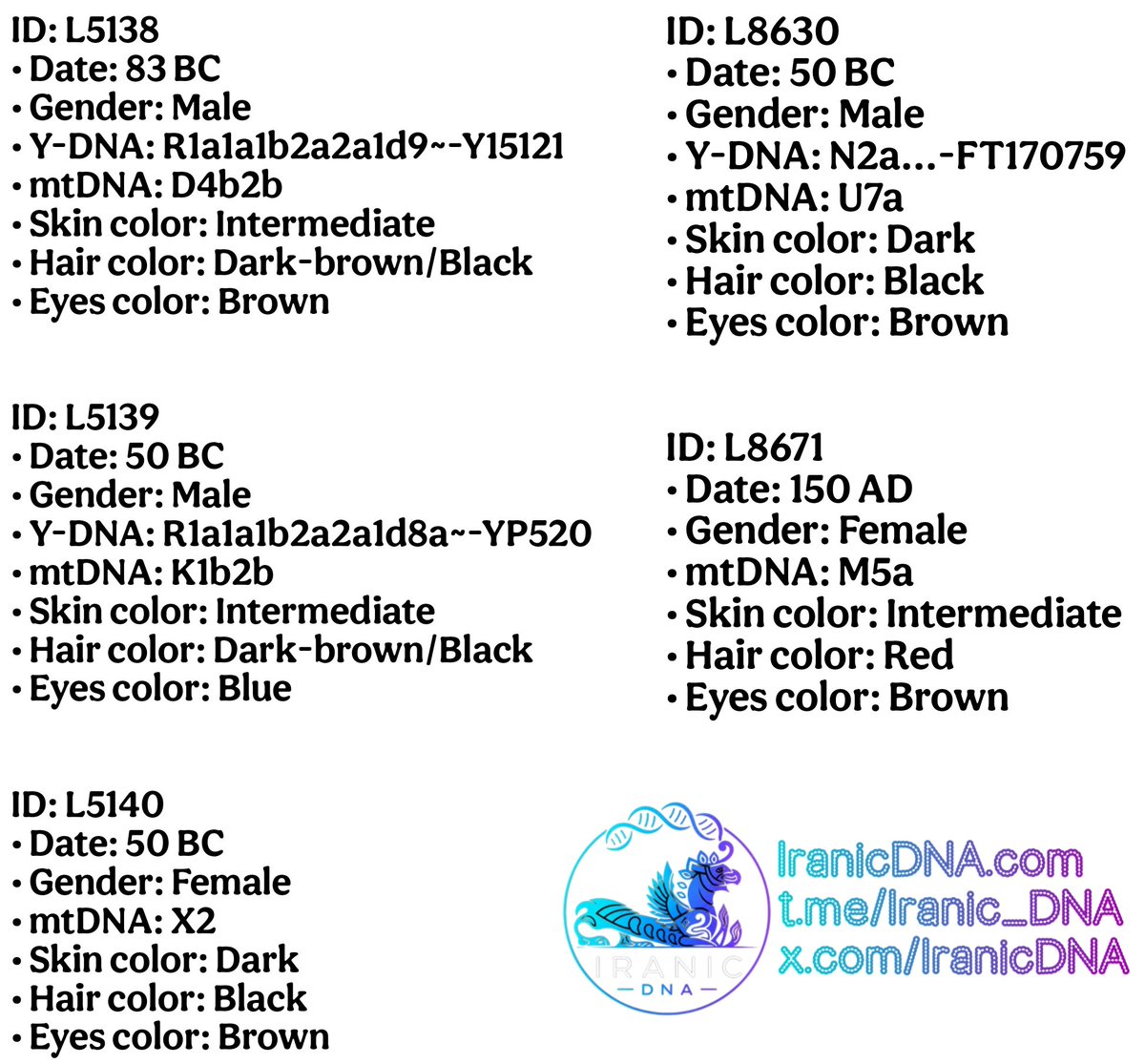
@Curiousity14386 Yeah but i think that bmac samples such as sappali 2 and dzharkutan 2 got their natufian admixture from mesopotamian immigrants
Also there are caucasian like (dzharkutan 3) and ivc like (gonur 2) samples among bmac samples, so its not so strange
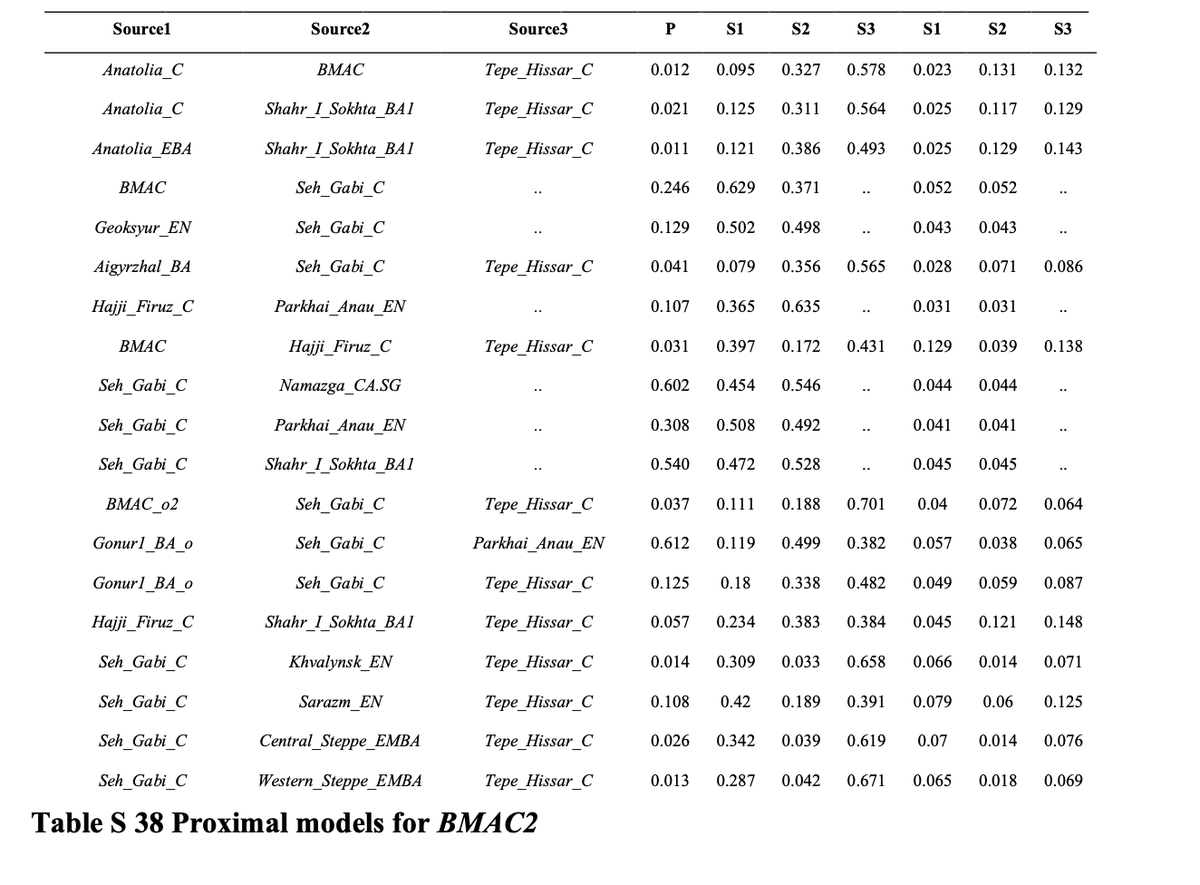
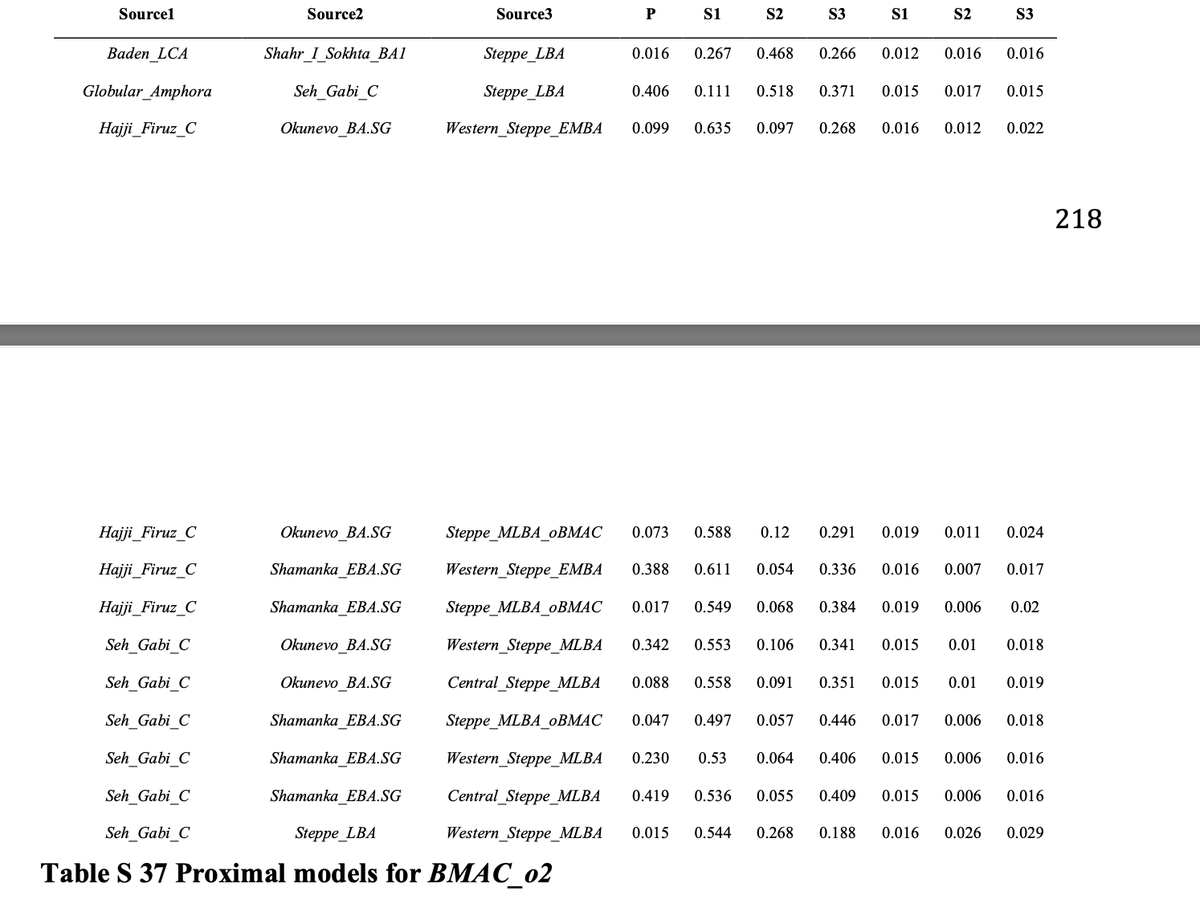
@Iranicdna proximal models doesnt really show them as to been mixed with mesopotamians though, rather west iranians
but they might just be, as i've said, indo-aryan migrants mixed with west iranians, who trained horses for mittanis and went back and forth to central asia
@Iranicdna But natufian shift could already be found in pre-steppe locals, and the steppe outliers of Gonur and Dzarkhutan could already be modelled with just similar iranian admix
so i guess nothing too crazy for central asia
@Iranicdna might also been an indo-aryan, whose ancestors moved into Mesopotamia under hurrian mittanis for horse training, and moved forth and back between central asia and mesopotamia
might also been iranic with extra iranian farmer ancestry
@Iranicdna Not everyone is descended from yaz. Yaz itself is dated to start from 1500 BCE.
Would still be neat to see a model of it. Hopefully with indian tribal over onge too
@Iranicdna You should try use the more western BMAC samples, such as Sumbar late bronze age and other western turkmenistan samples
they have 0% IVC, unlike Gonur that's example like 2% AASI
@Dave70785436396@Iranicdna because the models are obviously wrong
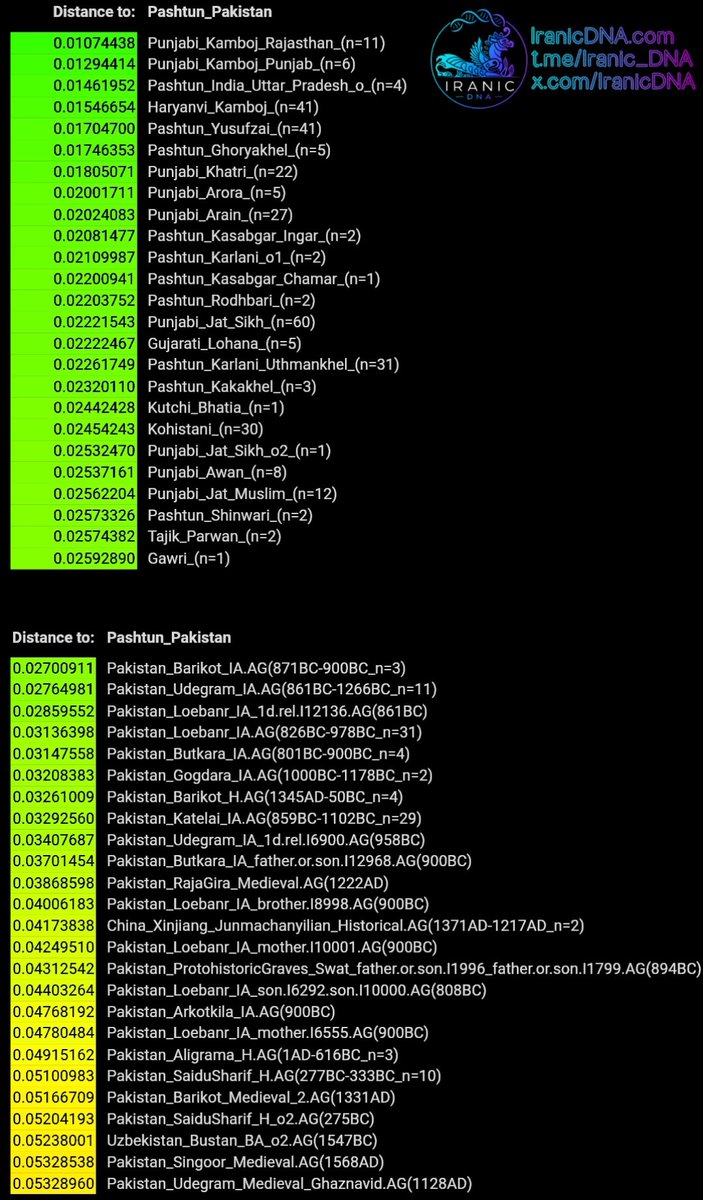
these are hgdp kurram pashtuns, which are super indian shifted. If not hgdp pashtuns, then im wrong
on a recent study of pakistanis, they werent even closer to pashtuns from mostly Mardan, Swat, karachi, islamabd than to hindkos on fst
@Iranicdnareich.hms.harvard.edu/sites/reich.hm…
Would be a treat
The closest thing to qpadm i've seen of him, is on admixture
There's BMAC_o2, but it includes 2 gonur steppe shifted samples too. He seemingly has some slight amount of AASI on admixture
@Iranicdna@Iranicdna
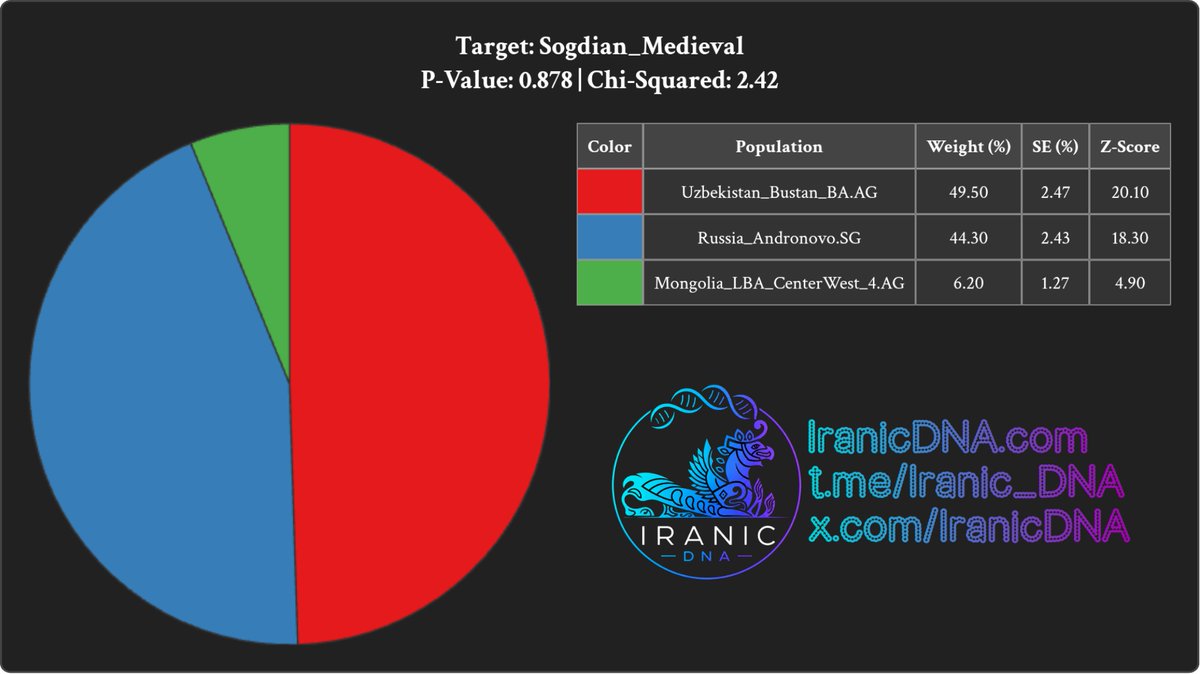
Im mainly interested, because it appears to be an actual bactrian from uzbekistan around 1600 BCE
with around 30% steppe iranic ancestry
@Iranicdna Hey, could you model a sample with admixtools 1 of sappali tepe culture, called I7493 ?
But please use paniya, irula for aasi instead of onge
@Saatvata@Akjarati I think east iranic languages have split ergativity alike pashto, unlike west iranic languages. Although apparently kurdish also have this
The clitic behaviour in pamiri languages is akin to pashto too, like shughni
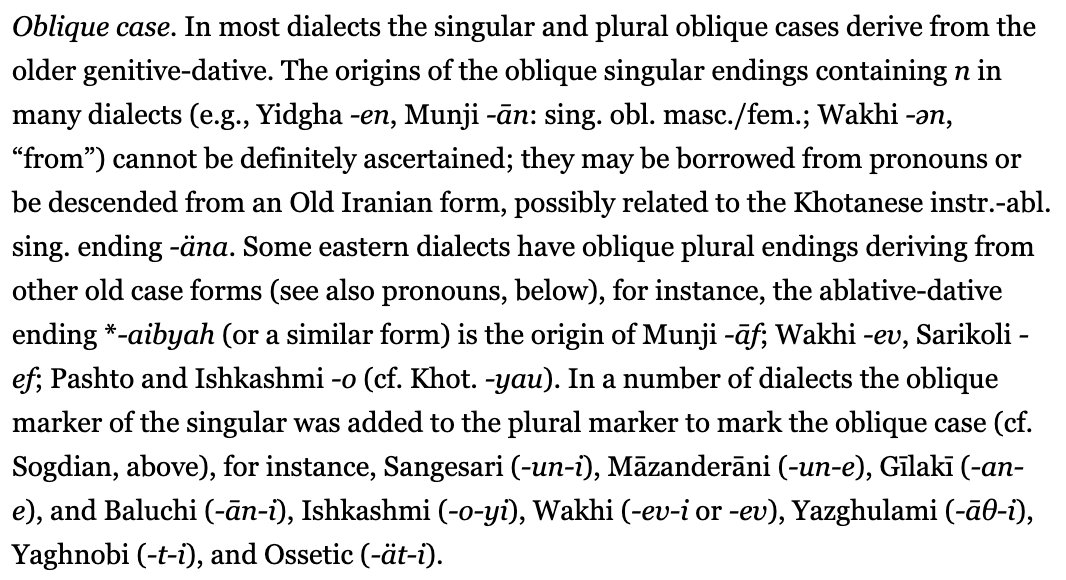
pashto's oblique case is also rather iranic too?
Do you think Iranic languages like Balochi and Pashto fall under the South Asian Sprachbund?
Please elaborate in the replies with what your opinion is and why you think so