
Sabitlenmiş Tweet
Mijail
6.2K posts


Mijail
@DMAlpSar
Nuestro tiempo vale oro, no estamos como para perderlo. Ing. Informática - PUCP. MLOps Engineer 💻. Squad Lead. Profesor de IA y LLMs. 28 años 🇵🇪
Lima, Perú. Katılım Ocak 2012
721 Takip Edilen198 Takipçiler
Mijail retweetledi

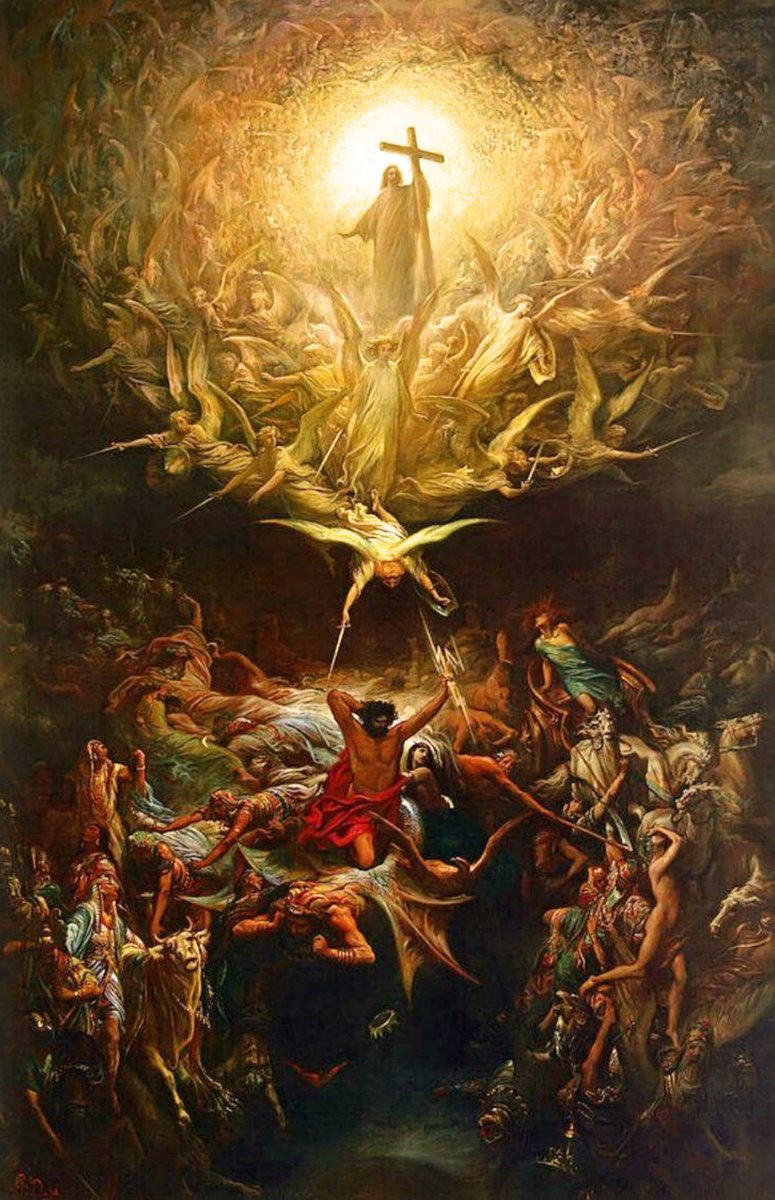
La teología católica es fascinante. Estudienla, no se van a arrepentir.
En términos de “poder” Cristo podría habernos redimido con un pinchazo en su dedo
Pero es Dios, y por ello eligió la manera más perfecta, completa y acabada de lograrlo
El tema es que la ofensa del hombre para con Dios es INFINITA.
La gravedad de la ofensa se mide por la dignidad del ofendido. Como Dios es infinito, la ofensa adquiere carácter infinito, y ninguna satisfacción puramente humana , finita por naturaleza, puede saldarla
Esa brecha que se abrió no podía ser cerrada de ninguna manera por el esfuerzo humano. Por eso las puertas del cielo no estaban abiertas
Fue necesaria la encarnación. Cristo toma nuestra naturaleza, se ofrece como sacrificio y nos eleva, cerrando esa deuda insalvable por nuestra cuenta
La humanidad aporta el sufrimiento real; la divinidad le da peso infinito.
La misa es la renovación de ese mismo sacrificio que constantemente nos mantiene
Se entiende que PARTE de esto fue lo que vislumbró Lucifer que iba a pasar, algo que también lo llenó de desprecio e ira. Ver cómo Dios se “humillaba” por unos gusanos
Por eso parte de su misión es llevarnos a la condena, hay un odio visceral hacia los hombres
En términos de justicia estricta, el “pago” debía ser realizado de esa manera. Ni hablar de que cultural, histórica y geográficamente, el momento elegido fue PERFECTO.
El desarrollo de la filosofía natural estaba en el momento perfecto, había una lengua universal que permitía rápida difusión. En medio de PAX ROMANA y con un sistema jurídico que luego cimentaría la estructura de la iglesia
También hay algo interesante que suma Chesterton (si no recuerdo mal) sobre la pedagogía católica: si Dios nos pidiera que sufriésemos pacientemente y usemos el dolor para santificarnos, nuestra respuesta humana sería “que vivo, si nunca sufriste, así cualquiera”
Pero esta “brecha pedagógica” la cierra la encarnación. Teológicamente, Cristo sufre la MÁXIMA injusticia y el MÁXIMO DOLOR físico y espiritual. Aún así triunfa, vence y perdona
Es el camino a seguir, y como todo rey, lo recorrió para marcar el ejemplo
Como ven, podría habero hecho de otra manera. Pero eligió la más perfecta, para conmovernos y llevarnos al bien
Español
Mijail retweetledi

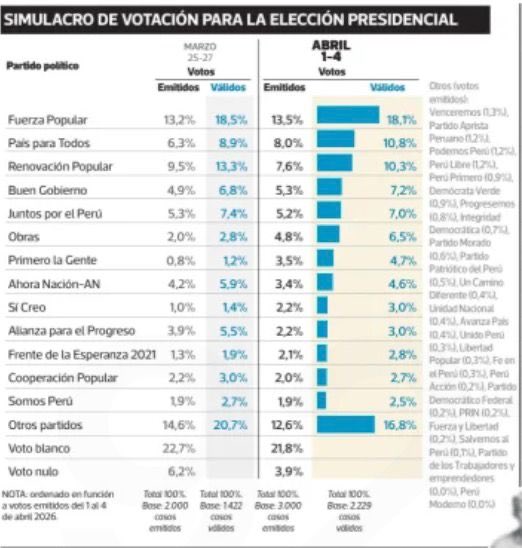
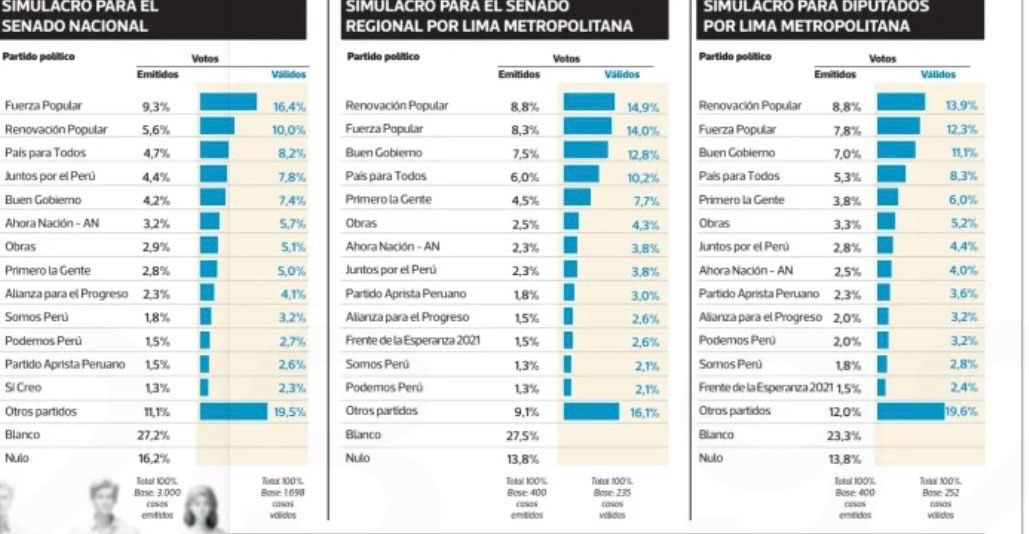
@rmapalacios Doctora, no cree que estan colocando a Lopez Chau muy abajo solo para dispersar y evitar la unificacion del voto ? No tiene sentido con la cantidad de gente que lo respalda
Español

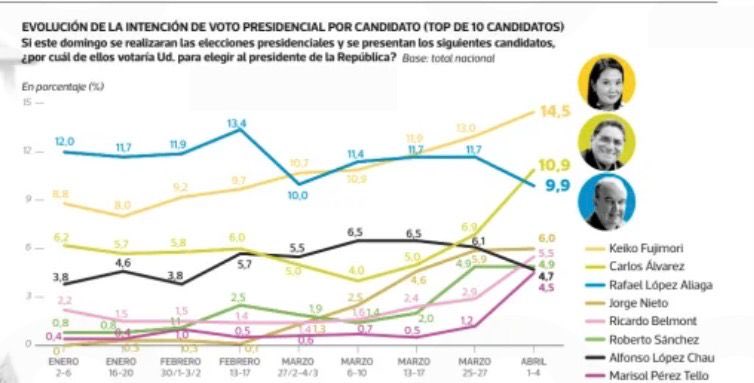
Mijail retweetledi


Mijail retweetledi

Mijail retweetledi

Es como llegar tarde al evento más importante de tu vida, como si fuera a tu boda y tu eres el novio.
Español
Mijail retweetledi

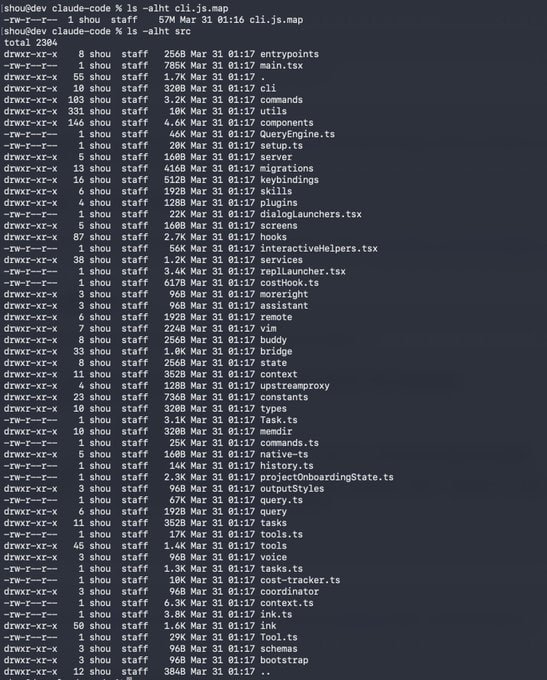
Anthropic filtró accidentalmente todo su código fuente ayer. Lo que pasó después es una de las historias más locas en la historia de la tecnología.
> Anthropic lanzó una actualización de software para Claude Code a las 4AM.
> Un archivo de depuración se incluyó accidentalmente dentro de ella.
> Ese archivo contenía 512.000 líneas de su código fuente propietario.
> Un investigador llamado Chaofan Shou lo detectó en cuestión de minutos y publicó el enlace de descarga en X.
> 21 millones de personas han visto el hilo.
> Toda la base de código fue descargada, copiada y replicada en GitHub antes de que el equipo de Anthropic siquiera se hubiera despertado.
> Anthropic retiró el paquete y empezó a enviar notificaciones DMCA a cada repositorio que lo alojaba.
> Fue entonces cuando un desarrollador coreano llamado Sigrid Jin se despertó a las 4AM con su teléfono explotando de notificaciones.
> Es el usuario más activo de Claude Code en el mundo, y el Wall Street Journal informó que personalmente utilizó 25 mil millones de tokens el año pasado.
> Su novia estaba preocupada de que lo demandaran solo por tener el código en su máquina.
> Así que hizo lo que haría cualquier ingeniero.
> Reescribió todo desde cero en Python antes del amanecer.
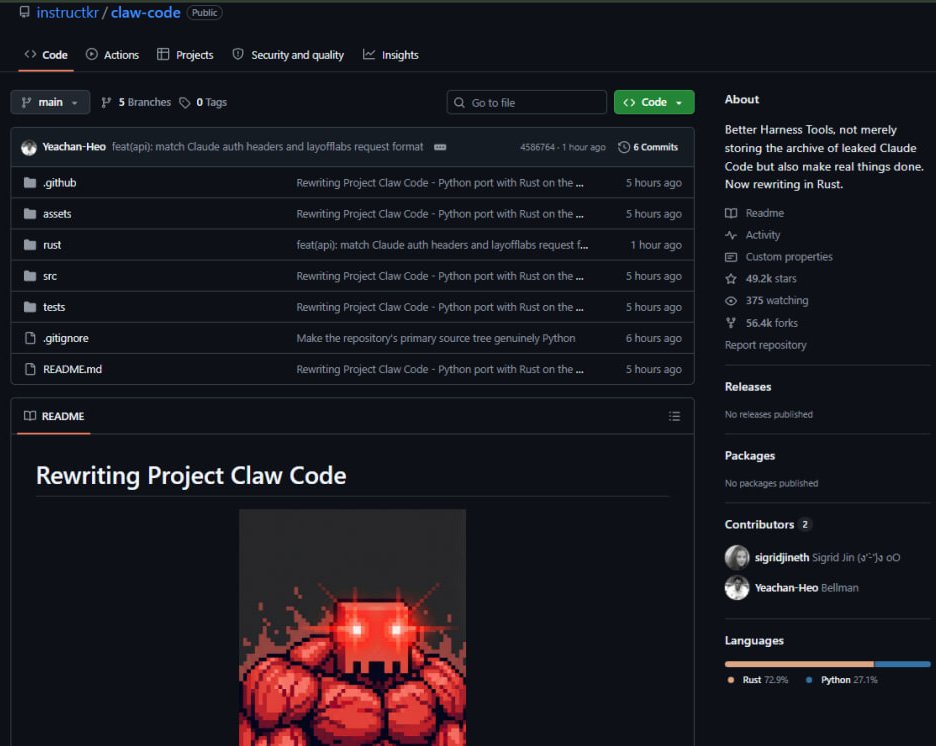
> Lo llamó claw-code y lo subió a GitHub.
> Una reescritura en Python es una nueva obra creativa. El DMCA no puede tocarla.
> El repositorio alcanzó 30.000 estrellas más rápido que cualquier repositorio en la historia de GitHub.
> No quedó satisfecho. Empezó a reescribirlo otra vez en Rust.
> Ahora tiene 49.000 estrellas y 56.000 forks.
> Alguien replicó el original en una plataforma descentralizada con un solo mensaje: "nunca será eliminado."
> El código ahora es permanente. Anthropic no puede recuperarlo.
Anthropic construyó un sistema llamado Undercover Mode específicamente para evitar que Claude filtrara secretos internos. Y luego filtraron su propio código fuente ellos mismos. Esto no se puede inventar.
Español
Mijail retweetledi

🚨 ¿Entiendes lo que acaba de decir Karpathy?
El tipo que cofundó OpenAI… lideró la IA en Tesla… uno de los mejores ingenieros vivos…
Construyó una app con IA… y dijo que el código fue la parte fácil…
Lo difícil fue Stripe… la autenticación… el DNS… las bases de datos… desplegarla… conectar 15 servicios distintos, todos con paneles, documentación y páginas de facturación diferentes…
La IA puede escribir toda tu app en 20 minutos… pero todavía no puede hacer clic en “confirmar email” en Vercel…
Así que eso que “está reemplazando a los desarrolladores” no puede hacer lo que los desarrolladores realmente hacen el 80% del tiempo…
El “vibe coding” no mató la ingeniería de software… solo demostró que programar nunca fue el trabajo… el trabajo era lidiar con todo el caos alrededor del código… y ese caos sigue siendo 100% humano.
Andrej Karpathy@karpathy
When I built menugen ~1 year ago, I observed that the hardest part by far was not the code itself, it was the plethora of services you have to assemble like IKEA furniture to make it real, the DevOps: services, payments, auth, database, security, domain names, etc... I am really looking forward to a day where I could simply tell my agent: "build menugen" (referencing the post) and it would just work. The whole thing up to the deployed web page. The agent would have to browse a number of services, read the docs, get all the api keys, make everything work, debug it in dev, and deploy to prod. This is the actually hard part, not the code itself. Or rather, the better way to think about it is that the entire DevOps lifecycle has to become code, in addition to the necessary sensors/actuators of the CLIs/APIs with agent-native ergonomics. And there should be no need to visit web pages, click buttons, or anything like that for the human. It's easy to state, it's now just barely technically possible and expected to work maybe, but it definitely requires from-scratch re-design, work and thought. Very exciting direction!
Español
Mijail retweetledi

Guys.. this model is just crazy.
If you have just less than 48gb vram, just try the 8q gguf format.
Feels just like opus!
Tool calling is working smoothly!!
Appreciate for this! (Hf and qwen!!)
huggingface.co/Jackrong/Qwen3…
English
Mijail retweetledi

He procesado la entrevista de Andrej Karpathy en No Priors y he sacado las ideas que me parecen más importantes para los que trabajamos con IA aplicada al desarrollo.
Esto es lo que más me ha llamado la atención:
EL FIN DE PROGRAMAR "A MANO"
Karpathy dice que desde diciembre dejó prácticamente de escribir código línea a línea.
Su trabajo ahora es otro:
- expresar intención
- repartir tareas
- revisar resultados
- coordinar agentes
La idea fuerte no es “la IA programa”.
Es que el cuello de botella ya no es teclear.
EL NUEVO SKILL ISSUE
Cuando algo falla, su reacción ya no es “el modelo no puede”.
Es:
- no le di buenas instrucciones
- no dividí bien el trabajo
- no le puse suficiente contexto
- no monté bien la memoria o el entorno
Eso es importante porque cambia totalmente dónde está el valor.
LA PALANCA REAL: QUITARTE DEL BUCLE
Para él, el objetivo no es tener un agente que responda bien a un prompt.
Es montar sistemas que sigan trabajando sin depender de tu siguiente mensaje.
Más autonomía.
Más persistencia.
Más paralelismo.
Más throughput de tokens.
No usar la IA como ayudante puntual, sino como fuerza de trabajo que hay que orquestar.
MUCHAS APPS NO DEBERÍAN EXISTIR
Cuenta cómo montó un agente para controlar su casa por WhatsApp: luces, música, clima, persianas, alertas...
Y su tesis de fondo me parece muy buena:
muchas apps actuales son una interfaz provisional.
En un mundo realmente agéntico, gran parte del software debería ser:
- APIs
- herramientas
- agentes como capa de inteligencia
EXPLICAR A AGENTES, NO A HUMANOS
Otra idea potentísima:
cada vez tiene menos sentido documentar o enseñar pensando directamente en humanos.
Si el agente entiende bien un sistema, luego puede adaptarle la explicación a cada persona.
Es un cambio muy bestia para:
- documentación
- educación
- onboarding
- APIs
- librerías
MI LECTURA
La entrevista no va solo de que los modelos son mejores.
Va de que estamos aprendiendo a trabajar en un nivel más alto de abstracción:
menos escribir,
más dirigir.
menos ejecutar,
más orquestar.
sarah guo@saranormous
Caught up with @karpathy for a new @NoPriorsPod: on the phase shift in engineering, AI psychosis, claws, AutoResearch, the opportunity for a SETI-at-Home like movement in AI, the model landscape, and second order effects 02:55 - What Capability Limits Remain? 06:15 - What Mastery of Coding Agents Looks Like 11:16 - Second Order Effects of Coding Agents 15:51 - Why AutoResearch 22:45 - Relevant Skills in the AI Era 28:25 - Model Speciation 32:30 - Collaboration Surfaces for Humans and AI 37:28 - Analysis of Jobs Market Data 48:25 - Open vs. Closed Source Models 53:51 - Autonomous Robotics and Atoms 1:00:59 - MicroGPT and Agentic Education 1:05:40 - End Thoughts
Español
Mijail retweetledi

Chrome lanzó silenciosamente una función que permite a los agentes de IA usar un navegador en el que ya ha iniciado sesión
- Omitir CAPTCHA y volver a iniciar sesión por completo
- Los agentes prueban con su propia autenticación.
- Funciona mejor con Chrome Dev Tool MCP
Se acabaron los dolores de cabeza de autenticación para los agentes de navegador.
Español
Mijail retweetledi

Mijail retweetledi

Imagina que mañana se cae internet para siempre...
Chao Wikipedia.
Chao mapas.
Chao todo.
Project N.O.M.A.D. es el computador de supervivencia offline que te salvaría el pellejo en ese escenario:
- Wikipedia completa (Kiwix).
- Mapas OpenStreetMap.
- IA local potente (Ollama + Open WebUI).
- Calculadoras, guías de supervivencia y más.
1 solo comando curl y lo tienes corriendo en cualquier máquina Debian (incluso una vieja).
Sin internet.
Sin telemetría.
Sin cuentas.
Sin nube.
Accesible desde el móvil, tablet o laptop de toda tu red local.
Cuando todo lo demás falle… esto sigue vivo.
REPOOO👇

Español
Mijail retweetledi

This feels illegal.
Someone built a fully local deep research agent that writes its own search queries, hunts down sources, finds the gaps in its own answers, then keeps searching until it's done.
It's called Local Deep Researcher.
Drop in any Ollama model like DeepSeek, Llama, Qwen and give it a topic.
It handles everything:
→ Generates the search query
→ Scrapes the web
→ Summarizes what it found
→ Identifies what it missed
→ Searches again to fill the gaps
→ Outputs a full markdown report with citations
You set how many research loops it runs.
The whole thing costs $0 to operate after setup.
Perplexity Pro is $20/month for this exact workflow.
8,500 developers already starred it.
100% Open Source. MIT License.
English
Mijail retweetledi

🚨Alguien acaba de abrir un ordenador que funciona cuando todo Internet se cae.
Se llama Proyecto N.O.M.A.D.
Un servidor de supervivencia fuera de línea autónomo con IA, Wikipedia, mapas, referencias médicas y cursos de educación completos.
No hay internet. Sin nubes. Sin suscripción. Simplemente funciona.
Esto es lo que hay dentro:
→ Un asistente de IA local impulsado por Ollama (funciona completamente sin conexión)
→ Toda Wikipedia, descargable y con capacidad de búsqueda
→ Mapas sin conexión de cualquier región que elijas
→ Referencias médicas y guías de supervivencia
→ Cursos completos de Khan Academy con seguimiento del progreso
→ Herramientas de cifrado y análisis de datos a través de CyberChef
→ Carga de documentos con búsqueda semántica (RAG local)
Aquí está la parte más salvaje:
Un panel solar, una batería, un mini PC y un punto de acceso WiFi. Eso es todo. Esa es toda tu estación de conocimiento fuera de la red. De 15 a 65 vatios de potencia. Funciona desde una cabaña, una casa rodante, un velero o un búnker.
Las empresas venden "drives prepper" con archivos PDF estáticos por 185 $. Esto te da un cerebro de IA completo, una enciclopedia completa y cursos reales gratis.
Un comando para instalar.
100% de código abierto. Licencia Apache 2.0.
Nav Toor@heynavtoor
🚨Someone just open sourced a computer that works when the entire internet goes down. It's called Project N.O.M.A.D. A self-contained offline survival server with AI, Wikipedia, maps, medical references, and full education courses. No internet. No cloud. No subscription. It just works. Here's what's packed inside: → A local AI assistant powered by Ollama (works fully offline) → All of Wikipedia, downloadable and searchable → Offline maps of any region you choose → Medical references and survival guides → Full Khan Academy courses with progress tracking → Encryption and data analysis tools via CyberChef → Document upload with semantic search (local RAG) Here's the wildest part: A solar panel, a battery, a mini PC, and a WiFi access point. That's it. That's your entire off-grid knowledge station. 15 to 65 watts of power. Works from a cabin, an RV, a sailboat, or a bunker. Companies sell "prepper drives" with static PDFs for $185. This gives you a full AI brain, an entire encyclopedia, and real courses for free. One command to install. 100% Open Source. Apache 2.0 License.
Español
Mijail retweetledi

Mijail retweetledi

Mijail retweetledi

Mijail retweetledi

Single biggest improvement I made to my CLAUDE.md:
"When I report a bug, don't start by trying to fix it. Instead, start by writing a test that reproduces the bug. Then, have subagents try to fix the bug and prove it with a passing test."
English
Mijail retweetledi
